
Natural form
Dry chia seeds up close: tiny oval grains with a mottled grey-black-white speckled surface.
Shows the reader the actual dry seed size, shape, and distinctive speckled coloring so they can identify chia in any store or pantry.
Seeds
Chia Seed
Tiny seeds that gel into puddings and boost smoothies
Nutty and gel-forming, chia seeds thicken into a creamy overnight pudding, sprinkle over bowls, and add fiber to smoothies. They swell in liquid. Keep them airtight and dry.
Chia seeds are the tiny, oval seeds of a Mexican mint-family plant (a relative of sage). The name comes from the Nahuatl chian, the word for the seed itself; the Aztecs and Maya prized it as an energy food (the popular "chia means strength" gloss is folk etymology). Their kitchen superpower is hydrophilic magic: each seed can absorb up to ten times its weight in liquid, swelling into a soft, gel-coated bead that thickens drinks, sets puddings without cooking, and binds batters. That gelling is why a spoonful of chia plus liquid makes an effortless overnight pudding, and why ground chia mixed with water becomes a vegan egg substitute. They're nearly tasteless (faintly nutty), so they go anywhere, and they're nutritional dynamite for their size: exceptional fiber, plant omega-3s, protein, and calcium. Unlike flax, they don't need grinding — the whole seed is digestible — and they keep far better than other seeds.
- Measured in
- g
- Storage
- Airtight
Find it in
Types & varieties
The common type — tiny dark seeds; identical in use to white.
Pale seeds, slightly milder; chosen when you don't want dark specks.
How to make chia gel & pudding
Chia's whole appeal is its gelling. Stir seeds into liquid, wait, and they thicken into a tapioca-like pudding — no cooking required. Stirring partway through prevents clumps.
- Pudding: ~3 Tbsp chia per cup of milk (about 1:4), stir, rest 15 min, stir again, chill overnight
- It thickens more the longer it sits — adjust liquid to taste
- Egg substitute: 1 Tbsp chia + 3 Tbsp water, rest 10 min until gelled, per egg
- Stir a spoonful into smoothies or water to thicken and add fiber
How to use & store
Chia needs no grinding (a key difference from flax) and resists rancidity well. Sprinkle it whole into almost anything, or gel it as a thickener and binder.
- Sprinkle whole into oatmeal, yogurt, smoothies, and baking
- Use chia gel to thicken jams, dressings, and sauces
- Store airtight and cool; it keeps 1–2 years
- No need to grind — the whole seed's nutrients are bioavailable
Common uses
Tips & pitfalls
- Stir chia pudding twice — once when mixing, once after 10 minutes — to stop the seeds clumping.
- Use ground chia or whole; unlike flax, whole chia is fully digestible.
- Mix 1 Tbsp chia with 3 Tbsp water for a vegan egg replacer in baking.
- Add a spoonful to smoothies or jam to thicken without cooking.
- Chia keeps far longer than most seeds — its antioxidants resist rancidity.
Nutrition
Energy
372 kJ · per 100 g
Where the calories come from
Protein
4.1g
8% DV
Carbs
17.3g
6% DV
Fat
0.5g
1% DV
Sodium
1mg
0% DV
Source · USDA FoodData Central · approx. Seeds, lotus seeds, raw
View on FDC →In the shops
Matched grocery products
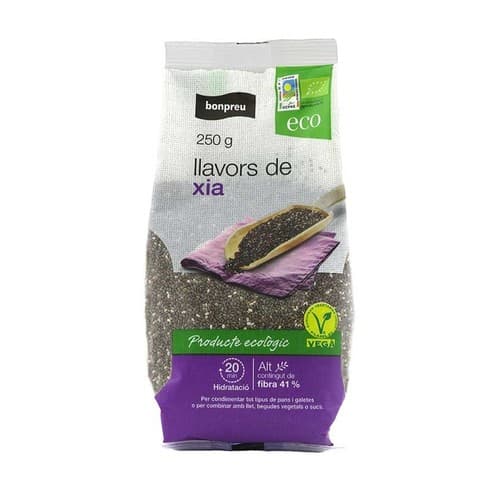 €2.09
€2.09Bonpreu Organic Chia Seeds
BONPREU · kg · Bonpreu
Good to know
- Flavor & texture
- Nearly neutral, faintly nutty; gel-coated and soft once soaked, crunchy dry
- How to use
- Gel ratio ~1 part seeds : 4–6 parts liquid; rest 15 min to overnight to set
- Soak?
- Yes for puddings/gels (no grinding needed — whole seeds are digestible)
- Nutrition
- ~486 kcal/100g; ~17g protein, ~34g fiber; rich in omega-3 (ALA) & calcium
- How to store
- Airtight, cool, dark — keep well for 1–2 years thanks to natural antioxidants
Substitutes
- Flax seeds (ground) — Similar gelling and omega-3s; must be ground to digest.
- Basil seeds — Gel almost identically for drinks and puddings.
- Psyllium husk — A strong gelling fiber for binding and thickening.
Pairs with
Also called
semilla de chía
Related

Flax Seed
Nutty seeds for baking, smoothies, and an egg substitute
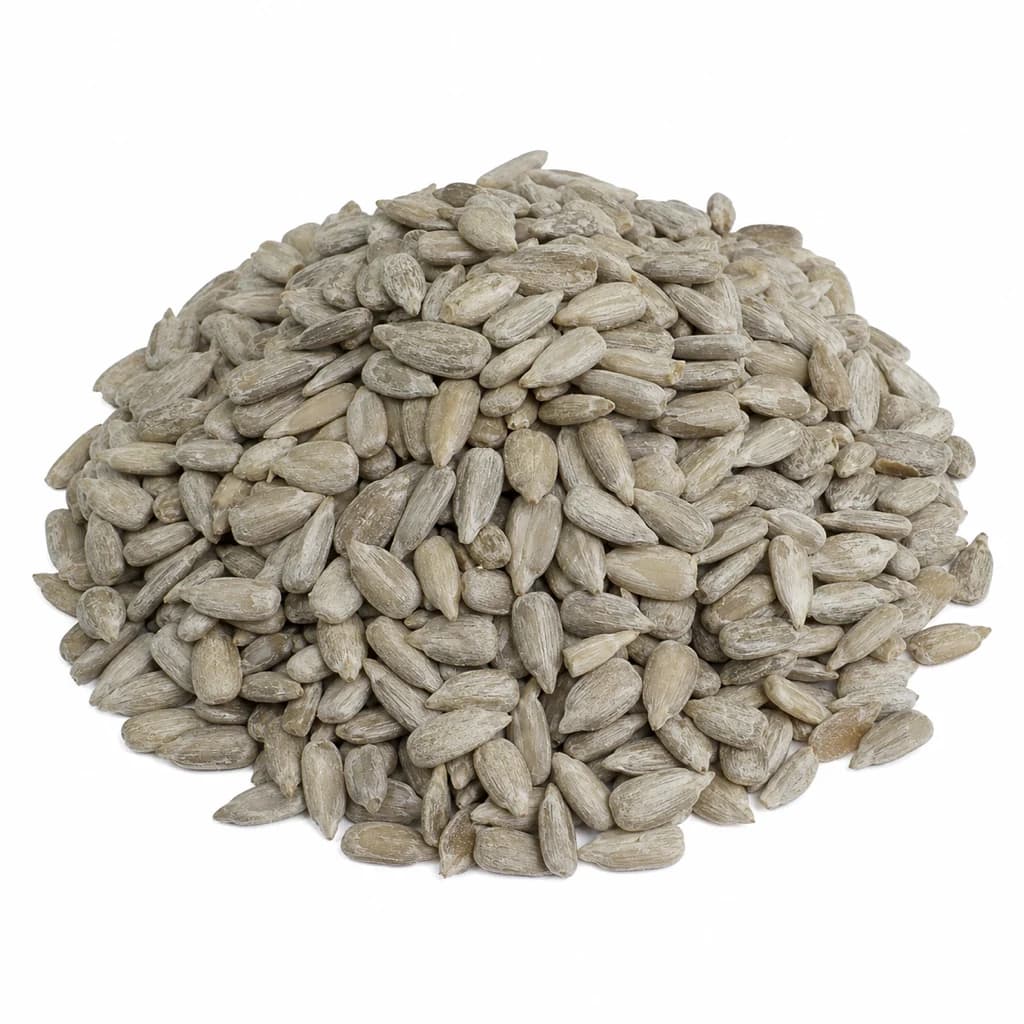
Sunflower Seed
Crunchy, mild seeds for snacking, salads, and baking
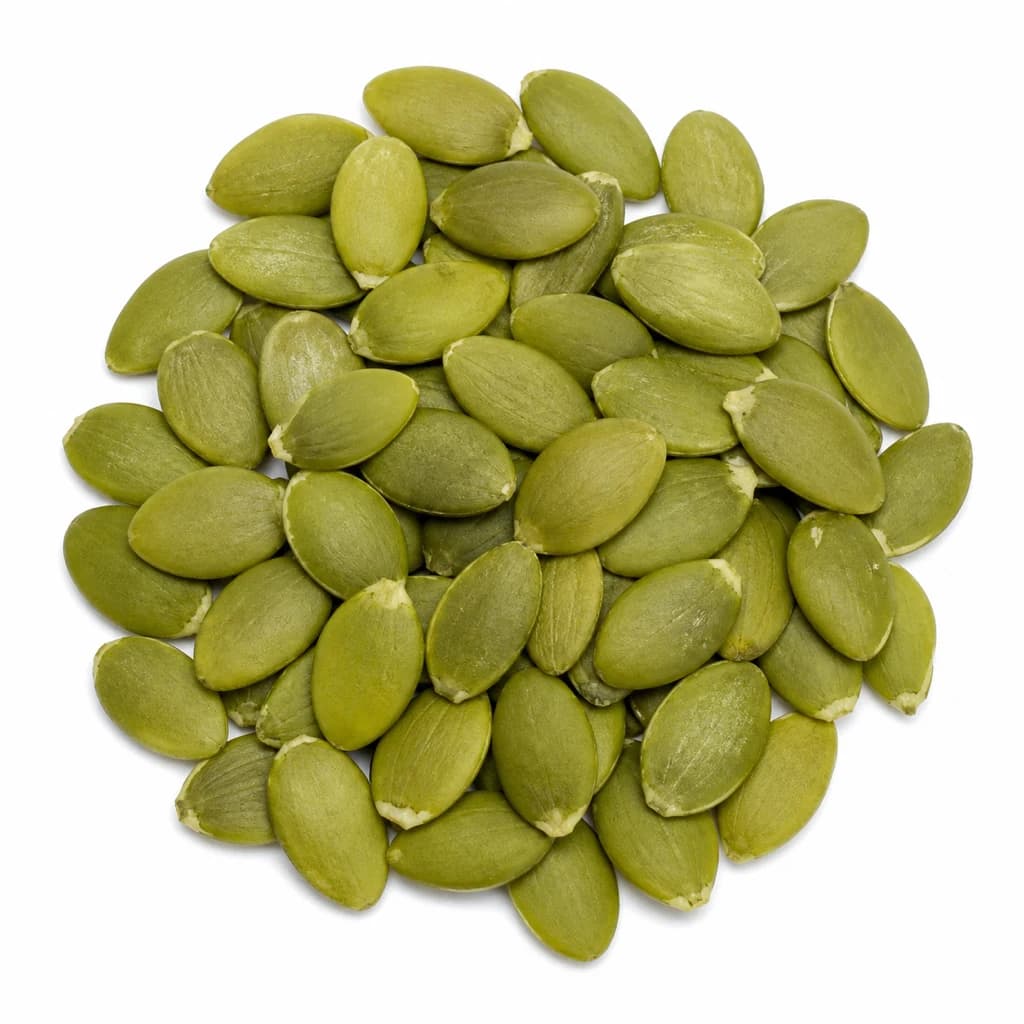
Pumpkin Seed
Nutty green seeds for toasting, salads, and snacking
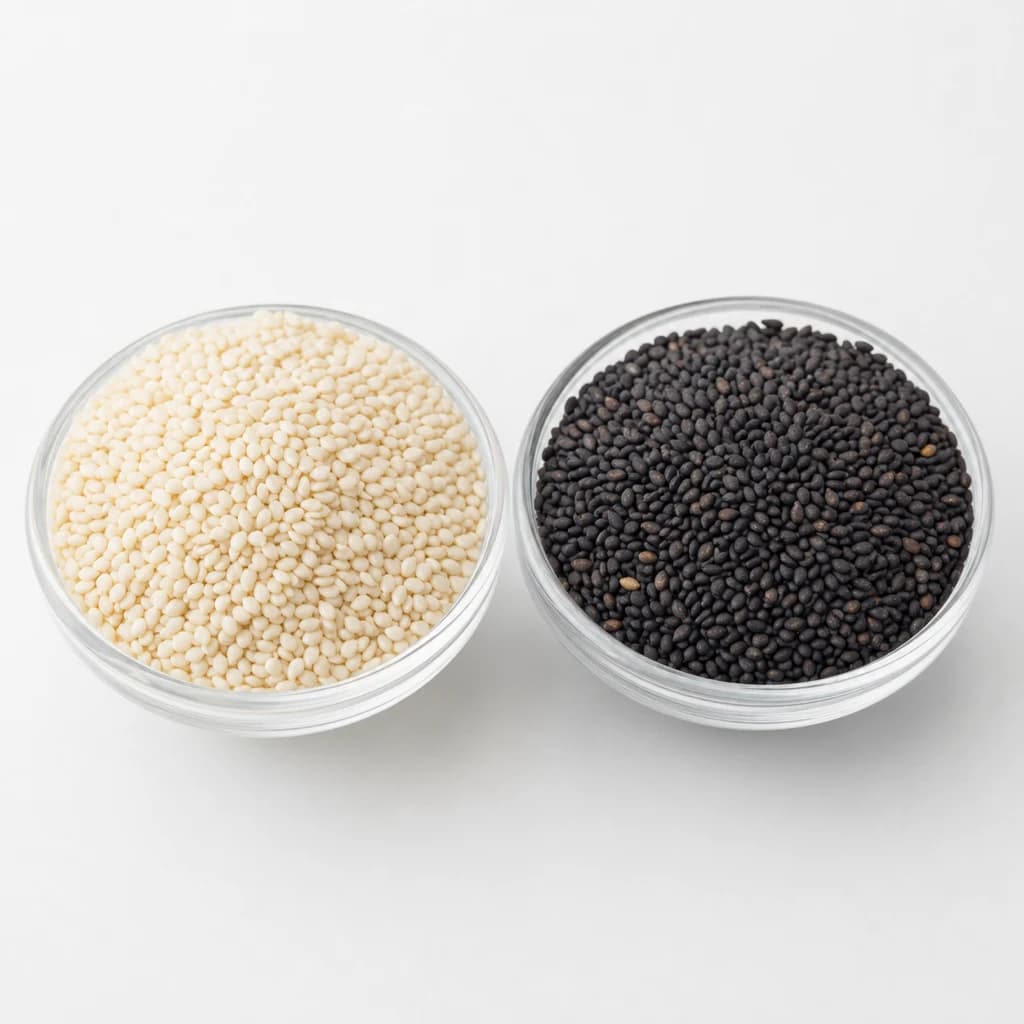
Sesame Seed
Tiny, toasty seeds for sprinkling, crusting, and tahini
Poppy Seed
Tiny blue-grey seeds with a faint nutty crunch, scattered on breads and bagels or ground into fillings for strudel and Eastern European pastries.
Black Sesame Seed
Unhulled black sesame with a deeper, nuttier, slightly bitter flavor than white; toasted for furikake and crusts, or ground into a dark paste for sweets.
Hemp Seed
Soft, nutty shelled hemp hearts rich in protein and omega fats.