Seeds
Poppy Seed
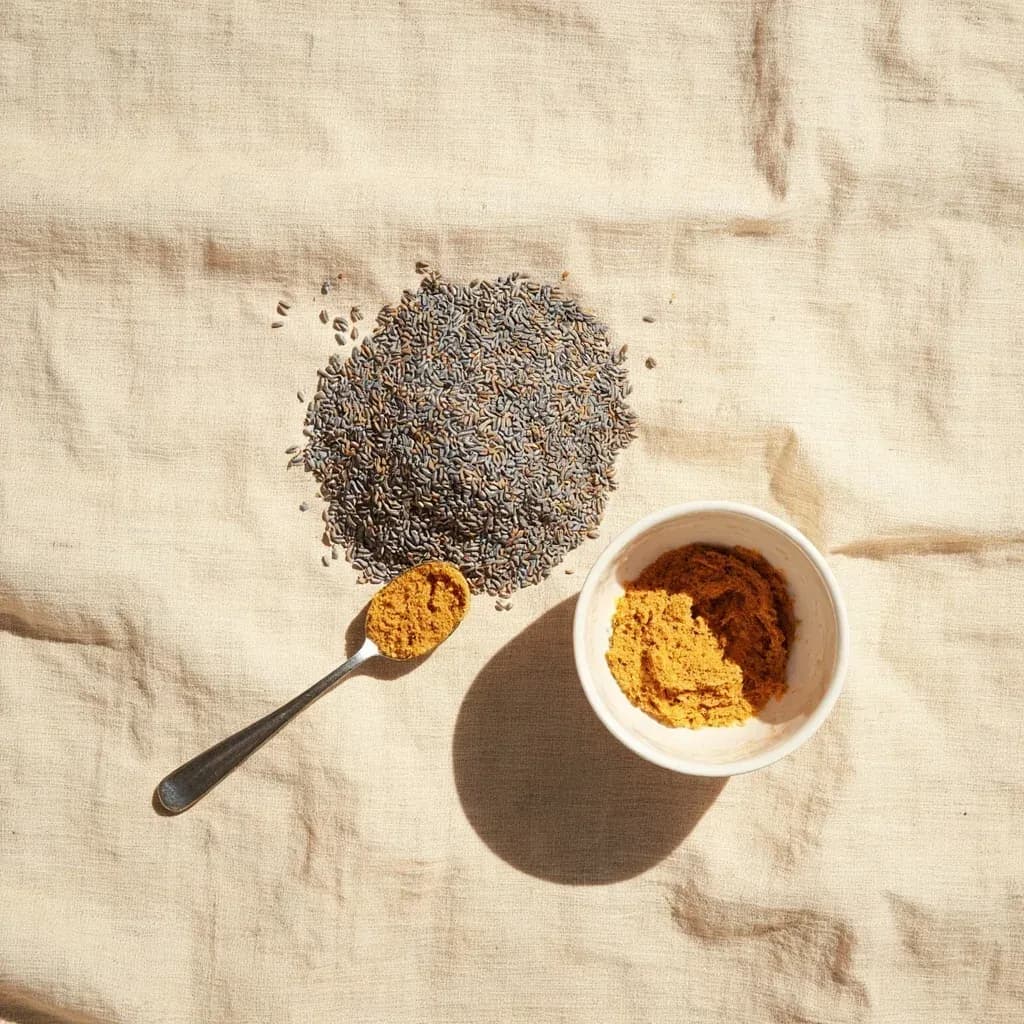
Tiny blue-grey seeds with a faint nutty crunch, scattered on breads and bagels or ground into fillings for strudel and Eastern European pastries.
Poppy seed is the dried mature seed of Papaver somniferum — the same plant cultivated for pharmaceutical opium, though the seed itself carries only trace alkaloids with no culinary or psychoactive effect. Each seed is barely a millimeter long, kidney- or comma-shaped, and ranges from slate-blue to almost black in the European varieties, or creamy ivory in the Indian (khas khas). At roughly 45–50% oil by weight, it behaves less like a spice than like a nut in the kitchen: nearly flavorless raw, but richly aromatic once toasted, ground, or bloomed in liquid.
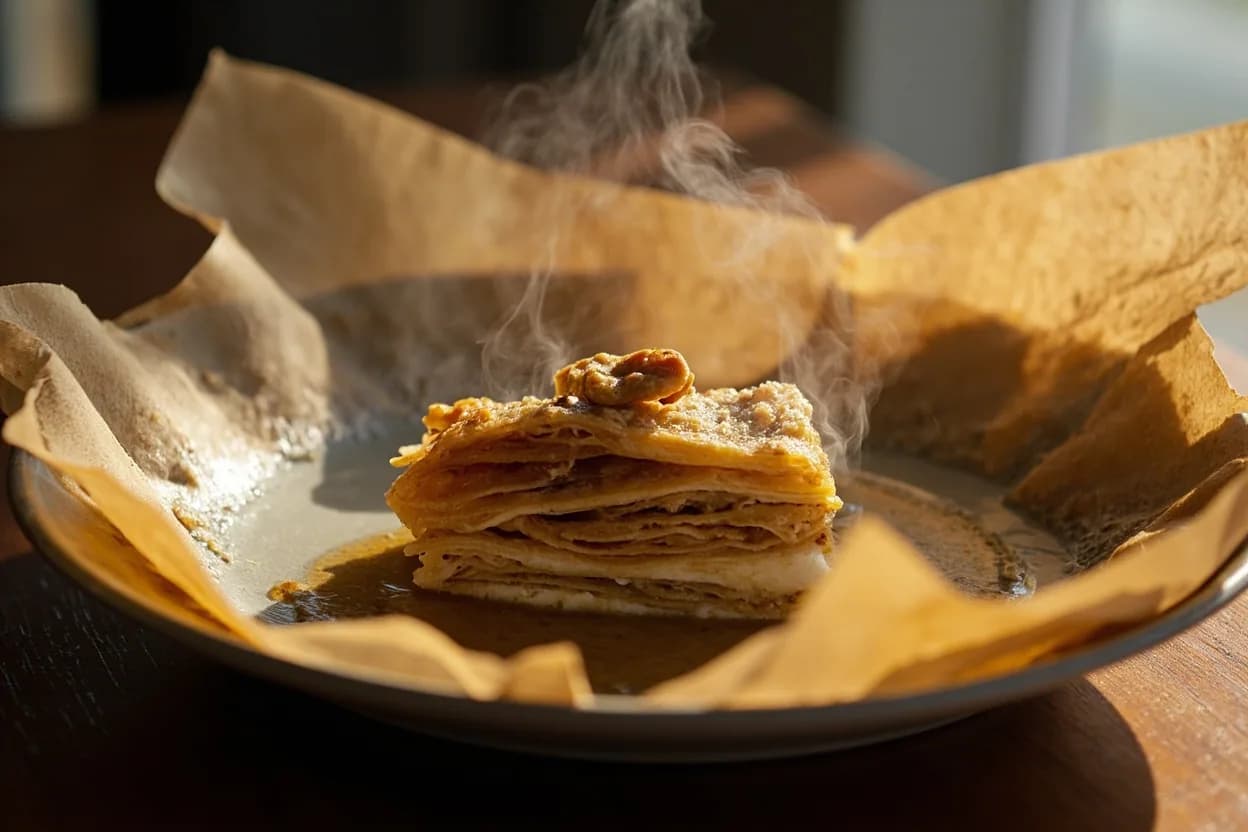
In Central and Eastern European baking — from Austrian Mohnstrudel and Hungarian mákos bejgli to Polish kluski z makiem and Jewish hamantaschen — poppy seed is treated almost like a nut paste, boiled with milk and sugar until it forms a dense, dark filling that anchors yeasted doughs and tender pastries. In South Asian cooking the white Indian variety is dry-roasted and ground into pastes for Bengali fish curries, kormas, and milk sweets such as thandai and narkel naru. Across both traditions the same principle holds: the seed's flavor lives in its volatile oils, and only emerges under heat or mechanical rupture.
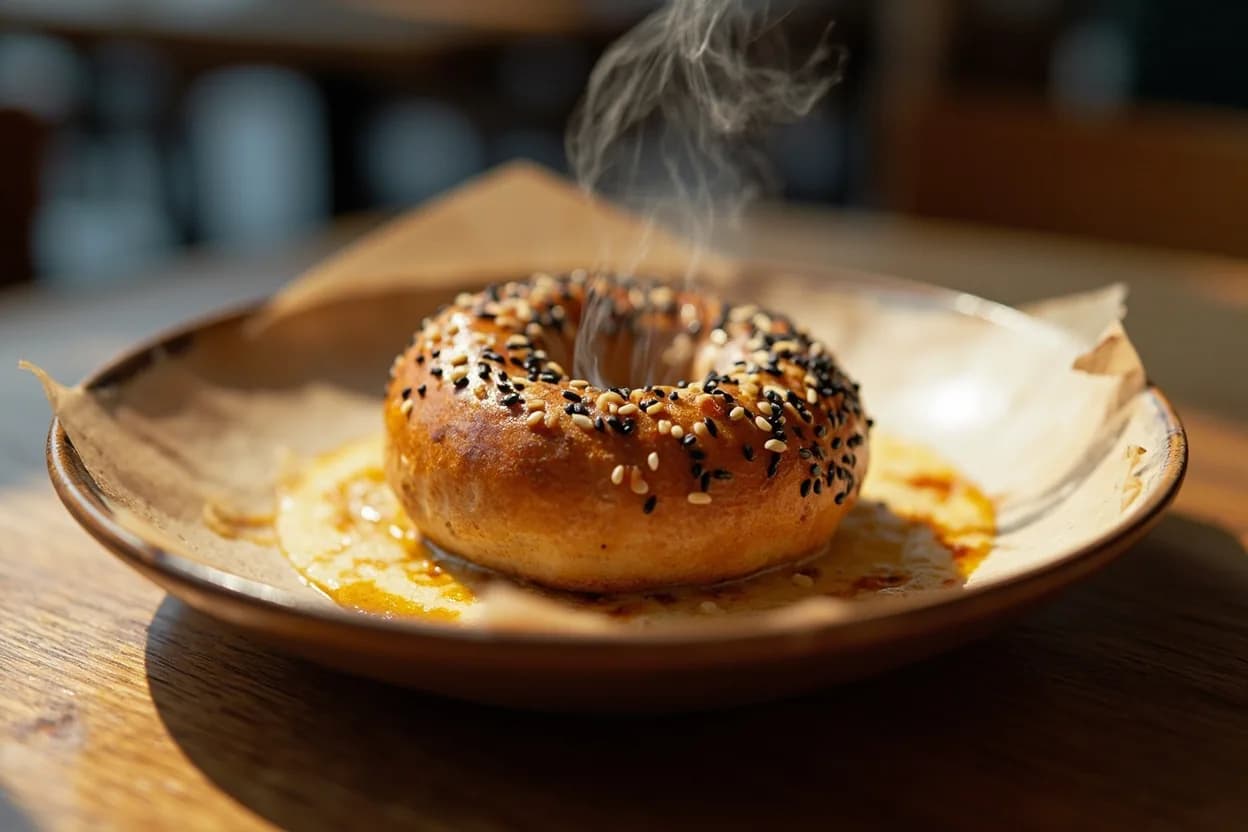
That high oil load is poppy seed's great strength and its single biggest practical weakness. It delivers the toasty, faintly sweet nuttiness that lifts a lemon poppy seed cake or a seeded bagel crust, but it also turns rancid faster than almost any other baking seed — a stale batch smells faintly of paint and will quietly ruin a cake. Buy in small quantities, store cold, and treat every batch as if it were a freshly shelled hazelnut.
- Measured in
- g
- Storage
- Airtight
Find it in
Suits
Types & varieties
The European workhorse (Czech, Hungarian, Austrian, German, Turkish). Slate-blue to almost black, ~1 mm, with a robust nutty flavor. The standard for Central European baking and Jewish pastry.
Indian and South Asian variety. Cream to ivory, slightly larger and softer, sweeter and milder than blue. Usually dry-roasted before grinding into pastes for curries, kormas, and milk sweets.
A paler, milder blue type favoured in Dutch baking — kruimelgebak, ontbijtkoek, and buttery crumb cakes.
A darker, oilier cultivar prized for poppy seed noodles (mákos tészta) and the Christmas poppy seed roll mákos bejgli.
A blue-black seed grown primarily for pharmaceutical alkaloid production; culinary seed is a by-product, fully suitable for baking.
Working with Poppy Seed
Because the seed's flavor is locked inside its oil, almost every poppy seed recipe begins with one of three moves: toasting, soaking, or grinding. Choose the technique by the dish, not by habit — toast for crunch on a crust, soak for paste, grind for a smooth filling.
- Toast in a dry skillet over medium heat for 1–2 minutes, shaking often, until fragrant. Cool fully before folding into batter so the seeds don't melt butter or kill yeast.
- For ground paste, soak 1 cup seeds in 1 cup hot milk for 1 hour (or refrigerate overnight), then blend with sugar and a splash of vanilla. The milk softens the seed coat so the grinder can break it down to a true paste rather than sandy crumbs.
- When grinding dry, run the seeds in a spice grinder with an equal weight of sugar. The sugar absorbs the released oil and keeps the seed from clumping into a paste on the blade.
- Add whole seeds at the end of bread or roll mixing so they remain visible on the crust instead of being crushed into the dough.
- For strudel, always fold the cooked poppy paste with buttered toasted breadcrumbs. The crumbs absorb the seed oil so the filling doesn't leak or dry out during baking.
- Stir poppy paste off the heat once it thickens; sugar and seed solids scorch quickly at the bottom of the pot.
Common uses
Tips & pitfalls
- Always toast, soak, or grind poppy seed before using — raw seeds taste like almost nothing.
- Buy in small quantities and store in the freezer; the high oil content turns rancid within weeks at room temperature.
- Grind with an equal weight of sugar in a spice grinder — the sugar absorbs the oil and keeps the seed from pasting up the blade.
- Soak seeds in hot milk before blending for a smoother filling; dry-ground poppy stays gritty even in a strong blender.
- Add whole seeds at the very end of dough mixing so they stay visible and crunchy on the crust.
- Don't confuse white Indian poppy seed (khas khas) with nigella (black cumin) or black sesame — they look similar but taste entirely different.
- Large quantities of poppy seeds can trigger a positive opiate urine screen; avoid heavy consumption before a scheduled test.
- In Central European fillings, fold the seed paste with milk, butter, and toasted breadcrumbs so it stays moist during baking.
Nutrition
Energy
372 kJ · per 100 g
Where the calories come from
Protein
4.1g
8% DV
Carbs
17.3g
6% DV
Fat
0.5g
1% DV
Sodium
1mg
0% DV
Source · USDA FoodData Central · approx. Seeds, lotus seeds, raw
View on FDC →In the shops
Matched grocery products
No matched grocery products for Poppy Seed yet.
Good to know
- Botanical source
- Dried seeds of Papaver somniferum (opium poppy)
- Color
- Pale blue-grey to dark blue-black; Indian variety is creamy white
- Shape & size
- Tiny kidney- or comma-shaped, ~1 mm long
- Oil content
- ~45–50%, which is why it turns rancid quickly
- Forms sold
- Whole seed, ground (milled), cold-pressed oil, and prepared poppy seed paste
- Weight
- ~9 g per tablespoon; ~140 g per cup
- Storage
- Airtight, in the freezer or fridge; only 2–3 months at room temp once opened
- Main producing countries
- Turkey, Czech Republic, Spain, Hungary, India, Australia
Substitutes
- Nigella seeds (black cumin) — Visual substitute on breads; flavor is oniony and peppery, very different — use only when appearance matters, not flavor
- Sesame seeds — Similar size and crunch; nuttier when toasted. Works on top of bagels and rolls but cannot replace ground poppy in fillings
- Chia seeds — Visual match in cakes and lemon batters; mucilaginous texture means less soaking liquid and more binder
- Ground hazelnut or almond meal — For poppy seed fillings in strudel or hamantaschen; loses the slight crunch and blue flecks but keeps nutty richness
- Pumpkin seed paste — Unusual but workable in savory applications such as Mexican pipián-style dishes; not suitable in sweet pastry
Pairs with
Also called
poppy seeds · blue poppy seed · semilla de amapola · llavor de rosella
Appears in these dishes
Related

Chia Seed
Tiny seeds that gel into puddings and boost smoothies

Flax Seed
Nutty seeds for baking, smoothies, and an egg substitute
Sunflower Seed
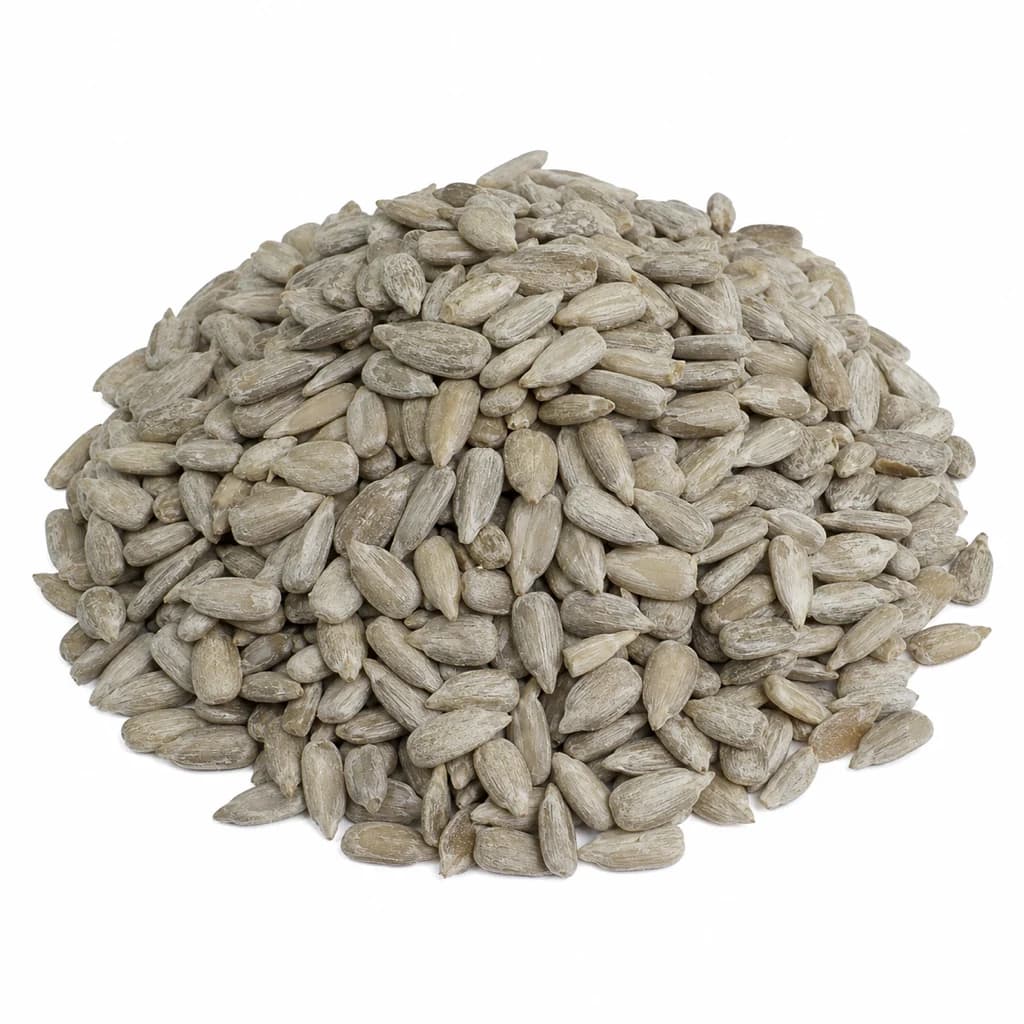
Crunchy, mild seeds for snacking, salads, and baking
Pumpkin Seed
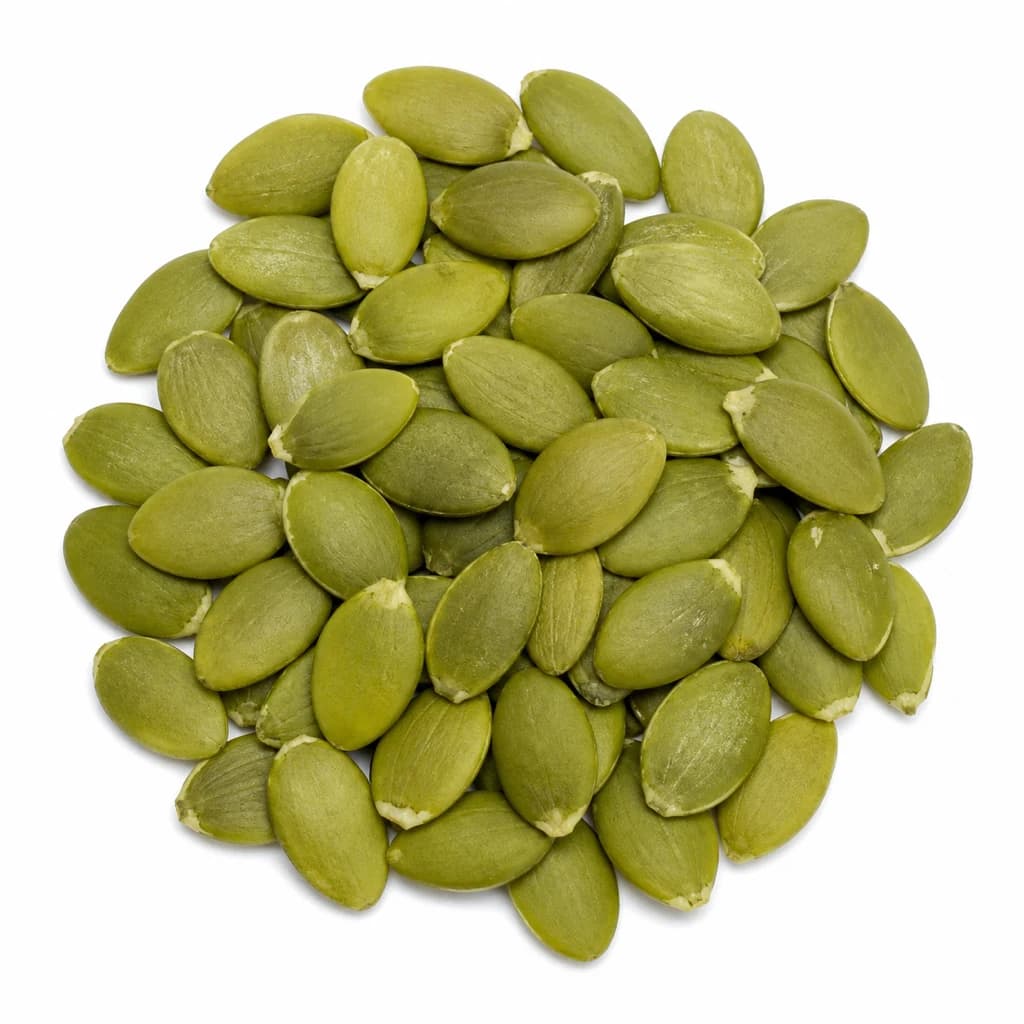
Nutty green seeds for toasting, salads, and snacking
Sesame Seed
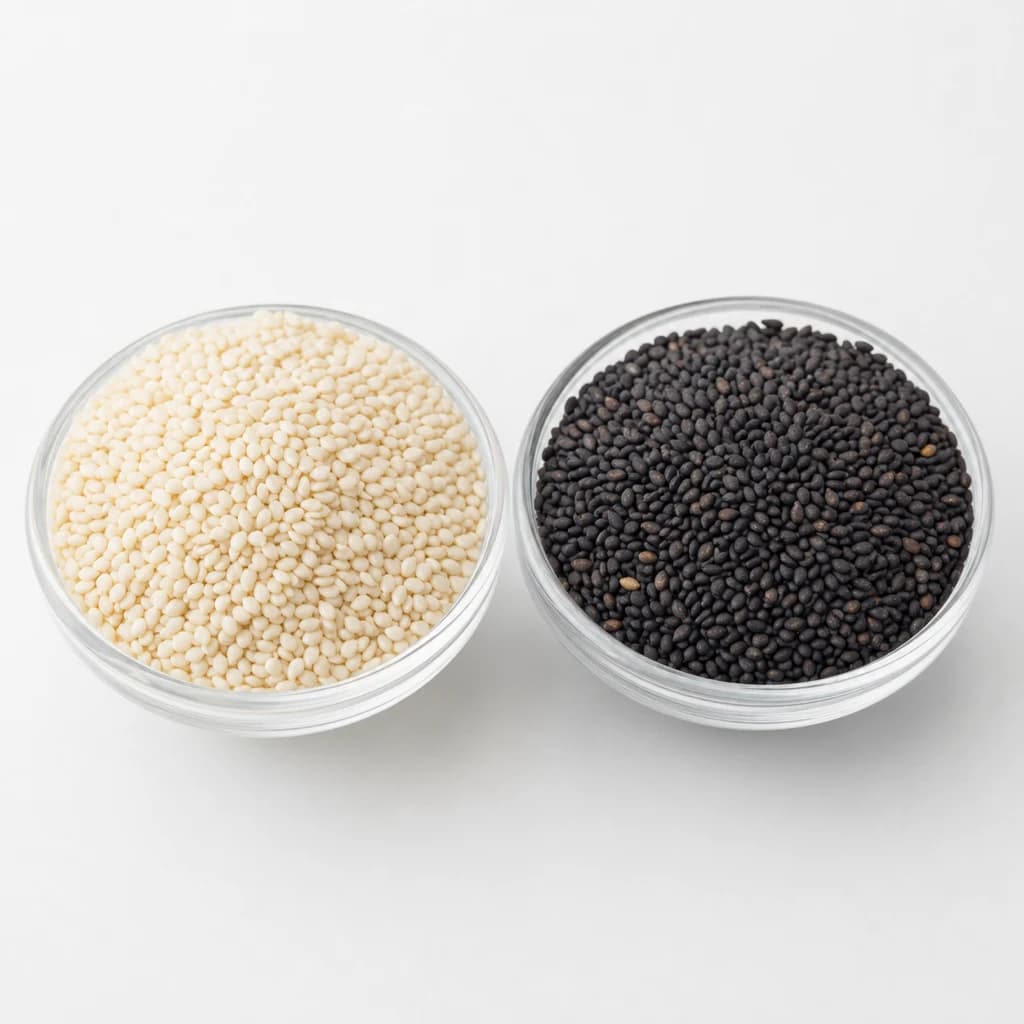
Tiny, toasty seeds for sprinkling, crusting, and tahini
Black Sesame Seed
Unhulled black sesame with a deeper, nuttier, slightly bitter flavor than white; toasted for furikake and crusts, or ground into a dark paste for sweets.
Hemp Seed
Soft, nutty shelled hemp hearts rich in protein and omega fats.