Caribbean
Jamaican
Also: Yard food, Jamaican cuisine
A bold, fire-scented cuisine rooted in African survival and creativity — scotch bonnet heat, allspice smoke, and the slow alchemy of the stew pot define one of the world's most recognizable island tables.
Jamaican cuisine is fundamentally a cuisine of synthesis and adaptation, shaped by the convergence of the Taino people's cassava and corn, Spanish colonists' pigs and citrus, enslaved West and Central Africans' culinary intelligence (stewing, smoking, ground provisions), Indian indentured workers' curry traditions, and a persistent British colonial overlay of salt fish and puddings. What emerged is bracingly original: the jerk tradition, which transforms pimento (allspice) and scotch bonnet into a complex aromatic rub or marinade for slow-cooked meat over pimento wood; the ackee-and-saltfish combination that made a toxic-until-ripe West African fruit into the national dish; and a rice-and-peas (coconut-braised kidney beans) canon that appears at virtually every table of significance.
The flavour base
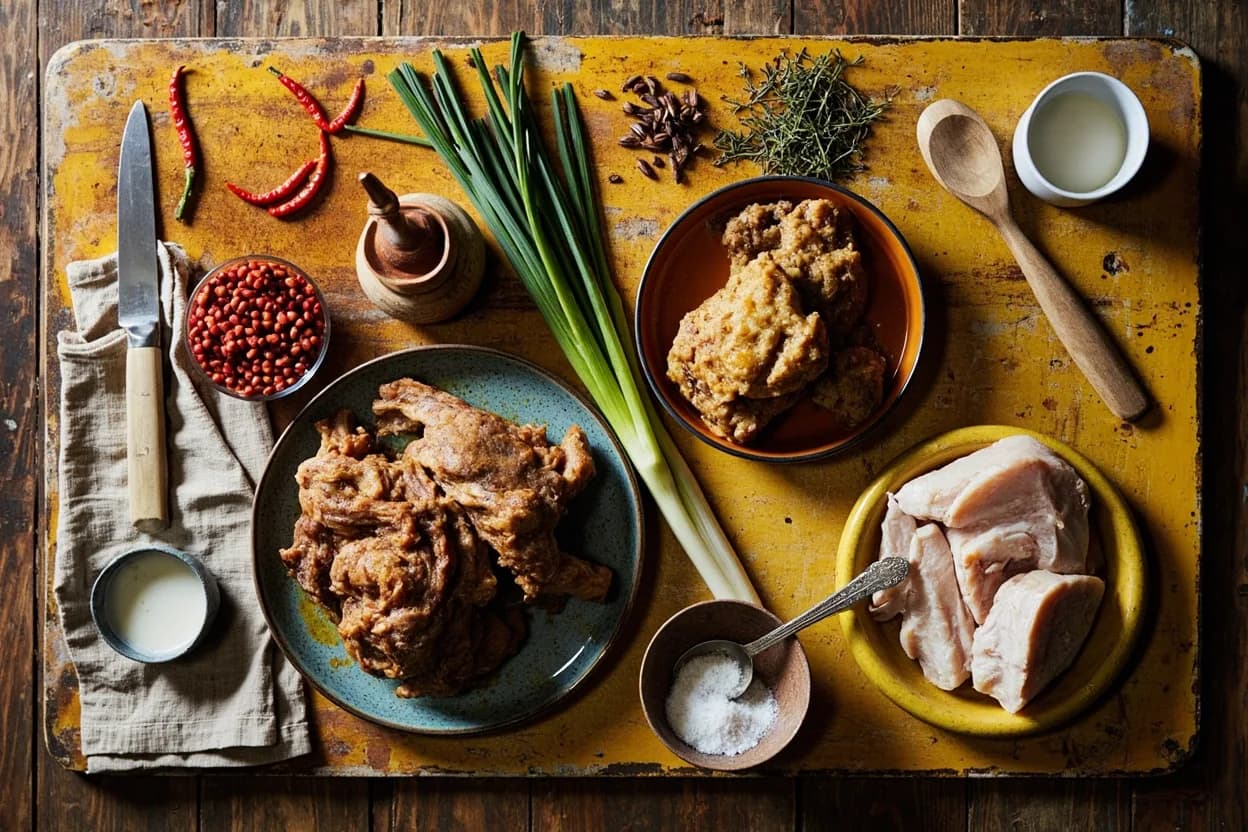
The core aromatic grammar is scotch bonnet, allspice (pimento), thyme, and scallions — the four pillars of jerk seasoning that also underpin most marinades, stews, and sauces. Secondary foundations are coconut milk (for rice and peas and rundown), browning sauce (caramelized sugar darkening for stews), and curry powder (Indo-Jamaican tradition, particularly strong in the parish of St. Elizabeth and the curry goat tradition).
Pantry staples
Key ingredients
Signature techniques
Signature dishes
Jamaican on the table
At the table
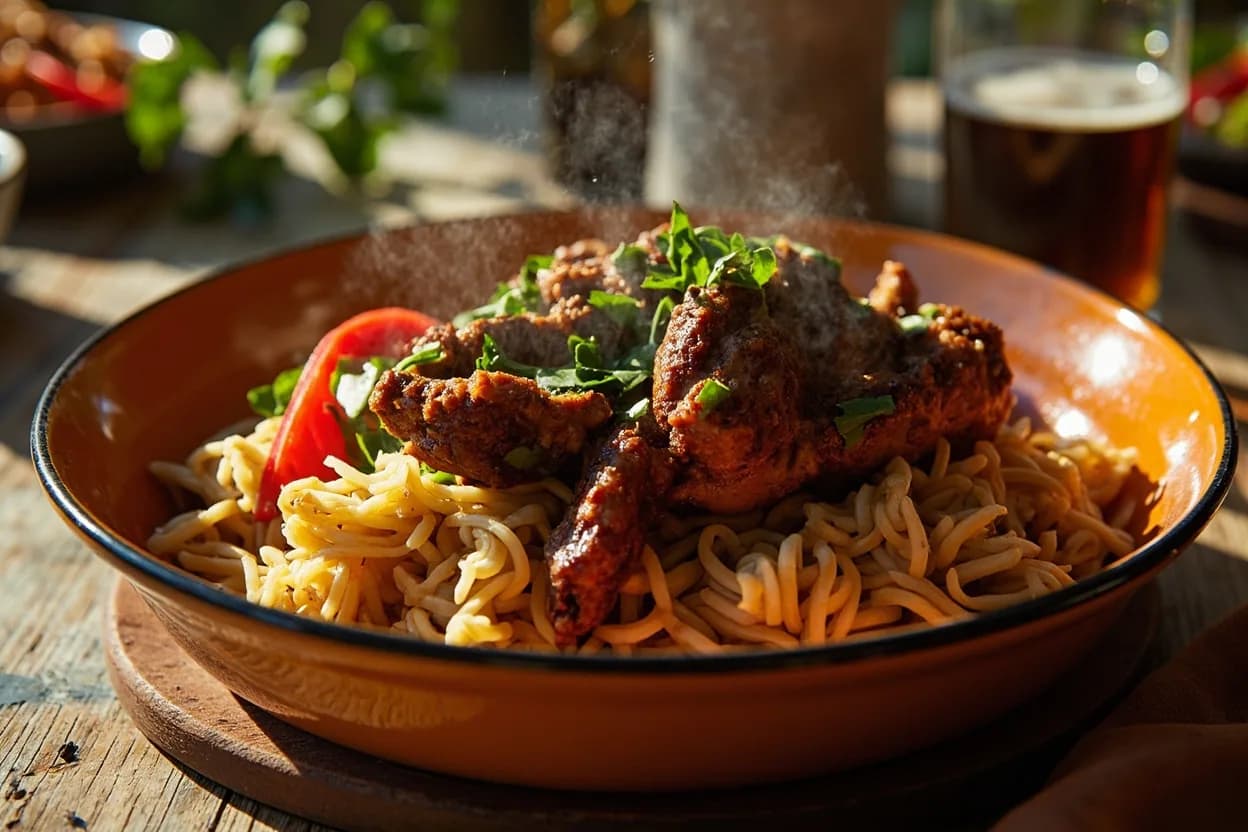
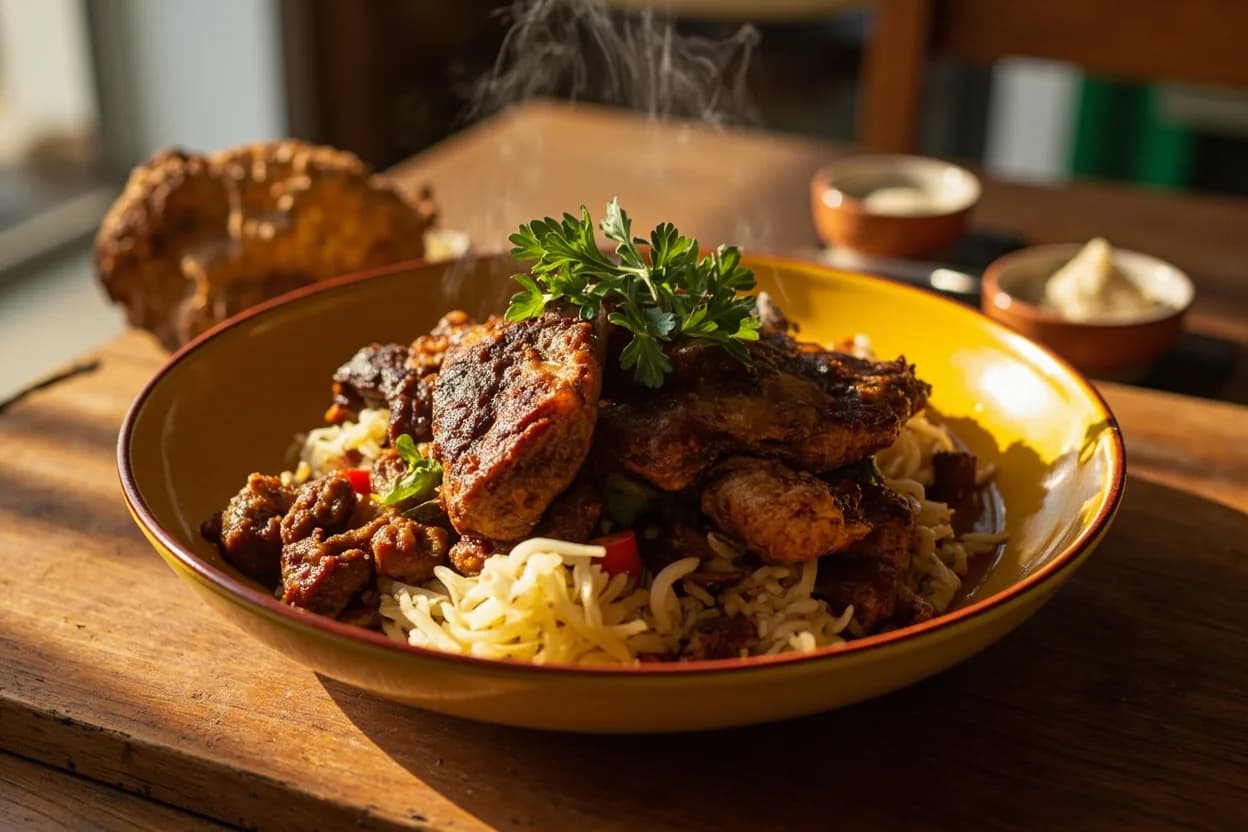
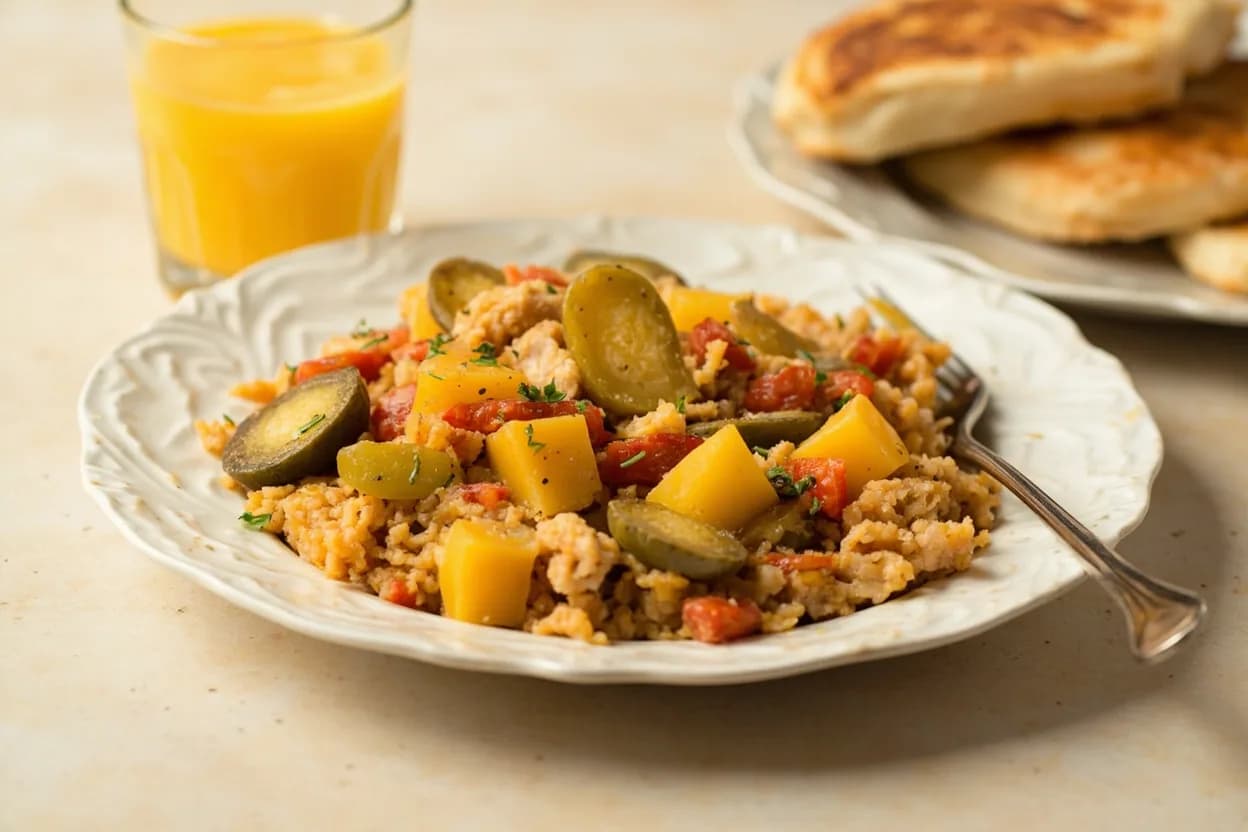
Breakfast is substantial — ackee and saltfish with boiled green banana, dumplings, and callaloo is the classic. Lunch is the main cooked meal in many households; dinner is lighter or repeats lunch dishes. Sunday dinner is a ceremonial occasion centered on oxtail or curry goat with rice and peas, salad, and coleslaw. Street food is constant: jerk pork and chicken from roadside pits (especially Boston Bay in Portland), patties (flaky pastry with seasoned meat), and festival.
History & context
The Taino populated Jamaica before Columbus arrived in 1494; Spanish colonization (1494–1655) introduced pigs, cattle, and citrus, and enslaved Africans were brought in quickly. British conquest in 1655 intensified the plantation system and the scale of the transatlantic slave trade to Jamaica, making it one of the most brutal plantation economies in the hemisphere. The Maroons — escaped Africans who maintained freedom in the Blue Mountains — preserved and innovated African culinary traditions, and jerk cooking is believed to trace directly to Maroon food preservation methods. Indian indenture (1845–1916) introduced curry and roti variants. Independence in 1962 cemented a powerful national food identity; Jamaican cuisine's global footprint today runs through diaspora communities in London, New York, Toronto, and beyond.
Regional variations
- Boston Bay, Portland
Considered the spiritual birthplace of jerk; Boston Bay jerk pits using genuine pimento wood are regarded as the benchmark — the combination of pimento smoke and scotch bonnet here is particularly intense.
- St. Elizabeth (South Coast)
Known for its Indo-Jamaican influence and vegetable cultivation; curry traditions are strongest here; the parish supplies much of the island's fresh produce.
- Kingston
Urban street food capital — patty shops, jerk centers, and Chinese-Jamaican restaurants (the Chinese diaspora contributed the popular 'Chiney shop' convenience store culture).
Related cuisines
Shares Anglophone Caribbean African culinary base but diverges sharply in spice grammar — jerk and browning vs. green seasoning and curry.
- Barbadian
Fellow Anglophone Caribbean island; shares saltfish and ground provision traditions but is more restrained in heat and more British-influenced.
- West African (Akan/Yoruba traditions)
Jerk's pimento-and-allspice smoking, callaloo cooking, and one-pot stewing techniques trace directly to West African antecedents.
- North Indian
Curry goat tradition arrived via Indian indenture; Jamaican curry powder is distinct (notably allspice-tinged) but shares structural DNA with North Indian masalas.
Canonical recipes
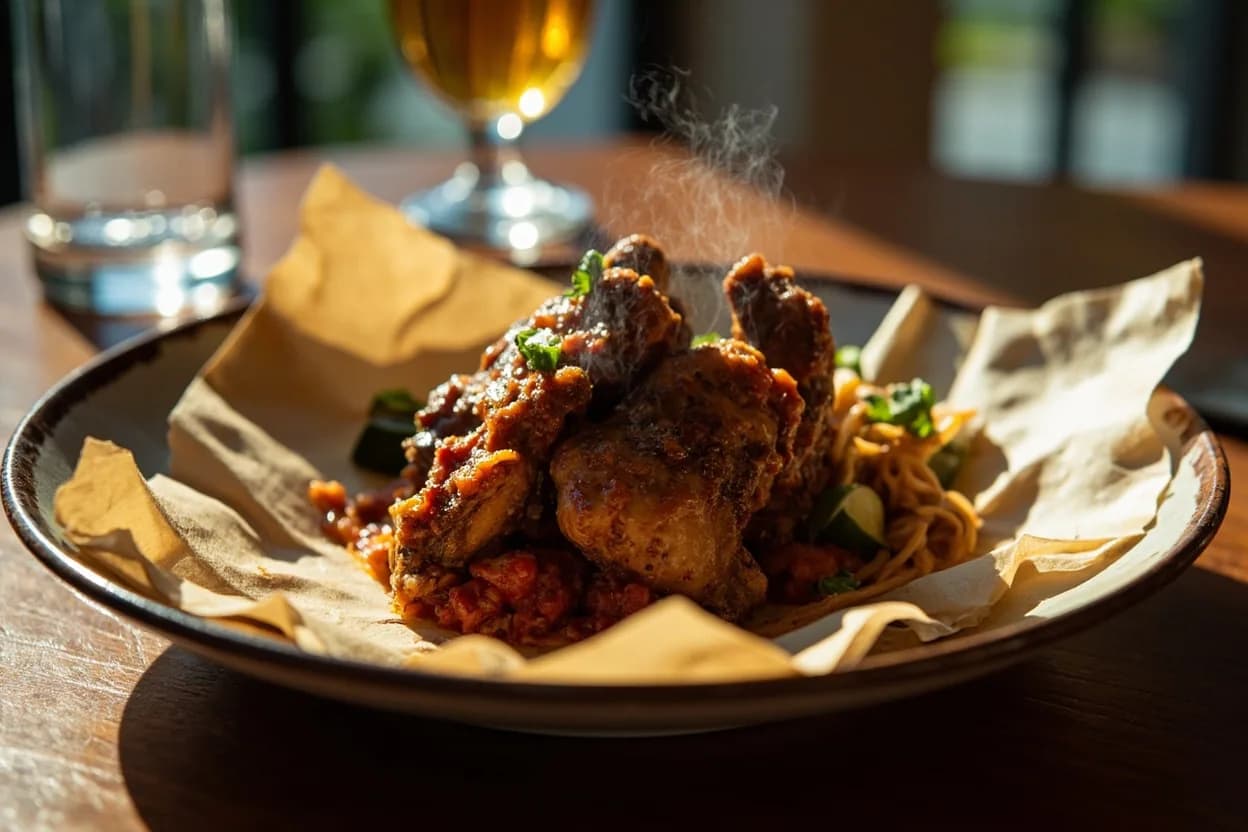
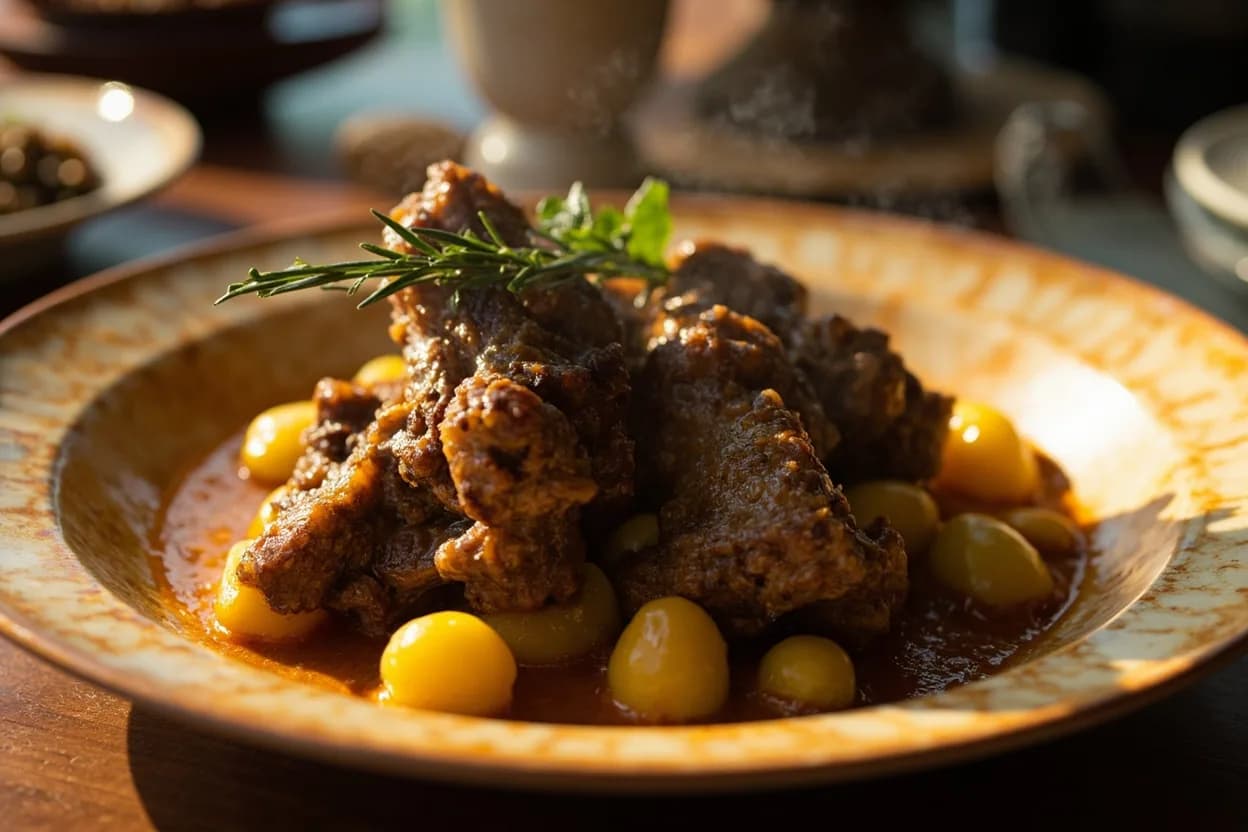
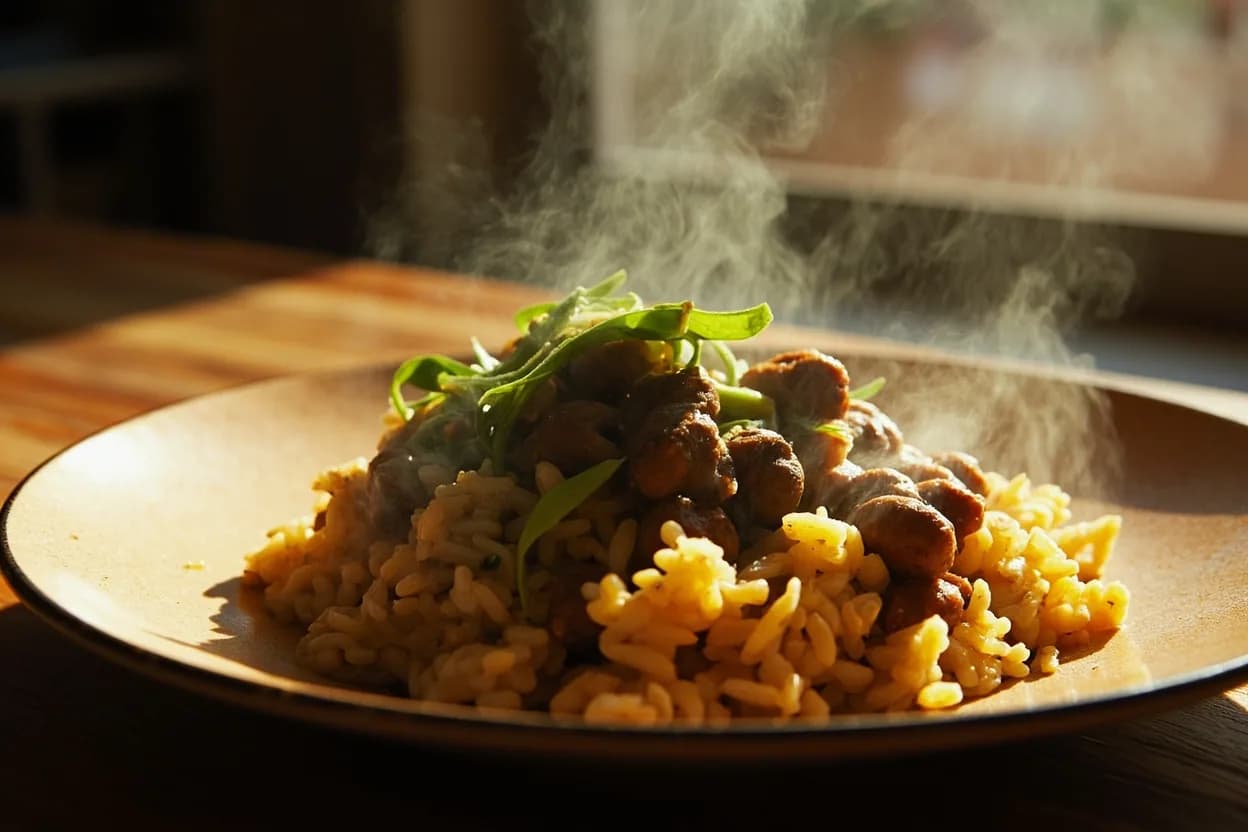
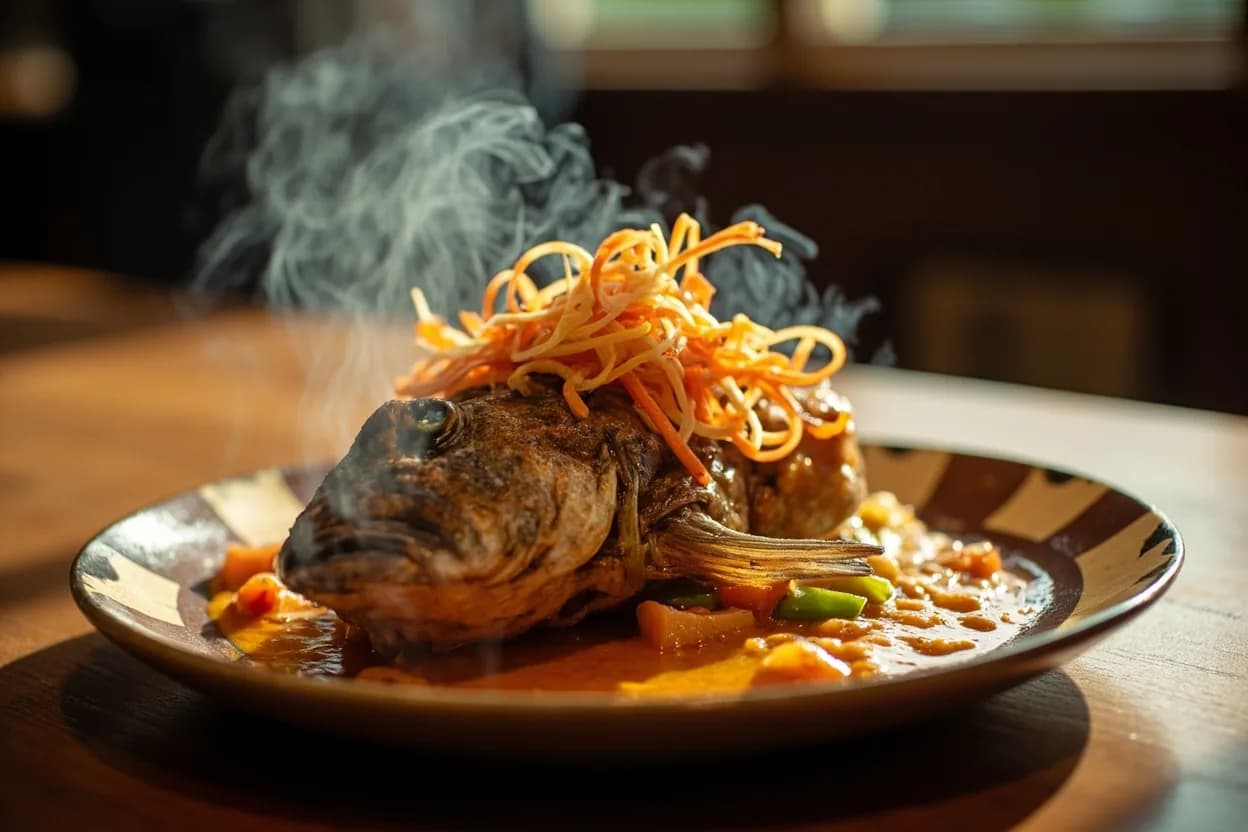
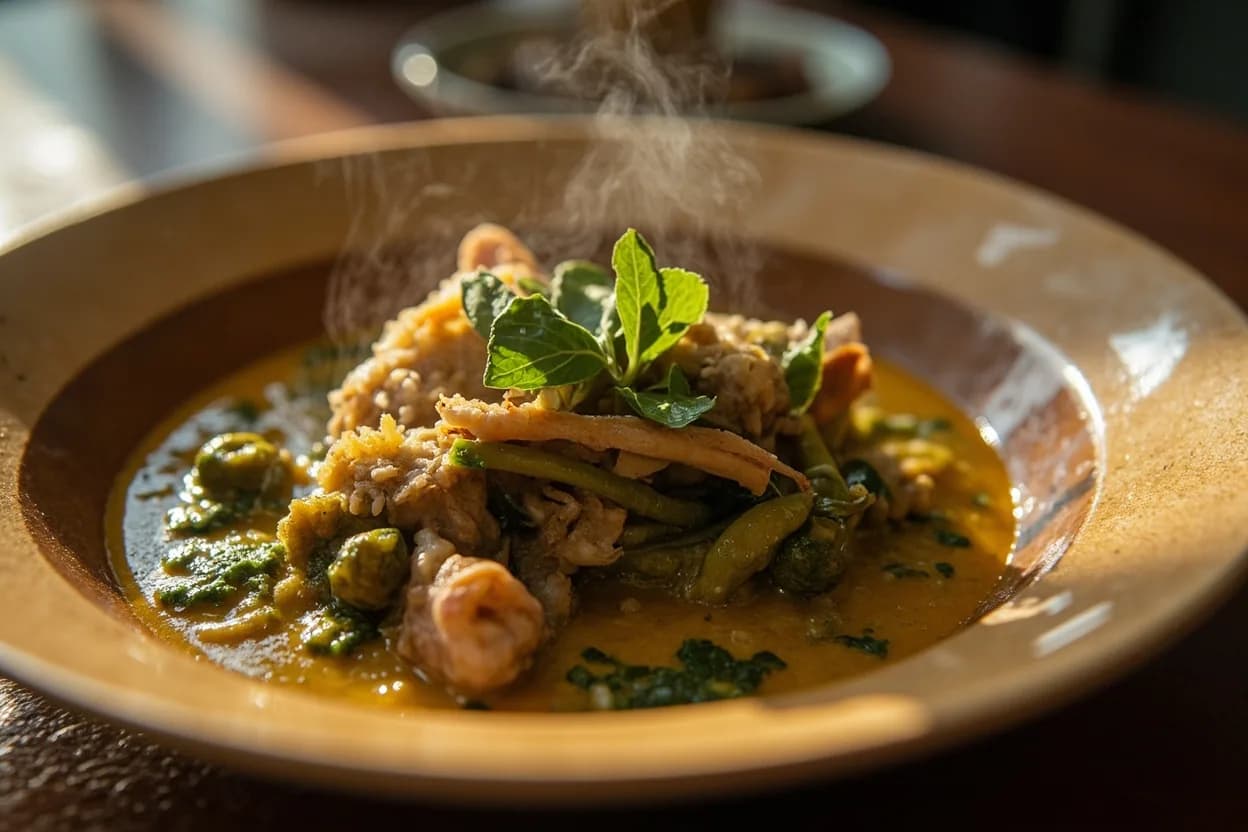
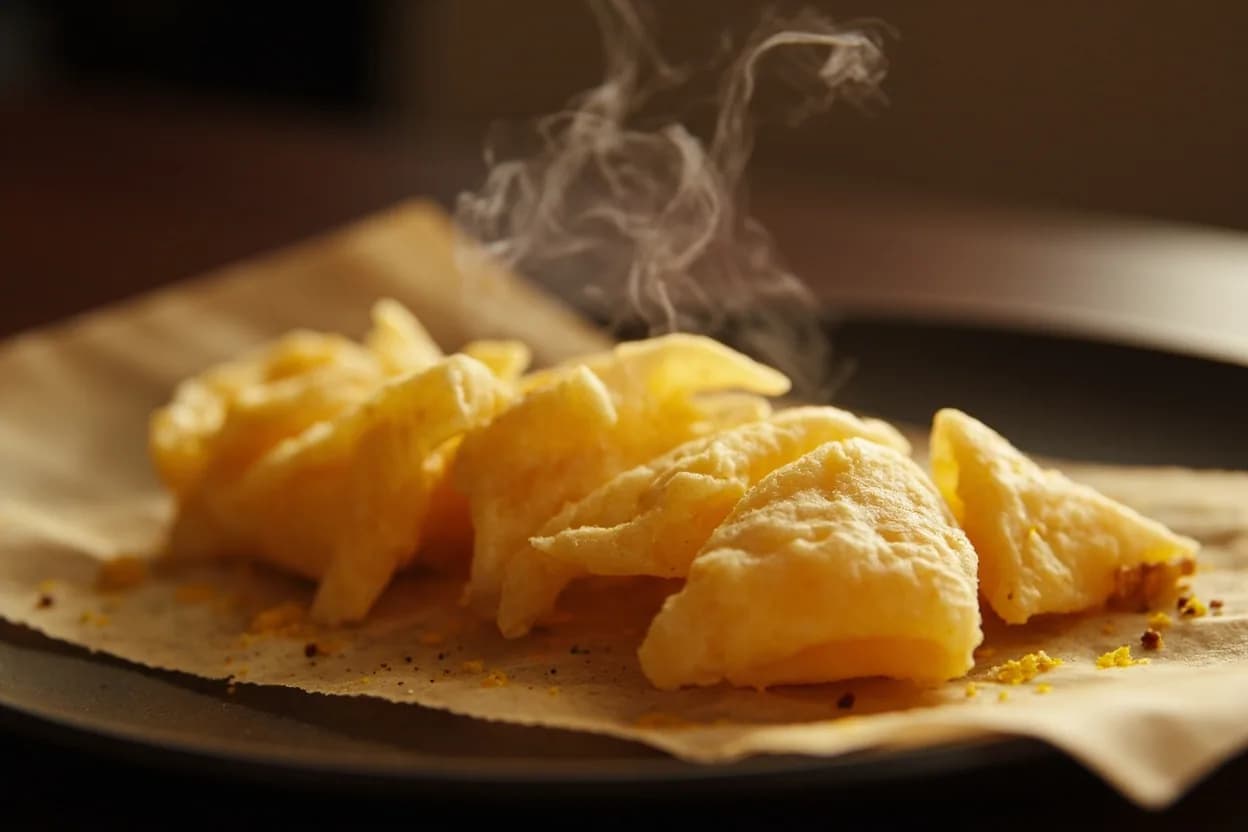
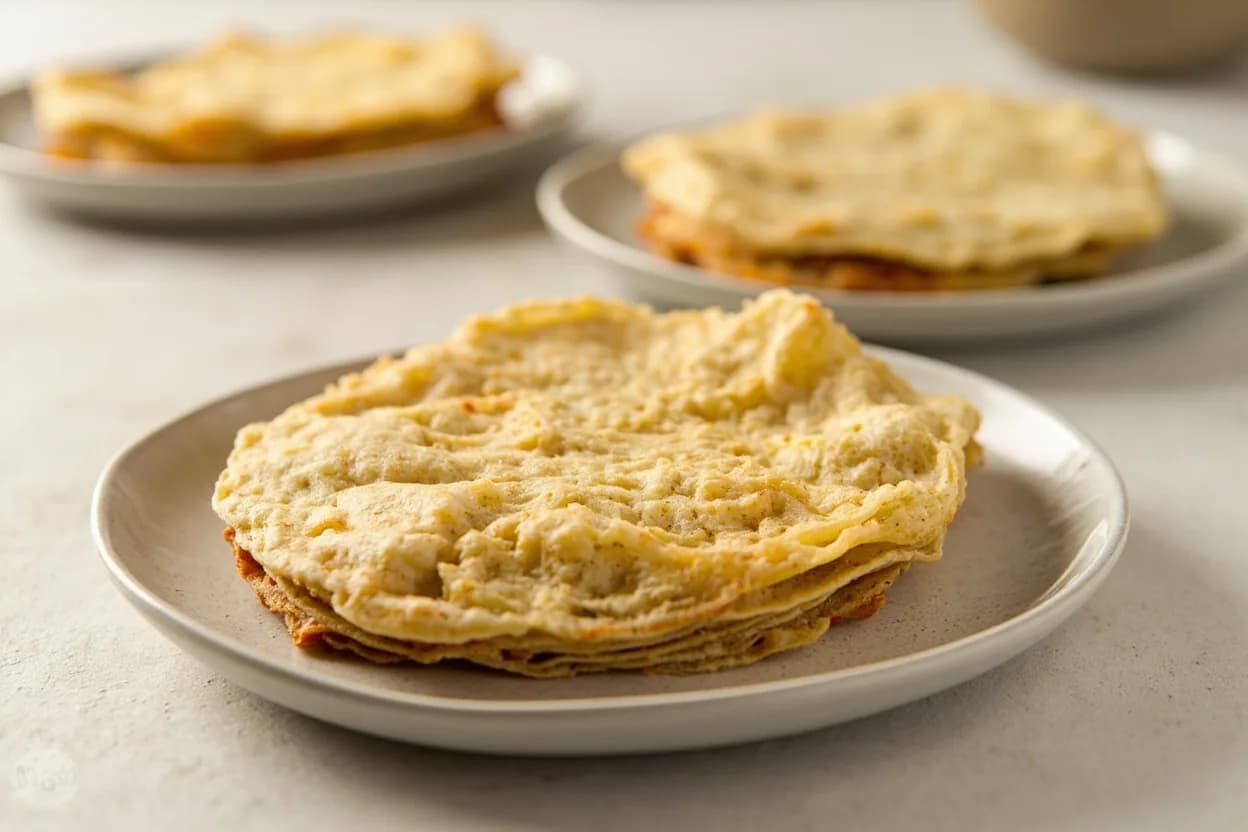
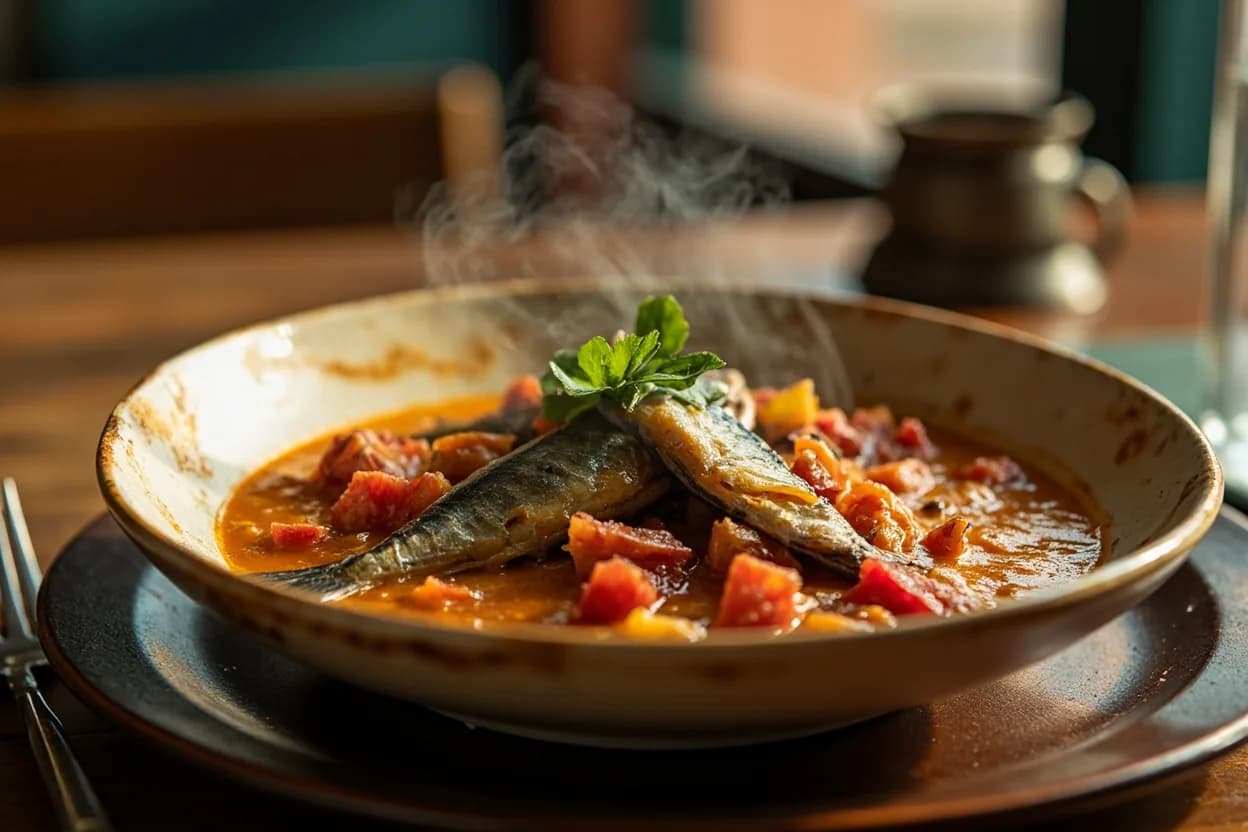
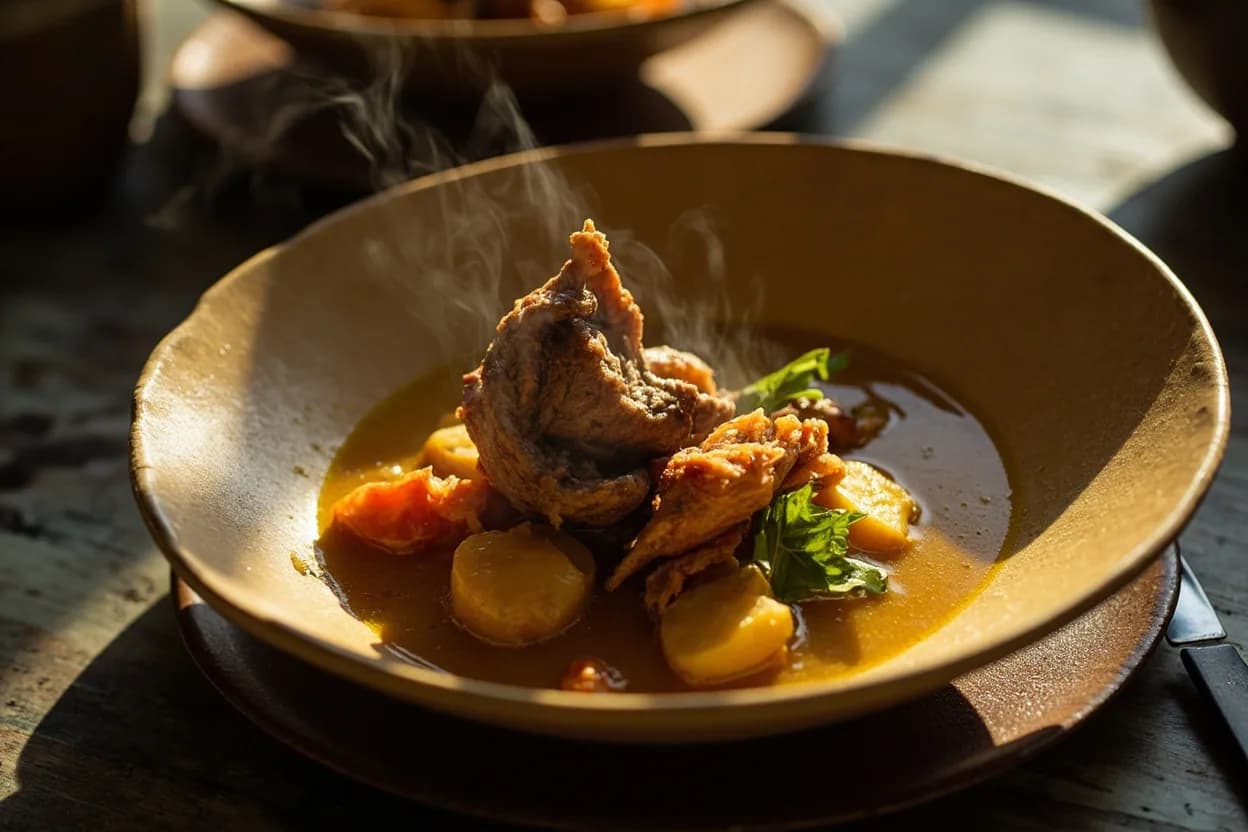
The dishes that define Jamaican, documented in the Canon.
References
- 1.Eat Caribbean — Virginia Burke
- 2.The Rough Guide to Jamaica — Rough Guides (food culture context)
- 3.Jerk from Jamaica — Helen Willinsky
- 4.Caribbean Food Made Easy — Levi Roots
- 5.The Sugar Barons — Matthew Parker (historical context)
Confidence: high
Notes
The Maroon jerk tradition
Jerk's origins are contested but the most credible lineage runs through the Maroons of the Cockpit Country and Blue Mountains, who smoked wild boar over pimento wood to preserve meat and mask scent from British colonial pursuers. The core seasonings — pimento berries and scotch bonnet — are both indigenous to the Caribbean and would have been available to Maroon communities. Modern jerk has drifted far from this origin (most commercial jerk is grilled, not pit-smoked over pimento wood), but Boston Bay vendors still maintain something closer to the original method.
Ackee: toxicity and timing
Ackee (Blighia sapida) is native to West Africa and was brought to Jamaica in the 18th century. The fruit is toxic until it opens naturally ('smiles') and the black seeds and red arils are removed — unripe ackee contains hypoglycin A, which causes Jamaican vomiting sickness. Properly prepared, the cream-colored flesh is mildly flavored with a slightly buttery, eggy quality that pairs brilliantly with the salt and flake of cod. Canned ackee is exported globally; fresh ackee availability outside Jamaica is legally restricted in the United States.