North America
New England
Also: Yankee cooking, New England cuisine, Colonial American cooking
America's oldest European culinary tradition, built on salt cod, shellfish, baked beans, and a Puritan economy of preservation and thrift.
New England cuisine encompasses the cooking of the six northeastern U.S. states — Maine, New Hampshire, Vermont, Massachusetts, Rhode Island, and Connecticut — shaped by harsh winters, the Atlantic's cold-water bounty, and four centuries of English Puritan, Indigenous Wampanoag, and immigrant Portuguese and Italian influence. The tradition prizes freshness in season and preservation out of it: brined, smoked, and salt-cured fish; slow-cooked legumes; barrel-pickled vegetables; and maple-sweetened baked goods. It is resolutely unfussy, skeptical of embellishment, and anchored to the sea.
The flavour base
Butter, cream, and rendered salt pork form the fat base; dried beans, brined fish, and shellfish liquor provide depth; maple syrup and molasses supply restrained sweetness; thyme, bay, and parsley are the dominant herbs.
Pantry staples
Key ingredients
Signature techniques
Signature dishes
New England on the table
At the table
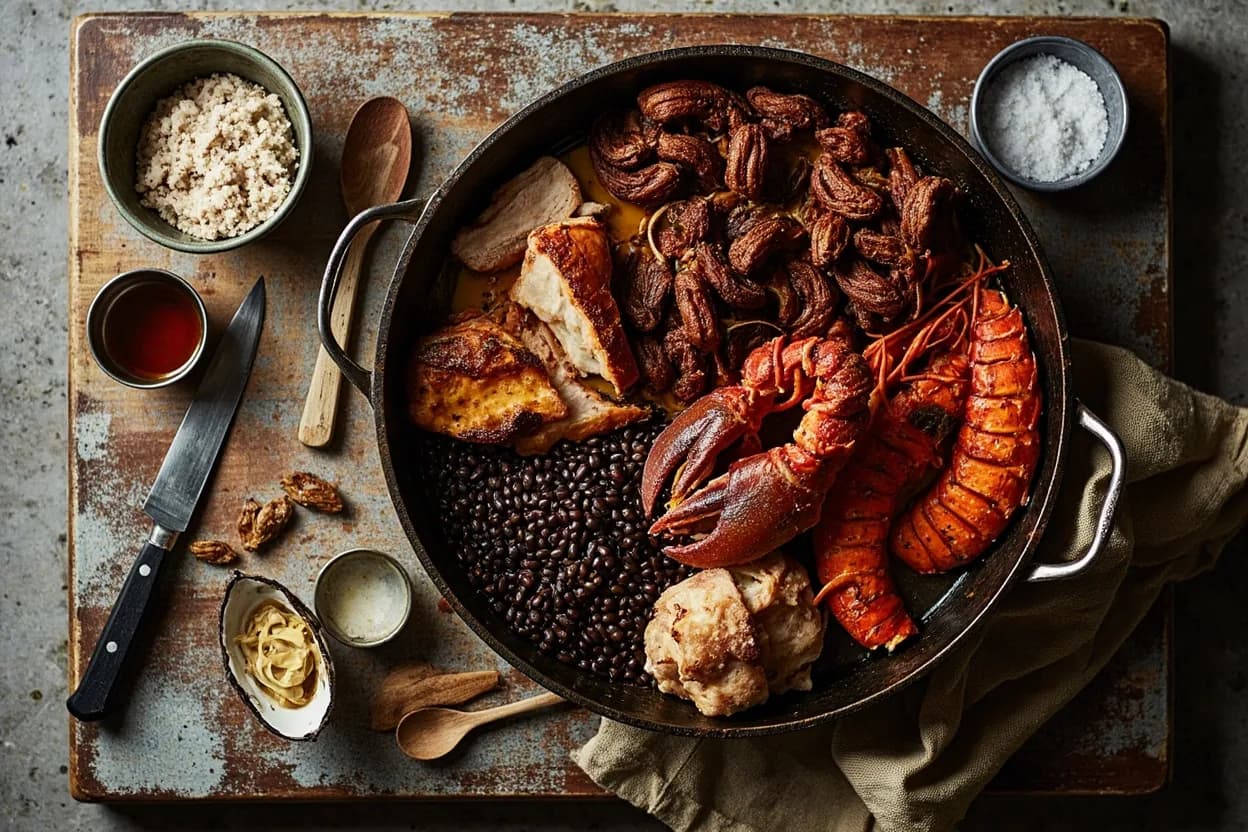
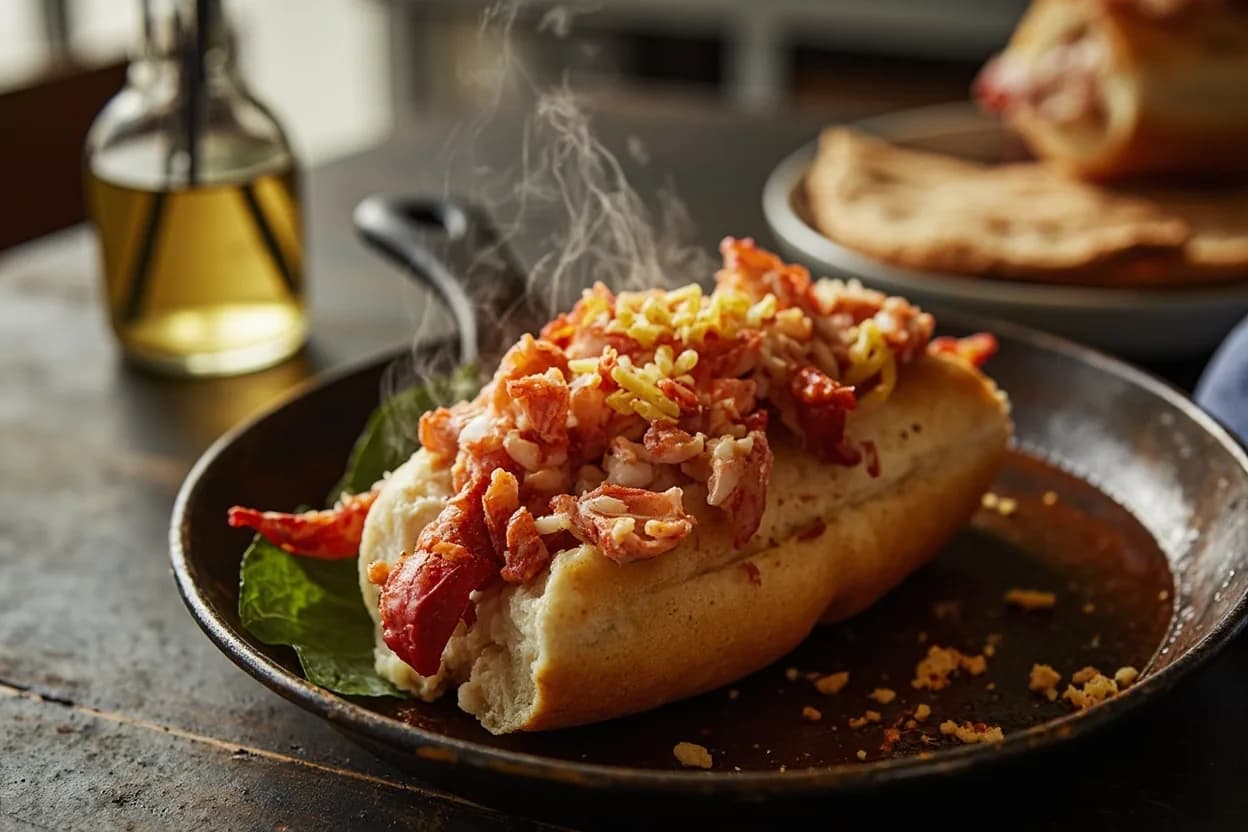
Historically structured around a single hearty midday dinner with a lighter supper. Chowder or a bisque often opens a meal; boiled or baked seafood is the centerpiece; simple steamed vegetables or cornbread accompany. Desserts lean toward pies, puddings, and cranberry-based preparations. The clambake is the canonical communal feast — clams, lobster, corn, and potatoes steamed together in seaweed over hot stones.
History & context
Indigenous Wampanoag and Abenaki peoples taught English Puritan settlers to cultivate corn, gather shellfish, and tap sugar maples — survival knowledge that shaped the entire cuisine. The 17th-century Puritan ethic of frugality elevated preservation: salt fish, dried beans, and root cellars. Boston became the cod capital of the Atlantic world; salt cod funded the Triangle Trade and fed Southern plantations and Caribbean colonies. Portuguese whalers from the Azores settled Cape Cod and New Bedford in the 18th–19th centuries, contributing linguiça, kale soup, and a deep seafood repertoire. Irish and Italian immigrants of the 19th–20th centuries layered further complexity. The farm-to-table movement found natural allies in New England's pre-existing localism — the region had never really stopped eating close to home.
Regional variations
- Maine
Lobster and blueberry country; simpler, more rustic preparations; chowders often have more potato and less cream than southern New England versions.
- Rhode Island
Clear-broth clam chowder (no cream) is the local orthodoxy; coffee milk is the state drink; New York System wieners are a Providence institution.
- Vermont
Dairy-forward; cheddar cheese and cultured butter traditions; maple syrup production central to identity; apple cider and apple pie culture.
- Connecticut
New Haven-style apizza (white clam pizza) is a national landmark; shore dinners and steamers dominate the coast.
- Cape Cod & Islands
Portuguese fishing-community influence; kale soup (caldo verde adaptation), linguiça-studded chowder, and salt-marsh lamb from Nantucket.
Related cuisines
- Maritime Canadian
Shared Atlantic seafood traditions and salt-cod heritage with Nova Scotia and Newfoundland.
- Mid-Atlantic American
Overlapping Colonial-era foodways; diverges on crab, oyster, and corn preparations.
- Azorean Portuguese
Portuguese whaling communities on Cape Cod introduced chouriço, kale soup, and salt-cod preparations that merged into local tradition.
Canonical recipes
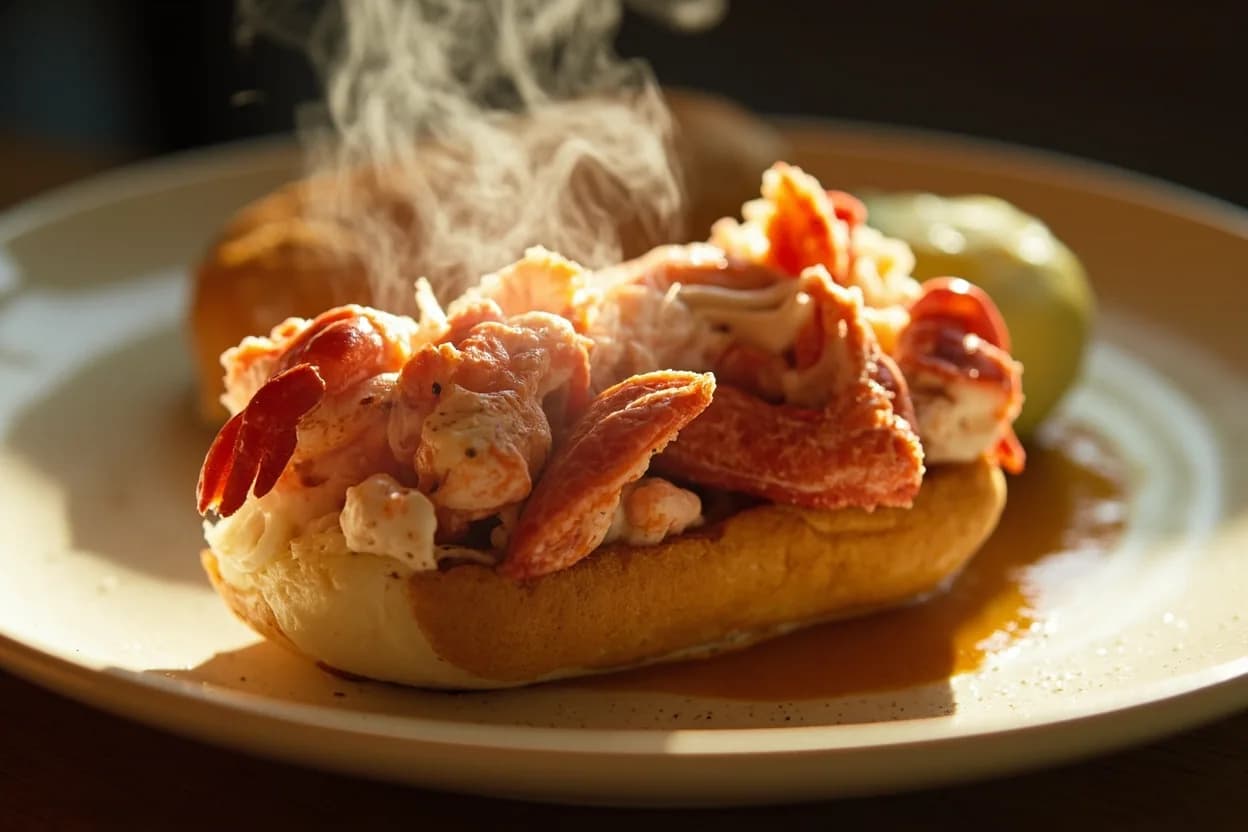
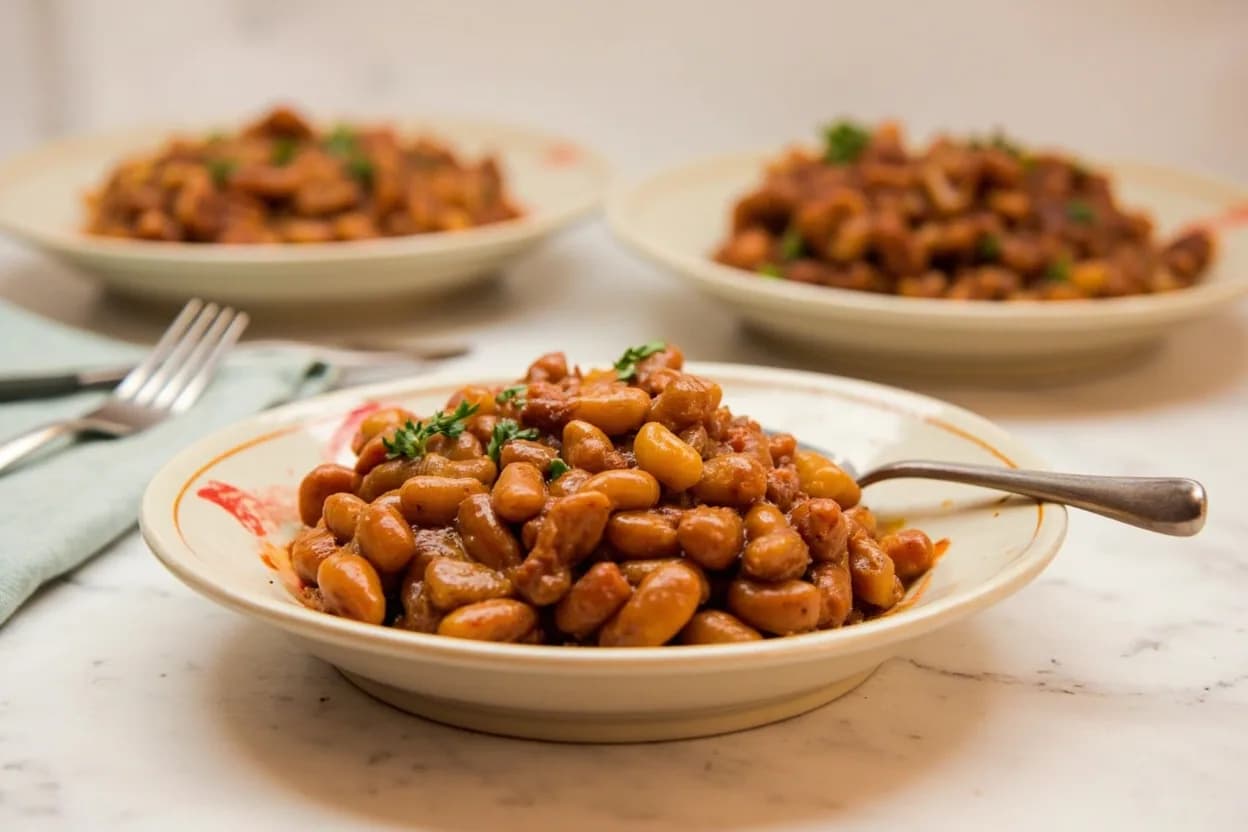
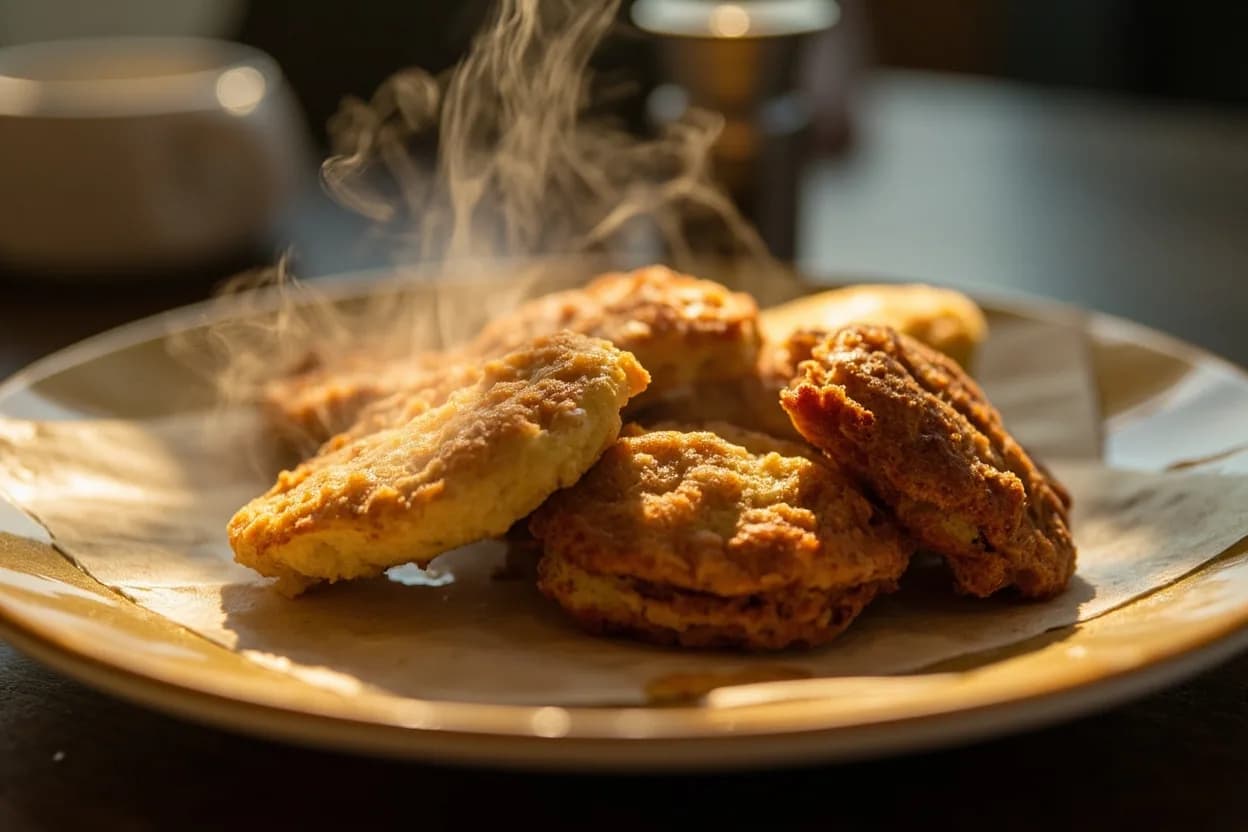
The dishes that define New England, documented in the Canon.
References
- 1.The Yankee Cookbook — Imogene Wolcott (1939)
- 2.In a Dark Wood: A Journey Through the American Food Landscape — John T. Edge
- 3.The Oxford Companion to Food — Alan Davidson (3rd ed., 2014)
- 4.Fish & Ships: A Brief History of New England's Fishing Industry — National Park Service
Confidence: high
Notes
The chowder wars
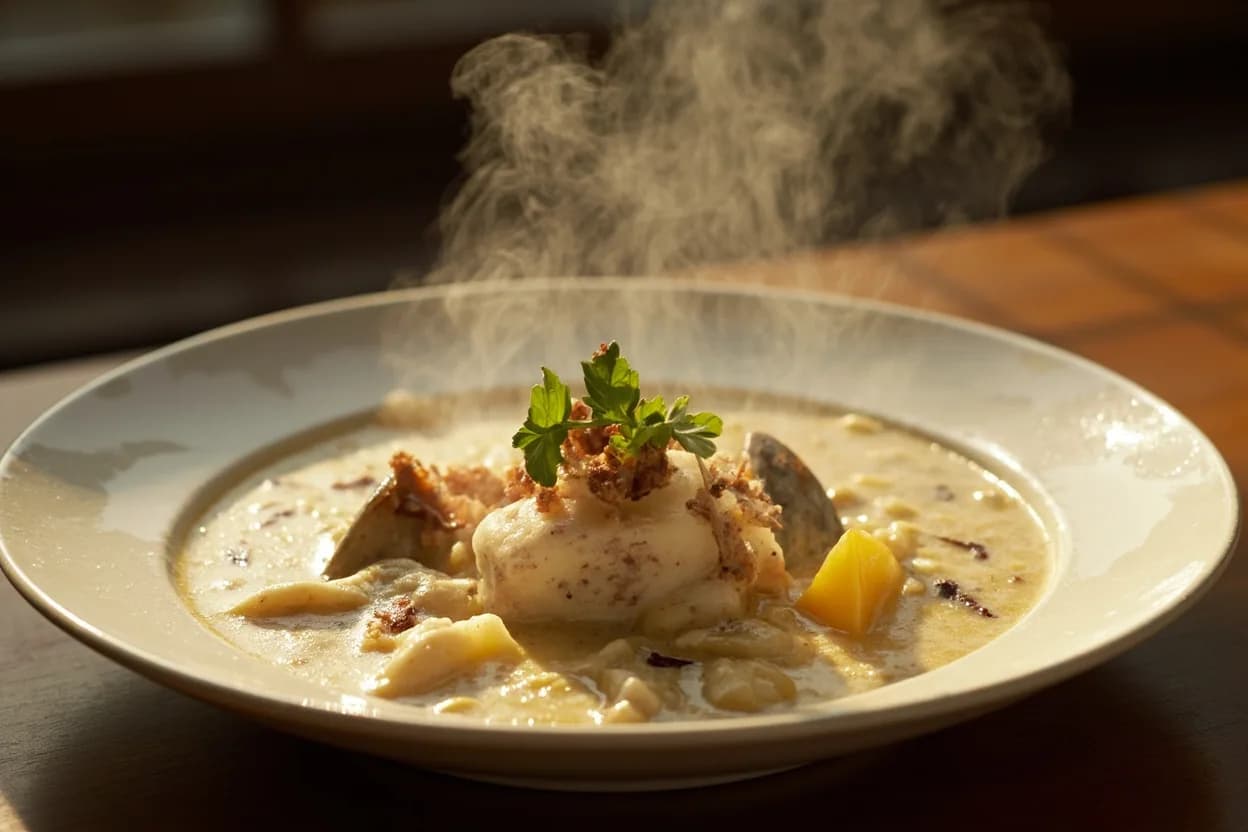
Arguably no dish is more politically charged in American regional cooking than clam chowder. Rhode Island's clear broth, Manhattan's tomato base, and Boston's cream version have been debated — and occasionally legislated — for over a century. A 1939 Maine bill proposed making it illegal to add tomatoes to chowder. The cream version remains canonical throughout most of New England.
Maple and molasses
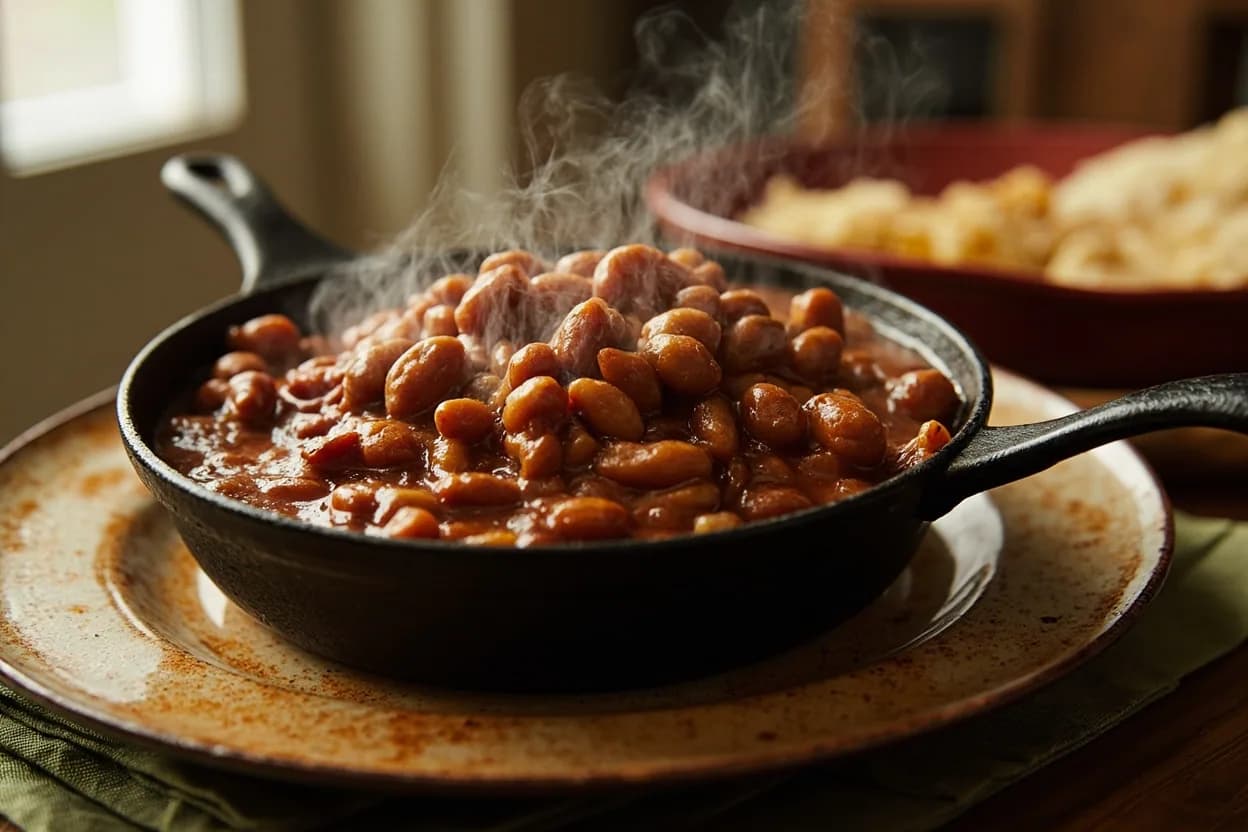
The dual sweetener tradition — molasses (a byproduct of the Caribbean sugar trade, central to Boston's colonial commerce) and maple syrup (Indigenous in origin, tapped from Vermont and New Hampshire forests) — defines New England's dessert register. Both appear together in baked beans: molasses for depth and slight bitterness, a touch of maple for floral sweetness.