Sweet Aromatics
Molasses
Also: treacle (UK), blackstrap molasses, dark treacle, cane molasses, sorghum molasses, melaza
Bittersweet, iron-dark cane byproduct with caramel, licorice, and sulfurous depth — the backbone of gingerbread, BBQ sauce, baked beans, and rum.
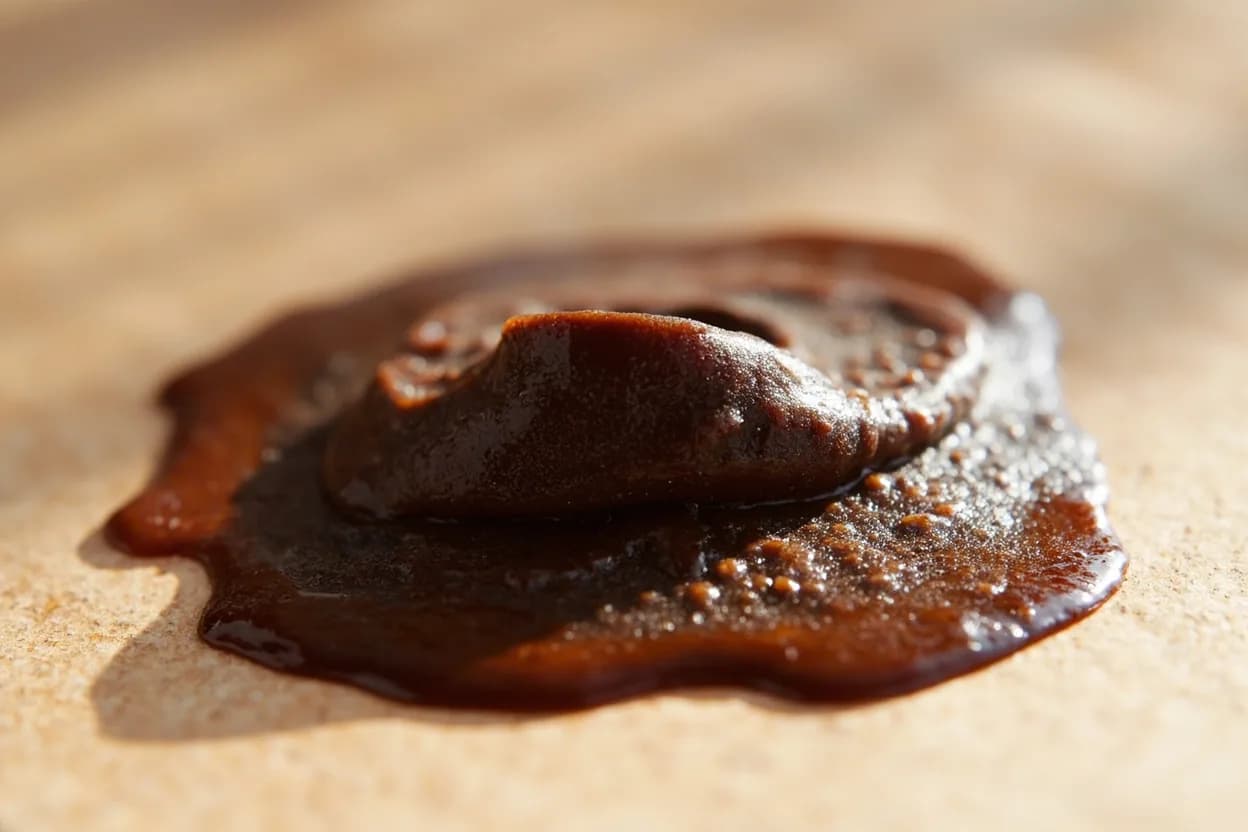
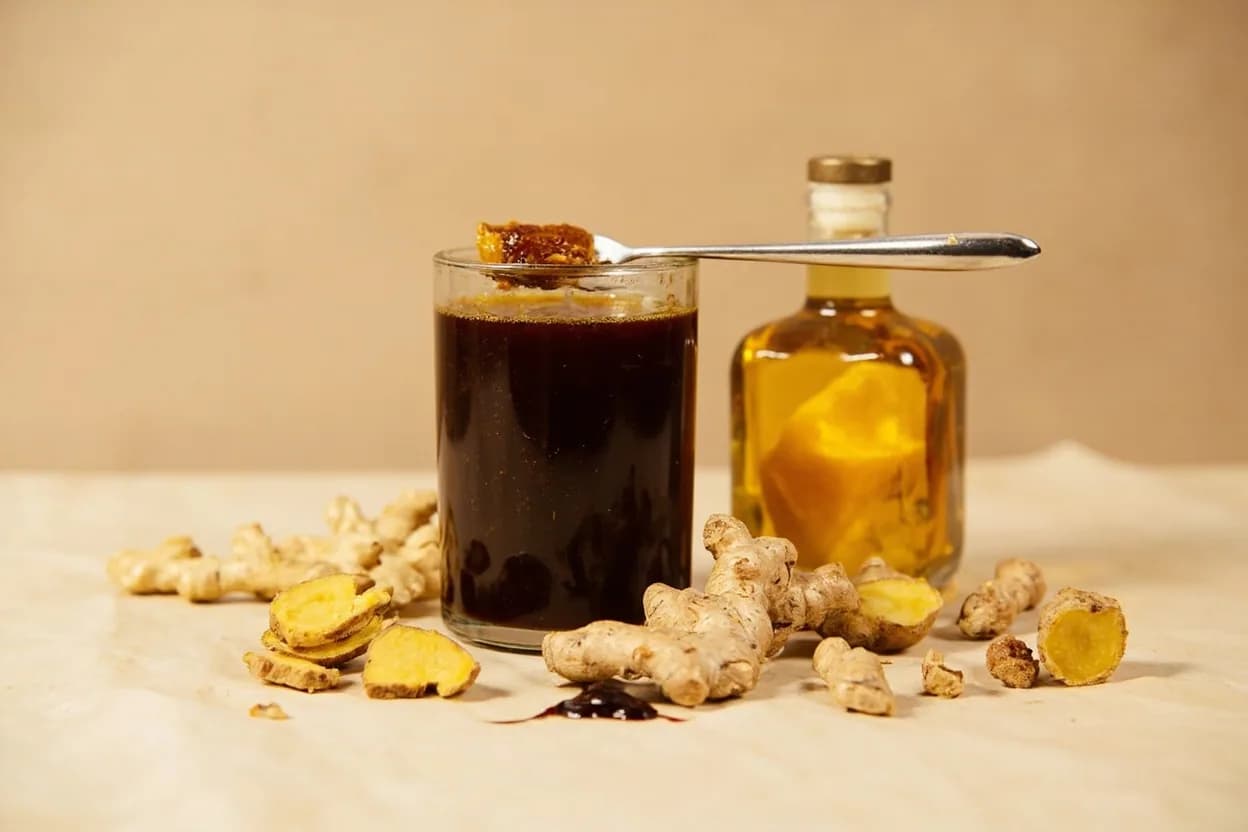
Molasses is the thick, dark syrup that remains after cane juice or beet juice is boiled and the sucrose crystals have been removed through centrifugation. It is classified by extraction stage: light (first extraction, mildest and sweetest), dark (second extraction, more robust), and blackstrap (third extraction, the most bitter, mineral-rich, and least sweet). Unsulfured molasses from ripe cane is preferable in cooking; sulfured molasses has a chemical note from SO2 used as a preservative in green (unripe) cane processing. Flavor is defined by caramel and toffee from Maillard reactions, a distinct sulfurous earthiness, mineral bitterness, licorice-adjacent notes, and residual sweetness — complex, assertive, and unmistakable. Sorghum molasses (US South) is a regional variant made from sweet sorghum, with a more grassy, less bitter profile.
In photos
Flavour profile
Classic pairings
- GingerAmerican, British
The defining partnership of American and British baking: molasses's bittersweet depth and ginger's pungent heat are essential to gingerbread, molasses cookies, parkin, and ginger cake. Each intensifies the other's warmth.
- Mustard (dry and prepared)American (Southern)
In BBQ sauce and baked beans, molasses and mustard create a sweet-sharp-bitter matrix; dry mustard's pungency cuts through molasses's heaviness, and the sulfur compounds in each resonate.
- Cider VinegarAmerican (BBQ)
Vinegar's acidity brightens and sharpens molasses in BBQ sauces, marinades, and baked beans; the sweet-sour balance is a Carolina and Kansas City BBQ cornerstone.
- RumCaribbean, American
Rum is distilled from molasses (or fresh cane juice); molasses used in rum-glazed dishes, dark rum cakes, and rum-based BBQ mops creates a circular flavour logic — caramel amplifying caramel.
- Beans (Navy, Black, Pinto)American (New England)
Beans absorb molasses's bittersweet character during slow braising; classic Boston baked beans pair navy beans, molasses, mustard, and salt pork in a centuries-old formula.
- Smoked PorkAmerican (Southern BBQ)
Molasses glazes on smoked pork ribs, pulled pork, and ham combine caramelizing sugars with the meat's rendered fat and smoke — the Maillard crust is particularly deep when molasses is present.
- Cinnamon and CloveAmerican
The warm spice triumvirate of cinnamon, clove, and molasses defines American autumn baking — pumpkin pie, spiced cookies, and molasses-bran muffins all rely on this aromatic matrix.
Adventurous pairings
Molasses and tahini share a bitter undertone and fat content; combined as a spread (similar to the Levantine dibs wa tahini tradition) or sauce, they make an umami-rich, bittersweet condiment.
Both contain glutamates and Maillard-derived compounds; combining them in a marinade or glaze creates a deeply savory-sweet-umami base for short ribs or duck legs.
A small amount of blackstrap molasses in espresso-based drinks (or cold brew concentrate) adds iron-mineral depth and bittersweet complexity that rounds coffee's acidity.
The assertive, pungent, funky character of a strong blue cheese (Roquefort, Gorgonzola) finds a counterweight in molasses's sweetness; effective in glazes, salad dressings, or cheese boards.
Pairing cane molasses with pomegranate molasses — one sweet-bitter, one sweet-sour — creates a complex, layered sweet-sour-bitter glaze for lamb or eggplant with Middle Eastern resonance.
Chipotle's smoky, dried-chili depth and molasses's own smokiness are naturally aligned; the combination drives complex BBQ sauces and adobo-style braises.
Tread carefully
- Mild white fish (sole, tilapia)avoid
Molasses's assertive bittersweet flavor overwhelms delicate, low-fat white fish; a simple brown butter or lemon-herb preparation serves these proteins better.
- Delicate pastry creams and moussesavoid
Molasses's dark color and strong flavor dominate subtle dairy desserts; refined sugar or a mild honey preserves their intended character.
- Light-colored sauces requiring visual clarityavoid
Even a small amount of molasses deeply colors a sauce; use only where dark color is acceptable or desired.
How to use it
- Measure molasses with an oiled spoon or measuring cup — it releases cleanly rather than sticking
- Use light molasses where sweetness should lead; use blackstrap only where bitterness and iron minerality are assets (bran muffins, dark breads)
- Add a splash to marinades for overnight brines — the sugars tenderize protein surfaces and deepen browning
- In BBQ glazes, apply in the last 15 minutes of cooking — its sugars burn quickly at high heat
- Combine with boiling water to dissolve quickly into sauces; do not add cold to oil-based roux or it will seize
Appears in
Related flavours
South Asian analog — both are minimally refined, mineral-rich, dark sweeteners with caramel-bitter notes from sugar production
Southeast Asian parallel in culinary role; palm sugar is fruitier and less sulfurous, molasses more bitter and mineral
Both are thick, dark, complex sweeteners; date syrup is fruitier and more honeyed, molasses more bitter and earthy
- Sorghum Syrup
American alternative with a similar role but grassier, milder flavor; interchangeable in some Southern baking contexts
References
- 1.The Joy of Cooking — Irma S. Rombauer, Marion Rombauer Becker & Ethan Becker
- 2.On Food and Cooking — Harold McGee
- 3.Ratio: The Simple Codes Behind the Craft of Everyday Cooking — Michael Ruhlman
- 4.The Flavor Bible — Karen Page & Andrew Dornenburg
Confidence: high
Notes
Sulfured vs. unsulfured molasses
Unsulfured molasses is made from fully ripened sugarcane and has a cleaner, more direct caramel-sweet flavor. Sulfured molasses is made from green (unripe) cane, with sulfur dioxide added as a preservative — it contributes a chemical, slightly acrid note that most bakers find undesirable. Modern commercial molasses is almost always unsulfured; the distinction matters most when using older recipes or shopping in markets where both types are sold.
Blackstrap: nutritional powerhouse, culinary caveat
Blackstrap molasses is the third and final extraction from cane juice, leaving behind the highest concentration of iron, calcium, potassium, and magnesium — but also the most bitterness and the least sweetness. It is marketed as a health supplement and used in strong-flavored applications like dark rye bread, molasses and milk drinks, and some BBQ rubs. Using blackstrap where the recipe calls for regular dark molasses produces an overwhelmingly bitter result; the two are not interchangeable without adjustment.