Spices & Dried Aromatics
Chipotle
Also: chipotle meco, chipotle morita, chile ahumado, chipotle en adobo
A smoke-dried jalapeño with bold, leathery heat and sweet-tobacco depth — the defining flavor of Mexican and Tex-Mex BBQ cooking.
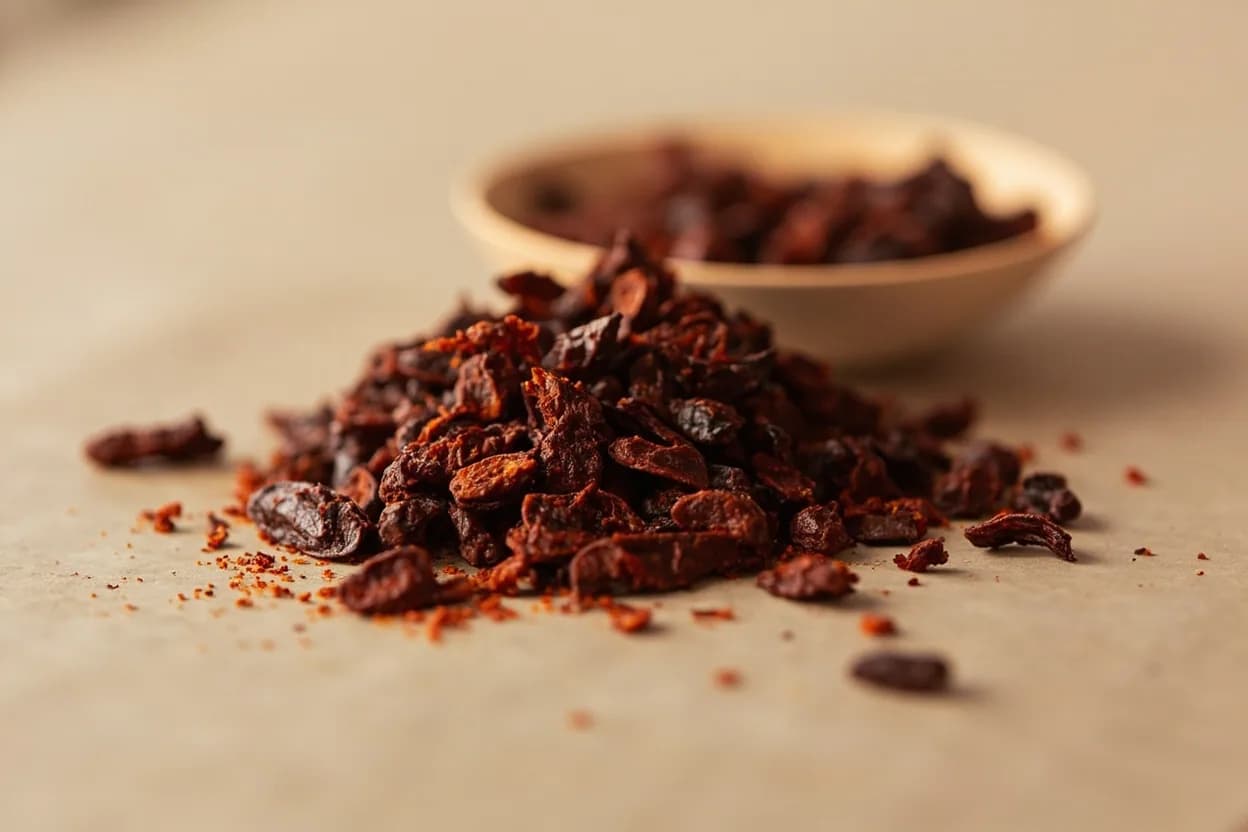
Chipotle is a mature red jalapeño that has been smoke-dried over wood for several days until leathery and wrinkled. Two varieties dominate: the meco (larger, grayish-tan, intensely smoky) and the morita (smaller, dark red-purple, sweeter and fruitier). Both pack medium-high heat (2,500–8,000 SHU) with thick, sweet smoke, tobacco, and dried cherry undertones. Canned chipotle en adobo — chipotles packed in a vinegar-tomato sauce — is the pantry-ready form widely used in salsas, marinades, and dips.
In photos
Flavour profile
Classic pairings
- pork (ribs, shoulder, carnitas)Mexican / Tex-Mex
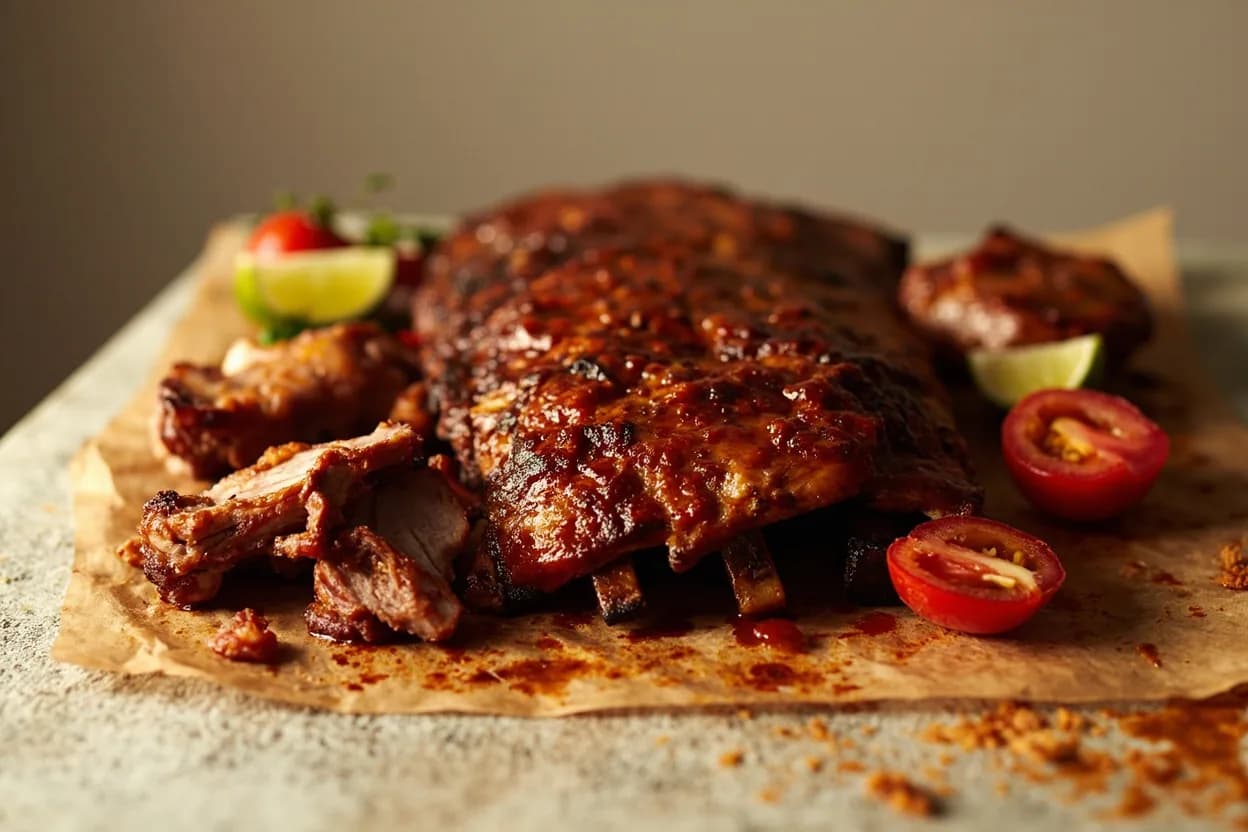
Smoke calls to smoke; pork's fatty richness absorbs chipotle's heat and tobacco deeply, defining Tex-Mex BBQ rubs and Mexican adobo braises.
- tomatoMexican
Tomato's acidity and natural sweetness temper the chipotle's heat in salsas, soups, and adobo sauces while adding body.
- lime juiceMexican
Citric acid lifts and sharpens chipotle's smoky depth, brightening marinades and salsas without diluting the heat.
- mayonnaise / cremaMexican
Dairy fat cools heat and carries the smoke beautifully in chipotle mayo or Mexican crema sauces for tacos and tortas.
- corn (grilled, roasted)Mexican
Charred corn's natural sweetness echoes chipotle's dried-cherry note; a foundational pairing in elote and salsas.
- garlicMexican
Roasted garlic deepens chipotle's savory register in adobo paste; raw garlic adds sharpness to fresh salsas.
- black beansMexican
The earthy, starchy bean is a natural foil to chipotle's smoke and heat in soups, dips, and burritos.
Adventurous pairings
Bitter cocoa aligns with chipotle's tobacco depth and heat in mole-style sauces and chile-chocolate brownies or truffles.
The caramel sweetness of maple counterpoints chipotle's smoke and heat in BBQ glazes for salmon, pork ribs, and roasted carrots.
- mango
Ripe mango's tropical sweetness and acidity provide relief from chipotle's heat — a vibrant pairing in salsas and ceviche.
- smoked paprika + chipotle blend
Stacking smoke registers from two sources (Spanish oak-smoked paprika + mesquite-smoked chipotle) creates a surround-sound smoke profile in dry rubs.
ACV's fruity acid brightens chipotle's sweet tobacco in Carolina-style BBQ fusion sauces and pickled vegetable preparations.
Tread carefully
- delicate seafood (sole, scallops)avoid
Chipotle's aggressive smoke and heat overwhelm the delicate sweetness of scallops or thin white fish.
- light, floral white winesavoid
Smoke and medium-high heat strip the aromatics from Riesling or Viognier, producing a harsh, bitter finish.
- fresh basil or tarragonavoid
The delicate anise-sweet aromatics of these herbs are obliterated by chipotle's smoke before they register on the palate.
How to use it
- Blend en adobo chipotles (including sauce) into purée for salsa, marinade, or compound butter
- Mince single chipotles finely for controlled heat in dressings and dips
- Rehydrate whole dried chipotles in hot water or stock; use both chile and liquid in sauces
- Combine chipotle powder with salt, cumin, and garlic for a dry rub on brisket or ribs
- Fry chipotle purée in oil until it darkens and concentrates for adobo sauce base
- Add a single chipotle en adobo to tomato sauce for a smoky backbone without full-chile heat
Appears in
Related flavours
Where ancho is sweet and fruity, chipotle is smoky and sharp; blending the two covers both registers in a complex chile sauce.
- Smoked Paprika
Both rely on dried-pepper smoke; paprika is milder and sweeter, useful when chipotle's heat is too aggressive.
Guajillo's bright, tannic acidity pairs with chipotle's smoke in layered salsas and enchilada sauces.
References
- 1.The Essential Cuisines of Mexico — Diana Kennedy
- 2.Truly Mexican — Roberto Santibanez
- 3.Salsa & Moles — Deborah Madison
Confidence: high
Notes
Meco vs. morita
The two main chipotle types are not interchangeable. The meco is larger, older, and smoked longer — it carries intense, complex smoke and is preferred for adobo paste and mole. The morita is a younger, smaller version (similar to smoked jalapeño) that is slightly fruitier and more commonly sold canned in adobo sauce. For most pantry purposes, morita en adobo is what cooks reach for.