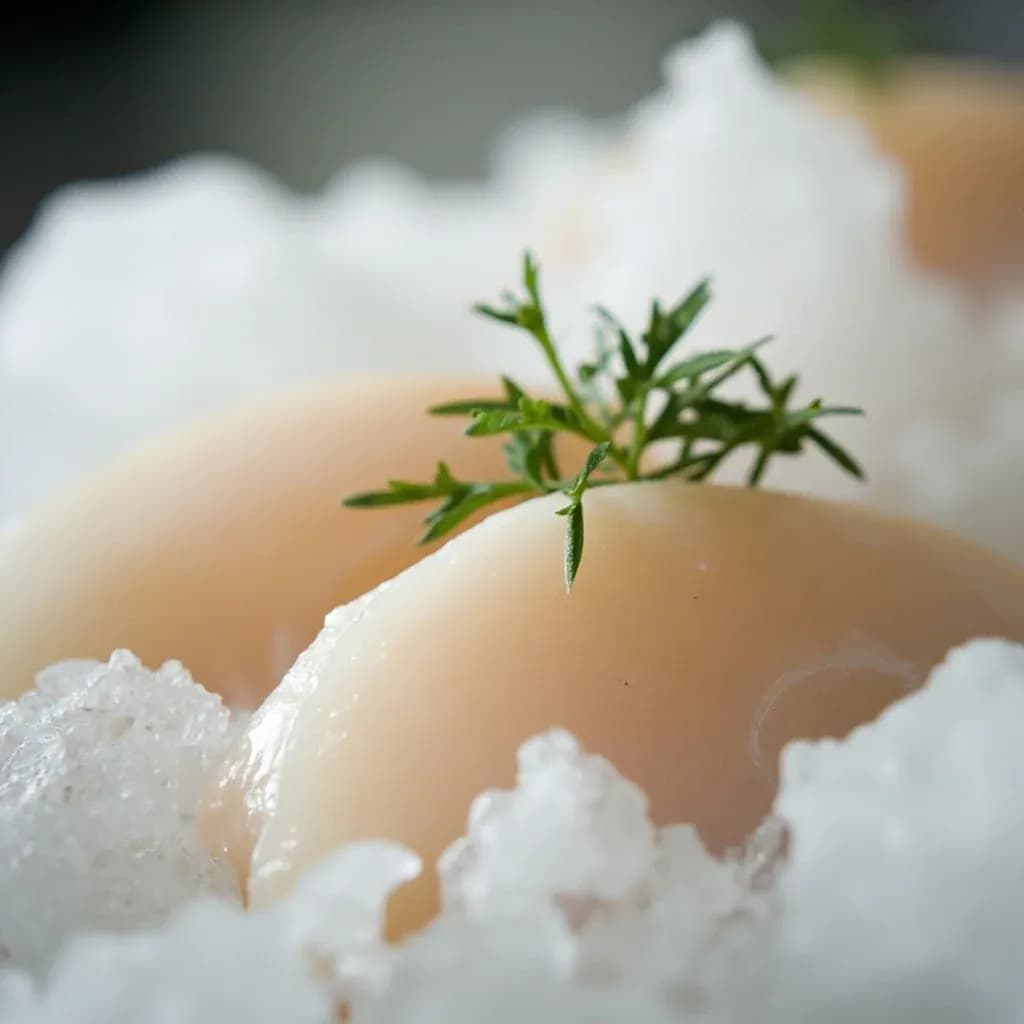
Proteins
Corvina
A firm, mild white-fleshed South American sea fish, the classic choice for Peruvian ceviche.
Corvina is a white-fleshed saltwater fish (a type of croaker/drum) common along the Pacific coast of the Americas. Its firm, mild flesh holds up beautifully to acid, making it the traditional choice for Peruvian ceviche, but it is also grilled and pan-fried. The texture is clean and meaty with a subtle sweetness.
Corvina (Cynoscion spp.) is a firm, mild white-fleshed sea fish native to the Pacific coast of South America, with Peru and Chile as primary sources. Its dense, meaty flesh and clean, slightly sweet flavor make it the defining fish of Peruvian cuisine, particularly for ceviche. Unlike delicate fish that fall apart in acidic marinades, corvina's cellular structure holds together during the citrus-curing process, developing the characteristic opaque, firm texture that ceviche demands. The fish has been a staple of Andean coastal communities for centuries, long before ceviche earned its status as Peru's national dish. The firm texture that makes it ideal for acidic preparations also holds up beautifully to grilling, pan-searing, and frying, making it one of the most forgiving white fish for home cooks while remaining sophisticated enough for restaurant use.
- Measured in
- g
- Storage
- Fridge
Allergens
Types & varieties
The most widely available species; the standard corvina of Peruvian cuisine
Paler flesh, equally firm; found in deeper waters
Darker external pigmentation but same mild white flesh; primarily found in Chilean waters
Common uses
Tips & pitfalls
- Select fresh corvina by checking for bright, convex eyes and bright red or pink gills; avoid fish with sunken eyes or brown discoloration
- Press the flesh firmly — it should spring back immediately and leave no indentation
- For ceviche, cube the fish into 1-inch pieces and cure in citrus for at least 15 minutes; undershooting the cure time leaves fish mushy and unsafe
- Do not overcook corvina — high heat for too long turns it tough and dry; aim for an internal temperature of 130–135°F
- The firm texture makes it forgiving for beginners, but sliced too thick for quick cooking methods it can become chewy
- Corvina's mildness means it benefits from bold seasoning; plain corvina tastes flat compared to properly seasoned preparations
- When grilling, oil both the grill grates and the fish skin to prevent sticking; use medium-high heat and resist moving the fish until it releases naturally
- Frozen corvina is practical for extended storage — freeze at 0°F and use within 3 months for best quality
Nutrition
Energy
435 kJ · per 100 g
Where the calories come from
Protein
17.8g
36% DV
Carbs
0g
0% DV
Fat
3.2g
4% DV
Fiber
0g
0% DV
Sugars
0g
of which
Sodium
56mg
2% DV
Source · USDA FoodData Central · approx. Fish, croaker, Atlantic, raw
View on FDC →In the shops
Matched grocery products
No matched grocery products for Corvina yet.
Good to know
- Scientific Name
- Cynoscion spp. (primarily C. striatus)
- Origin
- Pacific coast of South America, primarily Peru and Chile
- Flavor
- Mild, slightly sweet, clean; delicate white flesh with medium flakes
- Texture
- Firm and meaty; holds its structure through cooking and curing
- Season
- Year-round; peak quality May–October in cooler months
- Yield
- Approximately 45–50% edible meat after filleting
- Storage
- Use within 1–2 days when fresh; freeze at 0°F for up to 3 months
- Form
- Whole fish, fillets (skin-on or skinless), and steaks
Substitutes
- Sea Bass (any variety) — Best all-around substitute; similar firm texture and mild flavor
- Striped Bass — Comparable texture; slightly more pronounced flavor but works well in most preparations
- Halibut — Firmer and denser; excellent for grilling and holds up in ceviche
- Grouper — Similar meaty texture and mild taste; widely available in most markets
- Mahi-Mahi — Good firmness; slightly sweeter; works for ceviche and grilling
- Red Snapper — Slightly firmer; acceptable substitute in most preparations
- Lingcod — Pacific species with similar texture and mild flavor
Pairs with
Also called
Sea Bass / Corvina · Croaker
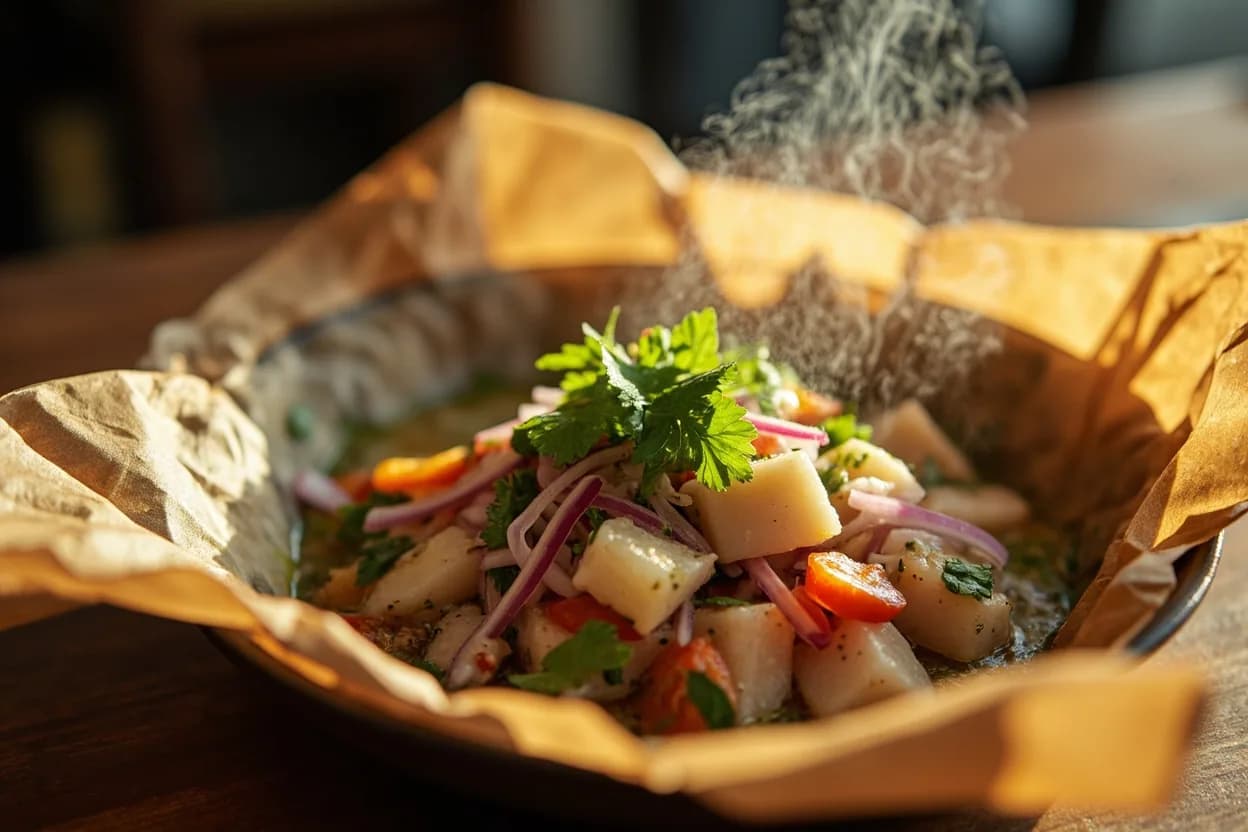
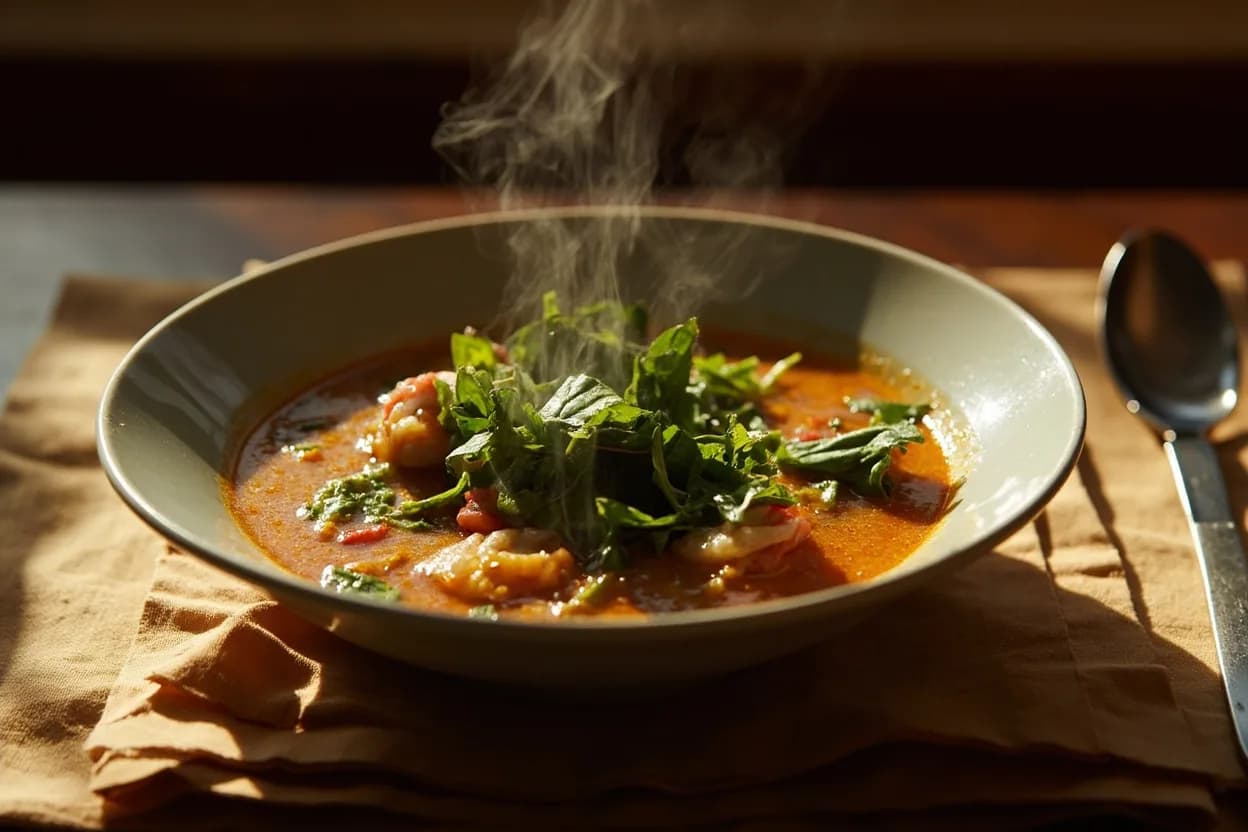
Appears in these dishes
Related

Egg
The kitchen's everything ingredient — bind, leaven, enrich, or fry

Chicken Breast
Lean, quick-cooking white meat for everyday dinners

Ground Beef
Versatile minced beef for burgers, ragù, tacos, and meatballs

Pork Loin
Lean, tender roasting cut that stays juicy with care

Salmon
Rich, rosy fish that roasts, grills, or cures beautifully

Egg White
Pure protein that whips to airy peaks for meringue and more

Egg Yolk
Rich, golden yolk for custards, mayonnaise, and pasta

Quail Egg
Tiny, speckled eggs for garnishing and elegant bites