South America
Limeña Criolla
Also: Cocina criolla limeña, Lima creole cuisine, comida criolla peruana
Lima's foundational creole kitchen — the layered product of Andean, Spanish, African, and Asian confluences that made Peru one of the world's great food cities.
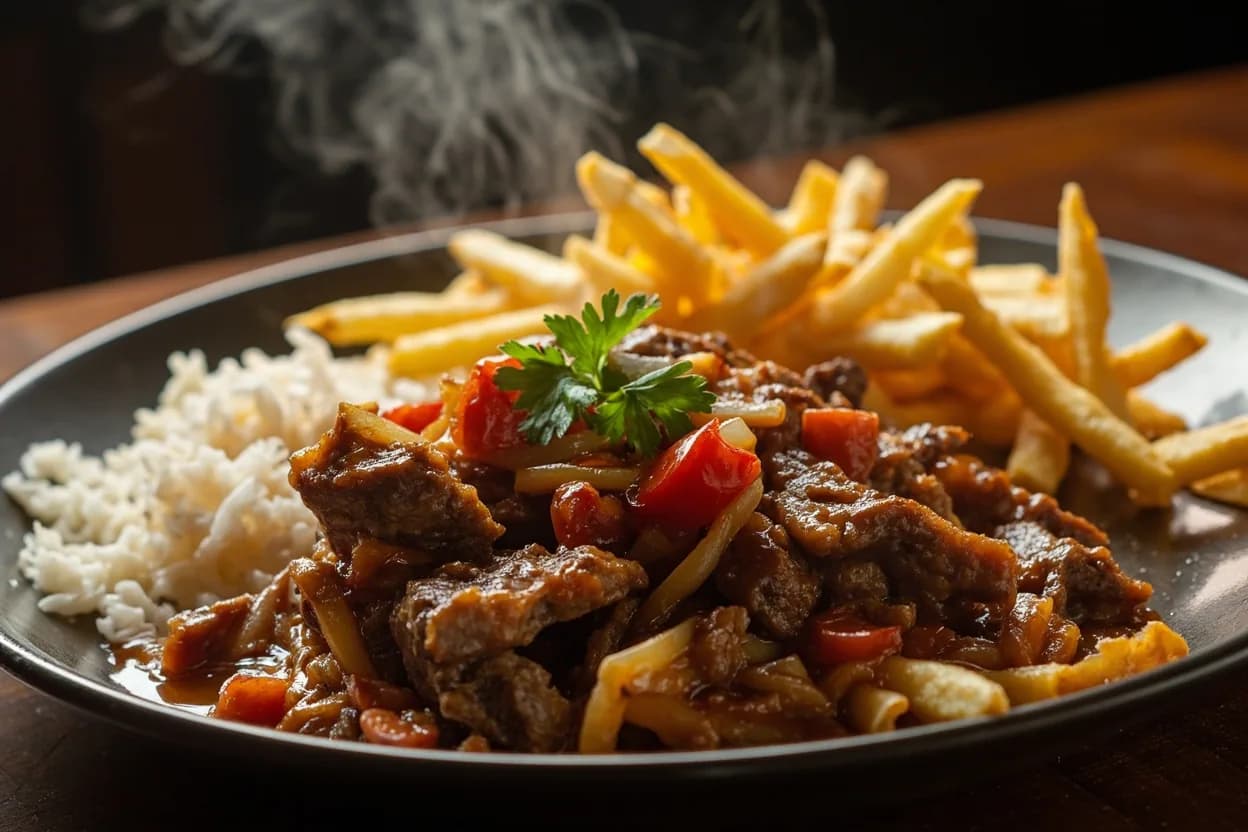
Limeña Criolla is the culinary tradition of Lima, Peru's coastal capital, shaped over five centuries by the convergence of indigenous Andean cooking, Spanish colonial cuisine, West African slave cooking, and successive waves of Chinese and Japanese immigration. It is 'criollo' in the Peruvian sense: not merely Spanish-derived but a fully synthesized urban tradition that belongs to all of Lima's inhabitants. The cuisine is defined by its pungent, citrus-driven acid logic (ceviche), its layered stews with ají peppers, and its unabashed appetite for combination — French-fried potatoes with wok-tossed beef with steamed rice is not a contradiction; it is the national aesthetic.
The flavour base
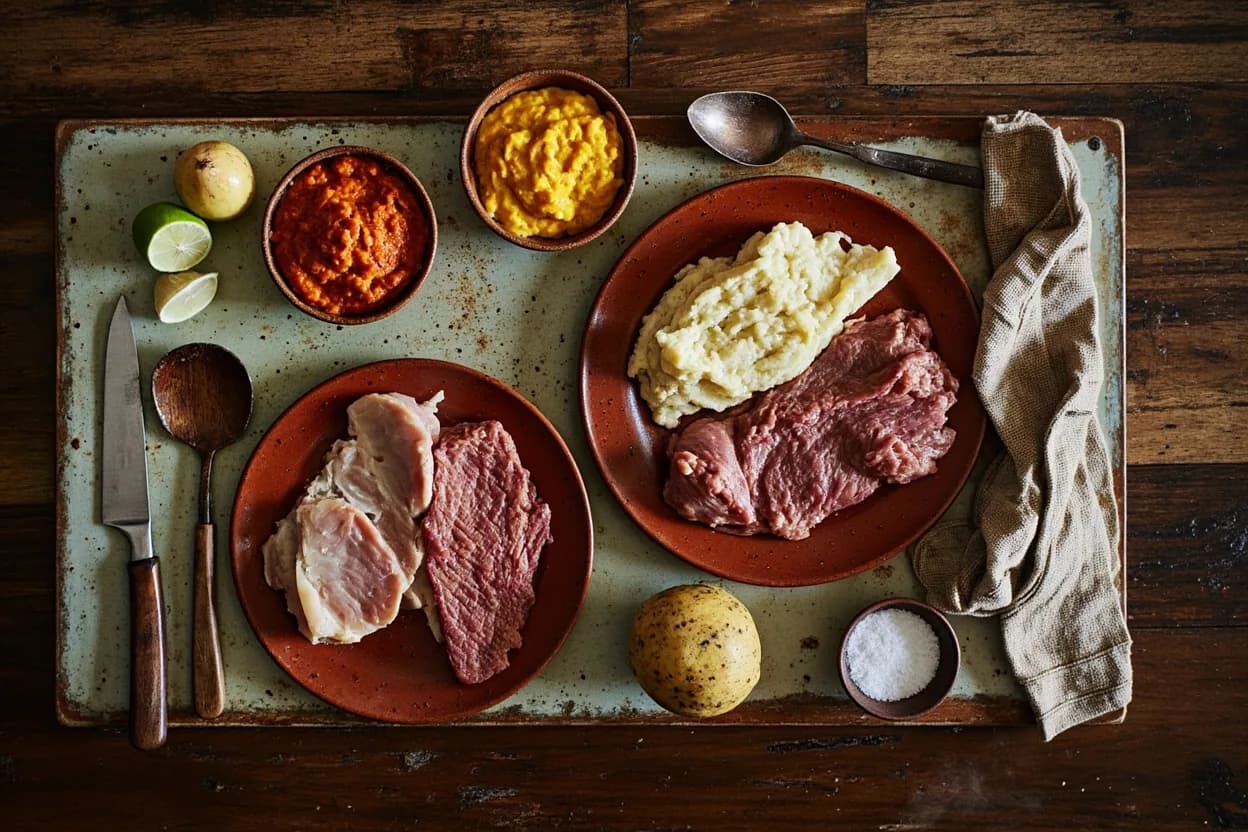
The foundational base is the aderezo: onion, garlic, and ají amarillo sweated in oil until fragrant and slightly caramelized. This forms the beginning of virtually every stew, braise, and rice dish in the criollo repertoire. Lime juice, culantro, and a touch of cumin complete the flavor architecture.
Pantry staples
Key ingredients
Signature techniques
Signature dishes
Limeña Criolla on the table
At the table
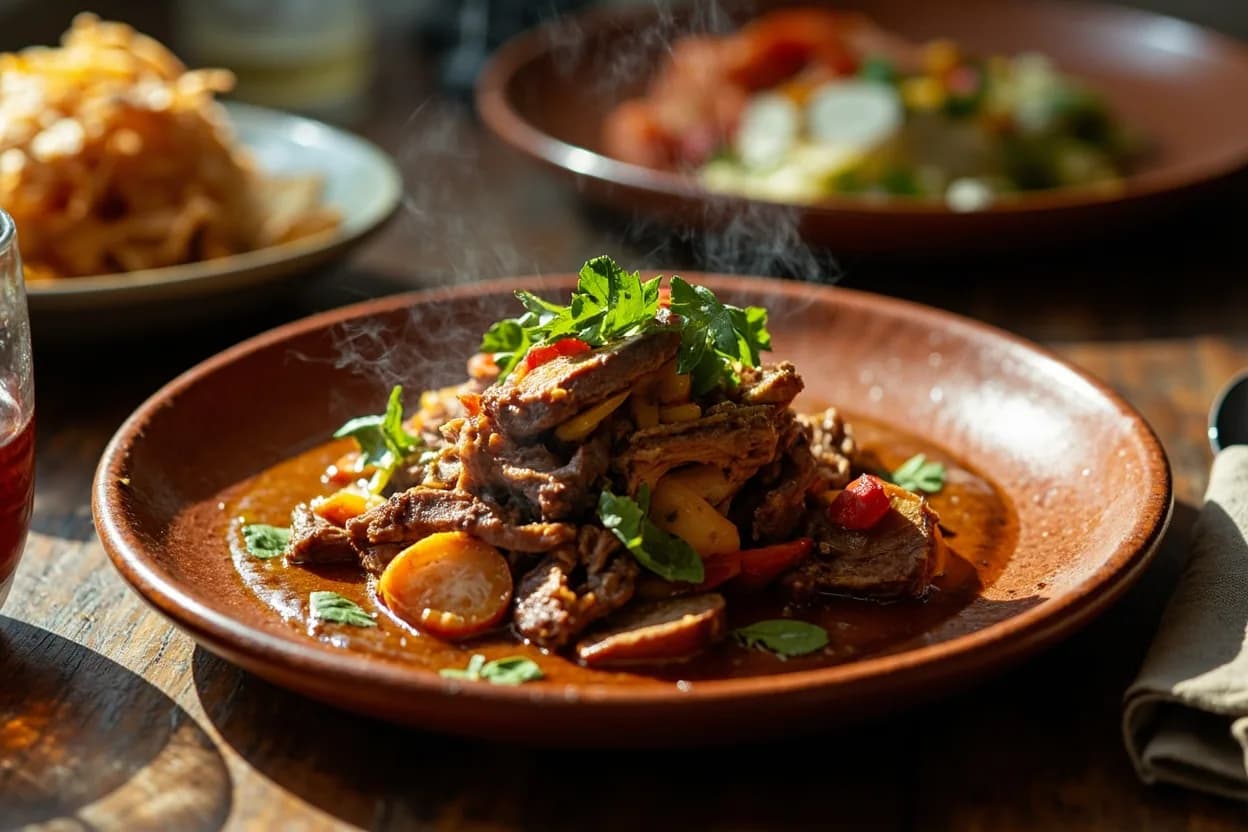
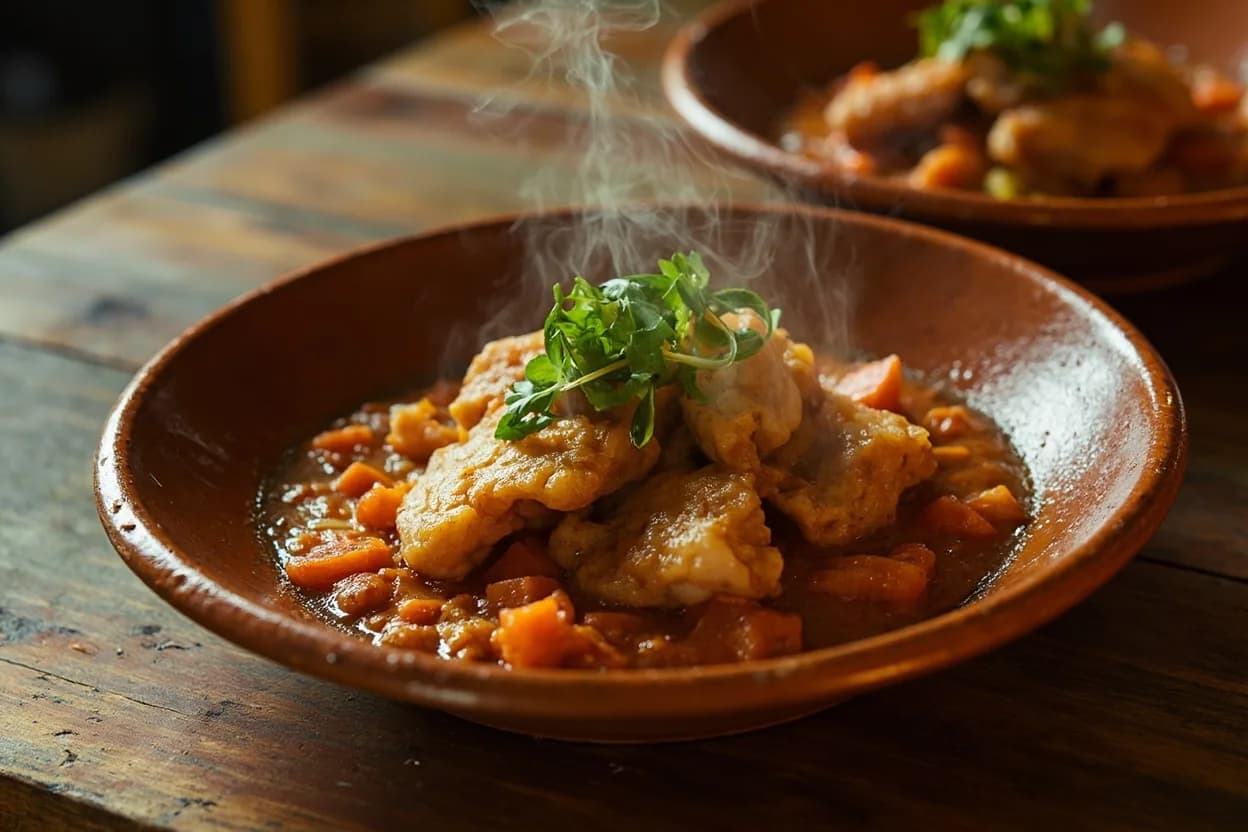
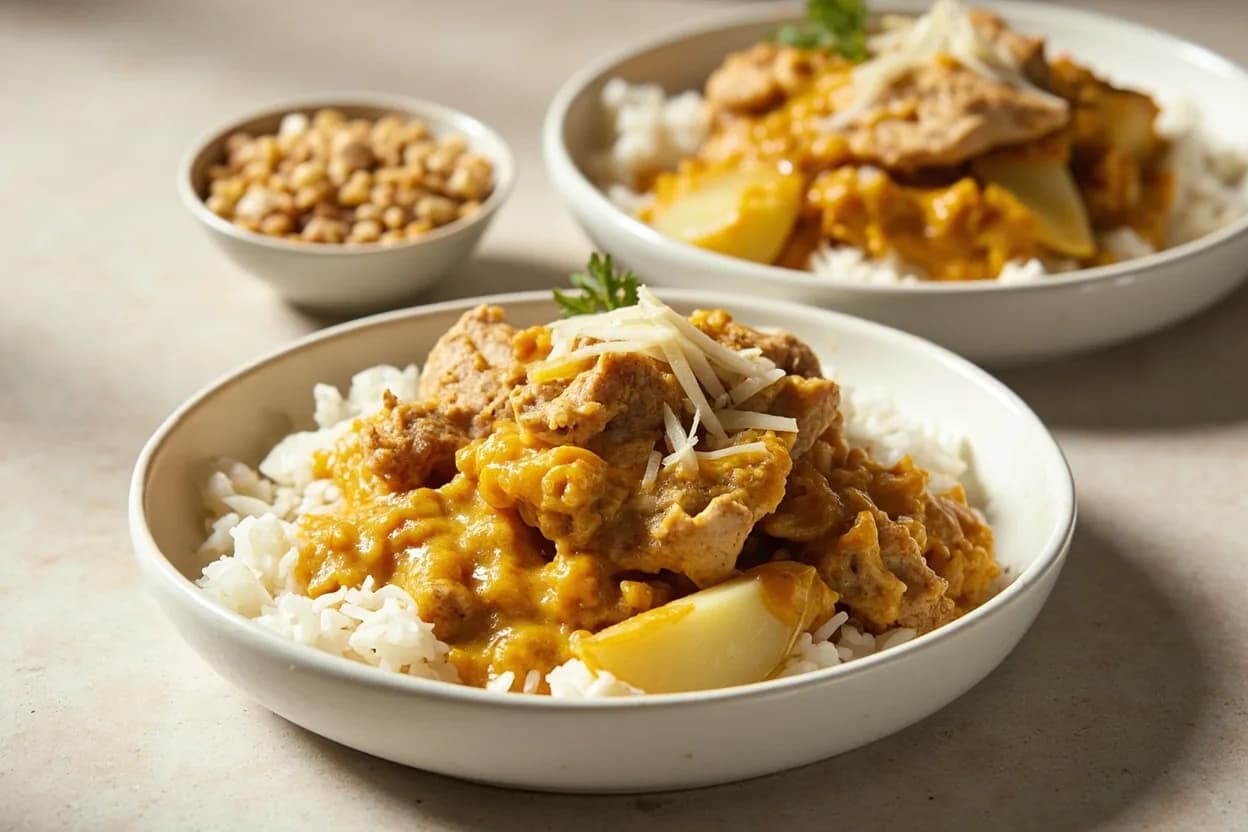
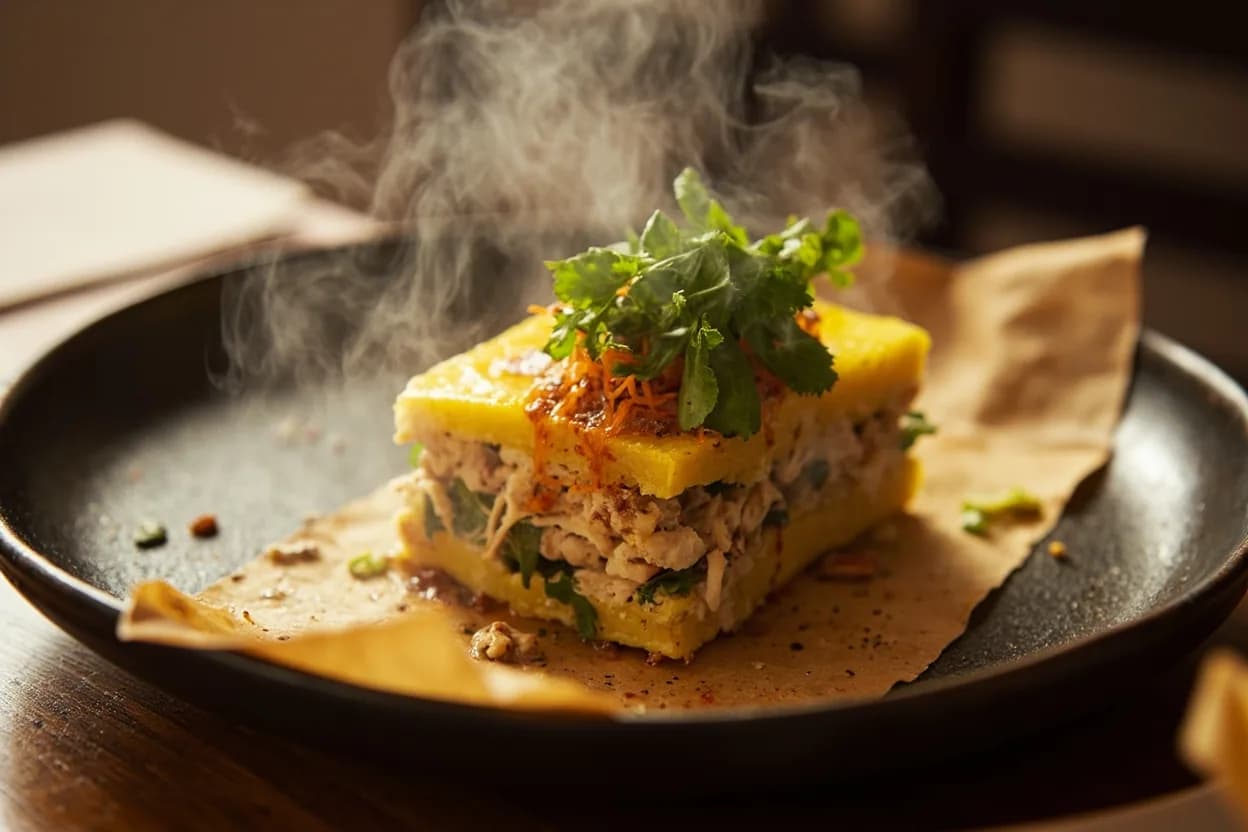
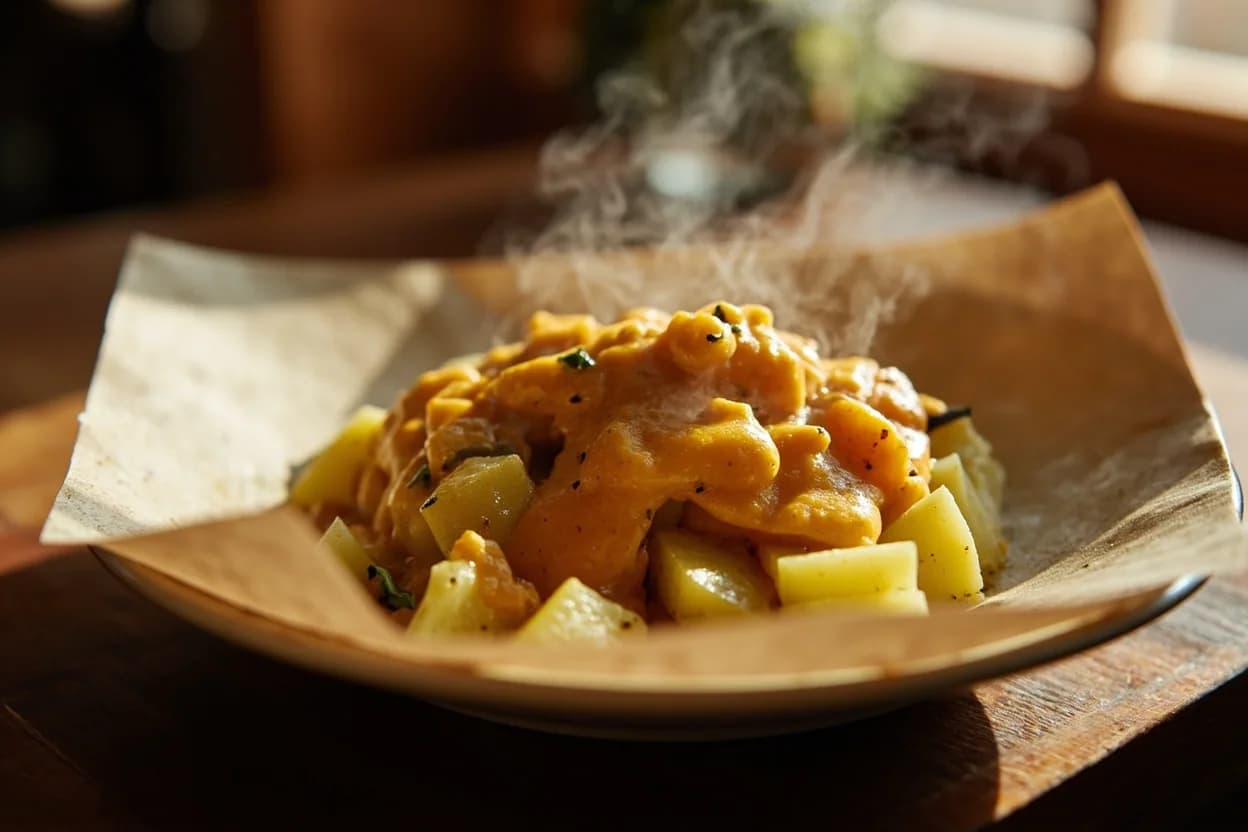
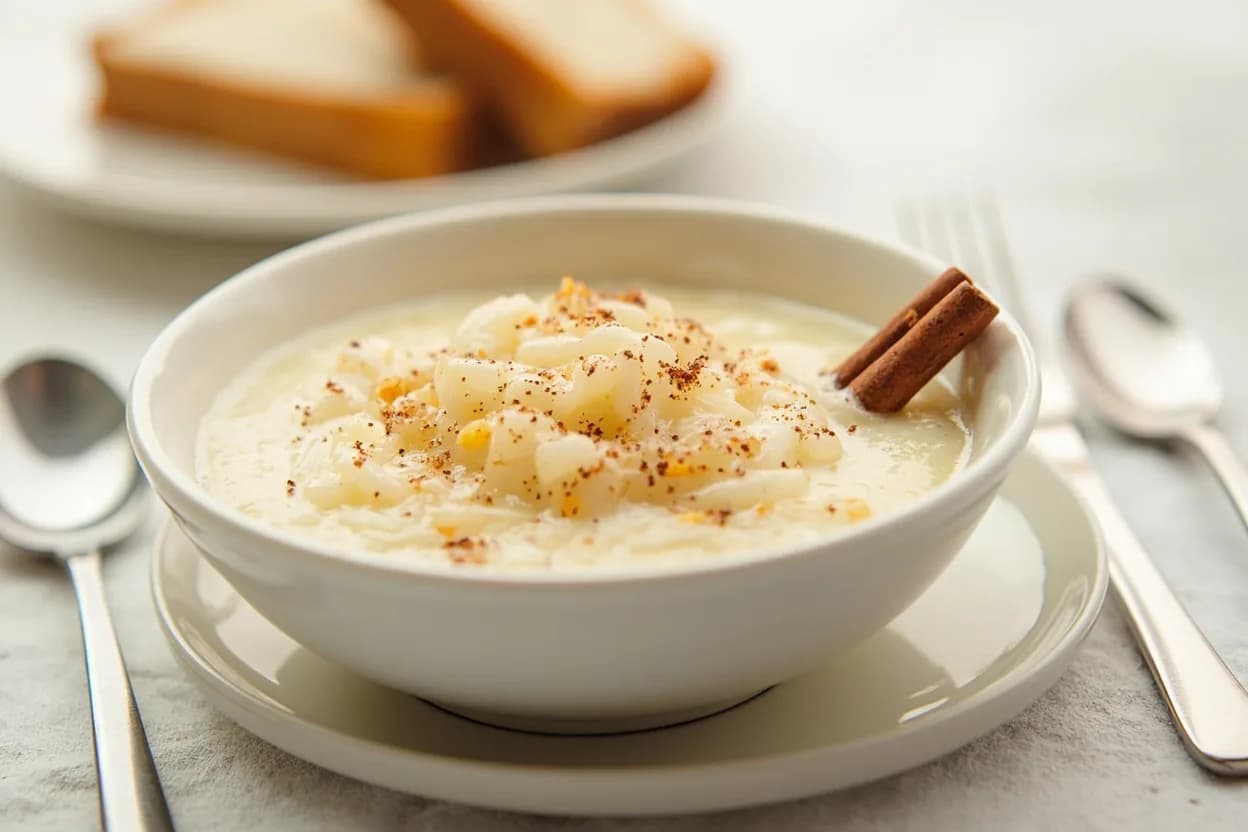
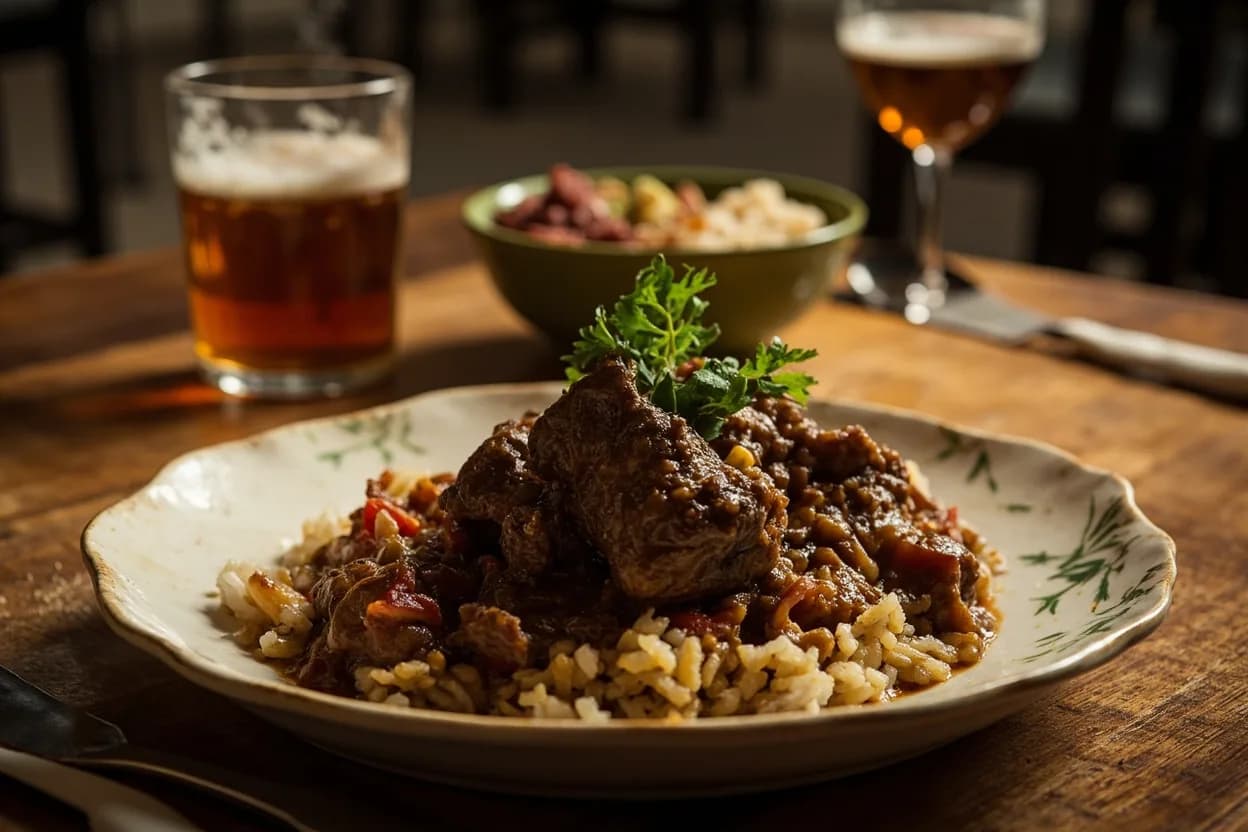
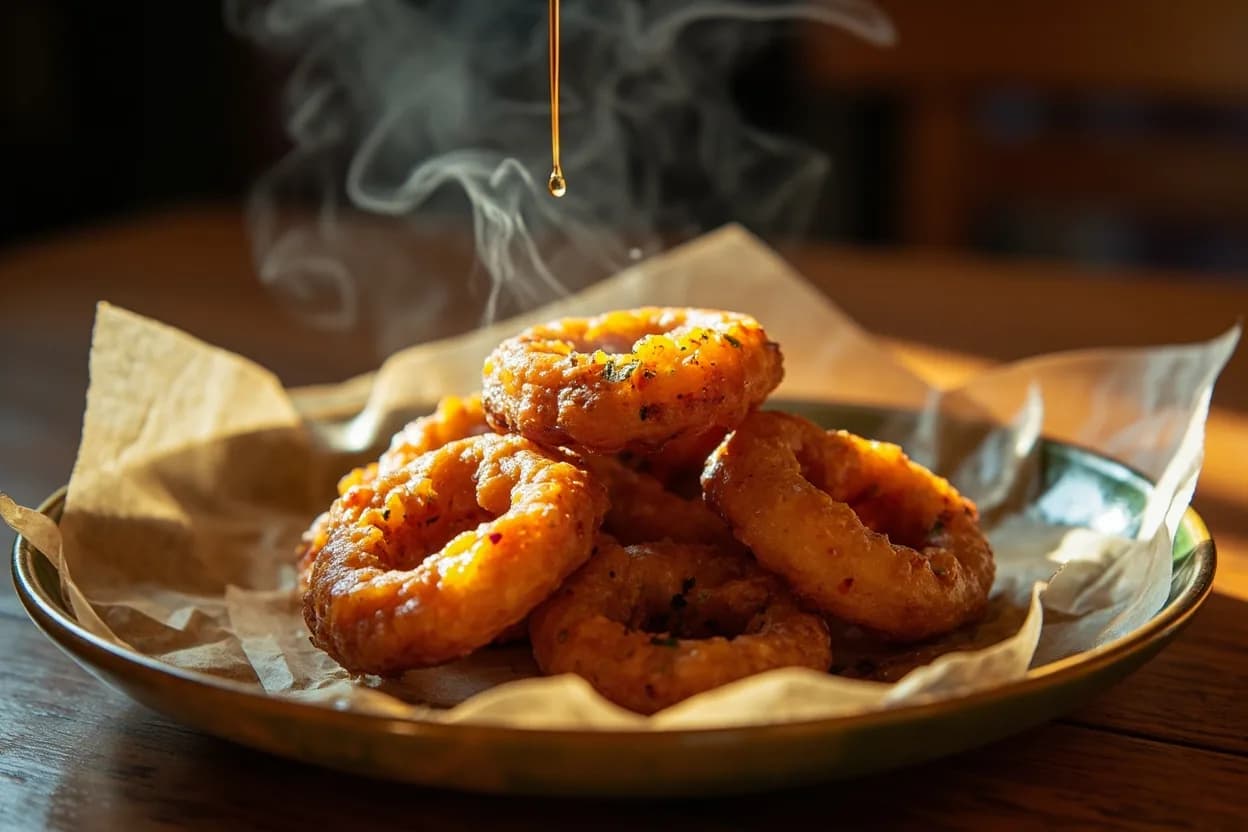
A classic limeña meal begins with a cold appetizer (ceviche, causa, or papa a la huancaína), moves to a main rice-and-protein dish (seco, ají de gallina, lomo saltado), and often ends with one of Lima's colonial-era sweets (arroz con leche, mazamorra morada, picarones). Lunch (almuerzo) is the main meal of the day; cevicherías typically operate only until mid-afternoon.
History & context
Lima was founded in 1535 by Francisco Pizarro on a site the indigenous Rimac people called 'Limaq.' From its first decades the city was a crossroads: indigenous Andean workers and ingredients, Spanish colonists importing European livestock and grains, and West African slaves brought into the households and kitchens of the Lima elite. African cooks are credited with the creative transformation of offal — anticuchos (heart skewers), menestrón — and with the sweet-stew logic that became ají de gallina. Chinese immigrants from the 1850s brought the wok and soy sauce, yielding lomo saltado. Japanese immigrants from 1899 onward contributed tiradito and raw-fish precision. The result is a cuisine of radical integration. Lima's global gastronomy renaissance, catalyzed by Gastón Acurio in the 2000s, brought the criollo tradition its contemporary international prestige.
Regional variations
- Balnearios (coastal resort zones)
Cevicherías along Lima's coast (Chorrillos, Barranco, Miraflores boardwalk) specialize in seafood; fish preparations are fresher and lighter, with the leche de tigre tradition at its most intense.
- Working-class Lima (Comas, Villa El Salvador)
Home criollo cooking is heartier and less refined: larger stews, more carapulcra (dried potato stew), thicker ají de gallina, and homemade picarones rather than restaurant-calibrated presentations.
- Limeña-chifa (fusion zones)
Across most Lima neighborhoods, chifa and criollo are so interwoven that home cooks use soy sauce in seco and think nothing of it.
Related cuisines
Constitutive tradition within criollo Lima; Afro-Peruvian cooks shaped the stew culture, offal preparations, and sweets that define Lima's most beloved dishes.
Absorbed into criollo identity so fully that lomo saltado is claimed by both traditions without contradiction.
Shares the Lima seafood and ceviche frame; tiradito is the Nikkei refinement of criollo ceviche technique.
Modernist corrective movement that critiqued criollo Lima's colonial ingredient hierarchy while still using criollo technique as its base.
Canonical recipes
The dishes that define Limeña Criolla, documented in the Canon.
References
- 1.Perú: The Cookbook — Gastón Acurio (2015)
- 2.The Art of Peruvian Cuisine — Tony Custer (2003)
- 3.The Oxford Companion to Food — Alan Davidson (3rd ed., 2014)
- 4.Gran cocina latina — Maricel Presilla (2012)
Confidence: high
Notes
Ceviche as identity
Peru declared ceviche a national cultural heritage dish in 2004. Limeña ceviche is specifically a coastal acid-cure — raw fish (corvina, lenguado) diced and bathed in lime juice ('cooked' by acid in minutes), seasoned with ají amarillo, sliced red onion, salt, and culantro, then served immediately at room temperature with choclo and cancha. The leche de tigre (tiger's milk) left in the bowl is itself consumed as a palate cleanser or a pisco-based cocktail. This precision about freshness and timing distinguishes limeño ceviche from any marinated-overnight versions found elsewhere.
Ají de gallina and colonial syncretism
Ají de gallina — shredded chicken in a sauce of ají amarillo, bread, walnuts, Parmesan, and evaporated milk — embodies Lima's multicultural kitchen: bread-thickened sauce from Spanish medieval tradition, ají from pre-Columbian Andean cooking, walnuts possibly from Arab-influenced medieval Spanish, and evaporated milk from 20th-century industrial introduction. No single tradition owns it; Lima's criollo kitchen made it whole.