Western Europe
Loire Valley
Also: Val de Loire, Garden of France cuisine, Touraine cuisine
France's garden table: fresh chèvre, river fish, rillettes du Mans, market vegetables, and a cuisine shaped by the Loire's crystalline white wines and extraordinary produce.
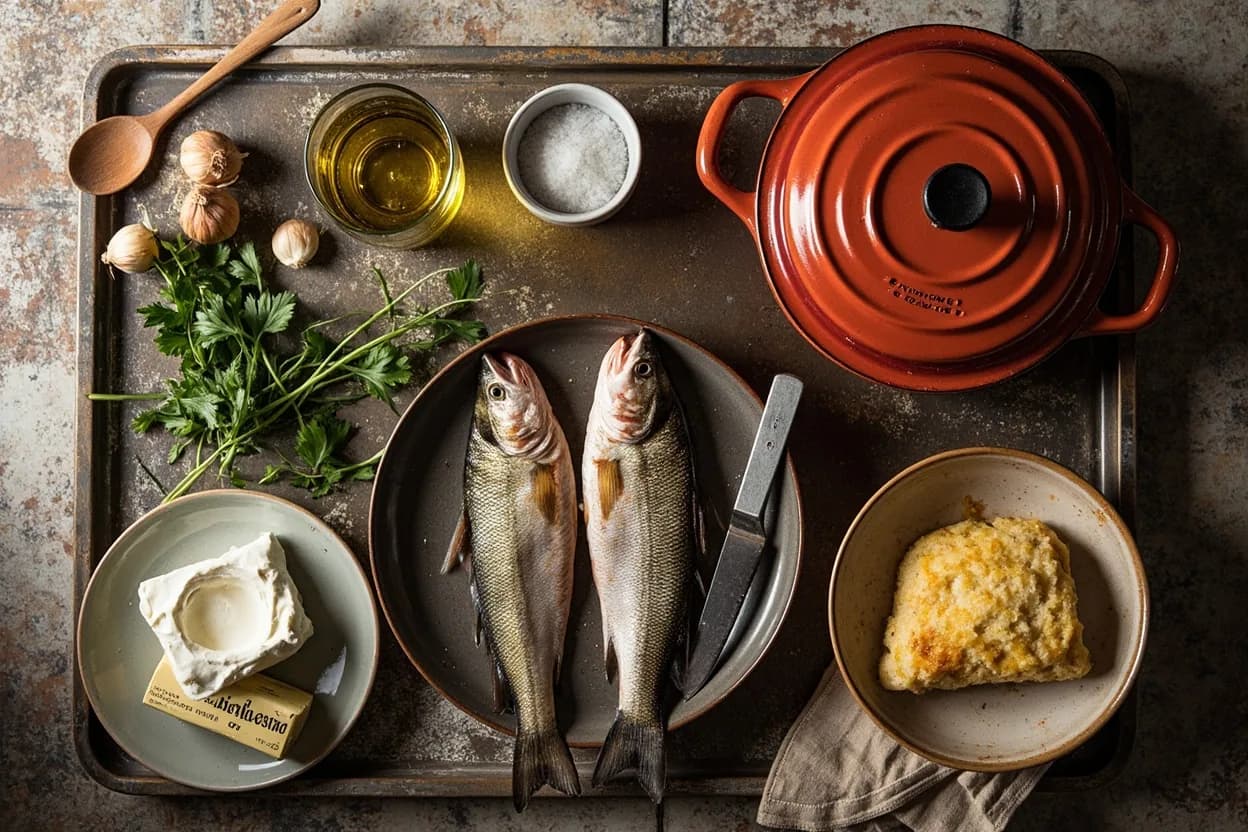
Loire Valley cuisine is defined by lightness, freshness, and an exceptional market-garden culture — it is not the fat-enriched or wine-braised cooking of Burgundy or Gascony, but something closer to the seasonal instincts of a skilled home cook working with outstanding raw materials. The Loire is France's longest river and its banks produce wines of startling variety (Muscadet, Sancerre, Vouvray, Chinon, Anjou) alongside fresh chèvre in dozens of forms, pike, perch, shad, and salmon, asparagus, haricots verts, artichokes, and some of the finest soft fruit in Europe. The cuisine honors these ingredients by doing relatively little to them.
The flavour base
Beurre blanc — a reduction of Muscadet, shallots, and cold butter — is the defining sauce; fresh chèvre and crème fraîche lighten other preparations; shallots appear in nearly every savory preparation
Pantry staples
Key ingredients
Signature techniques
Signature dishes
Loire Valley on the table

At the table
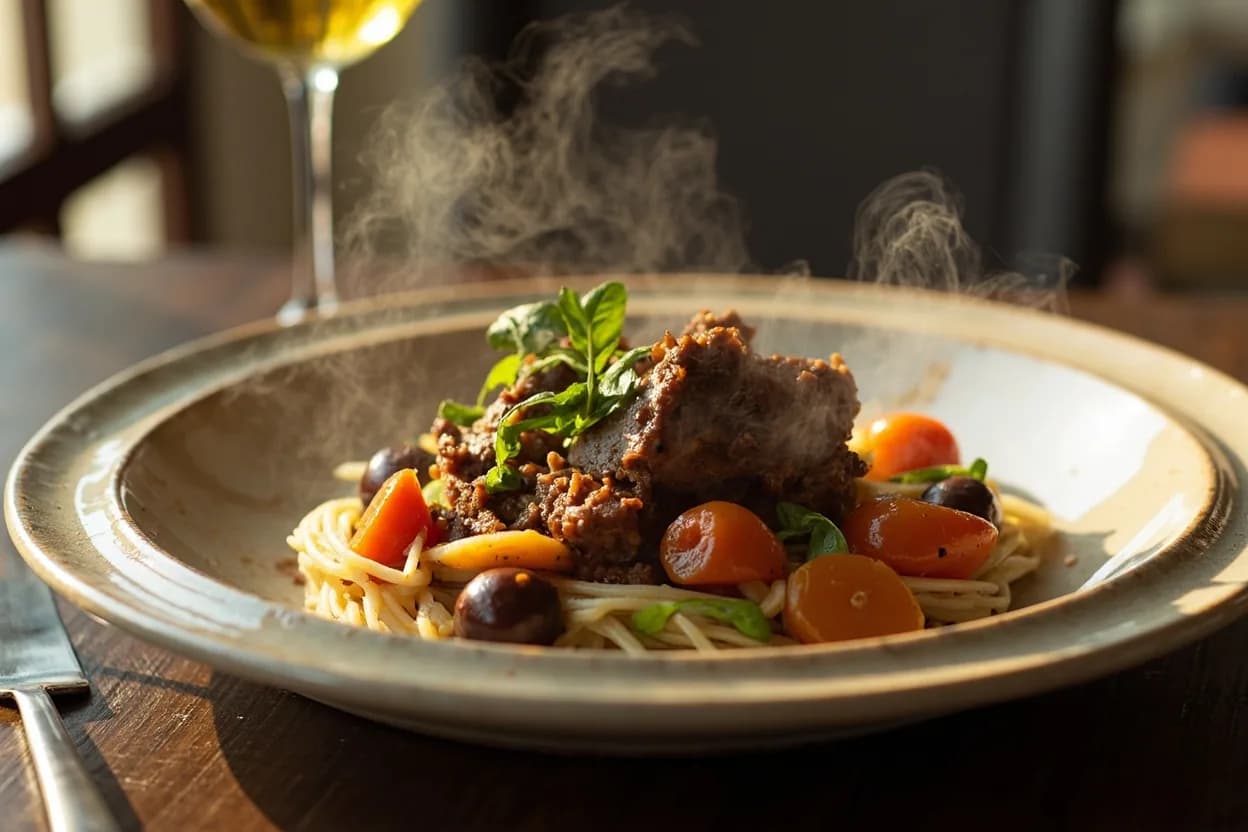
Loire Valley meals reflect a French provincial cadence: a charcuterie or chèvre starter, a fish or poultry main, cheese (which here is the chevre progression — from fresh to aged), and a fruit tart or compote for dessert. Because the Loire produces excellent wines at every price point and in multiple styles — dry whites, demi-sec, sparkling Crémant de Loire, Chinon rouge — wine pairing runs through the whole meal. Market lunches in Amboise, Blois, or Saumur follow this template closely.
History & context
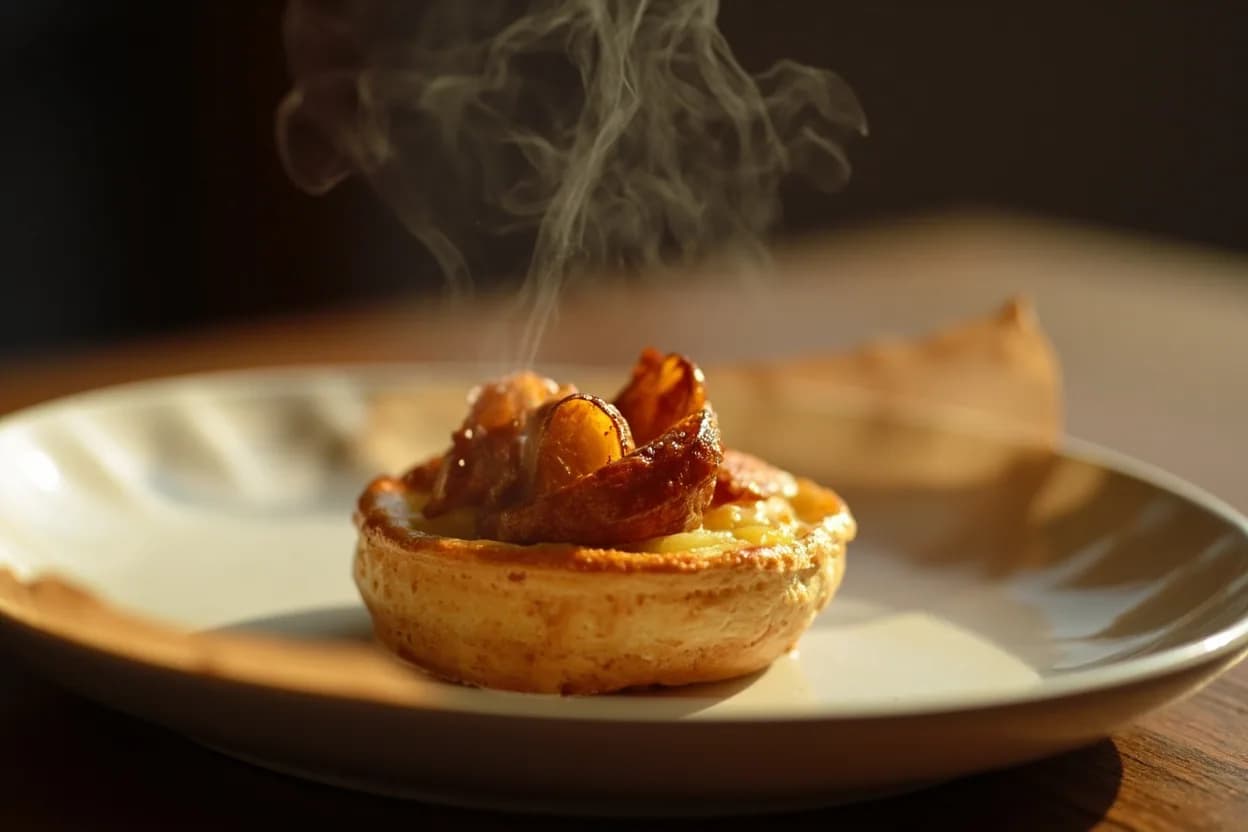
The Loire Valley's culinary reputation derives partly from geography — it is the northernmost point where Atlantic moisture, sun, and alluvial soil converge to produce exceptional soft fruit and market vegetables — and partly from its role as the preferred residence of the French monarchy from the 15th to 17th centuries. The châteaux at Chambord, Blois, and Chenonceau hosted the courts of Francis I, Henri II, and Catherine de' Medici, which brought Italian culinary refinement (pastry technique, fork use, refined vegetable cookery) into contact with the Loire's superb local larder. The result was an early version of haute cuisine that was lighter and more garden-oriented than the fat-enriched bourgeois cooking of Paris. Rillettes du Mans have been documented since the 15th century. Tarte Tatin was reportedly invented by the Tatin sisters at their hotel in Lamotte-Beuvron in the 1880s.
Regional variations
- Nantes and Pays de la Loire (west)
Muscadet country and the Atlantic; beurre blanc was invented near Nantes; more fish, more bivalves (mussels, oysters from the nearby Vendée coast), beurre nantais variations.
- Touraine (heartland)
Rillettes and rillons of Tours; Vouvray demi-sec in cooking; the most classical expression of Loire charcuterie alongside the chèvres.
- Sancerre and Berry (upper Loire, east)
Crottin de Chavignol AOC is based here; Sancerre Blanc (Sauvignon Blanc) drives the food pairing; the food becomes slightly more robust, borrowing from Burgundy to the east.
- Anjou and Saumur
Anjou produces France's best white asparagus and noted demi-sec wines (Coteaux du Layon); pork-based terrines and trout from the Vienne tributary.
Related cuisines
Both are wine-integrated French regional cuisines, but Loire cooking is lighter and more vegetable-forward where Burgundy is richer and braise-centered.
Immediate neighbor to the northwest; shares butter culture and Atlantic seafood, though Breton cooking is saltier and more seafood-dominant.
- Poitevin-Charentais
Shares the butter AOC (Charentes-Poitou) and the fresh chèvre tradition; Cognac brandy replaces Armagnac in this adjacent zone to the south.
Canonical recipes
The dishes that define Loire Valley, documented in the Canon.
References
- 1.The Food of France — Waverly Root (1958)
- 2.French Provincial Cooking — Elizabeth David (1960)
- 3.The Loire Valley and Its Wines — Jacqueline Friedrich (1997)
- 4.Cheese: A Connoisseur's Guide to the World's Best — Max McCalman & David Gibbons (2005)
Confidence: high
Notes
Beurre blanc: technique and origin
Beurre blanc is attributed to a cook named Clémence Lefeuvre, who reportedly forgot to add eggs to a béarnaise near Saint-Julien-de-Concelles around 1890, producing a pure butter emulsion instead. The technique requires cold butter cut into cubes added off-heat to a very small reduction of shallot, Muscadet, and white wine vinegar; the emulsion breaks above roughly 70°C. Loire chefs use it on river fish (pike, sandre, shad) rather than meat.
The chèvre calendar
Loire goat cheeses are seasonal: fresh chèvre appears in spring when the goats freshen after winter dry-off; by summer the same paste has firmed and developed a wrinkled rind; by autumn crottins are hard and pungent. Eating a Loire chèvre out of season was historically impossible, and even today the best farmhouse examples are unavailable in winter.