Western Europe
Breton
Also: Cuisine bretonne, Brittany cuisine, Breizh cuisine
Brittany's Celtic table of buckwheat, salted butter, and the sea — galettes, crêpes, Kouign-amann, and the finest shellfish plateau in Europe.
Breton cuisine is the cooking of the Brittany peninsula — France's westernmost region, stretching into the Atlantic between the English Channel and the Bay of Biscay. It is one of France's most distinctive regional traditions, partly because Brittany remained an independent duchy until 1532 and retains a Celtic cultural identity (Breton language, music, and food customs) separate from the broader French mainstream. The cuisine is anchored by three pillars: buckwheat (sarrasin), which arrived via the Crusades and became the local grain on poor, acidic soil; an extraordinary Atlantic seafood harvest; and the celebrated salted butter culture that defines everything from pastry to vegetables. Brittany is France's single most important seafood-producing region.
The flavour base
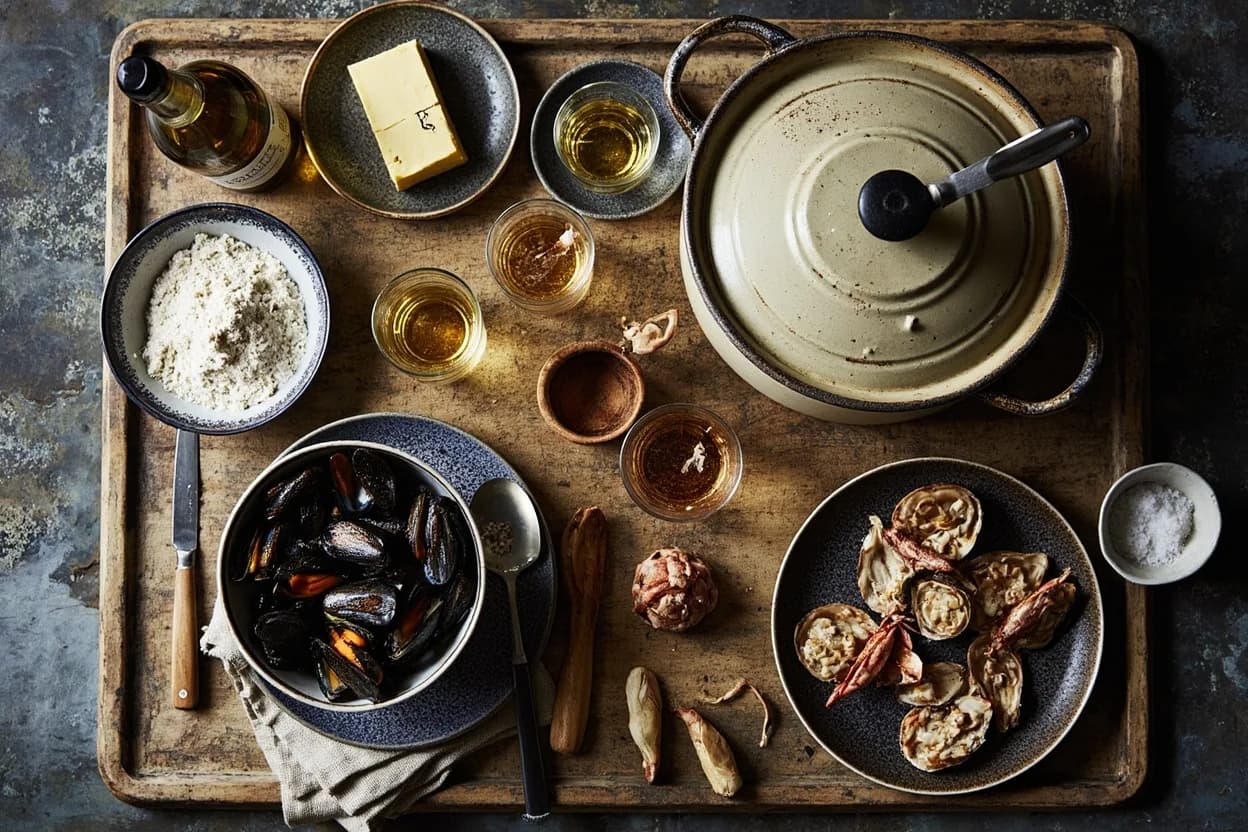
Salted Breton butter (beurre demi-sel or beurre salé) is the defining fat and flavor agent — it finishes galettes, is spread on kouign-amann pastry, and is whisked into beurre blanc (white butter sauce) for fish. The sea itself — its salt air, its brine, its iodine-rich shellfish — permeates the entire cuisine as ambient flavor.
Pantry staples
Key ingredients
Signature techniques
Signature dishes
Breton on the table
At the table
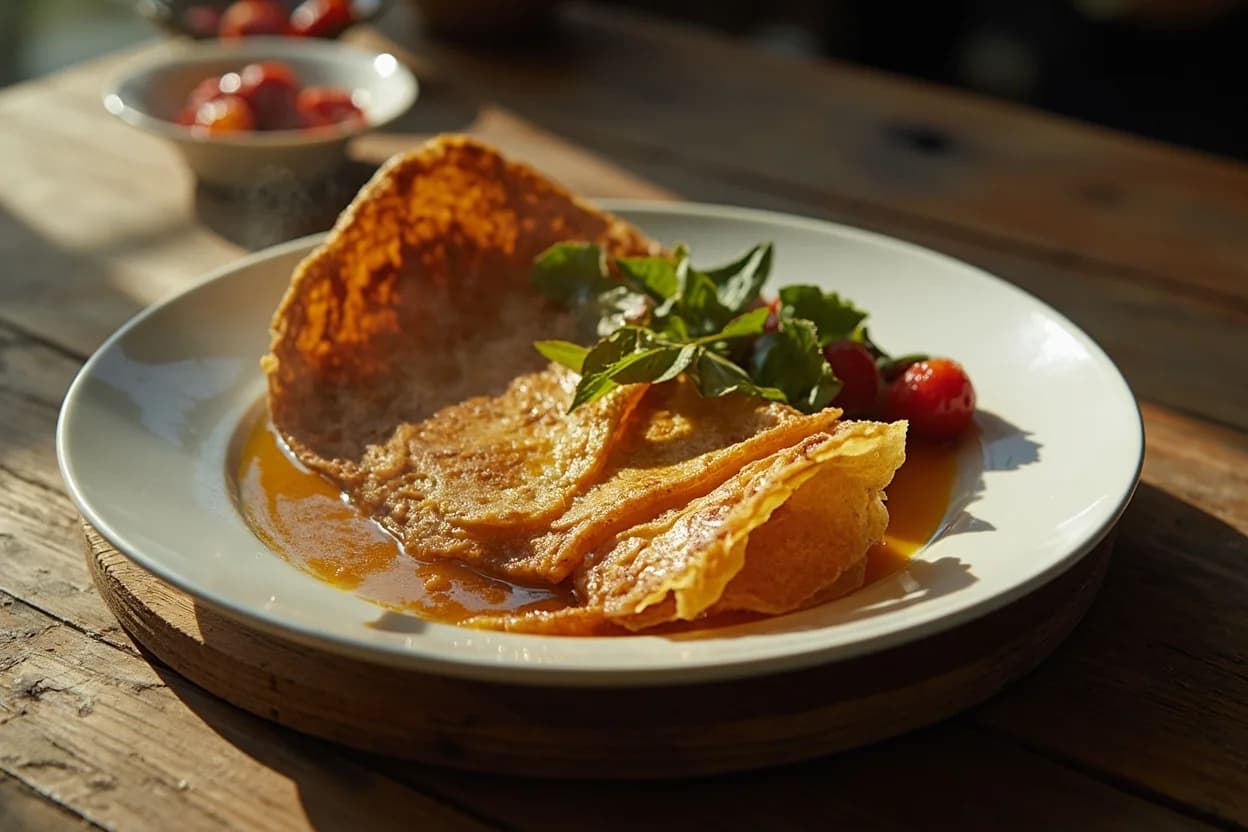
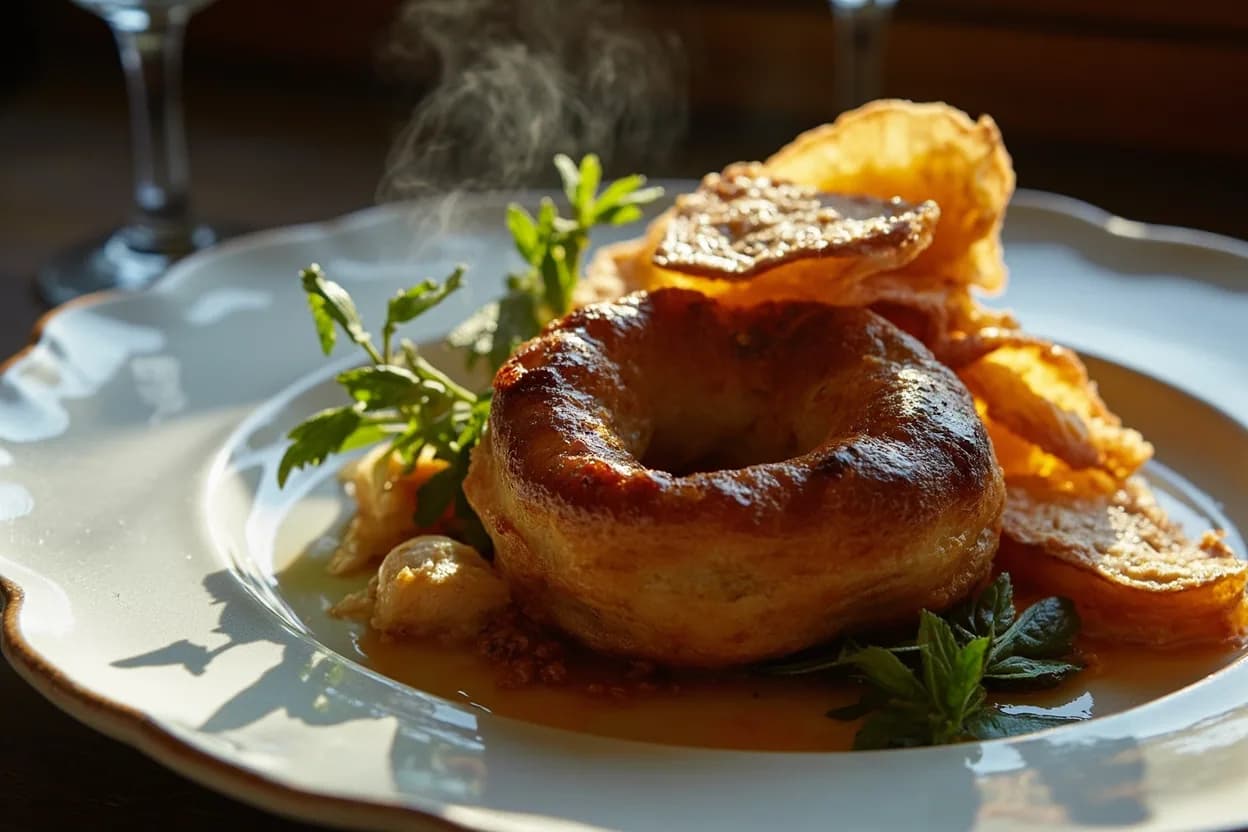
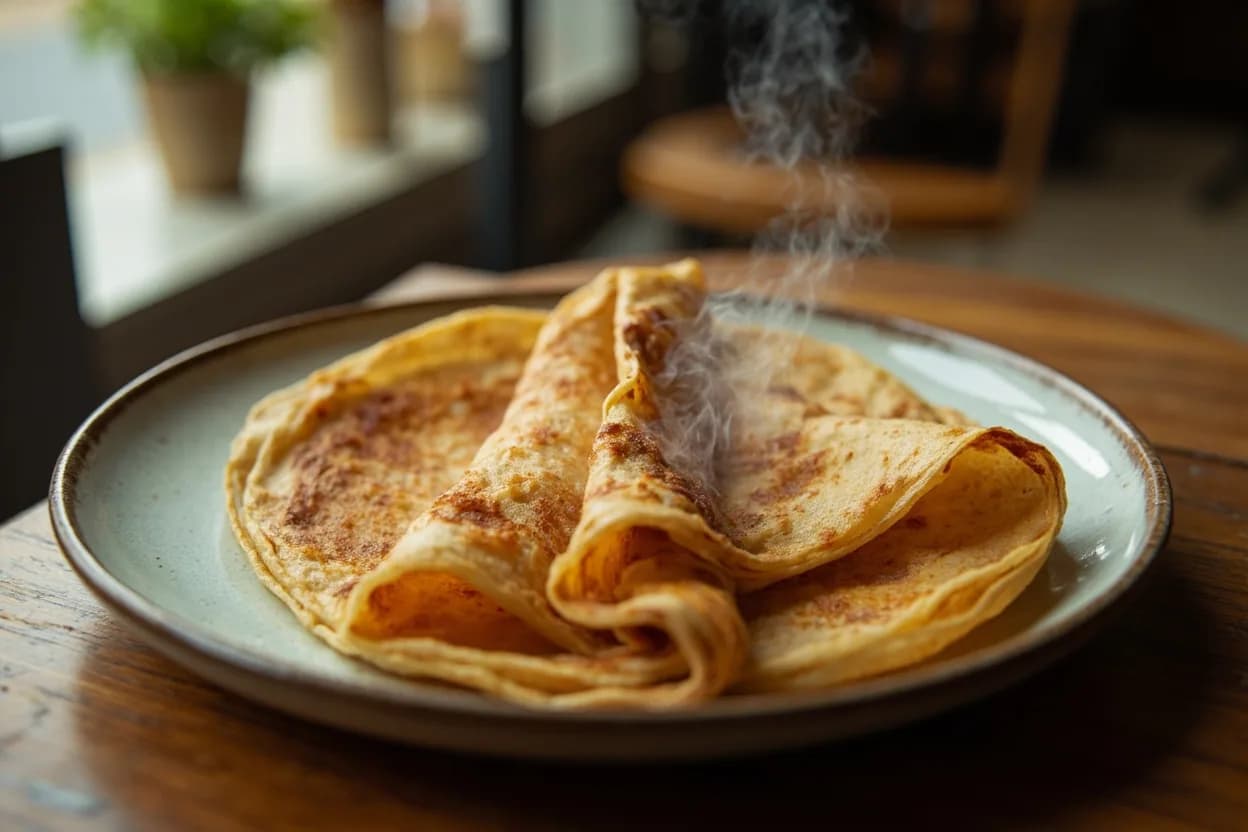
The galette-cressonnière or galette-complète (with egg, ham, and cheese) functions as a complete main course at a crêperie — the buckwheat galette as a savory course, followed by a sweet wheat crêpe for dessert, accompanied by a bolée of dry cidre from a small earthenware bowl. More formal Breton meals follow French structure (starter–fish–meat–cheese–dessert) but with a seafood plateau or cotriade as the centerpiece. Street food and creperie culture is unusually strong compared to other French regions.
History & context
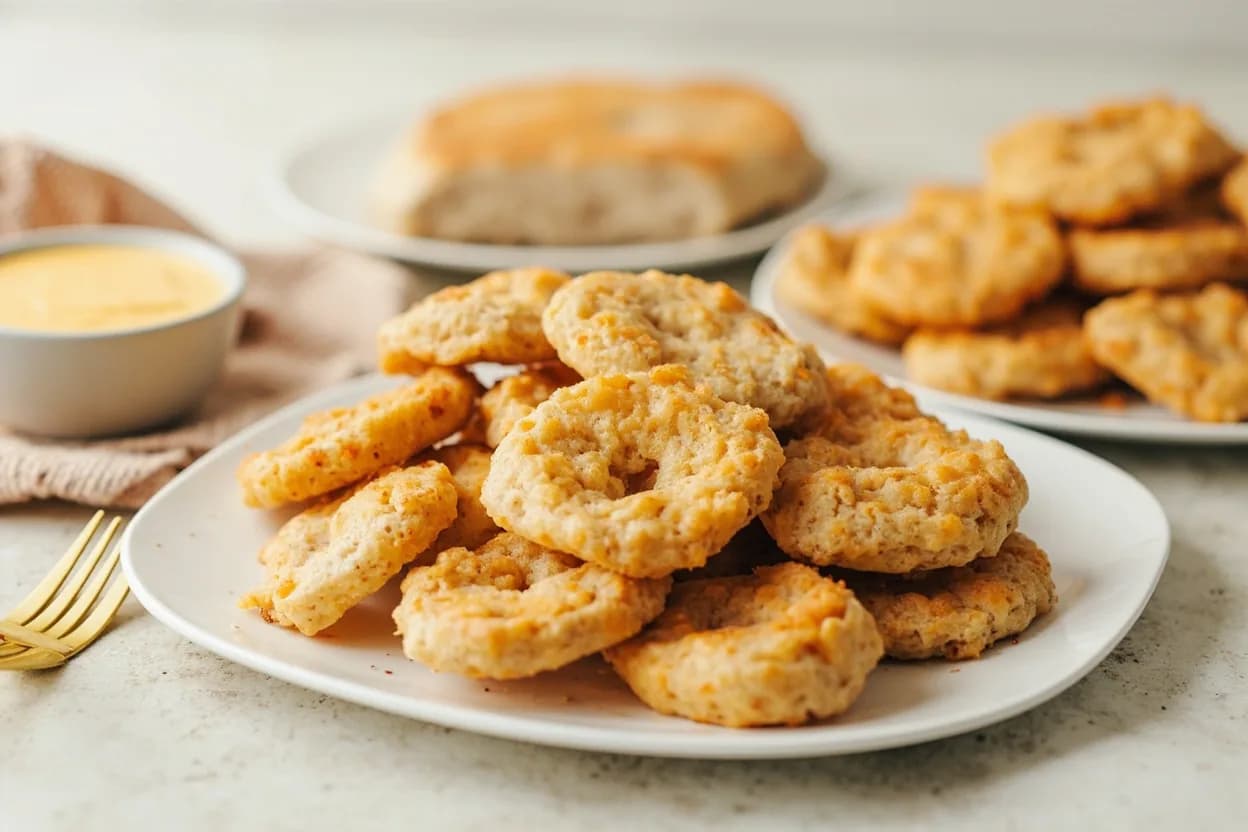
Brittany's culinary distinctiveness begins with its geology: the ancient Armorican massif produces thin, acidic soils unsuitable for wheat, which drove the adoption of buckwheat (introduced in the 13th–14th centuries, possibly via crusaders returning from Asia Minor) as the staple grain for the poor. The sea was always the compensatory abundance: Breton fishermen worked the North Sea, the Grand Banks of Newfoundland (alongside Basques), and the Mediterranean. The oyster parks of the Auray river estuary and the Belon are among France's oldest. Salt from the Guérande marshes — harvested continuously since the 9th century by paludiers using ancient salt-raking methods — gave Breton cooking its essential character. After annexation by France in 1532, Brittany resisted cultural assimilation; the Breton language and regional food traditions survived into the 20th century and now coexist with a strong regional identity movement. Kouign-amann was invented in 1860 in Douarnenez by baker Yves-René Scordia, reportedly improvising with leftover yeasted dough and surplus butter.
Regional variations
- Finistère (Brest, Quimper)
The westernmost tip; most Celtic-identified; strongest galette and cotriade tradition; Belon flat oysters and Guilvinec langoustines are culinary landmarks.
- Morbihan (Vannes, Gulf of Morbihan)
Warmest sub-region; Gulf of Morbihan shellfish are exceptionally sweet; pré-salé lamb from the salt marshes around the gulf; Breton charcuterie is strongest here.
- Côtes-d'Armor (Saint-Brieuc)
Scallop (coquilles Saint-Jacques) fishing fleet; artichoke and cauliflower farming plains; andouille de Guémené smoked sausage from this area.
- Ille-et-Vilaine (Rennes, Saint-Malo)
Eastern gateway to Brittany; most 'French-influenced'; Cancale oysters (huîtres de pleine mer) and the corsair city's seafood traditions; cidre orchards in the Rance valley.
Related cuisines
Eastern neighbour sharing the cidre culture and outstanding shellfish; but Normandy's kitchen is cream and Calvados-driven where Brittany's is butter and buckwheat.
- Welsh (traditional)
Distant Celtic cousin; shared cultural roots (Celtic languages, sea-going traditions) and parallel use of leeks, shellfish, and salt-preservation techniques.
- Cornish (traditional)
Another Atlantic Celtic cuisine sharing the seafood abundance, pasty-like pastry traditions, and salt-cured fish heritage — the proximity across the Channel was real historical contact.
Canonical recipes
The dishes that define Breton, documented in the Canon.
References
- 1.The Food of France — Waverley Root (1958)
- 2.French Provincial Cooking — Elizabeth David (1960)
- 3.Culinaria France — André Dominé, ed. (1998)
- 4.Larousse Gastronomique (2009 edition), entries on Bretagne
- 5.IGP Cidre de Bretagne specification, INAO
Confidence: high
Notes
Buckwheat is not wheat
Despite the French name blé noir ('black wheat'), buckwheat (Fagopyrum esculentum) is not a cereal grain but a seed related to sorrel and rhubarb. This matters nutritionally (it is naturally gluten-free) and culinarily: buckwheat flour produces a batter that ferments slightly before cooking, giving galettes a complex, faintly sour, nutty depth that wheat flour cannot replicate. Traditional galette batters are rested 24–48 hours to develop this character.
Caramel beurre salé
Salted butter caramel — now a global pastry trend — originated in Brittany, where butter had always been salted and surplus cream was abundant. Henri Le Roux of Quiberon is credited with the modern caramel au beurre salé confection (1977), which he entered in the Paris Salon du Chocolat. The genius was simply using what the local pantry already contained.