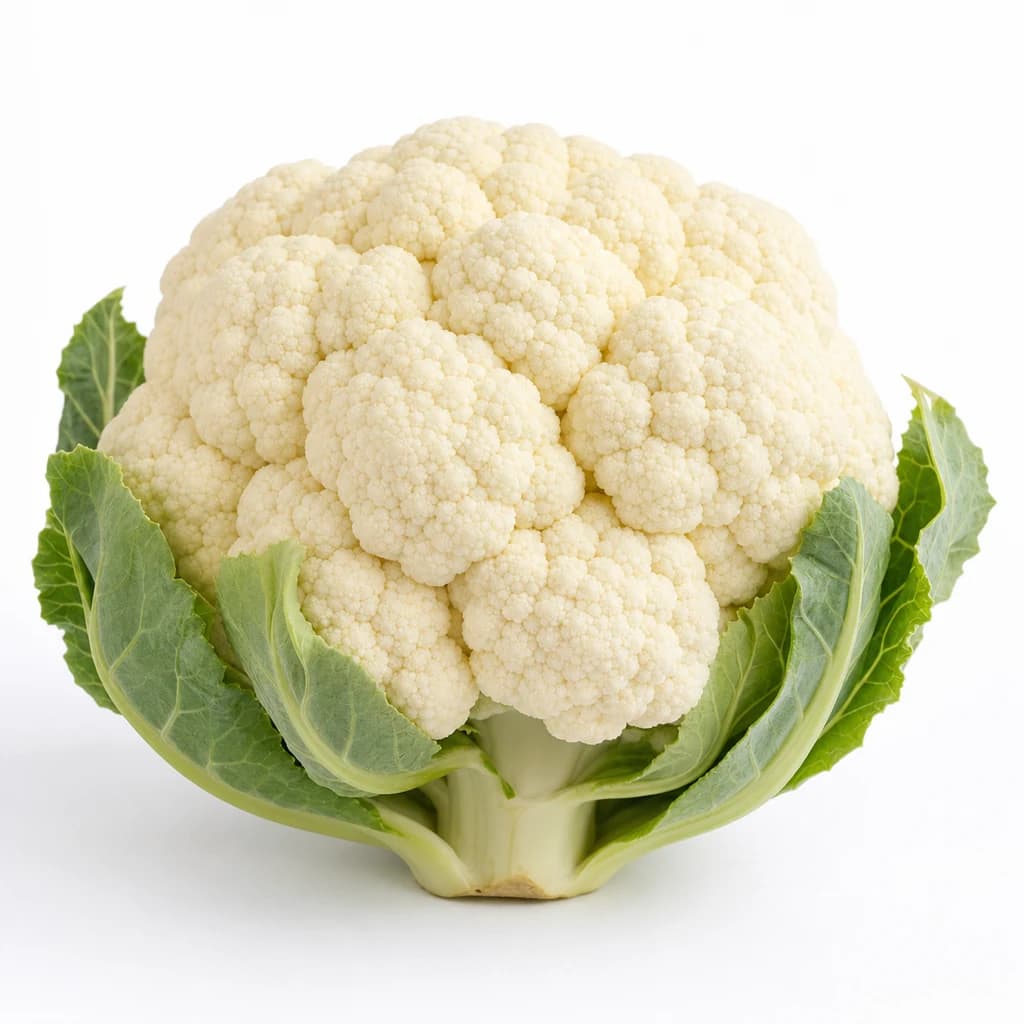
Natural form
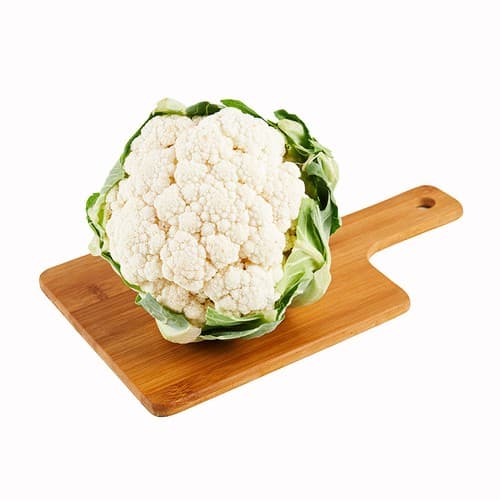
A whole cauliflower head showing its dense white curd and broad green leaves.
Shows the reader exactly what an intact cauliflower looks like at purchase — curd color, leaf structure, and overall scale.
Produce
Cauliflower
Versatile white florets — roast, rice, or purée
Mild and nutty when roasted, cauliflower also rices, purées, and even stands in as a low-carb base. The whole head keeps well for a couple of weeks, cold.
Cauliflower is a mild, nutty brassica that has become a kitchen chameleon — roast it whole for a showstopping centerpiece, break it into florets that caramelize sweetly, rice it as a low-carb base, or purée it into a silky alternative to mashed potato. Its pale, dense head soaks up spices and char beautifully, turning from bland-when-boiled to genuinely crave-worthy when given real heat. Endlessly adaptable and a favorite of plant-forward cooking.
- Measured in
- g
- Storage
- Refrigerate
- Shelf life
- 14 days
Find it in
Types & varieties
The common creamy-white head; all-purpose
Beta-carotene-rich, naturally orange; slightly sweeter
Vivid violet from anthocyanins; mild, fades when boiled
Chartreuse fractal spirals; nuttier, broccoli-leaning
How to choose
Pick a head that's heavy and firm with tightly packed, creamy curds and crisp, fresh green leaves. Avoid heads with brown or black spongy spots, spreading discoloration, or a strong smell. Small brown freckles can be trimmed, but widespread spotting means it's past its best.
How to store and prep
Keep cauliflower in the crisper, loosely bagged, stem-side up to keep moisture off the curds, and use within about a week. To break it down, remove the leaves, cut around the core, and separate into florets; slice the tender core too. For 'rice', pulse florets in a food processor until they're the texture of grains.
- Store loosely bagged, up to a week
- Cut out the core, then into florets
- Pulse to rice; don't over-process to mush
How to cook it well
Boiling makes cauliflower watery and bland; dry heat makes it sing. Roast florets at high heat with oil until the edges are deeply browned and the insides creamy, or roast a whole head slathered in spiced butter or yogurt for drama. Steam-then-pan-fry, or purée cooked cauliflower with butter and a splash of milk for a luscious side.
Common uses
Tips & pitfalls
- Roast hard — deep browning turns bland cauliflower nutty and sweet
- Pat florets dry before roasting so they brown instead of steam
- Pulse into 'rice' for a quick low-carb base — sauté briefly to dry it out
- A whole roasted head, spiced and basted, makes a stunning centerpiece
- Purée with butter and a touch of cream for silky mash
Nutrition
Energy
105 kJ · per 100 g
Where the calories come from
Protein
1.9g
4% DV
Carbs
5g
2% DV
Fat
0.3g
0% DV
Fiber
2g
7% DV
Sugars
1.9g
of which
Sodium
30mg
1% DV
Source · USDA FoodData Central · Cauliflower, raw
View on FDC →In the shops
Matched grocery products
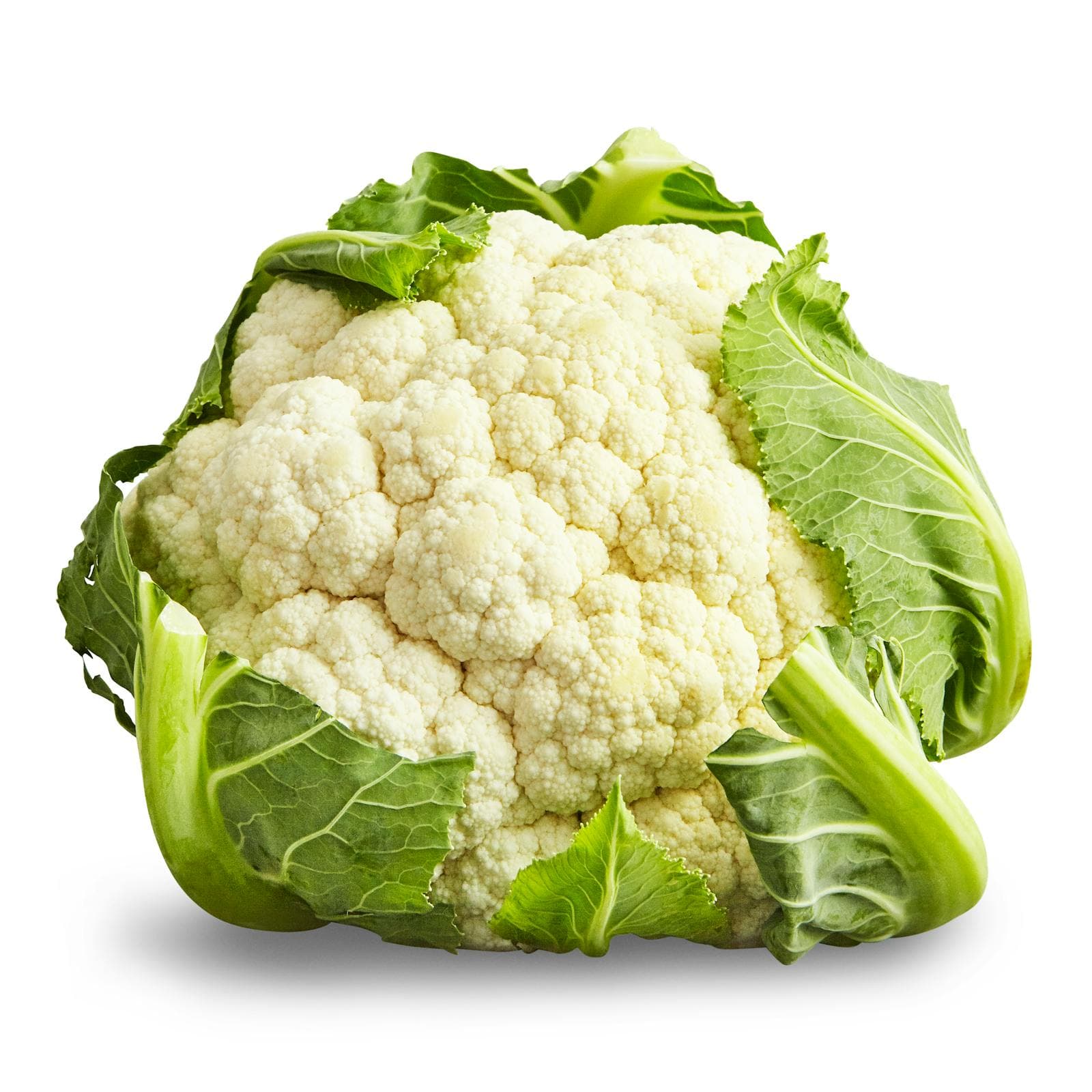 €2.67
€2.67Cauliflower
1.3 kg · Mercadona
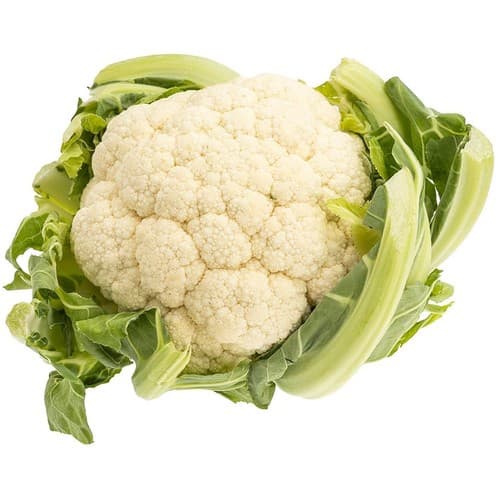 €2.79
€2.79Cauliflower 1 unit
Bonpreu
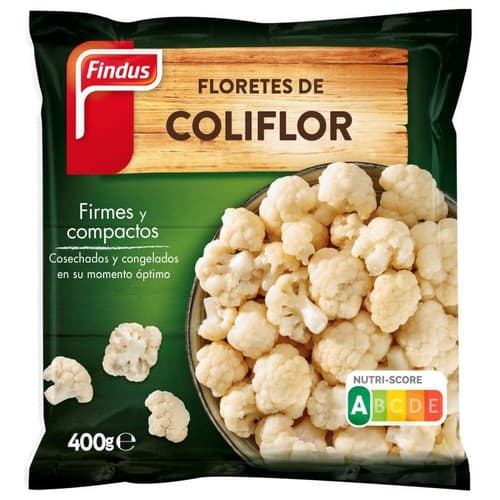 €2.95
€2.95FINDUS Cauliflower
FINDUS · kg · Bonpreu
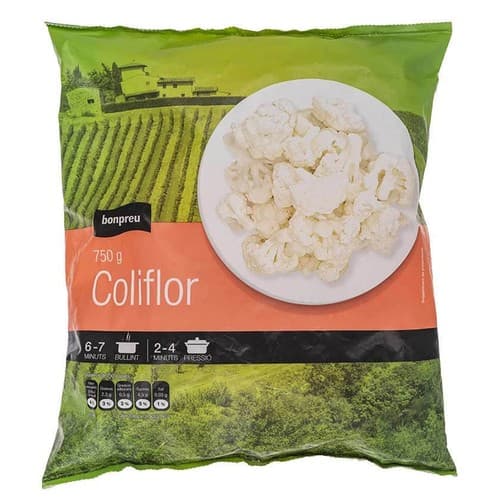 €1.60
€1.60Bonpreu Cauliflower
BONPREU · kg · Bonpreu
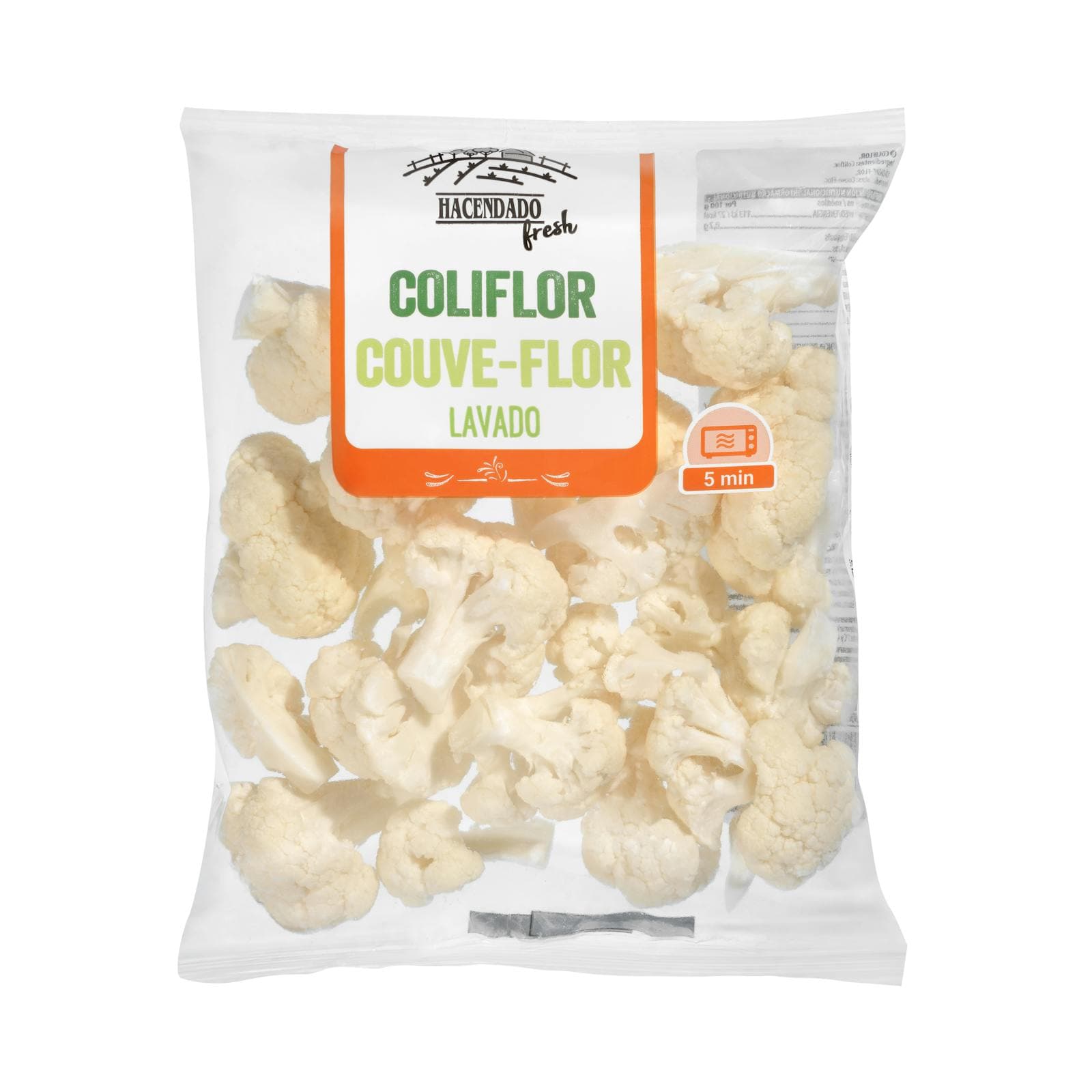 €1.60
€1.60Microwave Cauliflower Florets
Hacendado · 300 g · Mercadona
 €2.69
€2.69Organic Cauliflower Km0 1 unit
Bonpreu
Good to know
- Peak season
- Fall through spring; available year-round
- Flavor
- Mild, nutty, faintly sweet; deepens when roasted
- Origin
- Mediterranean; a cultivated brassica (Brassica oleracea)
- Nutrition
- ~25 kcal/100g; vitamin C, K, folate, fiber
- How to buy
- Heavy, tight, creamy-white head; fresh green leaves; no dark spots
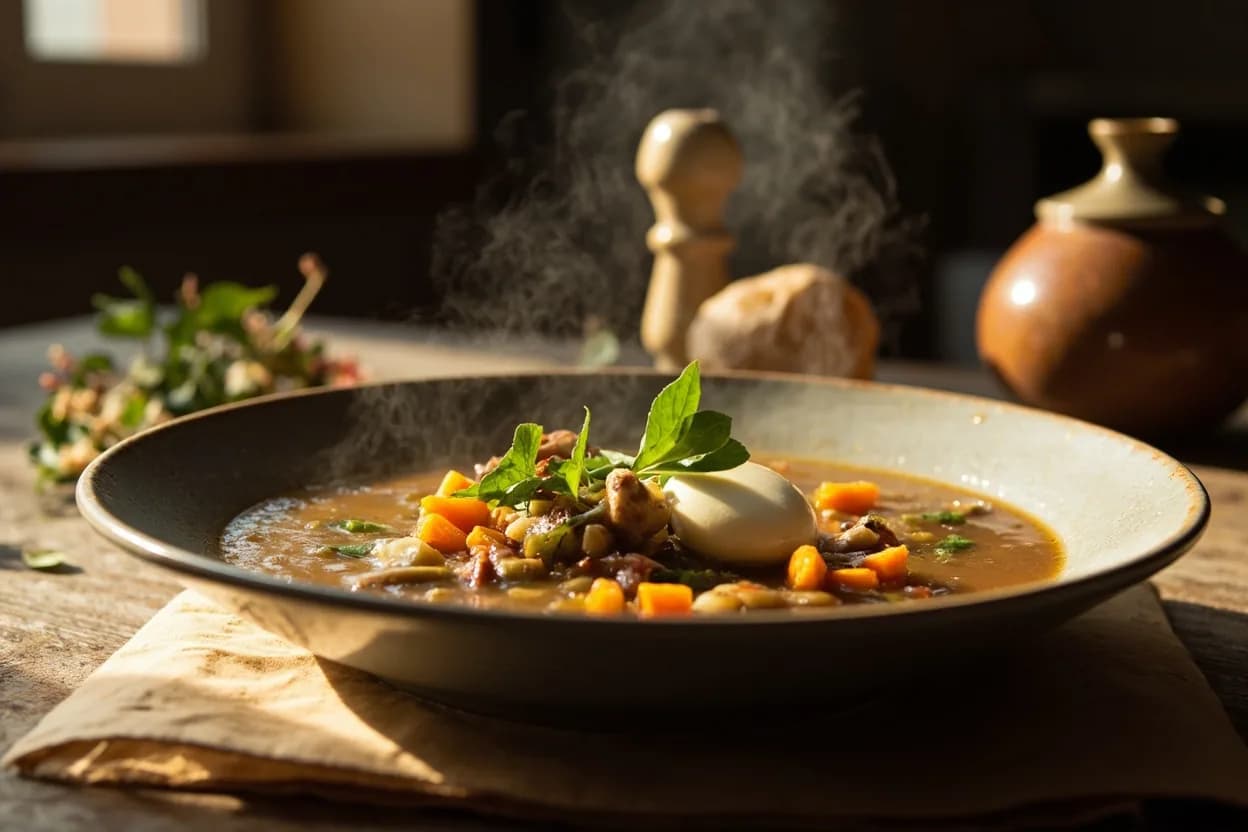
Appears in these dishes
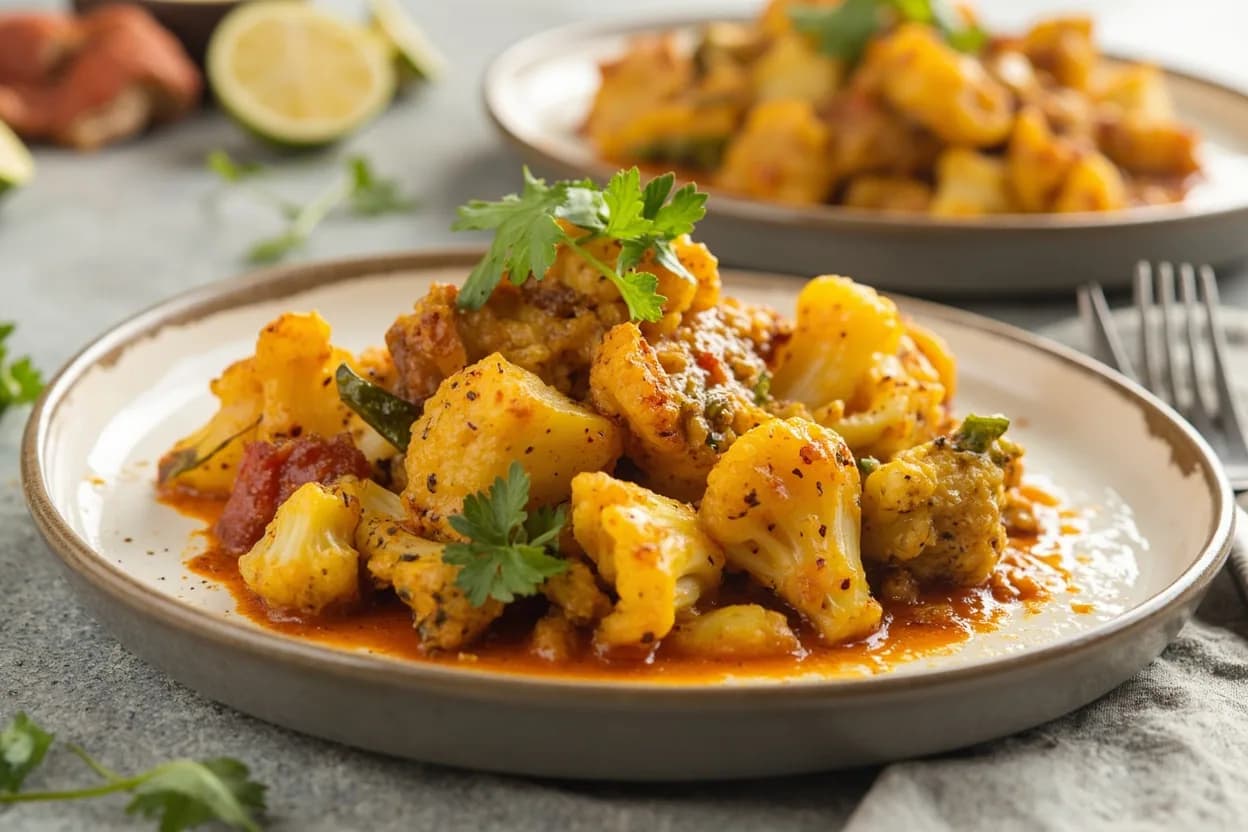

Related
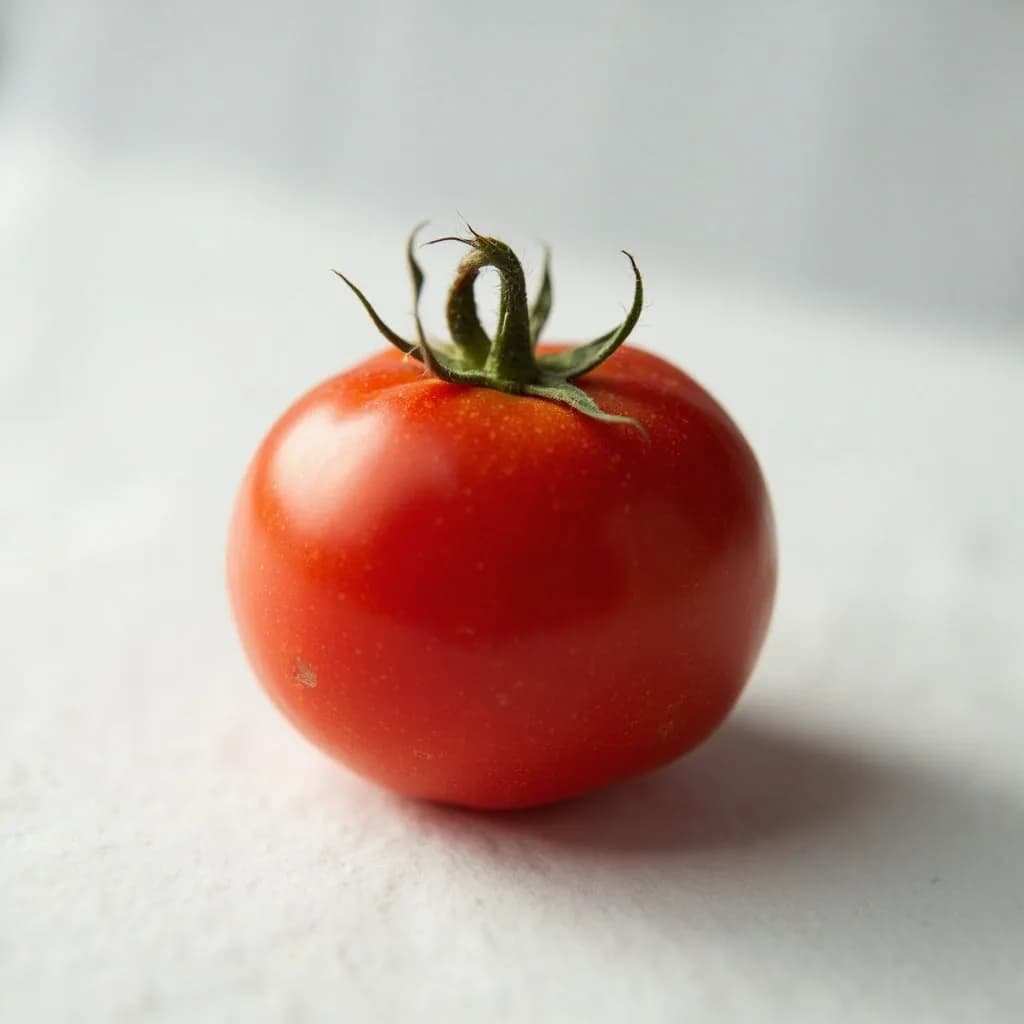
Tomato
Juicy, sun-sweet fruit for sauces, salads, and slow-cooked depth
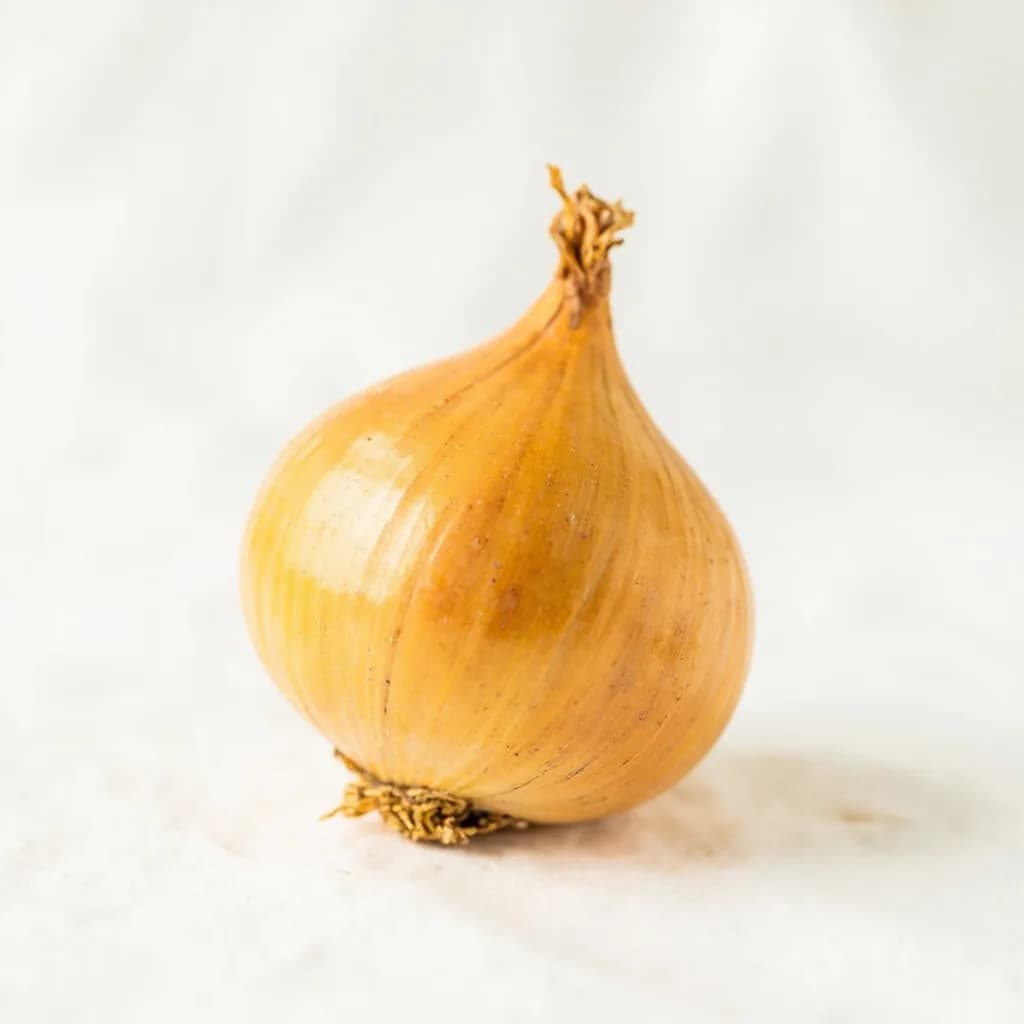
Yellow Onion
The aromatic backbone of soups, sofritos, and braises
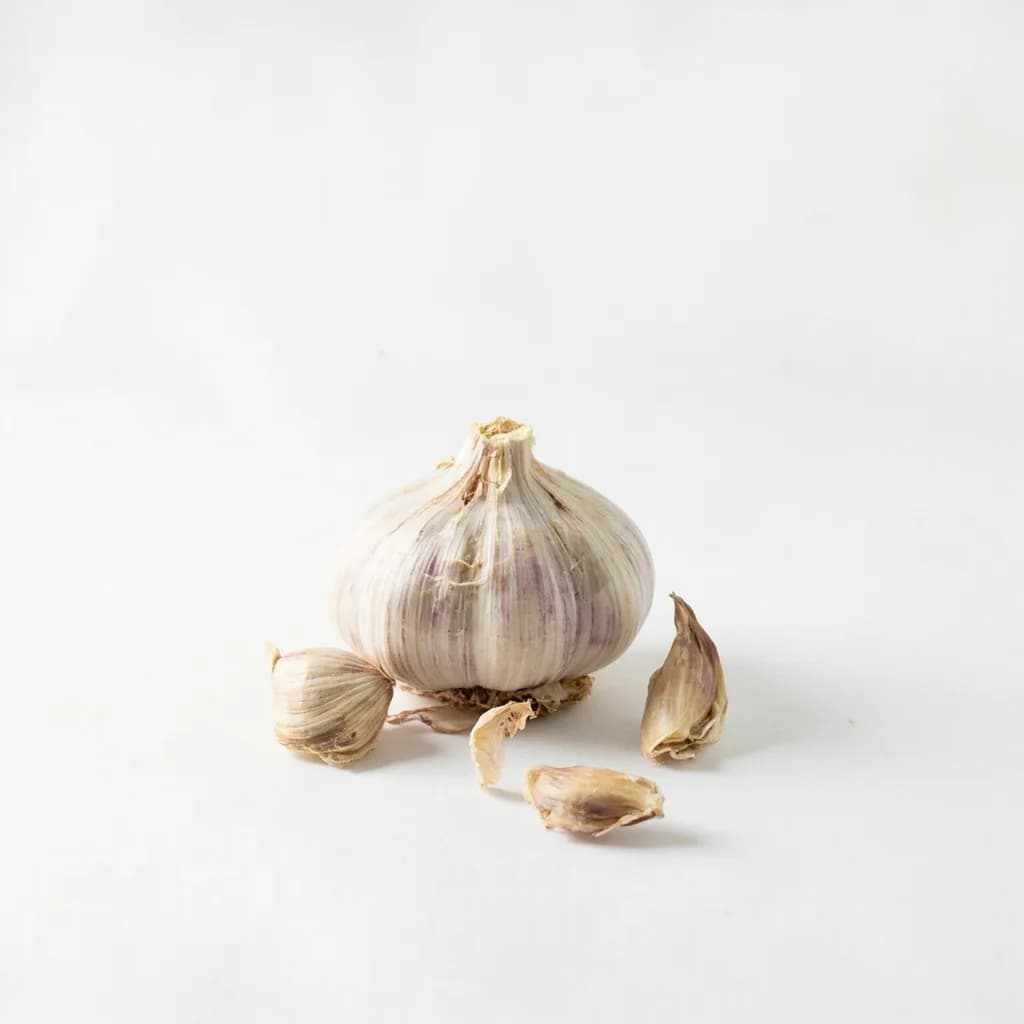
Garlic
Pungent cloves that perfume nearly every savory dish
Lemon
Bright, acidic citrus that wakes up almost any dish
Potato
Humble, hearty staple — roast, mash, fry, or boil
Carrot
Sweet, crunchy root — raw, roasted, or the base of a sofrito
Cucumber
Cool, crisp, and watery — for salads, pickles, and tzatziki

Lettuce
Crisp leaves for salads, wraps, and a fresh crunch