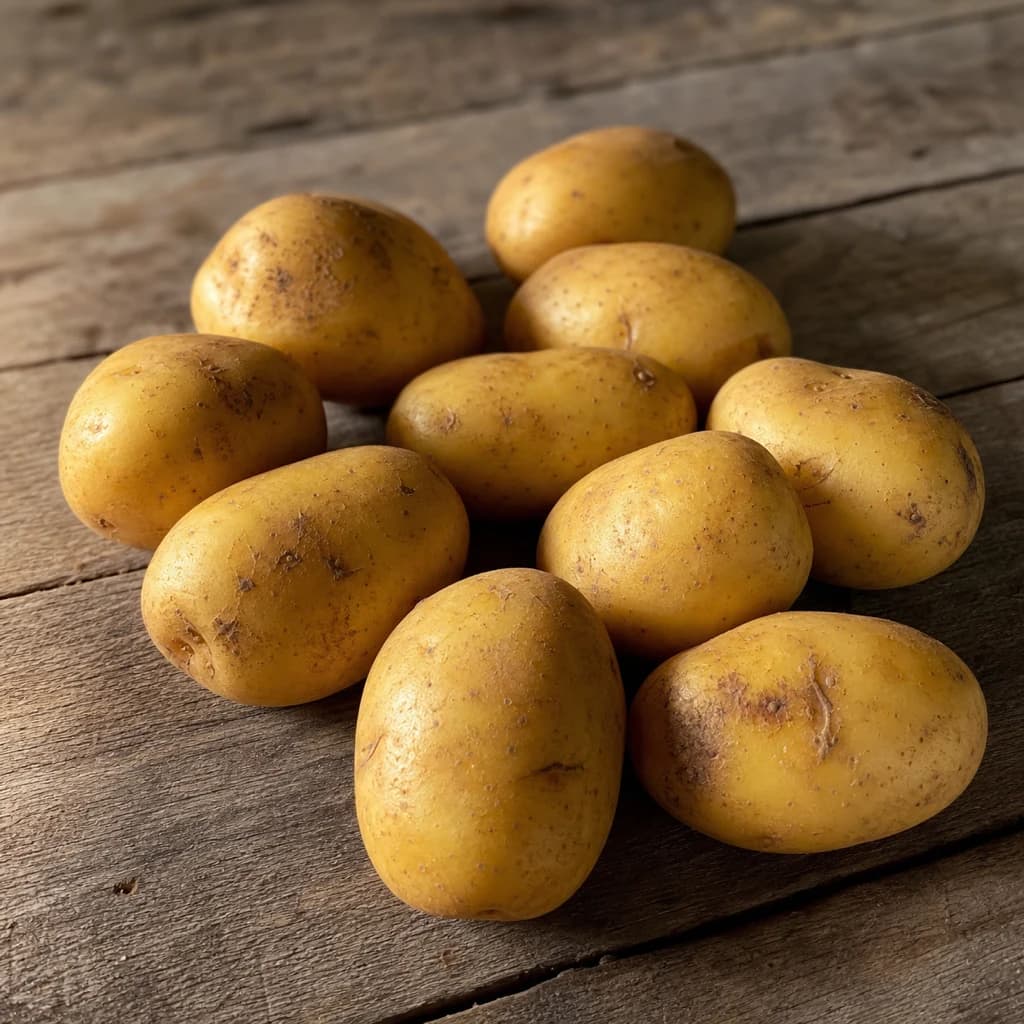
Natural form
Whole papa amarilla potatoes showing their characteristic golden skin and rounded shape.
Shows the reader how to identify and select these potatoes in a market or store.
Produce
Yellow Potato (Papa Amarilla)
Andean yellow-fleshed potato, buttery and creamy, prized in Peruvian dishes like causa and huancaína.
Yellow potato, or papa amarilla, is an Andean variety with golden flesh and a soft, buttery, creamy texture. It is central to Peruvian cooking, mashed for causa, served under huancaína sauce, or fried into chips. Its low-starch creaminess means it breaks down easily when boiled.
Yellow Potato (Papa Amarilla) refers to a class of Andean potato cultivars distinguished by vivid yellow-to-golden flesh, thin edible skins, and a dense waxy texture that holds its shape beautifully during cooking. These are not the pale, starchy yellow potatoes found in most Western supermarkets — Papa Amarilla varieties possess a notably buttery, slightly sweet flavor that is far more pronounced. Cultivated for thousands of years in the high Andes of Peru and Bolivia, they are the backbone of Peruvian cuisine, indispensable for dishes like causa rellena and papa a la huancaína. Their waxy, moisture-retaining flesh makes them superior to starchy varieties when a recipe demands structure — they boil to tenderness without falling apart, mash to an exceptionally smooth consistency, and fry to a creamy interior beneath a crisp exterior. The golden color intensifies during cooking, which is why traditional Peruvian recipes rely on Papa Amarilla for their characteristic hue: no food coloring required.
- Measured in
- g
- Storage
- Pantry
Types & varieties
Most common commercial variety in Peru; reliable texture and flavor, widely exported — the workhorse of Peruvian yellow potatoes
Classic yellow variety, prized for causa; very creamy flesh, excellent for mashing, the standard for traditional causa rellena
Small, round, slightly nutty flavor; considered a gourmet variety, most often used in salads and boiled preparations
Named after a historical Peruvian figure; good all-purpose yellow potato with consistent buttery notes
Versatile variety suitable for boiling and frying; thin skin, smooth flesh, widely available in Peru
Umbrella term in Peru for any yellow-fleshed cultivar; exact variety varies by region and market
Why Papa Amarilla Cannot Be Substituted Indifferently
Papa Amarilla is not interchangeable with common yellow potatoes found in most supermarkets outside South America. The Andean varieties have a more pronounced buttery flavor, creamier texture, and better shape-holding properties than standard yellow-fleshed potatoes. When a recipe specifically calls for yellow potato — as causa, huancaína, and most traditional Peruvian preparations do — the difference matters. Yukon Gold is an acceptable emergency substitute, but true Peruvian dishes made with authentic Canchan or Yungay varieties are noticeably superior. Seek out Latin American markets for the genuine article when cooking traditional recipes.
Understanding Waxy vs. Starchy Potatoes
Papa Amarilla falls on the waxy end of the potato spectrum. Waxy potatoes have more moisture and less starch, which is why they hold their shape when boiled and produce a smooth, creamy mash rather than a fluffy one. This is critical for Peruvian cuisine: causa relies on a dense, layered mashed potato that can be sliced cleanly, while huancaína potatoes must hold their shape under a generous pour of sauce. Russet potatoes, which are starchy, will fall apart and produce a glue-like consistency in these dishes. Understanding this distinction is the difference between an authentic result and a poor approximation.
- Waxy: High moisture, low starch — holds shape, creamy texture
- Starchy: Low moisture, high starch — fluffy, breaks apart
- Papa Amarilla is firmly waxy; russets are starchy — they are not interchangeable
Common uses
Tips & pitfalls
- Always cook yellow potatoes with skin on to preserve color, flavor, and nutrients — peel only after cooking when recipes require mashed or pureed applications
- When boiling for causa, cook until just tender (pierces easily but still holds shape); overcooking makes mashing difficult and yields a glue-like, overworked consistency
- Season the cooking water generously with salt — potatoes absorb liquid during cooking, and seasoning at this stage makes a significant, lasting difference to flavor
- For frying, parboil briefly (5–7 minutes), cool completely, then fry at 350°F for crispy results with a creamy interior and no greasiness
- The yellow color intensifies when cooked, so use this to your advantage in presentation — no food coloring needed for golden-hued dishes
- Common mistake: Refrigerating raw potatoes — cold temperatures convert starch to sugar, resulting in sweet flavor and dark, spotty fried results
- If substituting in Peruvian recipes, avoid russet potatoes — they are too starchy and fall apart; Yukon Gold or Dutch Cream are the closest Western equivalents
- For huancaína, slice boiled potatoes about 1/2-inch thick and layer neatly — the sauce is served generously over the top, not mixed in
Nutrition
Energy
243 kJ · per 100 g
Where the calories come from
Protein
2.6g
5% DV
Carbs
12.4g
5% DV
Fat
0.1g
0% DV
Fiber
2.5g
9% DV
Sodium
10mg
0% DV
Source · USDA FoodData Central · approx. Potatoes, raw, skin
View on FDC →In the shops
Matched grocery products
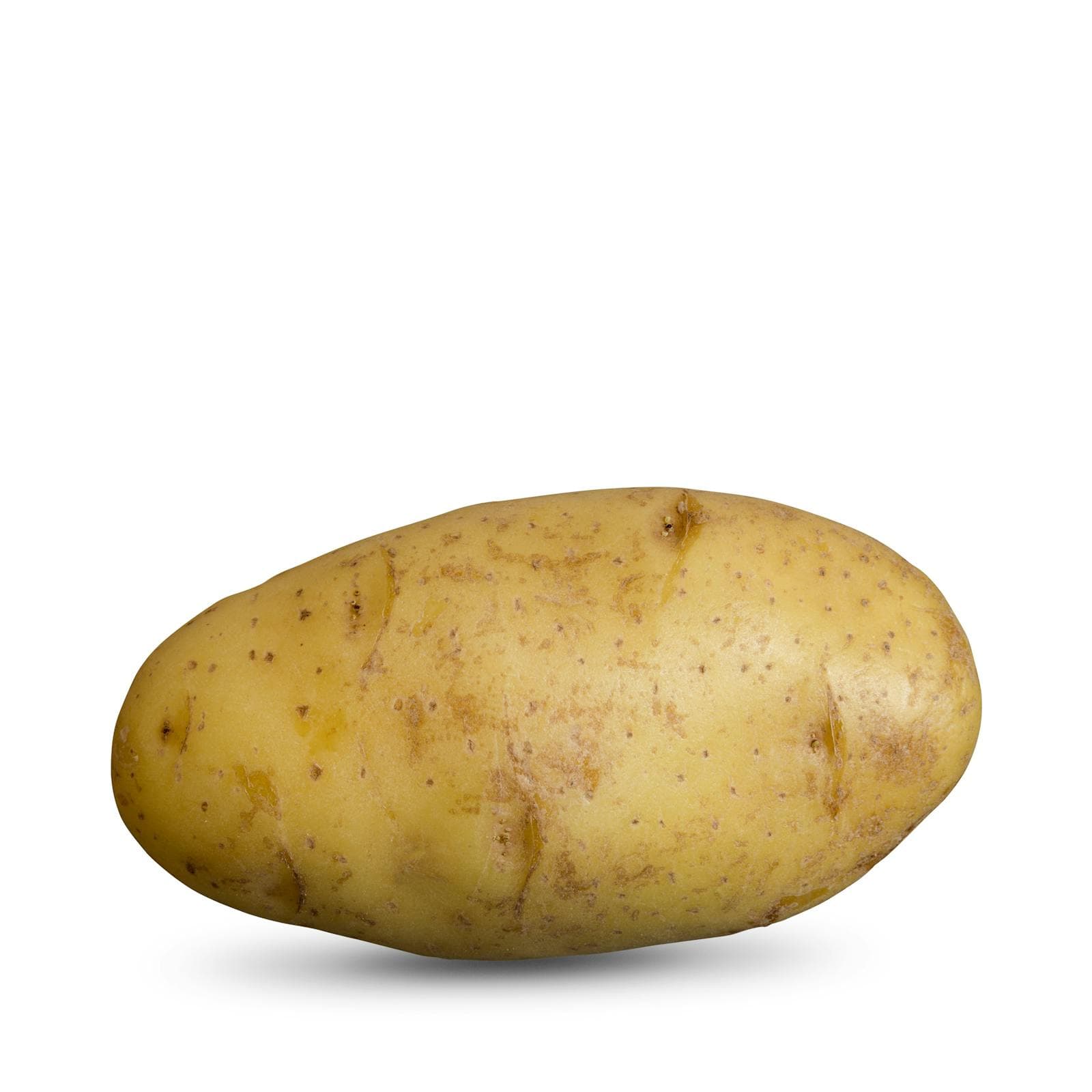 €0.40
€0.40Potato
210 g · Mercadona
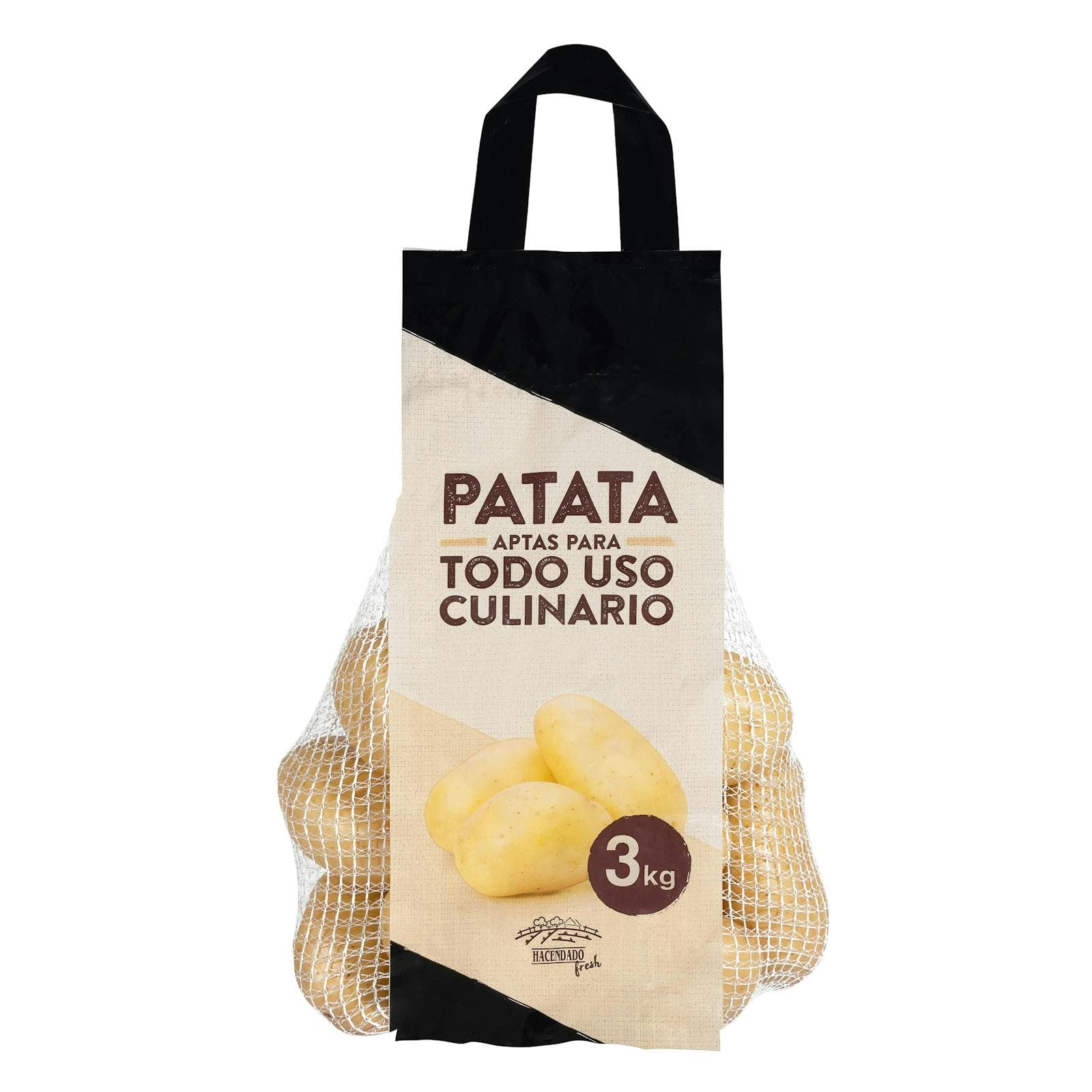 €4.65
€4.65Potatoes
3 kg · Mercadona
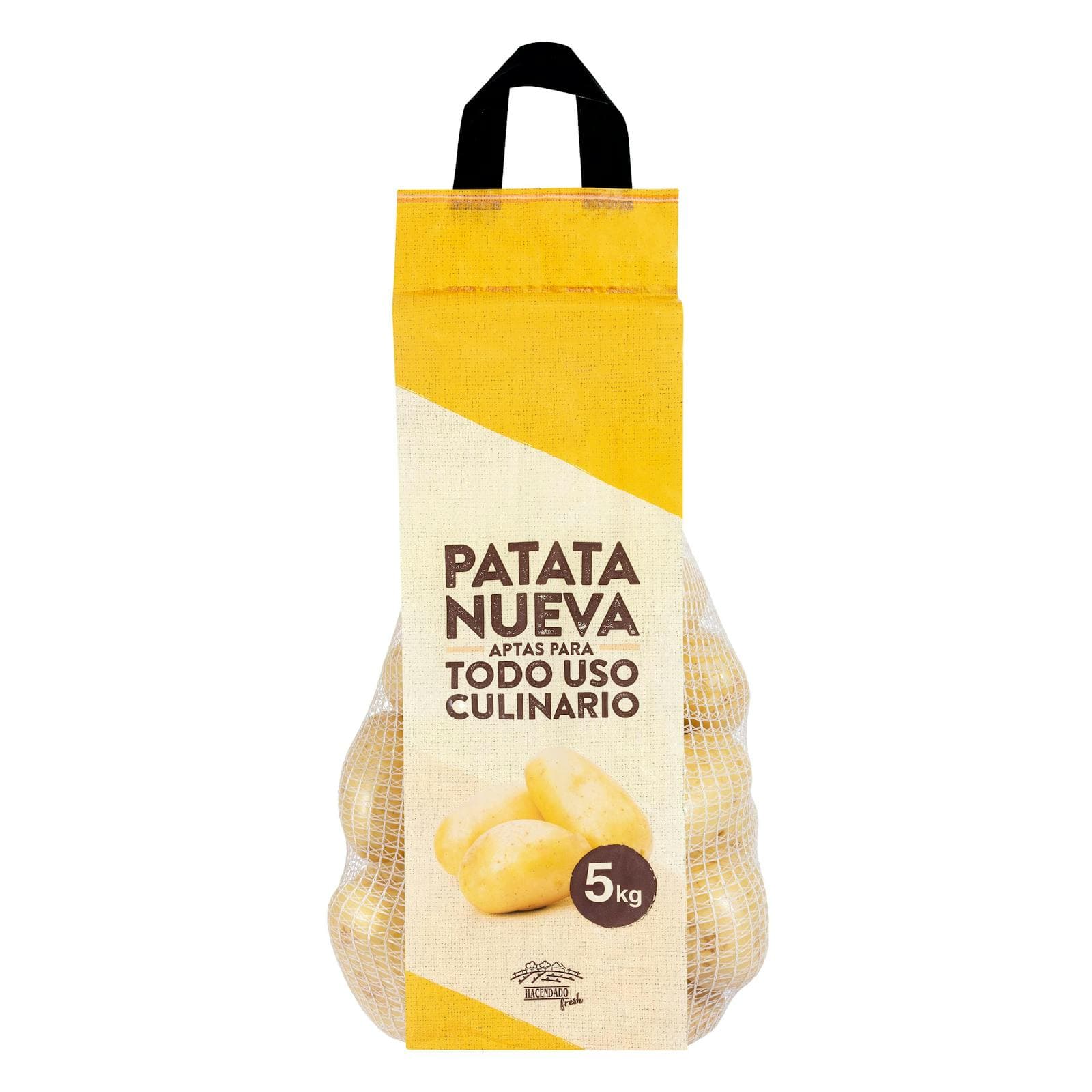 €5.60
€5.60Potatoes
5 kg · Mercadona
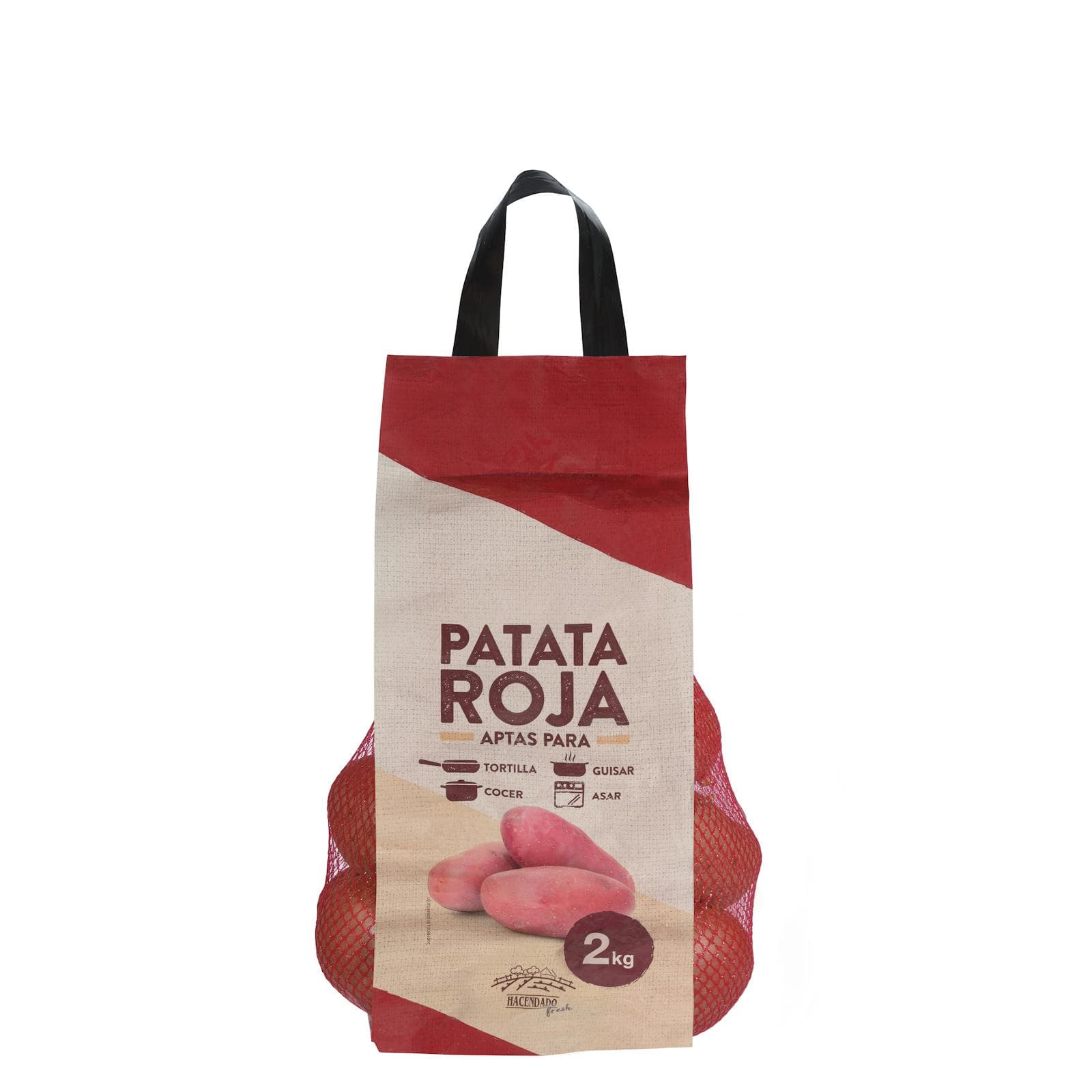 €3.80
€3.80Red Potatoes
2 kg · Mercadona
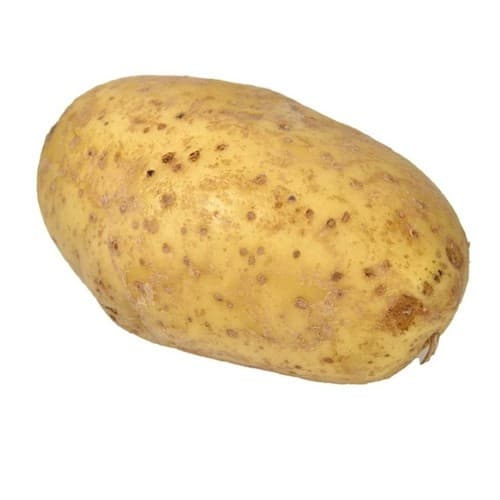 €0.45
€0.45Potato 1 unit
Bonpreu
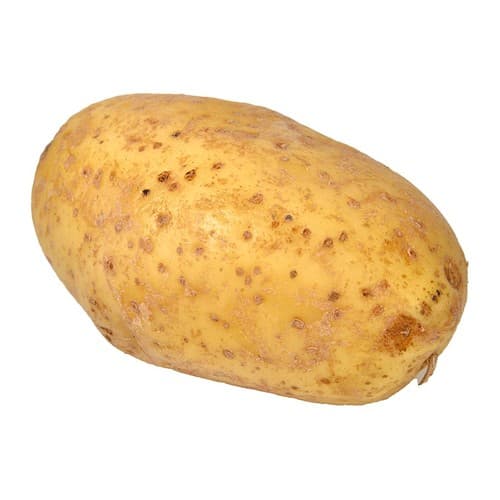 €0.70
€0.70Potato 1 unit
ud · Bonpreu
Good to know
- Origin
- Andes region of Peru and Bolivia, cultivated by Andean peoples for thousands of years
- Species
- Solanum tuberosum subsp. andigenum (Andean potato cultivars)
- Flesh Color
- Vivid yellow to golden-yellow when cooked; color intensifies with heat
- Skin
- Thin, typically yellow to light brown, often left on
- Texture
- Dense, waxy, and creamy when cooked; holds shape exceptionally well
- Flavor
- Buttery, slightly sweet, and rich — more pronounced than common white potatoes
- Typical Size
- Medium to small, 3–8 cm diameter
- Storage
- Cool (45–50°F), dark, well-ventilated place; never refrigerated; 2–3 weeks typical
- Peak Season
- March–November in Peru; year-round in Latin American markets with proper storage
- Nutrition Note
- High in vitamin C, potassium, and resistant starch; lower glycemic than many potato varieties
Substitutes
- Yukon Gold — Best substitute in North American markets; similar waxy-creamy texture and mild buttery flavor; holds shape moderately well in most Peruvian preparations
- Dutch Yellow / Baby Dutch — Small, yellow-fleshed, waxy; very close to Huamantanga in application, good for salads and boiling
- Red Potatoes — Acceptable but less ideal; firmer texture, milder flavor, white not yellow flesh; use when yellow varieties are unavailable
- Fingerling Potatoes — Waxy, holds shape; different size and shape but acceptable in salads and boiled preparations
Pairs with
Also called
Papa Amarilla · Yellow-Fleshed Potato
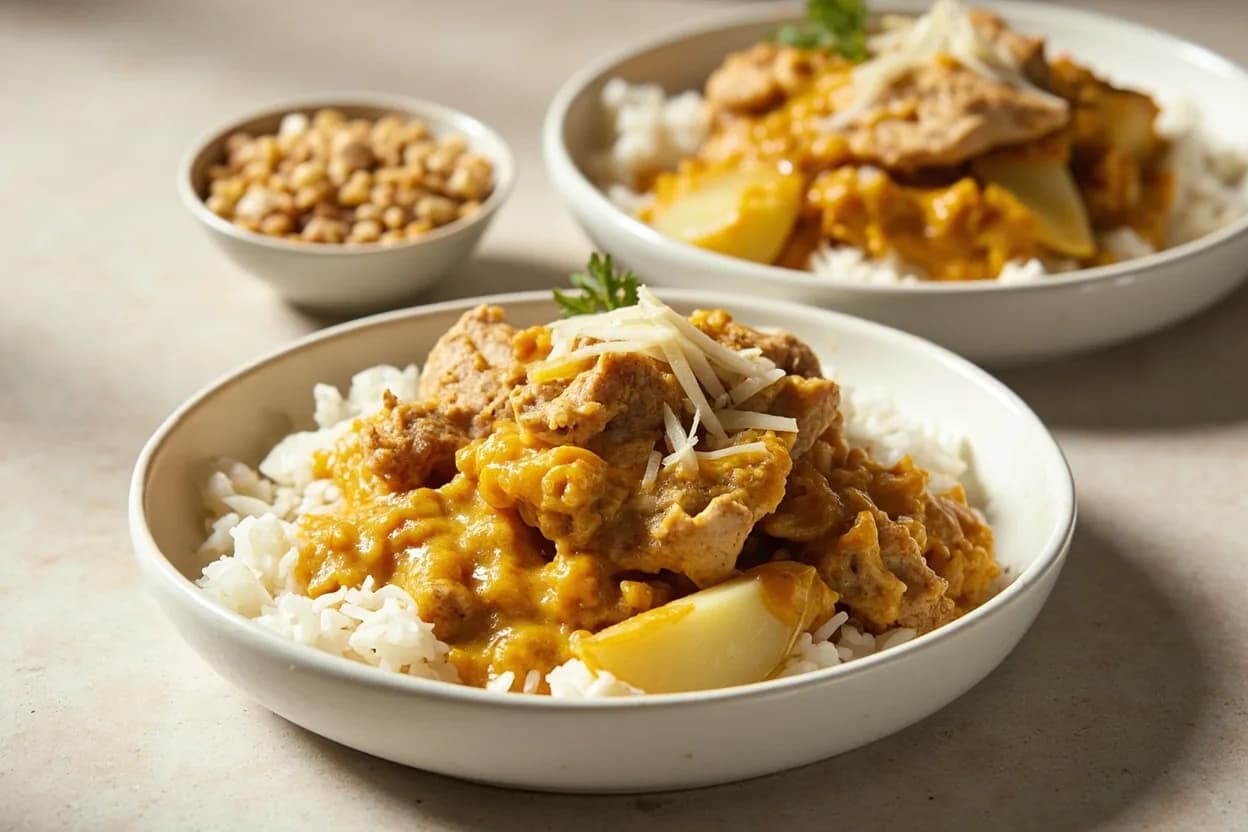
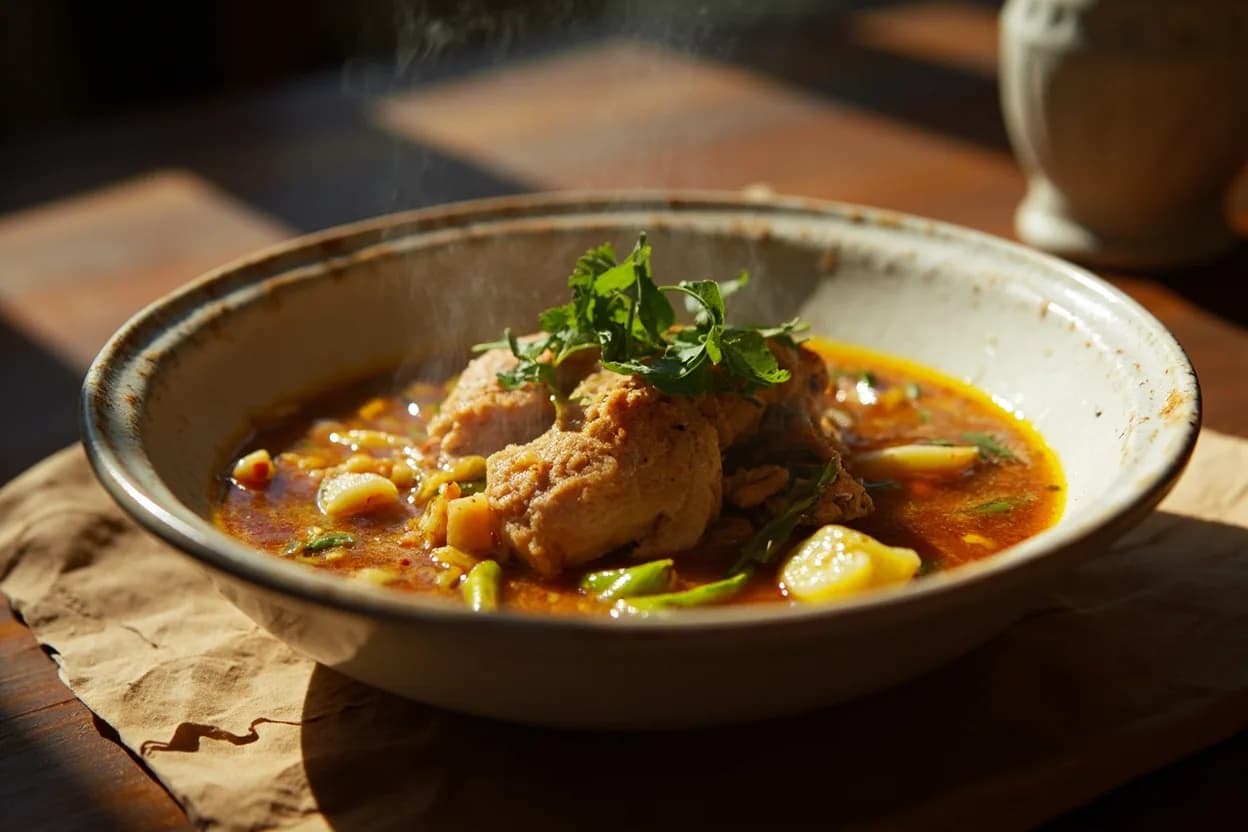
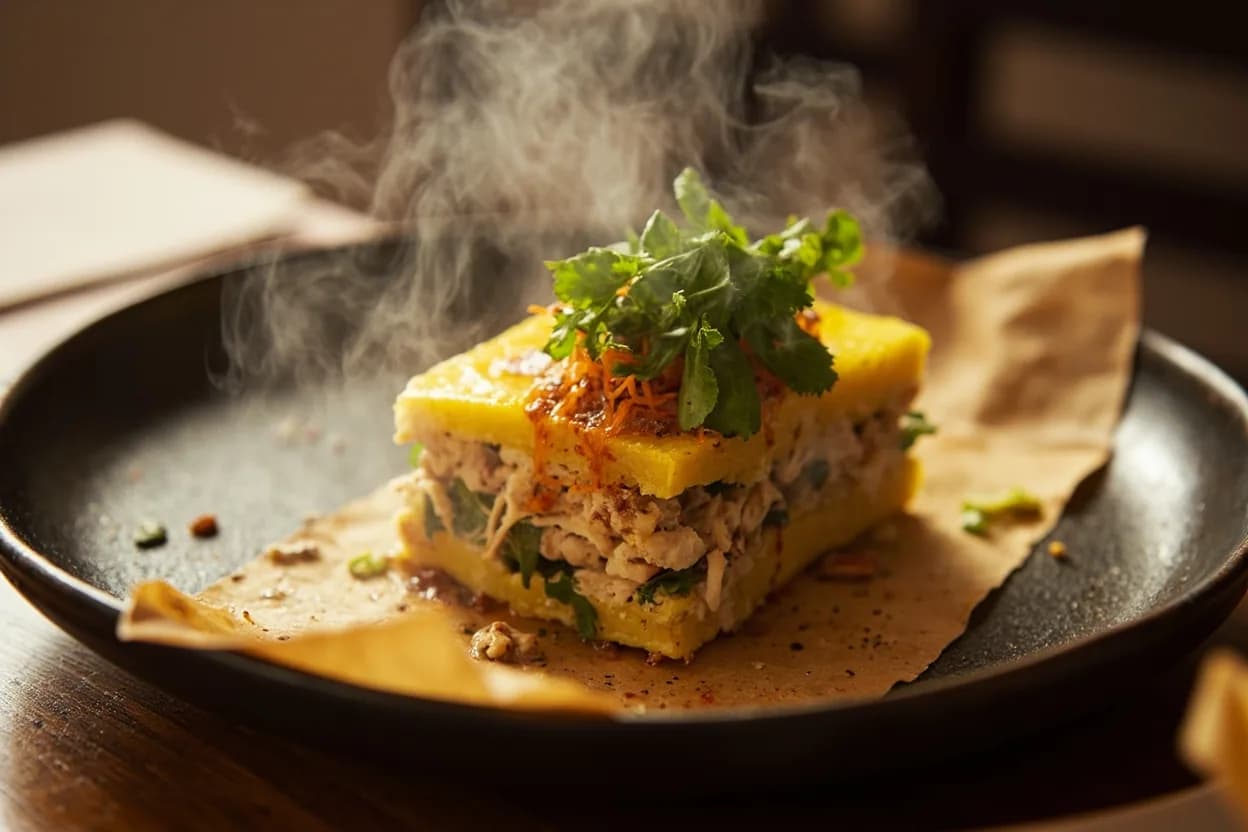
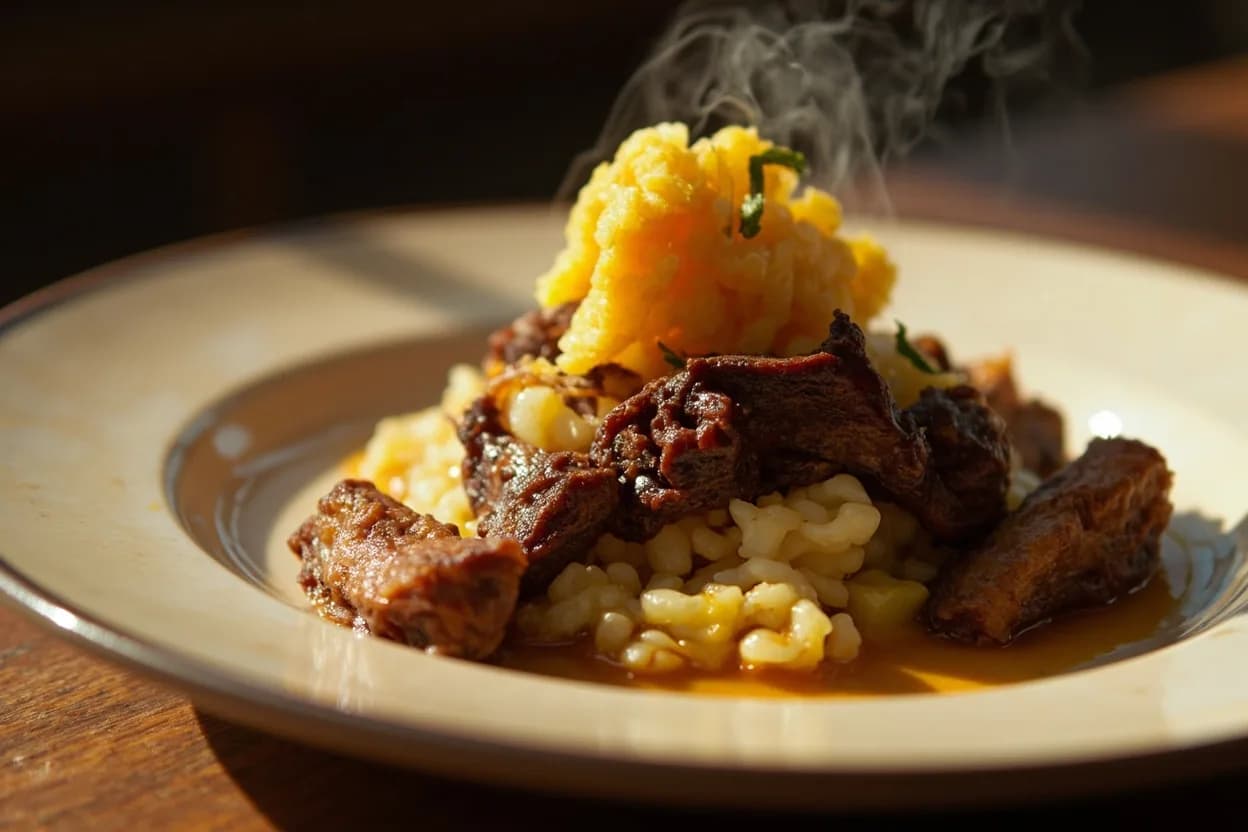
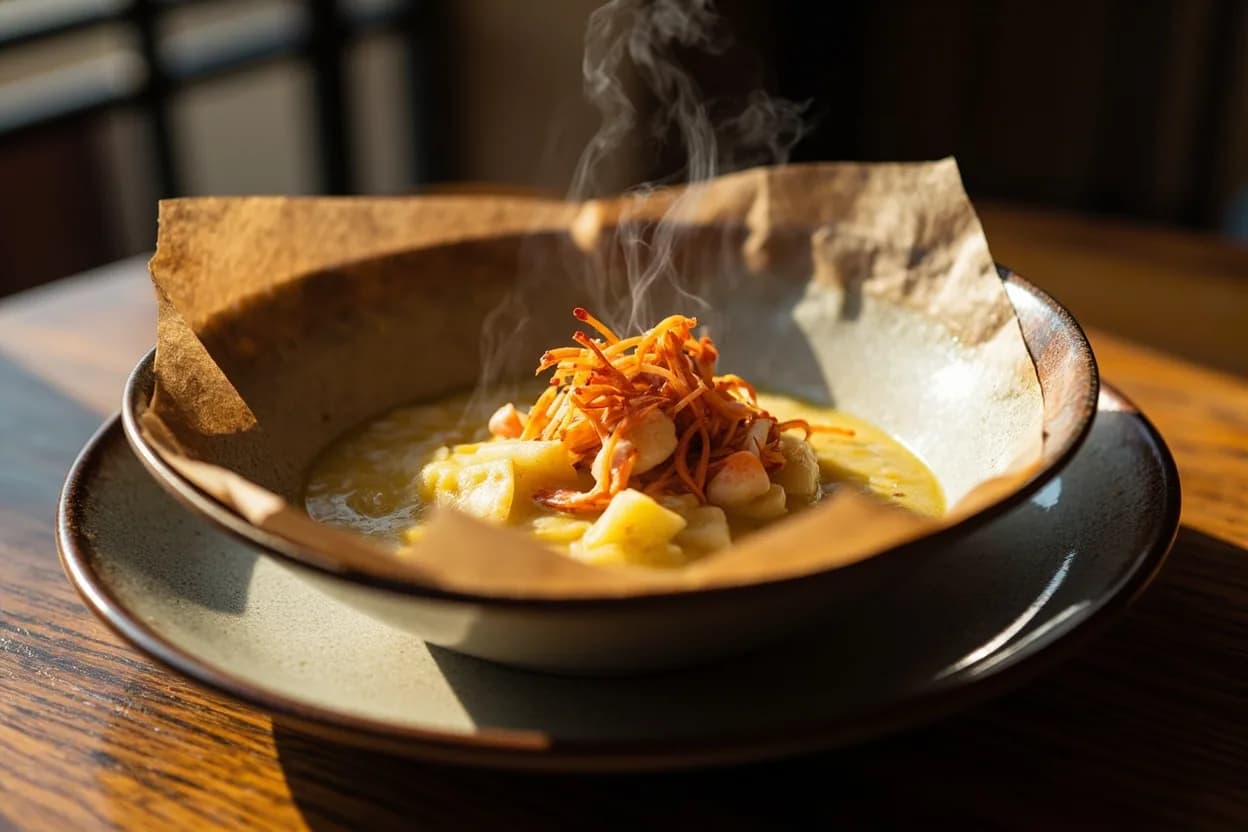
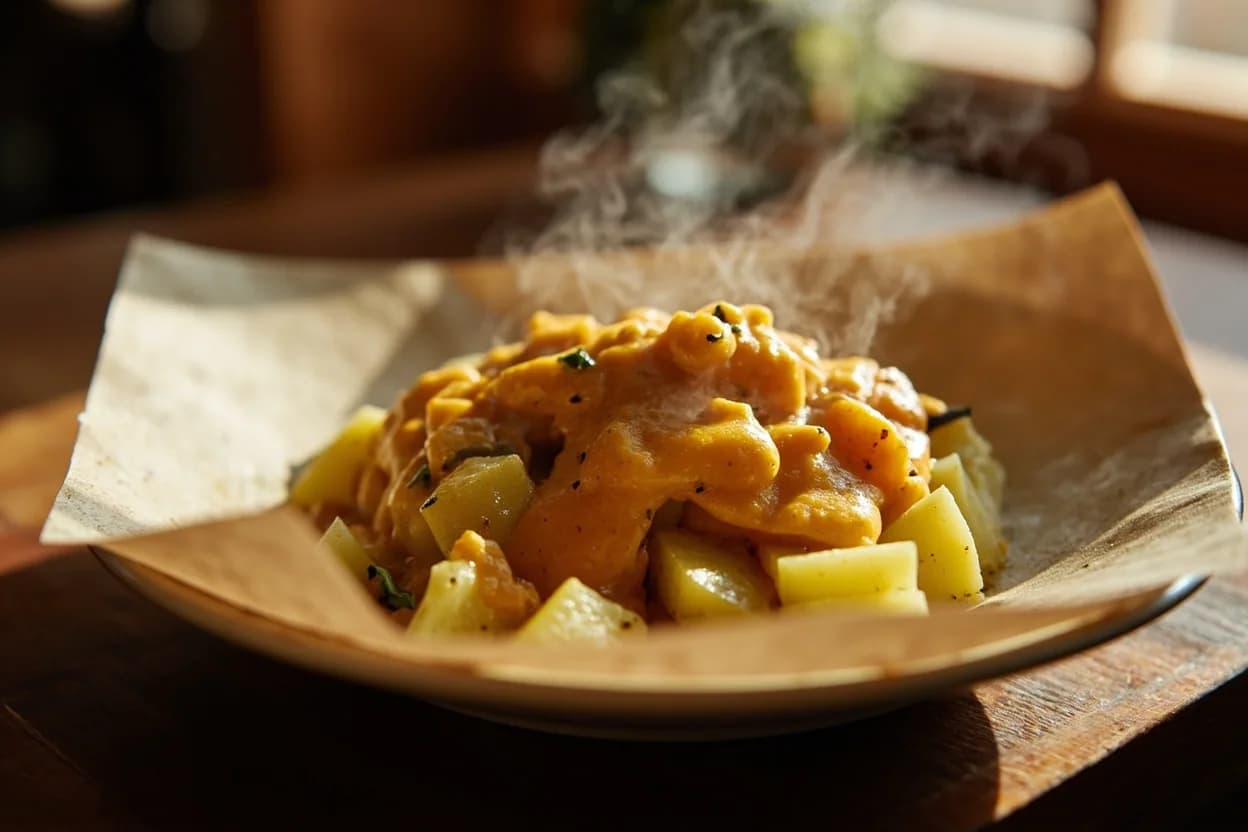
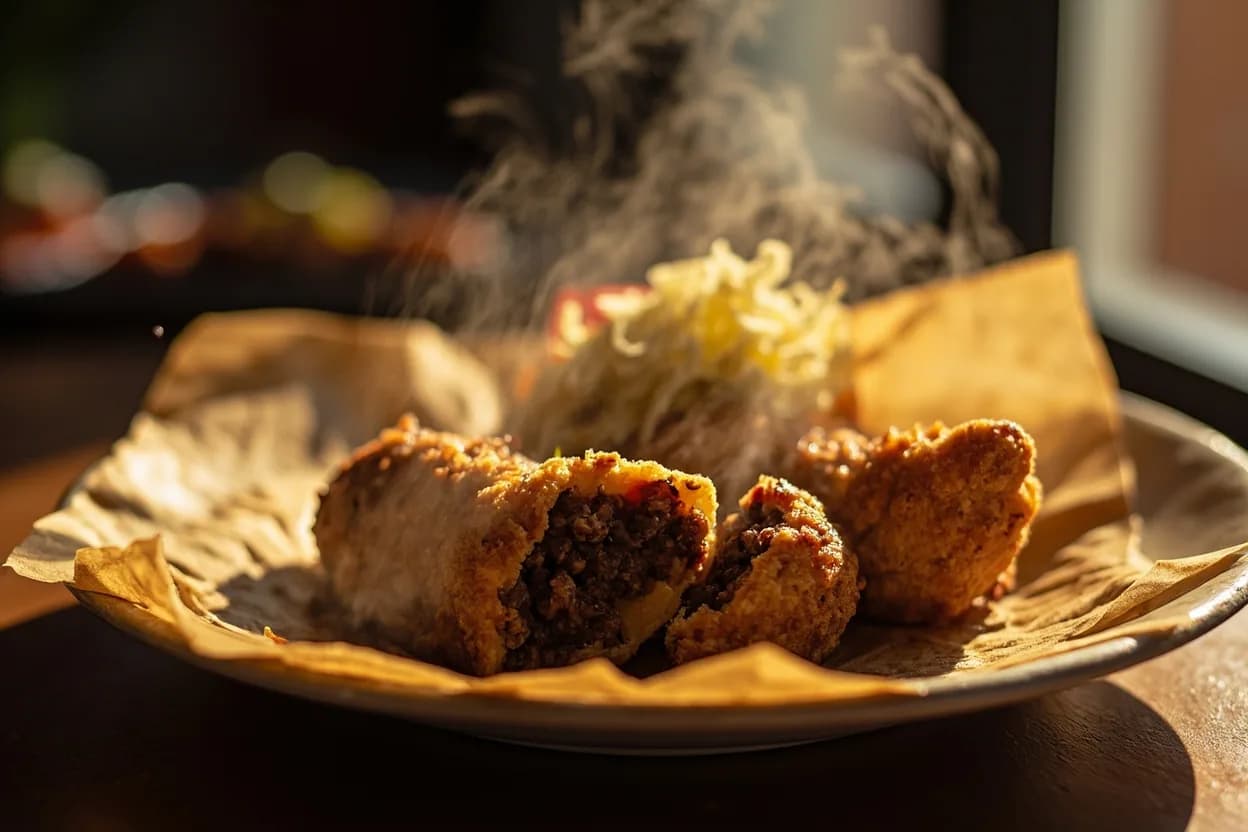
Appears in these dishes
Related
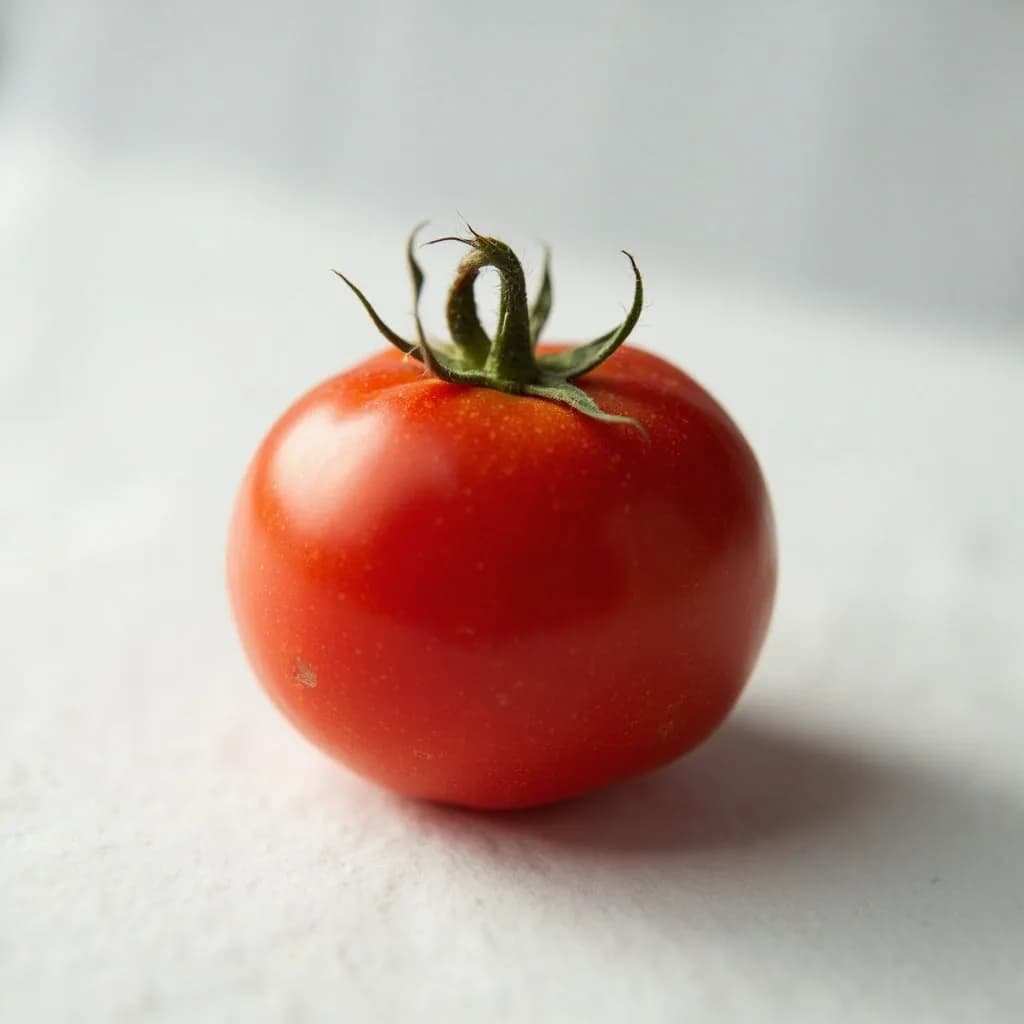
Tomato
Juicy, sun-sweet fruit for sauces, salads, and slow-cooked depth
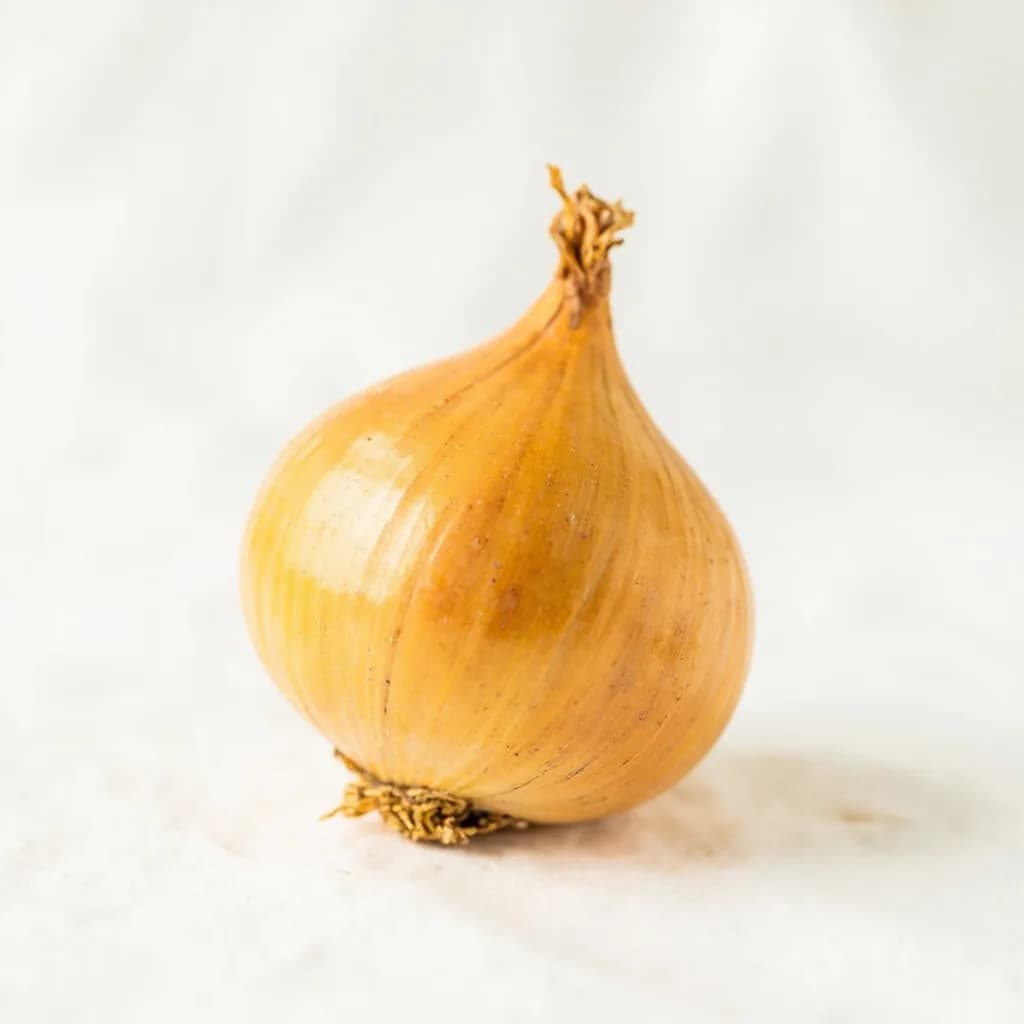
Yellow Onion
The aromatic backbone of soups, sofritos, and braises
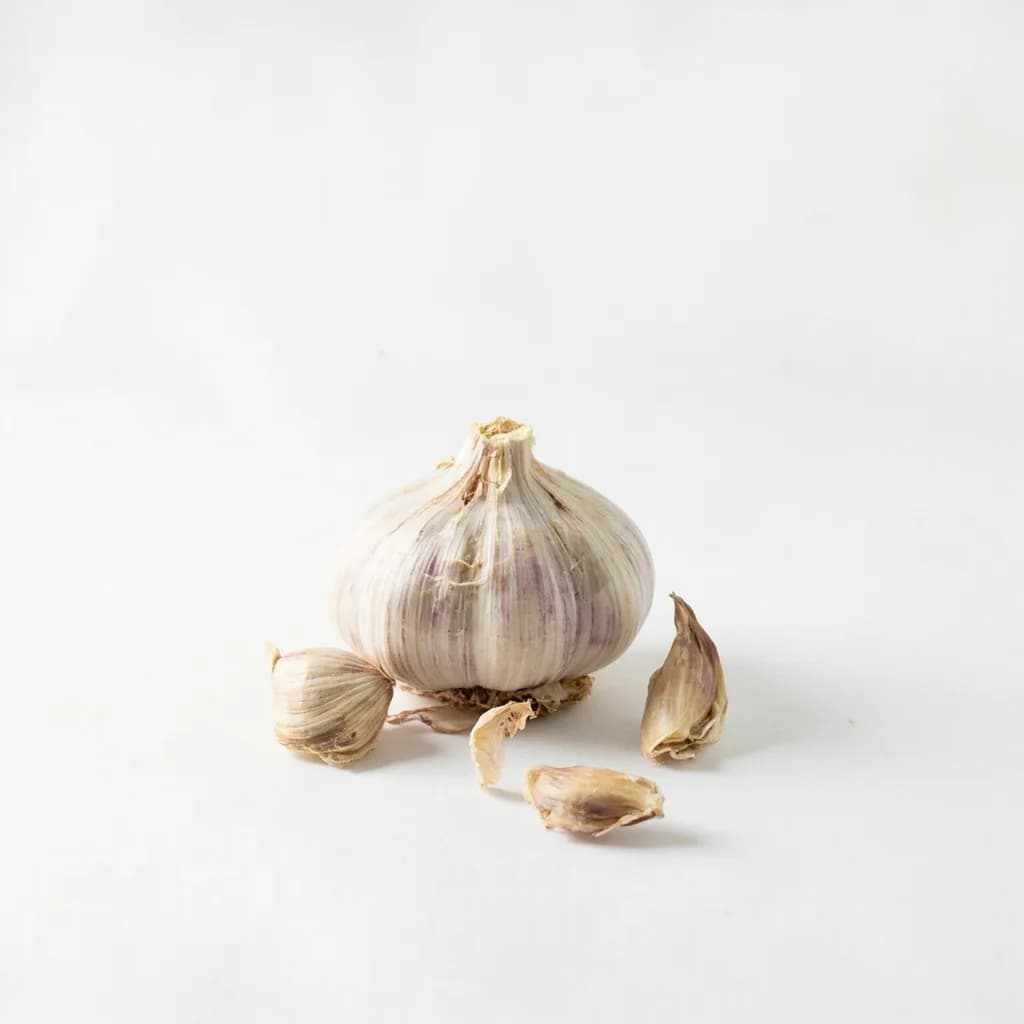
Garlic
Pungent cloves that perfume nearly every savory dish
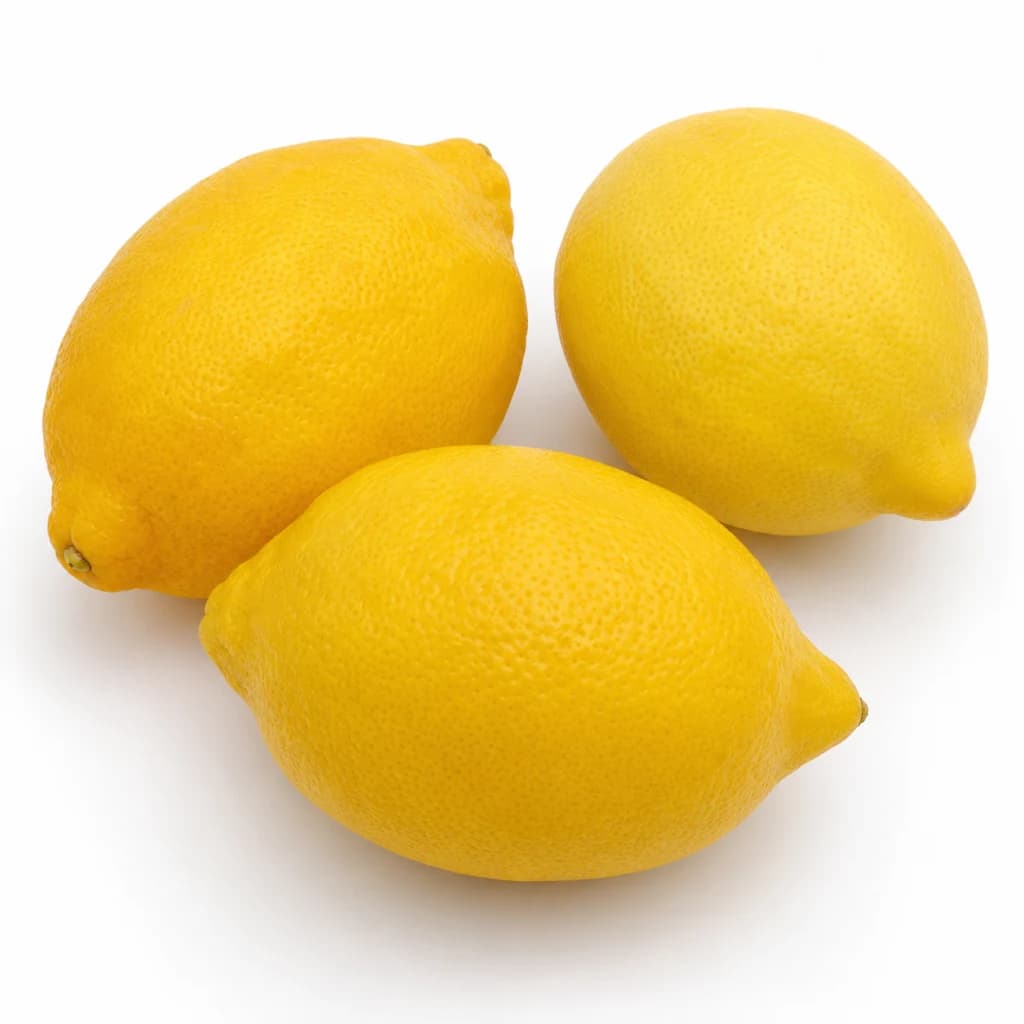
Lemon
Bright, acidic citrus that wakes up almost any dish
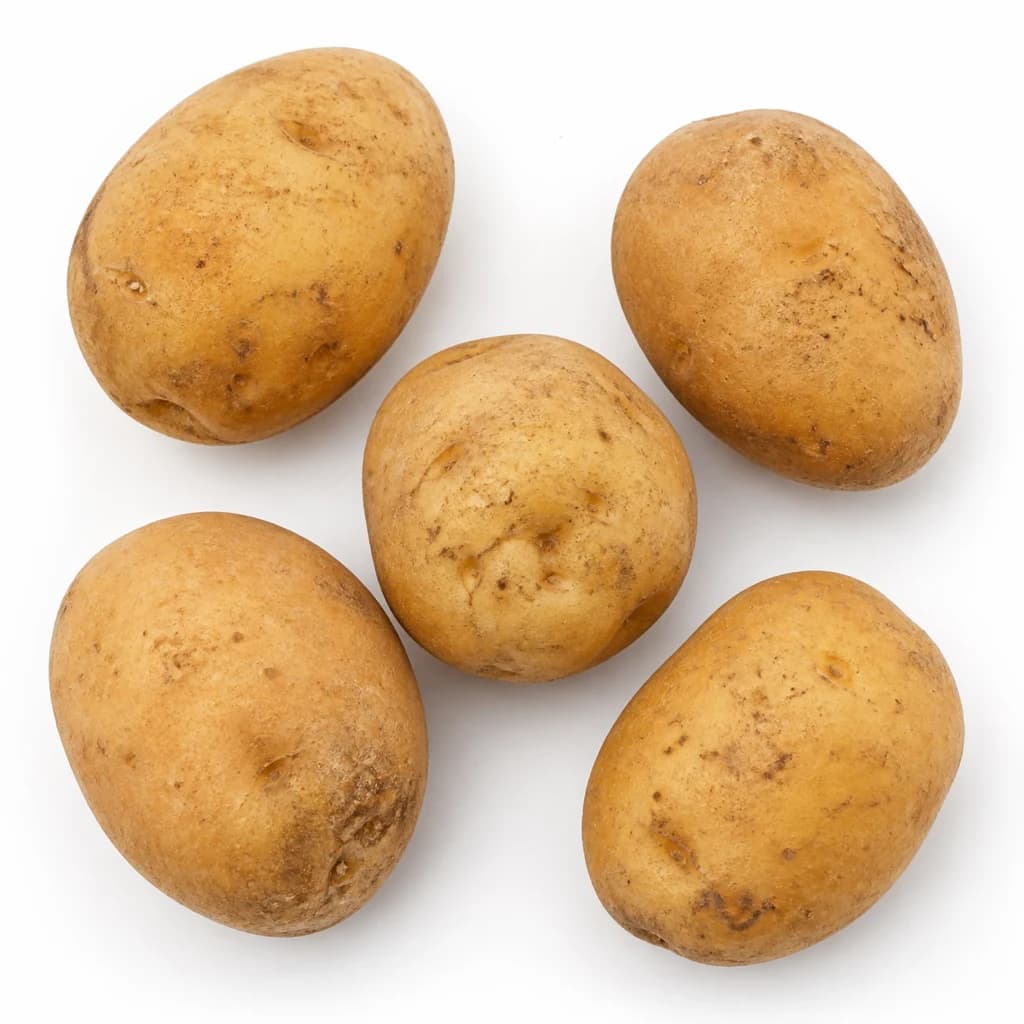
Potato
Humble, hearty staple — roast, mash, fry, or boil
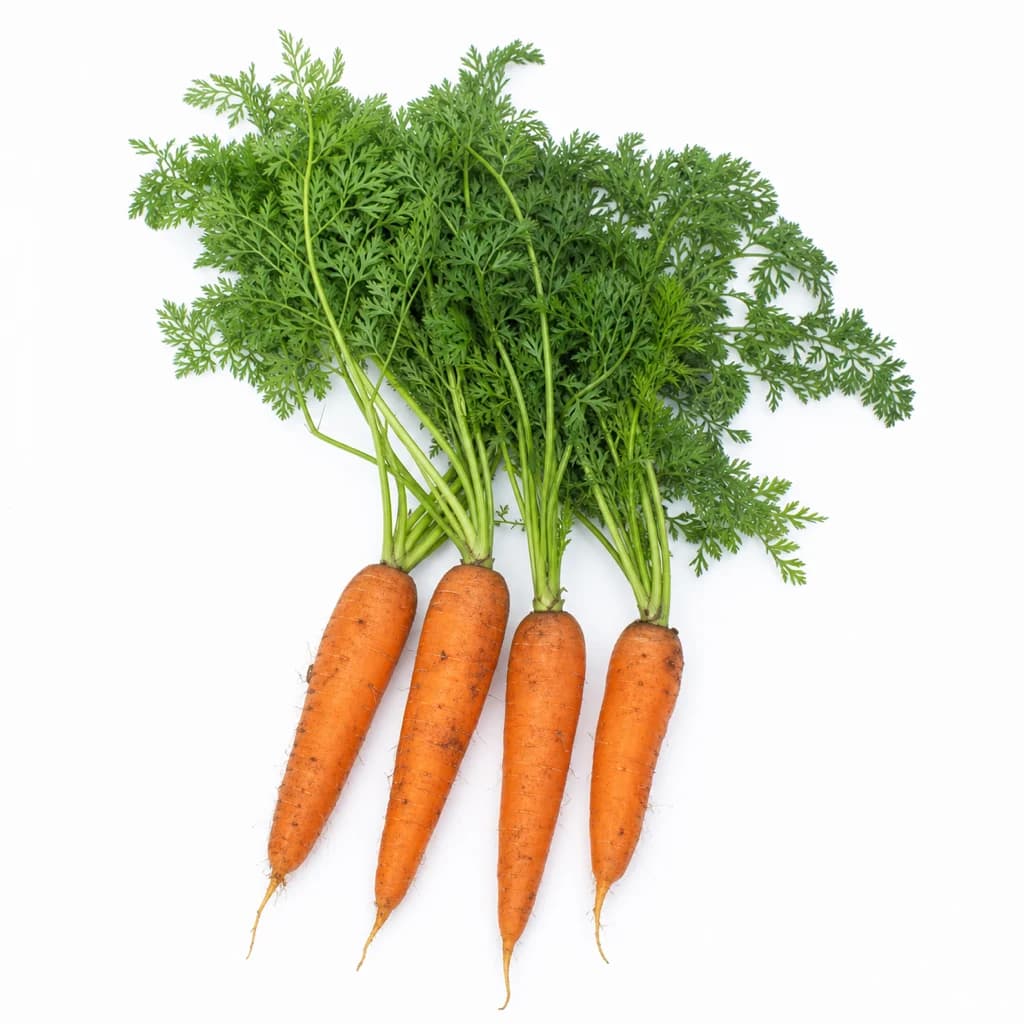
Carrot
Sweet, crunchy root — raw, roasted, or the base of a sofrito
Cucumber
Cool, crisp, and watery — for salads, pickles, and tzatziki

Lettuce
Crisp leaves for salads, wraps, and a fresh crunch