Natural form
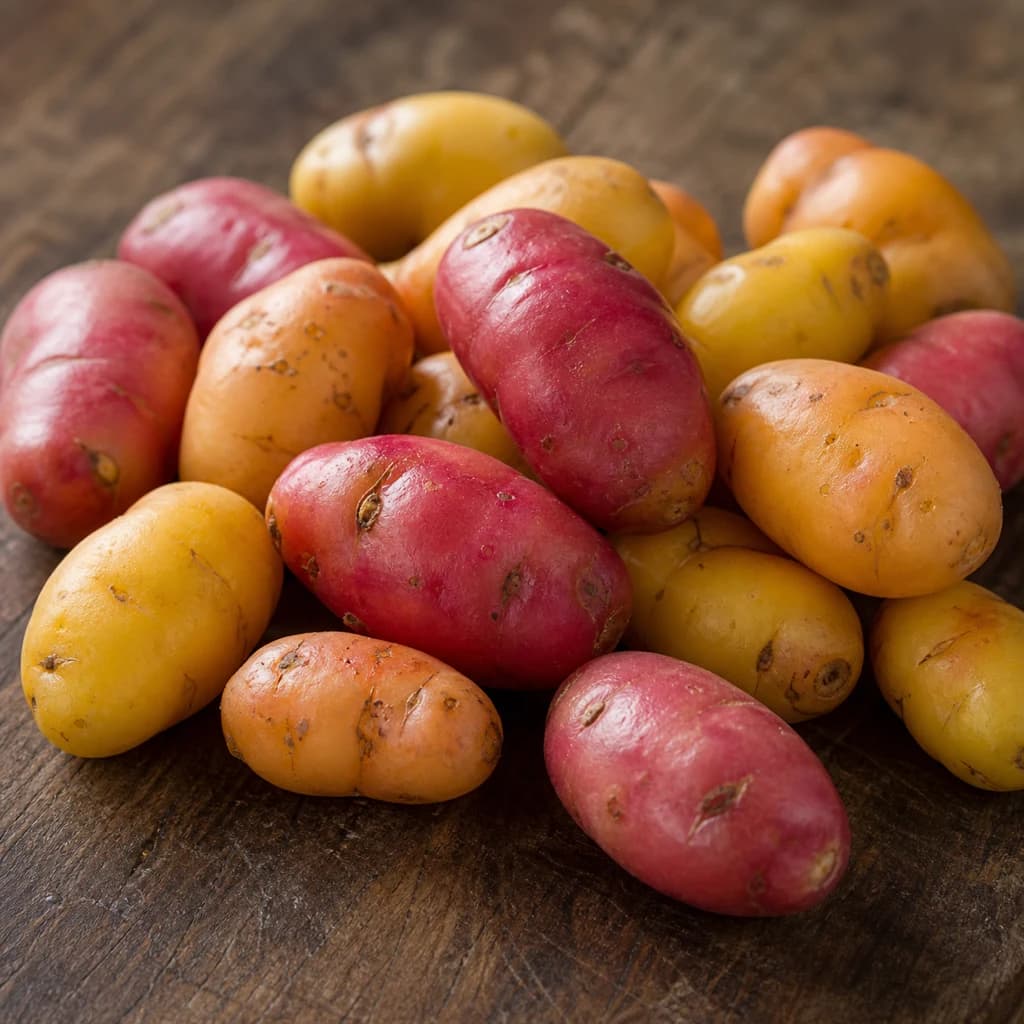
Olluco tubers fresh from harvest, showing their vivid yellow and pink waxy skins.
Shows the reader the tuber's distinctive small size, smooth waxy skin, and bright range of colors that make olluco instantly recognizable.
Produce
Olluco
Brightly colored Andean tuber with crunchy flesh, classic in Peruvian olluquito.
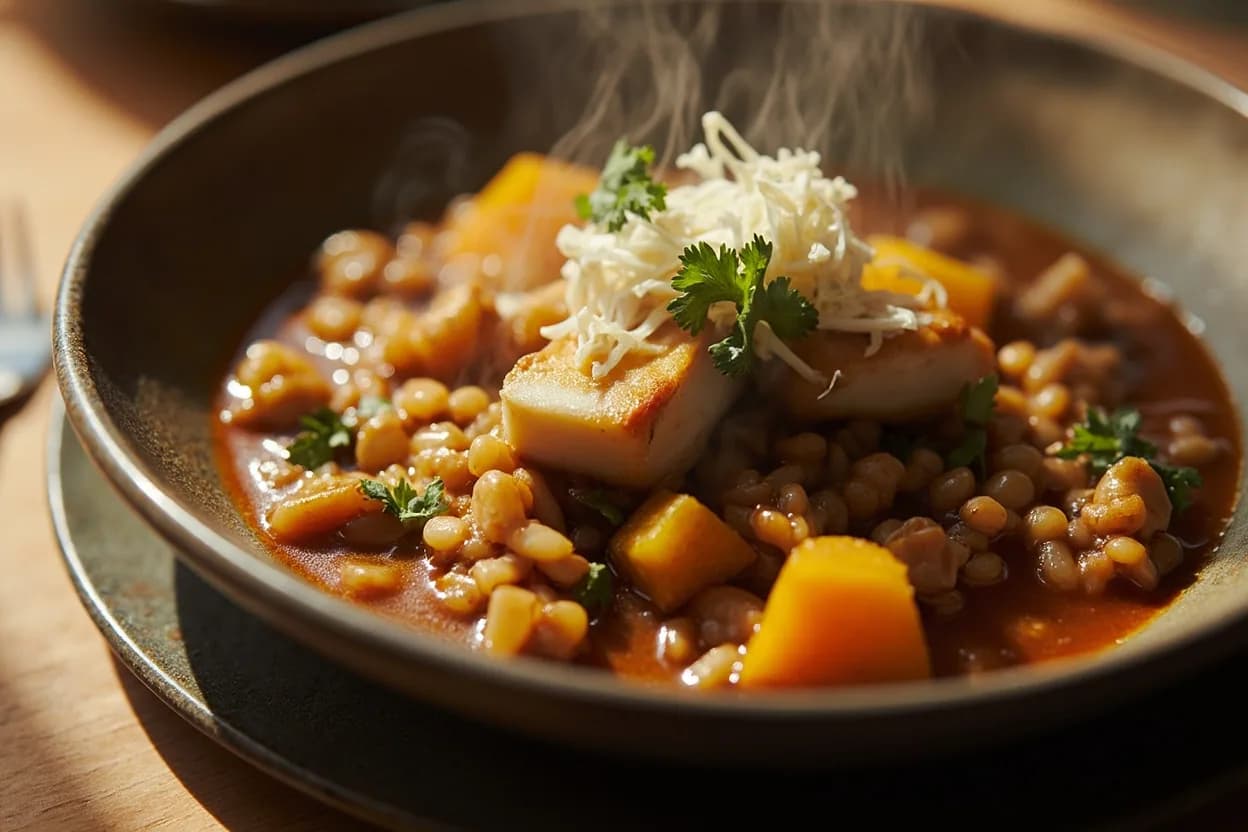
Olluco is a small, brightly colored Andean tuber with smooth, waxy skin and a crisp, slightly mucilaginous texture that holds up when cooked. In Peru it is the star of olluquito con charqui, a stew with dried meat. Unlike potatoes it stays crunchy and does not become mealy.
Olluco (Ullucus tuberosus) is one of the oldest cultivated tubers of the Andes, grown alongside potatoes and oca for thousands of years in Peru, Bolivia, Ecuador, and Colombia. It belongs to the Basellaceae family—related to malabar spinach—not the beet family as its sometimes confused cousin, ulluco. The tuber ranges from egg-sized to small potato-sized, with thin, edible skin in shades of yellow, orange, red, purple, and striped patterns. What sets olluco apart from nearly every other tuber is its remarkable ability to retain a firm, snappy bite even after cooking—a quality so distinctive it defines how the ingredient should be handled in the kitchen. The flesh is mildly sweet and earthy, less starchy than potato, with a dense crunch that holds up beautifully in soups, stews, and salads. In Peruvian cuisine, olluco is the defining element of olluquito con charqui, where its texture provides essential contrast to the chewy dried beef. While still a specialty outside South America, olluco appears with increasing frequency in Latin American markets and specialty produce shops, rewarding cooks who seek it out with an ingredient that behaves unlike anything else in the potato drawer.
- Measured in
- g
- Storage
- Pantry
Types & varieties
Yellow variety; most common; bright yellow skin with pale yellow flesh
Red or purple-skinned variety; often has marbled or streaked flesh; slightly earthier flavor
Nearly white-skinned variety; mildest flavor of the four types
Striped or mottled variety; typically combines red and yellow patterns
Why Texture Is Everything
Olluco's singular appeal lies in its resistance to softness. Where most tubers turn floury or creamy when cooked, olluco stays firm. This is not a flaw to be corrected—it is the entire point. The moment olluco is cooked until tender and yielding, it has lost its reason for being. Every technique, from boiling to roasting to frying, must be calibrated to bring the tuber to tenderness while preserving that characteristic snap. The flesh also has a slight natural mucilaginous quality when raw, which diminishes with blanching or cooking and is not a sign of spoilage.
- Choose firm, smooth tubers without soft spots or sprouting eyes
- The slight slime when cutting raw is normal and disappears with cooking
- Shock blanched olluco in ice water to set color and preserve crunch
Common uses
Tips & pitfalls
- Cook just until tender, about 12–18 minutes depending on size—unlike potatoes, olluco is meant to retain a firm, slightly crunchy bite
- When boiling for salads, shock in ice water immediately after cooking to set the color and preserve crispness
- In stews, add olluco in the last 10–12 minutes of cooking to prevent them from becoming mushy
- Cut uniformly for even cooking—halve or quarter large tubers, leave small ones whole
- Peel if desired; the skin is thin and edible, but some prefer to peel larger tubers
- If the tuber seems excessively mucilaginous when cut, a brief blanching reduces this
- Choose firm, smooth tubers without soft spots or sprouting eyes for best texture
Nutrition
Nutrition
No USDA FoodData Central match for Olluco yet. We surface a per-100 g profile once a generic whole-food entry is matched and verified.
In the shops
Matched grocery products
No matched grocery products for Olluco yet.
Good to know
- Scientific name
- Ullucus tuberosus
- Plant family
- Basellaceae (related to malabar spinach)
- Origin
- Andean region of South America (Peru, Bolivia, Ecuador, Colombia)
- Typical size
- 3–8 cm in diameter
- Colors
- Yellow, orange, red, purple, and striped
- Flavor
- Mild, slightly sweet, earthy—less starchy than potato
- Key texture
- Firm and crunchy even when cooked
- Storage
- Several weeks to months in a cool, dark, dry place
Substitutes
- Jicama — Best substitute for raw or lightly cooked applications; shares the signature crunch and mild sweetness
- Baby potatoes (cooked al dente) — For stew and soup applications; will not retain the same crispness but provides similar size and mildness
- Sunchoke/Jerusalem artichoke — Similar size and earthy flavor; acceptable in cooked preparations but less crunchy
- Watermelon radish or other firm radishes — For raw salad uses where crunch is paramount; flavor profile differs significantly
Pairs with
Also called
Ulluco · Papa Lisa · Melloco
Appears in these dishes
Related
Tomato
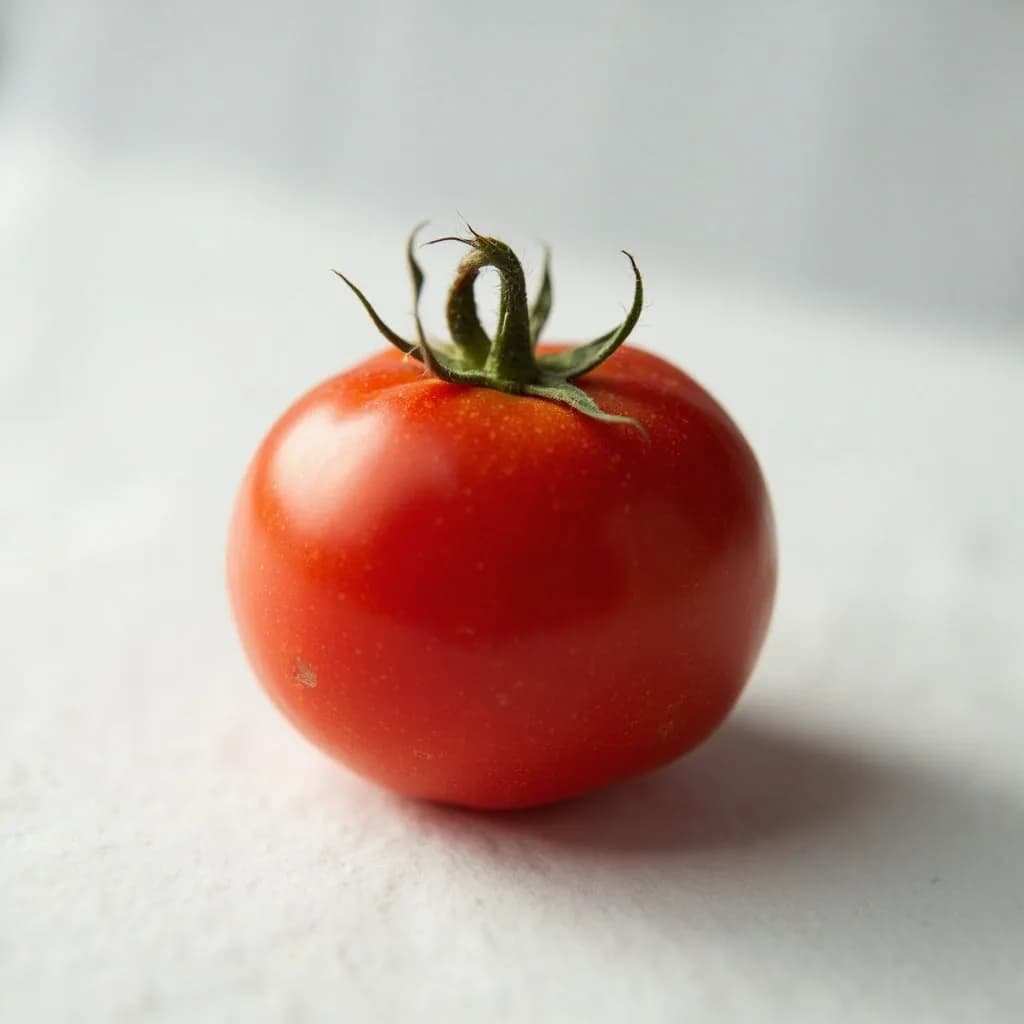
Juicy, sun-sweet fruit for sauces, salads, and slow-cooked depth
Yellow Onion
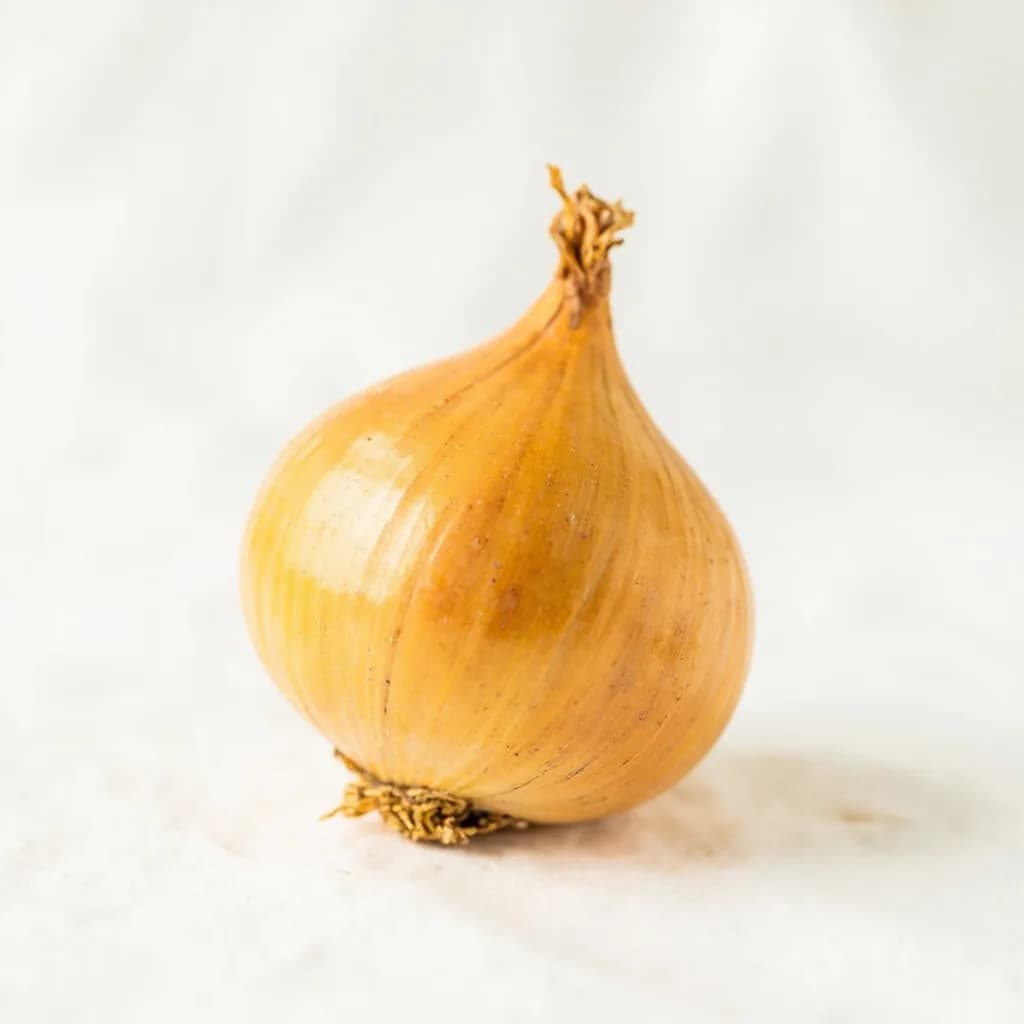
The aromatic backbone of soups, sofritos, and braises
Garlic
Pungent cloves that perfume nearly every savory dish
Lemon
Bright, acidic citrus that wakes up almost any dish
Potato
Humble, hearty staple — roast, mash, fry, or boil
Carrot
Sweet, crunchy root — raw, roasted, or the base of a sofrito
Cucumber
Cool, crisp, and watery — for salads, pickles, and tzatziki

Lettuce
Crisp leaves for salads, wraps, and a fresh crunch