Proteins
Guinea Pig (Cuy)
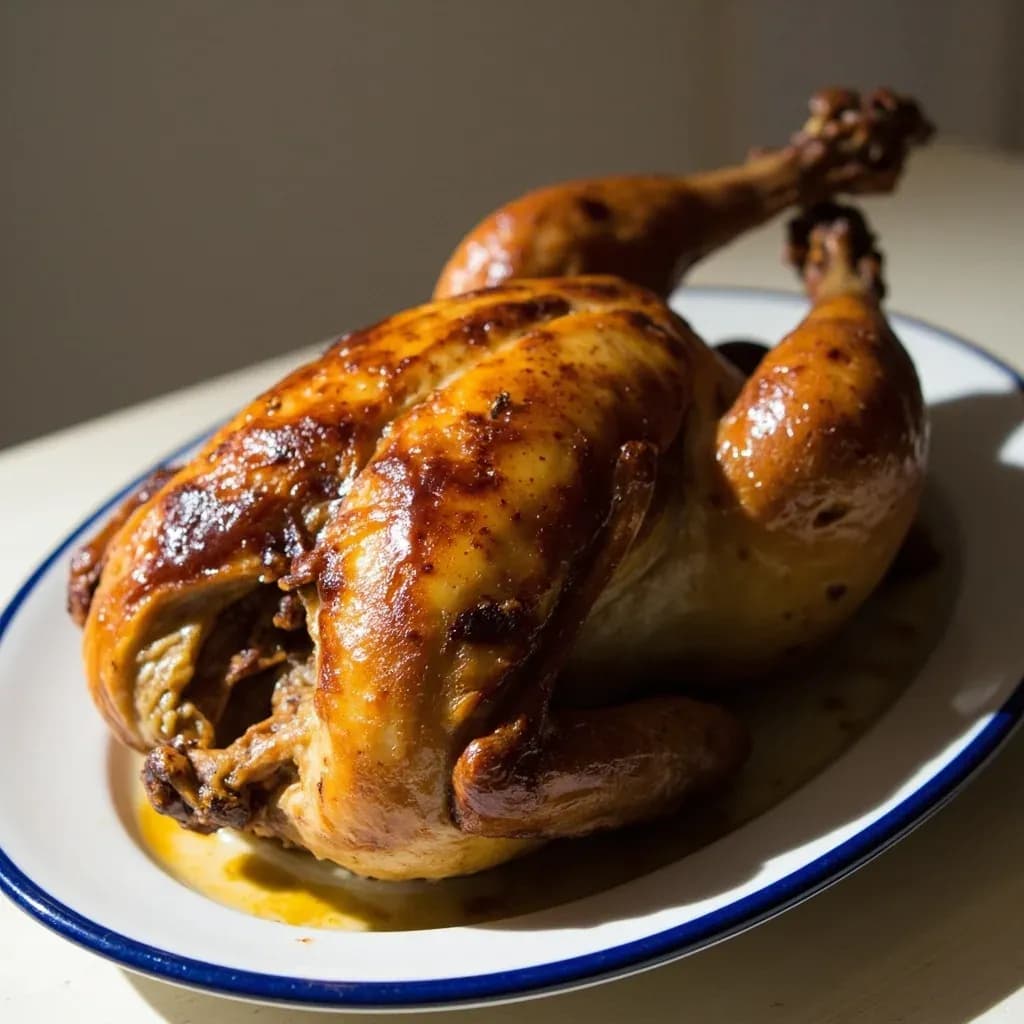
Andean delicacy roasted or fried whole, with crisp skin and lean dark meat.
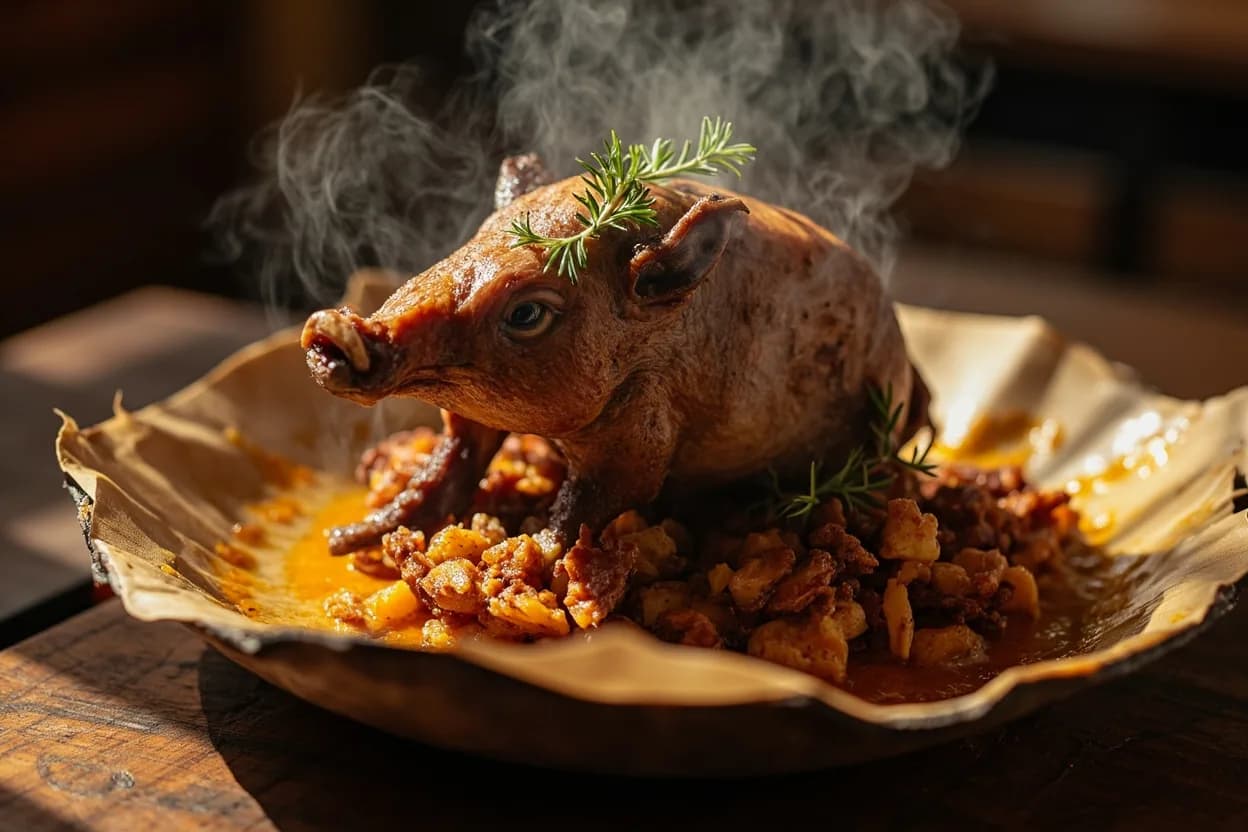
Cuy is domesticated guinea pig, a traditional source of protein in the Andes of Peru, Ecuador and Bolivia. It is typically roasted on a spit or deep-fried whole until the skin crackles, then served with potatoes and aji. The meat is lean, dark and faintly gamey.
Guinea pig, known as cuy (rhymes with "squee") in the Andes, is a domesticated rodent raised for its meat that has been a cornerstone of Andean cuisine for over 3,000 years. Despite its modest size—typically 1–2 pounds whole—cuy commands enormous cultural respect, served at weddings, festivals, and ceremonial occasions as a symbol of prosperity and blessing. The meat is lean and dark, with a gamey, slightly porky flavor that sits between rabbit and pork in character; when cooked properly, the white-to-pale-pink flesh has a fine grain similar to rabbit. The skin, when treated correctly, becomes remarkably crisp, providing textural contrast that defines the finest preparations.
In Peru, cuy holds cultural heritage status, and the manner of its preparation and presentation follows strict traditional protocols—for example, it is traditionally served facing the guest of honor. While once difficult to source outside South America, frozen cuy is increasingly available through Latin American specialty suppliers. The entire animal is typically consumed, including the small portions of meat on the ribs and extremities; there is no tradition of portioning or discarding parts. When selecting cuy, freshness is critical: the meat spoils quickly, so plan to cook it the same day or at most within one to two days of refrigeration.
- Measured in
- piece
- Storage
- Fridge
Types & varieties
Common domestic variety; mixed coloring; standard for most preparations
Highland variety; often larger, preferred for roasting
Traditional Ecuadorian style with herbs and seasonings
Whole roasted preparation specific to Peruvian cuisine
Pan-fried whole; typical of Ayacucho, Peru
Selecting and Sourcing
Fresh cuy is increasingly available frozen from Latin American specialty markets and butchers who serve Andean communities. When buying frozen, ensure the package is solid with no freezer burn or thawing evidence. If sourcing from a farmer or specialty supplier, look for animals with clear eyes, fresh-smelling flesh, and intact skin. The gallbladder must remain unbroken during cleaning—a broken gallbladder releases bile that ruins the meat's flavor entirely. Size matters: younger, smaller cuy (under 1.5 lbs) are more tender and suited to quick cooking methods, while larger animals benefit from braising or longer roasting.
- Request the animal cleaned and prepared by someone experienced, or ask for guidance on proper evisceration
- Look for firm, pinkish flesh without any discoloration or strong odor
- Frozen cuy should be thawed overnight in the refrigerator, never at room temperature
- Smaller cuy (under 1.5 lbs) are more forgiving for inexperienced cooks
Cultural Significance
Beyond its culinary value, cuy occupies a sacred space in Andean cosmology. It is used in traditional healing rituals and divination practices, and its presentation at table follows unwritten rules that signal respect for guests. At a celebratory meal, the cuy is traditionally placed facing the guest of honor, and the head may be offered to the eldest or most respected person present. In Peru's highland communities, a family that cannot serve cuy at a wedding or feast is considered unable to fulfill its social obligations. This cultural weight means that when you cook cuy, you are participating in a living tradition that stretches back millennia—not merely preparing a meal, but continuing a practice of communal celebration and honor.
- The entire animal is traditionally served and eaten, including ribs and extremities
- Presentation matters: orientation and garnishing follow cultural protocols
- Cuy is considered a blessing and symbol of prosperity in Andean communities
Common uses
Tips & pitfalls
- Score the skin deeply before cooking to prevent blistering and ensure even crisping
- Pat the cavity and exterior completely dry with paper towels—moisture is the enemy of crispy skin
- Marinate 2–4 hours in garlic, cumin, oregano, vinegar, or chicha to mellow the gamey flavor
- Singe over an open flame or use a torch to remove all hair before cleaning; traditional method uses hot coals
- Stuff the cavity with huacatay, oregano, and aromatics for authentic Andean flavor
- For roasting: begin breast-side down, rotate frequently, and finish on all sides for uniform browning
- Rest 5–10 minutes before serving to allow juices to redistribute throughout the meat
- Undercooking results in tough, raw-tasting flesh—always verify 160°F (71°C) internal temperature
- Failing to remove the gallbladder without rupturing it makes all meat bitter
- Not scoring the skin deeply enough causes it to blister rather than crisp
- In traditional Andean service, the entire animal is presented and eaten, including small rib portions and extremities
- If the skin buckles rather than crisps, return to high heat (500°F+) for final minutes to re-crisp
Nutrition
Nutrition
No USDA FoodData Central match for Guinea Pig (Cuy) yet. We surface a per-100 g profile once a generic whole-food entry is matched and verified.
In the shops
Matched grocery products
No matched grocery products for Guinea Pig (Cuy) yet.
Good to know
- Scientific name
- Cavia porcellus
- Origin
- Andean region (Peru, Ecuador, Bolivia, Colombia), domesticated pre-Incan era
- Meat character
- Lean, dark; gamey and slightly porky; white to pale pink when cooked
- Typical yield
- 55–60% dressed weight; 1–2 lbs (0.5–1 kg) whole, ready to cook
- Fat content
- 3–5% in lean cuts; very low overall
- Internal temp
- 160°F (71°C) minimum for safe consumption
- Shelf life
- Cook same day; refrigerate raw maximum 1–2 days
- Cultural status
- Delicacy; protected cultural heritage in Peru
Substitutes
- Rabbit (conejo) — Closest texture and lean quality; milder gamey flavor; cook using the same methods but adjust seasoning downward
- Suckling pig — Provides the desired crispy-skin experience; much larger so scale time and temperature proportionally
- Quail — Smaller wild bird with gamey notes; works for appetizer-sized preparations when whole cuy is impractical
- Veal rib chop — Acceptable for portioned service rather than whole-animal presentation; will not achieve crispy skin
Pairs with
Also called
Cuy
Appears in these dishes
Related
Egg
The kitchen's everything ingredient — bind, leaven, enrich, or fry
Chicken Breast
Lean, quick-cooking white meat for everyday dinners

Ground Beef
Versatile minced beef for burgers, ragù, tacos, and meatballs
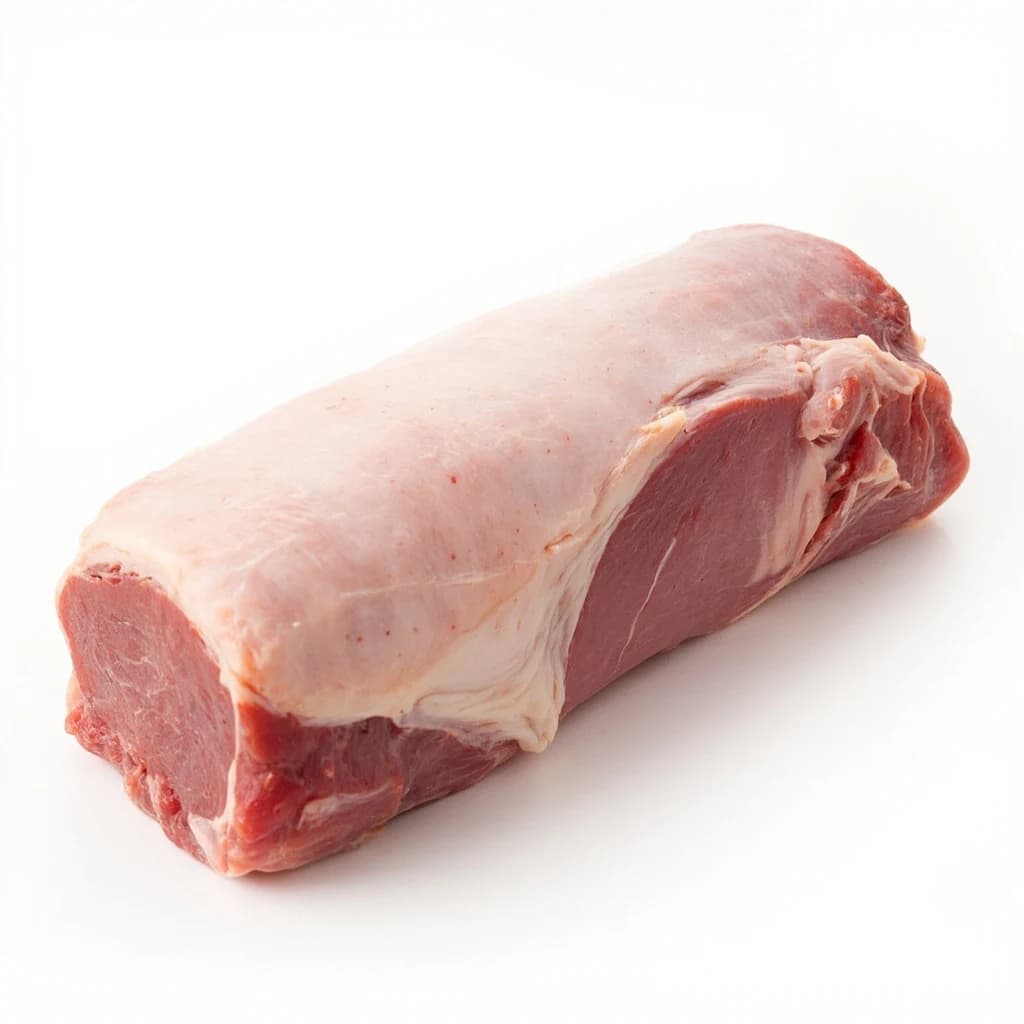
Pork Loin
Lean, tender roasting cut that stays juicy with care
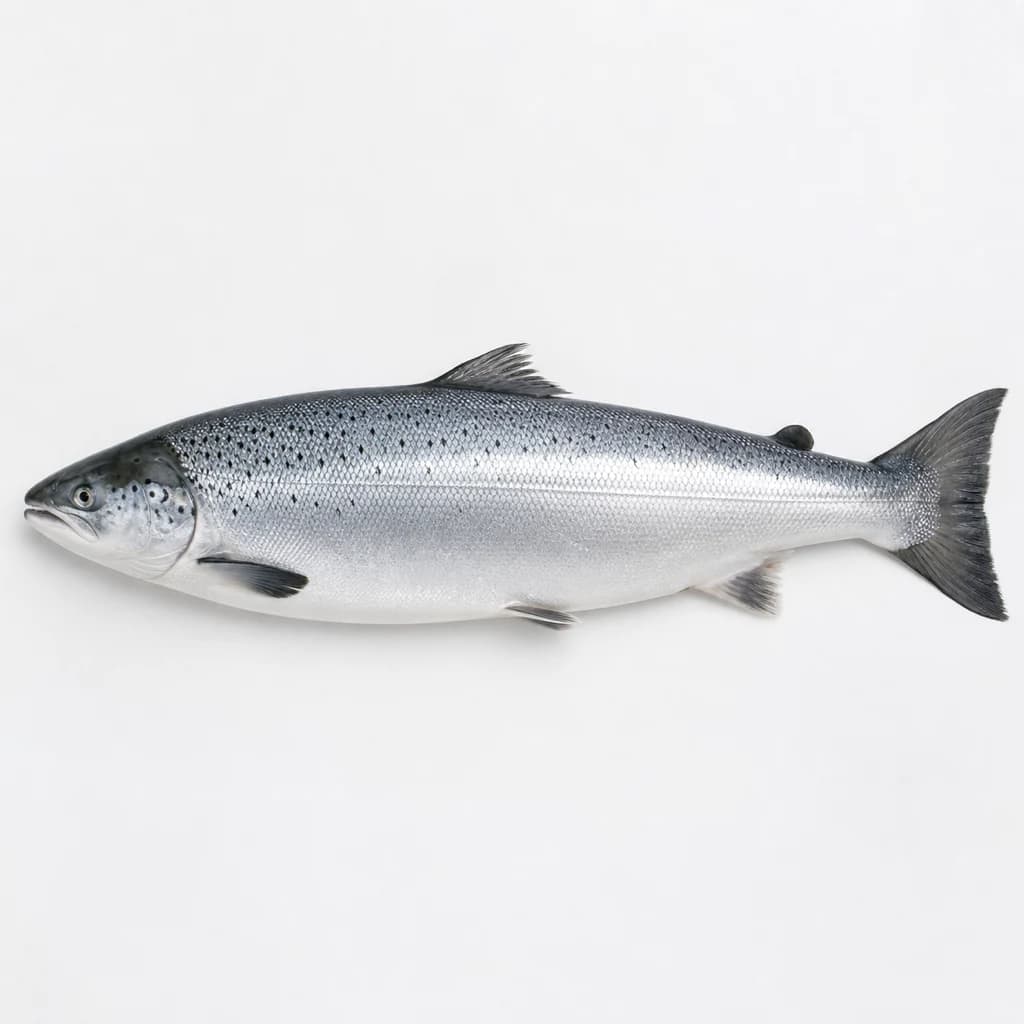
Salmon
Rich, rosy fish that roasts, grills, or cures beautifully

Egg White
Pure protein that whips to airy peaks for meringue and more
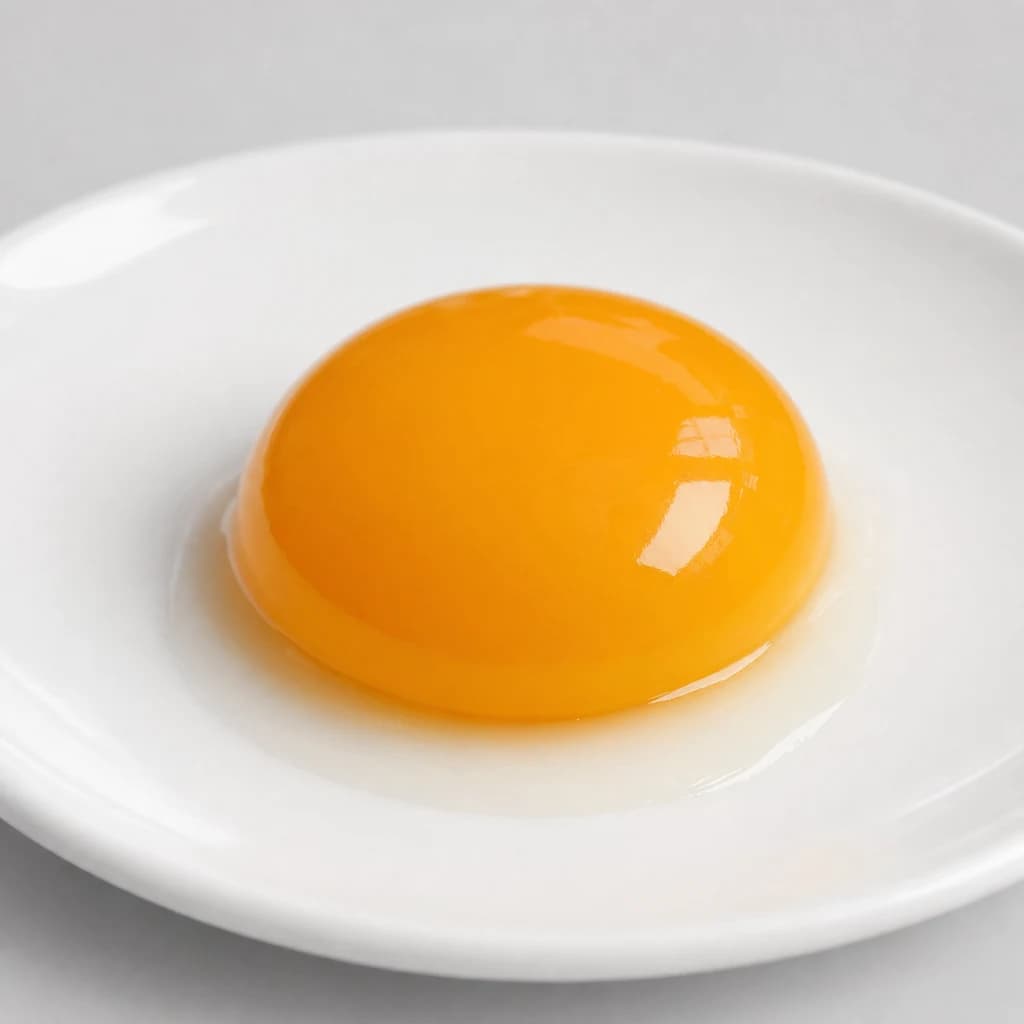
Egg Yolk
Rich, golden yolk for custards, mayonnaise, and pasta

Quail Egg
Tiny, speckled eggs for garnishing and elegant bites