Proteins
Suckling Pig (Lechón)
Young milk-fed pig roasted whole to crackling skin and tender meat; a festive centerpiece worldwide.
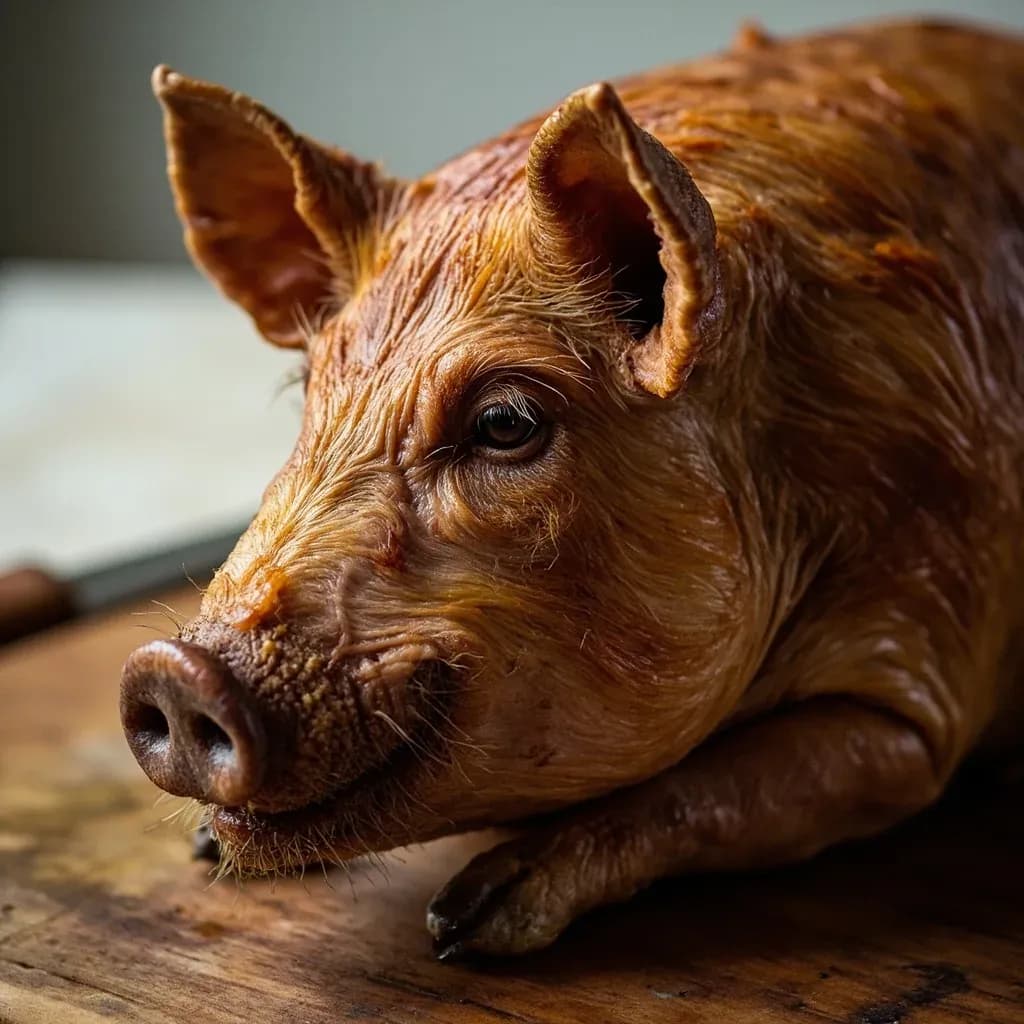
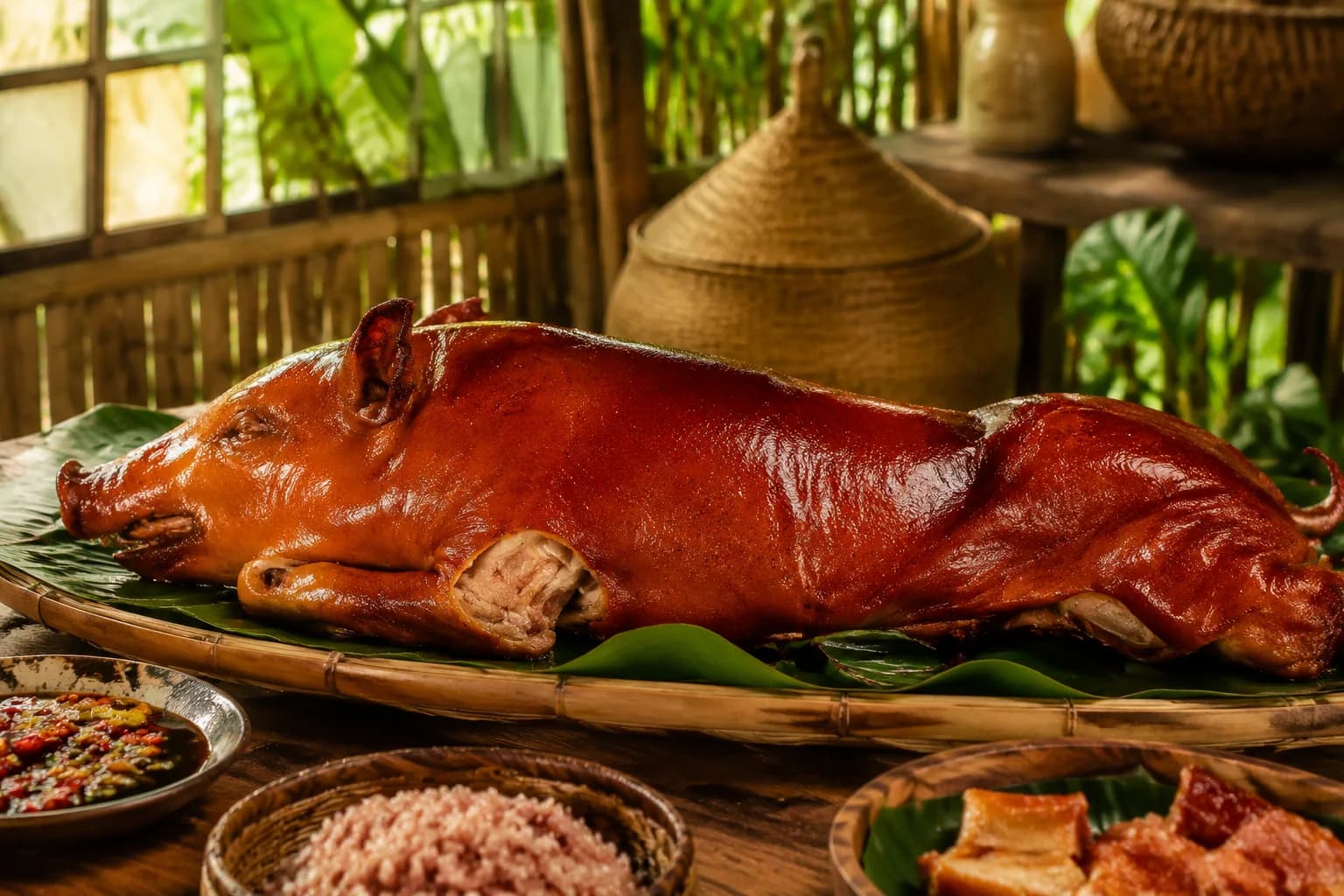
Suckling pig is a young, milk-fed piglet roasted whole, celebrated for its delicate, tender meat and shatteringly crisp skin. It is a festive centerpiece across Spain (cochinillo), the Philippines (lechón), Latin America, and China, traditionally slow-roasted over coals or in an oven. The thin layer of fat under the skin renders to baste the meat, producing rich flavor and signature crackling.
Suckling pig is an entire young pig slaughtered at two to six weeks of age, fed exclusively on its mother's milk. The result is a carcass of ten to thirty pounds with meat that is mild, sweet, and extraordinarily tender—collagen-rich but not yet toughened by a diet of solid feed. What distinguishes suckling pig from mature pork is the skin: when properly roasted, the fat beneath it renders into a crackling that is paper-thin, shatteringly crisp, and almost translucent. This crackling, called litson in the Philippines, is the true measure of a well-prepared suckling pig and should be airy and crisp enough to snap under slight pressure.
The dish carries profound cultural weight across multiple continents. The Spanish and Portuguese spread suckling pig cookery from its pre-colonial Southeast Asian origins throughout the Philippines, Iberia, Latin America, and the Caribbean. In the Philippines, no town fiesta is considered legitimate without a whole roasted pig at its center; the quality of the crackling determines whether the host has done the occasion justice. In Puerto Rico, Christmas Eve is unthinkable without the family gathering around the lechón asado. In Portugal's Bairrada region, the leitão is a point of regional pride. Because of its size, expense, and equipment demands—standard home ovens cannot accommodate a whole animal—suckling pig remains fundamentally communal food, rarely prepared for fewer than fifteen diners.
Cooking a suckling pig requires confidence with whole-animal work: spit management, fire control, and an understanding of how rapidly the lean carcass can dry out. The pig must be cooked within forty-eight hours of slaughter; whole-roasted, it cannot be successfully frozen and thawed. But when the heat is managed steadily around 325°F and the skin has been properly dried and scored, the result is one of the most impressive dishes in any culinary tradition—a crackling centerpiece that signals celebration has arrived.
- Measured in
- piece
- Storage
- Fridge
Types & varieties
Spit-roasted with aromatics such as lemongrass, star anise, and scallions packed into the cavity; served with liver-based dipping sauce (sarsa ng lechón)
Marinated in adobo, then grilled or slow-roasted; traditionally served with arroz con gandules at Christmas celebrations
Slow-roasted whole with mojo marinade of sour citrus, garlic, and oregano; popular for Christmas and New Year's Eve feasts
Portuguese specialty from the Bairrada region; spit-roasted over wood fire, traditionally served with migas or rice
Roasted in an oven or on a spit; often served with apple sauce and sage stuffing at formal banquets
Sourcing Your Suckling Pig
Order at minimum one week in advance from a butcher who specializes in whole-animal cuts. Specify exact weight and delivery date when placing the order. The pig should be killed, cleaned, and delivered the same day or the following morning for optimal results. Smaller sizes of ten to fifteen pounds work well for home gatherings of fifteen to twenty-five people; order larger animals for community feasts. Confirm that the butcher has removed the entrails and singed any remaining hair, and ask whether the head has been cleaned and the ears cropped for easier roasting.
- Request delivery the morning before your event to allow time for prep and overnight drying
- Ask your butcher to leave the trotters intact for easier handling and presentation
- Confirm the pig has been properly cleaned and singed before accepting delivery
- Bring a large cooler with ice if transporting in warm weather
Why Crackling Fails
The crackling is the soul of the suckling pig, and it fails for predictable reasons. Moisture is the enemy: any water trapped beneath or on the skin will create steam rather than crispness, resulting in chewy, blistered patches instead of paper-thin shatter. Insufficient drying, wet marinades applied to the skin surface, and fluctuating cooking temperatures all compromise the result. A crosshatch score pattern through the skin allows fat to render fully and heat to penetrate evenly; an unscored skin will brown on the surface while fat beneath it stays raw and flabby.
- Pat the skin completely dry and refrigerate uncovered for 12–24 hours before roasting
- Avoid applying wet marinades or sauces directly to the skin surface during roasting
- Score through the skin only—cutting into the meat causes juices to escape prematurely
- Maintain steady heat; temperature swings cause the skin to blister and crack unevenly
Common uses
Tips & pitfalls
- Score the skin in a crosshatch pattern with a sharp knife before roasting—this allows fat to render fully and ensures crackling forms evenly across the entire surface
- Season simply: coarse sea salt, black pepper, and garlic rubbed under and over the skin; avoid applying wet marinades to the skin surface, which inhibits crisp skin formation
- Maintain consistent heat throughout roasting at approximately 325°F (165°C); fluctuating temperatures cause the skin to blister unevenly rather than form a uniform crackling
- Use a meat thermometer in the thickest part of the thigh, avoiding bone, to check for doneness at 145°F (63°C) internal temperature
- Rest the pig for 20–30 minutes after roasting before carving—this allows juices to redistribute and the crackling to set fully
- Baste the skin every 20–30 minutes with rendered fat or a mixture of oil and rice wine or water to promote even browning and prevent drying
- If the skin begins to darken too quickly, tent loosely with foil while allowing the interior to finish cooking through
- Overcooking is the most common mistake—suckling pig is leaner than adult pork and dries out quickly if held at high heat too long
- Insufficient drying of skin before roasting is the second most common mistake; pat skin dry and let it air-chill uncovered in the refrigerator for 12–24 hours before cooking
- Have a dedicated carver or butcher handle portioning; the thin rib bones and delicate joints require specific cutting techniques that differ from standard pork butchery
Nutrition
Nutrition
No USDA FoodData Central match for Suckling Pig (Lechón) yet. We surface a per-100 g profile once a generic whole-food entry is matched and verified.
In the shops
Matched grocery products
No matched grocery products for Suckling Pig (Lechón) yet.
Good to know
- Definition
- Entire carcass of a pig slaughtered at 2–6 weeks old, exclusively milk-fed, typically weighing 10–30 lbs (4.5–14 kg)
- Flavor Profile
- Mild, sweet, delicate pork with high collagen content; fat renders to a distinctively crisp, paper-thin crackling when properly roasted
- Age at Slaughter
- 2–6 weeks; the pig has not yet transitioned to solid food. The term 'lechón' refers to its milk-fed status.
- Perishability
- Must be cooked within 24–48 hours of slaughter; cannot be held frozen successfully for whole-roasting applications
- Cooking Time
- 2–4 hours on a spit over medium coals, maintained at approximately 325°F (165°C)
- Yield
- Approximately 50–60% edible meat from carcass; crackling alone represents 8–12% of total weight
- Equipment Required
- Rotisserie spit with sturdy support, or large wood-fired pit or oven; standard home ovens cannot accommodate a whole suckling pig
- Prep Difficulty
- Advanced; requires experience with whole-animal cookery, spit management, and fire control
Substitutes
- Piglet or Early-Weaned Pork Roast — A slightly older piglet (6–10 weeks, 30–40 lbs) can be prepared similarly but requires slightly longer cooking time; the meat is marginally less tender and the crackling slightly thicker
- Pork Belly, Skin-On — Use when you want crackling texture alone without the whole-animal presentation; roast skin-side up at high heat (425°F/220°C) until skin blisters and crisps, though the underlying meat will not match suckling pig tenderness
- Suckling Goat (Chevon) — Traditional in some Latin American and Middle Eastern preparations; the same cooking technique produces a comparable tender result with a distinct, slightly more assertive flavor profile
- Whole Pork Loin, Bone-In — Cannot replicate the crackling skin or whole-animal presentation but provides comparable tenderness if brined and roasted carefully at moderate temperatures
Pairs with
Also called
Lechón · Whole Pig · Whole Hog · Cochinillo · Suckling Piglet
Appears in these dishes
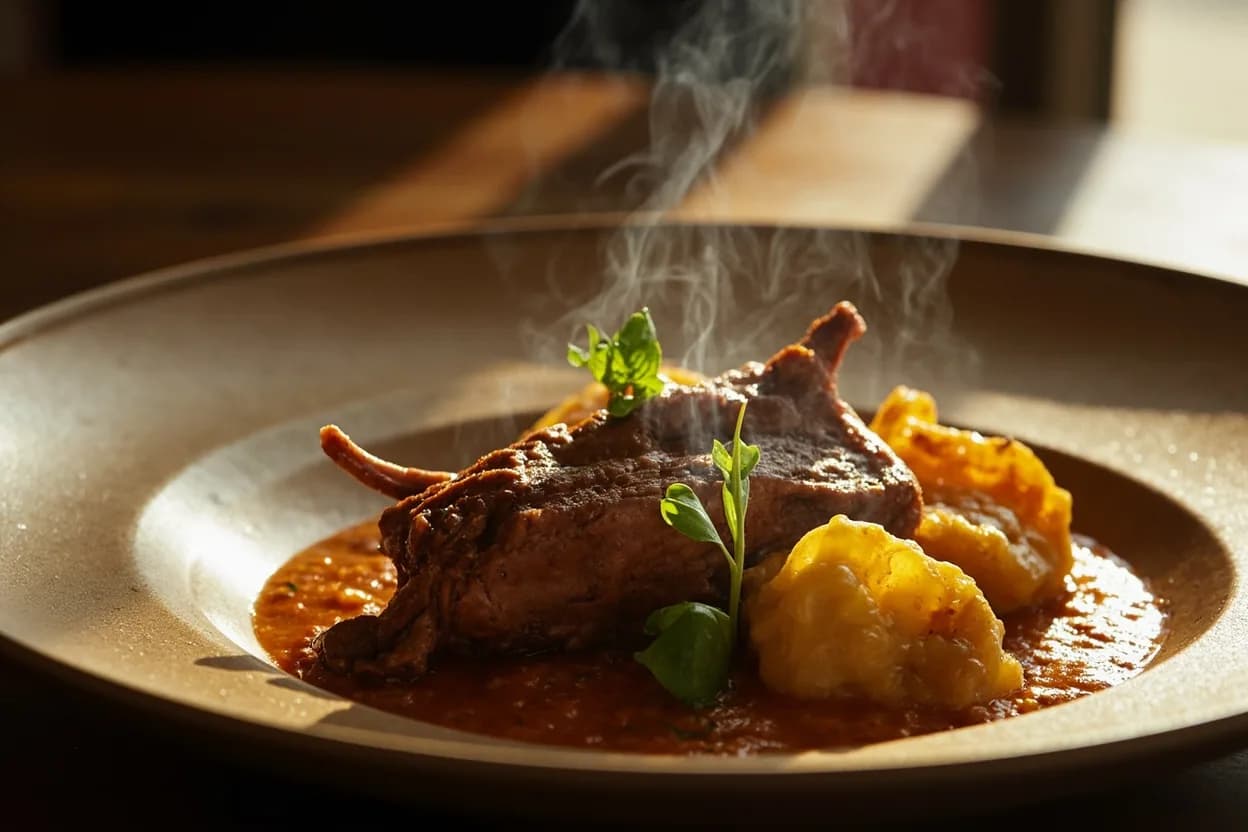
Related
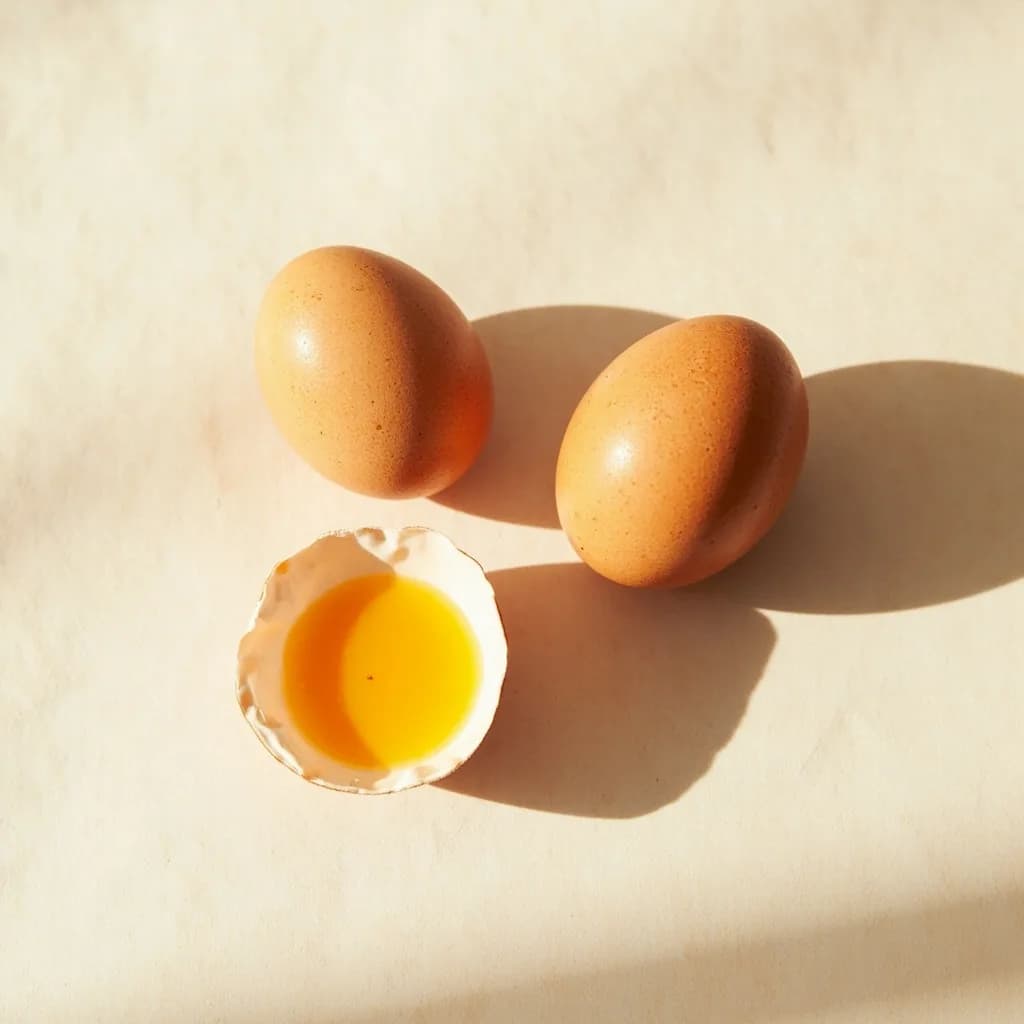
Egg
The kitchen's everything ingredient — bind, leaven, enrich, or fry
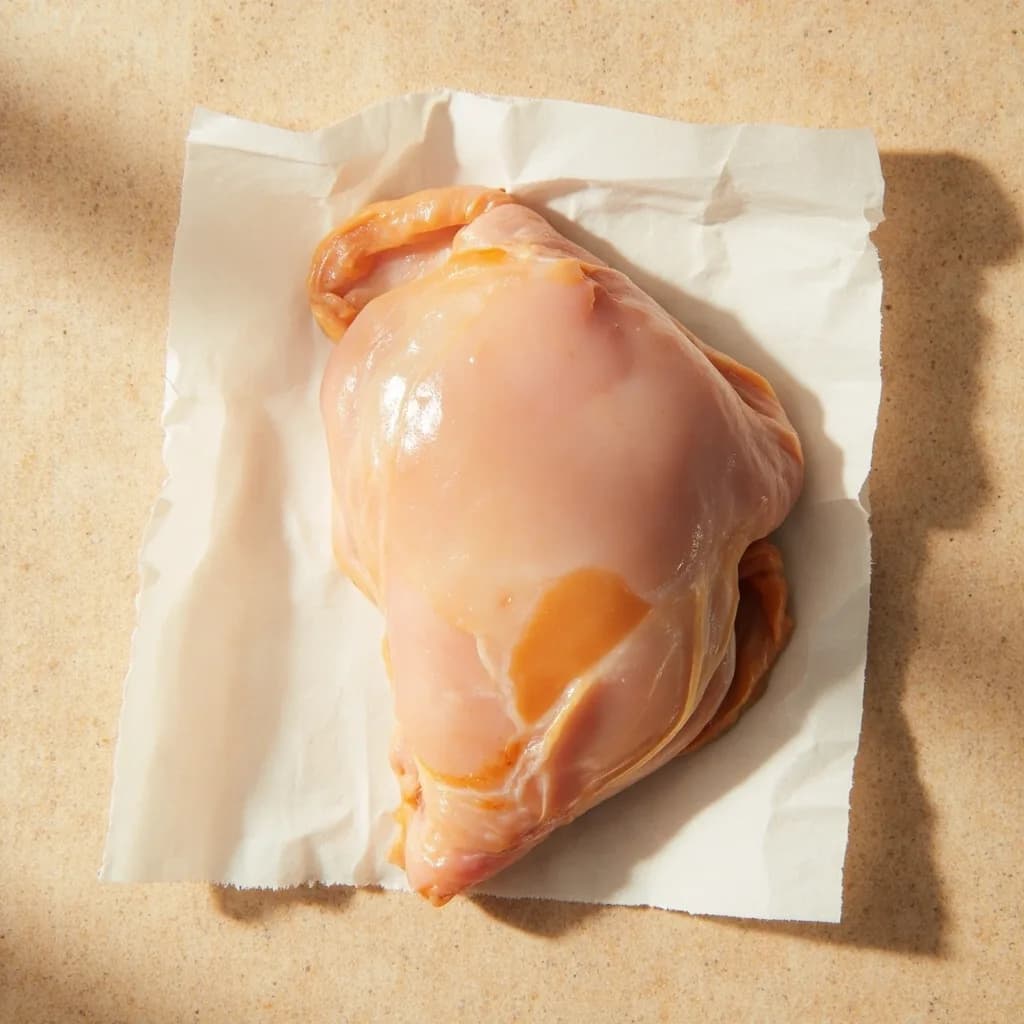
Chicken Breast
Lean, quick-cooking white meat for everyday dinners

Ground Beef
Versatile minced beef for burgers, ragù, tacos, and meatballs
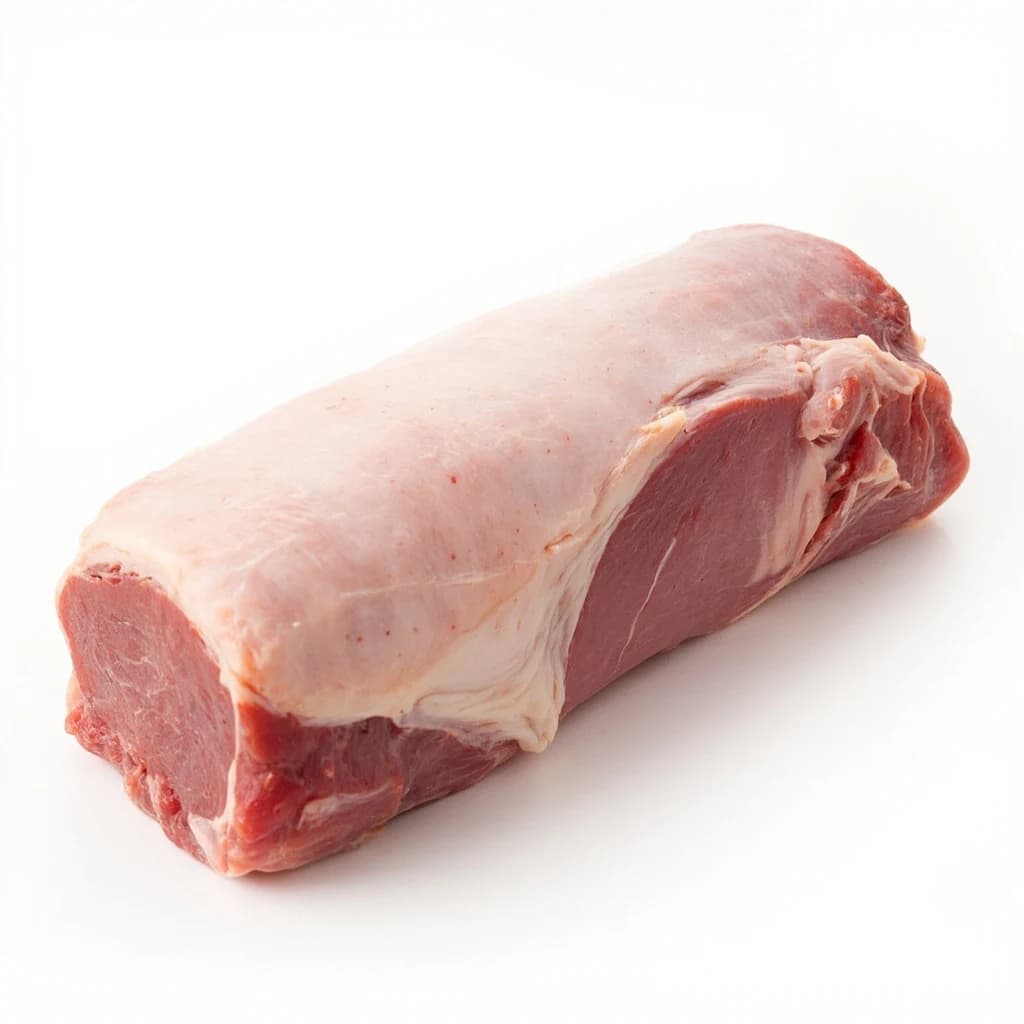
Pork Loin
Lean, tender roasting cut that stays juicy with care
Salmon
Rich, rosy fish that roasts, grills, or cures beautifully

Egg White
Pure protein that whips to airy peaks for meringue and more

Egg Yolk
Rich, golden yolk for custards, mayonnaise, and pasta

Quail Egg
Tiny, speckled eggs for garnishing and elegant bites