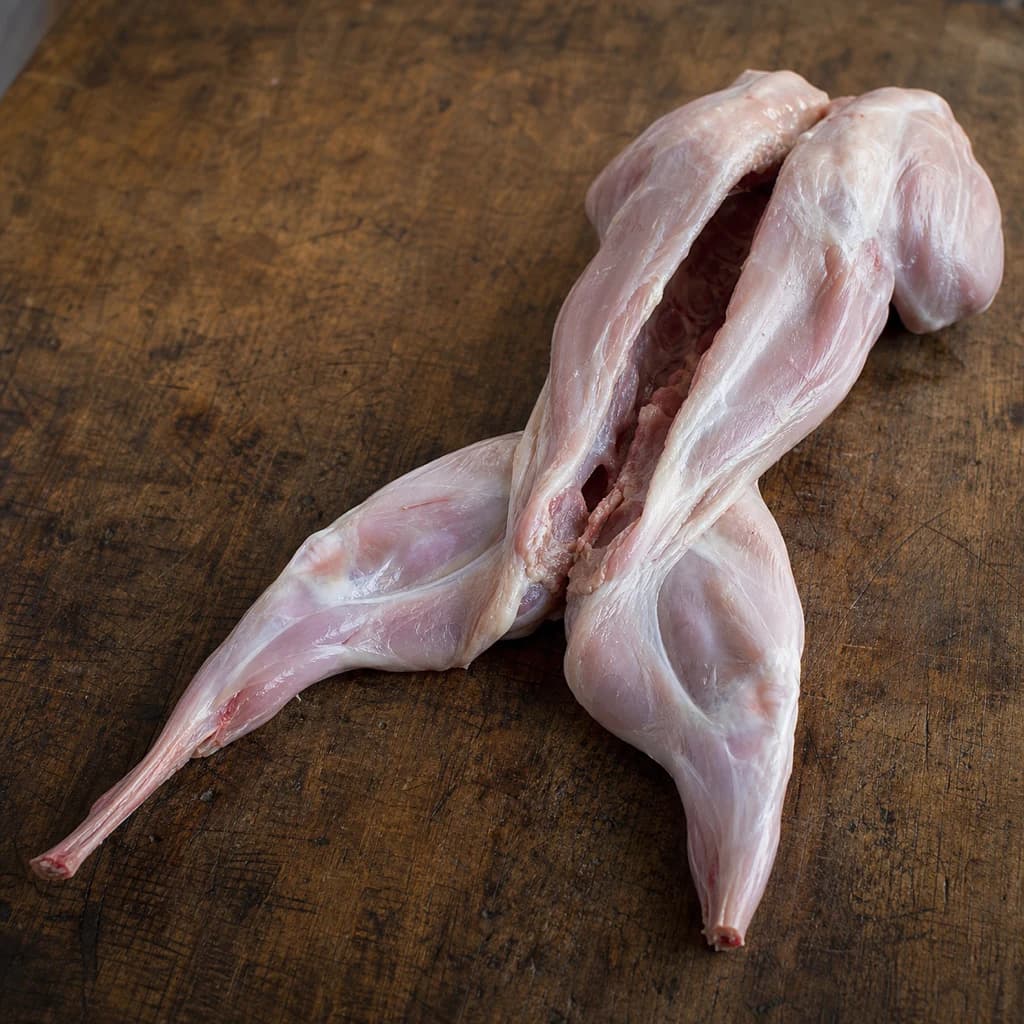
Natural form
A whole fresh rabbit, ready for the kitchen, showing its lean pale flesh.
Shows the reader the whole animal form so they can recognize rabbit at a butcher or market.
Proteins
Rabbit (Conill)
Lean, mild white meat braised, roasted, or stewed in rustic country dishes.
Rabbit is a lean, tender white meat with a mild flavor similar to chicken but slightly earthier. It is braised in wine, stewed, or roasted across Spanish, French, and Italian country cooking, and is essential to dishes like paella and cacciatore. Its low fat means it benefits from slow, moist cooking to stay succulent.
Rabbit is a versatile game meat with deep roots in Mediterranean and southwestern French country cooking, particularly beloved in Catalan cuisine where it appears under the name conill in preparations ranging from simple roasts to elaborate festive dishes. The meat presents a unique culinary challenge: its exceptionally low fat content—among the leanest of all meats at roughly 3–5%—makes it unforgiving of overcooking yet rewards careful attention with a delicate, protein-dense centerpiece that holds its shape in long braises while absorbing complex flavors from wine, aromatics, and herbs. Its flavor profile sits between chicken and more assertive game meats: mildly sweet with subtle gaminess, denser and more flavorful than poultry, making it a prized ingredient in rustic traditions where simplicity honors the quality of the primary ingredient.
Behaviorally, rabbit meat cooks similarly to pork shoulder in that connective tissue melts readily in moist heat, yielding fork-tender results, but it lacks the fat buffer that protects leaner cuts from drying. This means rabbit demands attentive cooking—monitoring internal temperature precisely, using adequate fat in the cooking medium, and allowing adequate resting time. The meat's cellular structure also responds well to marination, which plumps and tenderizes, especially with wild specimens that carry more pronounced game character and require intervention to soften their denser muscle fibers.
Sourcing matters considerably: look for rabbit with firm, pinkish flesh and avoid any with a strong, gamey odor indicating advanced age. Whole rabbits typically arrive either saddle-attached or separated into front saddle, hind legs, and loin pieces. For traditional Catalan preparations requesting cut rabbit, expect 8–10 serving pieces; always ask your butcher to retain the liver and kidneys—they are the cook's treasure for sauces and stuffings.
- Measured in
- g
- Storage
- Fridge
Types & varieties
Smaller, darker meat with more muscular texture and pronounced game flavor. Requires longer, slower cooking or extended marinating to tenderize.
Larger, paler meat with milder flavor and superior tenderness. Accepts a wider range of cooking methods including quick searing.
Under 6 months of age; exceptionally tender throughout, can be roasted whole with minimal preparation beyond seasoning.
Traditionally raised in covered hutches or abbey farms, fed on garden scraps and greens. Produces flavorful, lean meat with good color.
Butchery and Cutting
Understanding rabbit anatomy helps you request the right cuts or break down a whole carcass efficiently. The front saddle (including shoulders) is suited for quick cooking or ground meat. The loin yields the most elegant pieces—boned for rolling or sliced into cutlets. The hind legs are the most muscular and benefit from long, slow cooking. A whole rabbit breaks into 8–10 serving pieces: front legs, front saddle, two loins (often left attached to the saddle), and two hind legs. For braising, request the pieces through the saddle with ribs attached; this adds collagen and flavor to the cooking liquid.
- Front saddle: best for braising whole or grinding
- Loin: boned and rolled for elegant presentations, or left on the bone as cutlets
- Hind legs: ideal for grilling, roasting, or braising; most flavorful pieces
- Shoulders: workhorse cuts for stews and ragouts where structure matters less
- Liver, kidneys, heart: save for sauces, stuffings, or separately pan-fry as garnish
Marinades and Tenderizing
Marinades serve multiple purposes with rabbit: adding flavor, tenderizing via acid and enzymes, and reducing the intensity of gameiness in wild specimens. The classic approach uses wine—red for robust preparations, white or rosé for lighter dishes—combined with aromatics, olive oil, and acid. Enzyme-rich ingredients like papaya or pineapple should be used sparingly and for limited time (2–4 hours maximum) to avoid mushy texture. For wild rabbit, plan 4–12 hours of marinating; farm-raised rabbit needs only 1–2 hours to absorb flavor without the tenderizing requirement.
- Wine-based marinade: red for hearty braises, white or rosé for lighter preparations
- Add crushed garlic and whole peppercorns directly to the marinade
- Acid content should be moderate—lemon juice, wine, or vinegar—to avoid denaturing surface proteins too aggressively
- Enzyme tenderizers (papaya, pineapple) require brief marinating; 2–4 hours maximum
- Pat pieces completely dry after marinating before searing to ensure proper browning
Common uses
Tips & pitfalls
- Bring rabbit to room temperature 30–45 minutes before cooking to ensure even cooking throughout the meat
- Always pat pieces dry before searing to achieve proper browning rather than steaming in released moisture
- Brown rabbit in batches over medium-high heat without crowding; the Maillard reaction builds the foundation of the final sauce or braising liquid
- Use a combination of fats for braising: mix lard or bacon fat with olive oil for both flavor and heat stability
- Add acidic elements (wine, tomatoes, vinegar) early in the braising process to help break down connective tissue
- Rest braised or roasted rabbit 10–15 minutes before carving to allow juices to redistribute throughout the meat
- Wild rabbit benefits from marinating 4–12 hours in wine, herbs, and aromatics before cooking to tenderize and reduce gameiness
- Do not overcook: rabbit is done at 160°F (71°C) internal temperature; carryover cooking will bring it to 165°F (74°C)
- Save the liver, kidneys, and heart for sauces, stuffings, or separately pan-frying as a garnish—these are considered delicacies
- Avoid cooking wild rabbit at high dry heat without marinating; the lean meat will tighten and toughen rapidly
- Never boil rabbit rapidly; this squeezes out juices and creates a dry, tight texture regardless of final internal temperature
Nutrition
Energy
477 kJ · per 100 g
Where the calories come from
Protein
21.8g
44% DV
Carbs
0g
0% DV
Fat
2.3g
3% DV
Fiber
0g
0% DV
Sodium
50mg
2% DV
Source · USDA FoodData Central · approx. Game meat, rabbit, wild, raw
View on FDC →In the shops
Matched grocery products
No matched grocery products for Rabbit (Conill) yet.
Good to know
- Type
- Lean white game meat from domestic or wild rabbit (Oryctolagus cuniculus)
- Flavor
- Mild, slightly sweet with subtle gaminess; denser and more flavorful than chicken
- Fat Content
- Very low; approximately 3–5%, making it one of the leanest meats available
- Protein
- High; approximately 20–25g per 100g serving
- Typical Dressed Weight
- 2–4 lbs (0.9–1.8 kg) whole carcass ready to cook
- Yield
- Approximately 50–55% of live weight becomes edible meat after butchering
- Best Season
- Wild rabbit: autumn through late winter; farm-raised available year-round
- Shelf Life
- Refrigerate and use within 1–2 days; freeze up to 3 months at 0°F (-18°C)
- Cooking Difficulty
- Intermediate; requires attention to prevent drying out
- Doneness
- Internal temperature of 160°F (71°C); carryover cooking brings it to 165°F (74°C)
Substitutes
- Chicken — Closest texture; use dark meat for better flavor match. Reduce cooking time by 20–30% as chicken cooks faster than rabbit.
- Pheasant — Excellent substitute for wild rabbit with similar gaminess and lean texture. Cook using identical methods and timing.
- Squab — Darker, richer game bird; works well in braised preparations. Slightly higher fat content provides more forgiveness.
- Veal — Similar mild flavor profile; shoulder or stew meat substitutes well in slow-cooked dishes. May require longer braising.
- Turkey Thigh — Budget-friendly option with comparable leanness; best in stews and braises. More bland than rabbit, so increase seasoning.
Also called
Conill
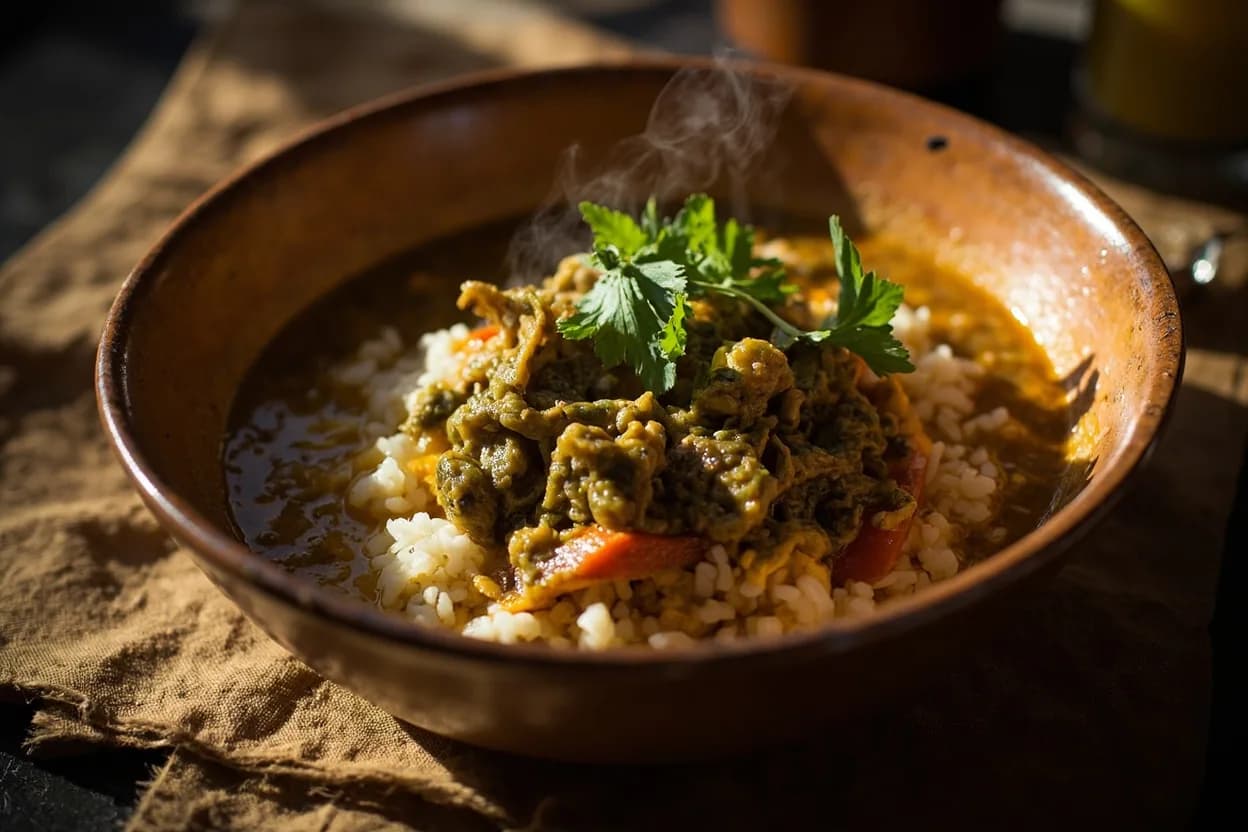
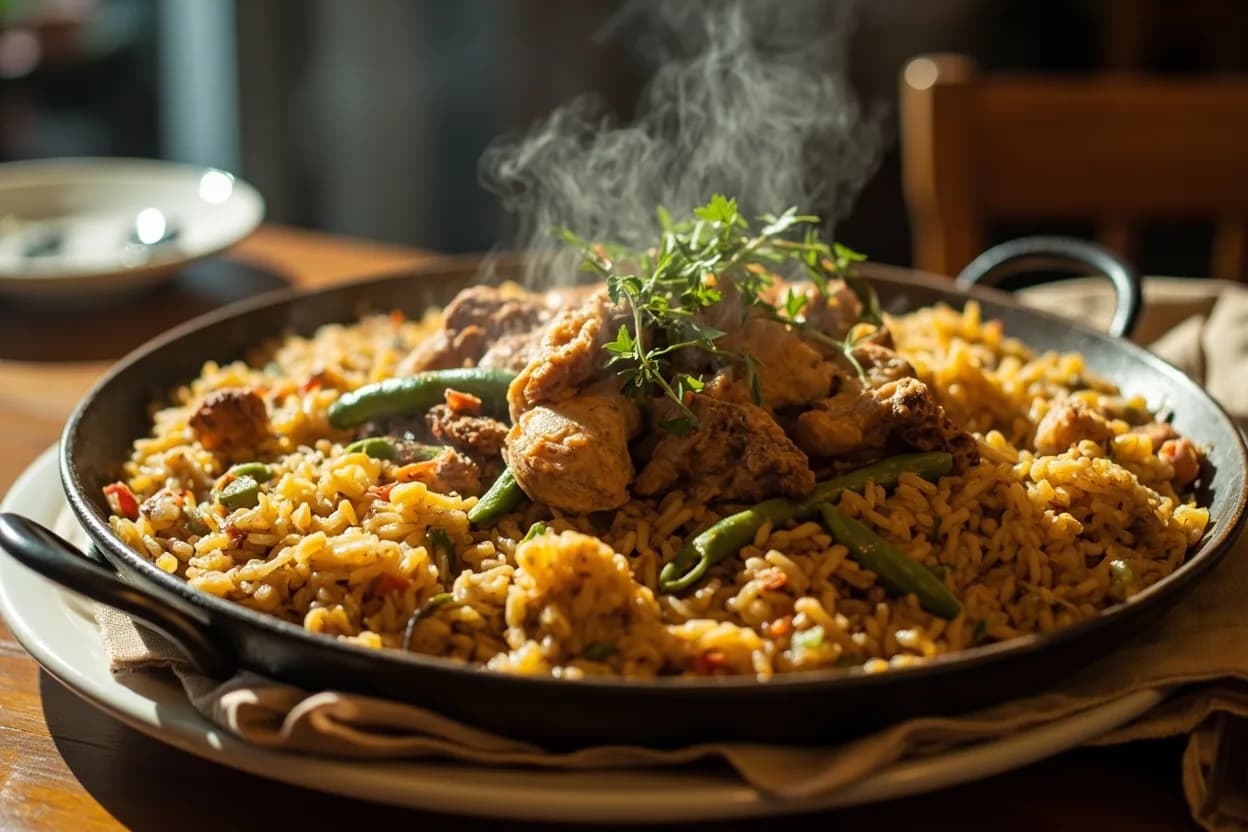
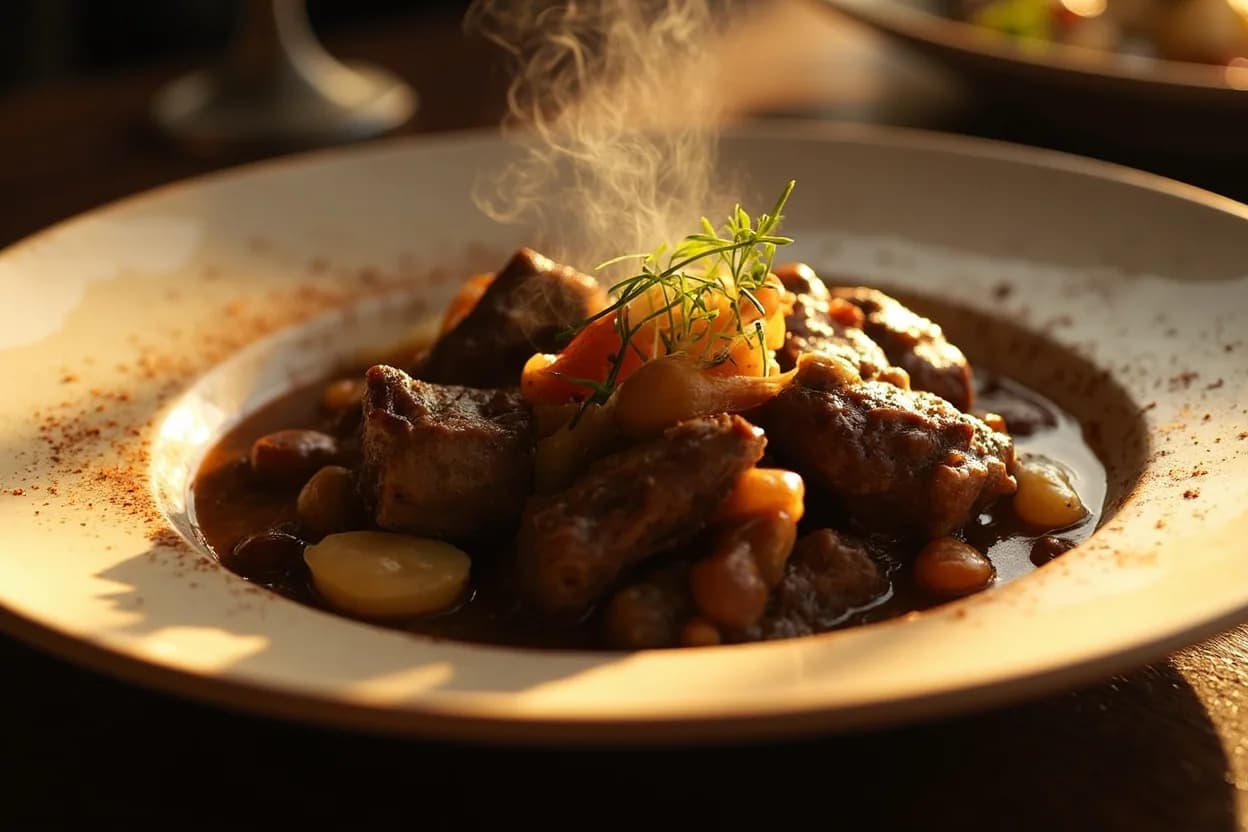
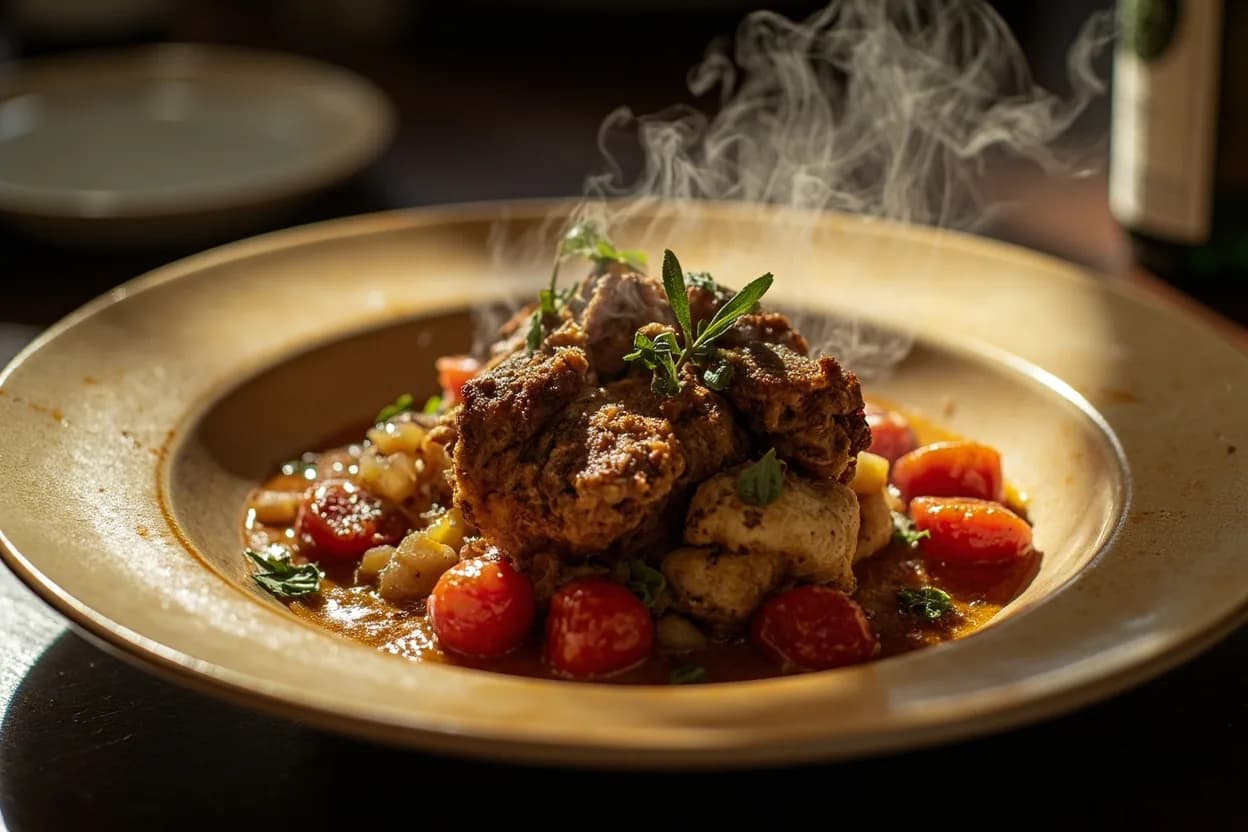
Appears in these dishes
Related
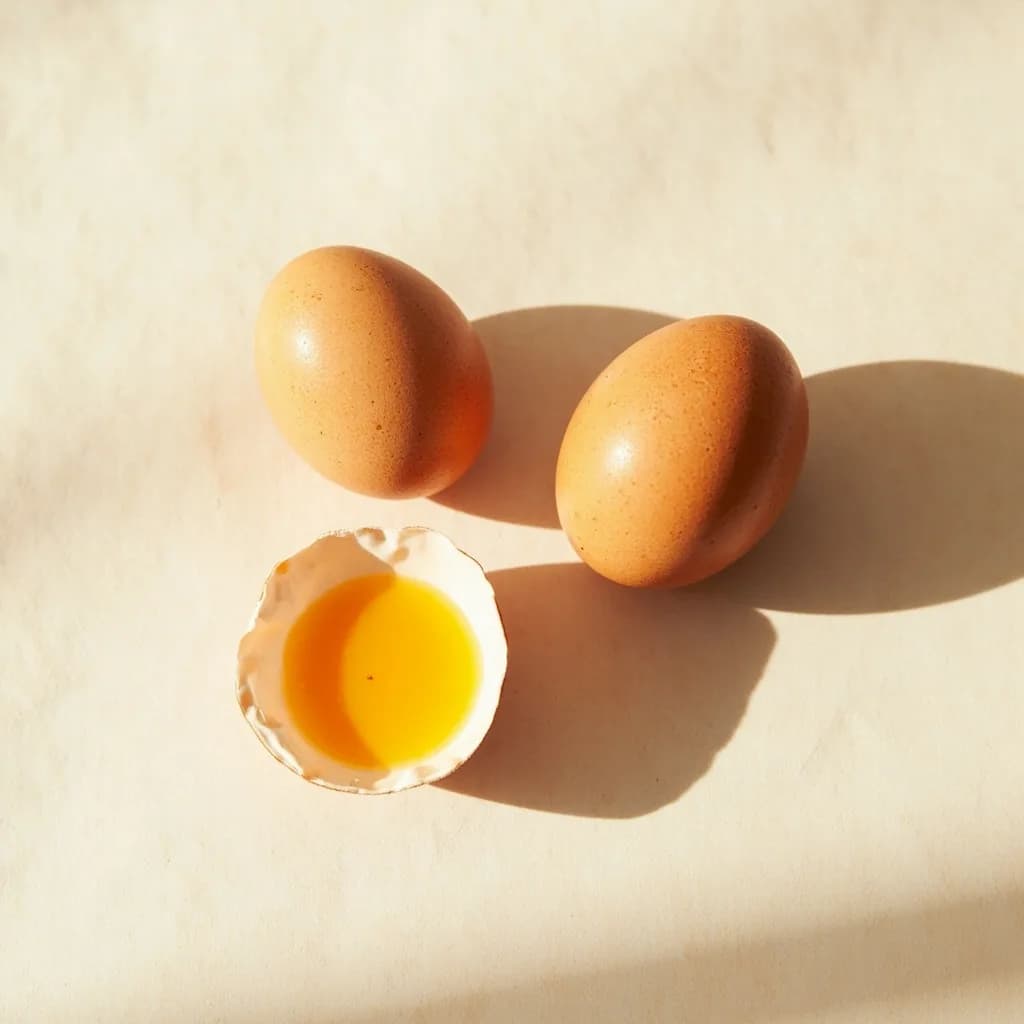
Egg
The kitchen's everything ingredient — bind, leaven, enrich, or fry
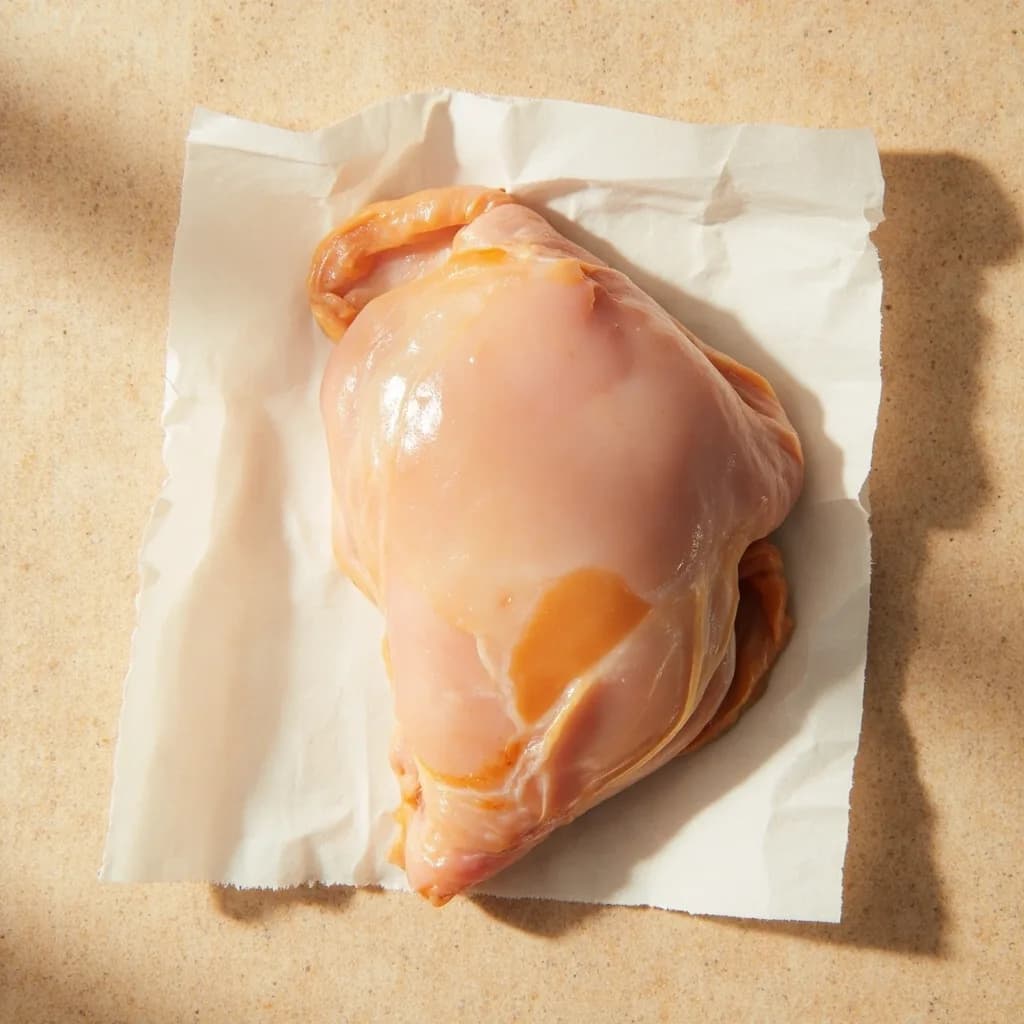
Chicken Breast
Lean, quick-cooking white meat for everyday dinners

Ground Beef
Versatile minced beef for burgers, ragù, tacos, and meatballs
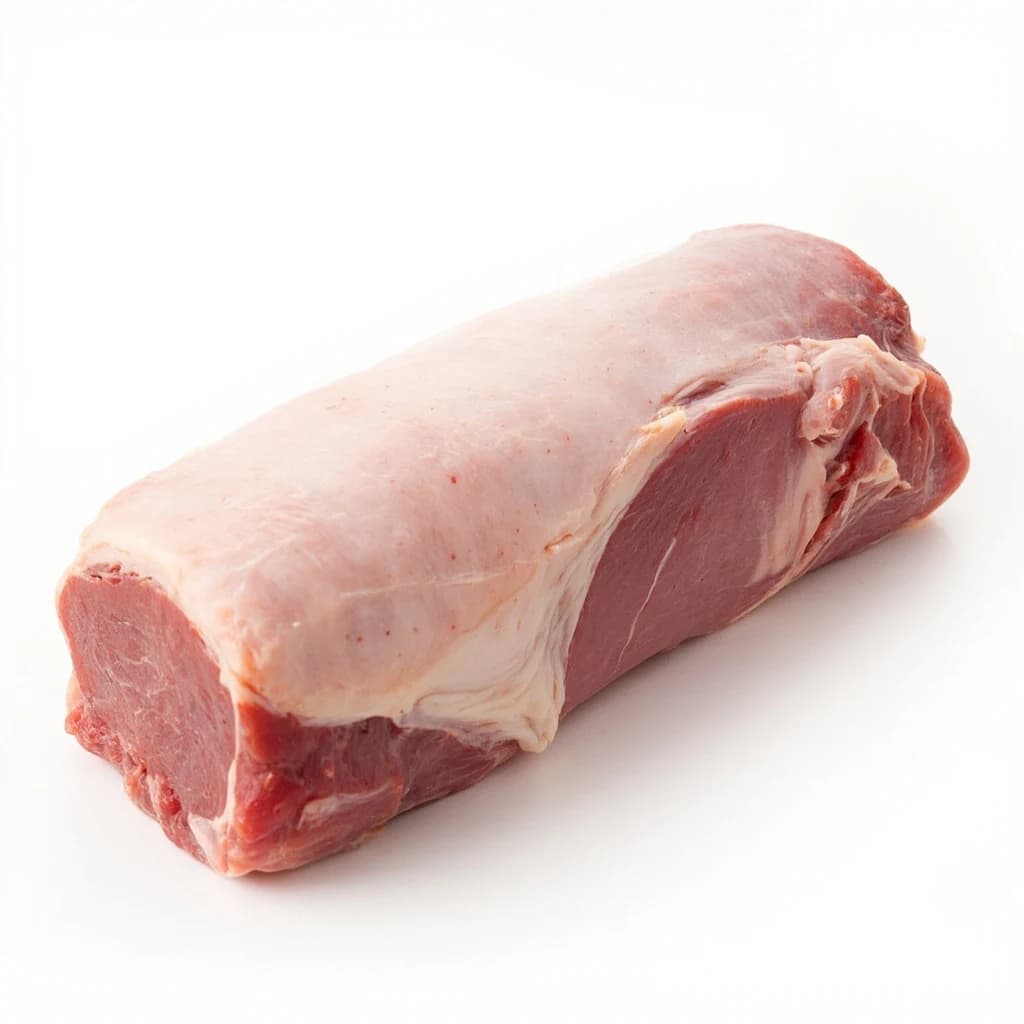
Pork Loin
Lean, tender roasting cut that stays juicy with care
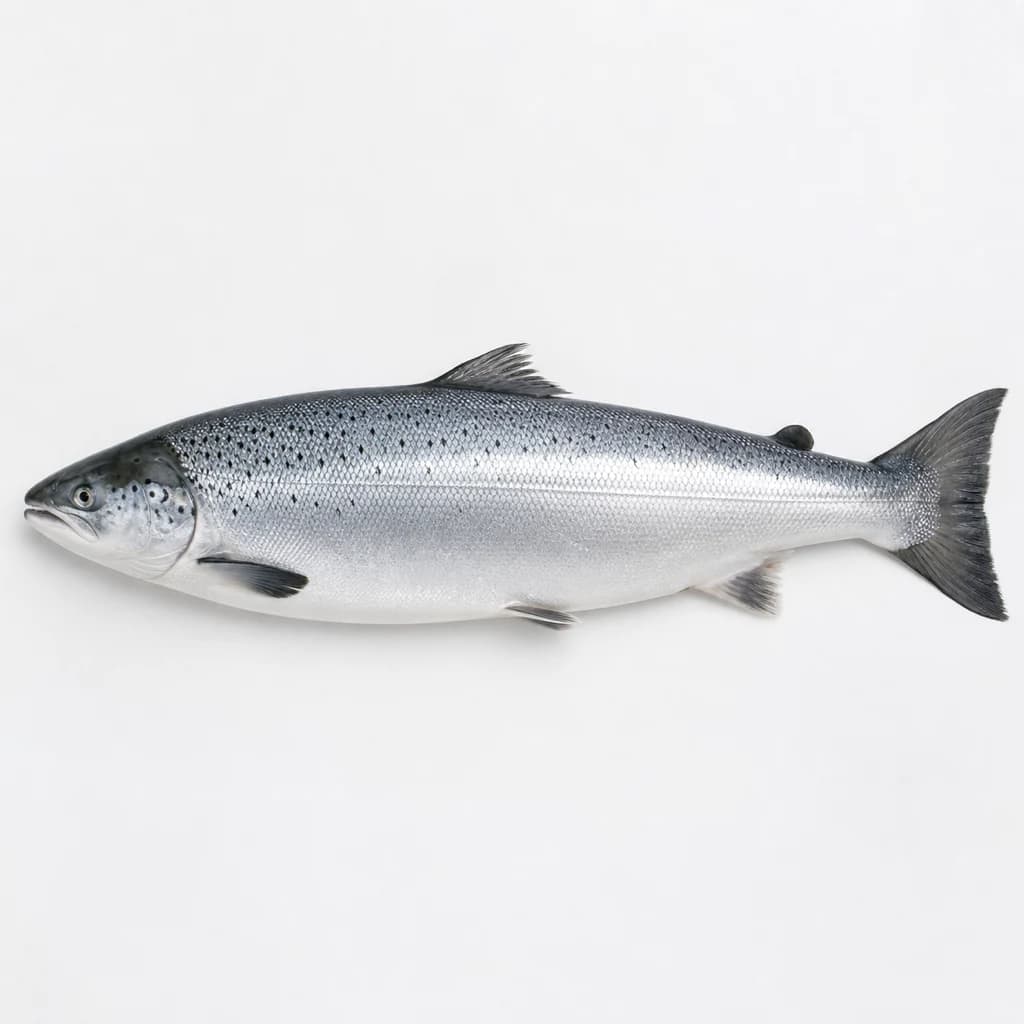
Salmon
Rich, rosy fish that roasts, grills, or cures beautifully

Egg White
Pure protein that whips to airy peaks for meringue and more
Egg Yolk
Rich, golden yolk for custards, mayonnaise, and pasta

Quail Egg
Tiny, speckled eggs for garnishing and elegant bites