Legumes & Beans
Guaje
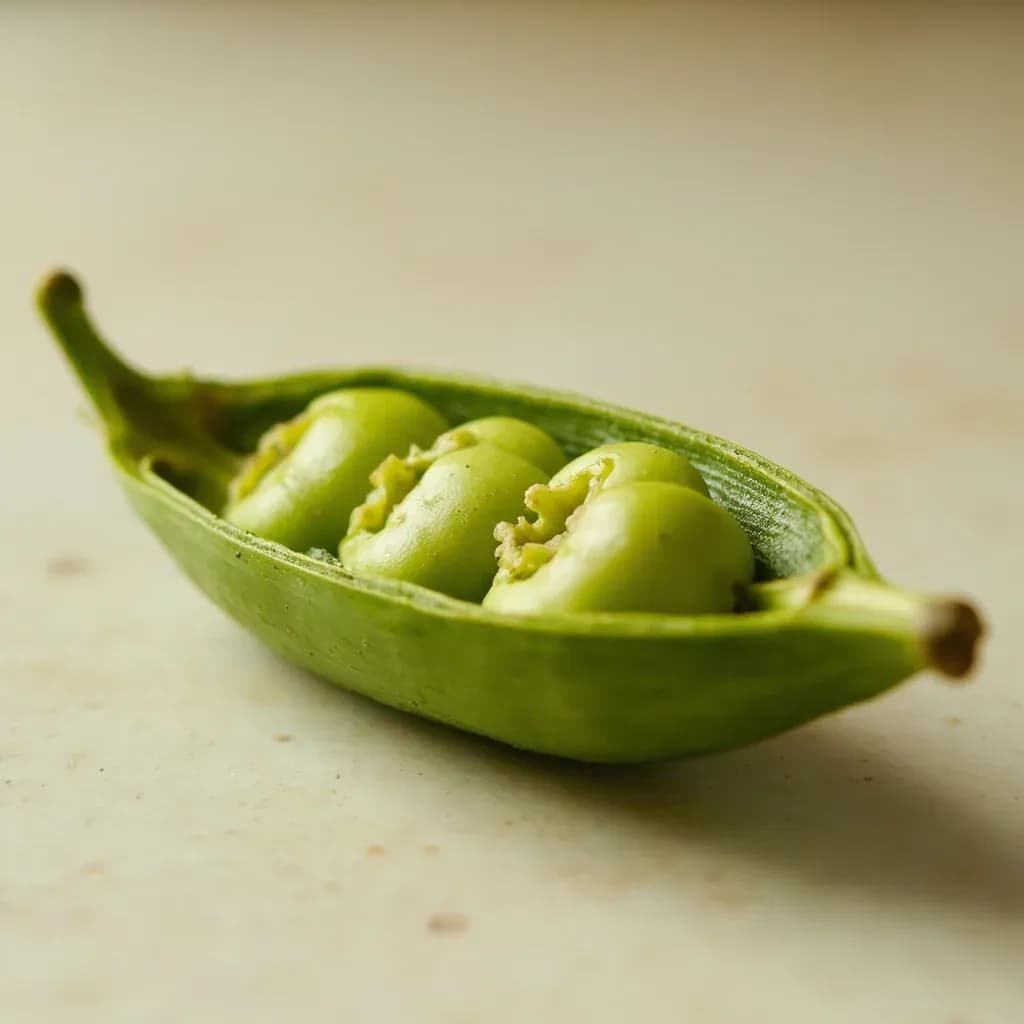
Flat green seeds from Leucaena pods, eaten raw or ground for Mexican guaxmole.
Guaje are the flat green seeds harvested from the long pods of the Leucaena tree, eaten in southern Mexico, especially Oaxaca. The seeds have a fresh, garlicky, slightly sulfurous taste and are eaten raw, toasted, or ground into the sauce guaxmole, and folded into tortillas and stews. They are a traditional, foraged regional legume.
Guaje is the flat, oval green seed harvested from young pods of Leucaena leucocephala, a legume native to Mexico and Central America. The pods—pale green, 15–25 cm long, containing 15–25 seeds each—appear in Mexican markets in late summer; once shelled, the seeds are sold by the handful in plastic bags. Guaje defines the regional avocado sauce called guaxmole in Oaxacan and Guerrero cuisine, but it also serves as a snack, seasoning, and textural element throughout central and southern Mexico.
Raw guaje seeds carry a mildly nutty, faintly bitter flavor with a slightly slimy texture when bitten—bitterness comes from mimosine, a natural compound in the plant. Toasting drives off this compound and transforms the flavor, deepening nuttiness while eliminating the textural issue. Ground raw, the seeds release mucilage that helps emulsify sauces; toasted and ground, they contribute a concentrated, fragrant earthiness. Fresh seeds keep 3–5 days refrigerated; toasted dried seeds hold for several months, though flavor fades within three months.
In traditional Mexican markets, fresh pods signal the season's turn. The tree is fast-growing and sometimes considered invasive outside its native range, but in its native territory it has sustained communities for centuries. When working with guaje, the single most important technique is toasting: done correctly, it unlocks the seed's true character; done poorly, it produces acrid bitterness that ruins dishes. The molcajete remains the traditional grinding vessel, but a sturdy mortar or food processor works adequately—the key is achieving a consistent grind that distributes the seeds' flavor evenly through sauces or doughs.
- Measured in
- g
- Storage
- Fridge
Types & varieties
Primary culinary variety; most common in Mexican markets. Compact growth, rapid maturation.
Red-seeded variant occasionally found in Oaxaca markets. Slightly sweeter than the standard green variety.
Native to northern Mexico; less common commercially. Smaller seeds, used locally in regional preparations.
Common uses
Tips & pitfalls
- Select pods that are bright green and firm; avoid any with yellowing or visible drying, as the seeds inside will be tough and bitter
- When harvesting from trees, test pods by bending them—pick when they snap cleanly; overripe pods yield hard, off-flavored seeds
- Toast seeds dry in a heavy skillet over medium heat for 3–4 minutes, stirring constantly, until fragrant and lightly browned; resist adding oil
- For guaxmole, grind toasted guaje in the molcajete first to bloom the flavor before adding avocado—the mucilage helps create a smooth, cohesive sauce
- Ground toasted guaje at a ratio of 1–2 tablespoons per avocado to start; the flavor concentrates quickly and can overwhelm the dish
- Raw seeds have a slightly slimy texture when bitten; toasting eliminates this entirely and deepens the flavor profile
- Common mistake: over-toasting seeds until blackened or smoking—this produces acrid bitterness rather than nuttiness; remove from heat as soon as you smell fragrance
- Store toasted dried seeds in a sealed container away from heat and light; flavor deteriorates noticeably after three months
Nutrition
Energy
372 kJ · per 100 g
Where the calories come from
Protein
4.1g
8% DV
Carbs
17.3g
6% DV
Fat
0.5g
1% DV
Sodium
1mg
0% DV
Source · USDA FoodData Central · approx. Seeds, lotus seeds, raw
View on FDC →In the shops
Matched grocery products
No matched grocery products for Guaje yet.
Good to know
- Scientific name
- Leucaena leucocephala
- Family
- Fabaceae (Leguminosae)
- Origin
- Mexico and Central America
- Plant part used
- Seeds from young green pods (15–25 cm long)
- Seed characteristics
- Flat, oval, bright green when fresh; 6–8 mm long
- Flavor (raw)
- Mildly nutty, faintly bitter; slimy texture
- Flavor (toasted)
- Pronounced nuttiness, bitterness reduced
- Peak season
- Late summer to early fall for fresh pods; dried seeds year-round
- Shelf life (fresh)
- 3–5 days refrigerated
- Shelf life (dried/toasted)
- Several months; best within 3 months
Substitutes
- Pumpkin seeds (pepitas) — Nearest flavor proxy; toast and grind. Lacks guaje's slight bitterness and mucilage, but works in green sauces.
- Sunflower seeds — Milder; best when toasted until deeply golden for body. Use in similar proportion as guaje.
- Sesame seeds — Completely different flavor but provides similar textural role when ground into sauces.
- Young fava beans (raw, blanched) — Closest texture; blanch briefly. More pronounced bean flavor; use sparingly.
Pairs with
Also called
Leucaena Pods · Huaje · River Tamarind Seed
Related
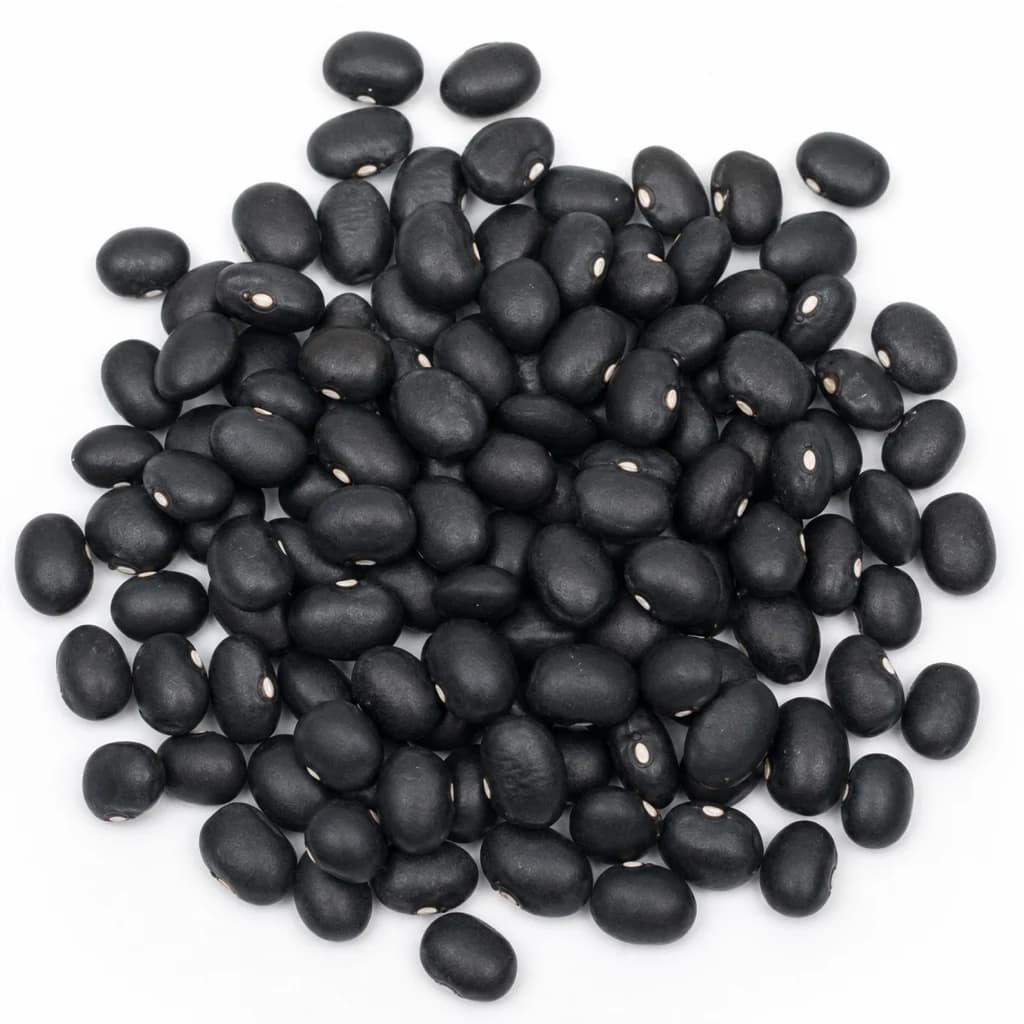
Black Beans
Earthy, creamy beans for bowls, soups, and tacos
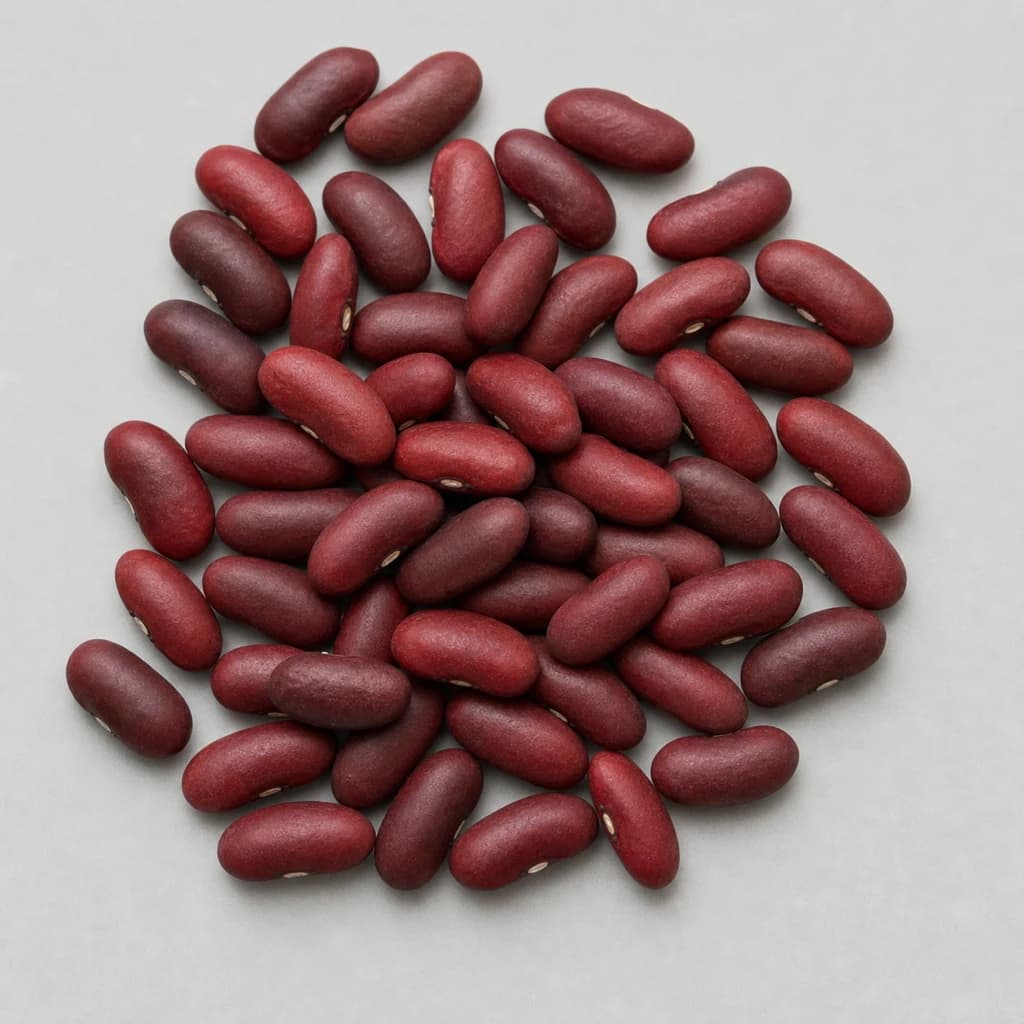
Kidney Beans
Hearty red beans that hold their shape in chili and stews
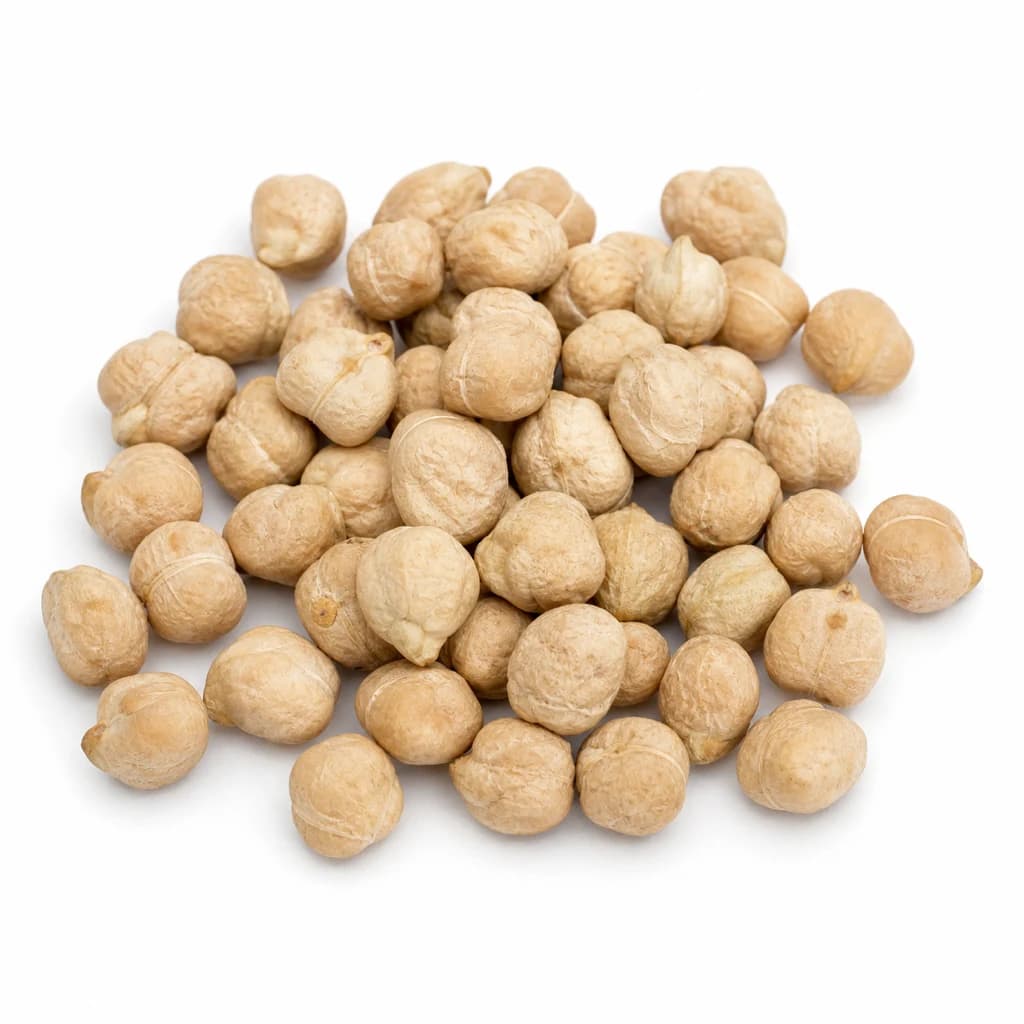
Chickpeas
Nutty, versatile beans for hummus, curries, and roasting
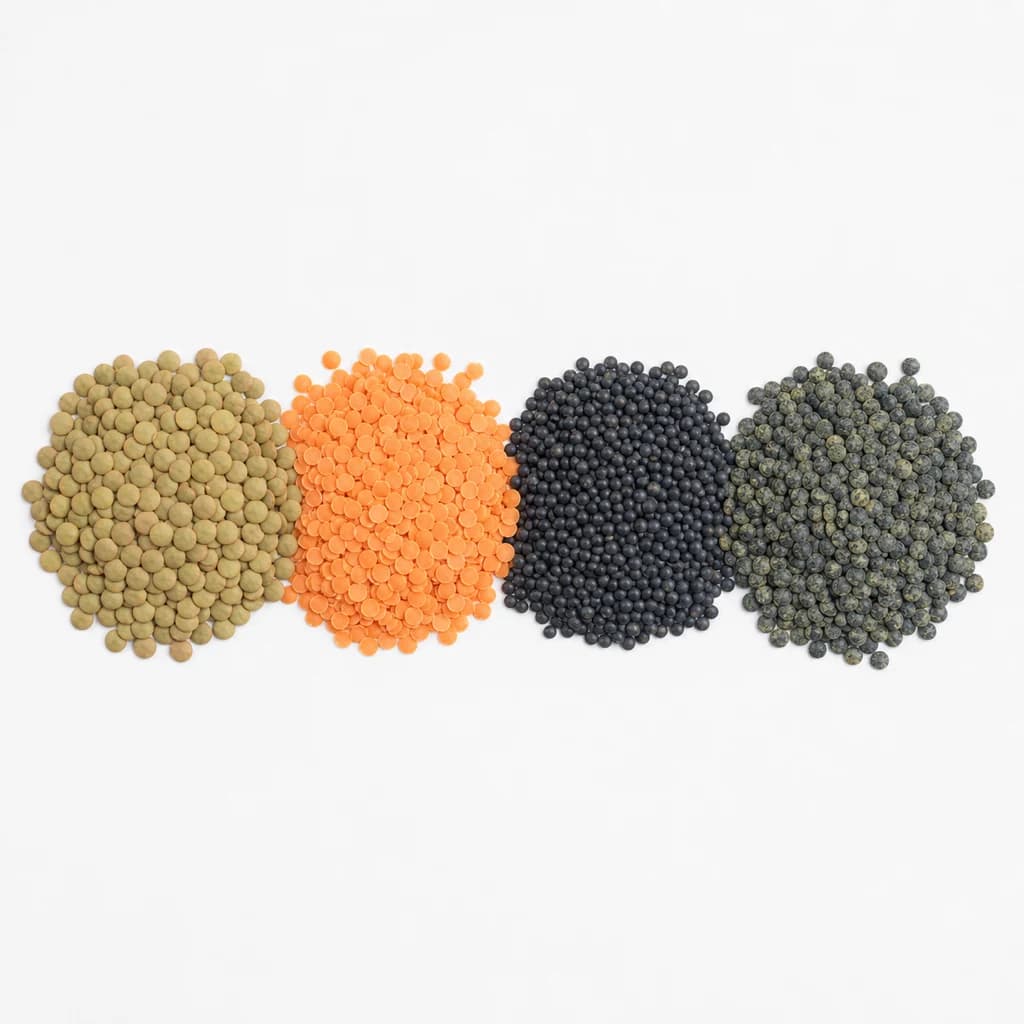
Lentils
Quick-cooking pulses for soups, dals, and hearty salads

White Beans
Creamy, mild beans for soups, stews, and silky purées
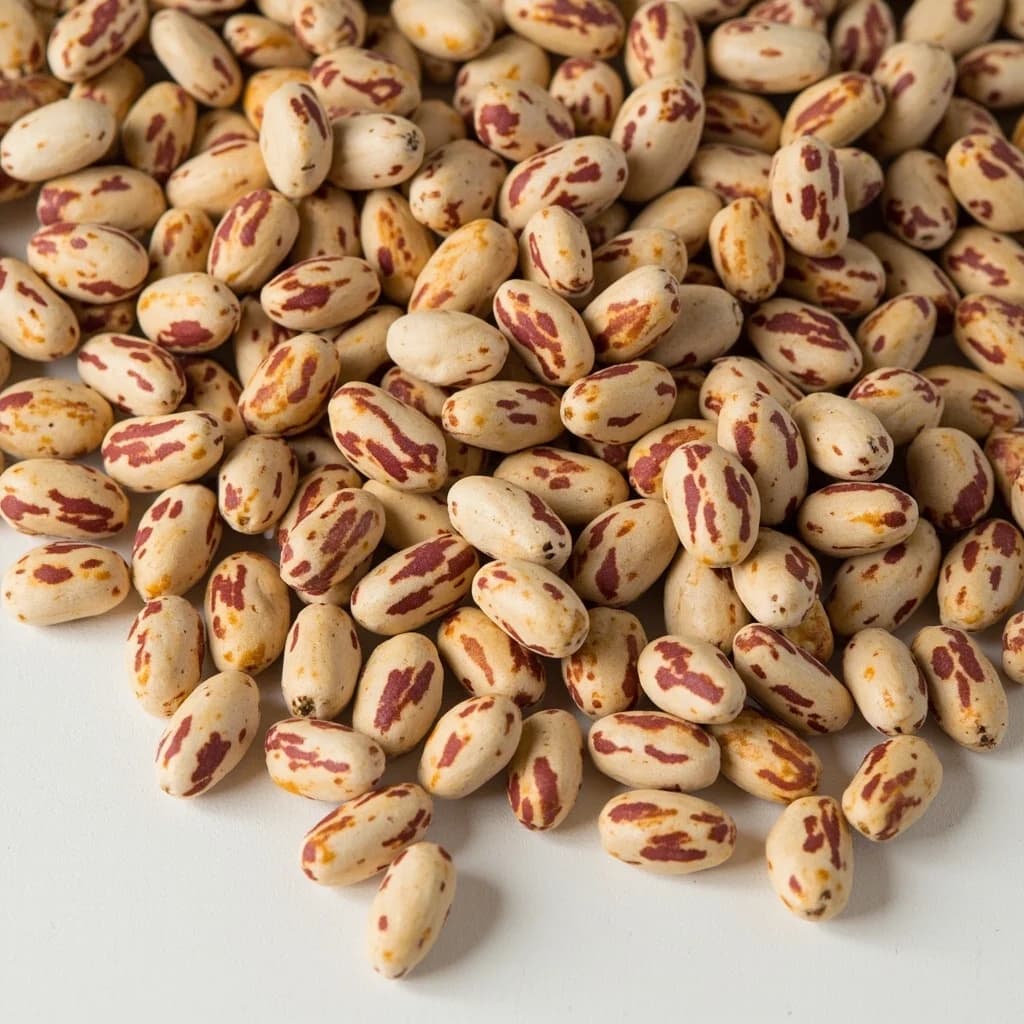
Pinto Beans
Creamy, speckled beans for refried beans and stews

Split Peas
Quick-cooking peas that melt into thick, comforting soups
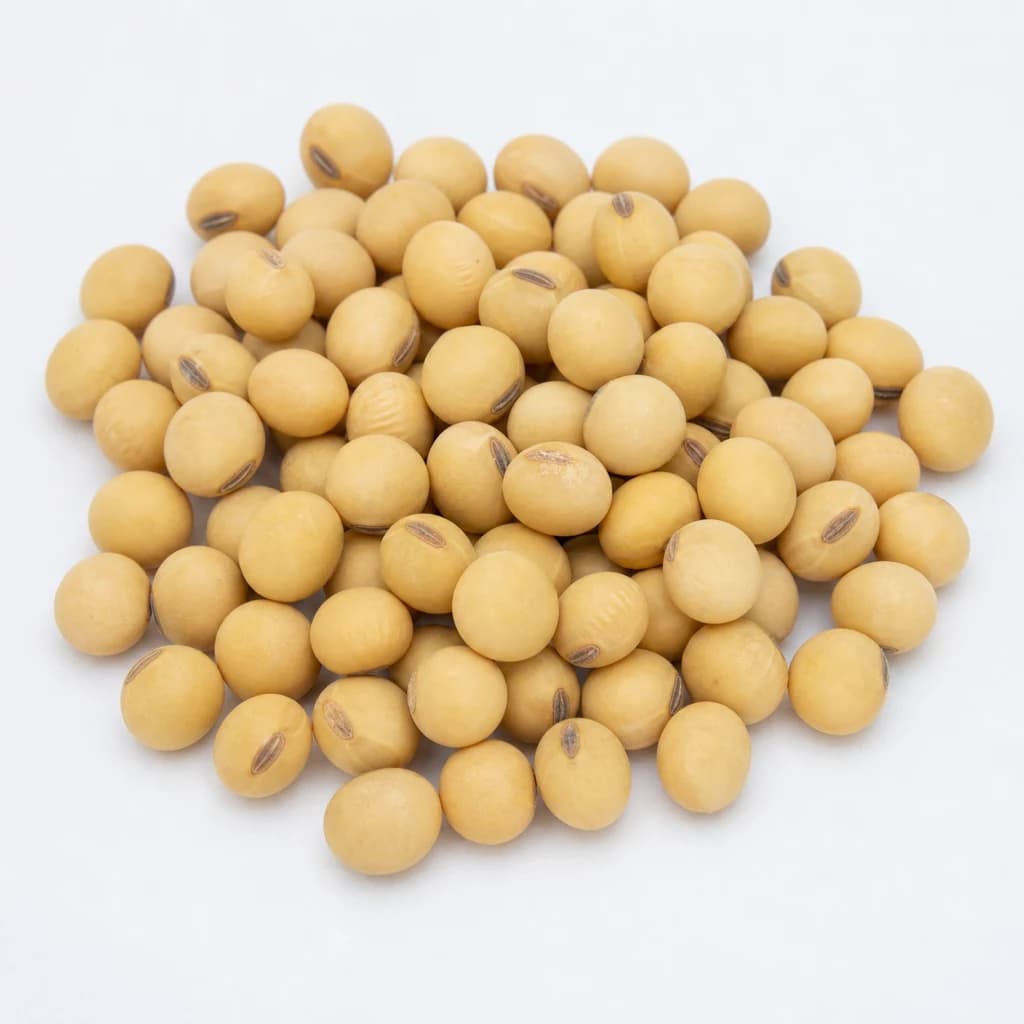
Soybeans
Protein-packed beans, the base for tofu and miso