
Natural form
Fresh serrano peppers showing their slender shape and vivid green skin.
Shows the reader the exact size, color, and form of an uncut serrano so they can identify it at a market.
Produce
Serrano Pepper
Small, hot, crisp green Mexican chili used fresh in salsas and guacamole.
The serrano pepper is a small slender chili from the Mexican highlands, hotter than a jalapeño with a bright, grassy heat. It is used fresh and raw in salsas, guacamole and pico de gallo, or roasted and blended into sauces. Maturing serranos turn from green to red and grow slightly sweeter.
The serrano pepper is a small, thin-walled Capsicum annuum variety native to the Sierra Mountains of Mexico — the name itself means 'from the sierras.' Unlike jalapeños, which have been bred toward uniformity and milder heat in commercial production, serranos retain significant genetic variability: two peppers from the same plant can differ substantially in pungency, giving experienced cooks a range of heat levels to work with and creating the pepper's reputation for delivering genuine, bright heat without overwhelming fresh preparations. The serrano's crisp texture and vegetal snap make it particularly suited to raw applications; its thin walls absorb marinades quickly and char easily over direct heat, while its flavor holds up better than jalapeños in uncooked salsas and condiments. In Mexican home cooking and professional kitchens alike, the serrano functions as the default fresh chili for cooks who want real heat with complexity, bridging the gap between the accessible jalapeño and the more aggressive bird's eye or cayenne.
- Measured in
- piece
- Storage
- Fridge
Types & varieties
Unripe state; most common; bright, sharp heat; firm texture ideal for fresh applications like salsa verde and guacamole
Fully ripened green serranos; sweeter with a more developed, rounded flavor; heat comparable to or slightly greater than green; excellent for fresh red salsas and sauces
Less common; mild heat with a fruity, almost citrusy note; often used in Mexican botanas (snacks)
A hybrid cross between serrano and another Capsicum annuum variety; slightly larger, darker green, and marginally hotter; developed for commercial cultivation
Understanding Heat Distribution
The capsaicinoids that create the sensation of heat are not distributed evenly through a serrano pepper. The placental tissue — the white ribs and the seed cluster they cradle — contains the overwhelming majority of the pepper's pungency. The flesh itself contributes far less heat. This anatomical fact is the key to controlling heat precisely in any dish: whether you want the full punch or a more subtle background warmth, the difference is entirely in how much of that placental tissue you include. Even a single pepper can provide both levels of heat when you use the flesh for milder applications and the ribs and seeds for maximum impact, making the serrano unusually versatile within a single ingredient.
Common uses
Tips & pitfalls
- Toast before seeding if you want a more complex, less raw flavor — place whole peppers directly over a gas flame or in a dry cast-iron skillet, turning until charred in spots, about 1–2 minutes per side.
- To control heat precisely, slice the pepper lengthwise and scrape out the white ribs and all seeds with a paring knife; the flesh alone contributes minimal heat.
- Do not seed and dice while wearing contacts — wash hands thoroughly with dish soap and cold water after handling; avoid touching eyes or sensitive skin.
- For a cleaner, brighter heat in raw preparations, briefly blanch whole serranos in boiling water for 30 seconds, then transfer to ice water; the skins slip off easily and the pepper mellows slightly.
- When substituting for jalapeños, use about half the volume to approximate heat; the exact ratio varies by individual pepper.
- Do not store fresh serranos in sealed plastic bags — moisture accelerates mold; a paper bag in the refrigerator crisper drawer is the standard method.
- If a recipe calls for serranos and you want to mellow the flavor, roast and peel them; the char adds sweetness while removing the thin skin reduces some volatile aromatics.
- Taste a small piece of each pepper before adding to a dish — heat variability means you cannot rely on appearance alone to judge intensity.
Nutrition
Energy
134 kJ · per 100 g
Where the calories come from
Protein
1.7g
3% DV
Carbs
6.7g
2% DV
Fat
0.4g
1% DV
Fiber
3.7g
13% DV
Sugars
3.8g
of which
Sodium
10mg
0% DV
Source · USDA FoodData Central · Peppers, serrano, raw
View on FDC →In the shops
Matched grocery products
No matched grocery products for Serrano Pepper yet.
Good to know
- Heat Range
- 6,000–23,000 Scoville Heat Units (SHU), placing it between the milder jalapeño and the hotter cayenne
- Origin
- Sierra Mountains of Mexico; now grown throughout Mexico and in the United States (primarily California and Texas)
- Physical Description
- Small, thin-walled chili, typically 1–2 inches long and ½ inch wide; cylindrical with a blunt tip; bright green when unripe, ripening to red, orange, yellow, or brown
- Flavor Profile
- Sharp, bright, vegetal heat with a crisp snap; more complex and fruity than jalapeños; less smoky than dried chiles
- Peak Season
- Year-round in commercial production; freshest from May through October from U.S. farms
- Shelf Life
- Refrigerated, unwashed in a paper bag: 2–3 weeks; texture and heat decline noticeably after that
- Pungency Variability
- Heat varies significantly even within a single pepper; the placental tissue (ribs and seeds) contains the bulk of capsaicinoids
- Pairing Principle
- Balance capsaicin with acid (lime juice, vinegar), fat (oil, avocado, sour cream), and sugar (fruit, honey) to modulate perceived heat
Substitutes
- Jalapeño — Milder substitute; use roughly double the quantity by volume to approximate heat; lacks the serrano's sharp, crisp character
- Bird's Eye Chili — Smaller, thinner-fleshed, and slightly hotter; a close heat proxy but different flavor profile; common in Thai and Vietnamese cuisines
- Thai Bird's Eye + Lime Zest — Combine for a more complete flavor substitution when serranos are unavailable; the citrus brightness partially replicates the pepper's vegetal snap
- Cayenne (dried and ground) — Use sparingly; provides heat but not the fresh, crisp texture or bright vegetal notes; unsuitable for raw applications
Pairs with
Also called
Chile Serrano · Serrano Chile
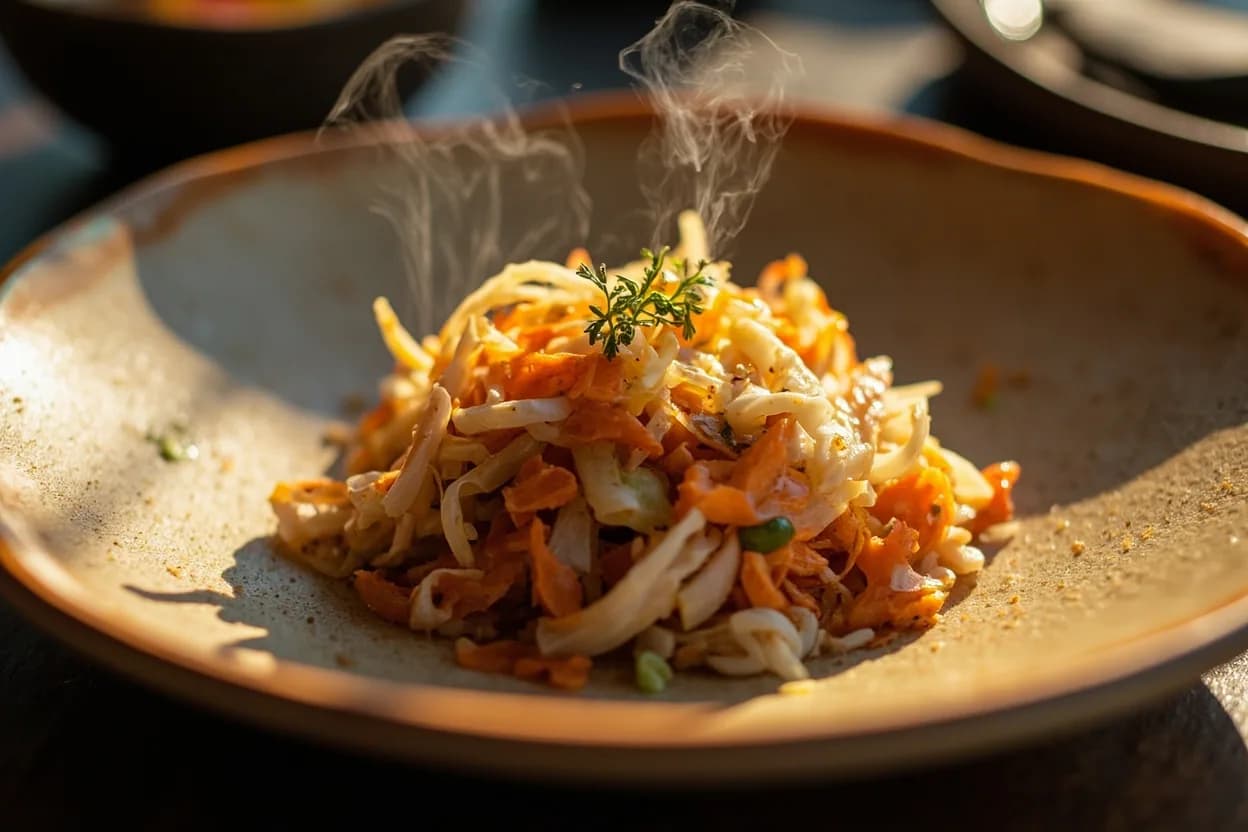
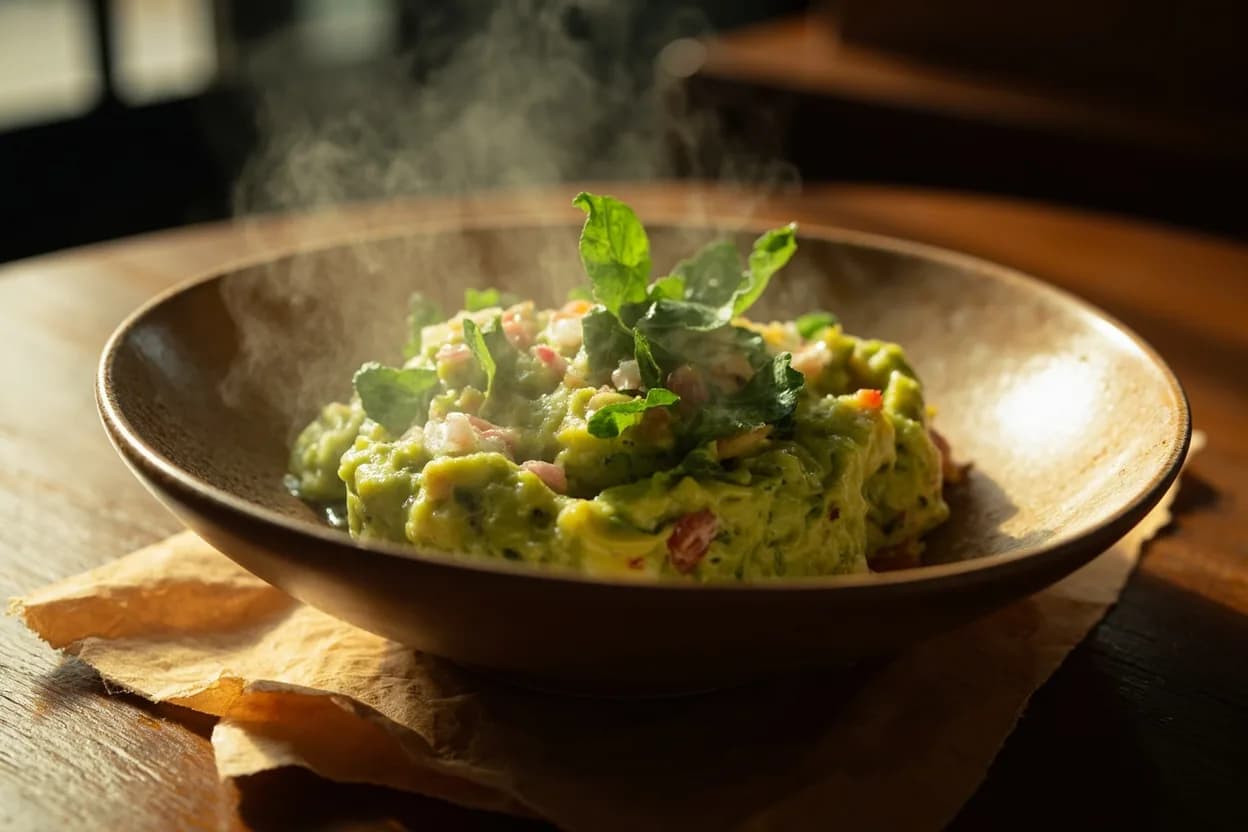
Appears in these dishes
Related
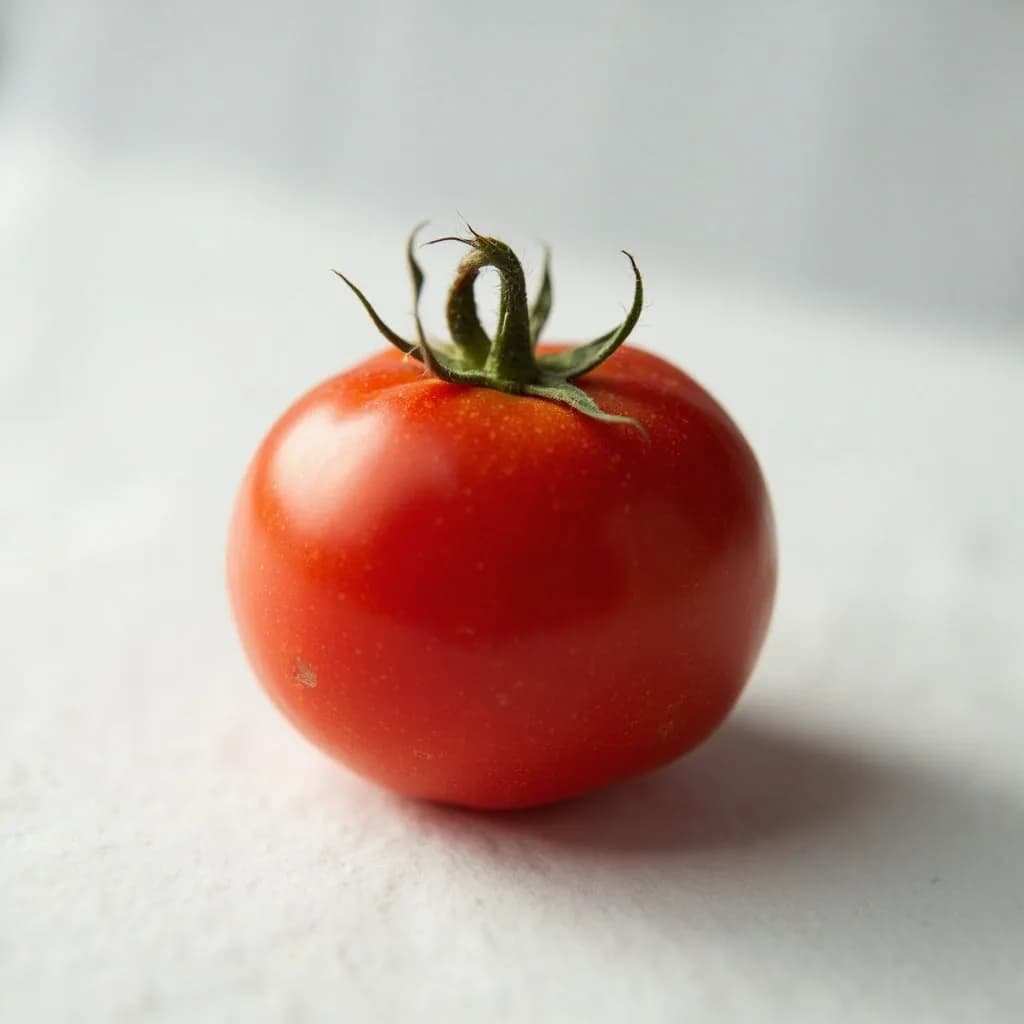
Tomato
Juicy, sun-sweet fruit for sauces, salads, and slow-cooked depth
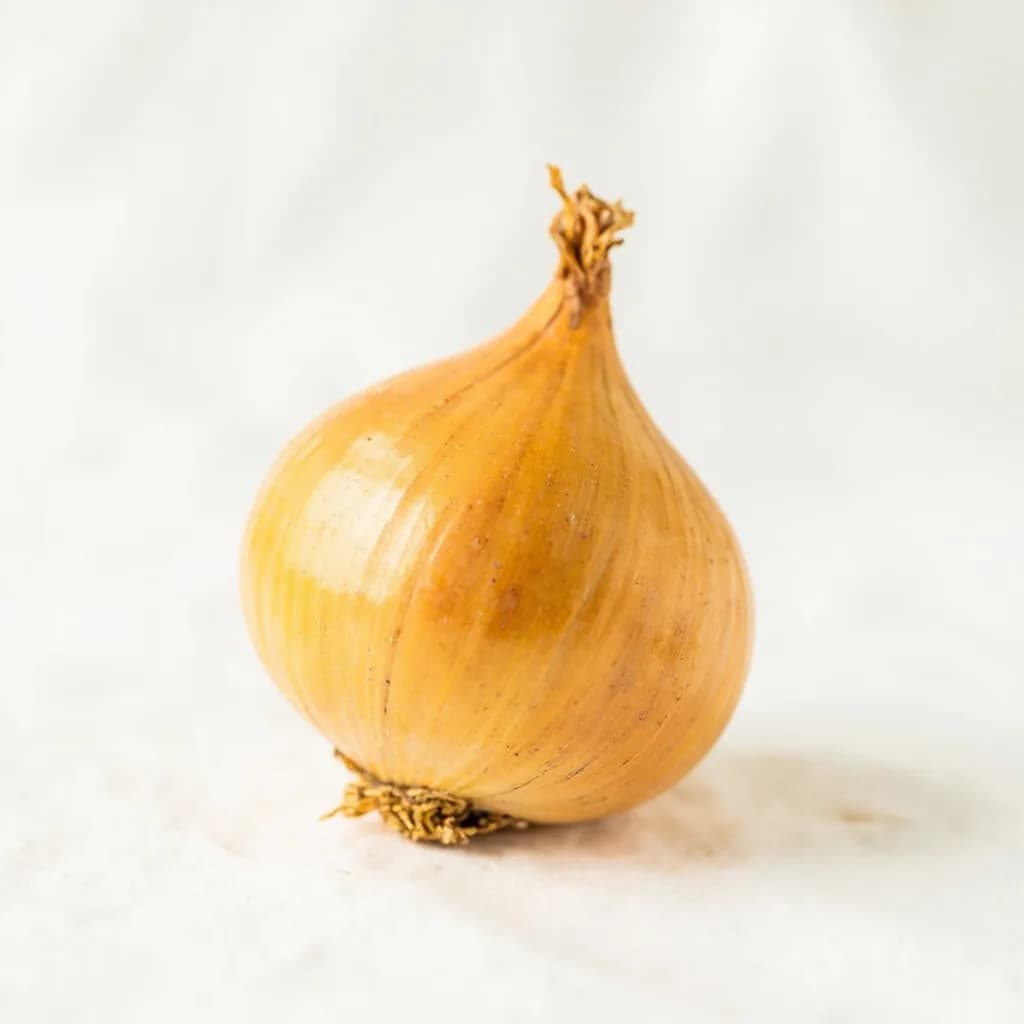
Yellow Onion
The aromatic backbone of soups, sofritos, and braises
Garlic
Pungent cloves that perfume nearly every savory dish
Lemon
Bright, acidic citrus that wakes up almost any dish
Potato
Humble, hearty staple — roast, mash, fry, or boil
Carrot
Sweet, crunchy root — raw, roasted, or the base of a sofrito
Cucumber
Cool, crisp, and watery — for salads, pickles, and tzatziki

Lettuce
Crisp leaves for salads, wraps, and a fresh crunch