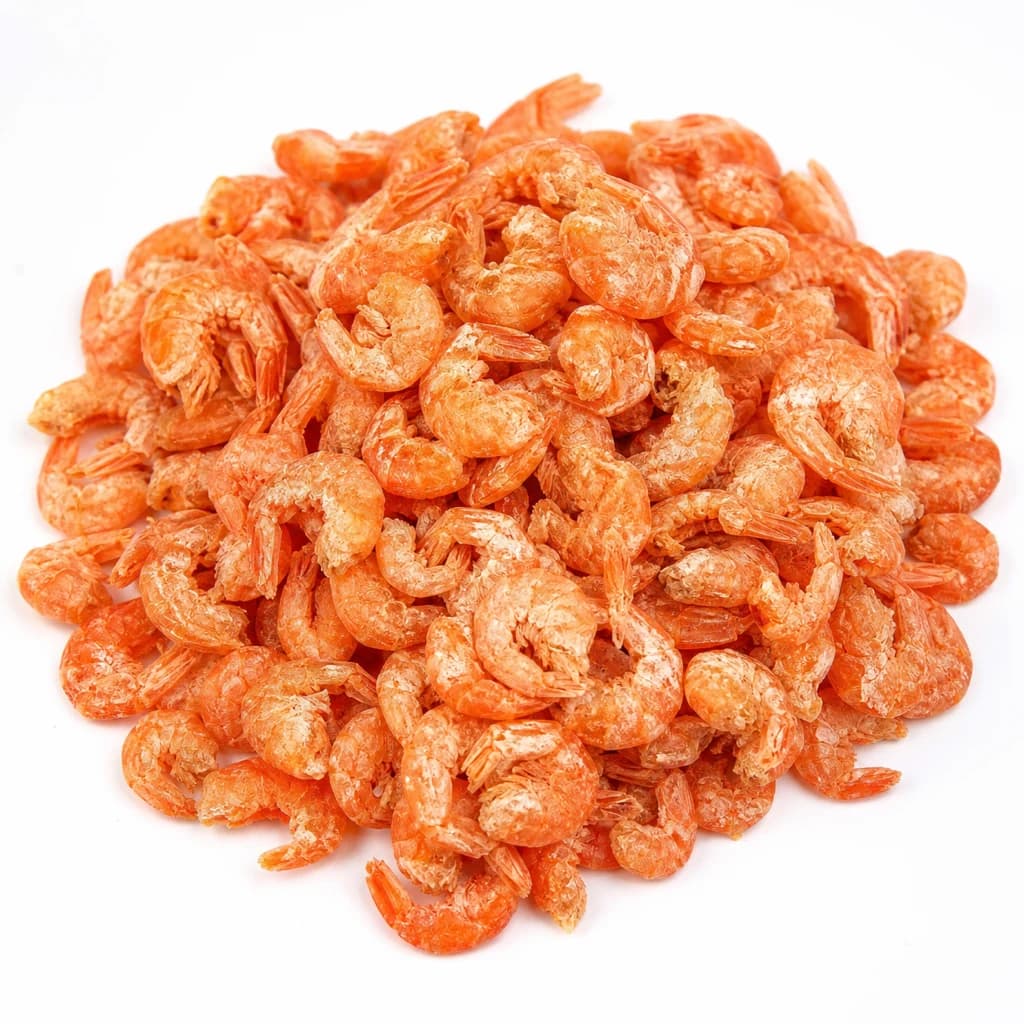
Natural form
Whole dried shrimp showing their characteristic orange-pink color and curled bodies.
Teaches readers to recognize the ingredient by its distinctive appearance before any preparation.
Proteins
Dried Shrimp
Tiny sun-dried shrimp that pack intense umami — a seasoning for stews, sauces, and Asian and African dishes.
Dried shrimp are small shrimp that have been salted and sun-dried, concentrating them into a potent, briny umami seasoning. They are ground or rehydrated and added to stir-fries, sambals, stews, and West African soups to build savory depth. A pinch lends a powerful seafood backbone to dishes well beyond the coast.
Dried shrimp are small whole shrimp or juvenile prawns that have been cleaned, lightly salted, and sun-dried for two to five days until their moisture content drops below 15 percent. The result is a concentrated, shelf-stable umami reservoir roughly one to three centimeters long, ranging from pinkish-orange to deep reddish-orange in color. Coastal communities across Asia and West Africa have relied on dried shrimp for centuries as a portable protein and flavoring agent that keeps without refrigeration.
What makes dried shrimp indispensable is their intensity: the drying process concentrates the shrimp's natural glutamates, creating a savory, slightly salty depth with a distinct shellfish sweetness that outperforms fresh shrimp in many applications. They behave differently depending on preparation—soaked and minced for stuffings, toasted and ground as a finishing powder, or added whole to braises and soups where they release their flavor slowly. The soaking liquid itself is a flavorful stock worth straining into your pot.
Quality matters here. Bright orange-pink color indicates faster drying that preserves carotenoids and flavor; dull or brownish shrimp suggest age or excessive heat during drying. Good dried shrimp smell clean and briny, never rancid or overly fishy. Smaller grades marketed specifically for seasoning deliver more intense flavor than larger grades intended for whole consumption. Beyond the whole form, dried shrimp appear ground into powder, pressed into cakes as shrimp paste, or sold shell-on versus peeled—a distinction that affects texture and usage in recipes.
- Measured in
- g
- Storage
- Pantry
Allergens
Types & varieties
Dried juvenile prawns, shell-on, chewy texture; graded from天子 (imperial) down to普通 (standard) by size
Very small, delicate pink dried shrimp from Hokkaido; primarily used as a garnish for rice, soups, and noodle dishes
Tiny dried anchovies; often grouped with dried shrimp as interchangeable fundamental Korean pantry items
Very small, intensely flavored dried shrimp from local species; often sold whole with slight odor characteristic of properly dried product
Ground dried shrimp formed into cakes or left loose; used in Indonesian and Malaysian cooking
Common uses
Tips & pitfalls
- Toast briefly in a dry wok over medium heat 30–60 seconds until fragrant—this wakes up the flavor before soaking or grinding, but do not over-toast or burning makes the shrimp bitter
- Soak in warm (not boiling) water 10–20 minutes to soften; the soaking liquid is flavorful and should be strained into stocks rather than discarded
- Grind to a fine powder with a spice grinder; this distributes umami evenly throughout a dish and incorporates more easily than whole pieces
- Store in zipper-lock bags with desiccant packets, or freeze for maximum longevity—humidity causes clumping and spoilage
- For African dishes, rinse briefly if very sandy but do not soak aggressively or you lose flavor and intensity
- In Chinese cooking, Xia mi is typically soaked, then finely minced for stuffings rather than used whole
- Seek smaller grades marketed for seasoning rather than larger grades meant for whole consumption—the smaller the shrimp, the more intense the flavor
- Color is a quality indicator: bright orange-pink means better preservation of flavor compounds; dull or brownish shrimp are likely older or improperly dried
Nutrition
Energy
356 kJ · per 100 g
Where the calories come from
Protein
20.1g
40% DV
Carbs
0g
0% DV
Fat
0.5g
1% DV
Sodium
119mg
5% DV
Source · USDA FoodData Central · approx. Crustaceans, shrimp, raw
View on FDC →In the shops
Matched grocery products
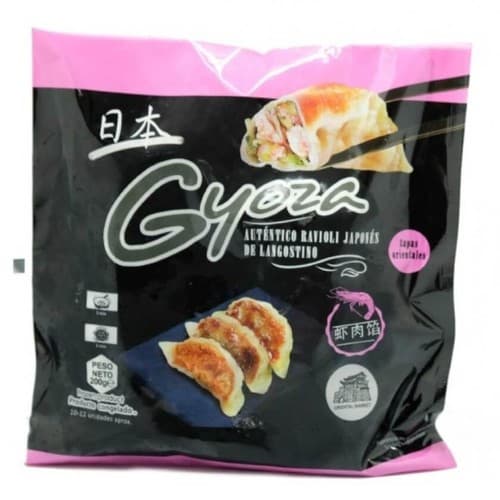 €3.95
€3.95Shrimp Gyoza
ORIENTAL MARKET · kg · Bonpreu
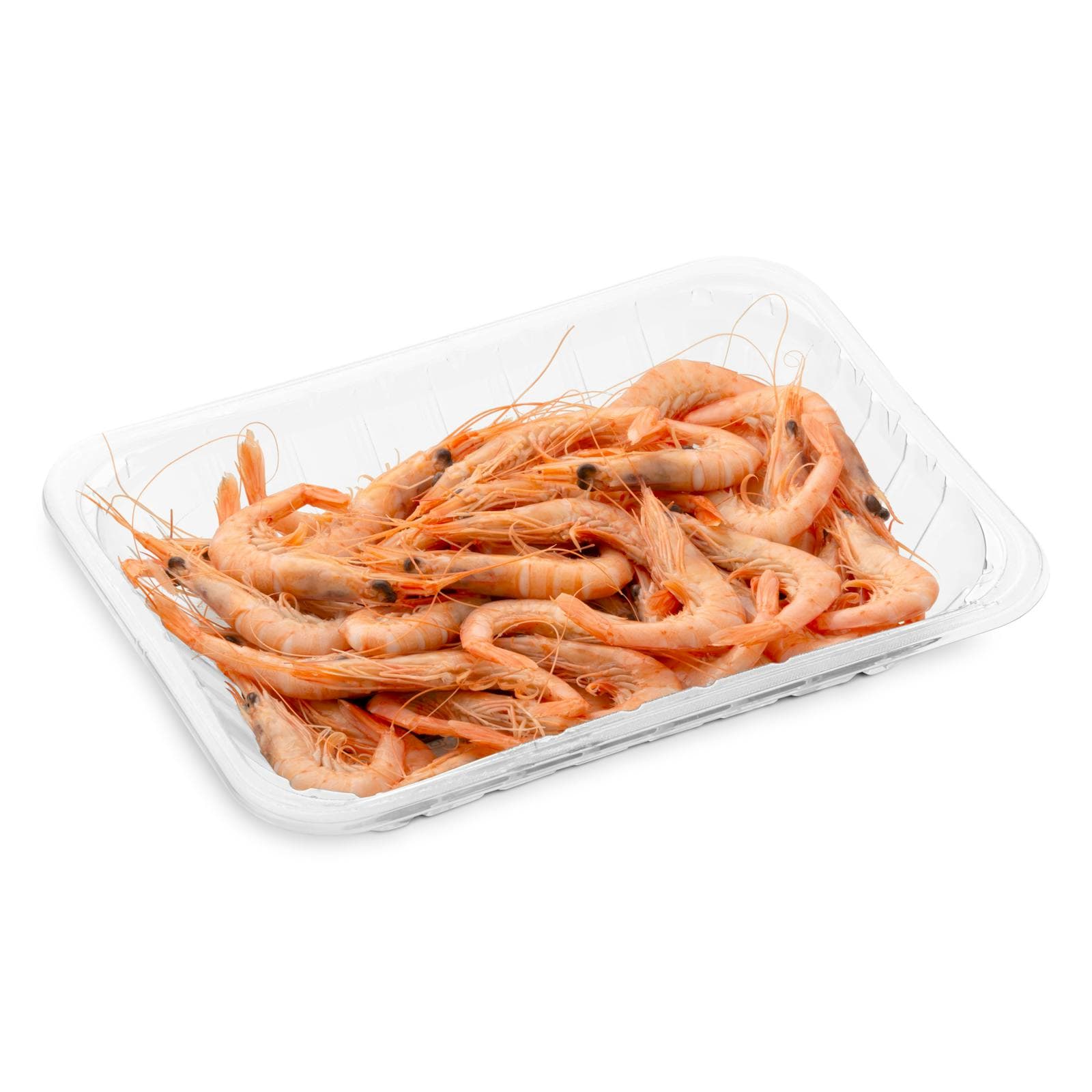 €6.95
€6.95Cooked Shrimp
300 g · Mercadona
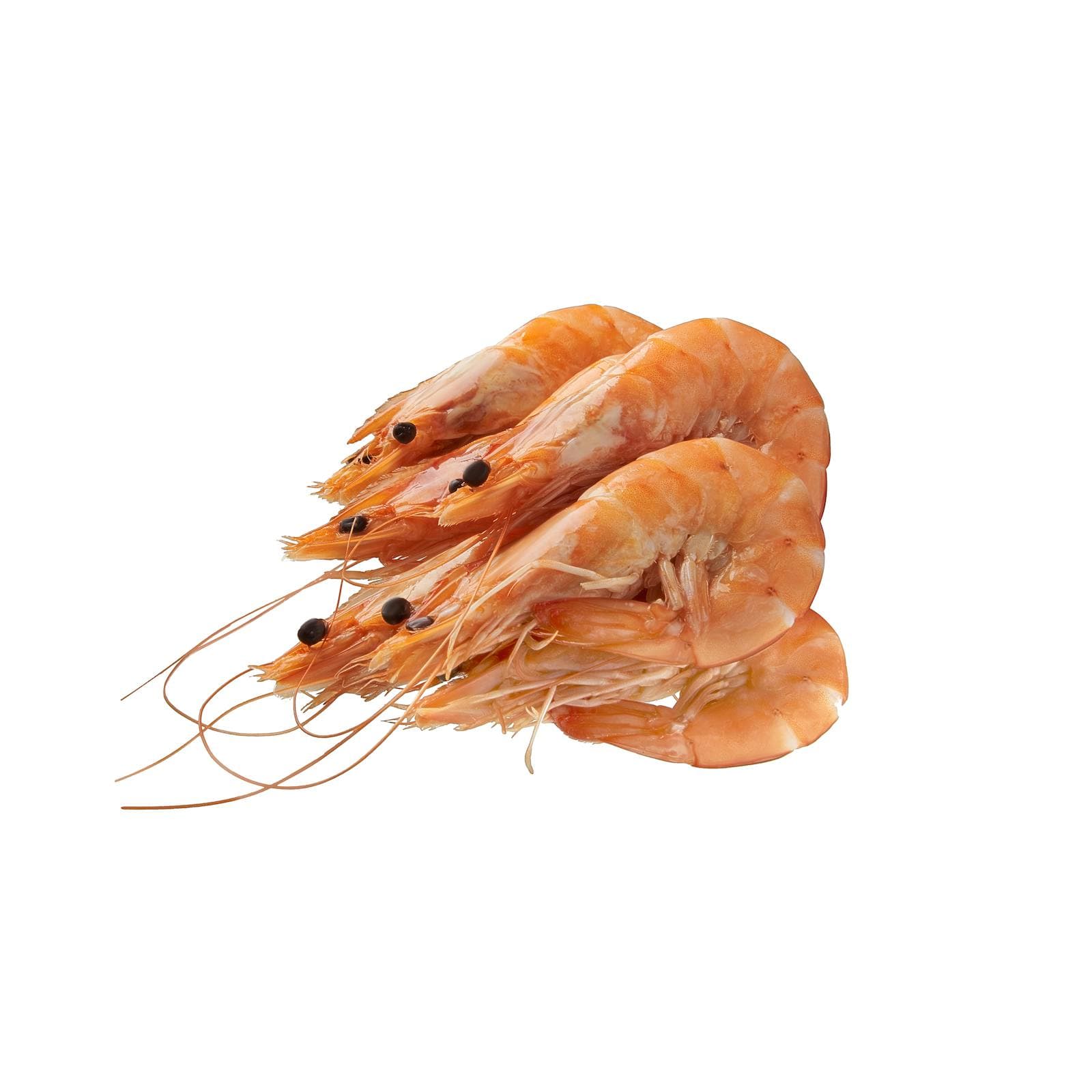 €1084.05
Cooked Shrimp
kg · Mercadona
 €6.30
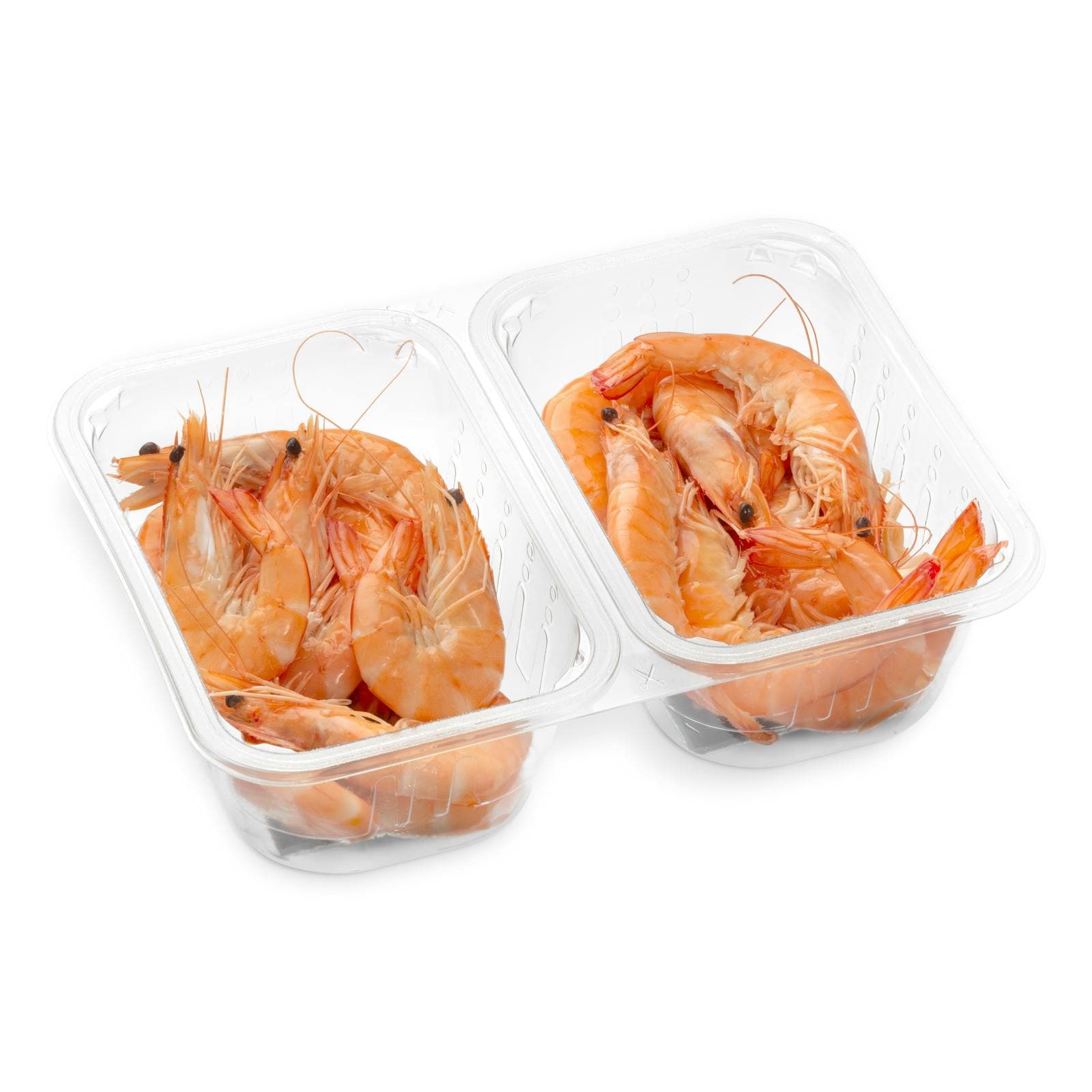
€6.30Cooked Prawn
600 g · Mercadona
 €4.89
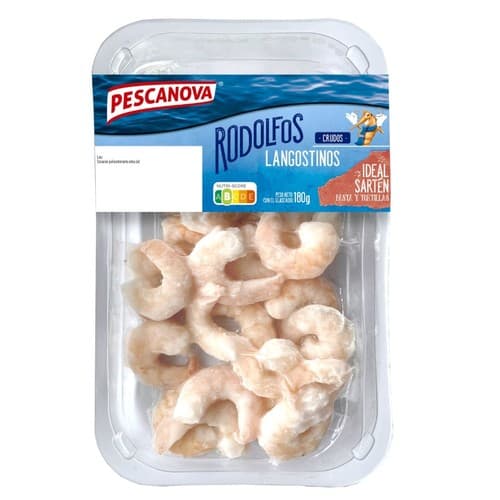
€4.89Peeled Raw Shrimp
PESCANOVA · kg · Bonpreu
 €10.95
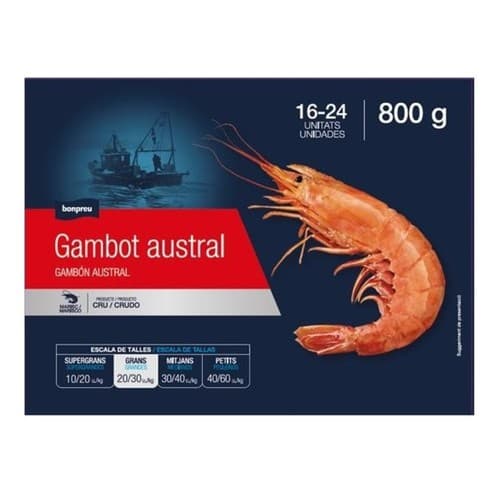
Australian Prawn
BONPREU · kg · Bonpreu
Good to know
- Scientific name
- Various species, commonly Acetes spp. and Parapenaeus spp.
- Origin
- Coastal communities across Asia and West Africa—China, Japan, Korea, Thailand, Vietnam, Nigeria, Ghana
- Processing
- Cleaned, lightly salted, then sun-dried 2–5 days until moisture content falls below 15%
- Typical size
- 1–3 cm long after drying
- Color
- Pinkish-orange to deep reddish-orange; brighter color indicates faster drying and better preservation
- Flavor profile
- Intensely savory, concentrated umami, slightly salty, with distinct shellfish sweetness
- Shelf life
- 6–12 months in airtight container away from humidity; longer if refrigerated or frozen
- Yield
- Reconstituted volume roughly doubles; no loss as purchased ready-to-use
Substitutes
- Dried anchovies (myeolchi) — Different species but similar function; use 1:1 in Korean and Japanese contexts; slightly milder fish flavor
- Fish sauce — For liquid dishes only; use 1–2 teaspoons per tablespoon of dried shrimp equivalent and adjust salt accordingly
- Shrimp paste (bagoong) — Fermented and saltier; use sparingly as a flavor booster, not a direct substitute
- Dried scallops (conpoy) — More expensive; similar umami intensity but different shellfish character; better for delicate soups
- Seaweed flakes (kombu) — Vegetarian umami source; works in stocks and braises but not for textural applications
Pairs with
Also called
Smoked Shrimp · Dried Prawns
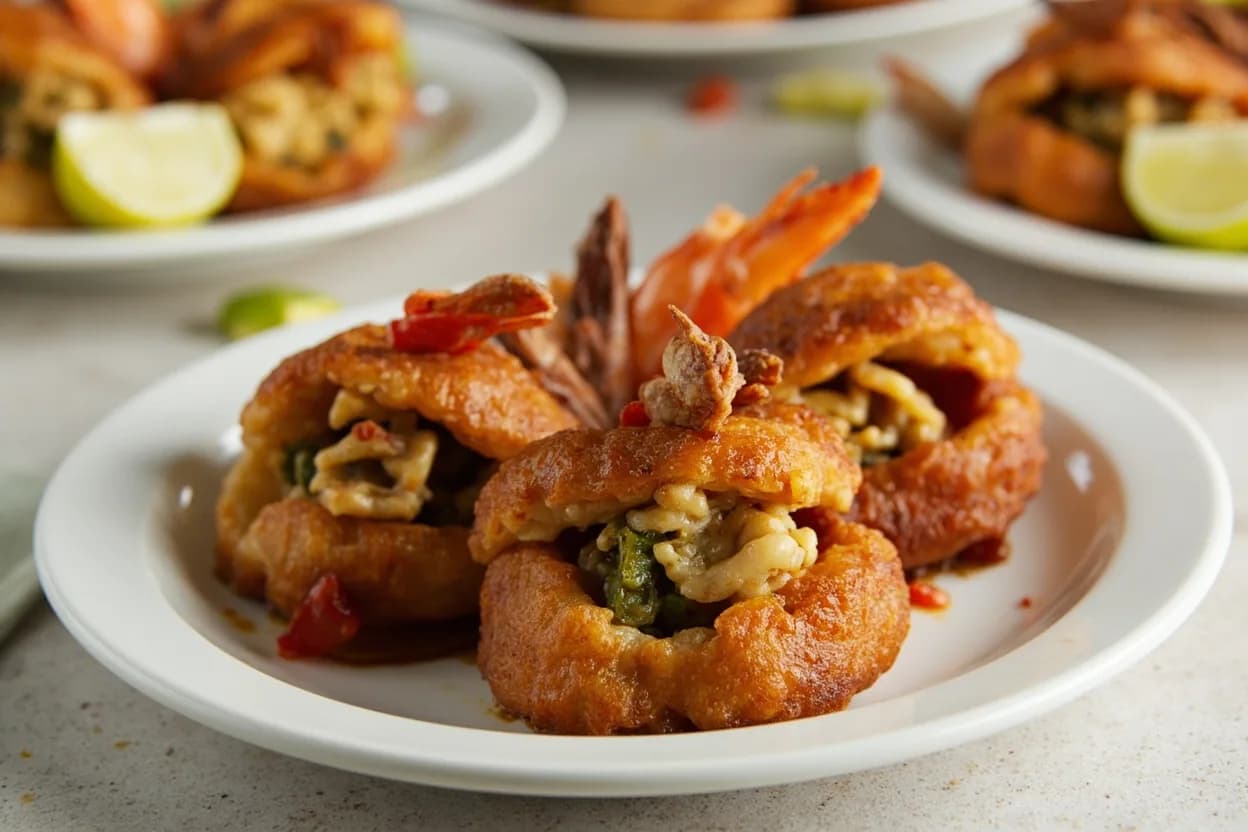
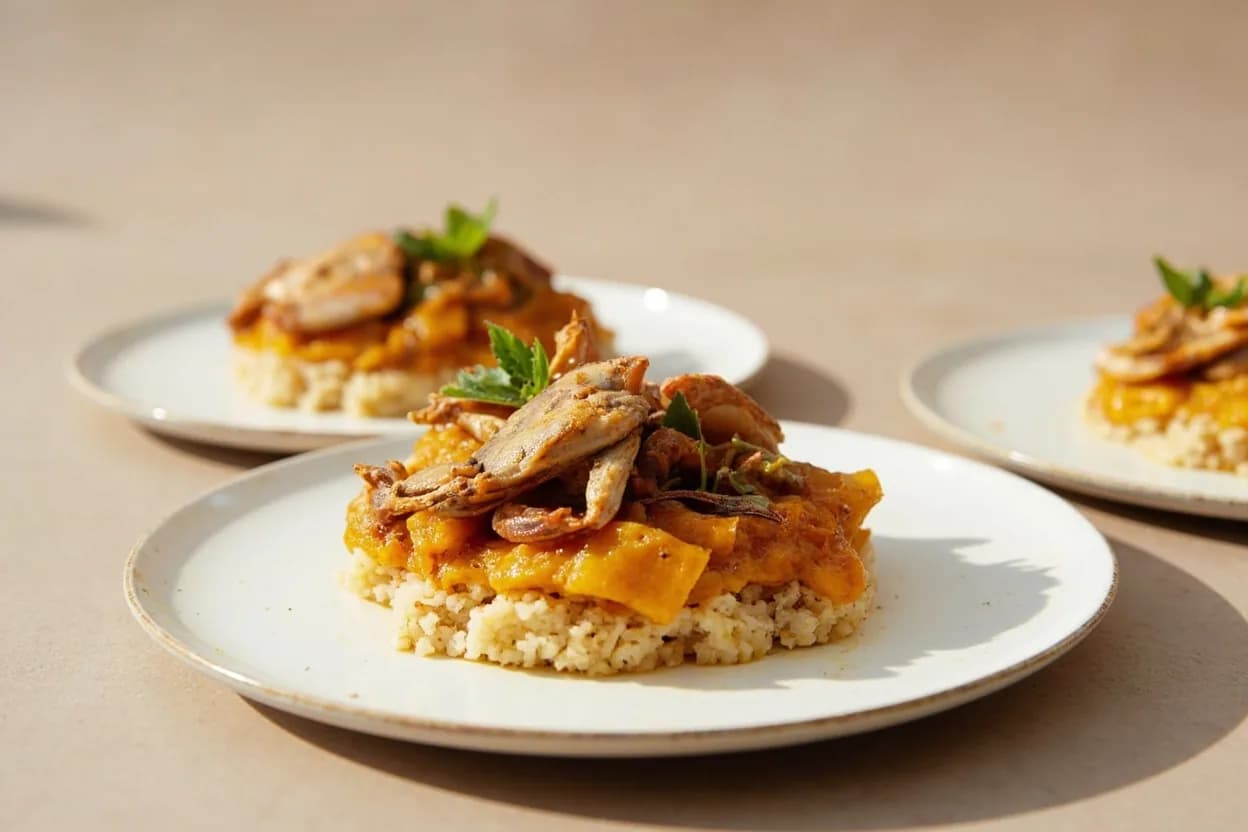
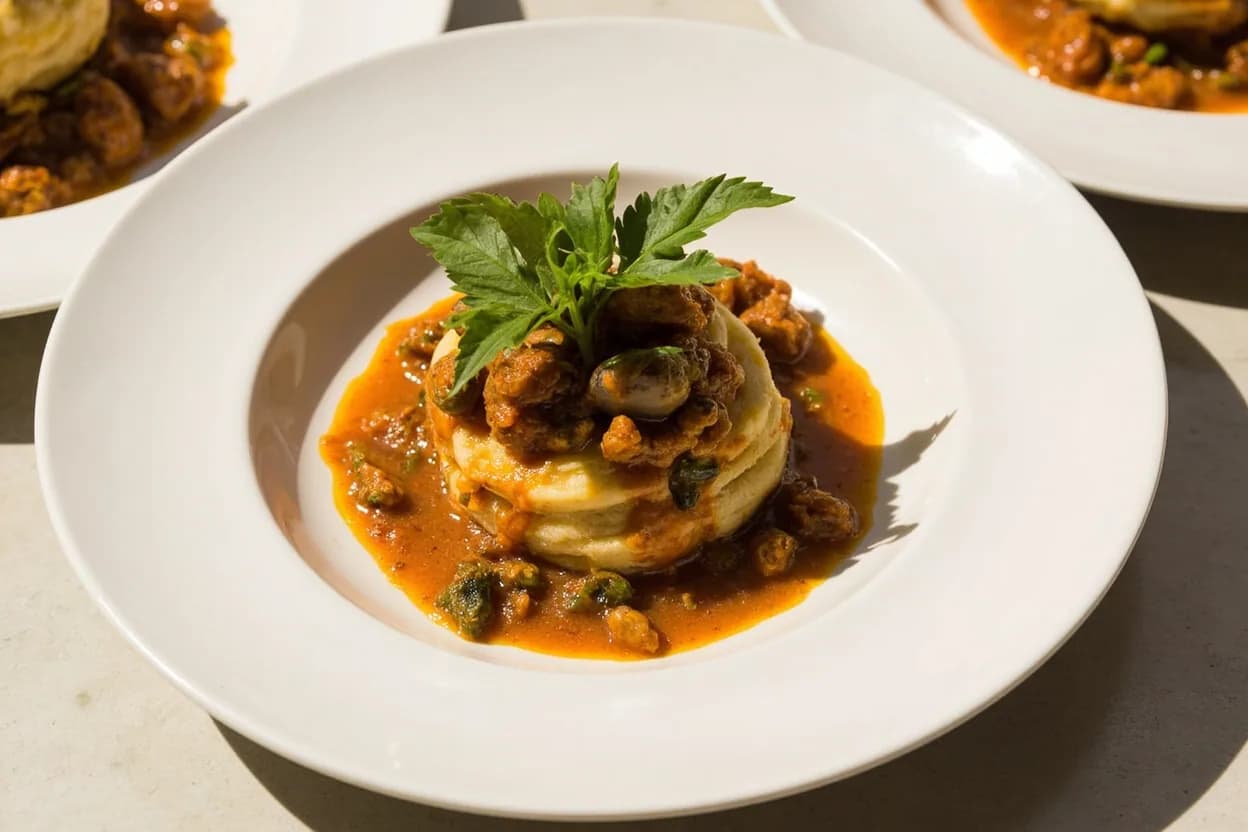
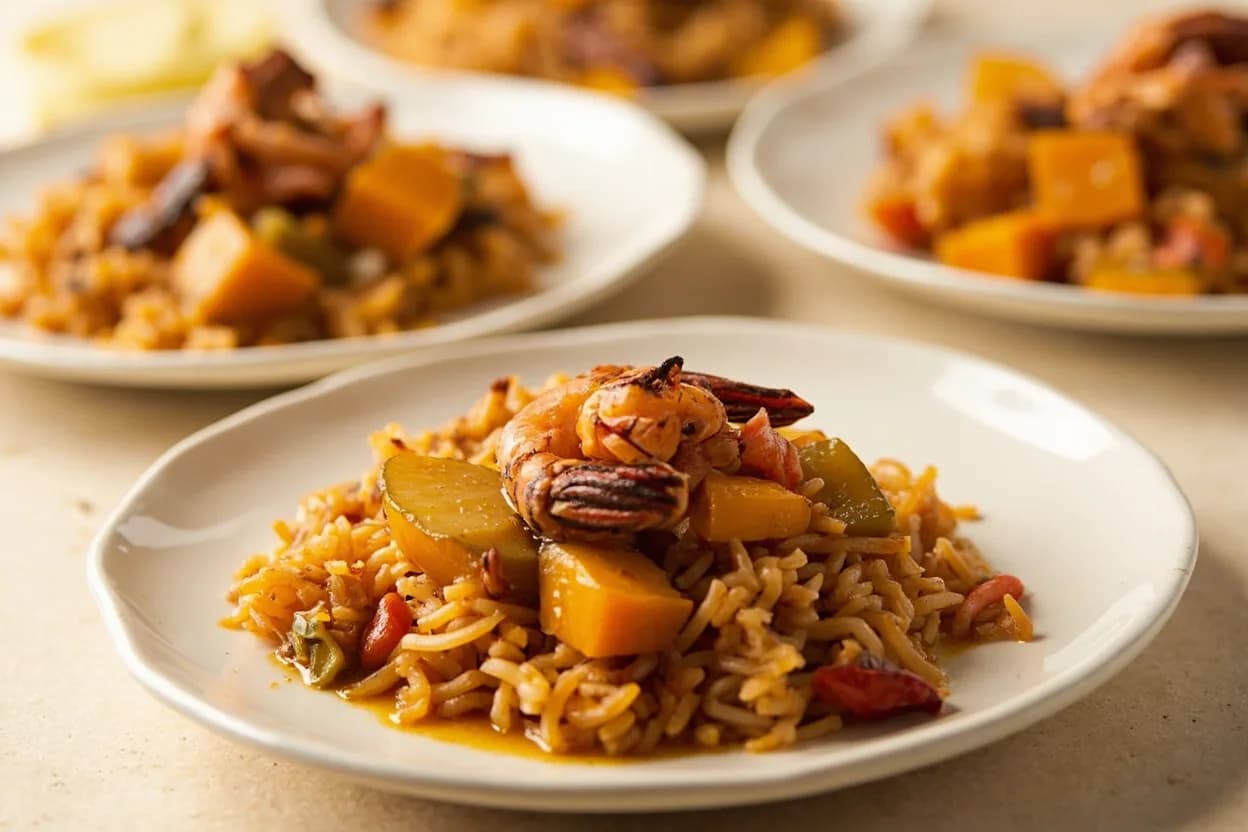
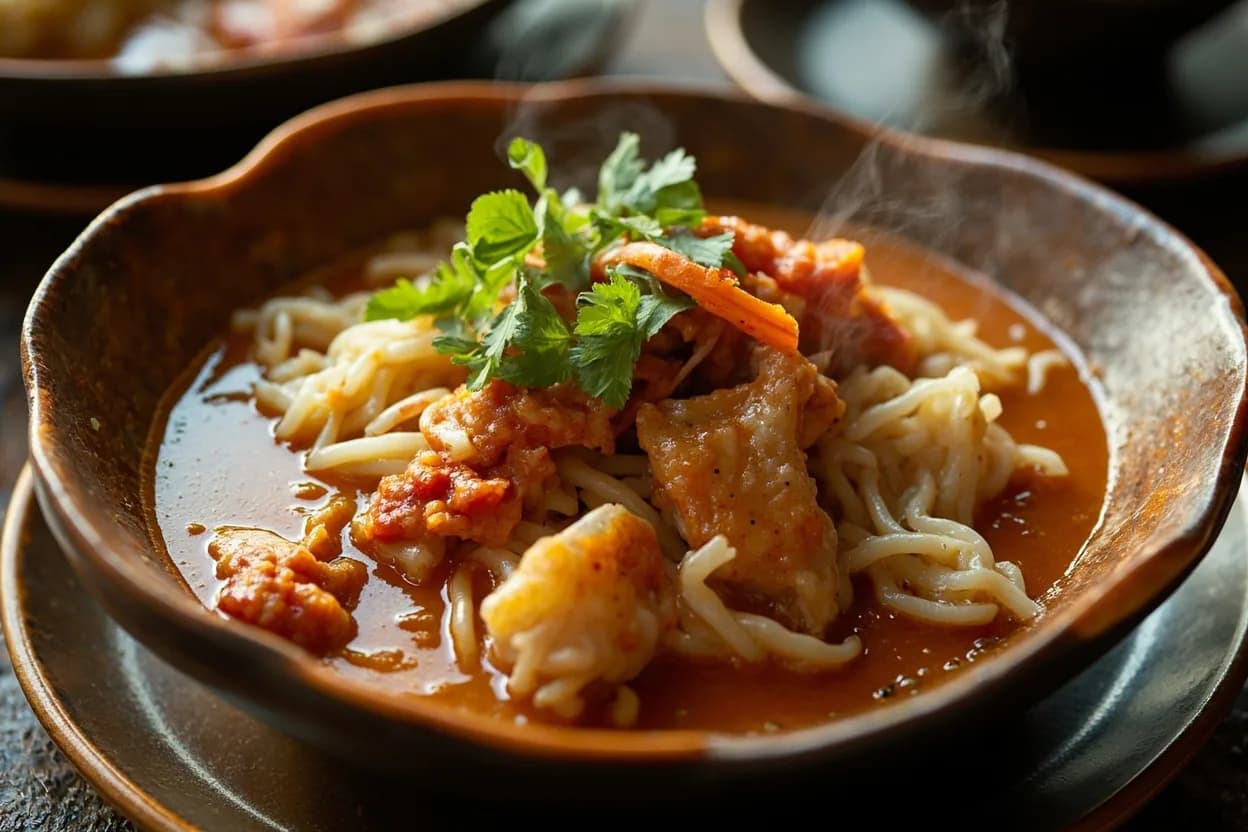
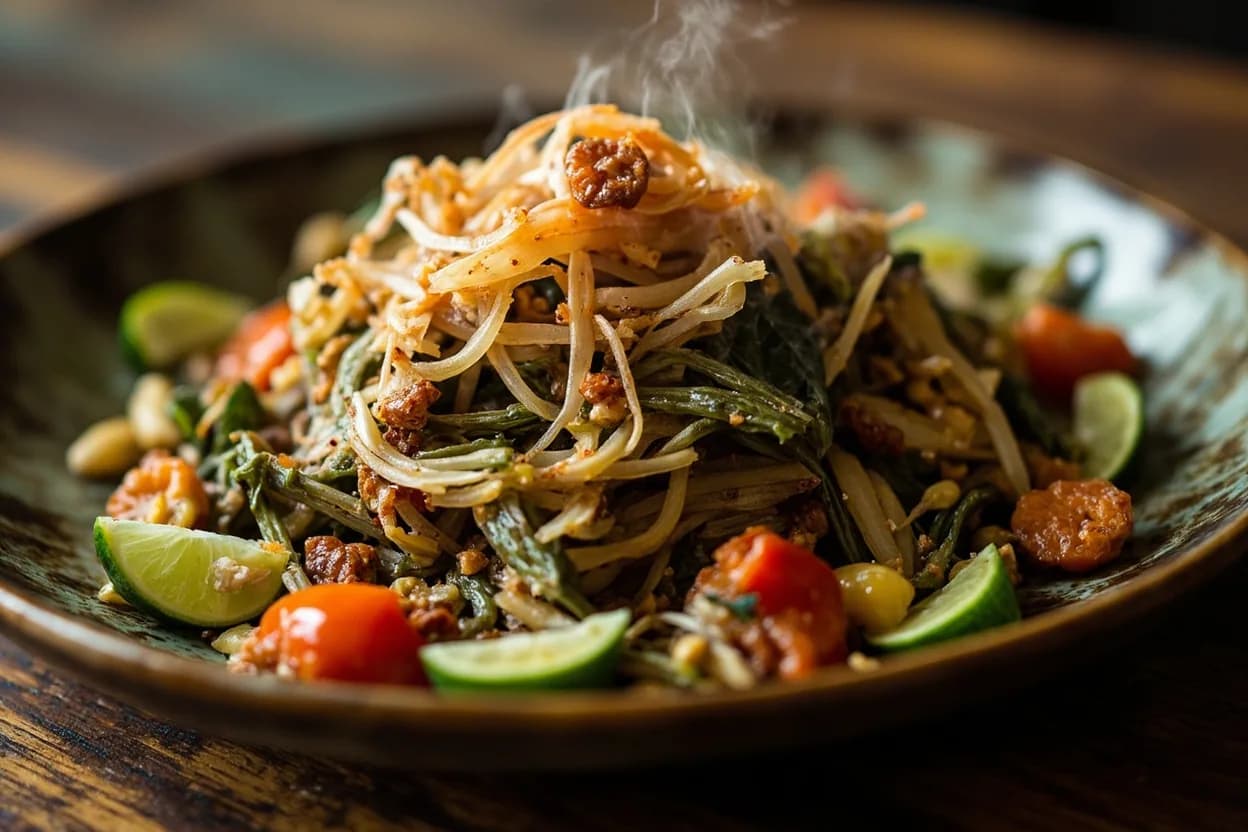
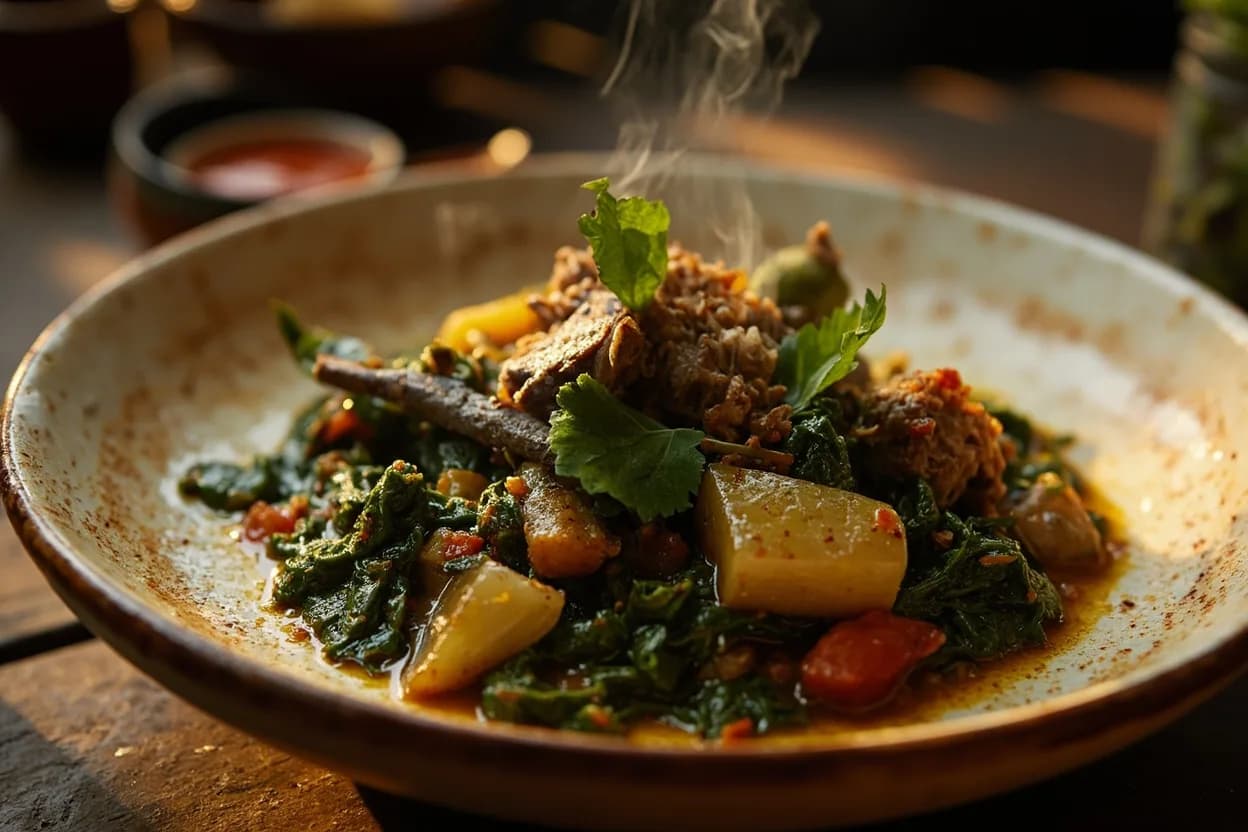
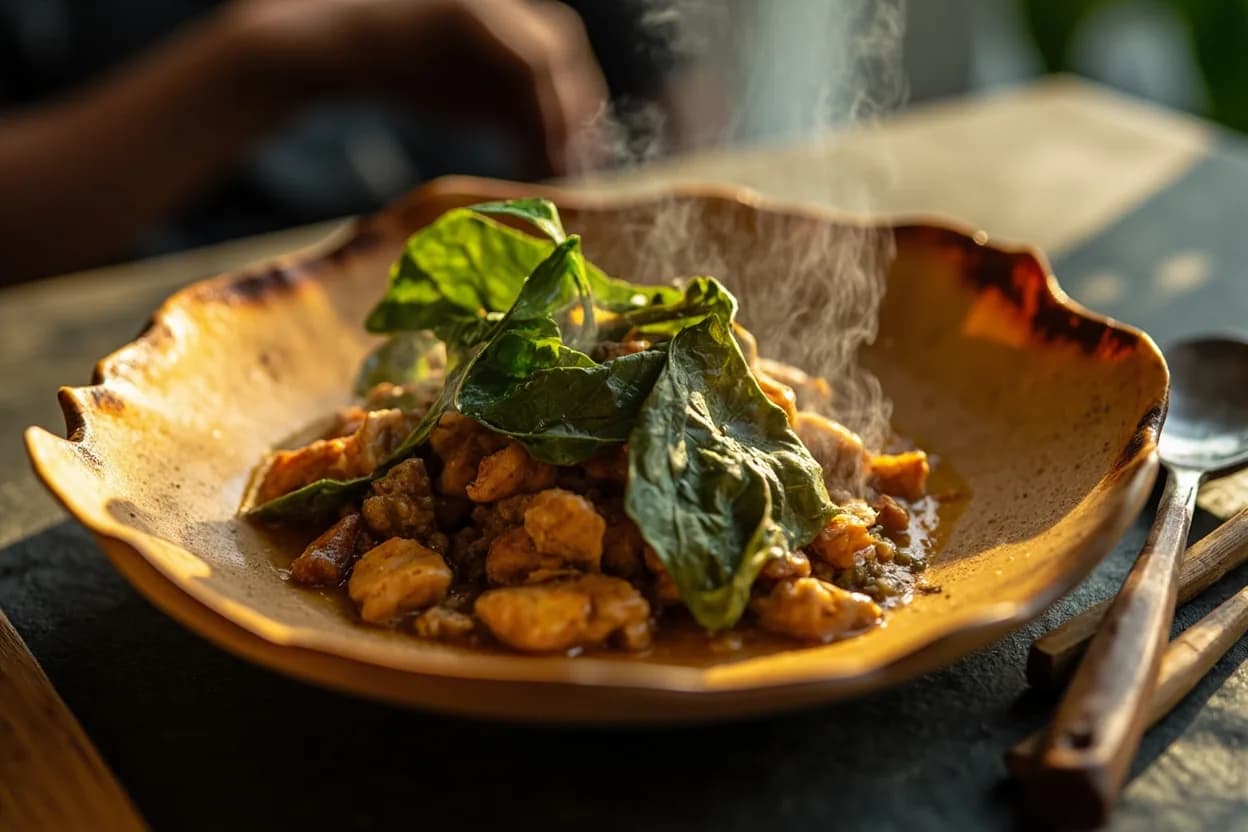
Appears in these dishes
Related
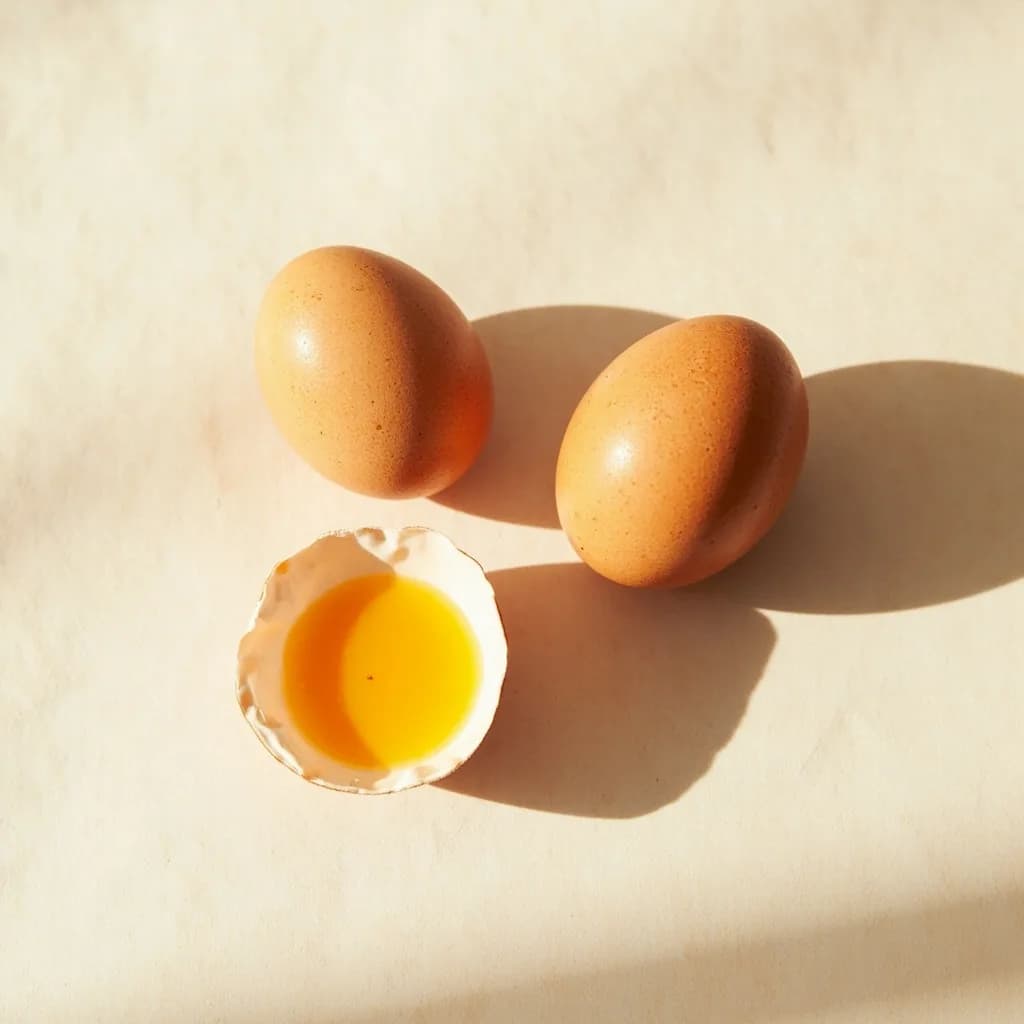
Egg
The kitchen's everything ingredient — bind, leaven, enrich, or fry
Chicken Breast
Lean, quick-cooking white meat for everyday dinners

Ground Beef
Versatile minced beef for burgers, ragù, tacos, and meatballs
Pork Loin
Lean, tender roasting cut that stays juicy with care
Salmon
Rich, rosy fish that roasts, grills, or cures beautifully

Egg White
Pure protein that whips to airy peaks for meringue and more
Egg Yolk
Rich, golden yolk for custards, mayonnaise, and pasta

Quail Egg
Tiny, speckled eggs for garnishing and elegant bites