Proteins
Dried Anchovy
Tiny salt-dried fish that form the umami backbone of Korean stocks.
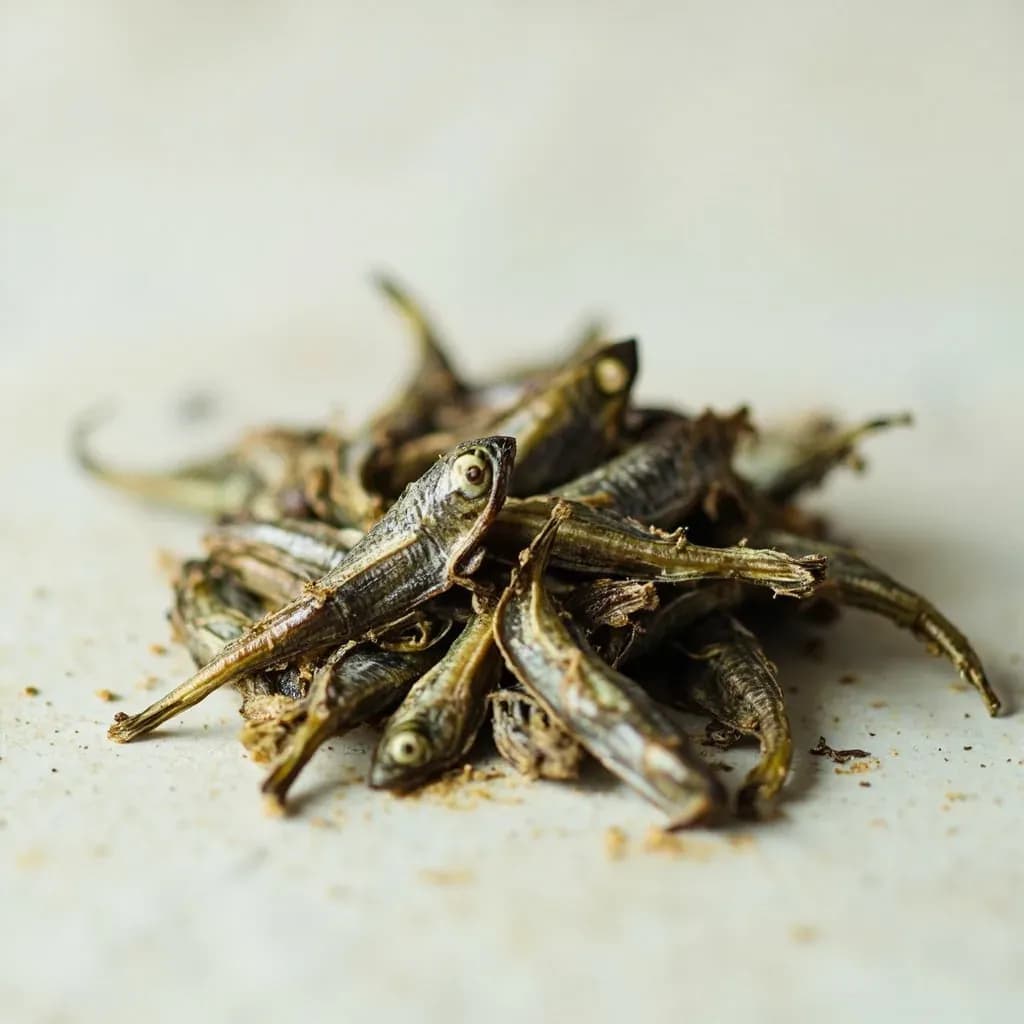
Dried anchovies (myeolchi, 멸치) are small whole anchovies salted and dried until crisp. They are simmered to make the foundational broth of Korean cooking and, when small, stir-fried with soy and sugar as the banchan myeolchi-bokkeum. They deliver a deep, briny umami punch.
Dried anchovies — known as myeolchi in Korea, niboshi in Japan, and iriko in regional Japanese cooking — are small fish from the Engraulidae family, primarily the species Engraulis japonicus, that have been salted and sun-dried. The heads and viscera are typically removed for the small grade (making them fully edible), while bones remain intact and soften during cooking. These tiny fish are one of the most concentrated and efficient umami delivery systems in any pantry: they contain glutamate for savory depth, inosine for kokumi richness, and calcium from the edible bones — a nutrient bonus that traditional Korean cuisine deliberately preserves rather than discards. Unlike Mediterranean salt-packed anchovy fillets, which are cured in oil and used as a finishing ingredient, dried Asian anchovies are primarily a stock-making and seasoning agent, providing foundational savory backbone rather than overt fishiness.
In Korean cooking, dried anchovies are indispensable: myeolchi gukmul (anchovy stock) is the liquid base for virtually every doenjang jjigae, sundubu jjigae, namul, and most everyday soups. The stock is made quickly — 15 to 20 minutes of simmering only — because longer cooking extracts bitter compounds from any remaining entrails and produces murky, unpleasant results. Japanese niboshi dashi, by contrast, is often soaked in cold water before gentle heating to extract maximum flavor with controlled bitterness, and it serves as the hidden depth in ramen broths, certain noodle soups, and regional stews. The edible bones are not a concern in either tradition; they dissolve slightly into stocks and contribute a subtle mineral quality that round out the flavor.
- Measured in
- g
- Storage
- Pantry
Allergens
Types & varieties
Tiny whole anchovies, 2–4 cm; heads and guts removed; preferred for clear stocks and table seasoning powder
Larger Korean anchovies, 5–7 cm; for hearty broths, sautéed dishes, and deeper umami impact
Small dried young sardines or anchovies; primary ingredient for niboshi dashi and ramen bases
Whole small dried fish, slightly larger than niboshi; used in regional Japanese cooking and stocks
Fermented anchovy paste or sauce; a distinct product from the dried whole form, used as a seasoning
Choosing the Right Grade
Korean markets stock dried anchovies in multiple grades. Small-grade myeolchi (sometimes labeled twuegi) are preferred for stock because they release flavor quickly without clouding the liquid. Medium and large grades contain more body and entrails, which add depth to robust stews but can overwhelm delicate vegetable dishes or make stock bitter. For table-grade seasoning powder, look for the smallest, most uniformly dried specimens. Quality indicators: firm texture, even drying without moisture spots, consistent color, and a clean marine aroma without rancid or ammonia notes.
- Small grade (twuegi): clear stocks, seasoning powder, snacks
- Medium/large grade: hearty broths, stir-fried dishes, deeper umami
- Avoid: soft, moist, or discolored specimens indicating improper drying
- Check for firmness and clean aroma before purchasing
Storage and Shelf Life
Dried anchovies contain residual fats that oxidize quickly at room temperature, causing rancidity within 2–3 months. The freezer is the correct storage environment for any quantity you won't use within a month. Sealed freezer bags or airtight containers prevent both moisture ingress and odor transfer from other freezer contents.
- Freezer storage: 6–12 months sealed
- Room temperature: 2–3 months maximum
- Airtight containers are essential — they absorb and impart odors
- Toast frozen anchovies directly from the freezer for best results
Common uses
Tips & pitfalls
- Toast whole dried anchovies in a dry pan over medium heat for 1–2 minutes before simmering to mellow the fishy aroma and draw out oils for richer flavor in stocks.
- For Korean anchovy stock, use 15–20 g of small dried anchovies per liter of water and simmer only 15–20 minutes — longer cooking produces bitter, murky stock.
- Large dried anchovies may retain visible dark intestines; remove them before use if you prefer milder flavor, or keep them for deeper umami in hearty dishes.
- Small Korean anchovies (twuegi) can be eaten whole as a crunchy snack after deep-frying or toasting in a dry pan — a common Korean banchan.
- Store dried anchovies in airtight bags or containers in the freezer; the fat oxidizes quickly at room temperature and the fish will turn rancid within 2–3 months.
- When grinding into seasoning powder, toast first then blend and add a small amount of sea salt to prevent clumping and improve flow.
- Do not discard soaking liquid from rinsed or soaked anchovies — it contains dissolved glutamates and makes a serviceable light stock for vegetables or grains.
- For Japanese niboshi dashi, briefly soak anchovies in cold water for 30 minutes before heating to extract more flavor with less bitterness, then strain before using.
- If stock becomes bitter, it is over-extracted; next time reduce simmering time or remove anchovies after 15 minutes and steep them in hot water off the heat.
Nutrition
Nutrition
No USDA FoodData Central match for Dried Anchovy yet. We surface a per-100 g profile once a generic whole-food entry is matched and verified.
In the shops
Matched grocery products
 €0.99
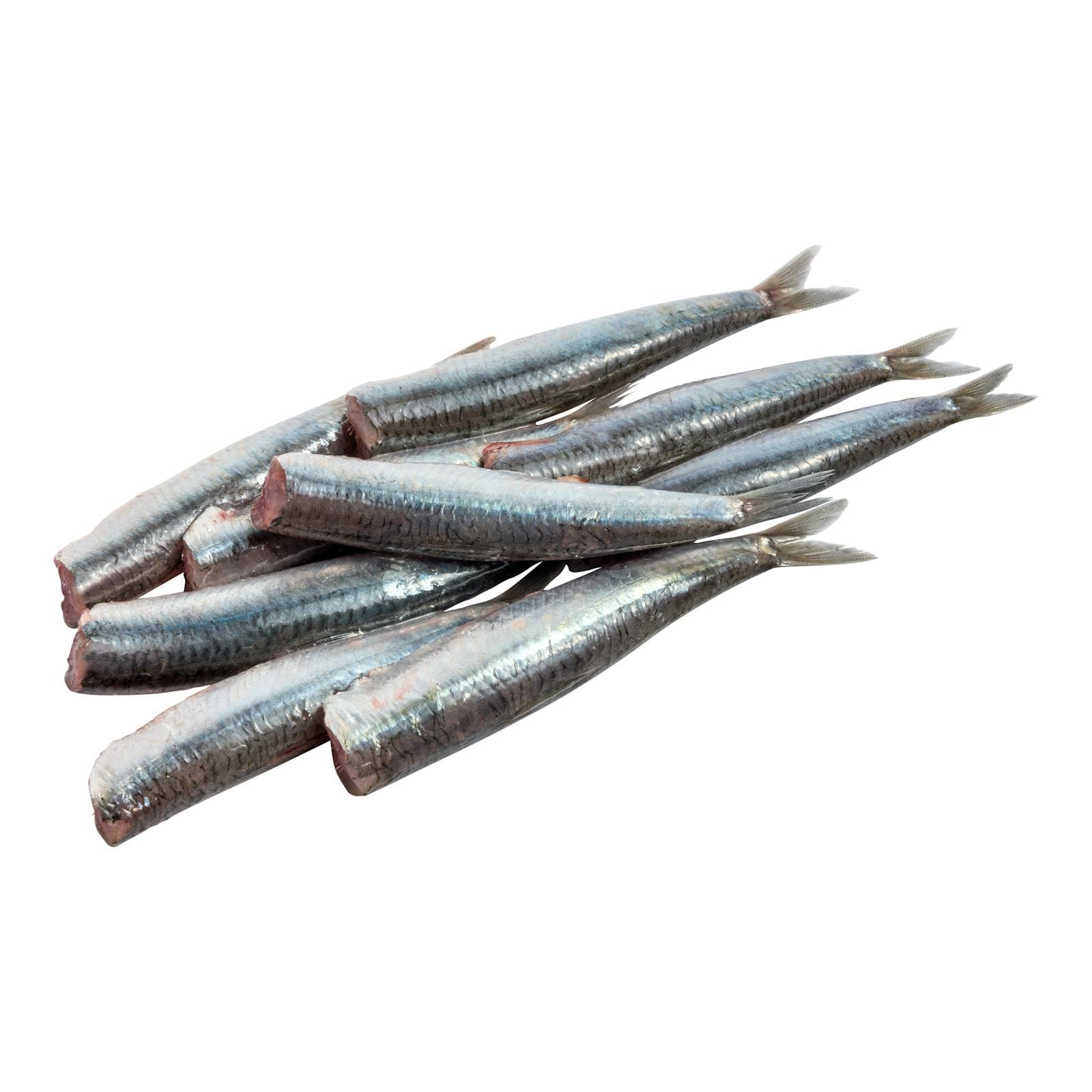
€0.99Cleaned Anchovy Without Head
200 g · Mercadona
 €1.30
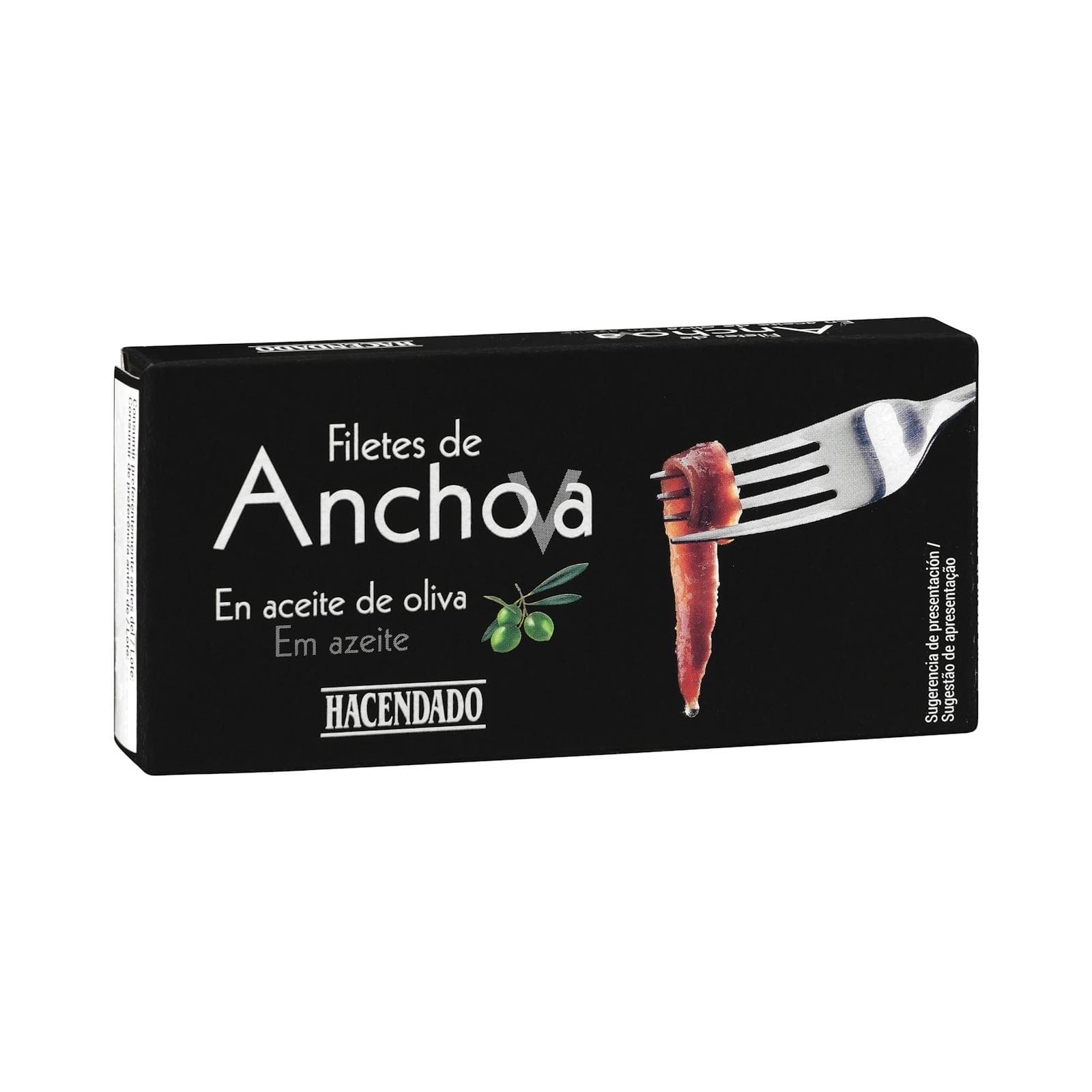
€1.30Anchovy Fillets in Olive Oil
Hacendado · 42 g · Mercadona
 €2.75
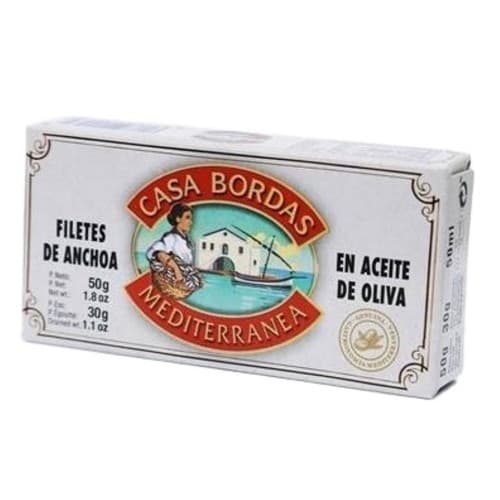
€2.75Anchovy Fillets in Olive Oil
CASA BORDAS · kg · Bonpreu
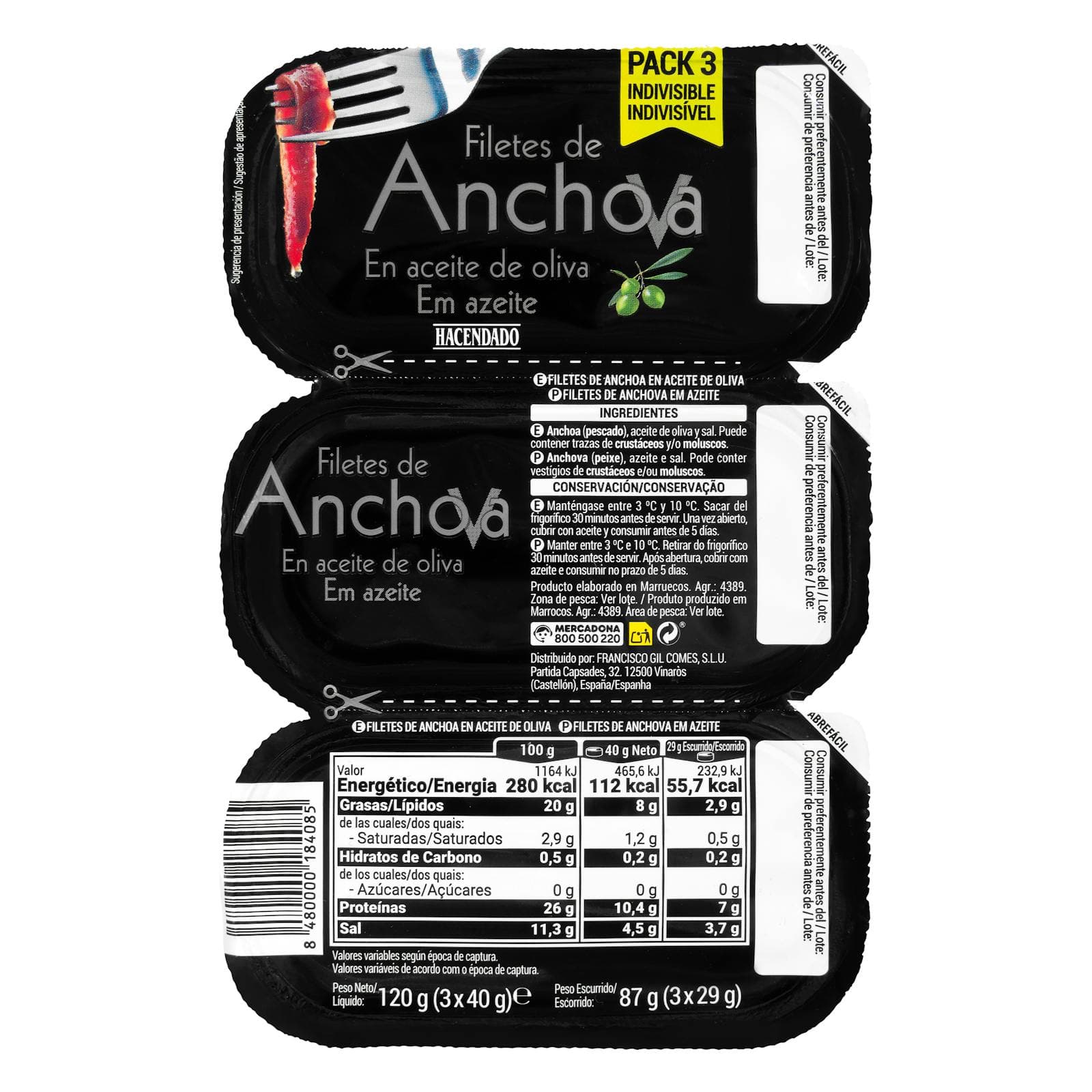 €2.80
€2.80Anchovy Fillets in Olive Oil
Hacendado · 120 g · Mercadona
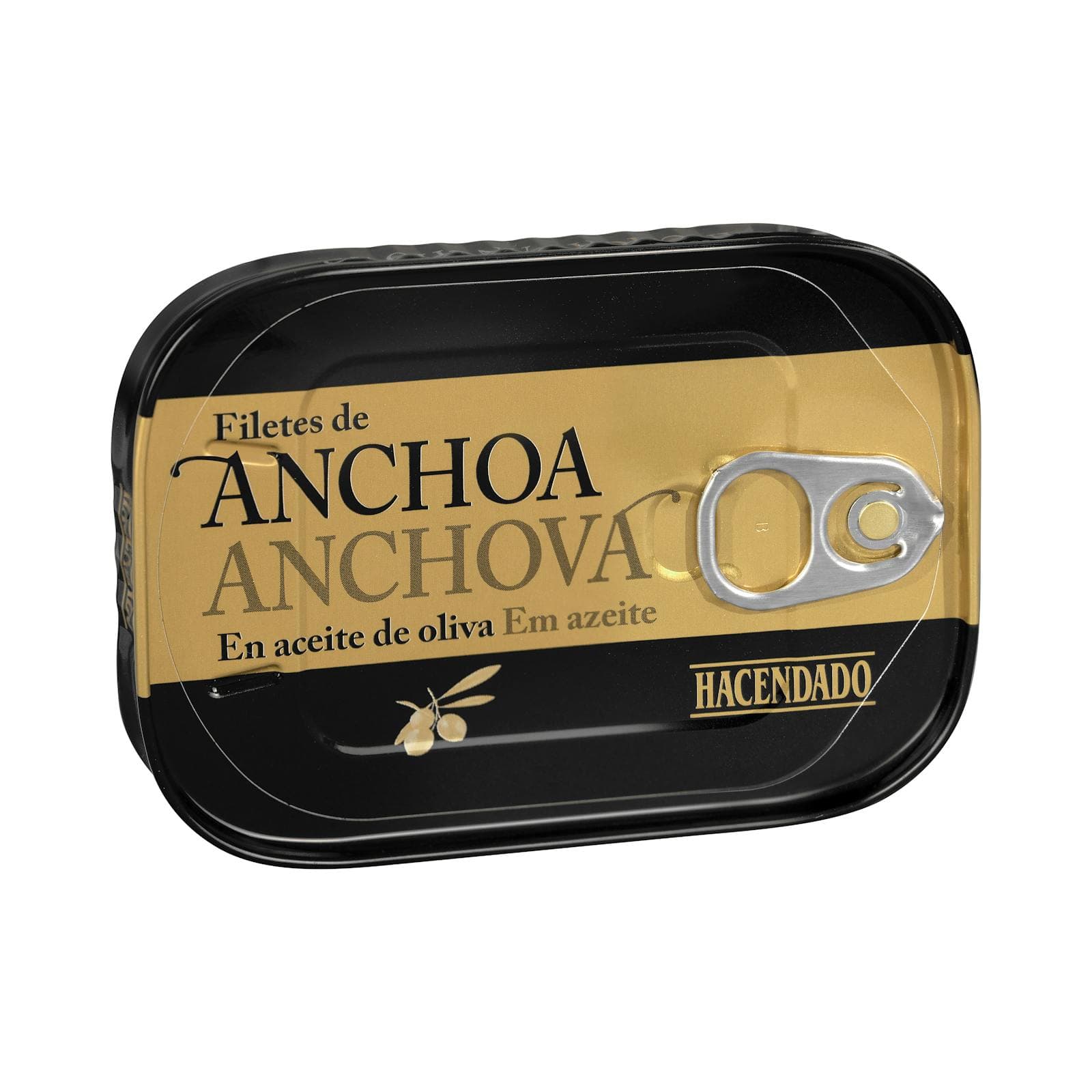 €3.65
€3.65Anchovy Fillets in Olive Oil
Hacendado · 74 g · Mercadona
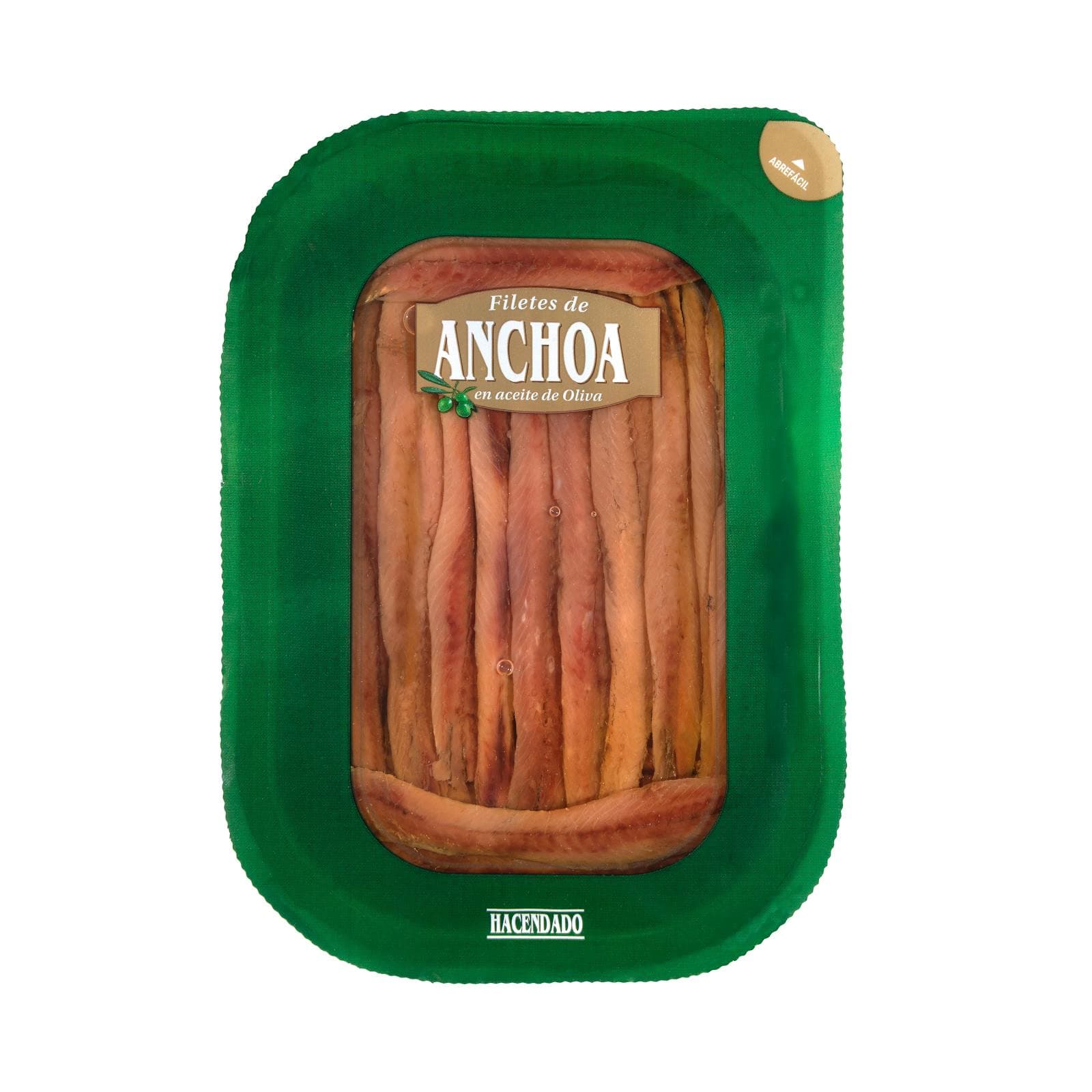 €6.75
€6.75Anchovy Fillets in Olive Oil
Hacendado · 140 g · Mercadona
Good to know
- Species
- Engraulis japonicus (Japanese anchovy) and related Engraulidae
- Processing
- Cleaned, salted, and sun-dried; heads and viscera removed for small grade
- Typical Size
- 2–7 cm length depending on grade
- Flavor Profile
- Deeply savory, intensely marine, slightly bitter from entrails in larger grades
- Key Compounds
- Glutamate (umami), inosine (kokumi), calcium from edible bones
- Shelf Life
- 6–12 months sealed in freezer; 2–3 months at room temperature
- Form
- Salt-cured, then sun-dried; bones remain soft and edible
- Seasonality
- Commercially available year-round
Substitutes
- Dried kombu — Vegan alternative for stock base; provides vegetal, milder umami rather than marine depth; use 1–2 sheets per liter
- Iriko/dashi powder — Convenience substitute for Japanese preparations; check ingredients for additives; derived from niboshi or iriko
- Fish sauce — Liquid fermented anchovy condiment; use sparingly as seasoning, not for making broth; highly concentrated — add drop by drop
- Dried shiitake mushrooms — For vegetarian dishes; steep in water for stock; provide glutamates without marine character; use 3–4 medium mushrooms per liter
Pairs with
Also called
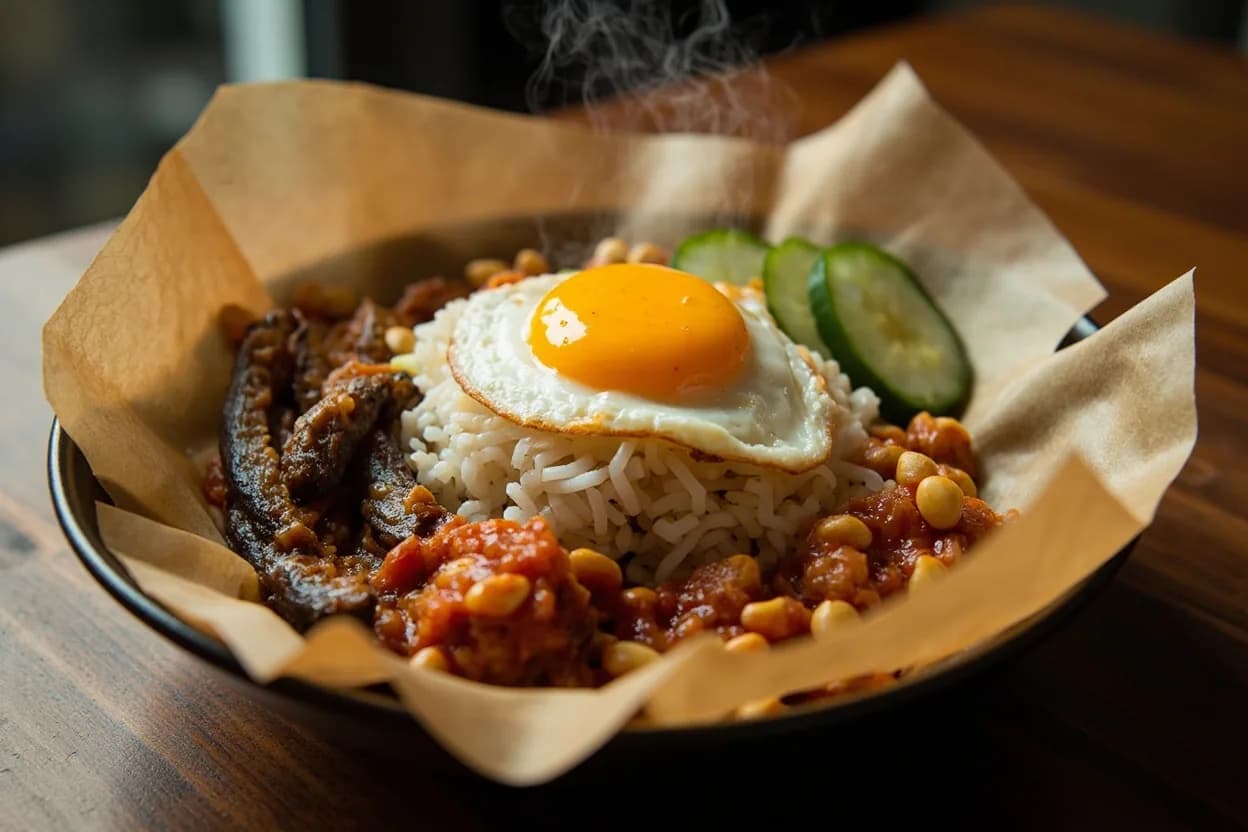
Myeolchi · 멸치 · Ikan Bilis · Niboshi
Appears in these dishes
Related

Egg
The kitchen's everything ingredient — bind, leaven, enrich, or fry

Chicken Breast
Lean, quick-cooking white meat for everyday dinners

Ground Beef
Versatile minced beef for burgers, ragù, tacos, and meatballs

Pork Loin
Lean, tender roasting cut that stays juicy with care

Salmon
Rich, rosy fish that roasts, grills, or cures beautifully

Egg White
Pure protein that whips to airy peaks for meringue and more

Egg Yolk
Rich, golden yolk for custards, mayonnaise, and pasta

Quail Egg
Tiny, speckled eggs for garnishing and elegant bites