Proteins
Dried Sardine (Niboshi)
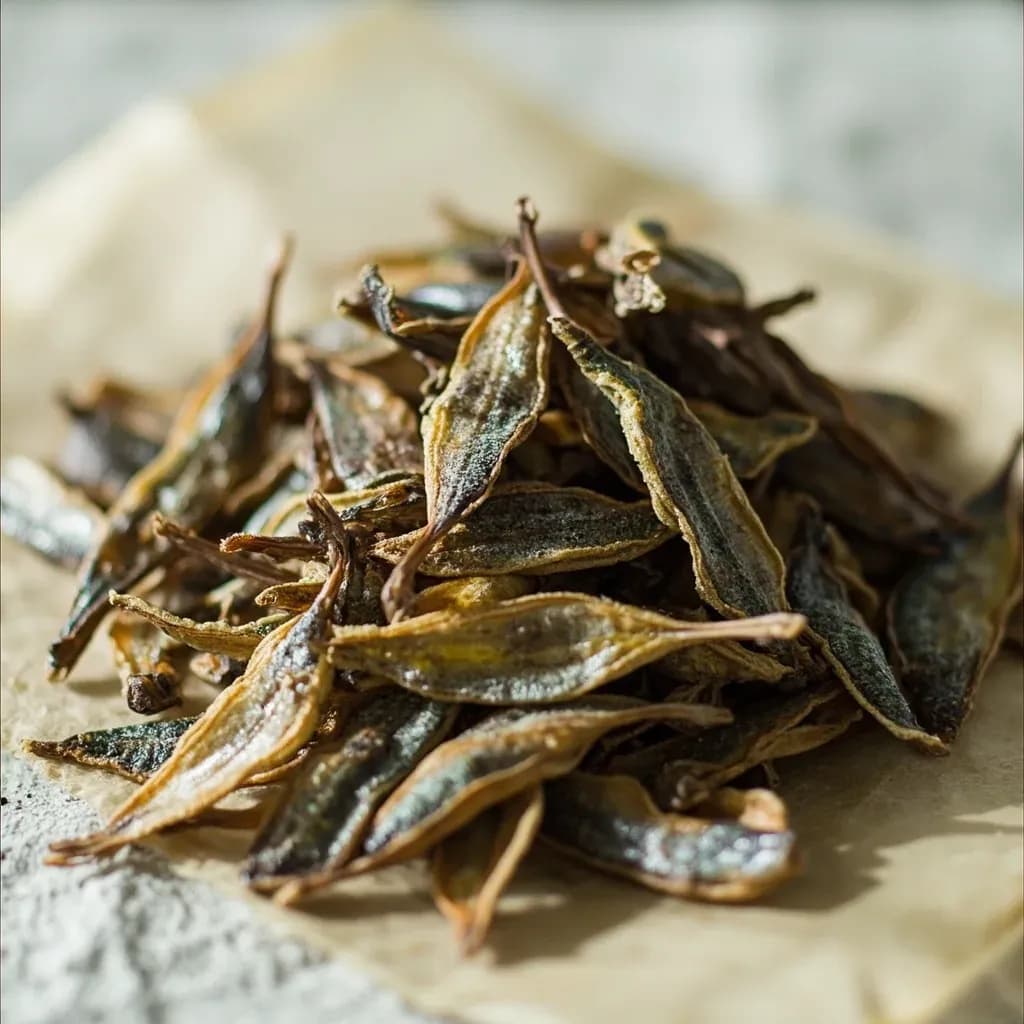
Small dried sardines simmered to make a deep umami Japanese dashi stock.
Niboshi are small whole sardines or anchovies that are boiled and dried, central to Japanese stock-making. Steeped or simmered in water, they produce a robust, savory dashi used for miso soup and noodle broths, and they are also eaten as a crunchy snack. Removing the heads and guts before brewing reduces bitterness.
Niboshi—literally "boiled-dried" in Japanese—are whole Japanese sardines (Sardinops melanostictus) that have been briefly simmered then sun-dried. This two-step processing distinguishes them from other small dried fish like Korean myeolchi or Filipino dilis: the boiling develops a subtle sweetness and reduces the aggressive fishiness that plain sun-drying produces. The result is a concentrated, intensely savory ingredient that dissolves its umami into liquid with remarkable efficiency. Whether you're making a basic ichiban dashi or a deeply flavored nimono braise, niboshi provides the inosine nucleotides that amplify glutamate-driven savoriness into something greater than the sum of its parts. In a properly made dashi, the niboshi contribution is not merely "fishy" but rather a bass-note richness that underpins the entire dish without announcing itself.
Quality matters enormously with niboshi. The best specimens—typically from Hokkaido and Iwate prefectures—retain a slightly translucent, springy quality and a creamy white to pale beige color. Avoid any that are completely dried hard or show gray or dark brown discoloration, which indicates oxidation or age. Even premium niboshi are remarkably economical: roughly 10–15 grams per liter of water yields a clear, balanced stock, and that liter forms the liquid foundation for miso soup, noodle dishes, braises, and countless other preparations. The heads and entrails are left intact (contributing to both flavor and, sometimes, bitterness), and cooks have developed specific techniques—head removal, cold steeping, controlled simmering—to tune the final result to their needs.
- Measured in
- g
- Storage
- Pantry
Allergens
Types & varieties
Sun-dried without boiling step; lighter color, milder flavor, commands premium price
Boiled then dried; standard grade with stronger, more assertive flavor
Slightly larger than Japanese varieties, different drying method, generally milder
Niboshi made from juvenile sardines; exceptionally delicate, preferred for refined dishes
Cold-Steep vs. Hot-Extraction Niboshi Dashi
There are two legitimate schools of thought on extracting niboshi flavor, and understanding why they differ helps you choose—or combine—methods for different results.
- Cold steep (冷水戻し): Add niboshi to cold water, refrigerate 20–30 minutes, then heat gently. This method extracts umami compounds more gradually and evenly, producing a cleaner, less bitter stock. The longer contact time with cold water allows glutamates and inosinates to dissolve before heat intensifies the extraction of bitter compounds from the entrails.
- Hot simmer (煮出し): Add niboshi directly to cold water and bring to a gentle simmer over moderate heat. Many Japanese cooks consider this the traditional approach, producing a stock with more body and immediate flavor impact. The key is never to boil aggressively once simmering begins—constant bubbling extracts bitter compounds from the fish skin and entrails.
- Combining methods: Some cooks cold-steep for 20 minutes, then strain, then use that liquid as the base for a hot simmer—essentially a two-stage extraction that maximizes yield and minimizes bitterness. This is the approach used in professional kitchens where consistency matters.
When to Remove the Heads
Removing niboshi heads before steeping is a common practice that deserves understanding rather than reflexive adoption.
- Heads contribute a subtle bitterness and a stronger "fishy" aroma that some cooks find desirable in rustic dishes and others find unacceptable in refined preparations.
- In clear soups and when the dashi will be used as a blank canvas (for delicate miso, clear soups, etc.), removing heads produces a cleaner, more neutral base.
- For applications where the dashi is one element among bold flavors—ramen broth, rich stews, heavily seasoned braises—the heads can stay. The bitterness integrates with other strong notes.
- To remove: pinch off just behind the gill plate with your fingers or snip with kitchen shears. The effort is minimal and the difference is noticeable in side-by-side comparison.
Common uses
Tips & pitfalls
- Rinse niboshi briefly under cold water only if the stock tastes muddy or excessively fishy—many chefs skip this step entirely to preserve maximum flavor
- Simmer, never boil: once your dashi reaches a gentle simmer, reduce heat to maintain just a few lazy bubbles; aggressive boiling is the primary cause of bitter, murky stock
- Measure by weight, not volume: 10–15 g per liter gives clean, balanced results; exceeding 20 g per liter produces bitter, overwhelming stock that dominates other ingredients
- For the cleanest possible dashi, pinch off heads before steeping—this single step eliminates most of the bitterness that beginners attribute to the fish itself
- Steep cold: adding niboshi to cold water and letting it rest 20–30 minutes before heating extracts umami more evenly and reduces bitter compound extraction
- Quality test: good niboshi should bend slightly without snapping and appear slightly translucent; completely hard, opaque, or crumbly specimens are old or poorly processed
- Toast before using for applications where you'll eat the fish pieces directly—such as furikake or as a garnish—tossing them in a dry pan over medium heat for 30–60 seconds until fragrant
- Store properly: transfer to an airtight container after opening; even though dried, niboshi retain oils that oxidize and turn rancid in warm or humid conditions
Nutrition
Energy
519 kJ · per 100 g
Where the calories come from
Protein
20g
40% DV
Carbs
0g
0% DV
Fat
4.2g
5% DV
Fiber
0g
0% DV
Sodium
60mg
3% DV
Source · USDA FoodData Central · approx. Fish, bluefish, raw
View on FDC →In the shops
Matched grocery products
 €3.50
€3.50Large Sardine
ud · Bonpreu
 €1.19
€1.19Ungutted Sardine
200 g · Mercadona
 €1.20
€1.20Coastal Sardine
ud · Bonpreu
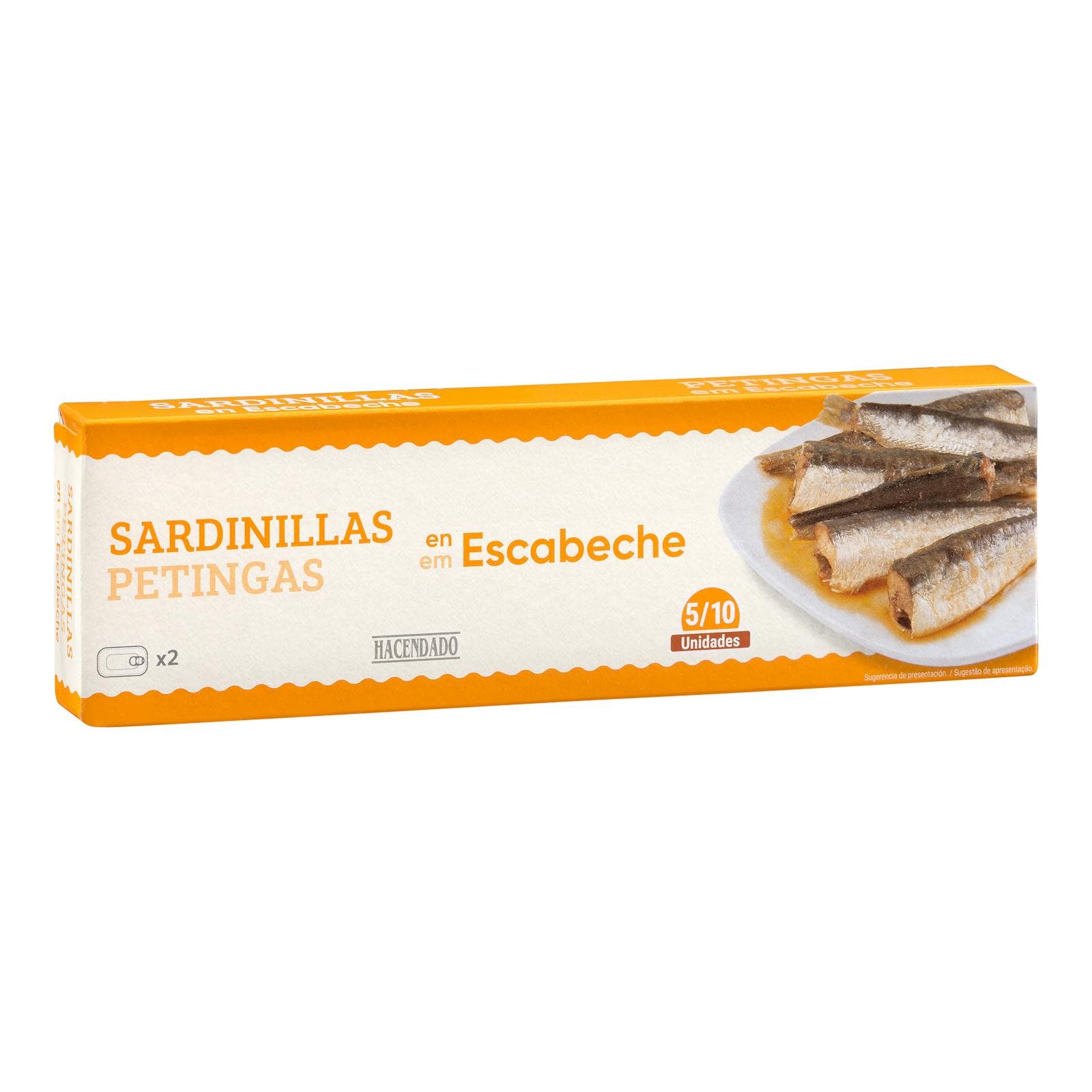 €1.95
€1.95Pickled Sardines
Hacendado · 180 g · Mercadona
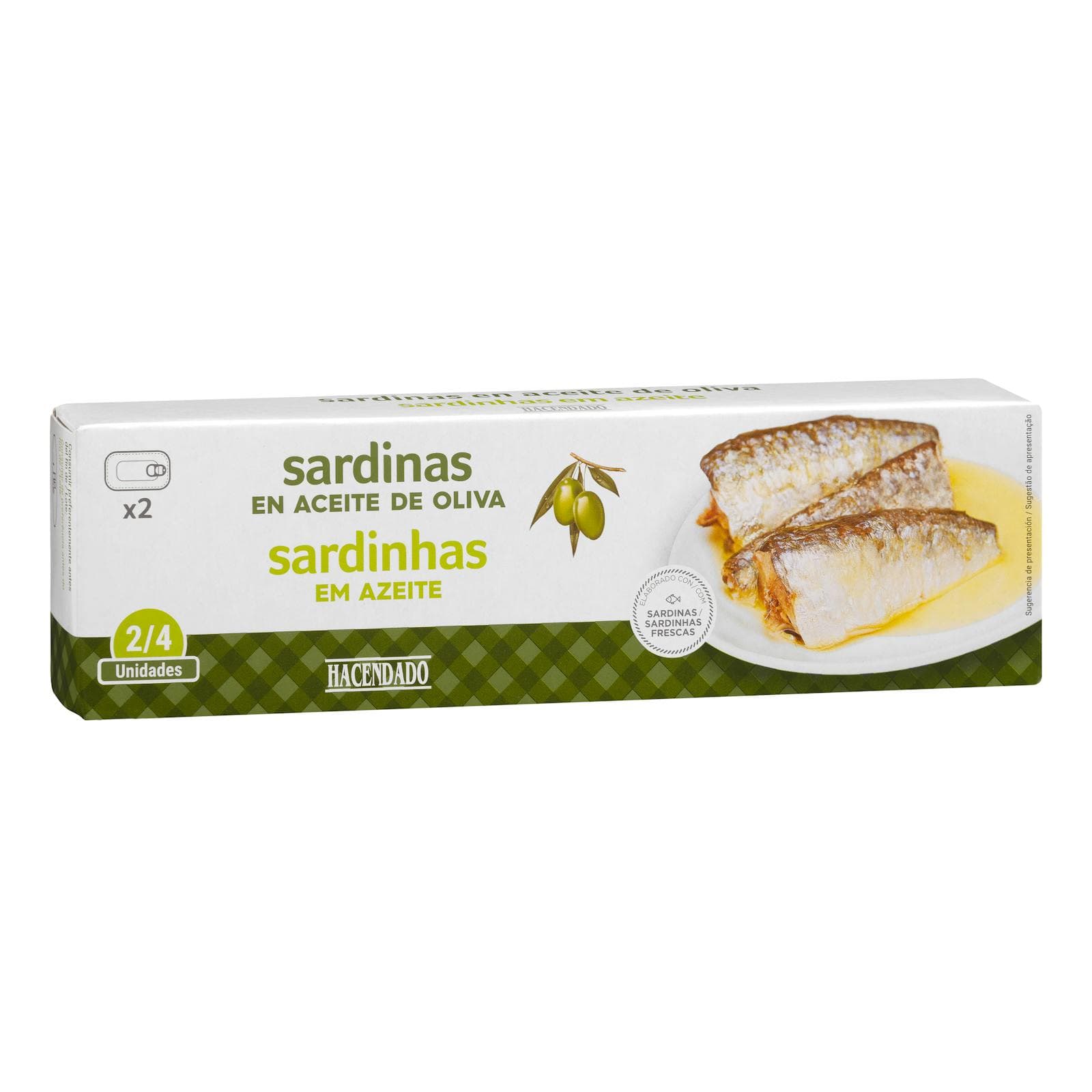 €2.20
€2.20Sardines in Olive Oil
Hacendado · 234 g · Mercadona
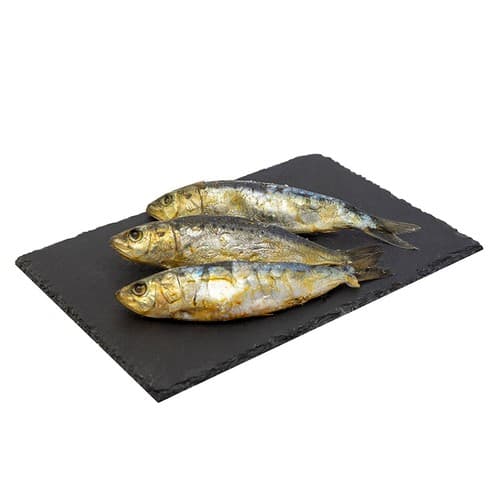 €0.79
€0.79Salted Sardine
Bonpreu
Good to know
- Origin
- Japan; also produced in Taiwan and China
- Species
- Japanese sardine (Sardinops melanostictus); occasionally round scad
- Processing
- Briefly boiled, then sun-dried (the literal meaning of 煮干)
- Typical Size
- 3–5 cm length, whole with head and entrails intact
- Flavor Profile
- Intense marine umami, clean fish essence, subtle bitterness from entrails
- Yield
- ~10–15 g niboshi per liter of finished dashi
- Shelf Life
- 6–12 months airtight in cool, dry place; refrigerate after opening
- Quality Sign
- Should be slightly translucent and springy, not completely dried hard
Substitutes
- Dried Anchovies (Myeolchi) — Korean or Southeast Asian dried anchovies; similar intensity and umami profile but a distinct species flavor; use as a 1:1 substitute in dashi applications
- Kombu Dashi — Vegetarian option using kombu seaweed; different umami profile (primarily glutamates rather than inosinate), lighter body; combine with bonito for a hybrid stock
- Hon-dashi Granules — Commercial powdered dashi blend; convenient and consistent but contains additives (including MSG derivatives) and lacks the nuance of real niboshi dashi
Also called
Niboshi · Dried Sardine Stock Fish · Iriko
Related
Egg
The kitchen's everything ingredient — bind, leaven, enrich, or fry
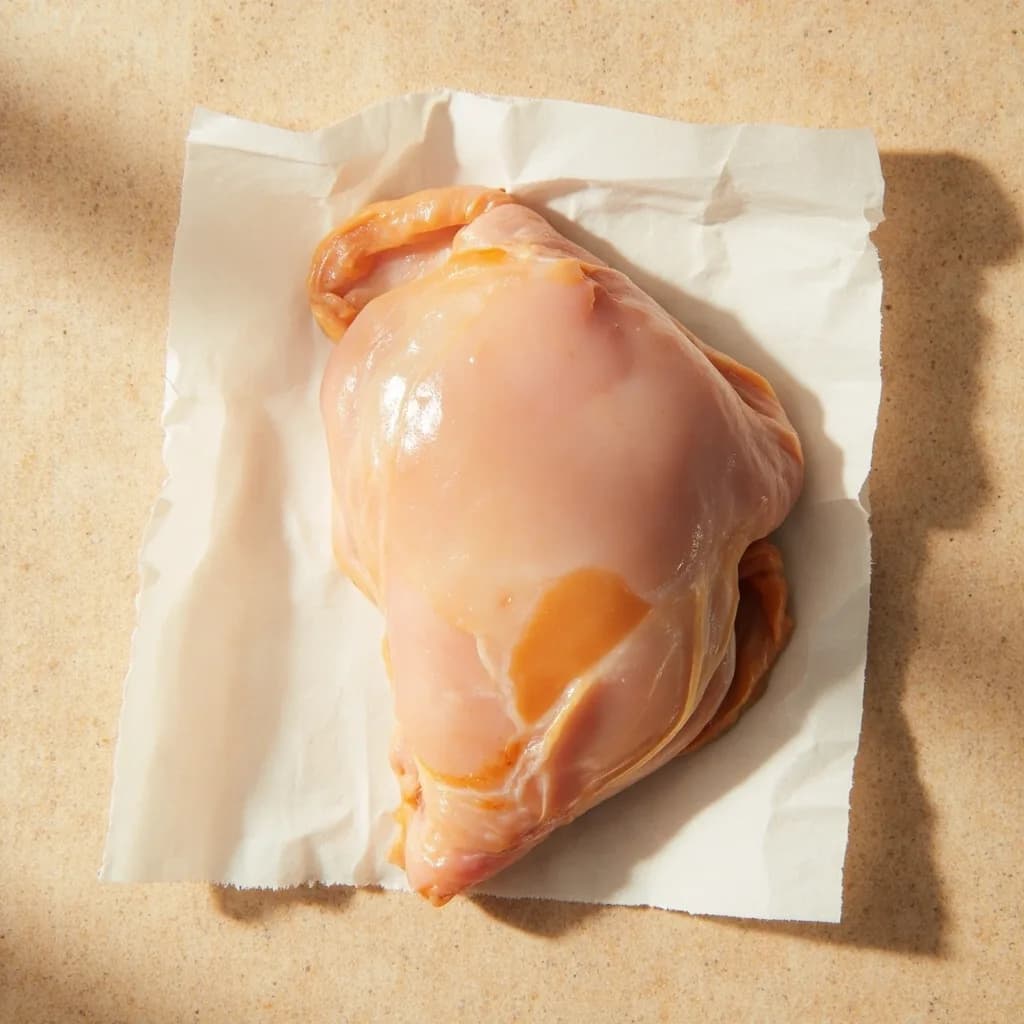
Chicken Breast
Lean, quick-cooking white meat for everyday dinners

Ground Beef
Versatile minced beef for burgers, ragù, tacos, and meatballs
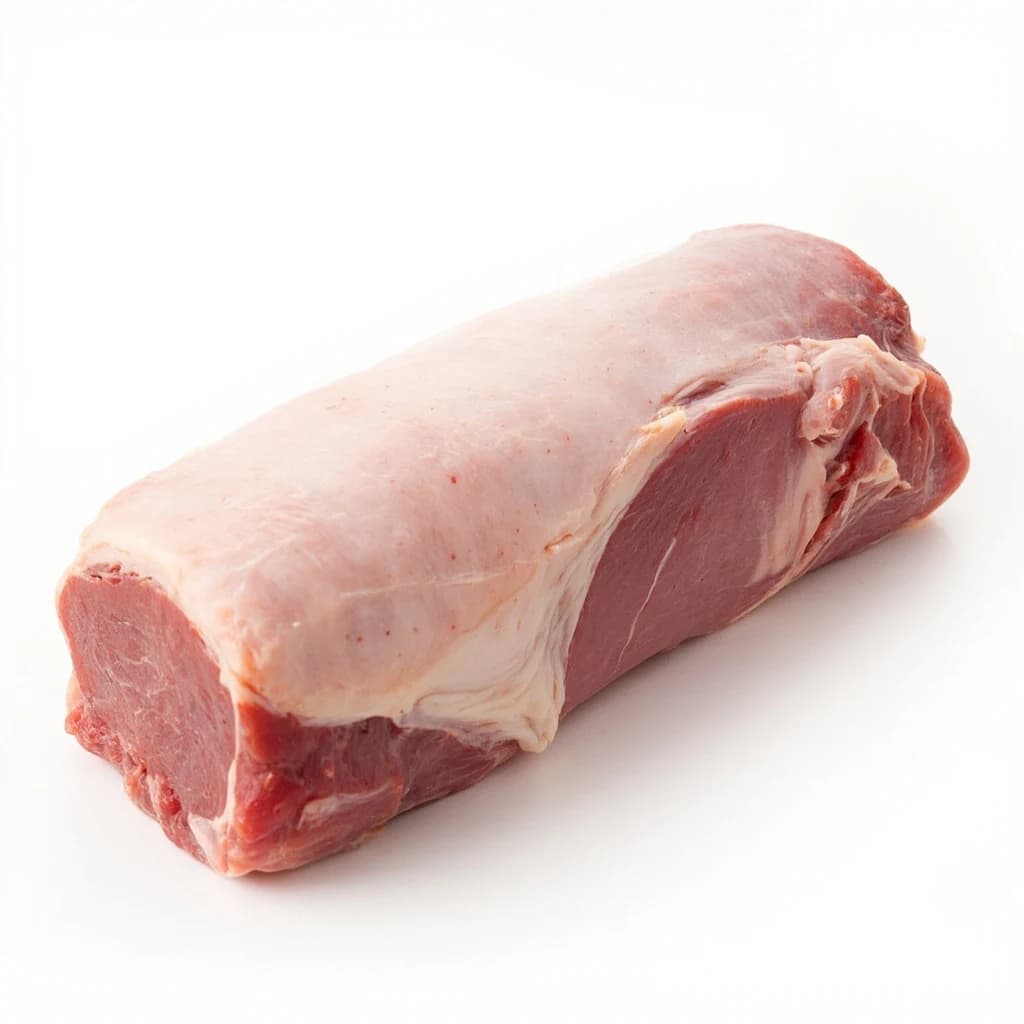
Pork Loin
Lean, tender roasting cut that stays juicy with care
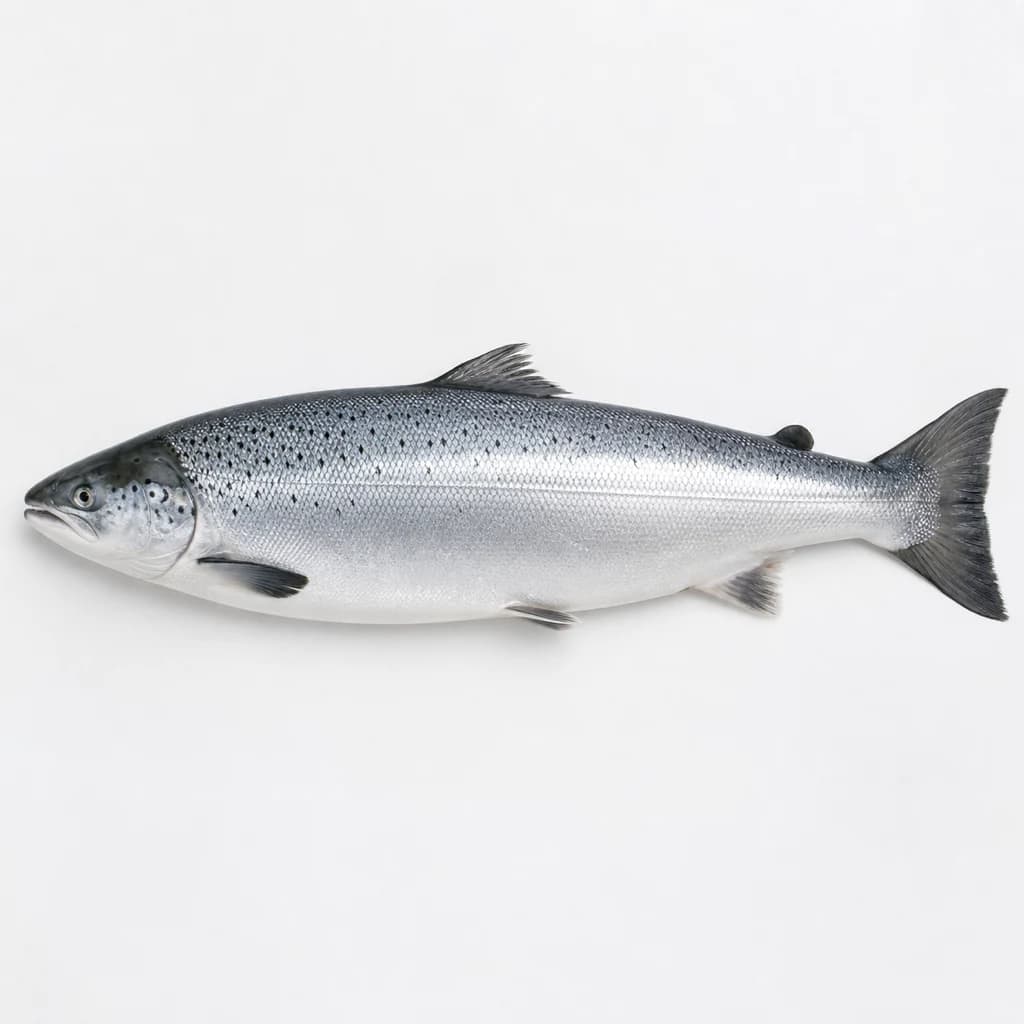
Salmon
Rich, rosy fish that roasts, grills, or cures beautifully

Egg White
Pure protein that whips to airy peaks for meringue and more

Egg Yolk
Rich, golden yolk for custards, mayonnaise, and pasta

Quail Egg
Tiny, speckled eggs for garnishing and elegant bites