Latin America
Veracruzana
Also: Cocina Veracruzana, Gulf Coast Mexican
Mexico's most maritime cuisine, where Spanish olive oil, Afro-Caribbean rhythms, and Totonac vanilla meet on the Gulf shore.
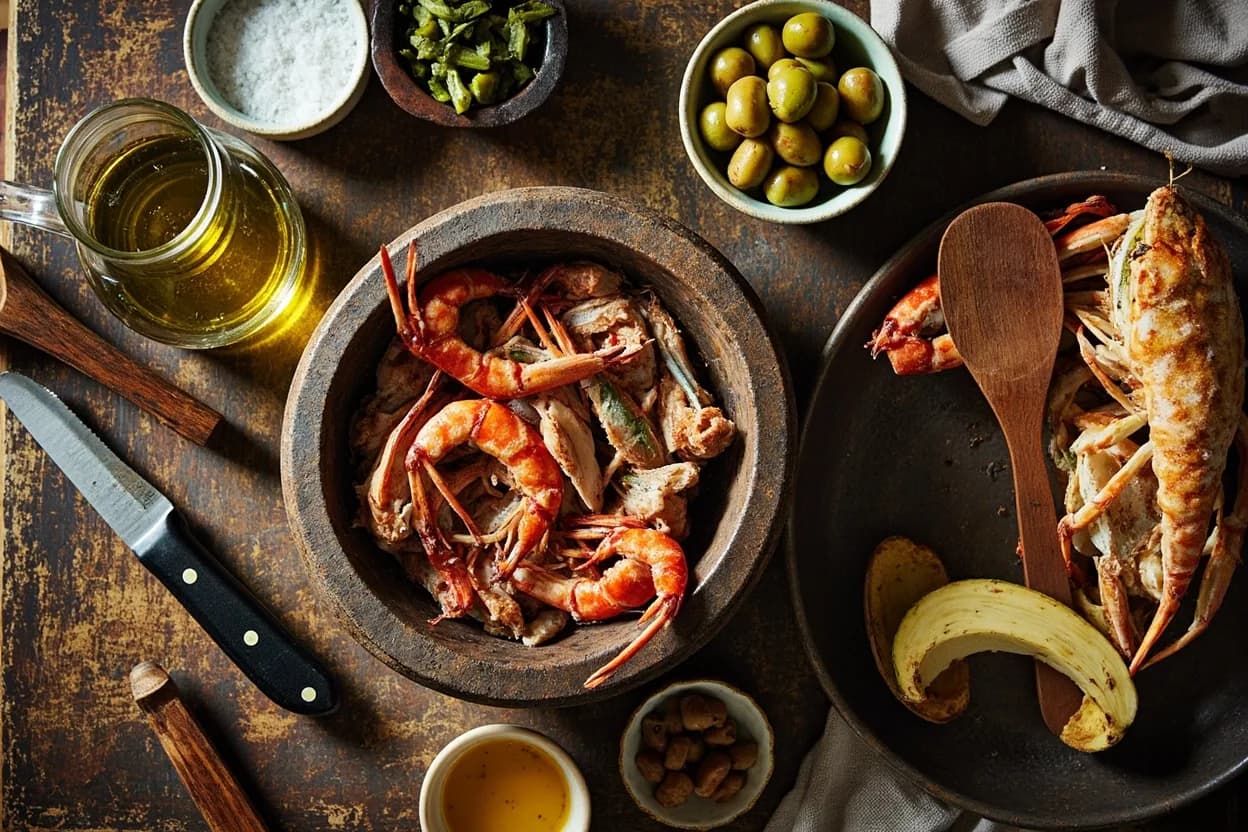
Veracruzana cuisine is defined by its position as Mexico's primary Atlantic port — a crossroads where indigenous Totonac and Nahua traditions absorbed Spanish, African, and Caribbean ingredients from the colonial trade routes. The result is Mexico's most explicitly Mediterranean-inflected regional cooking: olive oil, capers, and olives appear alongside chiles, epazote, and tropical fruits. Seafood dominates, but rice dishes, tropical stews, and Afro-Mexican preparations from the Costa Chica enriched the repertoire over centuries.
The flavour base
Salsa veracruzana (tomato, olives, capers, pickled jalapeños, and herbs in olive oil) forms the defining sauce of the cuisine, applied to fish, eggs, and meats. Sofrito-like bases of onion, garlic, and tomato cooked in lard or olive oil anchor most dishes.
Pantry staples
Key ingredients
Signature techniques
Signature dishes
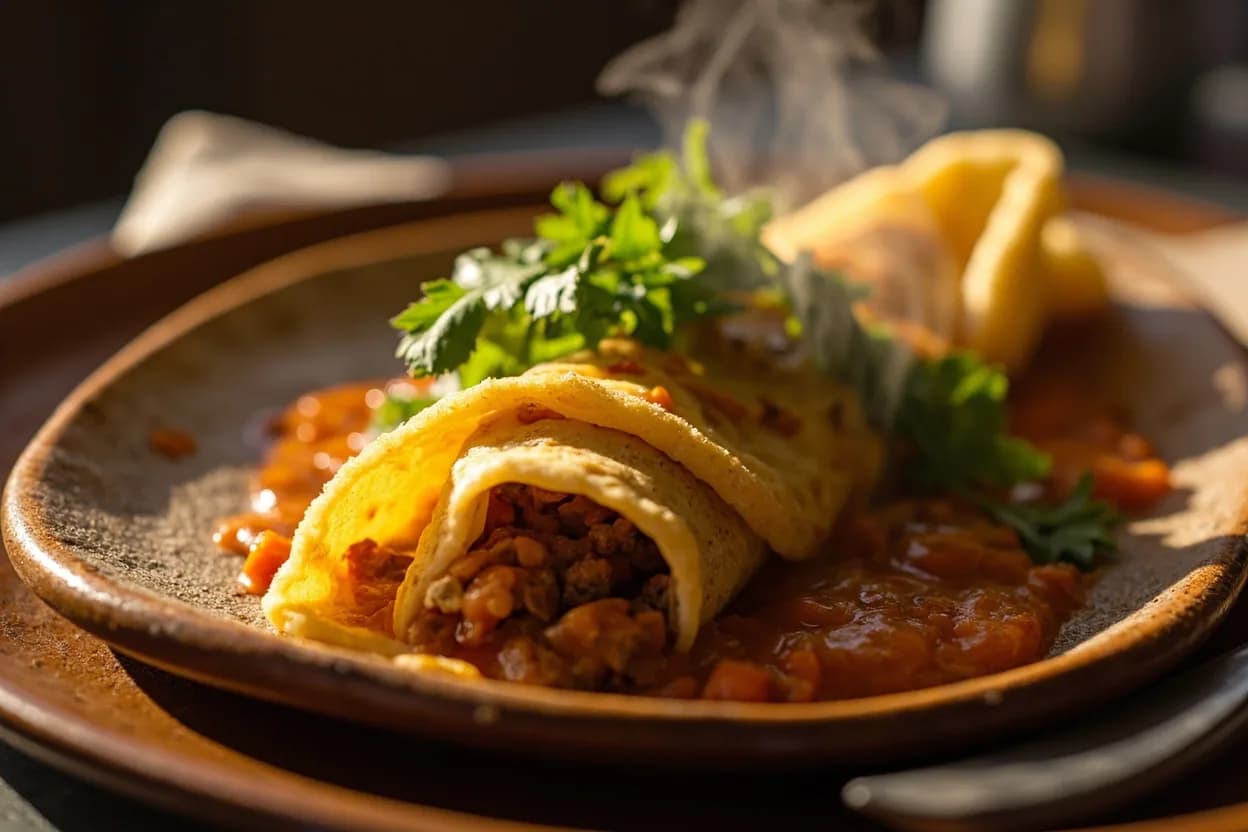
Veracruzana on the table
At the table
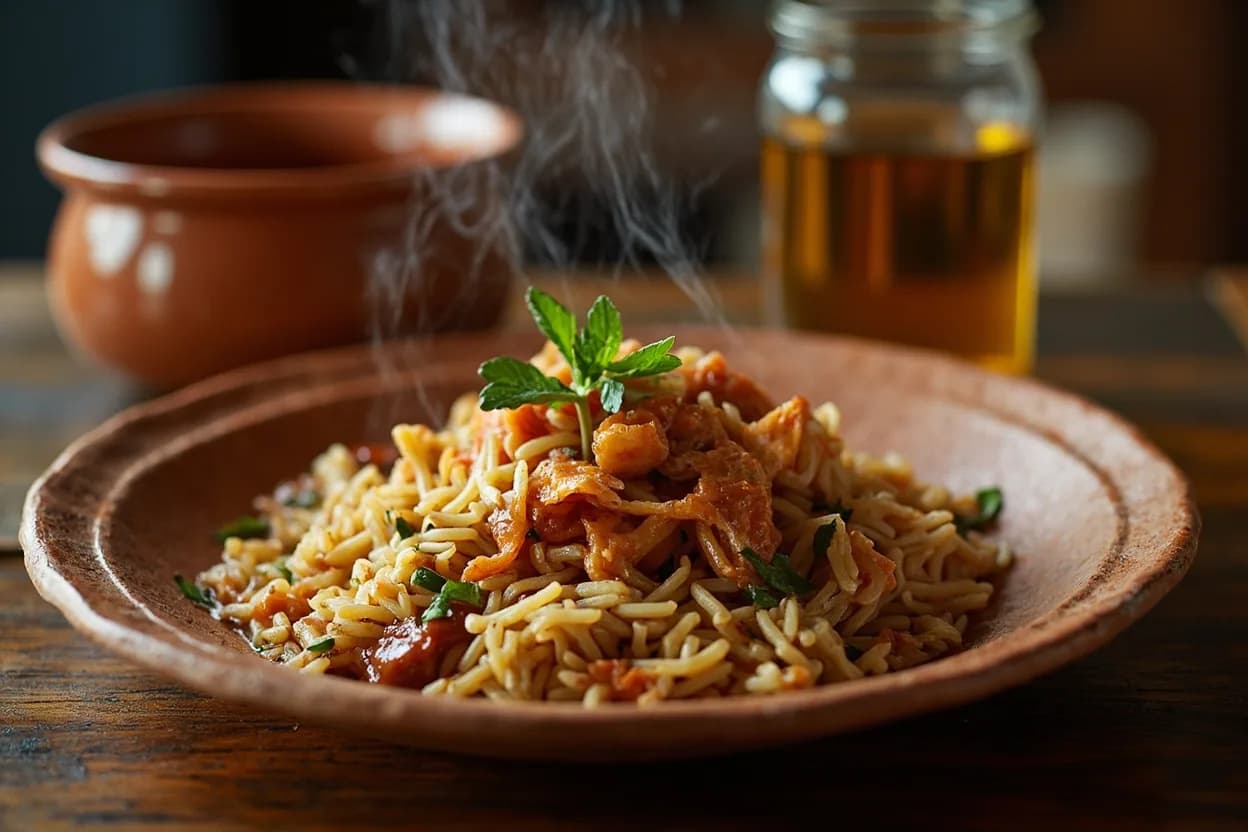
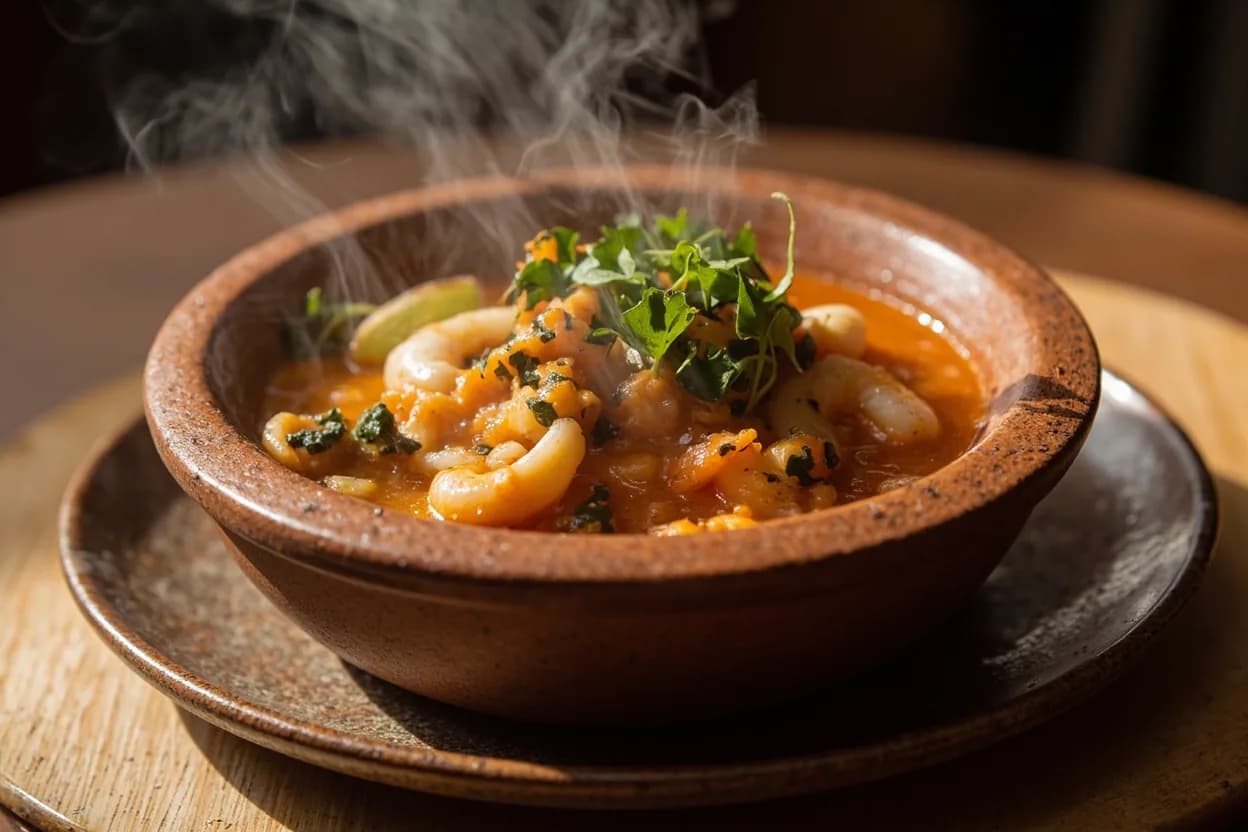
Meals follow a Mexican pattern of comida corrida at midday (the main meal), opening with soup or rice, followed by a main of fish or meat, and closing with fruit or a simple dessert. Street food is central — topos, picadas, and garnachas are sold from morning through evening. Sunday arroz a la tumbada is a communal ritual in port cities.
History & context
Veracruz was the primary entry point for the Spanish Empire into Mexico, founded by Hernán Cortés in 1519. Three centuries of transatlantic trade brought olive oil, capers, and almonds alongside enslaved Africans who introduced their own cooking methods, root vegetables, and rice cultivation. The Totonac people of the Gulf highlands had already domesticated vanilla here — the only place in the world where the Melipona bee native-pollinates the orchid. Afro-Mexican communities of the Costa Chica and the port's cangrejero fishing culture both left permanent marks on the table.
Regional variations
- Huasteca Veracruzana
Northern zone bordering San Luis Potosí; home of zacahuil, the enormous banana-leaf tamal weighing up to 50 kg, and bocoles (thick corn cakes with black bean stuffing).
- Los Tuxtlas
Volcanic highland microclimate southeast of the port; intense chocolate and cacao tradition, highly spiced moles, and strong Afro-indigenous culinary memory.
- Sotavento (port region)
City of Veracruz and the coastal flatlands; the epicenter of salsa veracruzana, arroz a la tumbada, and garnachas — the definitive port street foods.
Related cuisines
Shares banana-leaf tamales and achiote use; both integrate Caribbean influences but Veracruzana is more Mediterranean while Yucatecan leans Maya-Moorish.
- Cuban
Parallel Afro-Caribbean and Spanish layering; Veracruz port cuisine and early Havana cooking share olive oil, sofrito, and dried-fish traditions from the same colonial trade network.
The Camino Real between Veracruz and Puebla made these kitchens constant interlocutors; vanilla, chiles, and European imports all passed through this corridor.
Canonical recipes
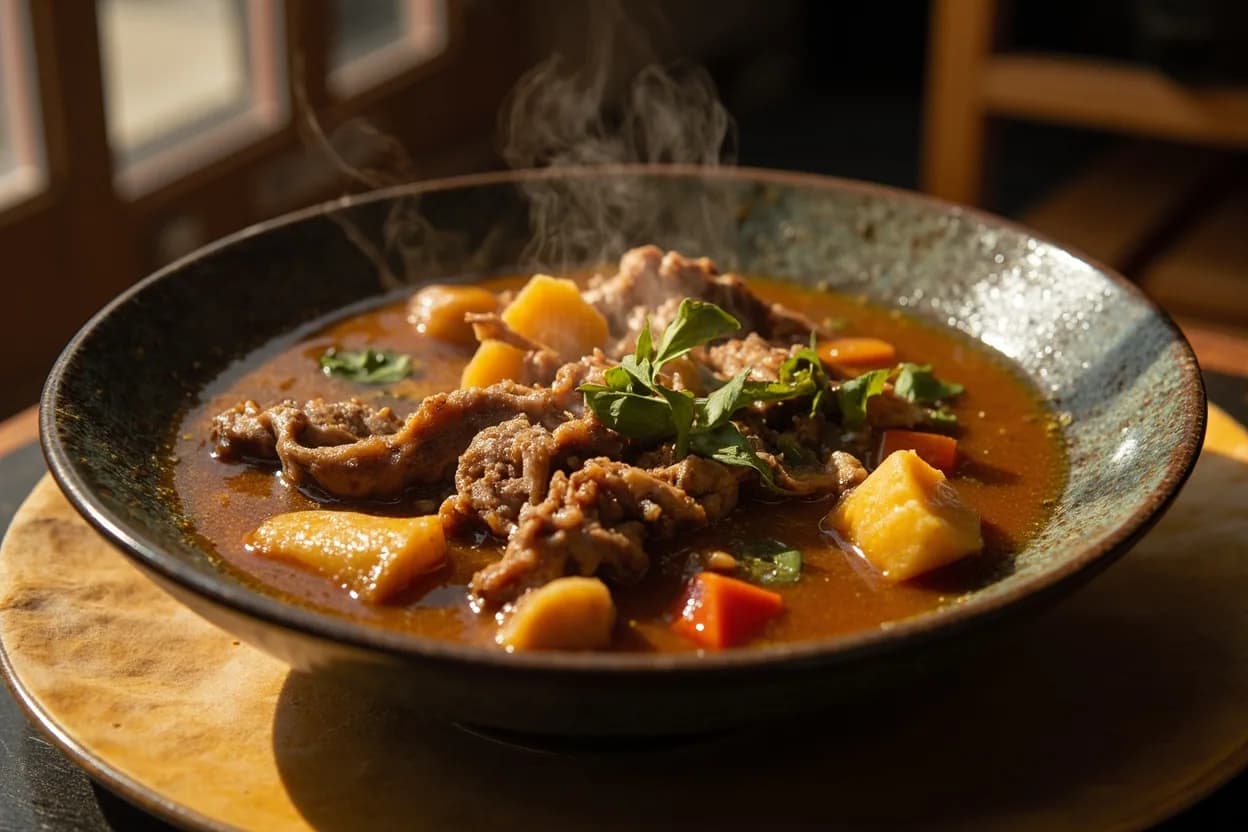
The dishes that define Veracruzana, documented in the Canon.
References
- 1.Mexico: The Cookbook — Margarita Carrillo Arronte (Phaidon, 2014)
- 2.El Gran Libro de la Cocina Mexicana — Larousse México (2010)
- 3.Authentic Mexican: Regional Cooking from the Heart of Mexico — Rick Bayless (Morrow, 1987)
- 4.The Food and Life of Oaxaca — Zarela Martinez (Macmillan, 1997)
Confidence: high
Notes
Vanilla's True Home
Papantla in northern Veracruz is the ancestral home of vanilla. The Totonac people cultivated Vanilla planifolia for centuries before Spanish contact; their vanilla remains among the most prized in global trade. This single ingredient exports the flavor of Veracruz across the world's pastry kitchens.
The Mediterranean Paradox
No other Mexican regional cuisine leans as heavily on imported Spanish pantry goods — olive oil, olives, capers, almonds — while simultaneously remaining deeply Mesoamerican in its chile grammar and corn foundations. This tension is the cuisine's defining creative energy.