Sweet Aromatics
Vanilla Bean
Also: Vanilla planifolia, Bourbon vanilla, Tahitian vanilla, Mexican vanilla
The world's most universally beloved aromatic — floral, creamy, and balsamic — that amplifies almost everything sweet.
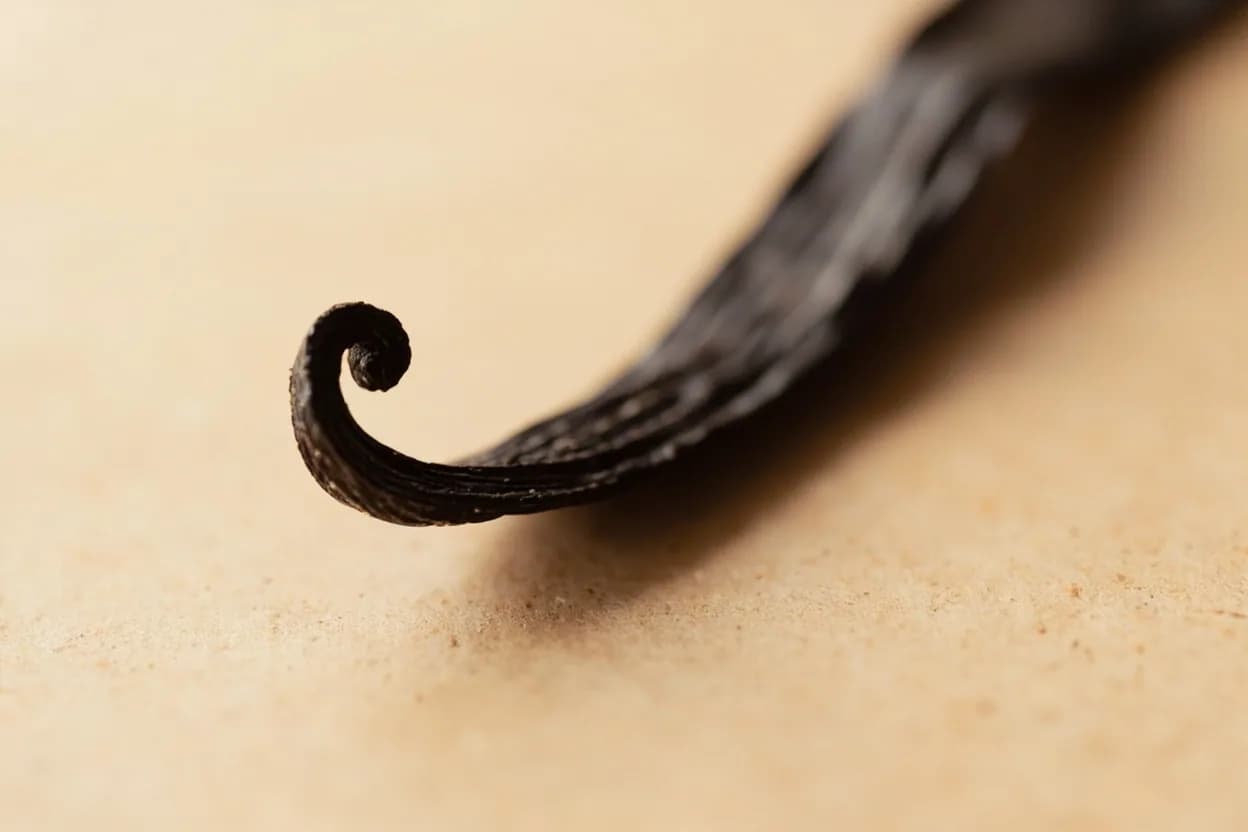
The cured seed pod of the orchid Vanilla planifolia, native to Mexico and now grown across Madagascar, Tahiti, and Indonesia. Its flavor comes chiefly from vanillin plus hundreds of supporting aromatic compounds (heliotropin, anisaldehyde, guaiacol) developed during a months-long curing process. Bourbon vanilla (Madagascar/Réunion) is rich and creamy; Tahitian vanilla is floral and cherry-like; Mexican vanilla carries subtle spice and smoke. The whole bean, split and scraped, delivers far more complexity than extract alone.
In photos
Flavour profile
Classic pairings
- Dark chocolateFrench patisserie
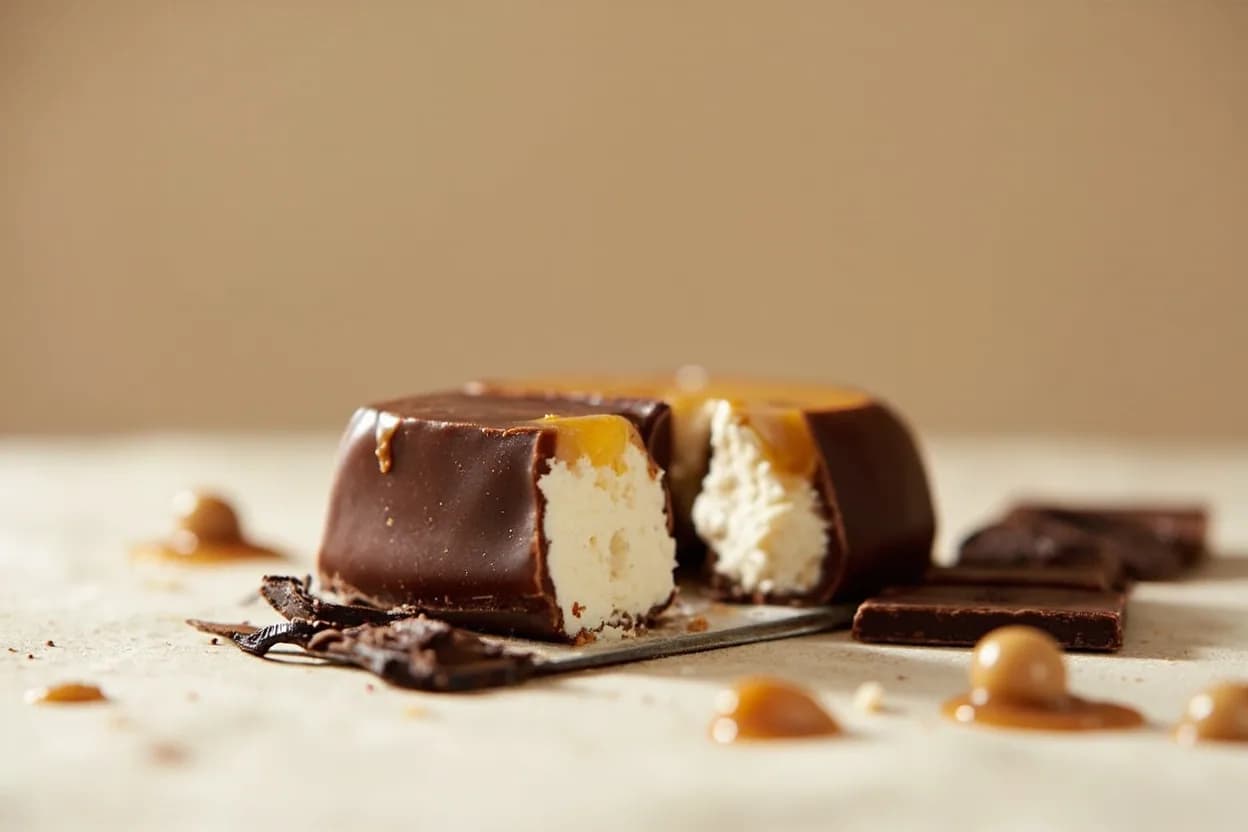
Vanilla's floral sweetness rounds bitter cocoa solids, a pairing enshrined in every classic ganache and molten cake.
- Heavy cream / crème fraîcheFrench
Fat is the ideal solvent for vanillin; cream carries and amplifies vanilla's full aromatic range in custards and panna cotta.
- CaramelFrench, American
Shared Maillard compounds (furans, maltol) echo each other; vanilla's floral lift balances caramel's bittersweet depth.
- Stone fruit (peach, apricot, cherry)French, American
Lactone compounds in stone fruit mirror vanilla's creamy character, making poached or roasted stone fruit with vanilla a natural marriage.
- Egg yolkFrench
Lecithin in yolks emulsifies vanilla's fat-soluble aromatics, which is why crème brûlée and vanilla ice cream achieve such seamless integration.
- CoffeeGlobal
Vanilla softens coffee's bitter phenolic edge while coffee's roast deepens vanilla's tobacco-balsamic undertones.
- Bourbon / aged rumAmerican
Oak-aged spirits share vanillin from barrel aging; the pairing resonates naturally in sauces and ice cream floats.
- CinnamonMexican, French
Classic spice pairing in Mexican and French baking; both are phenylpropanoid aromatics and reinforce each other's warmth.
Adventurous pairings
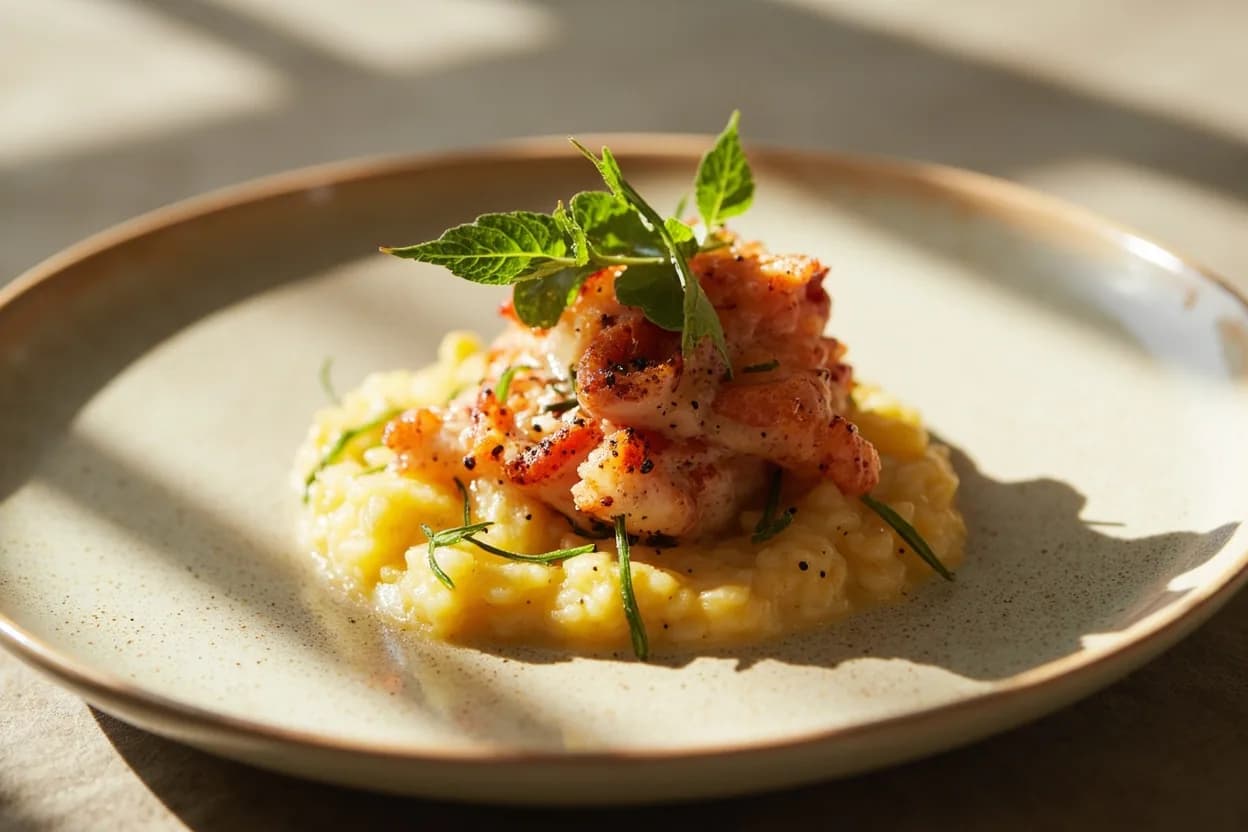
A celebrated modernist pairing (popularized by Alain Sauterne): vanilla's fat-soluble esters cling to rich crustacean meat, creating a beurre blanc that is floral and oceanic simultaneously.
- Black pepper
Piperine's heat and vanilla's sweetness create a push-pull tension; used in contemporary Nordic and Asian pastry to add aromatic complexity without sugar.
- Miso (white/shiro)
Umami salinity from miso cuts the sweetness of vanilla; the fermented caramel note in shiro miso rhymes with vanilla's butterscotch character, yielding a nuanced glaze or ice cream.
- Tomato
An unexpected alliance: slow-roasted tomatoes with vanilla bean bring out the fruity ester notes in both, used in avant-garde Catalan cuisine.
- Cardamom
Common in Scandinavian baking and Indian kheer; cardamom's eucalyptol brightness sharpens and lifts vanilla's roundness into something more complex.
- Olive oil (grassy, peppery)
A Ferran Adrià–era trick: high-polyphenol extra-virgin olive oil's grassiness creates intriguing friction against vanilla in ice cream or mousse.
Tread carefully
- Highly acidic citrus (lemon zest in excess)avoid
Strong limonene can overwhelm vanillin, masking vanilla's delicate florals and leaving only a flat sweetness.
- Very pungent blue cheeseavoid
Volatile sulfurous compounds in strong blue cheese clash with vanilla's ester-forward profile, creating an acrid, unpleasant combination.
- Raw onion or garlicavoid
Thiosulfinates dominate any flavor pairing, completely obliterating vanilla's nuance — no context makes this work.
How to use it
- Split and scrape: cut the pod lengthwise, scrape seeds with the back of a knife, steep both pod and seeds in hot liquid for 20–30 minutes
- Infuse in fat: embed scraped pod in butter or cream overnight in the refrigerator for deep aromatic extraction
- Vanilla sugar: bury used pods in caster sugar, sealed, for 2+ weeks to create a subtly flavored sugar for pastry
- Powder: dry spent pods thoroughly and grind to a fine powder for use in dry rubs, spice blends, or pastry flour
- Compound butter: blend scraped seeds with softened butter for finishing sauces on seafood or veal
- Alcohol extraction: steep split pods in vodka or rum for 8+ weeks to produce house-made extract richer than commercial versions
Appears in
Related flavours
Shares vanilla's coumarin-almond axis; tonka often substitutes or complements vanilla in French pastry when more intensity is desired
Maillard chemistry bridges both flavors; vanilla is the standard aromatic backbone of caramel sauce
The foundational sweet pairing; vanilla is embedded in most chocolate formulations at the couverture stage
References
- 1.On Food and Cooking — Harold McGee
- 2.The Flavor Bible — Karen Page & Andrew Dornenburg
- 3.Patisserie — Christophe Felder
- 4.Modernist Cuisine — Myhrvold et al.
Confidence: high
Notes
Bourbon vs. Tahitian vs. Mexican
The choice of origin matters. Bourbon vanilla (Madagascar) is the workhorse: rich, creamy, reliable, and by far the most widely used. Tahitian vanilla (V. tahitensis) contains higher levels of heliotropin, making it more floral and cherry-like — prized in French pastry for delicate mousses and creams where creaminess would feel heavy. Mexican vanilla retains a subtle smokiness and spice from traditional curing on smoke-dried planks, making it the most complex of the three and the right choice for chocolate-forward or spiced preparations.
Vanillin vs. Ethyl Vanillin
Synthetic vanillin (from lignin or guaiacol) delivers the core note at a fraction of the cost but lacks the hundreds of supporting compounds in real vanilla. Ethyl vanillin, three times more potent, appears in many commercial products. Both can work in high-sugar, high-fat contexts where nuance is masked anyway, but neither replicates the floral depth and complexity of real Bourbon vanilla bean in a delicate custard.