Sweet Aromatics
Coffee
Also: espresso, café, cold brew, coffee extract, java
Bitter, roasted, and fruit-complex — coffee amplifies and bridges flavors across sweet, savory, and spiced worlds.
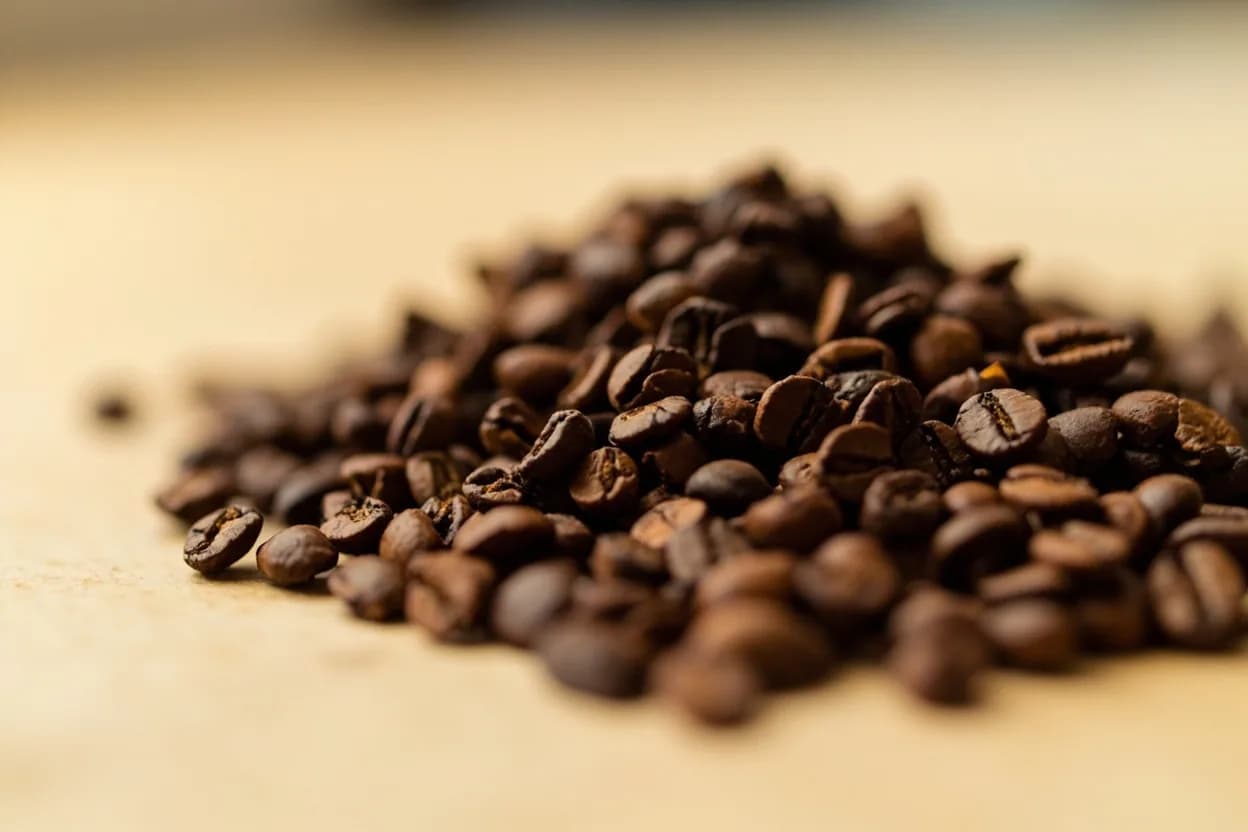
Coffee is the brewed infusion or extract of roasted Coffea arabica or C. canephora (robusta) beans. Its flavor profile is among the most chemically complex of any food or beverage — over 1,000 volatile compounds have been identified, including pyrazines (roasty, nutty), furans (caramel), ketones (buttery), and organic acids (bright, fruity). The roast level dramatically shifts character: light roasts are acidic and fruit-forward; dark roasts are bitter, smoky, and bittersweet. Coffee functions both as a flavor in its own right and as a depth-building agent, intensifying chocolate, enriching braising liquids, and sharpening spice rubs.
In photos
Flavour profile
Classic pairings
- Dark chocolateFrench and Belgian confectionery
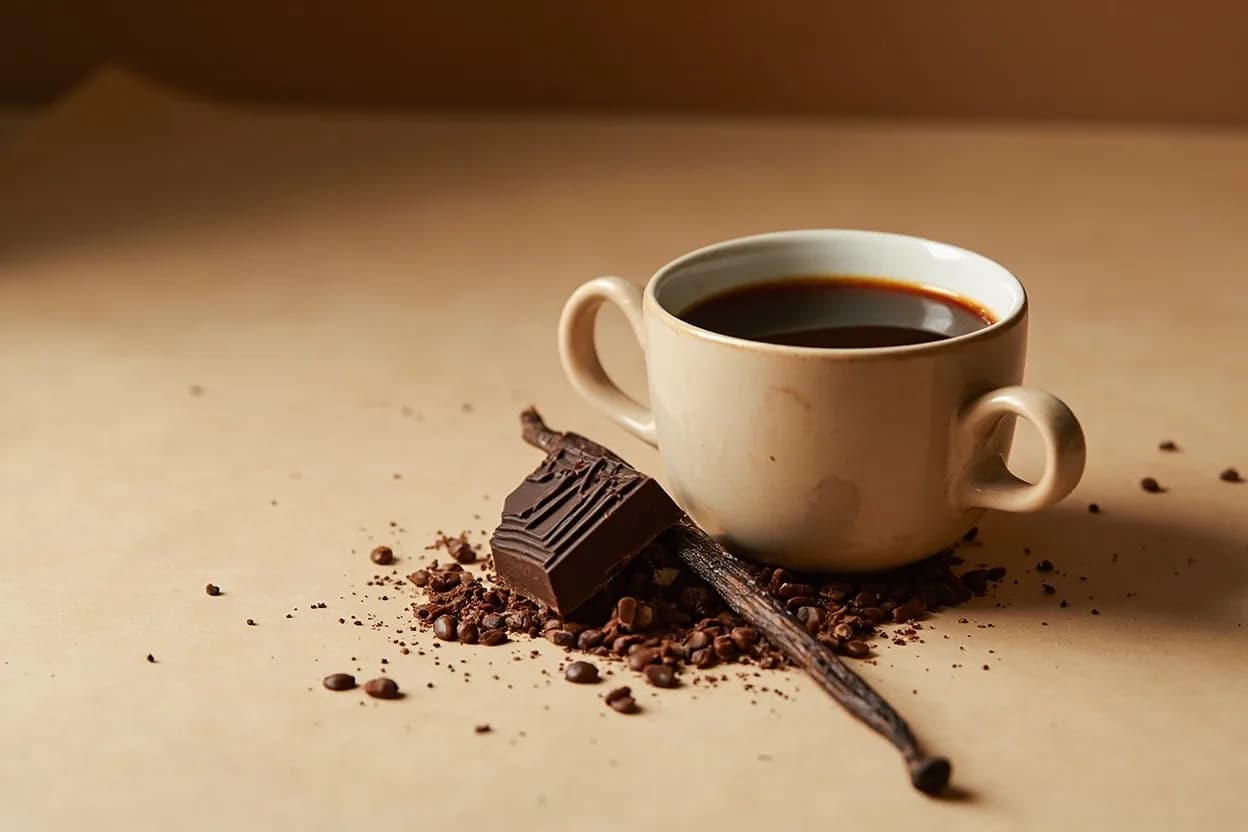
Shared roasted pyrazines create a seamless flavor bridge; coffee elevates perceived cacao intensity without adding sugar.
- VanillaItalian café culture
Vanillin rounds bitterness and adds aromatic sweetness — standard in espresso-dessert tradition; the cream in a cappuccino exploits this.
- CardamomTurkish, Saudi, and Nordic coffee tradition
A classic Middle Eastern and Scandinavian pairing: cardamom's 1,8-cineole bridges floral and bitter notes and cuts perceived astringency.
- CaramelModern café desserts
Maillard-browned sugar echoes coffee's own Maillard compounds; together they reinforce butterscotch sweetness while coffee provides contrast.
- WalnutLevantine pastries, Italian biscotti
Shared bitterness and roast-aliphatic compounds; walnut's tannins harmonize rather than clash with coffee's astringency.
- CinnamonMexican café de olla, Ethiopian spiced coffee
Trans-cinnamaldehyde's warm spice counters coffee's acidity and deepens brown-sugar overtones.
- Beef (braised cuts)American BBQ (coffee brisket rub), Mexican estofado
Coffee in braise or rub adds umami depth via Maillard char notes and bitterness that cuts through rendered collagen fat.
Adventurous pairings
Both are umami bombs; a tiny coffee-and-anchovy glaze on lamb creates layered savory depth that neither achieves alone.
- Mole negro
Coffee is already an occasional ingredient in mole negro — its bitterness bridges chile heat and cacao, adding roast complexity.
- Aged goat cheese
Coffee's acidity cuts lactic fat; the bitterness contrasts the sharp goat tang; used in small amounts as a crumb crust.
Both are tannic and acidic with a sweet background note — used together in East African stews and some modern BBQ sauces.
- Black pepper
Piperine's sharp heat amplifies perceived roast bitterness and aroma; used together in Ethiopian berbere-style rubs and modern spice blends.
Tread carefully
- Delicate white fishavoid
Coffee's bitterness and roast character overpower subtle sea-sweet flavors — a fundamental intensity mismatch.
- Asparagusavoid
The vegetal sulfur compounds in asparagus clash harshly with coffee's acidity, producing a discordant metallic note.
- Very tannic red wine in dessertsavoid
Both coffee and high-tannin wine compete for dominance; the combined astringency becomes unpleasant — use only low-tannin wines alongside coffee flavors.
How to use it
- Reduce cold brew to a syrup for concentrated flavor without added bitterness from heat
- Use finely ground espresso powder in dry rubs — it forms a Maillard crust on grilled meats
- Steep coffee in warm cream for panna cotta, crème brûlée, or ice cream base
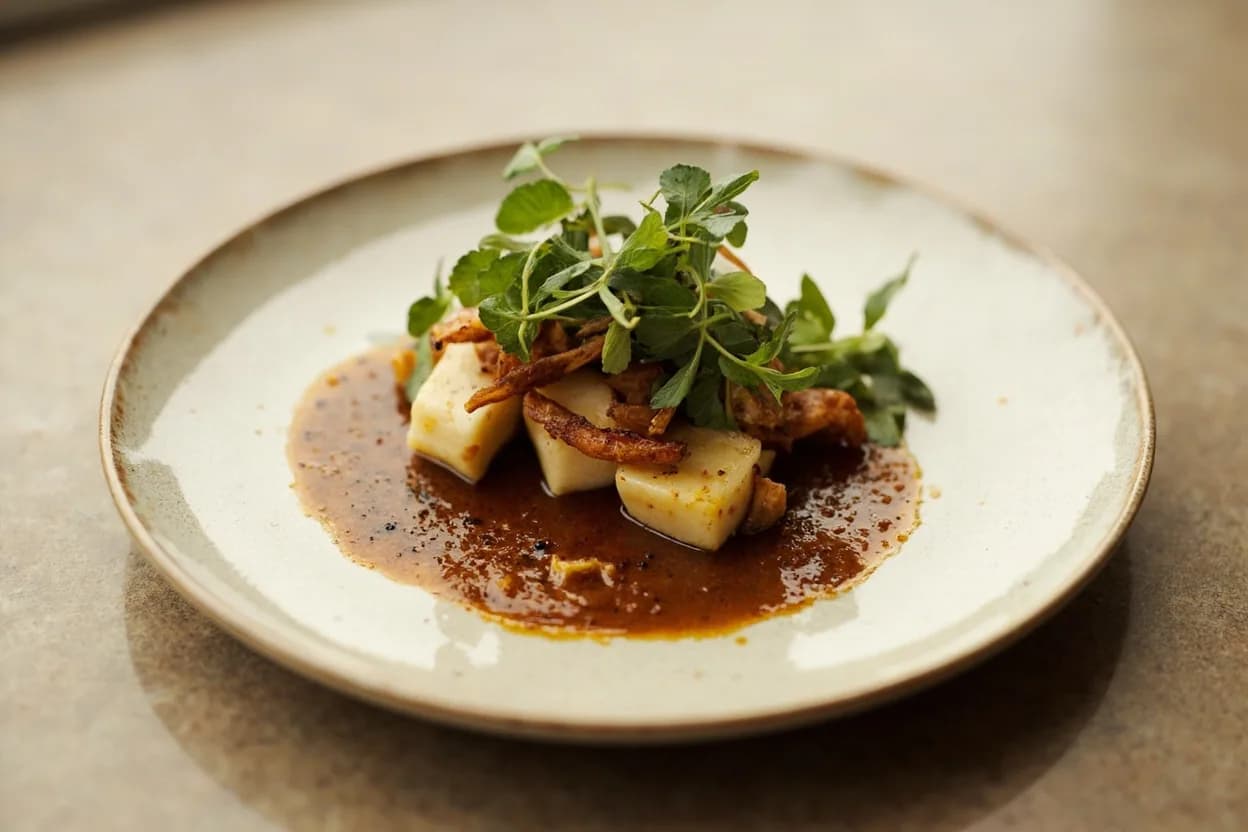
- Deglaze a pan with brewed coffee after searing duck or beef for a quick pan sauce
- Bloom with butter to open roast aromatics before folding into cookie dough
- Fold into chocolate ganache to amplify cacao without adding sugar
Appears in
Related flavours
Near-identical roast chemistry; together they form the backbone of mocha flavor and many spice rubs.
- Cardamom
The defining spice partner in Middle Eastern and Scandinavian coffee traditions.
- Vanilla
Sweetens and rounds coffee's bitterness — fundamental to espresso-dessert pairings.
References
- 1.The Flavor Bible — Karen Page & Andrew Dornenburg
- 2.On Food and Cooking — Harold McGee
- 3.World Atlas of Coffee — James Hoffmann
- 4.Modernist Cuisine: The Art and Science of Cooking — Nathan Myhrvold et al.
Confidence: high
Notes
Roast determines pairings
Light roasts, with their higher residual fruit acids and floral aromatics, pair beautifully with fresh berries, citrus, and delicate dairy. Dark roasts, dominated by roast-bitterness and smoke, are better companions for chocolate, barbecue, and braised meats. Specify roast level when engineering a pairing.
The depth-builder role
Even when coffee is not identifiable as itself in a dish, small amounts (1–2 tsp espresso powder in a mole or braise) function as a depth amplifier — lengthening the finish and reinforcing roasted, umami notes. This is coffee used as a condiment, not a main flavor.