Sweet Aromatics
Cacao Nib
Also: cocoa nib, criollo nib, cacao grue
The raw, crunchiest expression of chocolate — bitter, earthy, and intensely aromatic.
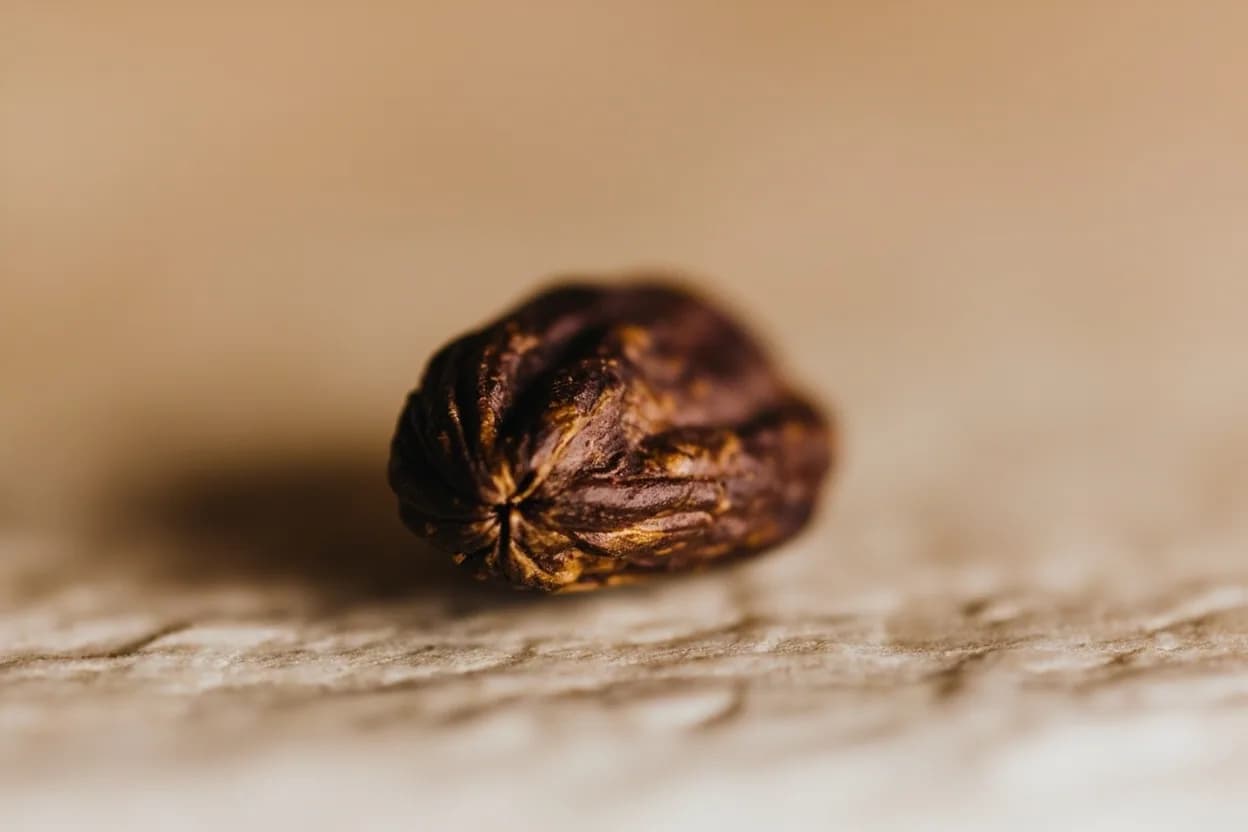
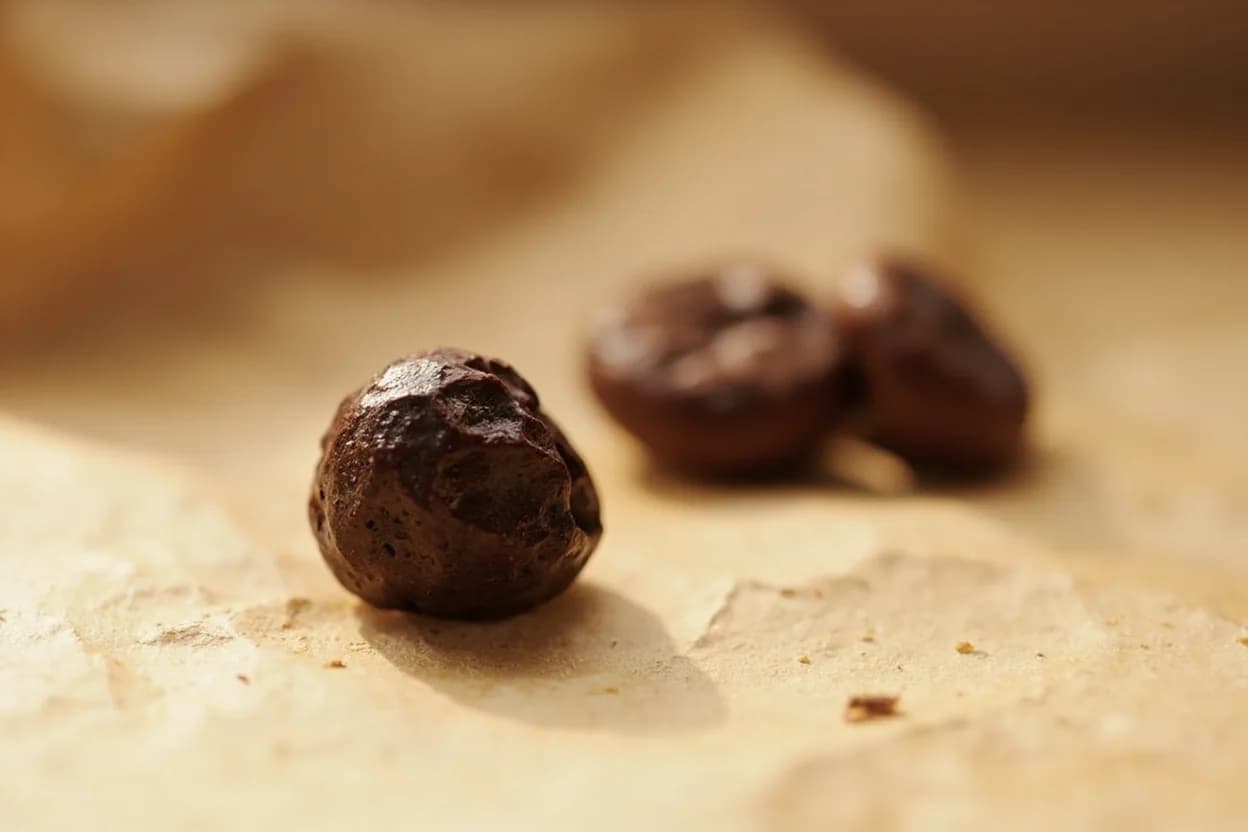
Cacao nibs are fragments of fermented, dried, and roasted cacao beans that have been cracked from their husks. Unlike processed chocolate, they contain no added sugar or fat beyond the bean's native cocoa butter. The flavor is sharply bitter, with notes of espresso, dried fruit, and toasted nuts — essentially pure chocolate stripped of sweetness. Their crunchy texture provides welcome contrast in both sweet and savory preparations.
In photos
Flavour profile
Classic pairings
- EspressoItalian café tradition
Shared roast compounds (pyrazines, furans) create harmonic bitterness; coffee amplifies the nib's fruity undertones.
- Dark chocolateFrench pâtisserie
Doubling down on cacao intensifies depth; nibs add crunch where chocolate is smooth.
- VanillaClassic dessert
Vanillin's sweetness and floral warmth offset the nib's bitterness without masking its character.
- Orange zestConfectionery
Citrus limonene cuts through the fat of cocoa butter and brightens the fruit notes already present in well-fermented beans.
- Sea saltModern chocolate-making
Salt suppresses bitterness perception and elevates sweetness — a fundamental contrast pairing for any high-cacao product.
- HoneyArtisan granola and breakfast bowls
Floral sweetness rounds bitter edges; raw honey adds enzymatic complexity that complements the nib's fermented origin.
- HazelnutItalian confectionery
Classic gianduja logic — roasted hazelnut fats and nib cocoa butter share oleic acid, and their shared pyrazines reinforce nuttiness.
Adventurous pairings
- Duck breast
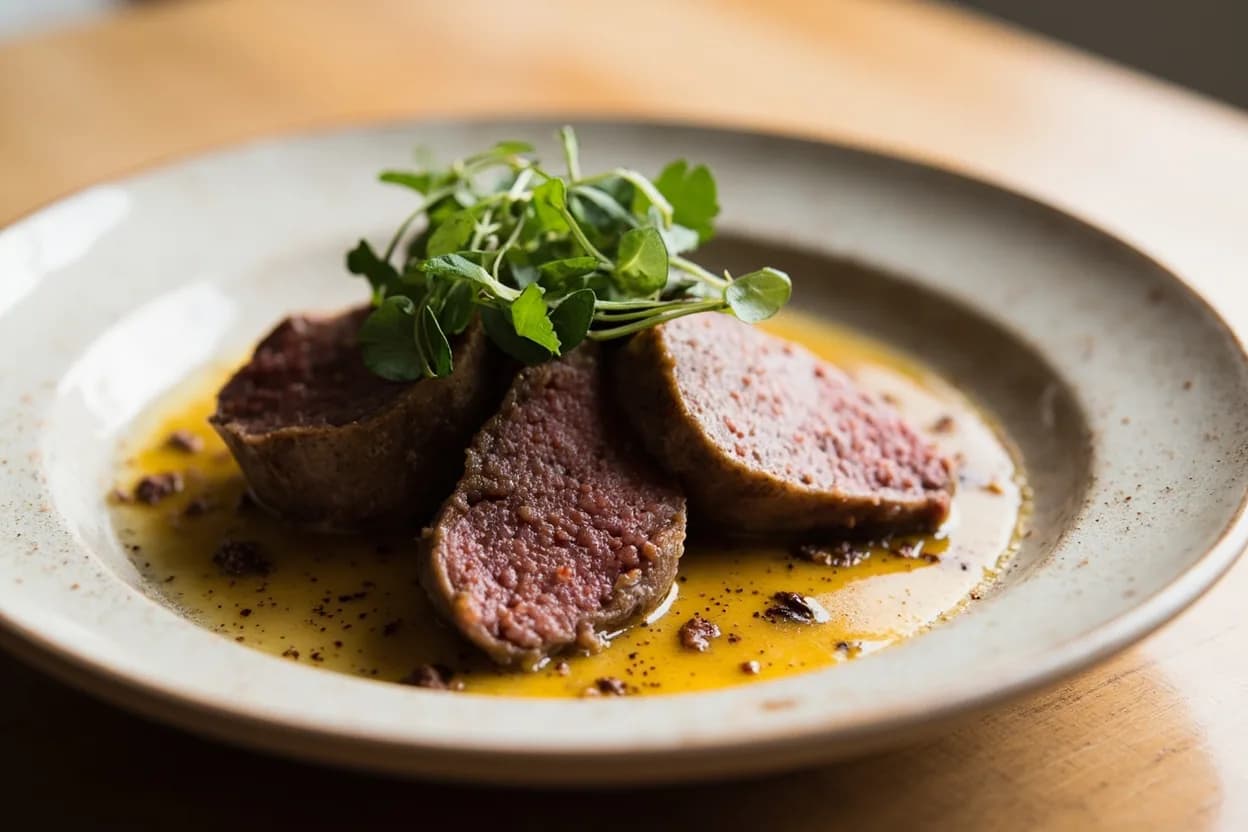
A dry rub of nibs, ancho chile, and brown sugar mirrors the mole tradition — fat from the duck skin tempers the bitter edge.
The nib's tannins cut dairy fat, and the shared fermentation character (mold vs. cacao microbiome) creates unexpected common ground.
- Beet
Earth-to-earth affinity; roasted beet's geosmin and nib's forest-floor tannins reinforce each other in salads or reductions.
Both are fermented, umami-bearing, deeply savory. A nib-and-white-miso glaze on salmon or eggplant is quietly extraordinary.
The fruit's high-acid brightness is the perfect foil for bitter tannins — a classic flavor-bridge used in bonbon ganaches.
Tread carefully
- Delicate white fishavoid
The nib's tannins overwhelm subtle, floral seafood flavors — a dominance mismatch.
- Very sweet fruit dessertsavoid
Without a bitter or acid counterweight, nibs read as unpleasantly harsh against sugary peach cobbler or melon preparations.
- Light herbal teas (chamomile, mint)avoid
The nib's roasted bitterness drowns the delicate volatile aromatics that define these infusions.
How to use it
- Toast briefly in a dry pan to deepen pyrazine notes before use
- Grind into a paste with cocoa butter to make artisan chocolate liquor
- Steep in warm cream to infuse chocolate character into ganaches or panna cotta
- Press into cookie dough or tart bases for textural contrast
- Blend into savory spice rubs with chili, cumin, and smoked salt
- Fold into granola or muesli for crunch and bitter complexity
- Use as a finishing garnish on salads dressed with aged balsamic
Appears in
Related flavours
Near-identical roast chemistry; frequently used together in mocha preparations and spice rubs.
- Vanilla
The classic flavor complement — vanillin sweetness offsets bitter tannins across confectionery and baking.
- Chili pepper
Capsaicin heat and cacao bitterness are foundational to Mexican chocolate traditions.
References
- 1.The Flavor Bible — Karen Page & Andrew Dornenburg
- 2.On Food and Cooking — Harold McGee
- 3.Craft Chocolate: A Tasting Guide — Jessica Perez Kraft
- 4.Cacao: A Cultural History of Chocolate — Sophie D. Coe & Michael D. Coe
Confidence: high
Notes
Fermentation matters
The flavor of a cacao nib is largely determined before roasting. Beans fermented for 5–7 days develop esters and aldehydes (fruity, floral notes) absent in under-fermented batches. When sourcing nibs for pairing, origin and fermentation protocol matter as much as roast level.
Savory use
Nibs work in savory cooking anywhere you'd use an unsweetened, crunchy, deeply bitter note — think spice rubs, mole base, or a finishing crunch on a venison tartare. The key is fat (cream, oil, duck skin) to temper astringency.