Vegetables & Fruits
Camu Camu
Also: camu berry, Myrciaria dubia, camucamu, camu-camu powder
The Amazonian berry with the world's highest natural vitamin C — intensely tart, citrusy, and nearly too sour to eat raw.
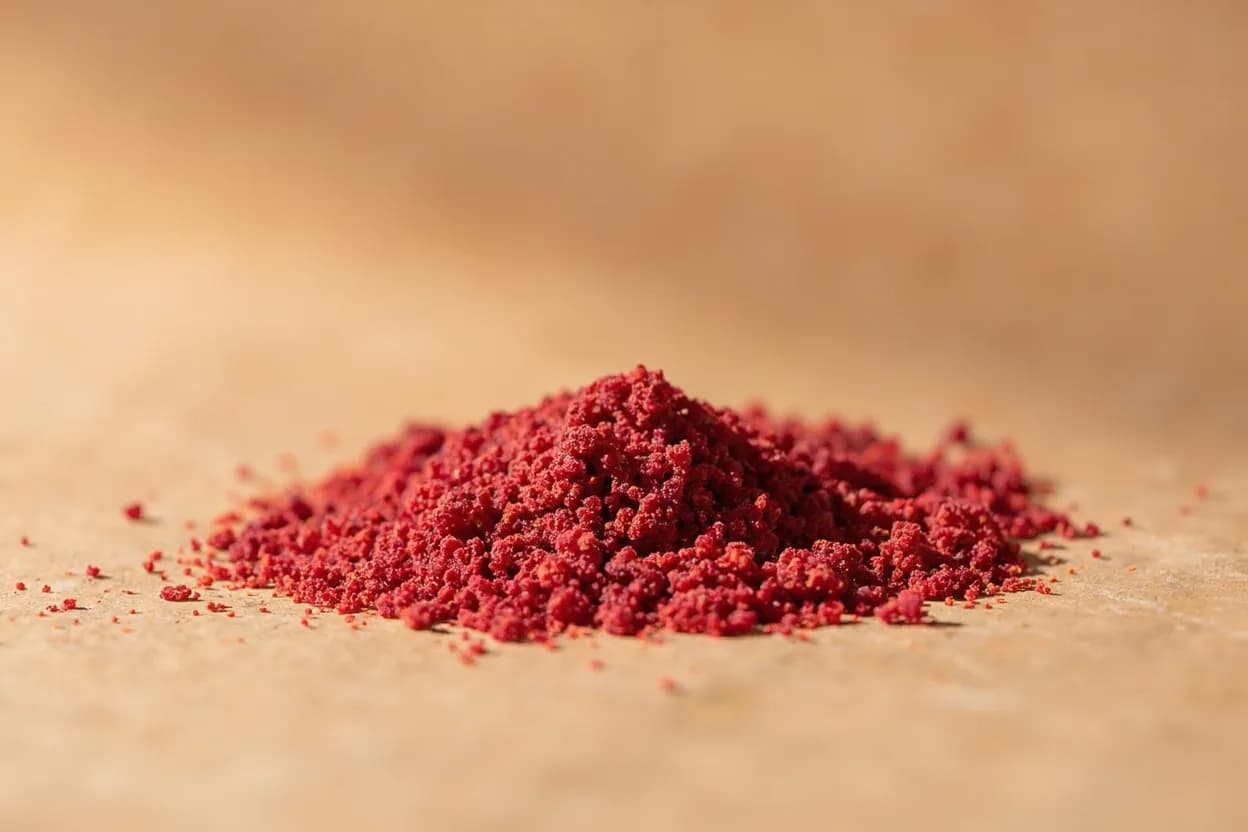
Camu camu (Myrciaria dubia) is a small red-to-purple berry native to the Peruvian and Brazilian Amazon, growing on riverside shrubs in flooded lowland forests. It contains among the highest concentrations of natural vitamin C of any food (up to 2,000–3,000 mg per 100g fresh pulp — roughly 60× an orange), which is the primary driver of its extreme tartness. The flavor is intensely sour, powerfully citrusy (with notes of sour cherry and hibiscus), and very lightly sweet, with a slight earthy tropical depth underneath. Because it is almost unpalatably tart eaten raw, camu camu reaches most of the world in freeze-dried powder or puree form. In Peruvian Amazon markets, local communities blend it with water and sugar for a refreshing drink called refresco de camu camu.
In photos
Flavour profile
Classic pairings
- Sugar / honeyPeruvian Amazonian
Sweeteners are essential in camu camu applications — the tartness is so extreme that a sweetener is required to achieve palatability; honey adds floral depth.
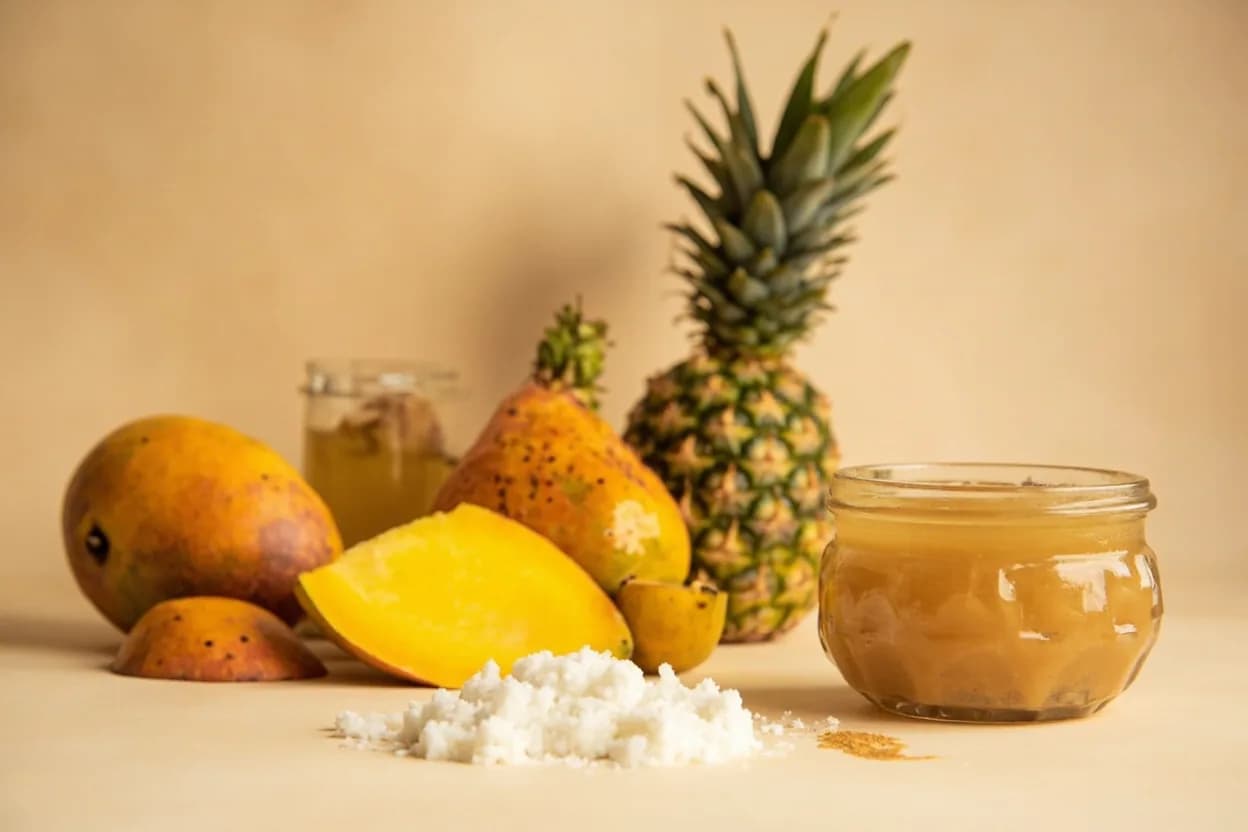
- Tropical fruits (mango, pineapple, passion fruit)Peruvian / Brazilian
Sweet, ripe tropical fruits balance camu camu's acid while staying in the same flavor register — the combination is the basis for Peruvian Amazonian juices and smoothies.
- Coconut waterTropical / health beverage
Slightly sweet, mineral-rich coconut water dilutes camu camu's tartness into a palatable electrolyte drink without overpowering the berry character.
- BananaGlobal health / superfood
Banana's starchy creaminess and high natural sugar buffer the intense acid; a camu camu–banana smoothie is the most common daily preparation globally.
- Dark chocolatePeruvian pastry / artisan chocolate
Camu camu powder in ganache or chocolate bark adds a sour cherry note that deepens bittersweet chocolate into something resembling a high-end sour confection.
- Greek yogurtGlobal health
Thick, tangy yogurt provides protein and fat that moderate the extreme acidity; camu camu swirled into yogurt with honey is a common health-forward breakfast.
Adventurous pairings
- Shiso (perilla leaf)
Shiso's herbal anise-mint character and natural affinity for sour flavors makes it an elegant savory partner — camu camu–shiso granita is a Japanese-Amazonian bridge.
- Mezcal
Camu camu's sour cherry note and mezcal's agave smoke create a cocktail with remarkable complexity — a Peruvian-Mexican pisco-sour adjacent drink.
- Hibiscus (flor de jamaica)
Both share a tart berry-citrus profile; combined in agua fresca they create an amplified, gem-colored drink with layered sourness rather than flat acid.
Stacking two sour agents sounds extreme, but camu camu's citric brightness and tamarind's fruity tartness operate at different frequencies — together in a sauce they create a complex, multi-layered sourness.
Tread carefully
- Raw egg yolks (uncooked custards)avoid
Camu camu's very high ascorbic acid content can interfere with egg protein structure in delicate uncooked preparations; cook the custard base first.
- Heavy cream sauces without sweeteneravoid
Unsweetened camu camu in cream produces a curdled, harshly sour result; always balance with sweetener before incorporating into dairy.
- Delicate floral perfumes (rose water, orange blossom)avoid
Camu camu's intense sourness overwhelms light floral aromatics entirely — the flowers are lost and only aggressive tartness remains.
How to use it
- Use freeze-dried powder (1–2 tsp) blended into smoothies — never cook powder at high heat as vitamin C degrades above 70°C
- Dissolve powder in small amount of cold water or fruit juice before adding to recipes to prevent clumping
- Balance with 2–4× the volume of sweet fruit puree (mango, banana, passion fruit) for drinkable beverages
- Stir into finished sauces or desserts off-heat to preserve vitamin C and tartness
- Mix into yogurt, chia pudding, or overnight oats with honey for a breakfast application
- Use as a sour powder dusting on artisan chocolates or fruit leather
Appears in
Related flavours
Both are Amazonian/Andean superfruits used primarily in desserts and beverages; lúcuma is sweet and caramel-like while camu camu is the polar opposite — intensely tart.
- Hibiscus (dried)
Closest flavor analogue in Western pantries: tart, red-fruity, citrusy — hibiscus can substitute in beverages though it lacks the same vitamin C concentration.
Both are primary souring agents from tropical regions; tamarind has fruity depth and molasses tones where camu camu is purely citric and cherry-bright.
References
- 1.The Healing Foods of Amazonia — Mark Plotkin (referenced in ethnobotanical literature)
- 2.Superfood Kitchen — Julie Morris (2012)
- 3.Vitamin C content of camu-camu (Myrciaria dubia): Journal of Food Composition and Analysis, 2010
Confidence: high
Notes
Vitamin C and heat
Camu camu's extraordinary vitamin C content (ascorbic acid) is the main reason health markets prize it — but ascorbic acid is heat-sensitive and degrades significantly above 70°C. For nutritional applications, blend powder into cold or room-temperature preparations. For flavor applications where nutrition is secondary (chocolate, cooked sauces), cooking temperature matters less.