Sweet Aromatics
Raspberry
Also: red raspberry, rubus idaeus, framboise, frambuesa
Bright, tart-floral, and intensely fruity — raspberry is the most versatile berry in the pastry kitchen.
The raspberry (Rubus idaeus) is a compound drupe built of tiny drupelets around a central plug. Fresh raspberries are fragile, highly perishable, and among the most aromatic of all berries — their scent is driven by a unique ketone, 1-(p-hydroxyphenyl)-3-butanone, commonly called 'raspberry ketone,' alongside damascenone (rose-like), geraniol (floral), and powerful concentrations of organic acids (citric, malic). The result is a flavor that is simultaneously sweet, sharply tart, floral, and slightly grassy. Frozen raspberries are often preferable to out-of-season fresh, as freezing ruptures the drupelets, releasing more juice and flavor.
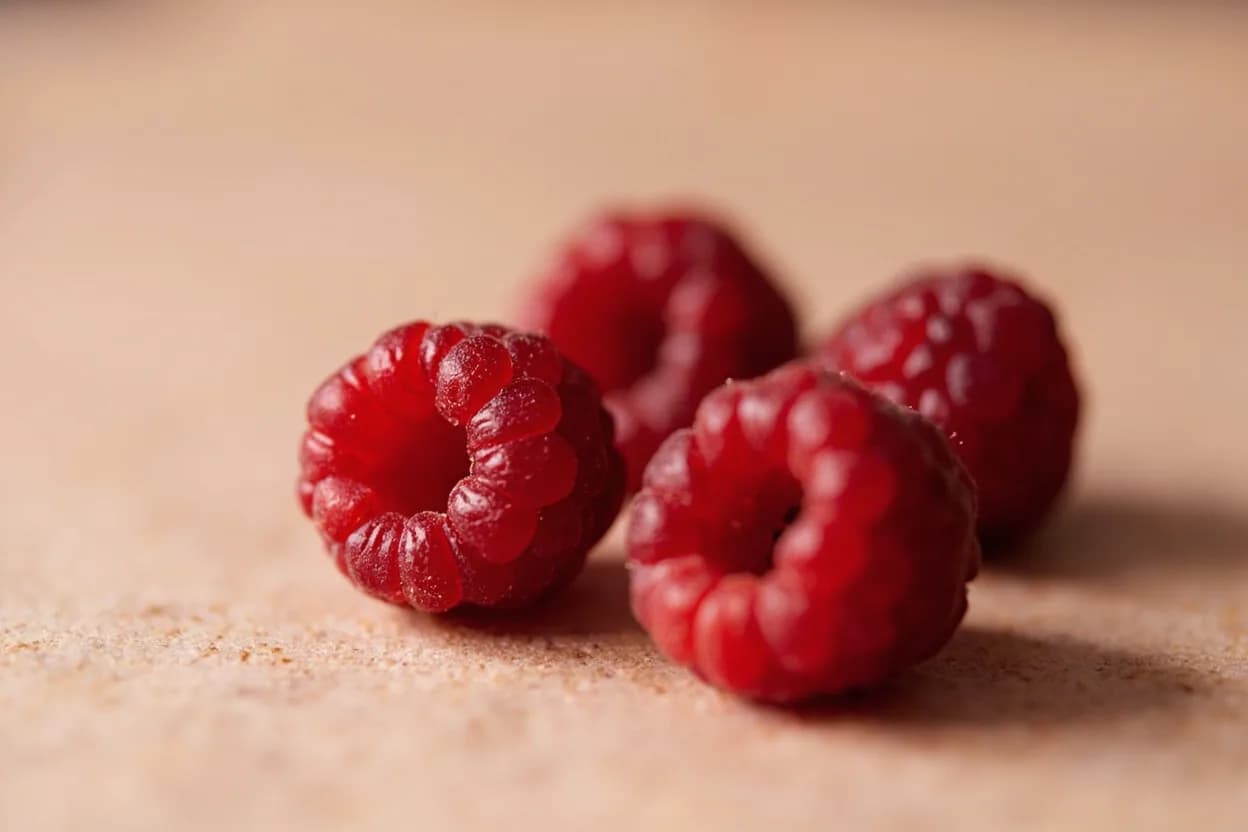
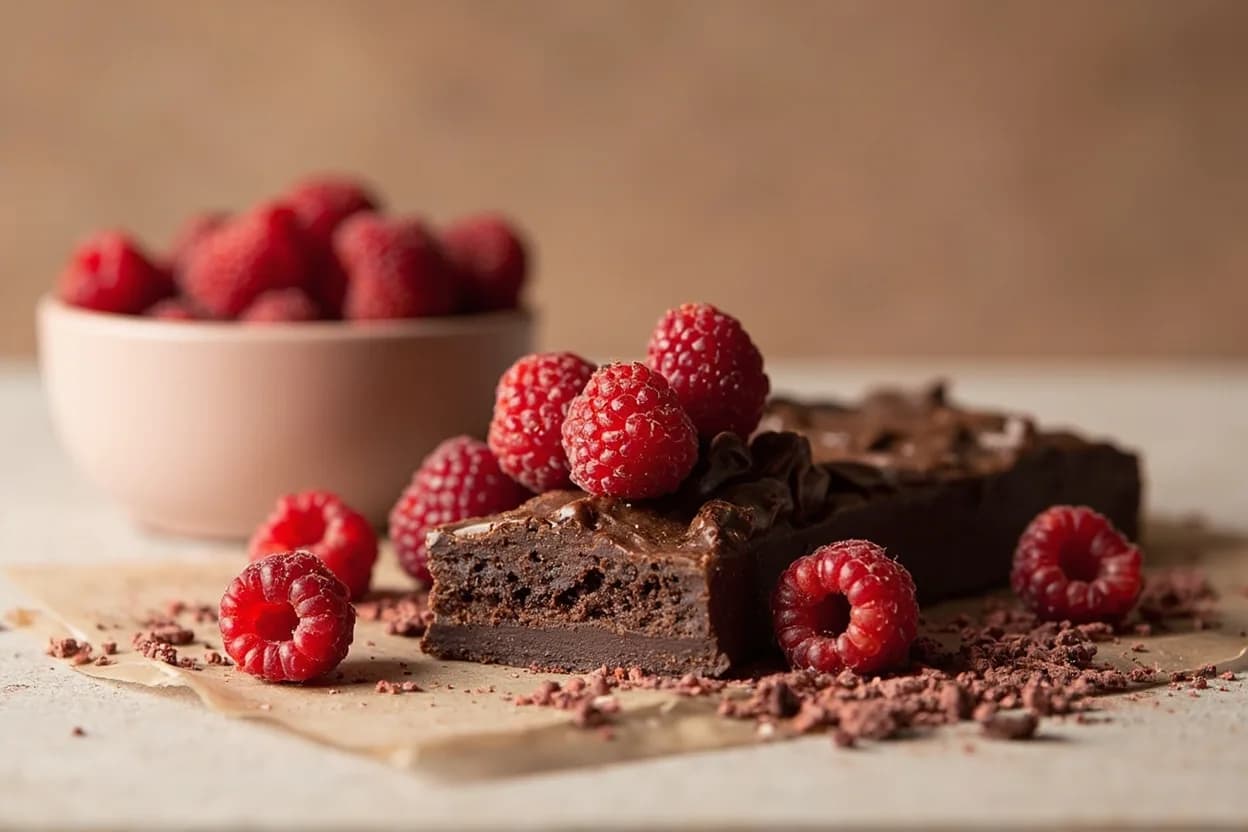
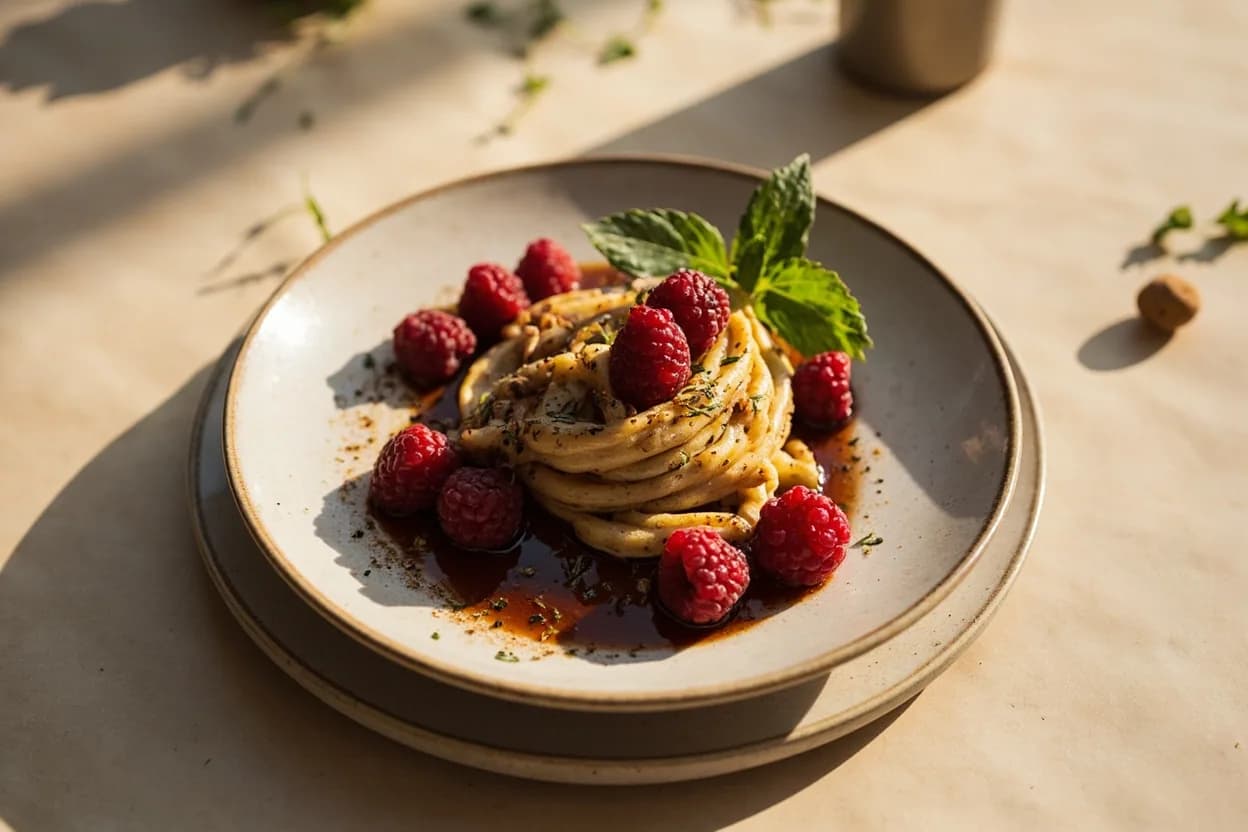
In photos
Flavour profile
Classic pairings
- Dark chocolateFrench and Belgian confectionery
The definitive combination: fruit acid cuts chocolate fat, and the shared red-fruit notes in fermented cacao harmonize with raspberry's ester profile.
- Vanilla creamClassic European pâtisserie
Custard's fat and sweetness cushion the berry's acid; the aromatic contrast between vanillin and raspberry ketone is one of pastry's most reliable pleasure pairings.
- AlmondFrench tart (tarte amandine aux framboises)
Frangipane and raspberry is a foundational tart combination — almond's benzaldehyde (marzipan note) echoes stone-fruit tones present in the berry.
- LemonBritish and American baking
Two acidic flavors at different aromatic registers: citrus limonene brightens raspberry's floral depth and adds clean sharpness without competing.
- Rose waterMiddle Eastern and Iranian sweets
Raspberry and rose are already chemically related (geraniol, damascenone) — a small amount of rose water deepens the floral dimension without adding new flavor.
- Champagne / sparkling wineFrench aperitif tradition
The classic Kir Royale logic: bubbles lift aromatics, brut dryness offsets sweetness, and shared red-fruit yeast esters create a seamless bond.
- Fresh mintPan-European, Moroccan tea tradition
Menthol's cooling effect contrasts the fruit's warmth and adds green freshness; used in fruit salads, cocktails, and summer desserts.
Adventurous pairings
- Aged balsamic vinegar
Tradizionale has caramelized grape sweetness and acidity that mirrors the berry's tartness; the combination makes a powerful gastrique for duck or pork.
- Sichuan pepper
Hydroxy-alpha-sanshool's numbing tingle resets the palate between bites, amplifying raspberry's tartness on return — used in avant-garde chocolate and berry desserts.
Estragole in French tarragon shares anise-floral notes with raspberry's volatile profile; a tarragon-raspberry vinaigrette on bitter greens is bright and complex.
- Lamb (in a pan sauce)
The berry's acid cuts lamb fat; a raspberry jus with thyme and red wine is a classic bistro preparation, though rarely listed as 'adventurous.'
- White miso
Miso's gentle umami and sweet fermented grain character underpins raspberry's acid in a glaze for salmon or in a salad dressing — unexpected but coherent.
Tread carefully
- Cumin or coriander seedavoid
These warm, earthy spices belong to savory registers that clash with raspberry's bright floral-fruit character — the combination reads as confused.
- Very oaky Chardonnayavoid
Heavily oaked wine's buttery, vanilla notes compete with the berry's acidity without complement; opt for unoaked white or rosé.
- Anchovies or fish sauceavoid
The berry's delicate ester volatiles are obliterated by pungent iodine-salt compounds — avoid combination except in extreme concept cooking.
How to use it
- Macerate fresh raspberries with sugar and a pinch of salt to draw out juice for coulis without cooking
- Cook to a purée and strain for smooth coulis; a splash of lemon juice preserves color
- Reduce to a concentrated 'raspberry paste' for intense flavor in ganaches and buttercreams
- Freeze whole and use directly from frozen in baking — the fruit holds shape better and releases juice evenly
- Combine with pectin and acid for jam; raspberries are naturally high in pectin and set easily
- Use freeze-dried raspberry powder as a finishing flourish or for intensely flavored pastry decoration without added moisture
Appears in
Related flavours
Both are tart, aromatic, floral fruits that pair with chocolate, cream, and almond in similar ways.
- Strawberry
Closely related berries; raspberries are sharper and more floral, strawberries softer and sweeter — often used together.
The single most canonical pairing for raspberry — foundational in confectionery and pastry.
References
- 1.The Flavor Bible — Karen Page & Andrew Dornenburg
- 2.On Food and Cooking — Harold McGee
- 3.Larousse Gastronomique — Prosper Montagné (ed.)
- 4.Flavor Chemistry and Technology — Gary Reineccius
Confidence: high
Notes
Raspberry ketone — the signature molecule
The compound 1-(p-hydroxyphenyl)-3-butanone, known commercially as raspberry ketone, is present in raspberries at concentrations of 1–4 mg per kg of fruit — small enough that synthetic versions dominate the flavor industry. Natural raspberry flavor is far more complex, but this ketone remains the essential marker. Its structural relationship to eugenol and p-hydroxybenzyl acetone partly explains raspberry's affinity with rose, clove, and almond-family flavors.
Color and cooking
Raspberries contain anthocyanins that shift from red to purple-blue as pH rises. Cooking with alkaline ingredients (baking soda, cream) can cause color muddying. Adding a little lemon juice or citric acid preserves the vivid red — important for coulis, jams, and fillings.