Central America & Mexico
Yucatecan
Also: Yucatán cuisine, Cocina yucateca, Mayan-Yucatecan cuisine
The Yucatán Peninsula's Mayan-European fusion, where annatto-stained pit-roasted pork, sour orange, and habanero define a cuisine as distinct from mainstream Mexico as it is from the Caribbean.
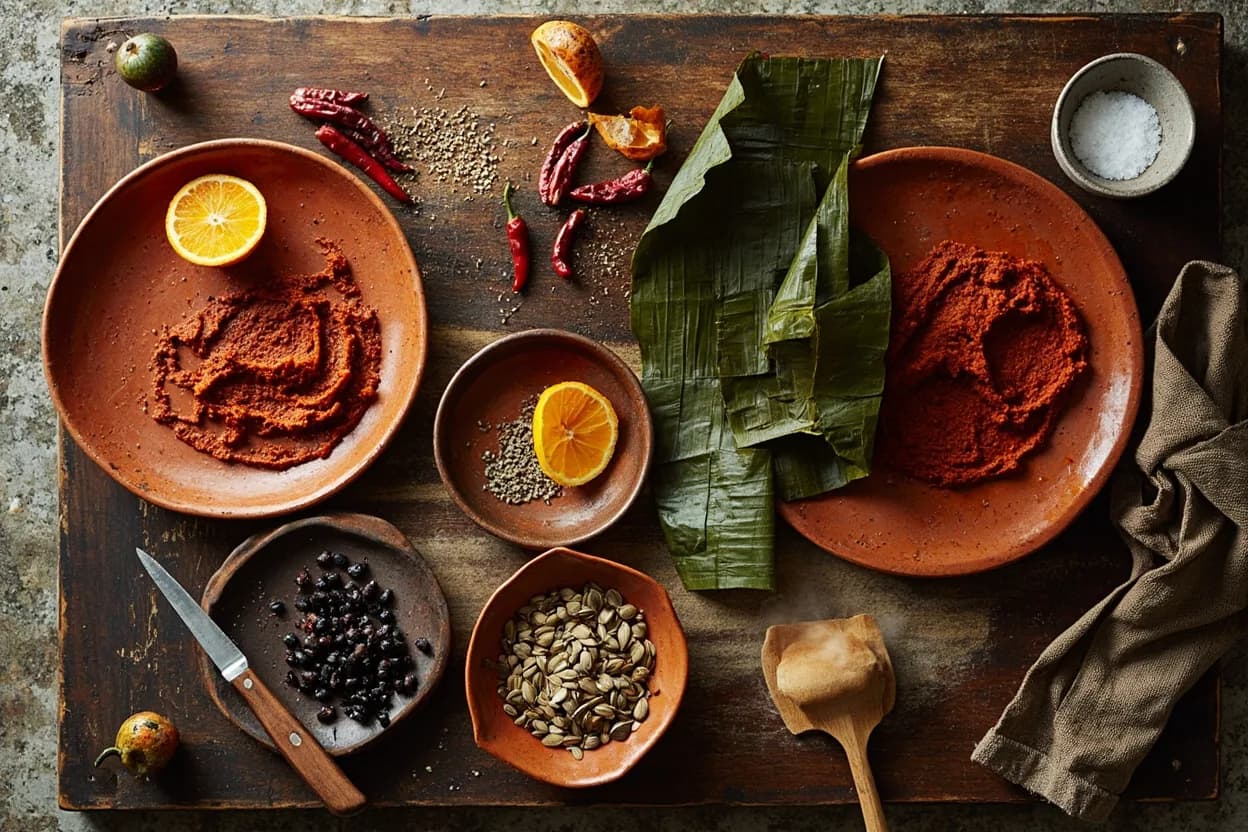
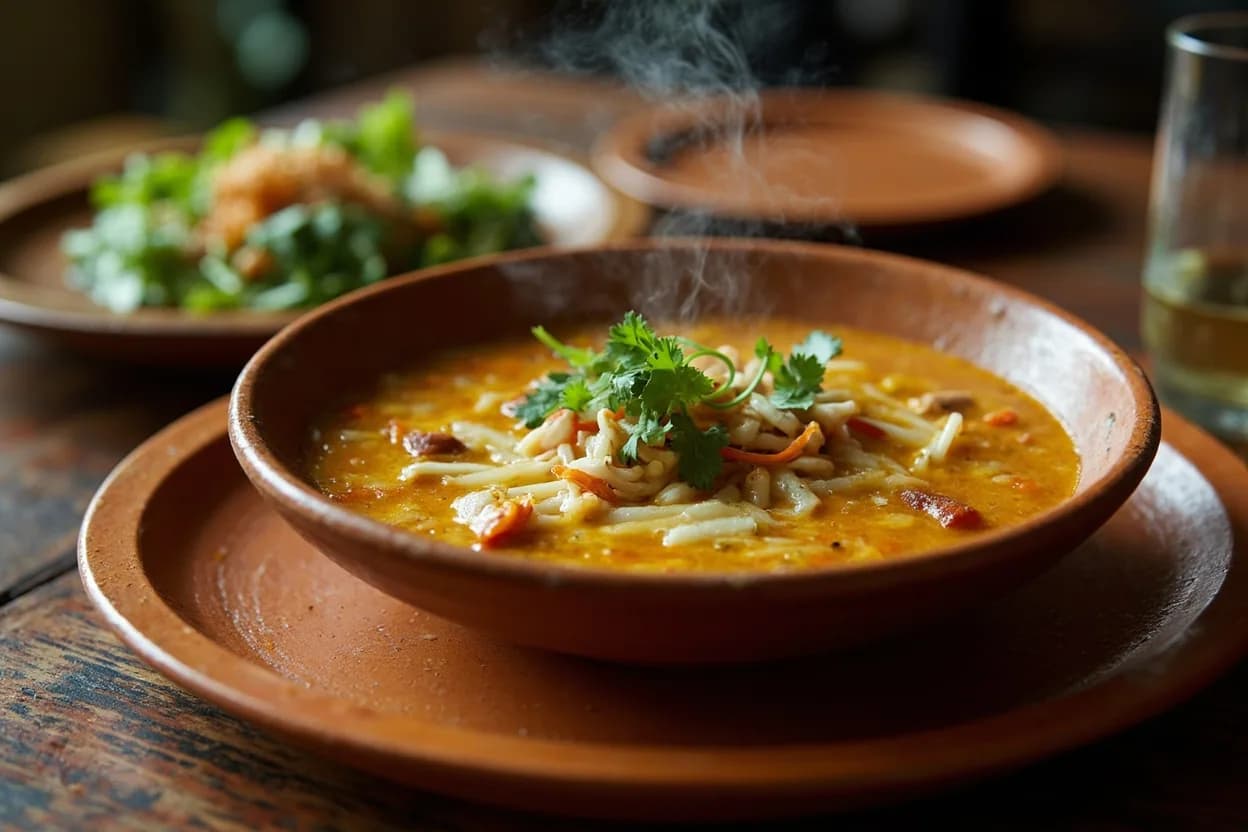
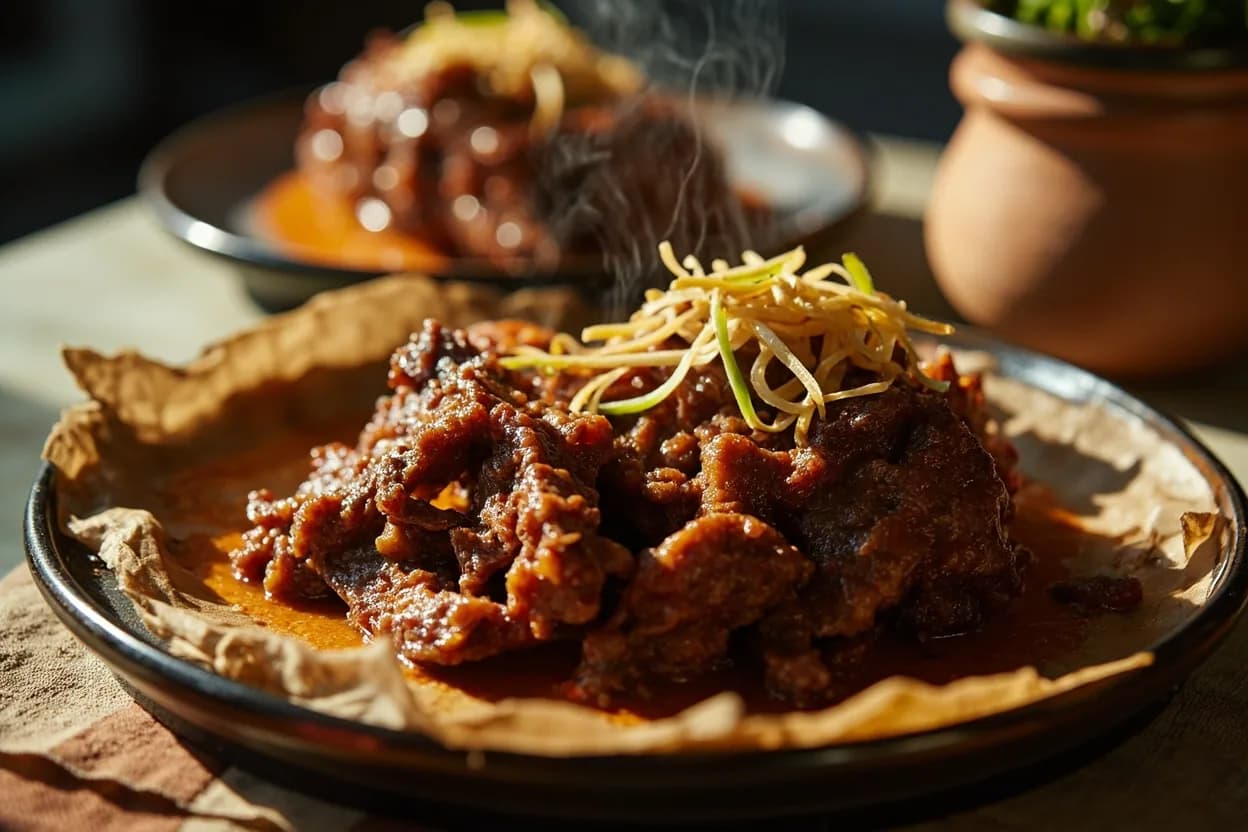
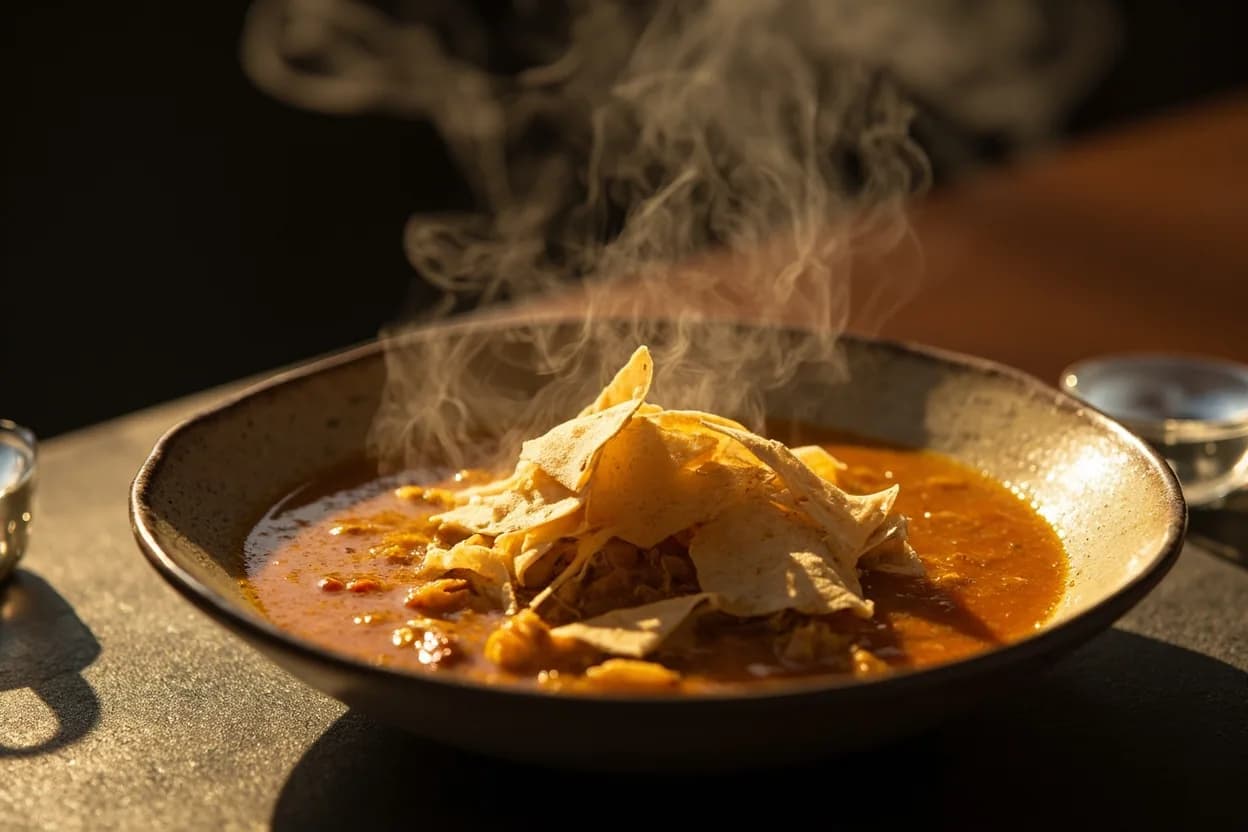
Yucatecan cuisine is the cooking of the Yucatán Peninsula — the states of Yucatán, Campeche, and Quintana Roo in southeastern Mexico — and is one of the most distinct and self-contained regional cuisines in the Americas. Its defining characteristic is the annatto-citrus flavor axis: achiote (recado rojo, a paste of ground annatto seed, dried chillies, cumin, clove, black pepper, and sour orange) colors and perfumes the cuisine's most iconic preparations. Cochinita pibil — pork marinated in achiote and sour orange then pit-roasted in banana leaves — is the emblematic dish. The cuisine's Mayan roots are as visible as anywhere in Mexico: sopa de lima (lime soup with fried tortillas), papadzules (hard-boiled eggs in pumpkin-seed sauce), poc chuc (grilled pork with sour orange), and the tamale variants (vaporcitos, dzotobichay) preserve pre-Hispanic techniques. Spanish colonial influence layered in pork, sour orange (brought from Seville via Cuba), black pepper, and cumin. The habanero chile — the hottest in the Mexican standard repertoire — is Yucatán's signature, served as a separate table salsa rather than cooked in.
The flavour base
Achiote (recado rojo) as the master marinade base; sour orange (naranja agria) as the acid; habanero salsa on the side; black beans; epazote and hierba santa; banana leaf for steaming and pit-roasting
Pantry staples
Key ingredients
Signature techniques
Signature dishes
Yucatecan on the table
At the table
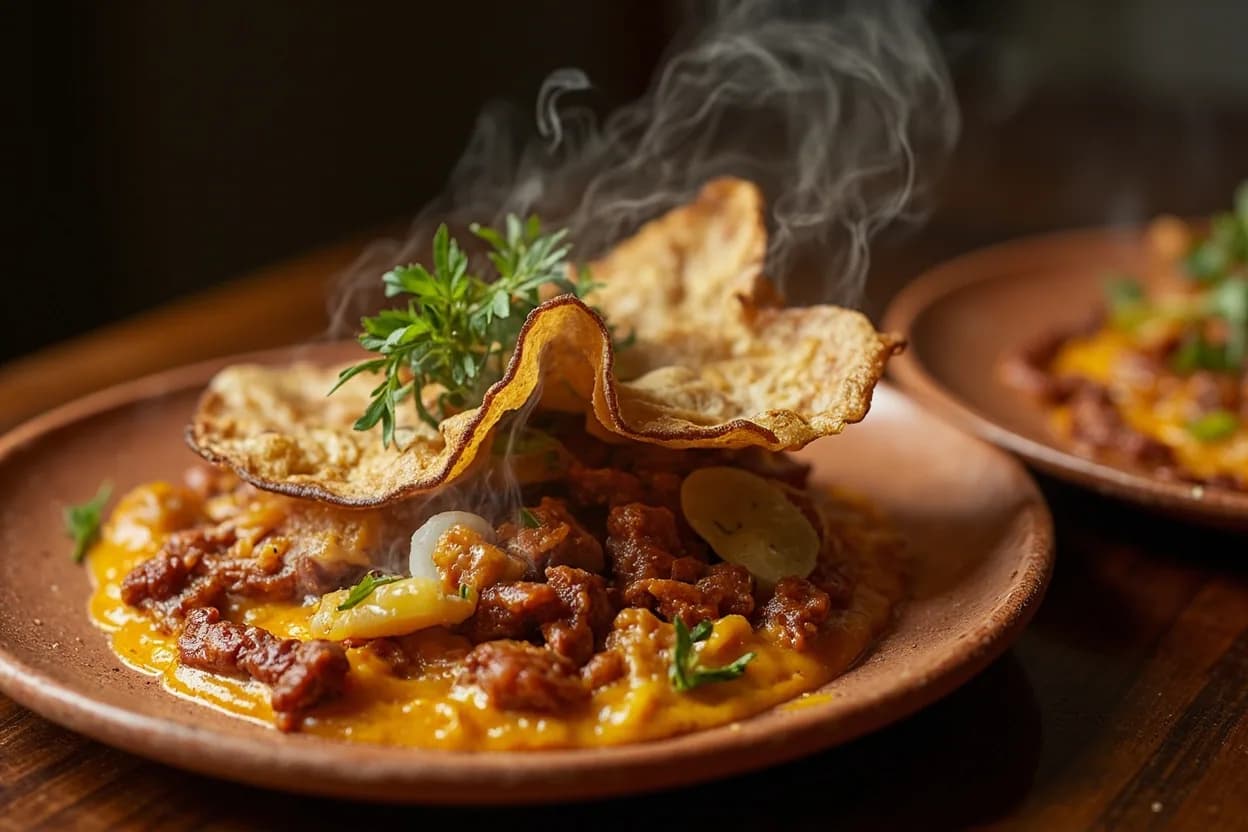
Yucatecan meal culture is anchored in the late Sunday cochinita pibil — families gather for the pit-roasted pork, served on tortillas with pickled red onions and habanero salsa, and it is as much ritual as meal. Everyday eating centers on lunch as the main meal: a sopa (soup — sopa de lima is the daily standard), a main plate of poc chuc or pollo pibil or frijoles con puerco, and tortillas. Panuchos and salbutes (two types of layered fried tortilla snacks topped with turkey or chicken, cabbage, tomato, and pickled onion) are the reigning street-food format. Breakfast may be huevos motuleños (eggs over black beans and ham on a fried tortilla) or pan de cazón (layered tortilla-shark cake). Habanero salsa is always on the table, never cooked in.
History & context
The Yucatán Peninsula was the heartland of the Classic Maya civilization (c. 250–900 CE), and the cuisine preserves more Mayan continuity than almost any other Mexican regional tradition. The pib (underground pit oven) is documented in pre-Hispanic sources and remains in active use. Achiote, pumpkin seeds, sour orange, and chaya (tree spinach) are all pre-Hispanic Yucatecan staples. Spanish contact from 1517 (Hernández de Córdoba's expedition) and full colonization by 1546 introduced cattle, pork, citrus, black pepper, cumin, clove, and the sour orange brought from Spain via Cuba — this last ingredient fused almost immediately with achiote to create the recado tradition. The Lebanese immigration to Yucatán beginning in the late 19th and early 20th centuries left a significant culinary trace: kibbeh (quibe) and shawarma are now distinctly Yucatecan street foods, and panuchos de cochinita bear clear structural resemblance to Lebanese flatbread snacks. The Dutch-via-Mexico Edam cheese tradition produced the curious queso relleno — a hollowed Edam filled with spiced ground beef and baked — a colonial-era dish still found in Mérida markets.
Regional variations
- Mérida (city)
The cultural capital; most refined urban expression; queso relleno, sopa de lima, and huevos motuleños at their most polished; Lebanese-Mexican fusion most evident
- Campeche
Distinct coastal emphasis; pan de cazón (layered tortilla-shark tamale) is Campeche's signature; heavier seafood use; slightly different recado spicing
- Quintana Roo (Caribbean coast)
Caribbean influence; coconut milk appears more than on the Gulf coast; tikin xic (achiote-marinated fish grilled over charcoal, wrapped in banana leaf) is the coastal emblematic dish
- Inland Mayan towns (Valladolid, Izamal)
Most pre-Hispanic in character; longaniza de Valladolid (spiced pork sausage) is a local specialty; street foods remain closer to traditional Mayan preparations
Related cuisines
Both are pre-Hispanic Mexican culinary survivors; Oaxaca centers on mole and metate-ground chilli pastes; Yucatán centers on recado and pit-roasting — parallel depth, different grammar
- Caribbean
Proximity and colonial trade created overlap: annatto, sour citrus, banana leaf, and pork preparations parallel Cuban and Puerto Rican cooking; Lebanese Yucatecan fusion shares Caribbean immigrant food patterns
- Guatemalan (Mayan)
Both descend from Classic Maya food culture; Guatemalan pepián is a structural cousin of Yucatecan pipián and papadzules (pumpkin-seed sauce tradition)
Canonical recipes
The dishes that define Yucatecan, documented in the Canon.
References
- 1.The Food and Life of Oaxaca — Zarela Martinez (comparative Mexican regional)
- 2.Mexico: The Cookbook — Margarita Carrillo Arronte
- 3.The Art of Mexican Cooking — Diana Kennedy (chapters on Yucatán)
- 4.Yucatán: Recipes from a Culinary Expedition — David Sterling
- 5.True Mexican — Roberto Santibañez (achiote and recado chapter)
Confidence: high
Notes
Recado: the Yucatecan spice passport
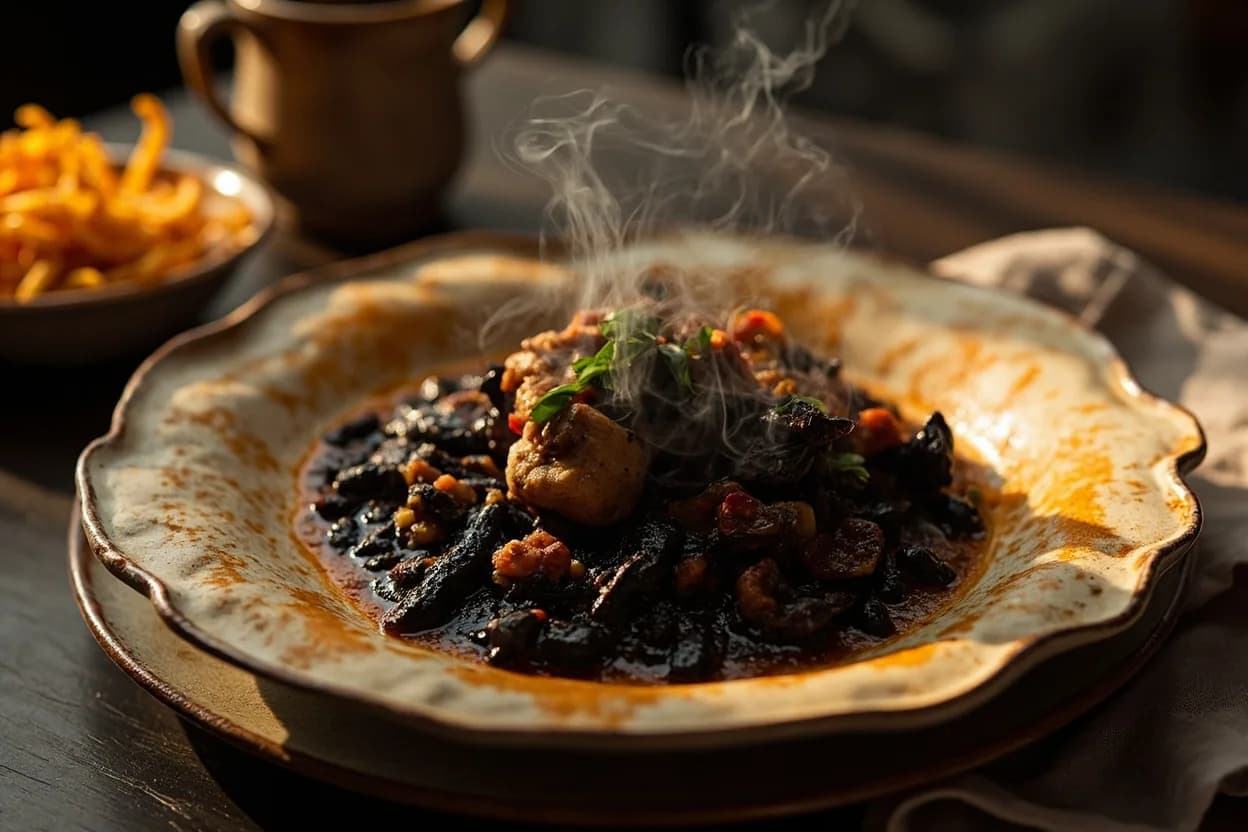
Recado rojo (also called achiote paste) is the master flavoring of Yucatecan cooking: annatto seeds ground with dried chillies, cumin, black pepper, oregano, clove, allspice, cinnamon, and enough sour orange juice to bind it into a rust-red brick. It keeps for weeks. Every household maintains a block and every major preparation starts by dissolving some in more sour orange. There are other recados too — negro (charred, for relleno negro turkey), blanco (white, gentler), and verde (herb-based) — but recado rojo is the soul of the cuisine.
The habanero doctrine
Yucatecans are proud of the habanero and equally clear about how it should be used: not cooked into food, but served as a separate condiment — sliced raw, roasted whole, or blended into a milky-orange salsa — so that each diner controls their own capsaicin input. The phrase 'chile habanero con todo' (habanero with everything) describes the Yucatecan table relationship with heat. The version grown in the peninsula's limestone soil is considered by chefs to be fruitier and more aromatic than habaneros grown elsewhere.