East Asia
Yoshoku (Japanese Western)
Also: yoshoku, Japanese Western food, Meiji Western cuisine, 洋食
Japan's affectionate and deeply original reinterpretation of Western dishes — omurice, hambagu, and napolitan spaghetti transformed into something more Japanese than their origins.
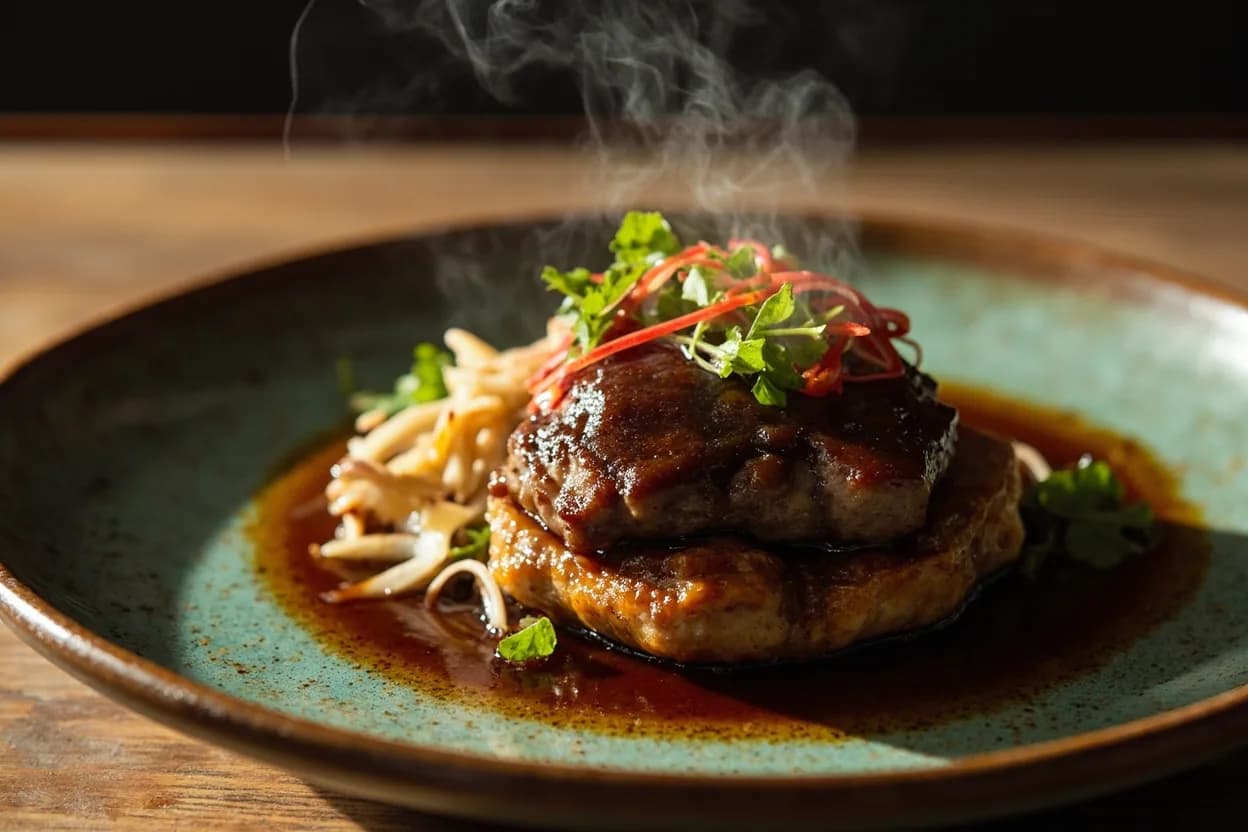
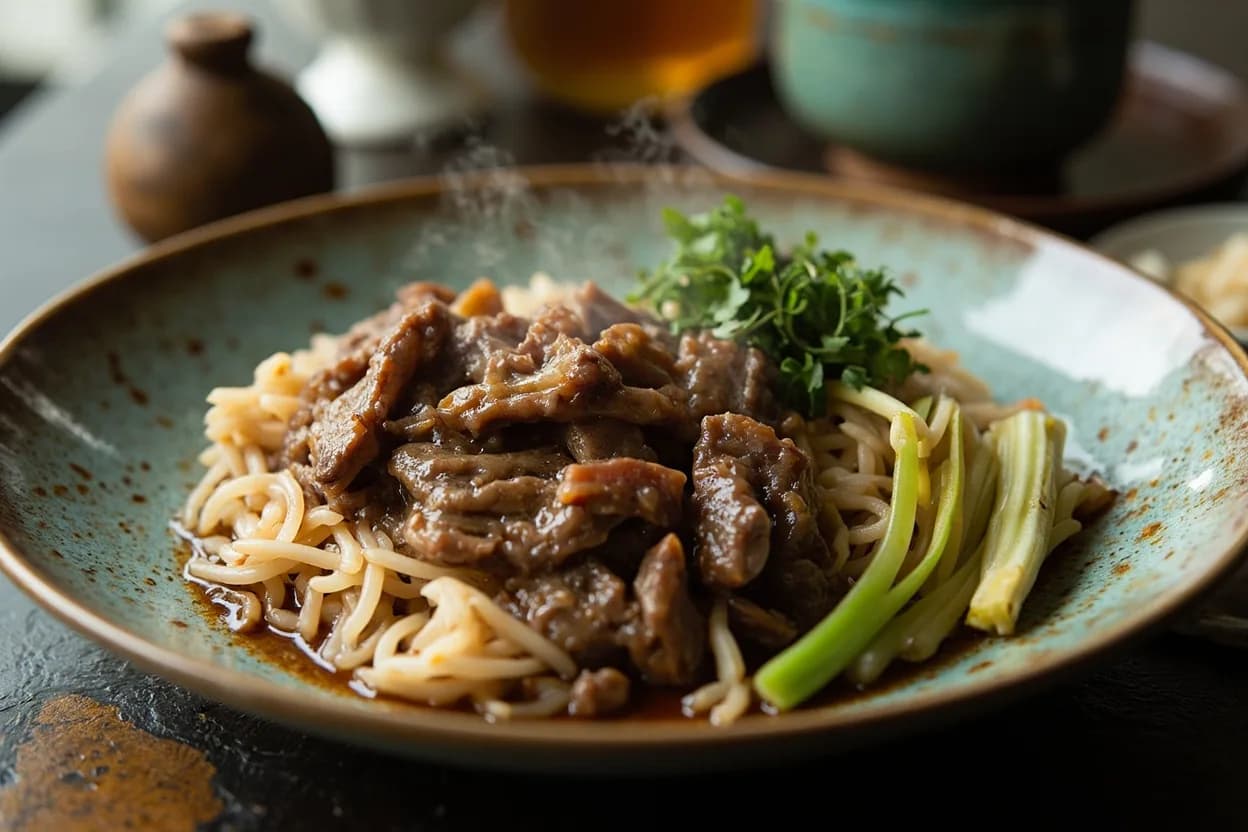
Yoshoku (洋食, 'Western food') is the genre of Japanese cooking that emerged during the Meiji era (1868–1912) when Japan rapidly opened to Western influence after 250 years of isolation. Rather than simply copying European or American dishes, Japanese cooks absorbed and adapted them through Japanese ingredients, techniques, and taste preferences — producing a canon of dishes that are neither Western nor traditional Japanese but something entirely their own. Omurice (ketchup rice wrapped in egg), hambagu steak (a loose hamburger patty bathed in demi-glace), hayashi rice (hashed beef in a rich tomato-wine sauce), napolitan spaghetti (with ketchup and sausage), and korokke (potato croquettes) are the core. Yoshoku is deeply comfort food; its flavors are mild, sweet-savory, and decidedly nostalgic for most Japanese adults.
The flavour base
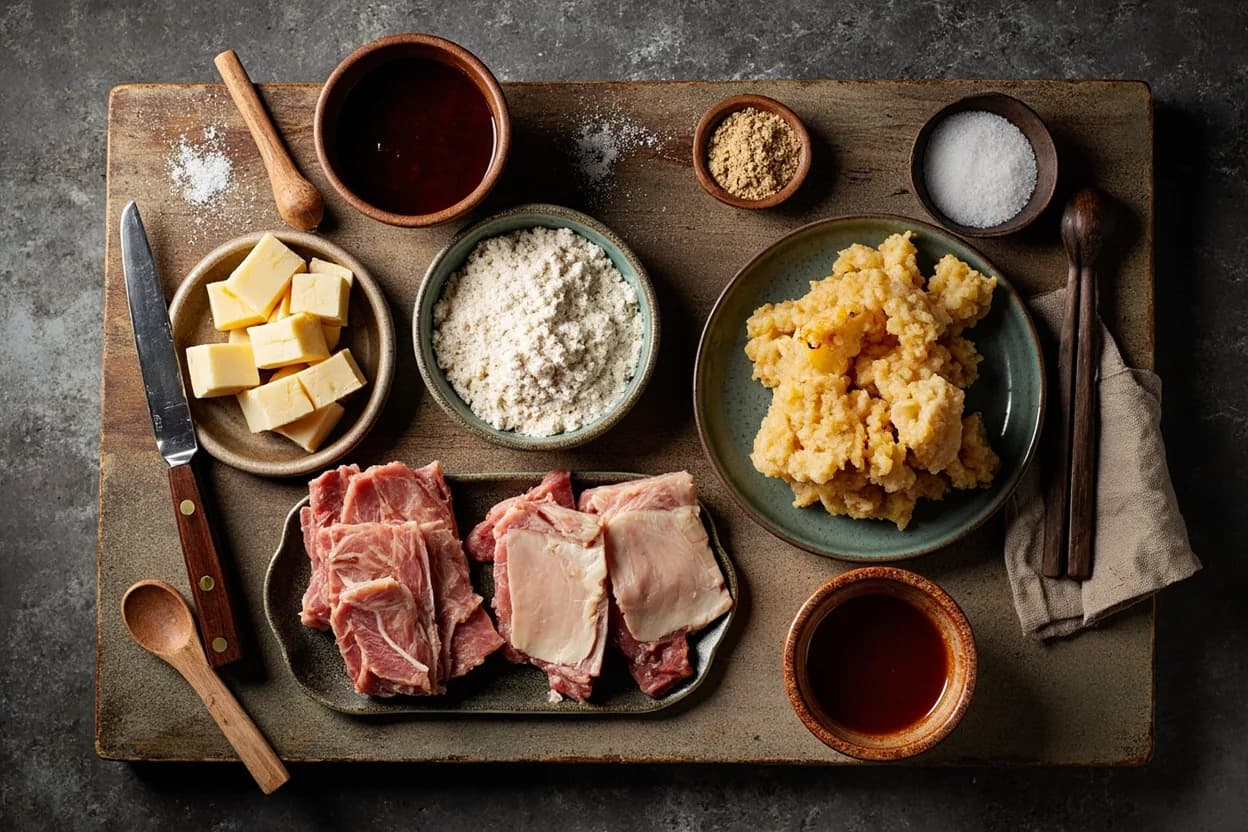
Demi-glace (brown sauce) and tomato-based sauces carry savory richness; ketchup sweetens and colors; butter and flour roux build body; soy sauce appears as a flavor-bridge Japanese ingredient in otherwise Western preparations
Pantry staples
Key ingredients
Signature techniques
Signature dishes
Yoshoku (Japanese Western) on the table
At the table
Yoshoku is served at dedicated restaurants called yoshoku-ya, at department store basement food halls, and increasingly at family restaurants (famiresuto) like Denny's Japan and Royal Host. The meal is a Western-style single plate — a main with rice or bread and a small salad. Set meals (teishoku) are common: hambagu set = the main, a bowl of rice, miso soup, and small salad. Yoshoku restaurants often have long menus covering the full canon. The food is overwhelmingly a lunch and family-dinner genre rather than a late-night or celebratory one.
History & context
Japan's opening under the Meiji Emperor in 1868 triggered an aggressive modernization that included food. The government actively encouraged Western eating (including meat, previously prohibited under Buddhist influence) as a marker of civilization and national strength. The first Western-style restaurants (seiyoken) opened in Yokohama and Tokyo in the 1860s–1870s, employing Japanese cooks who adapted French and English dishes with local logic. Omurice was invented around 1900 at restaurants in Tokyo and Osaka (both claim origin). Napolitan spaghetti emerged in postwar Yokohama hotels, possibly influenced by U.S. military rations containing ketchup and pasta. Tonkatsu formalized in the 1890s; korokke became a national craze in the 1900s (the 'korokke song' of 1917 was Japan's first pop-music food craze). Yoshoku largely froze stylistically by the 1960s — its comfort-food power comes precisely from this nostalgic, unchanging quality.
Regional variations
- Osaka / Kansai
Slightly sweeter demi-glace sauces; omurice lore contested with Tokyo; kushikatsu (skewered breaded fry) overlaps.
- Yokohama
Napolitan spaghetti originates here; strong postwar American and Chinese harbor influence in the Western food tradition.
- Nagoya
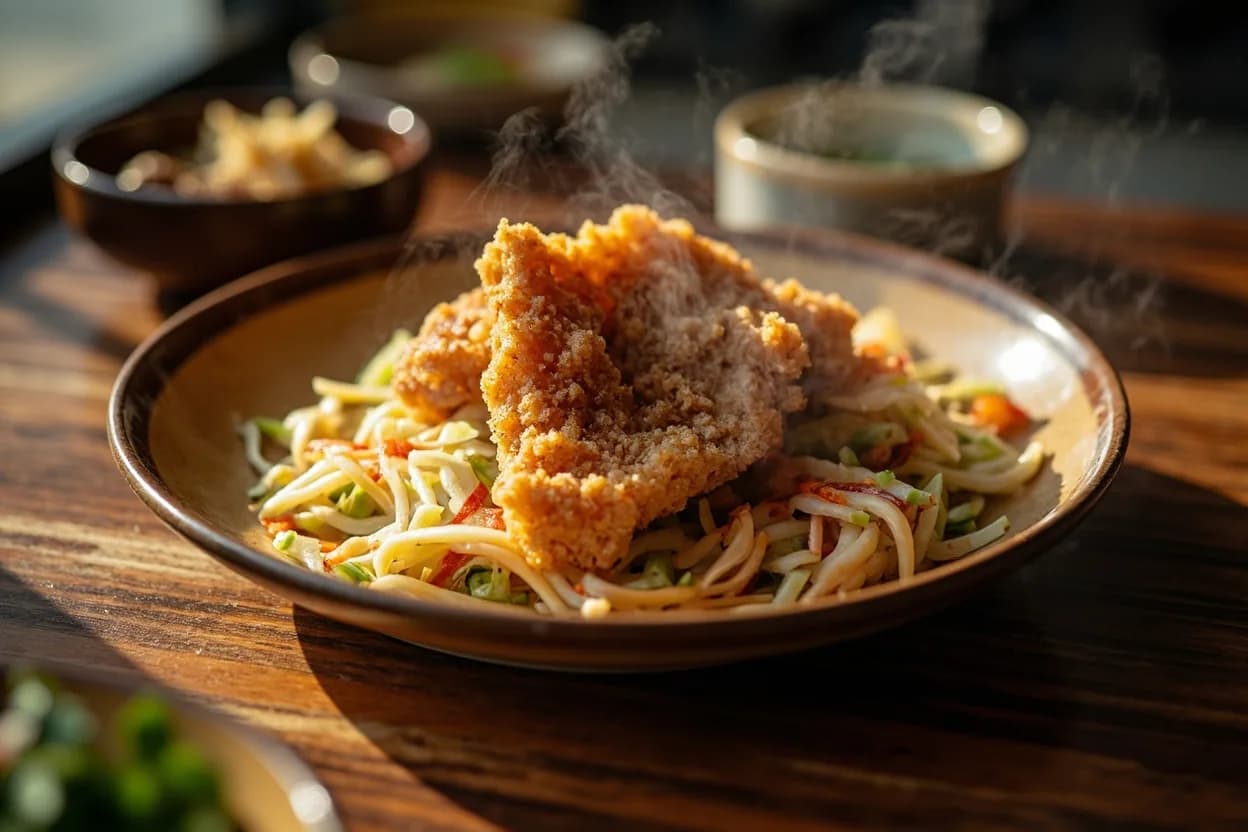
Crossover with nagoya-meshi: miso-katsu applies hatcho miso sauce to the tonkatsu format — a regional variation.
- Western Japan chain style
Royal Host and Skylark chains standardized a glossy, slightly richer yoshoku that now defines expectations for many Japanese diners.
Related cuisines
- French Cuisine
The structural donor: demi-glace, roux, and continental sauce logic underpin yoshoku's savory base.
- British Pub Food
Breaded cutlets (tonkatsu from schnitzel/pork chop) and potato croquettes trace to British-influenced Meiji hotel cooking.
Miso katsu is a yoshoku dish re-routed through local miso identity, blurring the boundary.
Korokke and tonkatsu appear on izakaya menus; the two canons borrow freely from each other.
- Japanese Curry
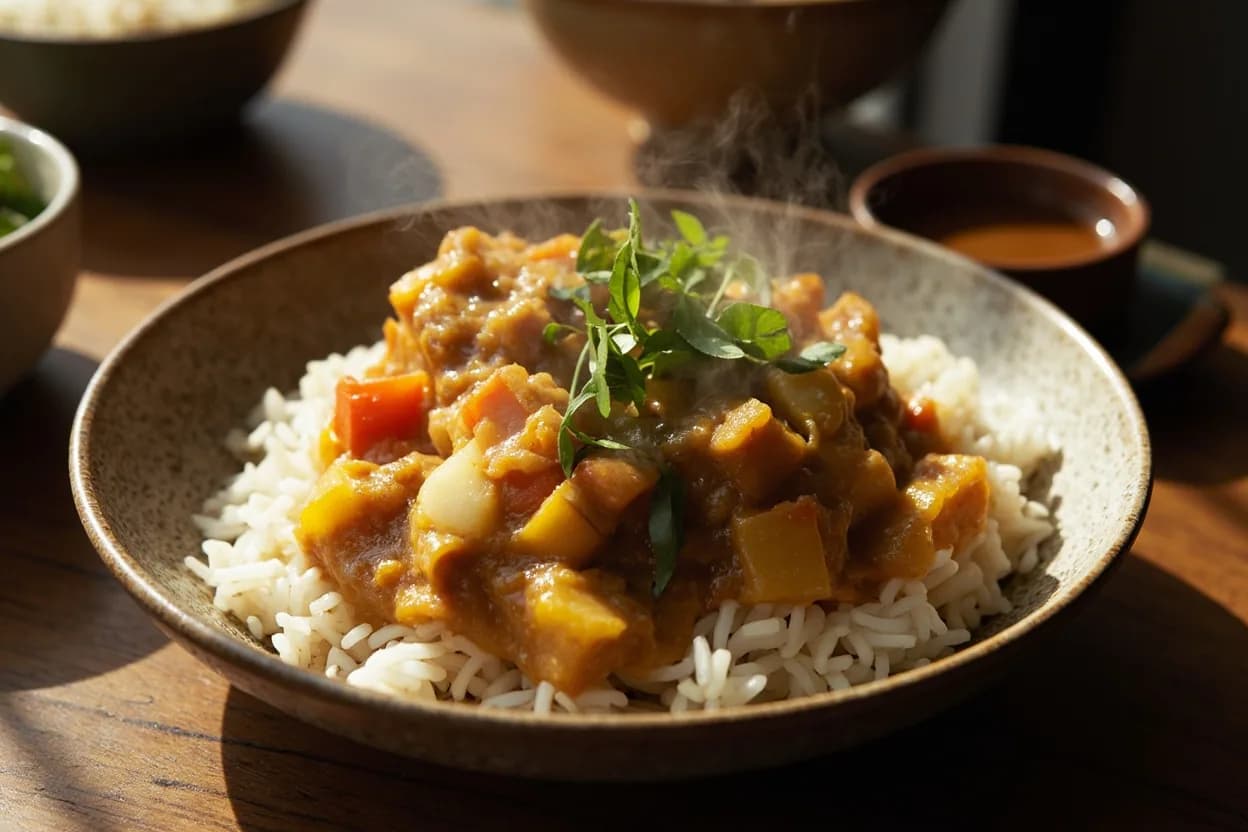
Kare raisu (curry rice) is considered the most consumed yoshoku dish in Japan — a British-Indian curry filtered through Japan.
Canonical recipes
The dishes that define Yoshoku (Japanese Western), documented in the Canon.
References
- 1.Japanese Soul Cooking — Tadashi Ono & Harris Salat
- 2.The Gastronomical Me: Yoshoku's Double Life — Theodore Bestor (in Rethinking Japan, essay)
- 3.Japan: The Cookbook — Nancy Singleton Hachisu
- 4.Rice, Noodle, Fish — Matt Goulding
Confidence: high
Notes
Yoshoku is not fusion
Calling yoshoku 'fusion' misses what makes it interesting. Fusion implies deliberate cross-cultural blending by a knowing chef. Yoshoku is what happens when a population absorbs foreign dishes over five generations until they become native comfort food — the origin recedes and the result is entirely its own thing. Most young Japanese eating omurice have no particular awareness it derives from a French omelette.
Napolitan has nothing to do with Naples
Napolitan spaghetti — pasta with ketchup, sausage, onion, and bell pepper, often finished with butter — bears no relationship to Neapolitan Italian cooking. The name is believed to come from the Hotel New Grand in Yokohama, where postwar executive Shigetada Ito saw U.S. GIs eating spaghetti with ketchup and created a restaurant version. Naples = sophistication in the postwar Japanese imagination, not a geographic claim.