East Asia
Japanese Izakaya Cuisine
Also: izakaya food, Japanese pub food, sakaba cooking
Japan's beloved after-work pub tradition — small plates of fried chicken, grilled skewers, and chilled tofu designed to stretch across hours of beer, sake, and shochu.
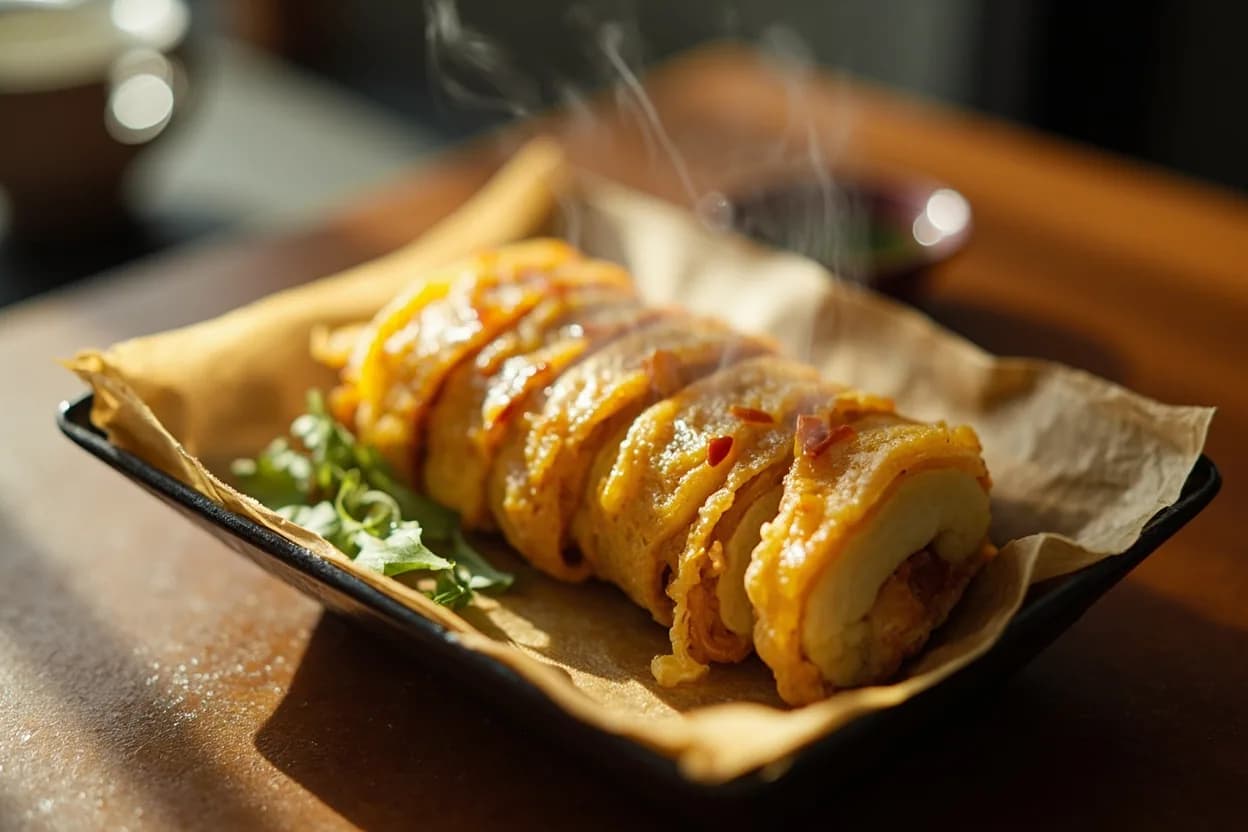
Izakaya (居酒屋, literally 'stay-sake-place') is Japan's informal drinking establishment, combining the social function of a pub with a surprisingly deep food menu. The cuisine is not a regional tradition but a national one: a canon of small-plate dishes (tsumami or otsumami) designed to be shared, grazed, and paced across a long evening's drinking. The food prioritizes texture contrast, restrained seasoning that doesn't dominate alcohol, and affordability. Izakaya cooking ranges from the simplest (edamame, cold tofu) to technically accomplished (dashimaki tamago, creative yakitori offal skewers). It is the dominant social-dining format for working adults in Japan.
The flavour base
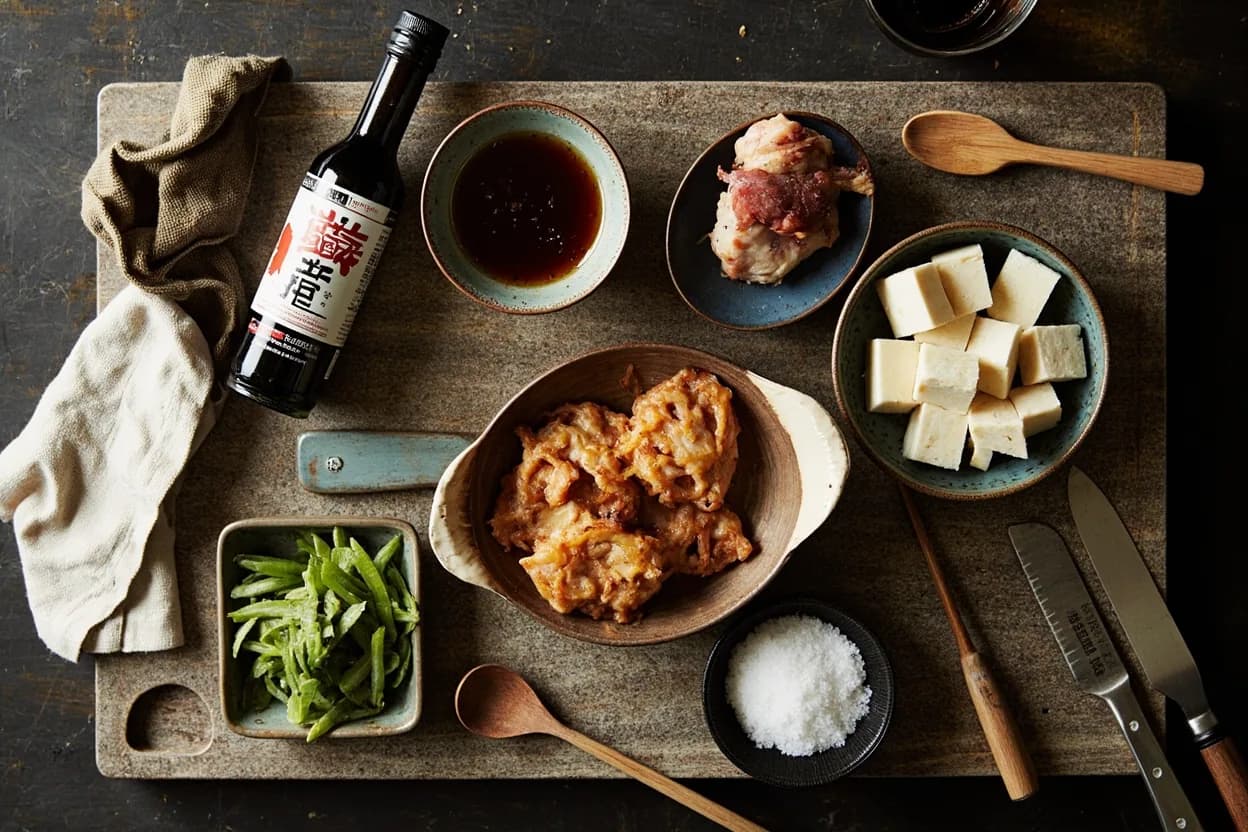
Soy-mirin tare for yakitori and grilled items; dashi-enriched sauces for tofu and simmered dishes; light citrus (sudachi, yuzu) to cut richness; salt-grilling (shioyaki) as the anti-tare counterpoint
Pantry staples
Key ingredients
Signature techniques
Signature dishes
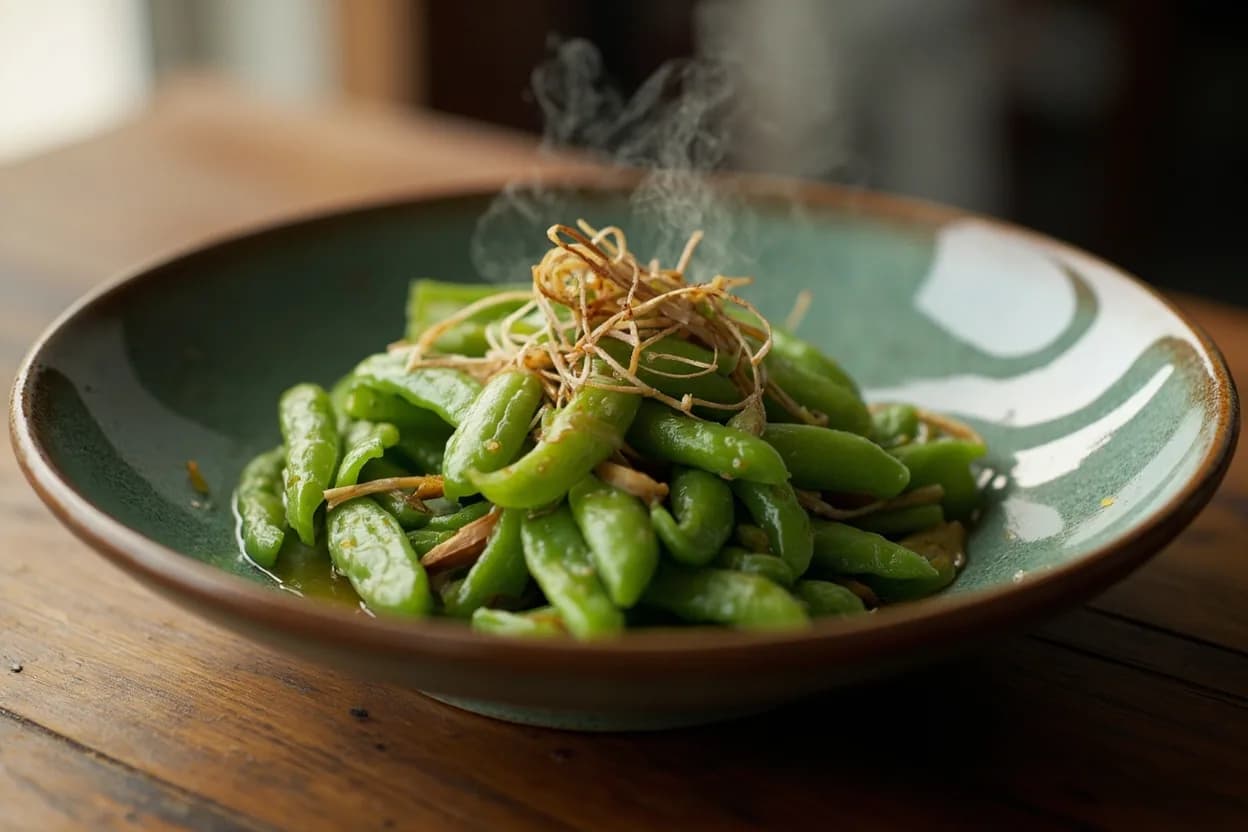
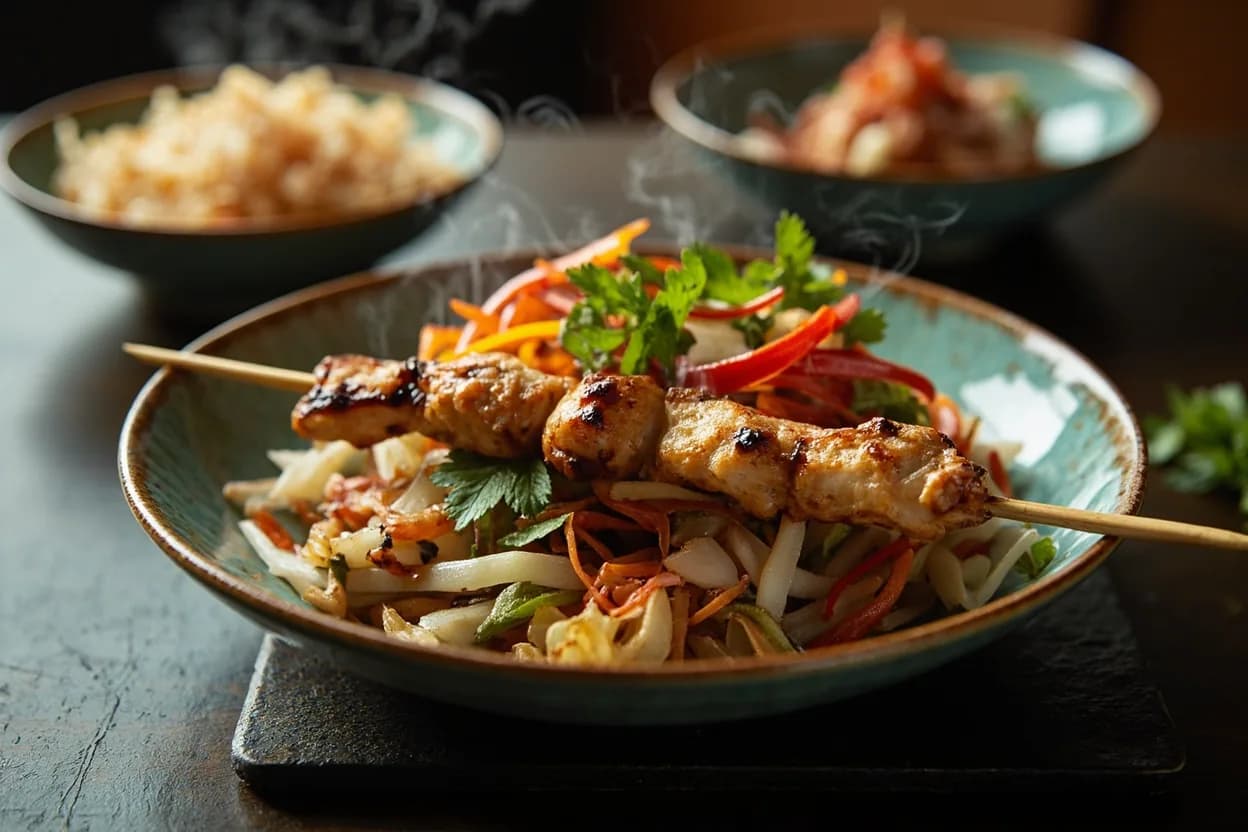
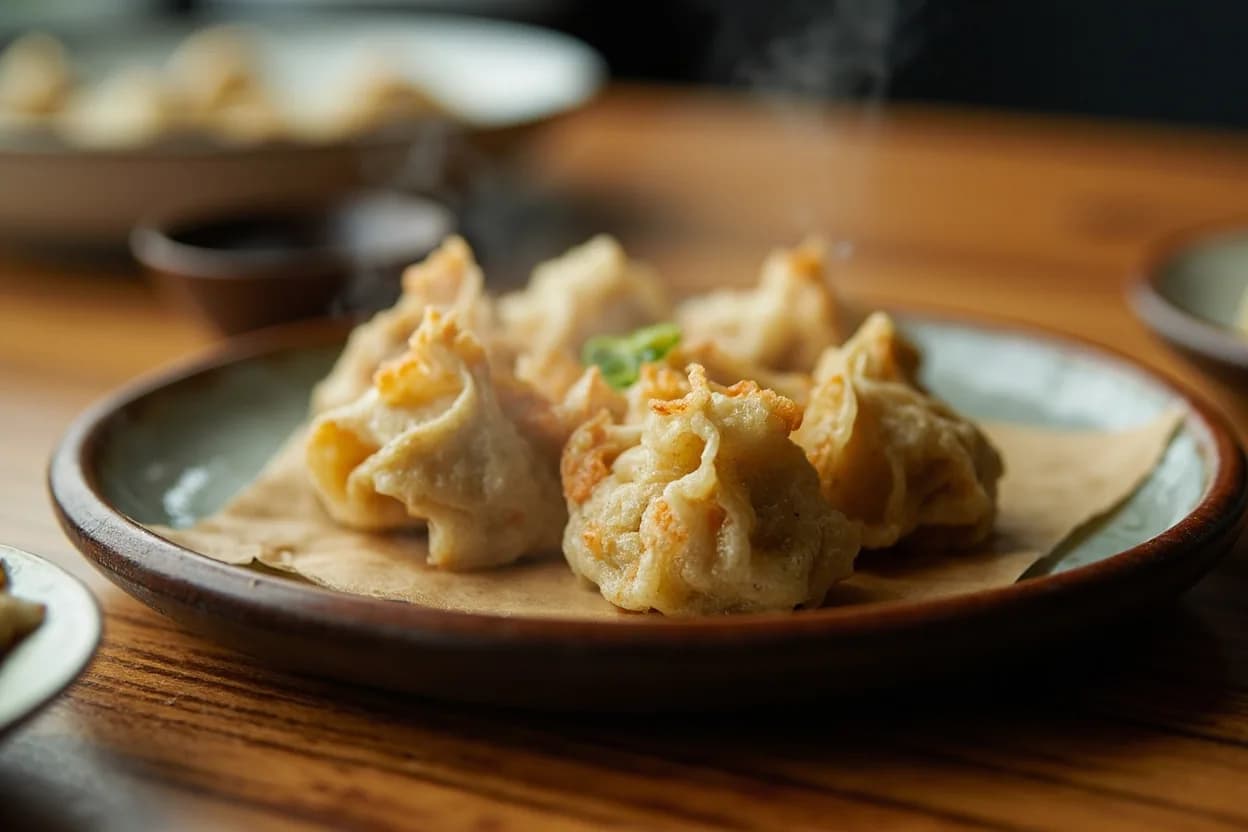
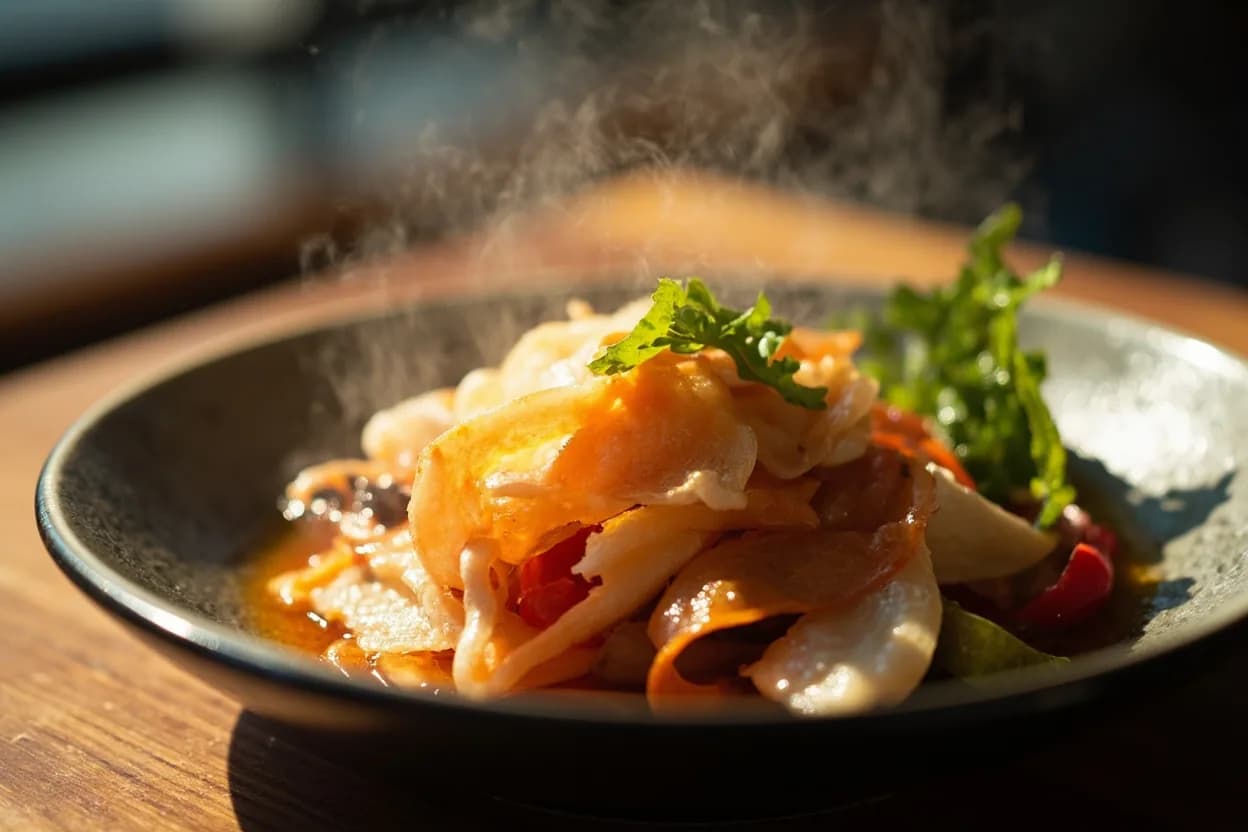
Japanese Izakaya Cuisine on the table
At the table
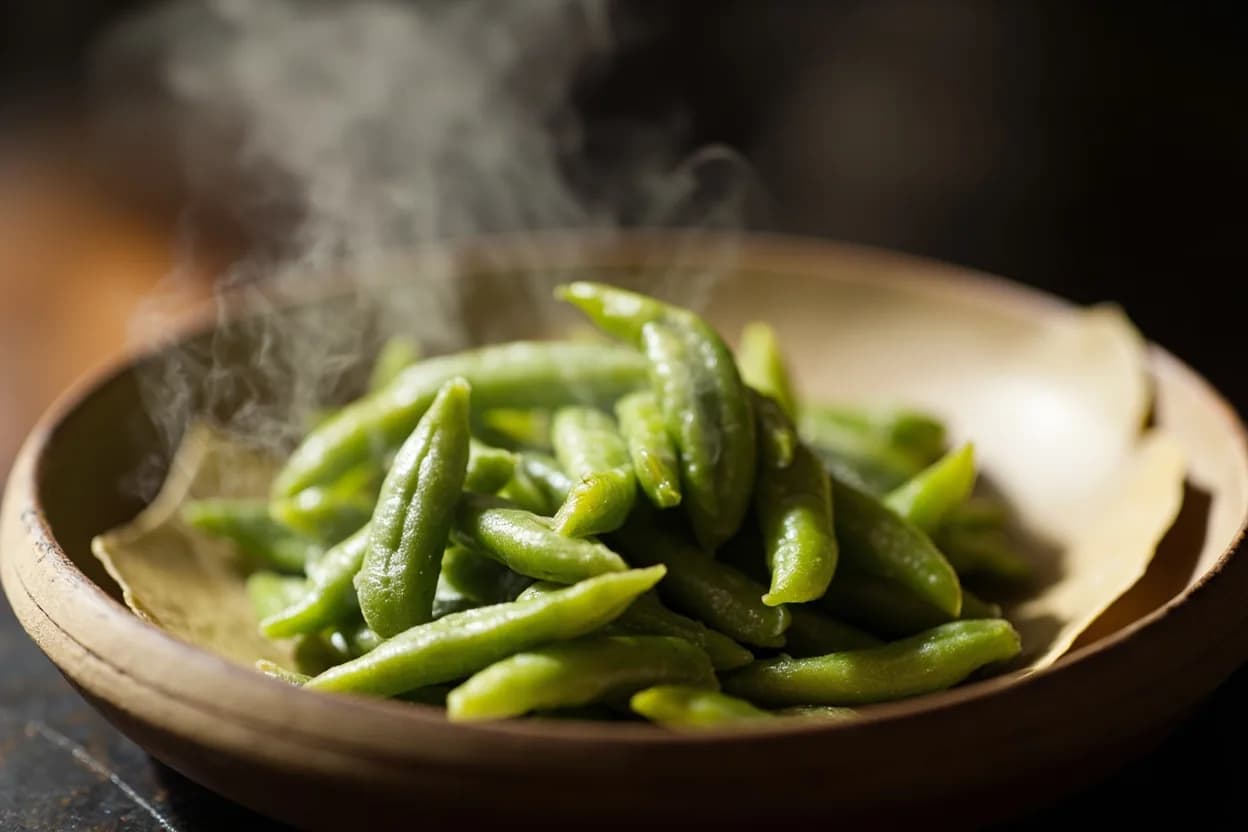
The izakaya meal begins with drinks ordered first, then a quick snack (often edamame or pickles) arrives automatically. Dishes are ordered incrementally throughout the evening rather than in courses. A typical session covers lighter plates (tofu, salads, sashimi) first, then grilled and fried items, then carbohydrates (ramen, ochazuke, or a final rice dish) to close. Groups of two to eight share everything. The evening ends with a deliberate 'shime' (closing dish) signaling the meal is done. Last orders are announced; the whole group leaves together.
History & context
The izakaya evolved from Edo-period sake merchants (sakaya) who began allowing customers to drink on the premises, eventually adding food to keep drinkers spending longer. By the late Edo period (18th–19th centuries), the format was formalized with distinctive red lanterns (akachochin) hanging outside. The post-WWII economic recovery entrenched izakaya as the primary after-work social space for the salaryman class. The 1970s–1980s saw chain izakayas like Tsubohachi, Watami, and Shirokiya expand the format into a mass-market institution. Regional cooking entered the national izakaya vocabulary through themed chains and independent joints highlighting Kyushu motsu nabe, Okinawan awamori pairings, or Tohoku sake and kaisendon.
Regional variations
- Tokyo / Kanto style
Soy-forward, dashi-clean; excellent yakitori (especially around Yurakucho station's stalls); diverse and eclectic menus.
- Osaka / Kansai style
Slightly sweeter sauces; kushikatsu (breaded fried skewers) rivals yakitori; lighter, more playful flavors.
- Kyushu style
Motsu nabe (offal hot pot), chicken nanban, shochu-forward drinking culture; bolder, fattier plates.
- Hokkaido style
Seafood-heavy — crab, scallop, and salmon appear on izakaya menus alongside jingisukan (grilled mutton).
- Okinawa style
Awamori (distilled rice spirit) replaces sake; champuru stir-fries, rafute (braised pork belly), and bitter melon dishes.
Related cuisines
Kyushu izakaya exports — tebasaki, motsu nabe, shochu — have deeply shaped national izakaya menus.
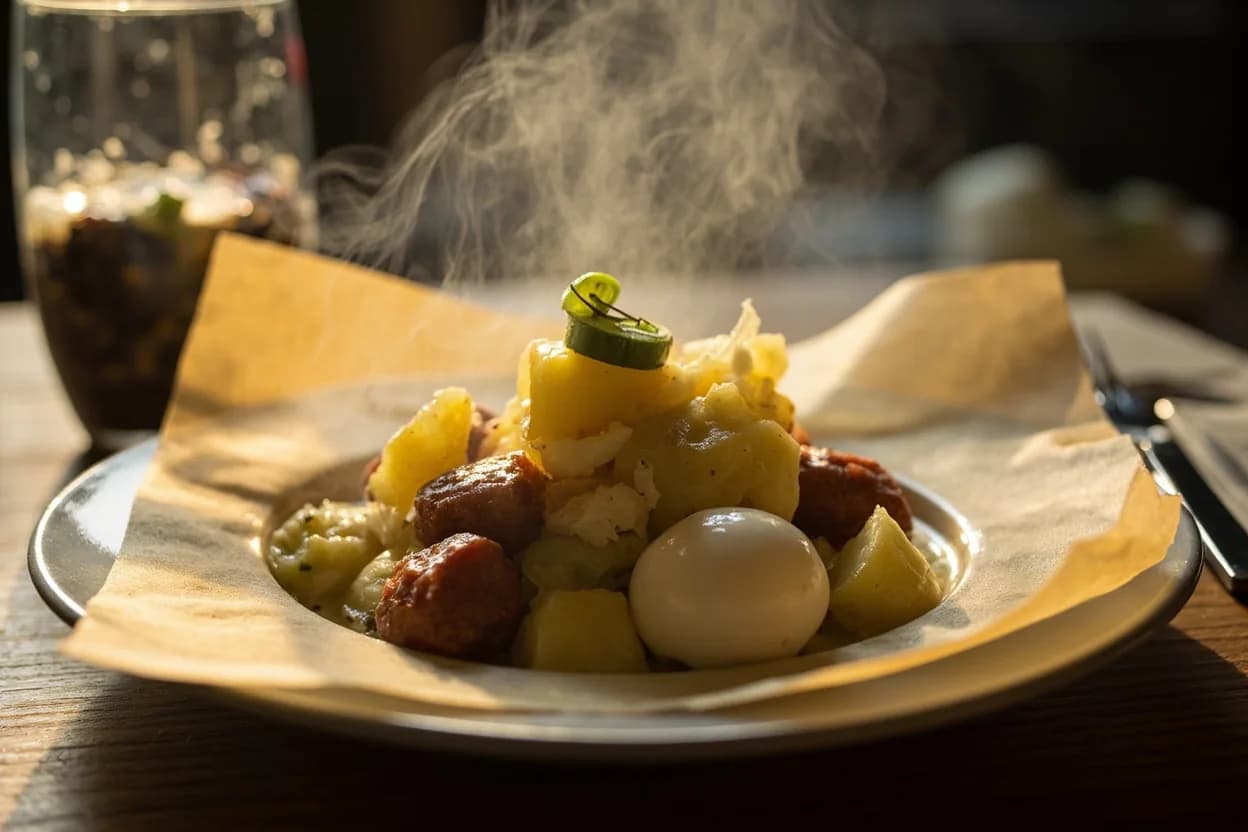
Many izakayas include yoshoku crossover dishes like potato croquette (korokke) and napolitan spaghetti.
- Korean Hoesik Culture
The Korean after-work drinking meal (hoesik) parallels izakaya structure; both share a grilled-meat + shared-plate + distilled-spirit format.
Canonical recipes
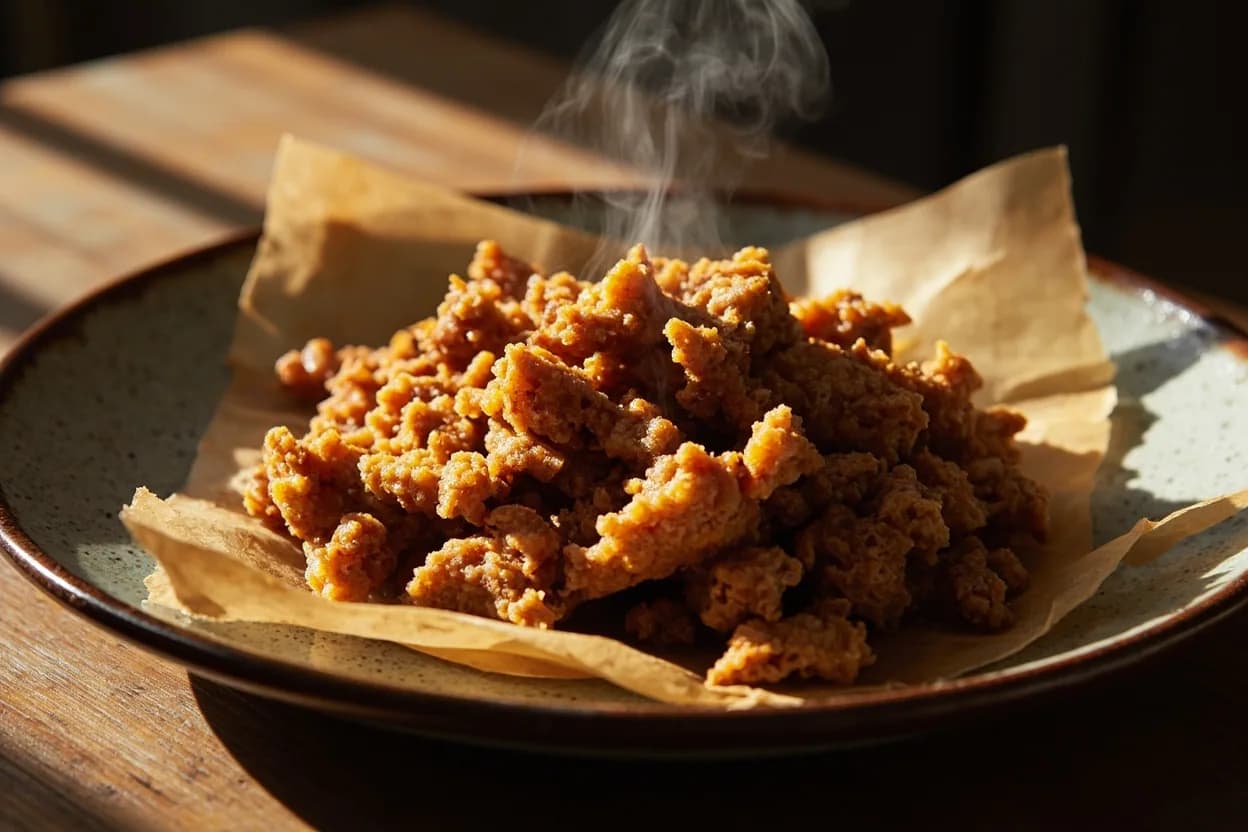
The dishes that define Japanese Izakaya Cuisine, documented in the Canon.
References
- 1.Japanese Soul Cooking — Tadashi Ono & Harris Salat
- 2.The Japanese Grill — Tadashi Ono & Harris Salat
- 3.Izakaya: The Japanese Pub Cookbook — Mark Robinson
- 4.Japan: The Cookbook — Nancy Singleton Hachisu
Confidence: high
Notes
Otoshi — the mandatory snack charge
Izakayas typically charge an 'otoshi' (お通し) — a small, unchosen appetizer that arrives with your first drink. This covers the cover charge and is non-negotiable. Tourists sometimes try to refuse it; regulars understand it as part of the social contract and often appreciate it as a chef's greeting.
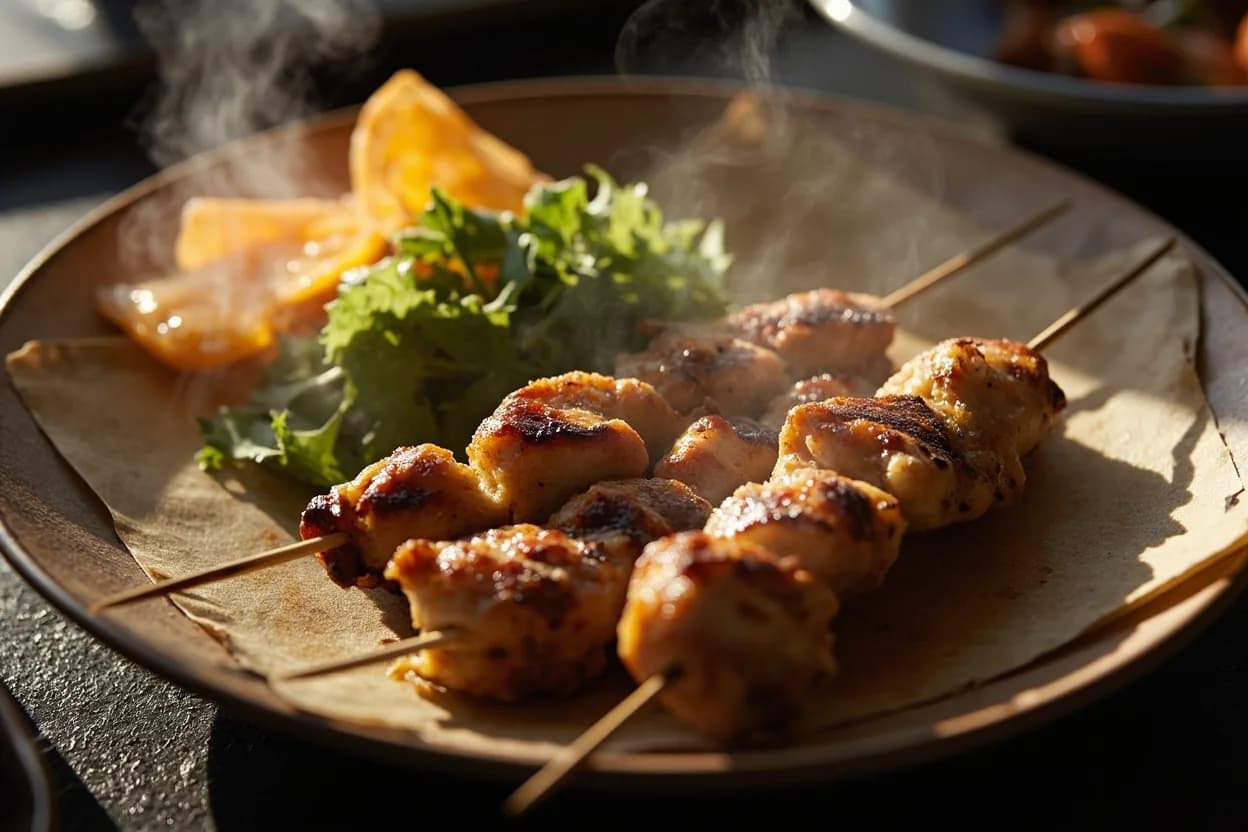
Bincho-tan yakitori
The best yakitori is grilled over bincho-tan (白炭), an extremely dense Japanese charcoal made from ubame oak that burns nearly smokeless at very high heat. Its minimal smoke flavor lets the chicken's own fat and the tare create the complexity rather than combustion smoke.