West Africa
Yoruba (Southwest Nigerian)
Also: Yoruba cuisine, Lagos cuisine, Southwest Nigerian
A boldly flavored, soup-centered cuisine from one of Africa's most populous urban cultures, anchored by the trinity of egusi seeds, palm oil, and stockfish and served over amala, pounded yam, or eba.
Yoruba cuisine is one of West Africa's great cooking traditions, developed across a densely populated swath of southwest Nigeria encompassing Lagos, Ibadan, Abeokuta, and the historical Oyo Empire. It is a soup culture: the meal is typically a starchy base — amala (yam flour), pounded yam, or eba (cassava) — eaten with the hand alongside one or more rich soups that serve as both sauce and main dish. The flavor profile is defined by a powerful trilogy: egusi (ground melon seeds) for body and richness, red palm oil for color and fat-soluble depth, and crayfish or stockfish for umami. Yoruba cooking is not subtle; it is assertive, deeply savory, and built for communal eating at scale. Lagos's position as Nigeria's commercial capital has made Yoruba food the de facto Nigerian cuisine globally, though it remains distinct from Igbo and Hausa traditions.
The flavour base
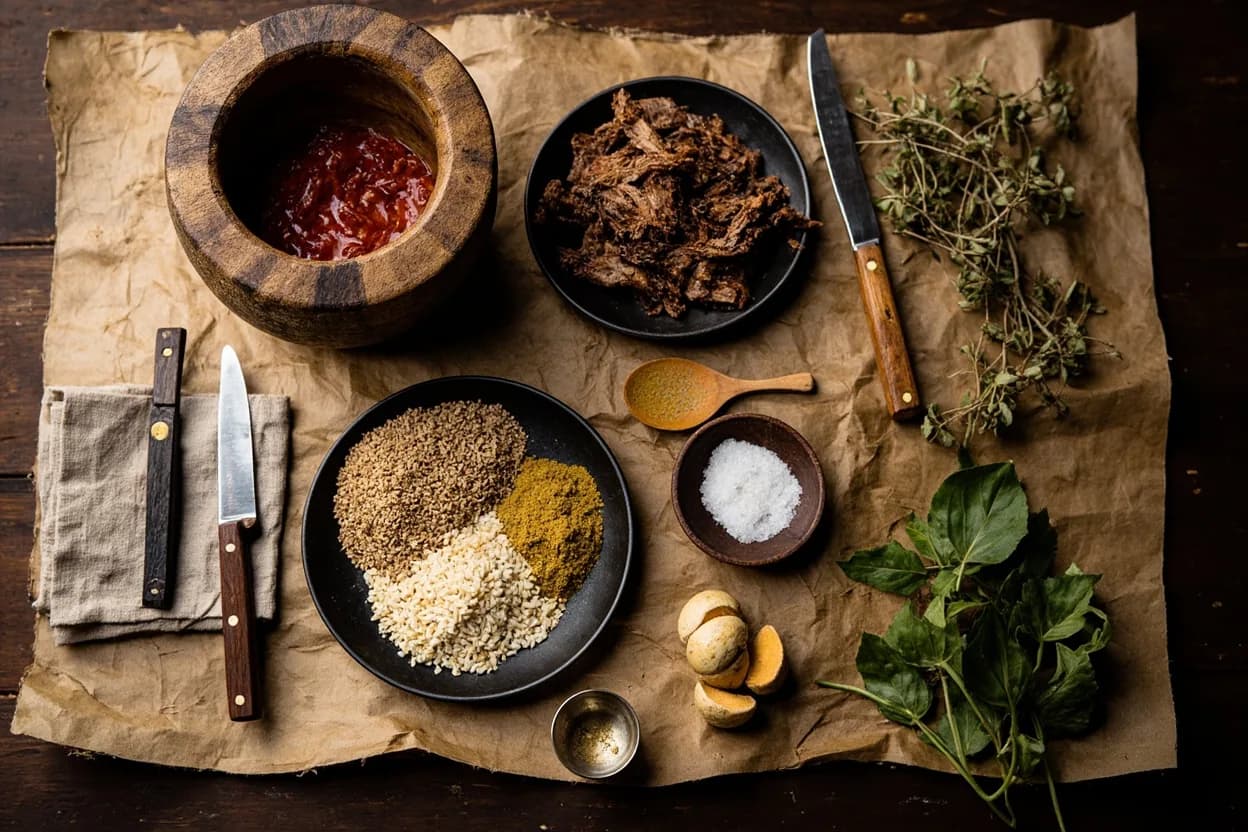
Red palm oil base with ground crayfish, fermented locust bean (iru/dawadawa), and dried or smoked stockfish providing layers of umami; egusi or leafy vegetable soups built on this foundation
Pantry staples
Key ingredients
Signature techniques
Signature dishes
Yoruba (Southwest Nigerian) on the table
At the table
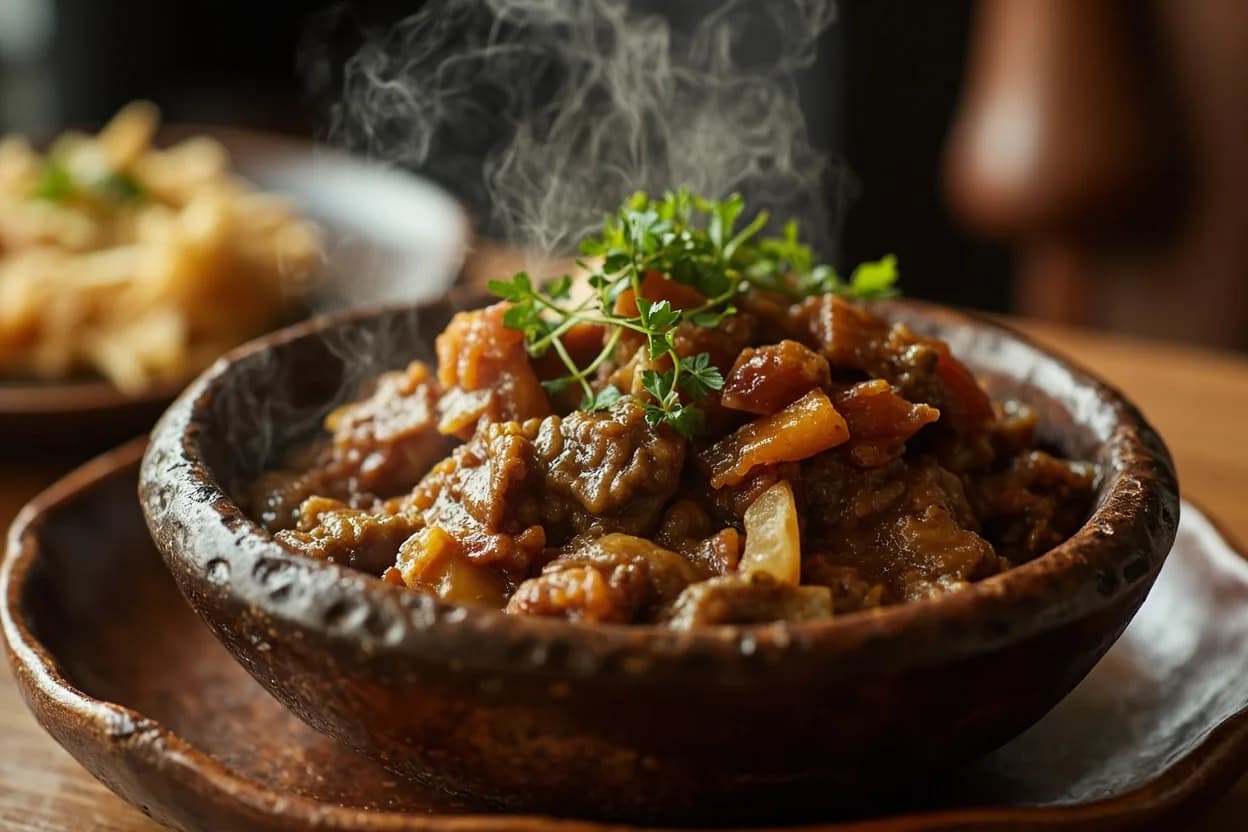
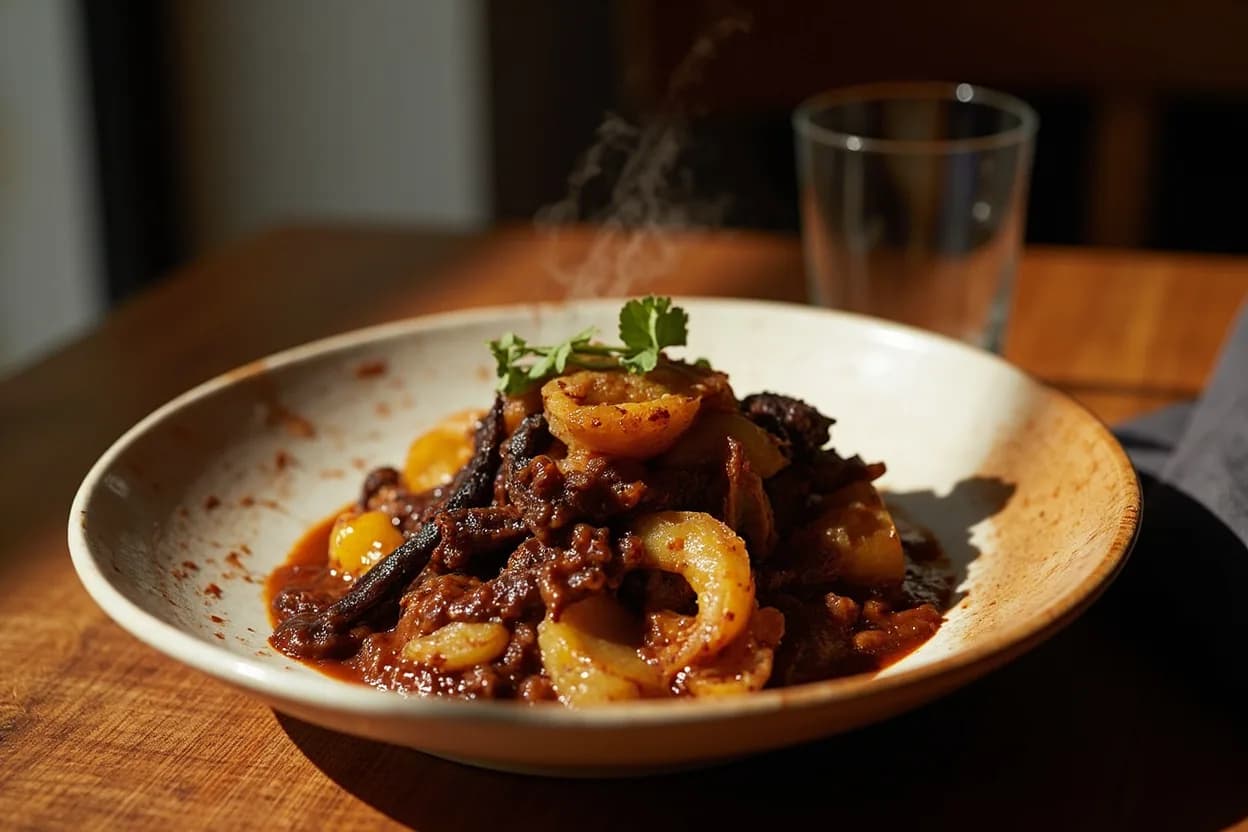
The classic Yoruba meal is a soup paired with swallow: amala (dark yam flour dough), pounded yam, fufu (cassava), or eba (dried cassava gari). The combination is eaten with the right hand, tearing a small piece of swallow, pressing a hollow into it, and using it to scoop soup. Soups are rich enough to serve as complete nutrition. Lagos street food culture (buka stalls, mama put roadside restaurants) is a parallel universe: jollof rice, fried plantain, and suya occupy a more casual daily register.
History & context
The Yoruba civilization, centered on the city-states of Ile-Ife, Oyo, and Benin, is one of the oldest and most urbanized in sub-Saharan Africa, with complex court cultures extending back over a millennium. Yoruba food traditions were shaped by the Transatlantic slave trade, which displaced millions of Yoruba people to the Caribbean and Americas — taking palm oil, okra, egusi, and black-eyed pea culture with them. The Oyo Empire's collapse and the Yoruba wars of the 19th century, followed by British colonial rule, reshaped food distribution and ingredient access. The Lagos of the late 20th and 21st centuries has become one of Africa's most dynamic food cities, with Yoruba cuisine at its center, exporting jollof rice as a pan-African icon and a site of culinary diplomacy (the 'jollof wars' with Ghana).
Regional variations
- Lagos metropolitan
Most cosmopolitan expression; mix of traditional soups with street food innovation; Nollywood-driven food visibility globally
- Ibadan / Oyo interior
More conservative traditional preparations; amala culture is strongest here; bushmeat (venison, grasscutter rat) more prevalent
- Ekiti / Ondo coastal east
Heavier seafood use from the Bight of Benin; palm nut soup (ofe akwu-adjacent) and freshwater fish preparations
Related cuisines
Shares palm oil and stockfish base but uses different soups and a distinct yam culture; bitter leaf and oha soups are Igbo specialties
- Bini/Edo
Neighboring Edo State cuisine shares some Yoruba preparations; the historical Benin Empire was culturally linked to western Yoruba territory
- Trinidadian
Yoruba diaspora cuisine in Trinidad preserved many direct parallels: callaloo (from efo), pelau, black-eyed pea fritters (akin to akara)
Canonical recipes
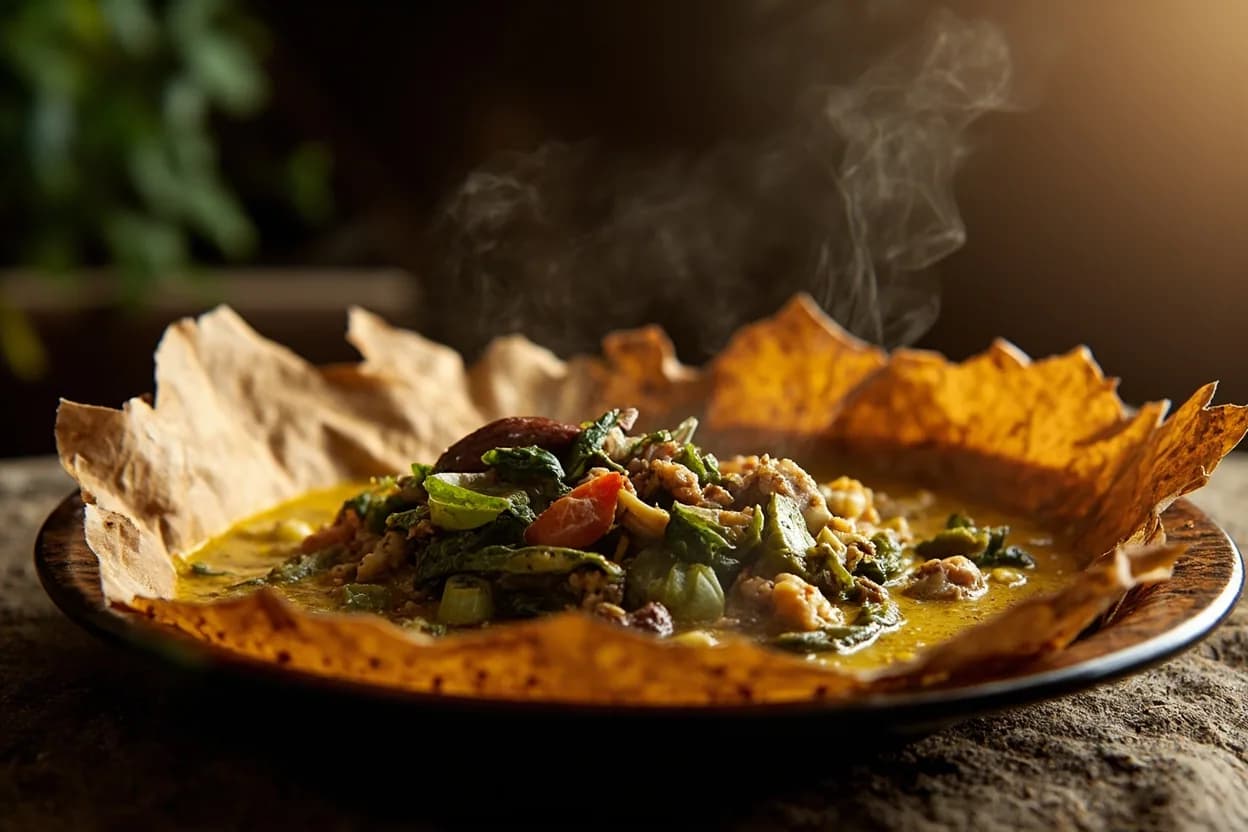
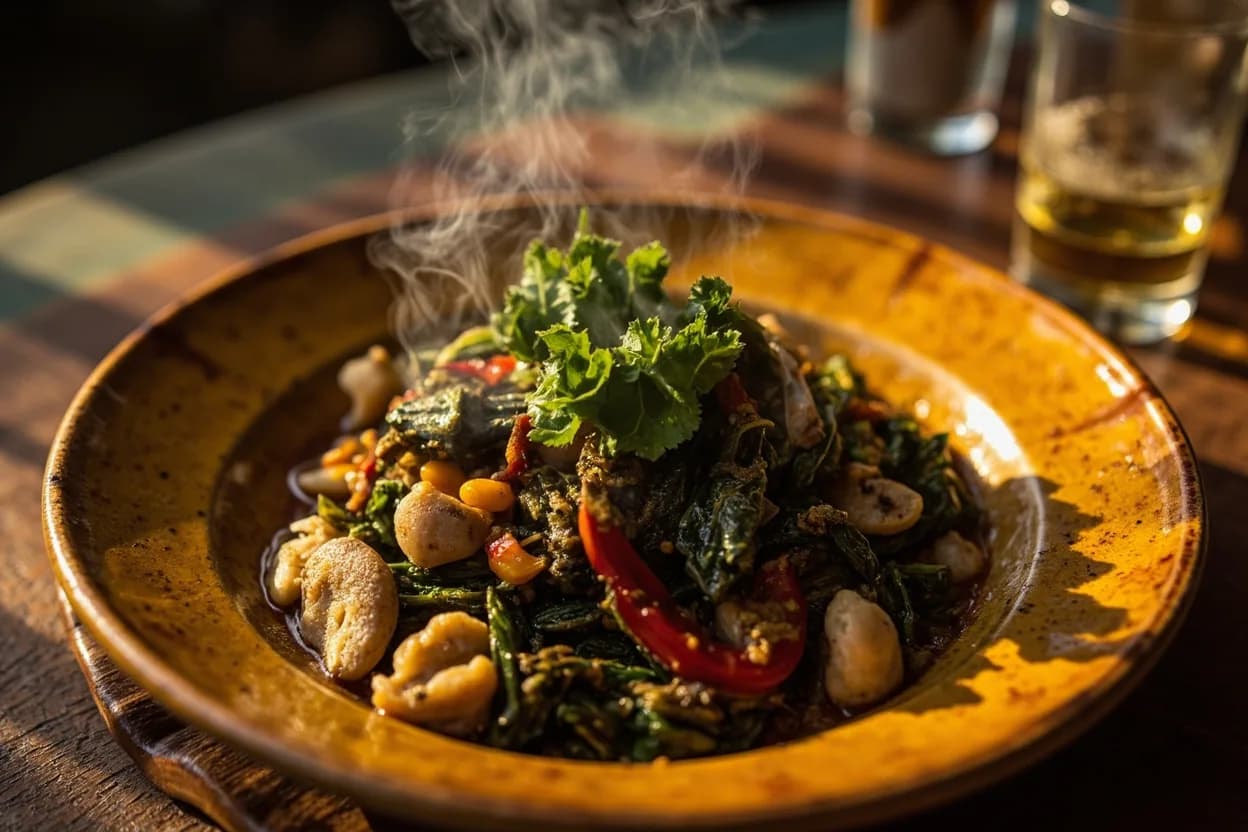
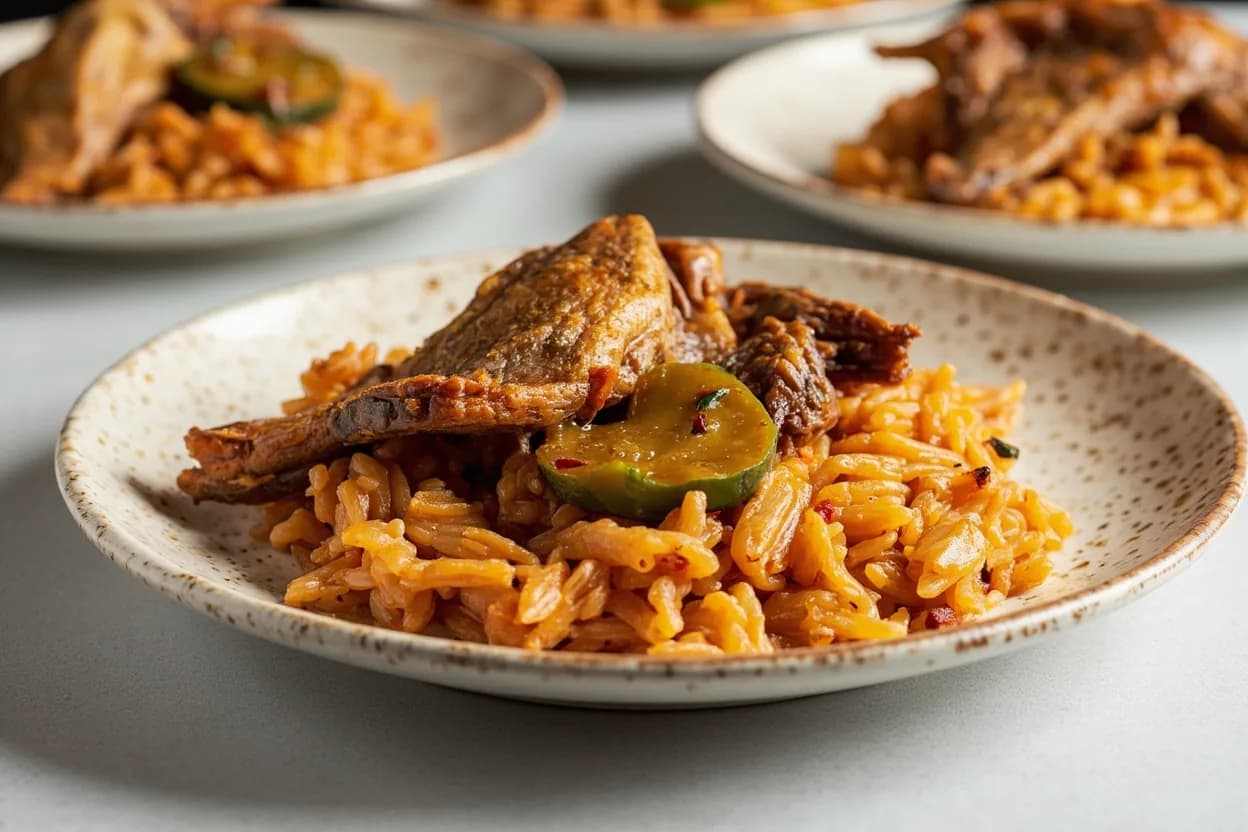
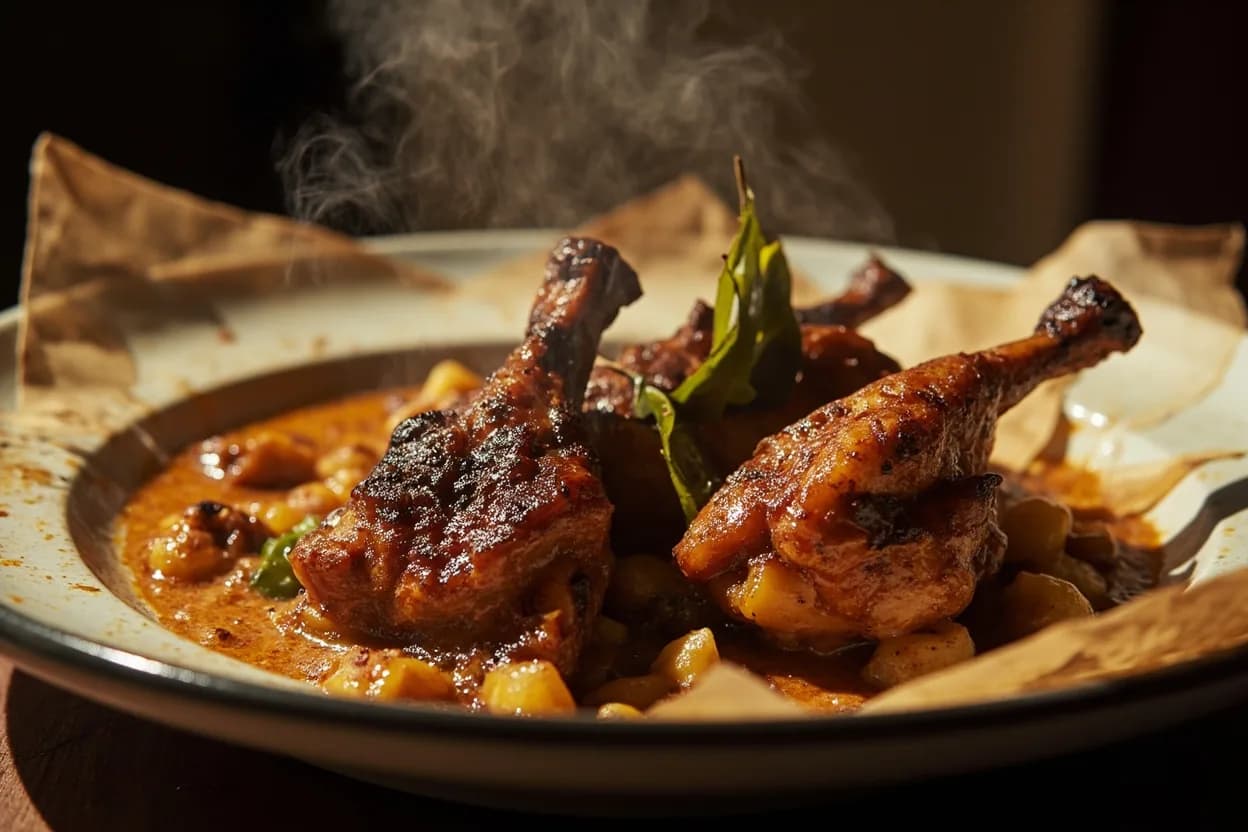
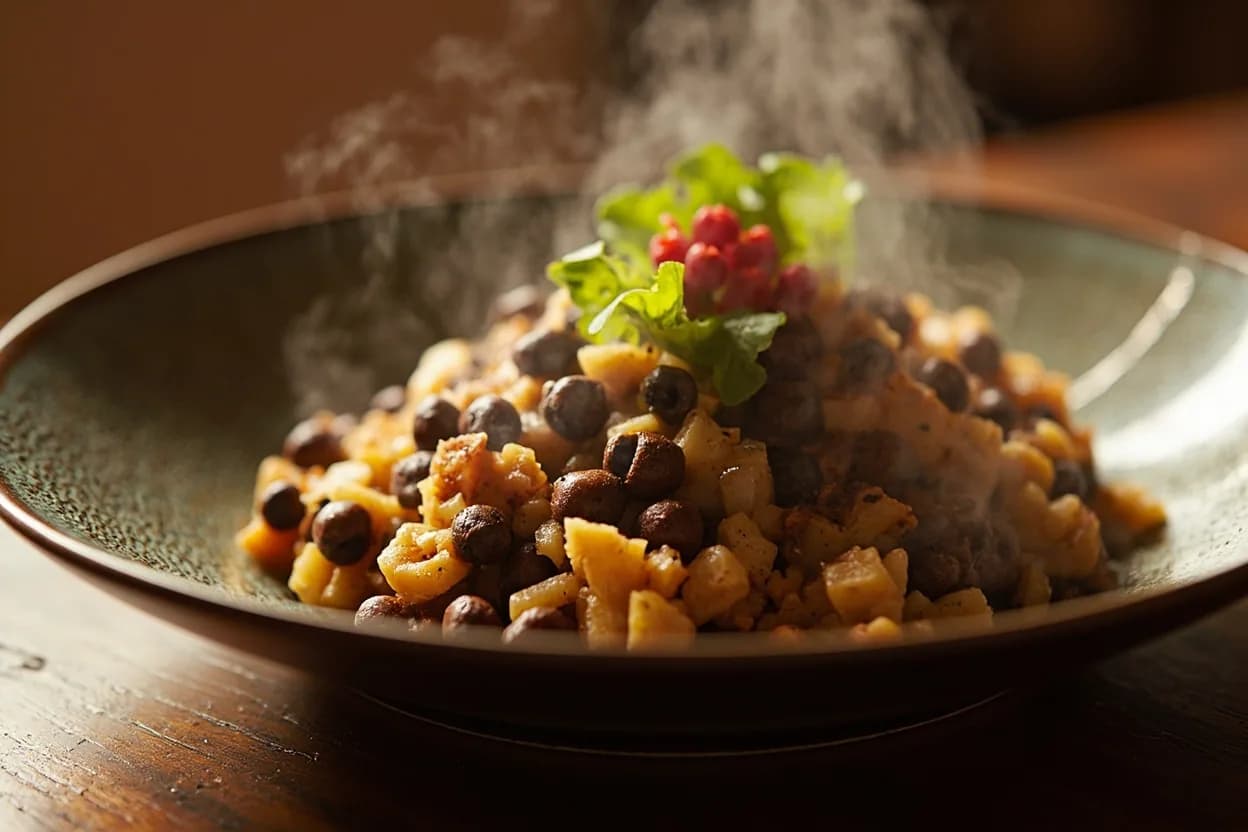
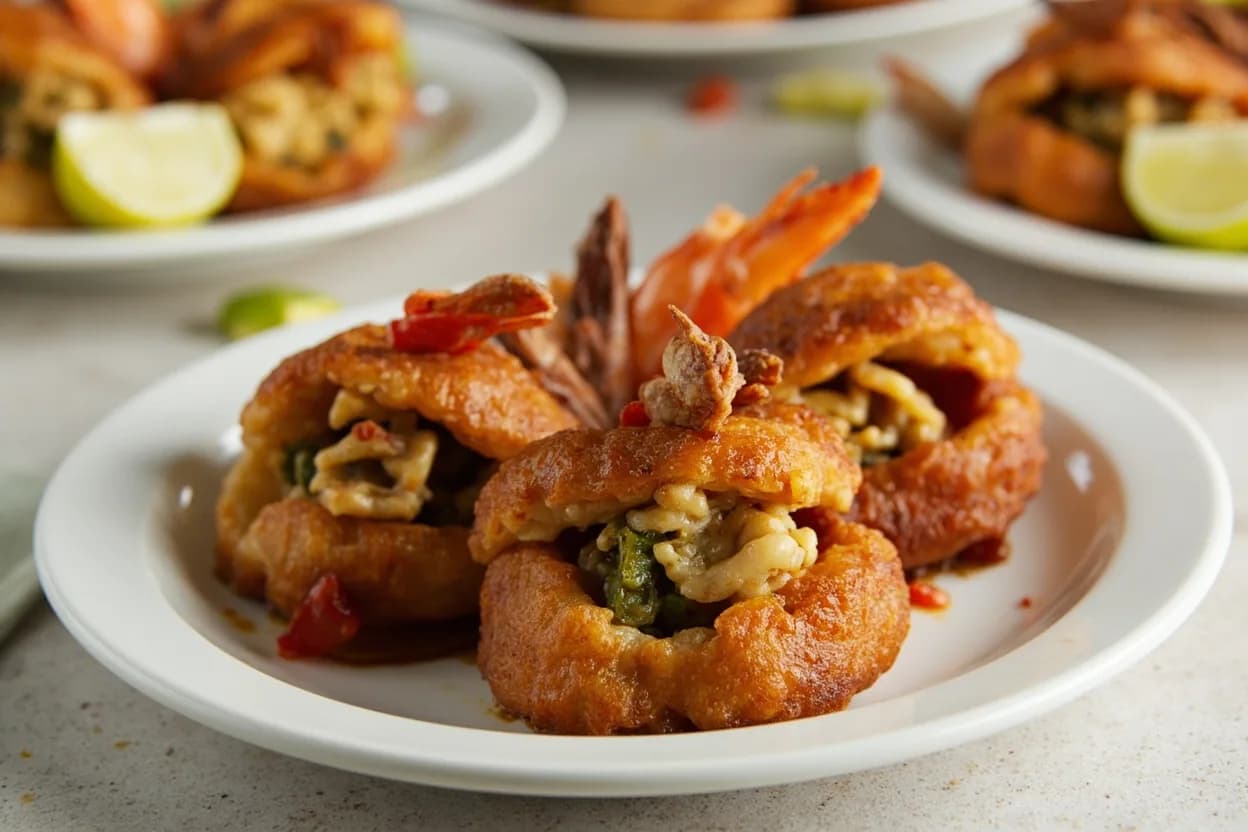
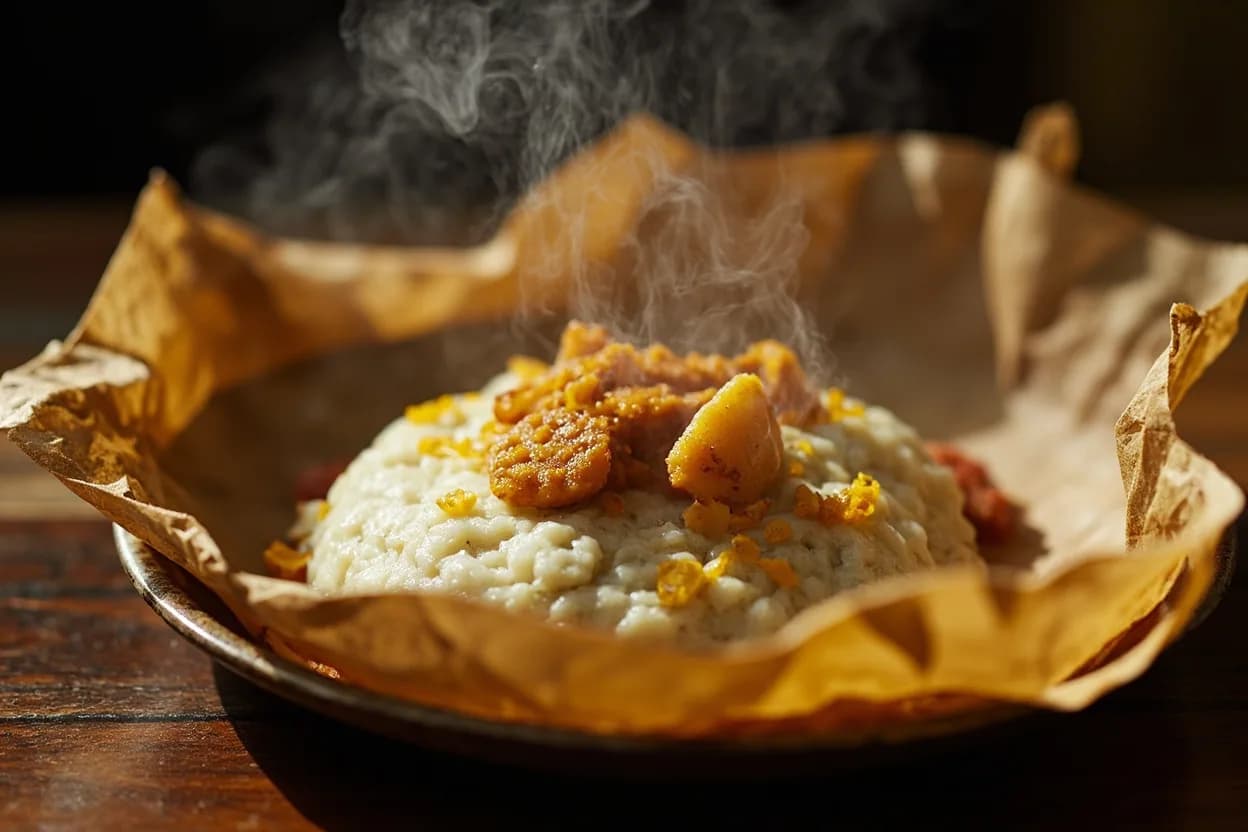
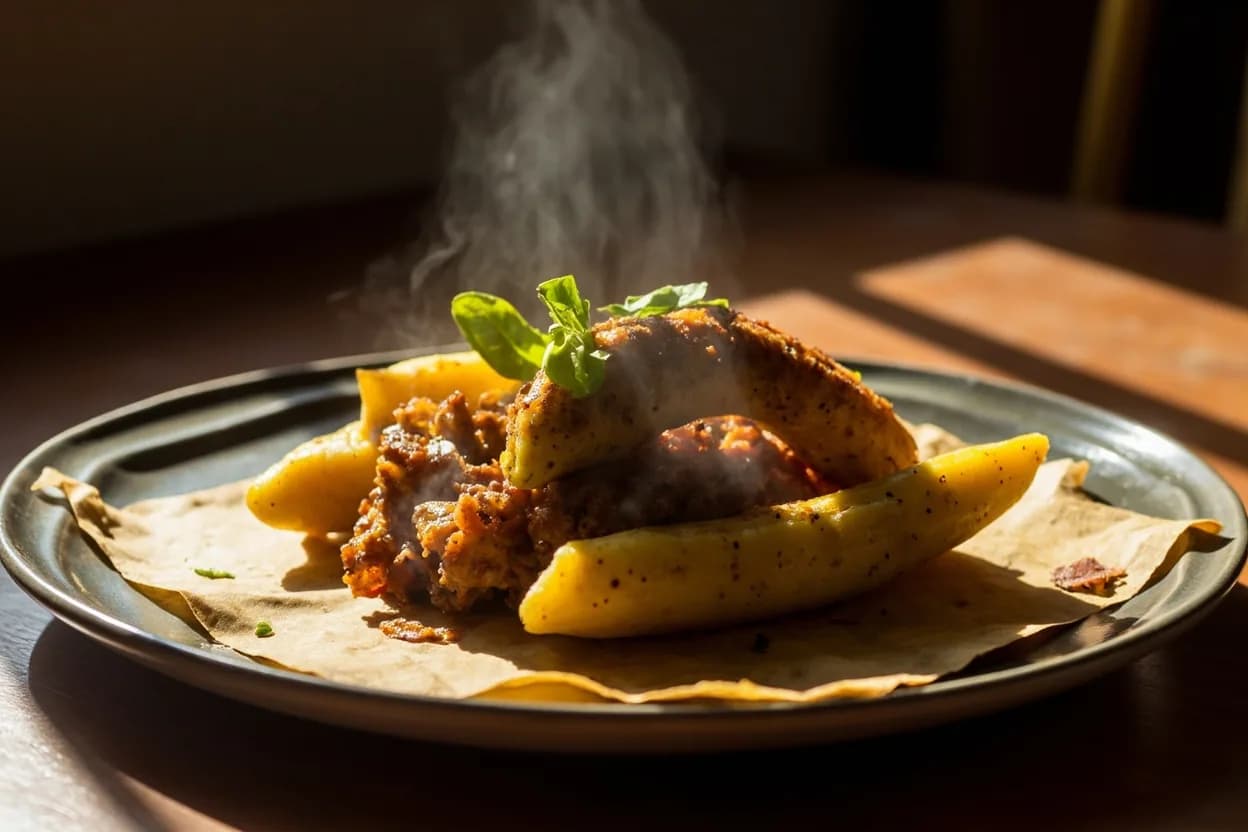
The dishes that define Yoruba (Southwest Nigerian), documented in the Canon.
References
- 1.Ozoz Sokoh ('Kitchen Butterfly'), 'Feast of Many Worlds' food writing and documentation
- 2.Jessica B. Harris, 'The Africa Cookbook' (1998)
- 3.Fran Osseo-Asare, 'Food Culture in Sub-Saharan Africa' (2005)
Confidence: high
Notes
The Egusi-Palm Oil-Stockfish Trinity
These three ingredients define the flavor logic of Yoruba cooking at a structural level. Ground egusi seeds (from Citrullus lanatus or Cucumeropsis mannii) thicken soups and add a nutty, slightly bitter richness. Red palm oil provides the characteristic orange-red color and a fatty depth unlike any other vegetable oil. Stockfish (dried Atlantic cod imported from Norway since the colonial era) contributes intense salted umami that iru (fermented locust bean) intensifies further. Together they produce a complexity that makes Yoruba soups among the most flavor-dense in the world.
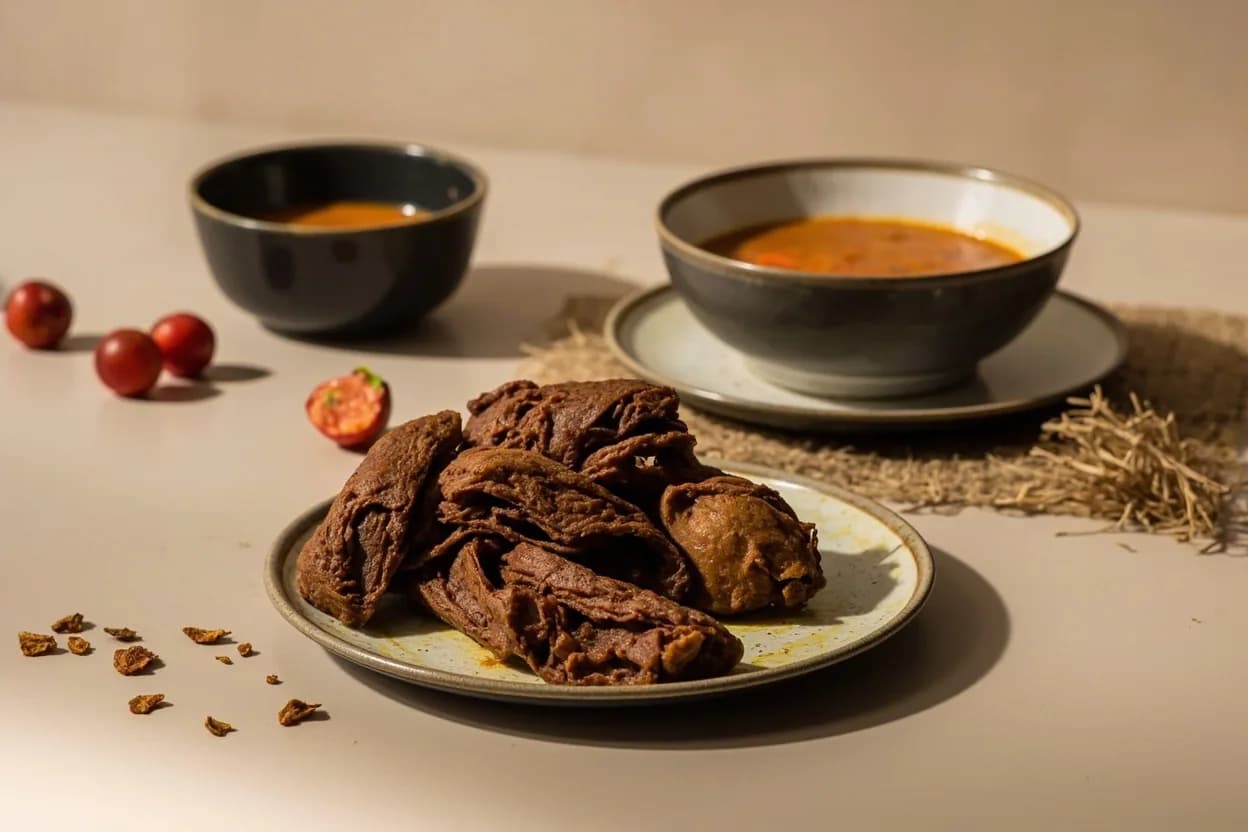
Amala
Amala is made by stirring dried yam flour (elubo) into boiling water and working it until it forms a smooth, dark, elastic dough — darker than pounded yam and slightly more bitter. It is the preferred swallow of Lagos and Ibadan and is almost always paired with ewedu soup (drawn from jute leaves using an ijabe whisk) and gbegiri (a smooth brown bean soup), served alongside a separate meat stew. The combination, known simply as 'amala and ewedu', is Lagos's comfort food.