Natural form
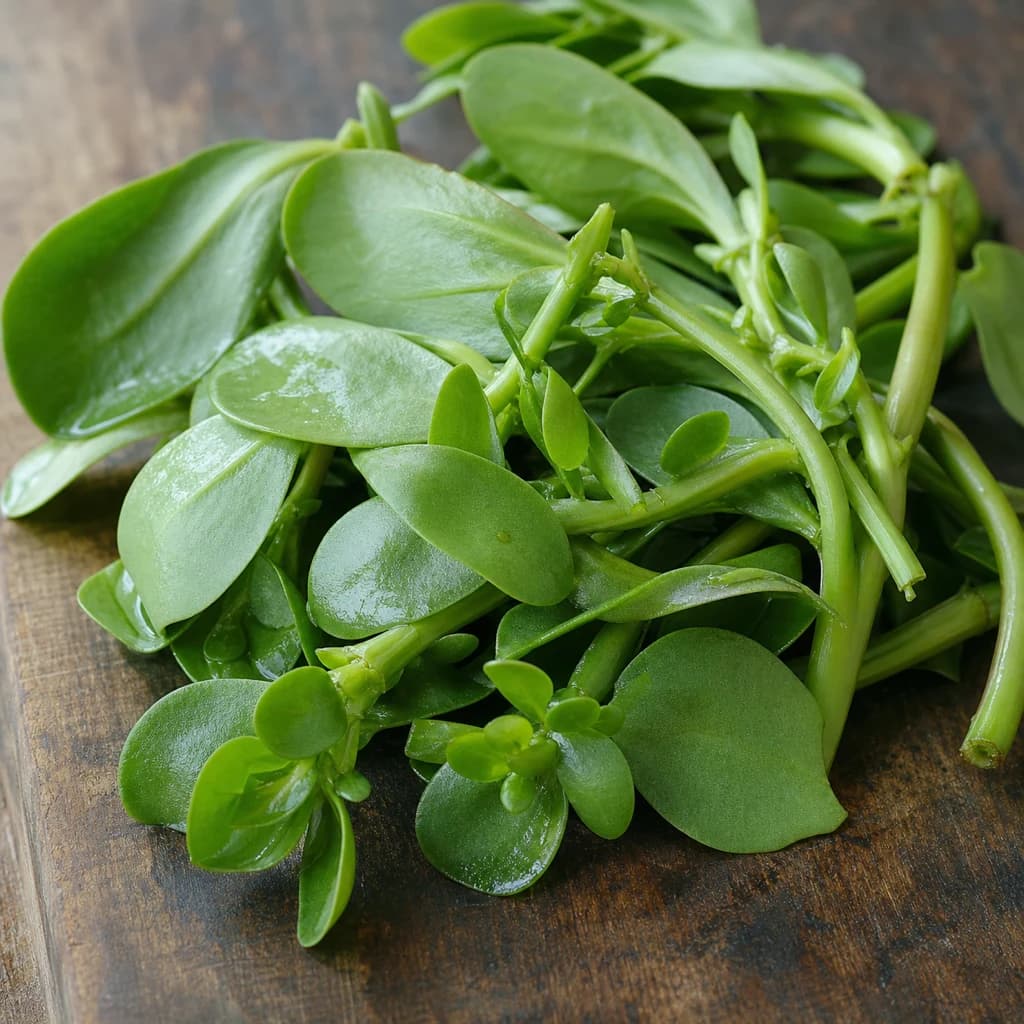
Fresh waterleaf stems with thick, succulent leaves as harvested from the garden.
Shows the reader the plant's distinctive thick, juicy leaves and stem structure so they can recognize it at market or in the garden.
Produce
Waterleaf
Succulent West African leafy green with a mild, slightly slippery texture, cooked into soups and stews.
Waterleaf is a soft, succulent leafy green widely eaten in West Africa, with thick juicy leaves and a mild flavor. It is a base for Nigerian soups such as edikang ikong and efo riro, often combined with sturdier greens, and wilts down quickly when cooked. Its high water content gives it a tender, slightly slippery texture and it is a quick-cooking everyday vegetable.
Waterleaf (Talinum triangulare) is a semi-succulent leafy green native to West Africa, prized throughout the region and in tropical markets worldwide for its tender texture and mild, slightly earthy flavor. Unlike harsher bitter greens, waterleaf is gentle and adaptable, making it a versatile workhorse in soups, stews, and quick sautéed preparations. When cooked, the leaves release a mild mucilage—similar to okra—that naturally thickens liquids, which is central to its culinary function in traditional West African soups. The stems are edible and cook down substantially, contributing body and substance to dishes. Waterleaf's flavor is unobtrusive enough to absorb the character of whatever it is cooked with, yet distinctive enough to be identifiable in a well-made egusi or banga soup. In the Yoruba tradition it is called Eefin or Efo Yenimwon; in Igbo cuisine it may be known as Mgbugwu. The plant is also grown as an ornamental and is sometimes confused with unrelated huckleberry greens (also called Gbure in some markets), so examine the leaves: true waterleaf has triangular, semi-succulent leaves on branching stems that snap cleanly when fresh. Outside Africa, it appears in Caribbean, South American, and Southeast Asian markets under names like Ceylon or Java Spinach. Waterleaf is extremely perishable—plan to use it within a day or two of purchase—and it reduces dramatically when cooked, typically yielding only about one cup of cooked greens from three to four cups raw. Its succulence and slipperiness are assets when managed correctly, but liabilities when overcooked into a mushy, excessively slimy mess. Understanding this behavior is the key to working with waterleaf successfully.
- Measured in
- g
- Storage
- Fridge
Types & varieties
The most common variety in West African markets; broad, tender leaves with a characteristic triangular shape and prominent veining
Same species; names used in South and Southeast Asian markets for this semi-succulent green
Regional trade names, particularly in the Caribbean and Americas, reflecting the plant's wide tropical distribution
How Waterleaf Behaves in Cooking
Waterleaf's defining characteristic is its mucilage—the same soluble fiber that makes okra slippery. When the leaves are cut, crushed, or cooked vigorously, they release this gelatinous substance, which acts as a natural thickener for soups and stews. This is functional, not incidental: in egusi and ogbono soups, waterleaf's mucilage works synergistically with ground melon seeds or bush mango seeds to create a rich, cohesive texture. Unlike okra, however, waterleaf's slime is milder and more manageable. The key variable is heat and time: brief cooking (2–4 minutes) produces a tender, slightly slippery green that holds its structure. Extended cooking—beyond 8–10 minutes—breaks down cell walls completely, releasing excess mucilage and producing a mushy, overly slick result. Waterleaf also absorbs liquids readily, so dishes may need slightly less stock or water than expected once the greens are added.
- Raw waterleaf is crisp and succulent; it collapses dramatically once heat is applied
- The mucilage is fat-soluble—cooking in palm oil or other fats helps the body absorb waterleaf's nutrients more effectively
- The stems cook more slowly than the leaves; roughly chop for even doneness
- Pressing cooked waterleaf against the pot wall with a wooden spoon ruptures cell walls and releases maximum thickening power
Buying and Prep
Select bright green, turgid bunches with no yellowing or wilting. The stems should snap cleanly when bent—limp stems indicate age and bring stronger, less pleasant bitterness. Sand and grit lodge in the leaf axils, so rinse thoroughly under running water, separating the leaves and swishing them individually. Do not wash until you are ready to cook; excess moisture accelerates spoilage. Trim any tough lower stems. For most stew and soup preparations, roughly chop the leaves and stems together. If your recipe calls for raw or barely wilted waterleaf as a side dish, use the youngest, most tender leaves at the top of the bunch. Fresh waterleaf should be used within 24–48 hours; it does not keep well even refrigerated.
- Avoid bunches with yellow leaves, wilted edges, or a sour smell
- Check the undersides of leaves for insects or debris lodged near the midribs
- Do not soak waterleaf for long periods—it will lose soluble nutrients and become waterlogged
- For a quick test of freshness, press a leaf gently: it should spring back immediately
Common uses
Tips & pitfalls
- Add waterleaf toward the end of cooking—2–4 minutes is sufficient; overcooking produces excessive slipperiness and a mushy, dull-green texture
- If the dish becomes too slimy, squeeze out excess liquid with a wooden spoon against the pot side, or add a small splash of vinegar or lemon juice to cut through the mucilage
- Rinse thoroughly before use; sand and grit collect in the leaf axils and are easy to miss
- For maximum thickening in soups, press the cooked waterleaf against the pot wall with a wooden spoon to rupture cell walls and release mucilage
- When substituting waterleaf for other greens in stews, reduce cooking time by roughly half compared to hardier greens like celosia or amaranth
- In West African markets, select bright green, turgid bunches; avoid any with yellowing leaves or a wilted, limp appearance—these signal age and bitterness
- Stems should snap cleanly when bent; limp stems indicate the bunch is past its best
- Because waterleaf reduces so dramatically when cooked, plan on 3–4 cups raw per serving to yield roughly 1 cup cooked
Nutrition
Energy
96 kJ · per 100 g
Where the calories come from
Protein
2.9g
6% DV
Carbs
3.6g
1% DV
Fat
0.4g
1% DV
Fiber
2.2g
8% DV
Sugars
0.4g
of which
Sodium
79mg
3% DV
Source · USDA FoodData Central · Spinach, raw
View on FDC →In the shops
Matched grocery products
No matched grocery products for Waterleaf yet.
Good to know
- Scientific Name
- Talinum triangulare (syn. Talinum fruticosum)
- Family
- Talinaceae
- Origin
- West Africa; naturalized in tropical Asia, South America, and the Caribbean
- Part Used
- Leaves and tender stems
- Season
- Year-round in tropical climates; summer in temperate zones when grown as an annual
- Flavor
- Mild, slightly earthy; less bitter than many African leafy greens
- Texture
- Succulent when raw; becomes slightly slippery (mucilaginous) when cooked
- Shelf Life
- Very perishable; use within 1–2 days of purchase
- Storage
- Refrigerate wrapped in a damp paper towel inside a plastic bag; do not wash until ready to use
- Freezing
- Blanch briefly before freezing; best reserved for cooked dishes, not raw use
- Yield
- Reduces significantly when cooked—approximately 3–4 cups raw yields 1 cup cooked
Substitutes
- Malabar Spinach (Basella alba) — Similar mucilaginous quality and succulent texture; cook identically and use in the same proportions
- Celosia Greens (Efo Soko) — The closest traditional substitute in Nigerian cooking; slightly earthier flavor and less slipperiness, but the closest match in role and cultural context
- Amaranth Greens (Efo Tete) — Acceptable substitute with a mild flavor; lacks waterleaf's thickening property, so add less liquid to the pot; cooking time is similar
- Swiss Chard — Mild flavor profile; lacks slipperiness but works in a pinch for non-traditional preparations; reduce cooking time by half since chard cooks faster
Pairs with
Also called
Gbure · Talinum · Ceylon Spinach · Philippine Spinach
Appears in these dishes
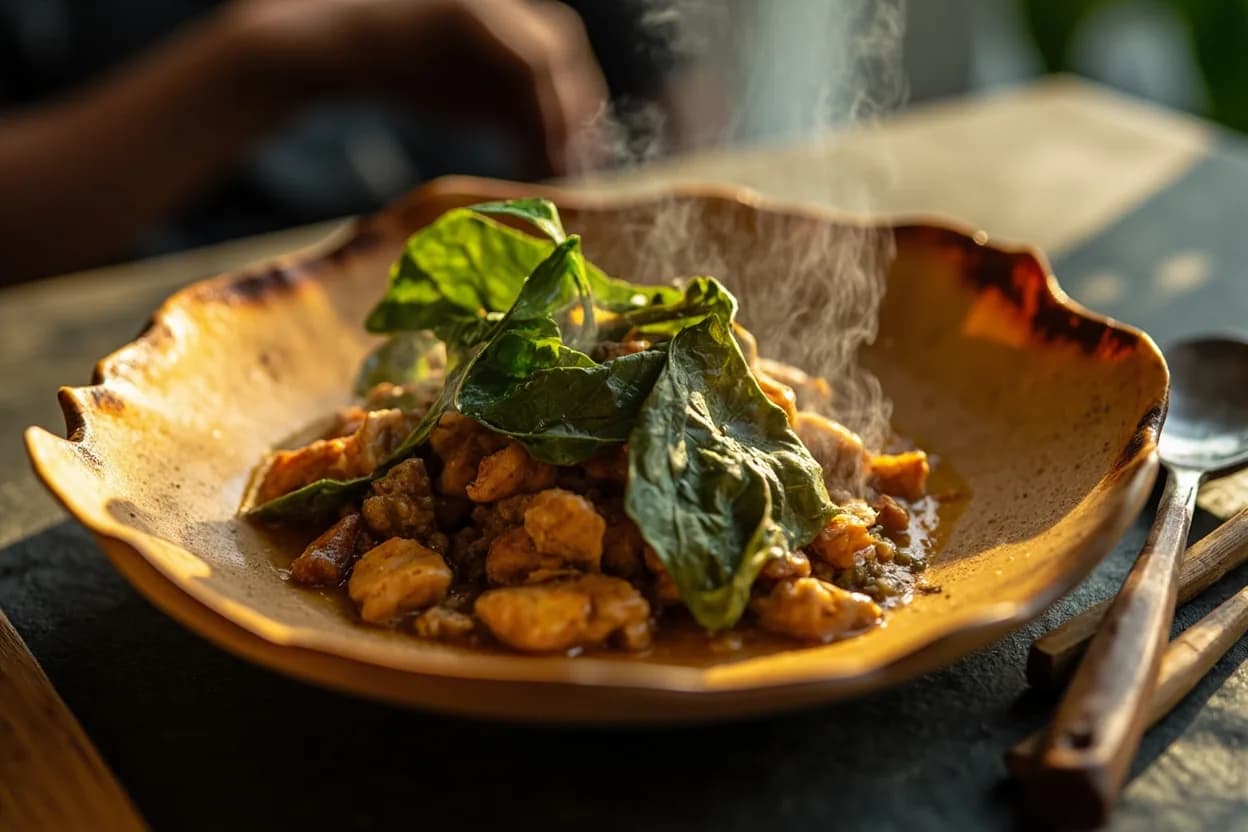
Related
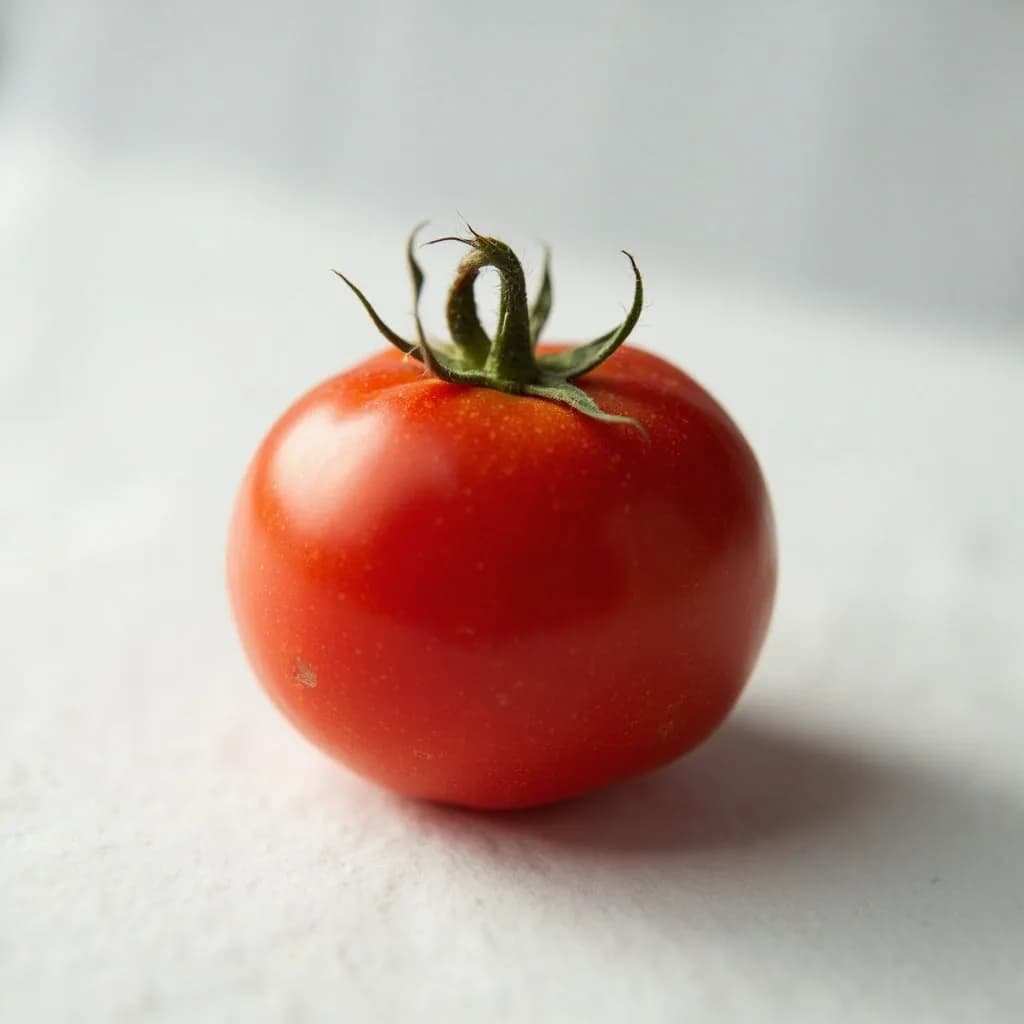
Tomato
Juicy, sun-sweet fruit for sauces, salads, and slow-cooked depth
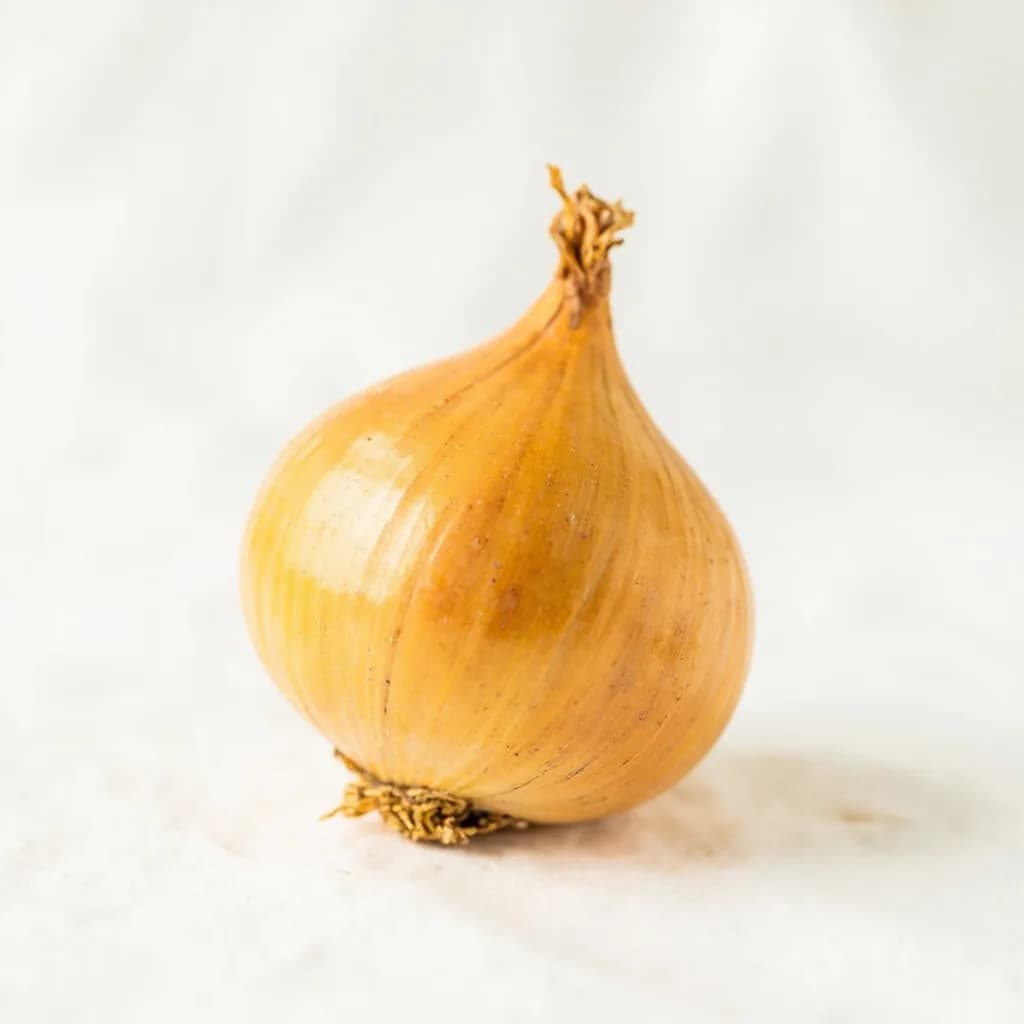
Yellow Onion
The aromatic backbone of soups, sofritos, and braises
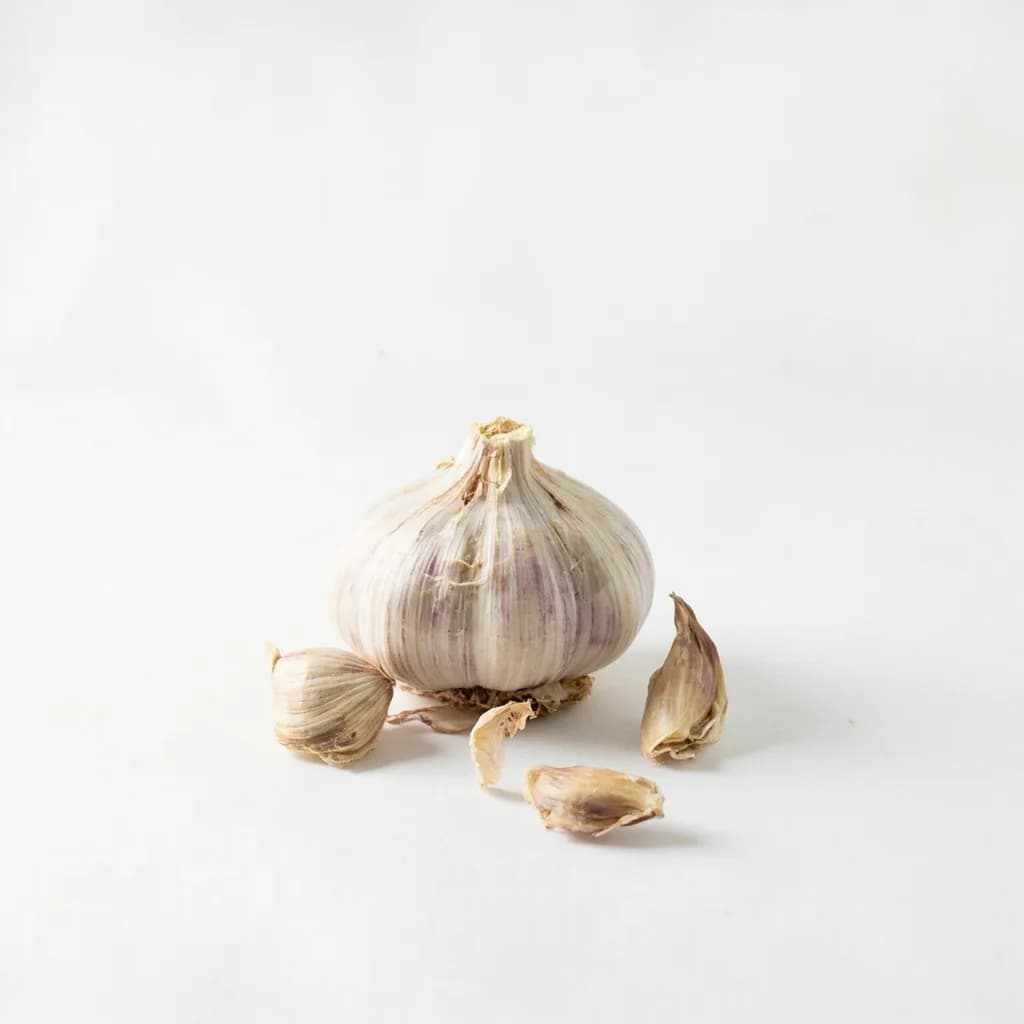
Garlic
Pungent cloves that perfume nearly every savory dish
Lemon
Bright, acidic citrus that wakes up almost any dish
Potato
Humble, hearty staple — roast, mash, fry, or boil
Carrot
Sweet, crunchy root — raw, roasted, or the base of a sofrito
Cucumber
Cool, crisp, and watery — for salads, pickles, and tzatziki

Lettuce
Crisp leaves for salads, wraps, and a fresh crunch