Produce
Chinese Spinach
Tender amaranth leaves cooked as a soft, mild leafy green across Asia and Africa.
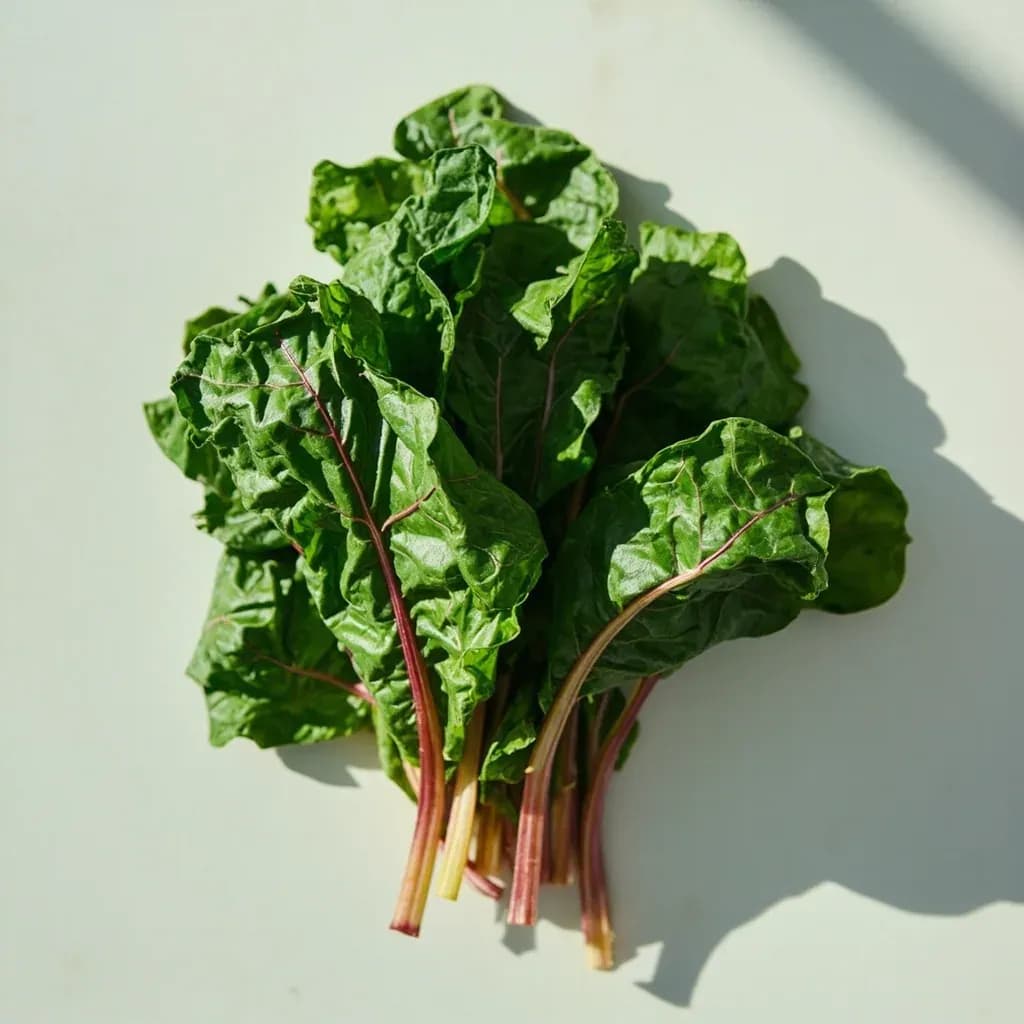
Chinese spinach (brede) is a leafy amaranth green, often with red-veined leaves, used widely in Chinese, Caribbean, and African cooking. The tender leaves and stems are stir-fried, added to soups, or stewed, cooking down soft with a mild, earthy, spinach-like flavor. Red varieties tint the cooking liquid pink.
Chinese spinach is the edible leafy greens of Amaranthus species, most commonly Amaranthus tricolor, Amaranthus gangeticus, and Amaranthus dubius. Unlike true spinach (Spinacia oleracea), which is a cool-season crop, amaranth is heat-tolerant and thrives in conditions that would cause other greens to bolt. This resilience makes it a staple across tropical and subtropical Asia and Africa, where it is cultivated year-round. The plant produces tender leaves on branching stems that can reach 60–120 cm tall, with the red varieties displaying striking magenta pigmentation in their stems and leaf undersides.
In Chinese cuisine, particularly Cantonese cooking, Chinese spinach is prized for its delicate texture and ability to absorb sauces without becoming soggy. The leaves cook quickly and retain a pleasant, slightly yielding bite when properly prepared. The red-stemmed varieties release a deep magenta pigment into cooking liquid, which is desirable in soups and congee but can stain light-colored sauces. Young, tender leaves can be eaten raw in salads, but the greens are most commonly cooked briefly in a hot wok or blanched.
Nutritionally, amaranth greens are notably dense: they provide substantial amounts of vitamins A, C, and K, along with iron and calcium. The leaves have a milder, less acidic flavor than true spinach with a subtle sweet undertone that develops as they cook. This gentleness makes them exceptionally versatile—capable of standing alone with aromatics or serving as a vehicle for bold sauces without competing for attention.
- Measured in
- g
- Storage
- Fridge
Types & varieties
Most common variety in markets; distinctive red/purple stems and leaf undersides. Sold as 'red amaranth' or 'Chinese spinach' in Asian markets. The magenta pigment bleeds into cooking liquid, desirable in soups.
Paler variety with green stems throughout; slightly milder flavor than the red type. Less widely available but gaining presence in specialty markets.
Species often called 'Chinese amaranth'; leaves may display multiple colors including green, red, and yellow on the same plant. Common in Southeast Asian markets.
Widely cultivated in South China and Southeast Asia; more heat-tolerant than other varieties, making it reliable during hot summers.
Common uses
Tips & pitfalls
- Wash thoroughly in multiple changes of water—amaranth often carries sand lodged in the leaf axils where stems meet leaves. Swish each bunch firmly and rinse the stem ends.
- Separate thick stems from leaves; add stems first when stir-frying (about 30 seconds ahead), then toss in leaves for the final 30–45 seconds of cooking.
- Do not overcook; the leaves should remain vivid green and slightly tender, not mushy. They collapse dramatically when done and should be removed from heat immediately.
- Start with high heat and a well-seasoned wok to achieve the characteristic 'wok hei' flavor; the wok's breath adds complexity that shallow-pan cooking cannot replicate.
- A light cornstarch slurry (1 teaspoon cornstarch dissolved in 2 tablespoons water) can be added when stir-frying to create a glossy sauce that lightly coats the leaves.
- Common mistake: using true spinach interchangeably without adjusting cooking time—amaranth cooks faster and becomes rubbery if overdone; reduce cooking time by at least half.
- For garlic stir-fry: mince 3–4 cloves per 450g (1 lb) of greens; add to oil when shimmering but not smoking, stir once, then add greens immediately.
- The red variety's stems bleed magenta pigment into cooking liquid, which is desirable in soups and congee but may stain light-colored sauces—keep this in mind for presentation.
Nutrition
Energy
96 kJ · per 100 g
Where the calories come from
Protein
2.9g
6% DV
Carbs
3.6g
1% DV
Fat
0.4g
1% DV
Fiber
2.2g
8% DV
Sugars
0.4g
of which
Sodium
79mg
3% DV
Source · USDA FoodData Central · Spinach, raw
View on FDC →In the shops
Matched grocery products
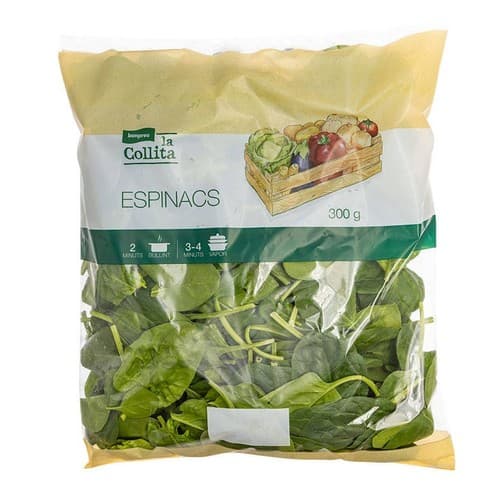 €1.29
€1.29Spinach
LA COLLITA · kg · Bonpreu
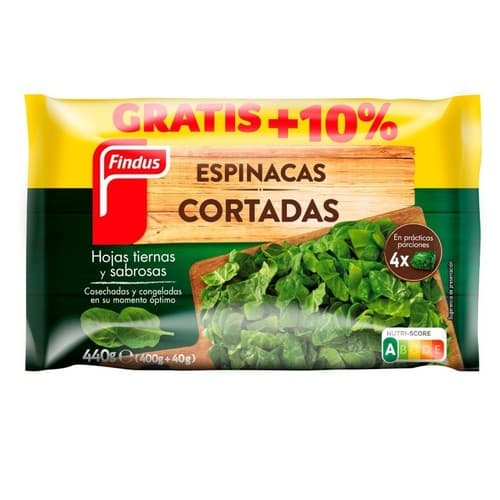 €2.89
€2.89Cut Spinach
FINDUS · kg · Bonpreu
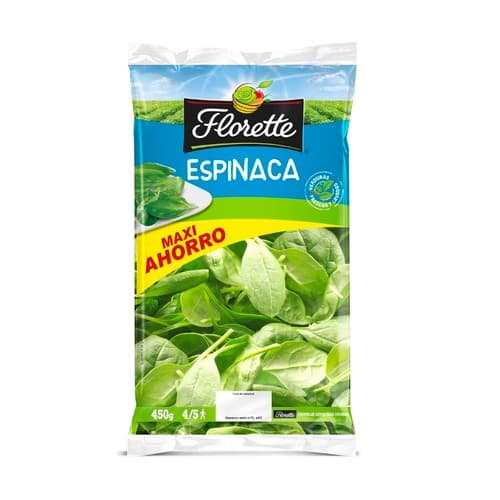 €2.59
€2.59Maxi Spinach
FLORETTE · kg · Bonpreu
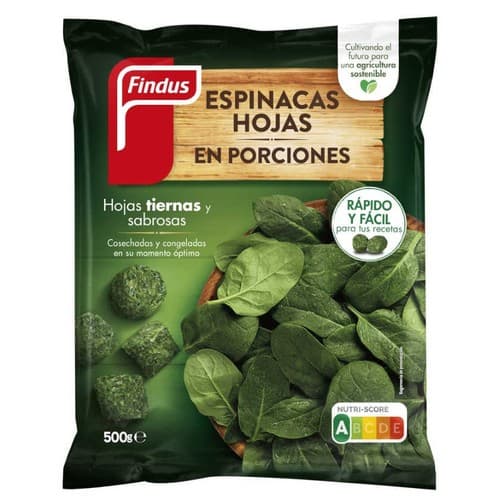 €2.99
€2.99Leaf Spinach
FINDUS · kg · Bonpreu
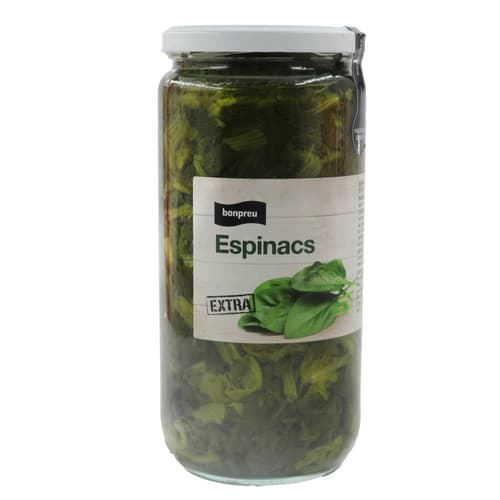 €1.55
€1.55Extra Spinach
BONPREU · kg · Bonpreu
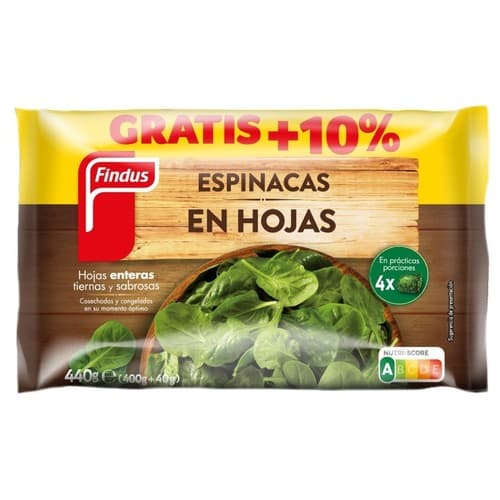 €2.89
€2.89Spinach Leaves
FINDUS · kg · Bonpreu
Good to know
- Also called
- Yin choy, hen sin choy, amaranth greens, leaf amaranth
- Botanical name
- Amaranthus spp. (A. tricolor, A. gangeticus, A. dubius)
- Chinese name
- 苋菜 (xiàn cài) in Mandarin; 莧菜 in Cantonese
- Origin
- Amaranth domesticated in Central and South America; now cultivated across Asia and Africa
- Season
- Year-round in tropical climates; spring through fall in temperate regions
- Flavor
- Mild, slightly earthy, less acidic than true spinach; develops a subtle sweet undertone when cooked
- Color
- Red variety: dark green leaves with red or magenta stems and veins. White/green variety: pale green throughout
- Texture
- Tender, delicate leaves; stems soften significantly when cooked
- Storage
- Refrigerate unwashed in plastic bag, 2–3 days. Best used same day for maximum freshness
- Prep yield
- Approximately 75–80% usable after trimming stems and discarding wilted leaves
Substitutes
- True spinach (Spinacia oleracea) — Slightly more acidic in flavor; cook 1–2 minutes longer than amaranth. Best for cooked applications; less ideal raw.
- Water spinach (Ipomoea aquatica) — Milder flavor with a more succulent, slightly hollow texture. Cook time is similar. Not fully interchangeable in all dishes.
- Swiss chard — Sturdy stems and slightly more bitter flavor profile. Use leaves only for closer texture match; reduce cooking time significantly.
- Malabar spinach (Basella alba) — Similar tender texture when cooked; becomes slightly mucilaginous. Excellent hot-weather substitute with comparable delicate flavor.
Pairs with
Also called
Brede · Chinese Spinach · Amaranth Greens · Callaloo
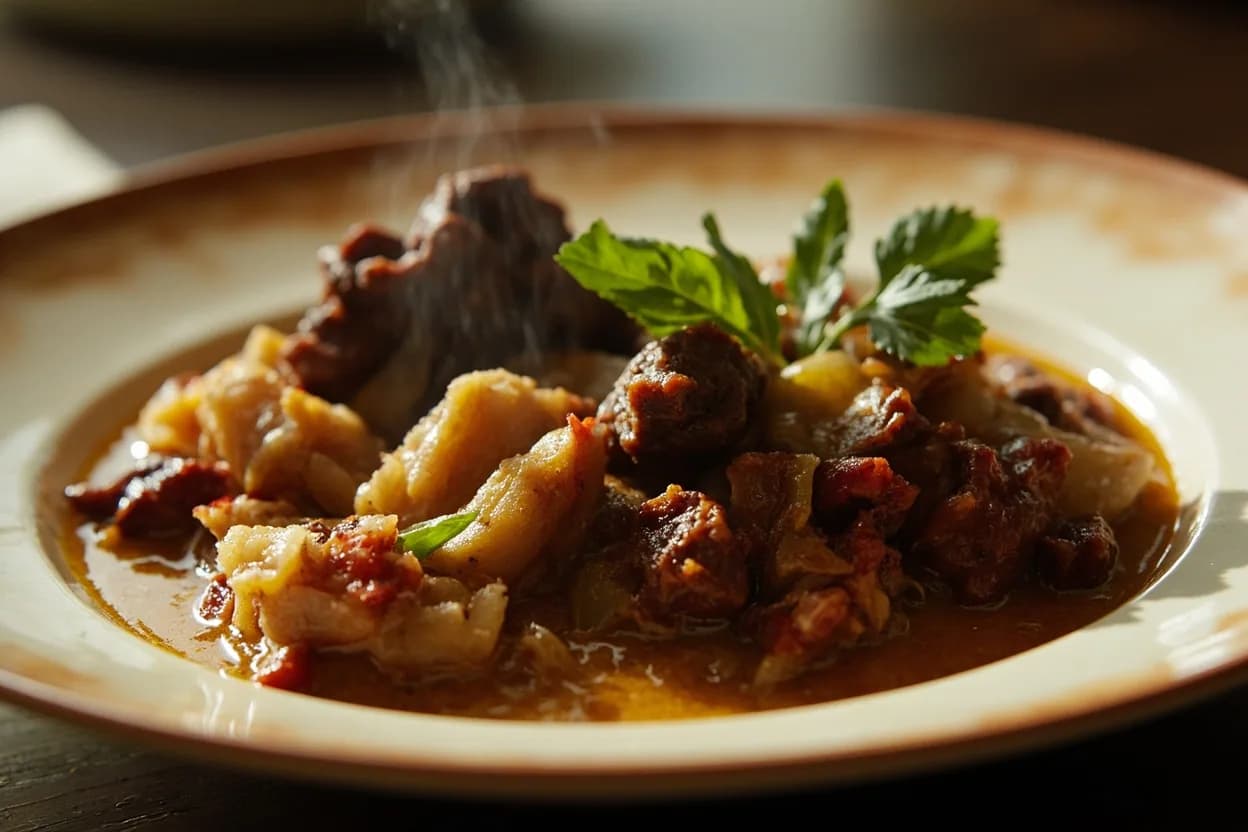
Appears in these dishes
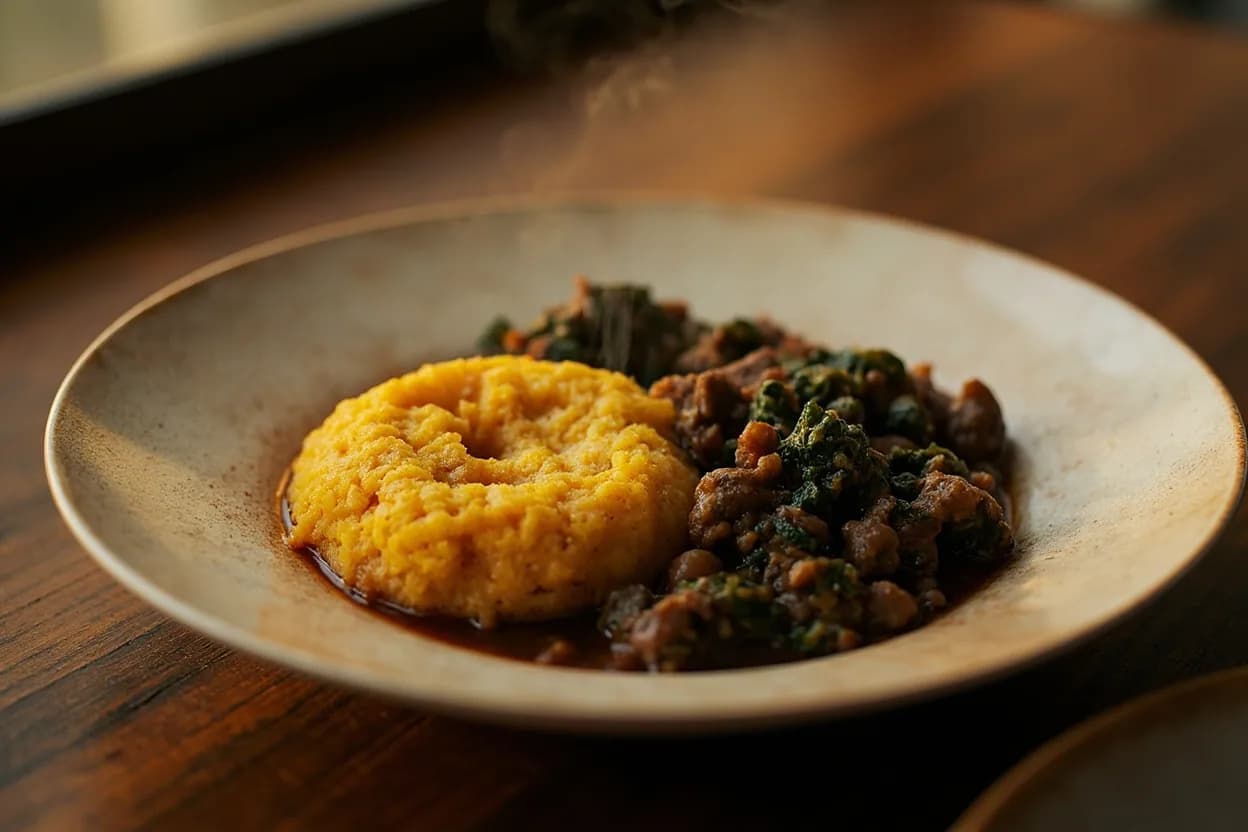
Related
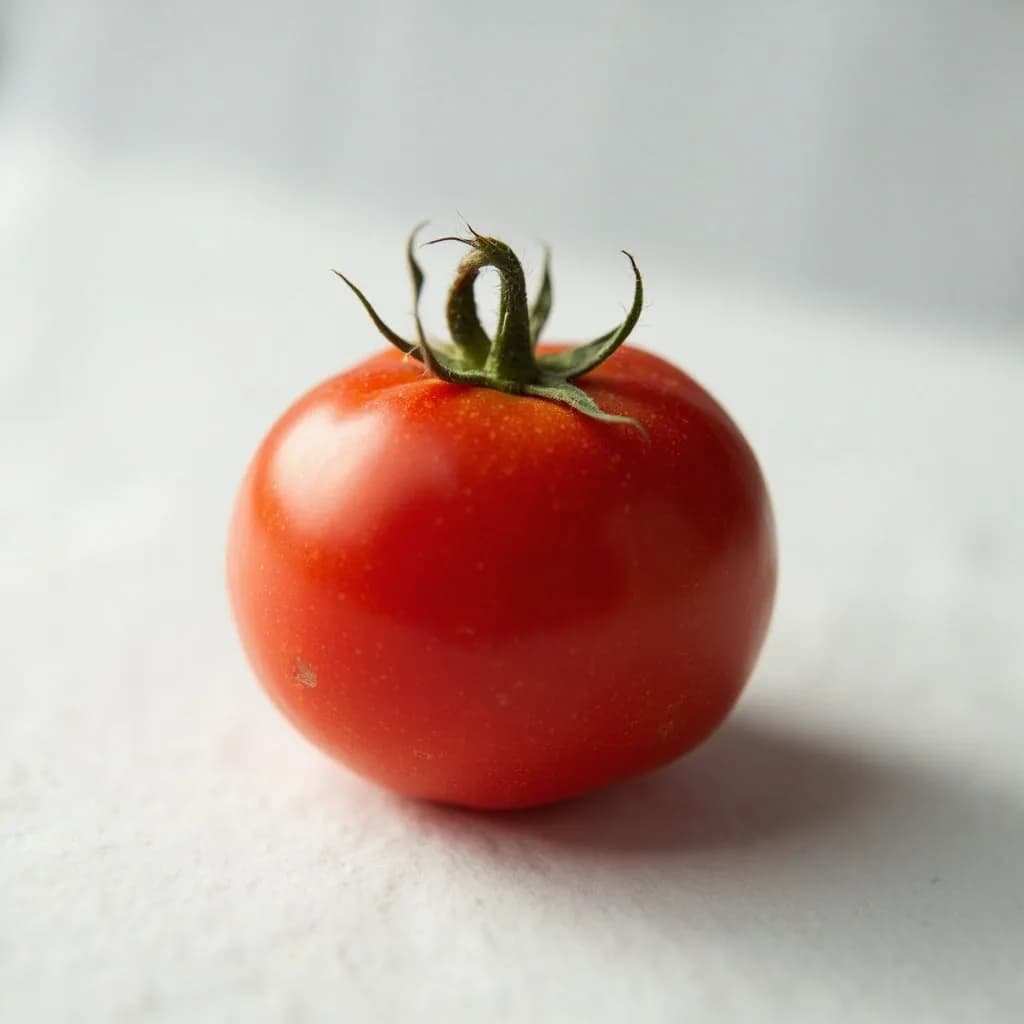
Tomato
Juicy, sun-sweet fruit for sauces, salads, and slow-cooked depth
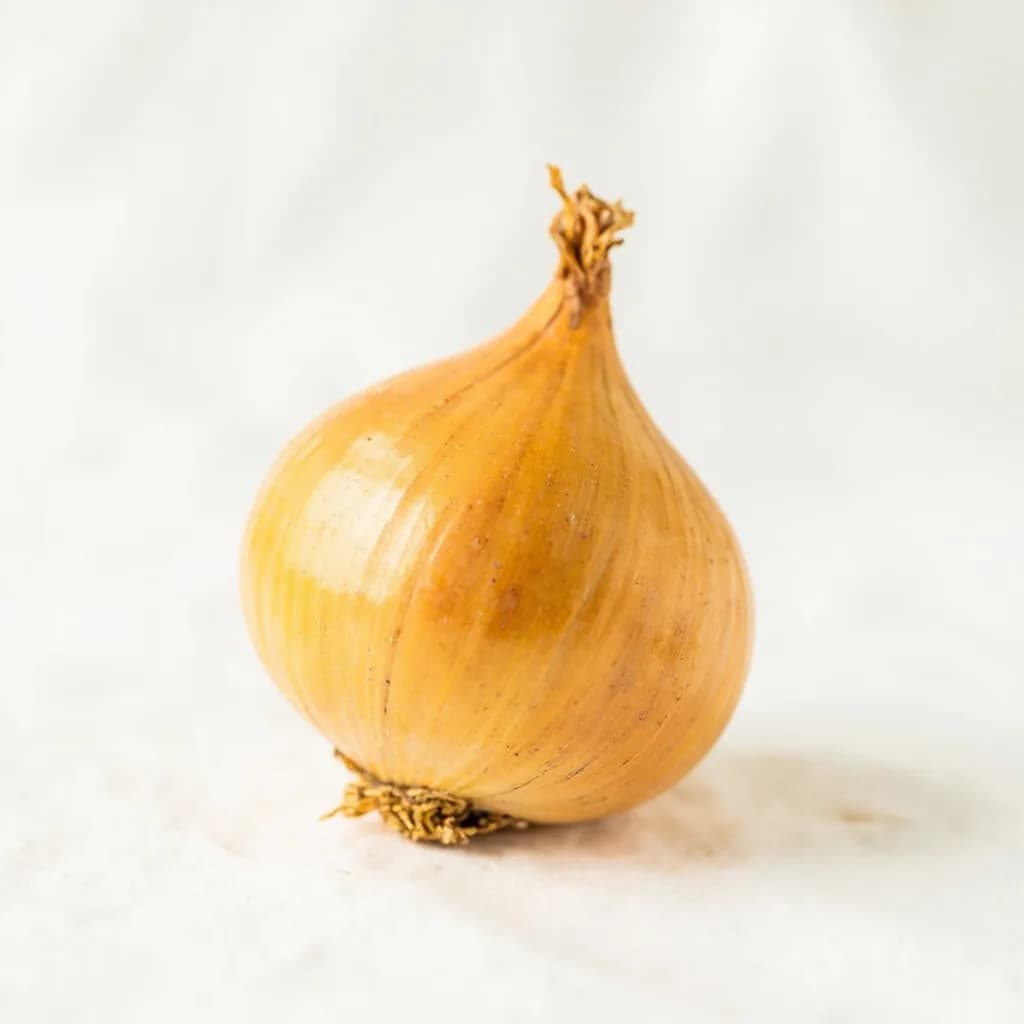
Yellow Onion
The aromatic backbone of soups, sofritos, and braises
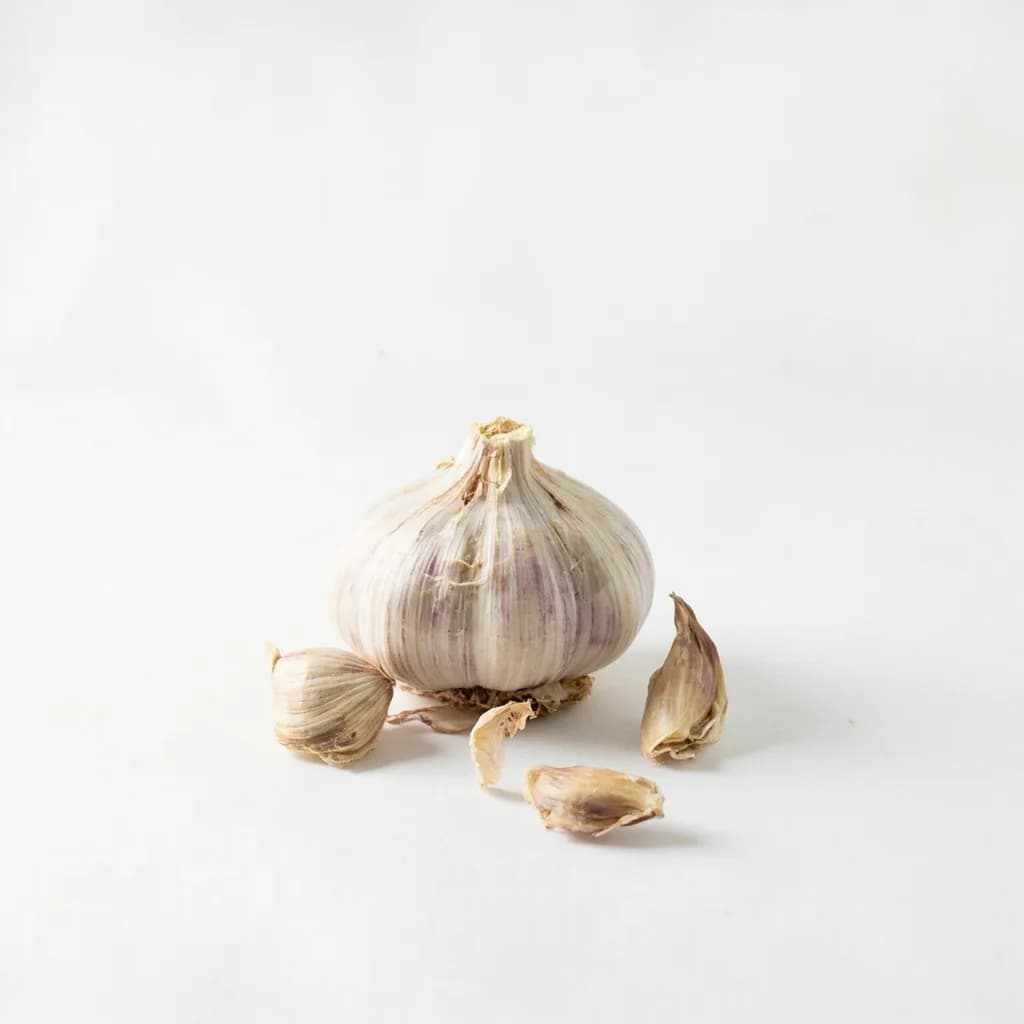
Garlic
Pungent cloves that perfume nearly every savory dish
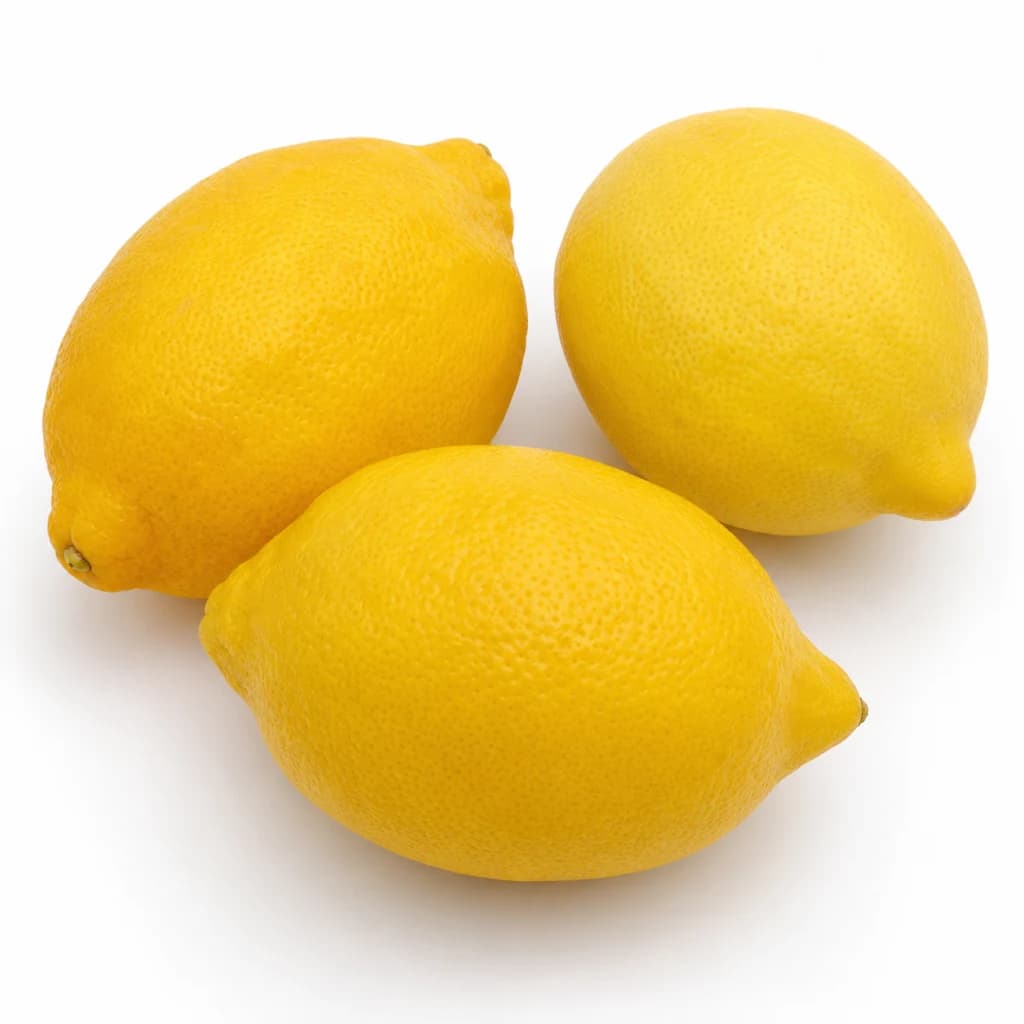
Lemon
Bright, acidic citrus that wakes up almost any dish
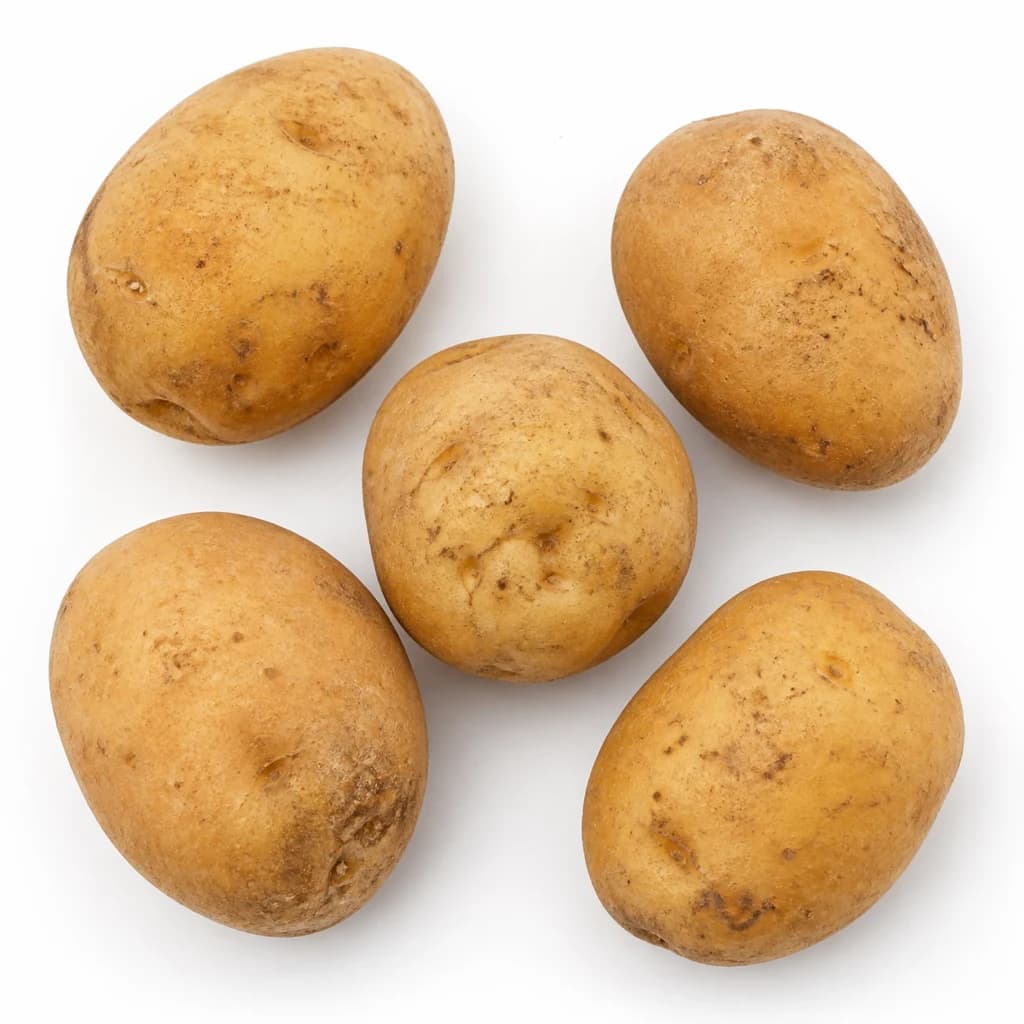
Potato
Humble, hearty staple — roast, mash, fry, or boil
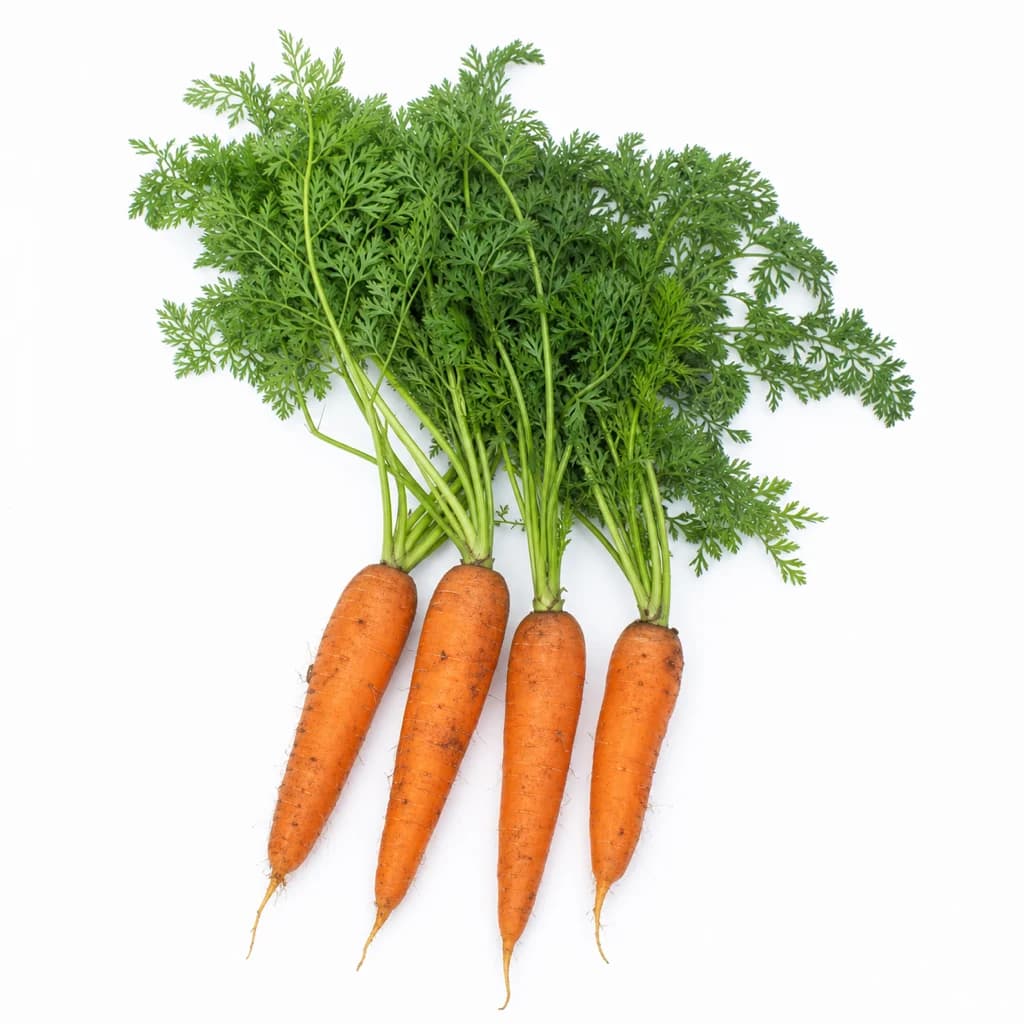
Carrot
Sweet, crunchy root — raw, roasted, or the base of a sofrito
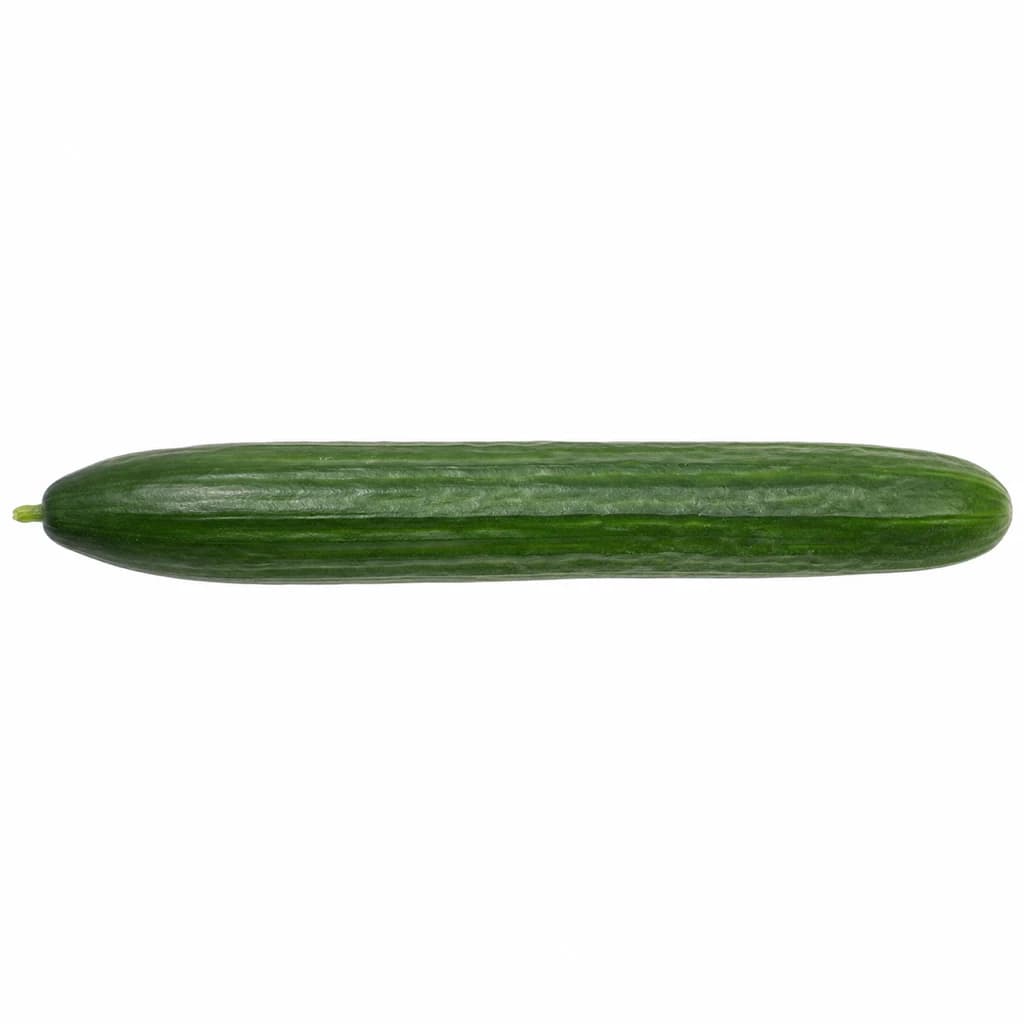
Cucumber
Cool, crisp, and watery — for salads, pickles, and tzatziki

Lettuce
Crisp leaves for salads, wraps, and a fresh crunch