
Natural form
Fresh water spinach bunch showing hollow stems and arrow-shaped leaves at full length.
Shows the plant's defining hollow stems and distinctive leaf shape that distinguish it from other leafy greens.
Produce
Water Spinach
Hollow-stemmed leafy green stir-fried with garlic and chili across Southeast and South Asia.
Water spinach is a fast-growing aquatic green with hollow, crunchy stems and tender arrow-shaped leaves. It is most often stir-fried quickly over high heat with garlic, chili, and fermented sauces in Chinese, Filipino, Vietnamese, and Bengali kitchens. The stems stay crisp while the leaves wilt, giving each bite contrasting textures.
Water spinach (Ipomoea aquatica) is a semi-aquatic leafy green native to Southeast Asia and now cultivated throughout tropical and subtropical regions worldwide. Unlike land spinach, it thrives in wetlands, flooded fields, and slow-moving water, making it one of the few vegetables specifically adapted to aquatic cultivation. The plant's extraordinary productivity per acre and its ability to regrow rapidly after harvesting (cut-and-come-again) have made it a dietary staple across its native range and a significant crop in places like the Philippines, Vietnam, Thailand, and Indonesia, where it is grown both for human consumption and as a dual-purpose crop that shades fish ponds while filtering water. Water spinach is virtually 100% edible — leaves, tender shoots, and crisp hollow stems all have a place in the kitchen, with minimal waste.
The defining botanical trait of water spinach is its hollow stem, a feature that is not merely structural but functional. This aerenchyma tissue transports oxygen from the plant's above-water leaves to its submerged roots, allowing the stems to remain crisp and buoyant even when the plant floats on water. For cooks, this hollow structure has a practical consequence: stems act as tiny channels, drawing in and holding seasoning sauces, which means they absorb flavor differently than solid-stemmed greens. The leaves are tender with a mild, slightly sweet, grassy flavor — less mineral than regular spinach — while the stems offer a pleasant crisp snap that holds up better in high-heat cooking. When stir-fried correctly, the result is a vegetable with bright green leaves, lightly charred edges, and juicy stems that retain their bite.
- Measured in
- g
- Storage
- Fridge
Types & varieties
Elongated, pointed leaves; more delicate texture; popular in Guangdong and Taiwan for lighter stir-fries and congee
Wider, heart-shaped to arrow-shaped leaves; more robust stems; the dominant type in Philippine, Thai, Indonesian, and Vietnamese cuisines
The Hollow Stem: Botany and Cooking Implications
The hollow stem of water spinach is functional aerenchyma tissue, not a structural weakness. This tissue allows the plant to transport oxygen from leaves above water to roots submerged below, which is why the stems stay crisp and buoyant even when the plant floats on water. For cooks, this hollow structure means stems cook differently than those of solid-leafy greens — they act as tiny channels that draw in and hold seasoning sauces, absorbing flavor more rapidly in the final moments of cooking. Add them too early and they become saturated and soft; add them at the right moment and they caramelize slightly on the exterior while staying juicy within. The leaves, by contrast, cook quickly and evenly and should be added after the stems have had a head start.
- Stems need 30–60 seconds more cooking time than leaves
- The hollow interior holds sauce, so season during the final toss rather than early
- Stems retain crispness longer than solid-stemmed greens when cooked at high heat
Regional Names and Cultural Significance
Water spinach carries dozens of names across its growing range, reflecting its importance in local cuisines. In the Philippines, Malaysia, and Indonesia it is called kangkong; in Cantonese-speaking regions, ong choy or eng choy; in Vietnam, rau muống; in India, kalmi saag or kalmi bhaji; in Thailand and Laos, phak bung; and in Myanmar, muuling. These names appear in dishes that define regional identity — sinigang in the Philippines, canh in Vietnam, pad pak bung in Thailand — making water spinach not just a vegetable but a marker of culinary tradition across Asia.
- Kangkong is central to Filipino adobong kangkong and pinakbet
- Rau muống stars in Vietnamese canh and bún bò Huế
- Phak bung is the base for Thailand's iconic pad pak bung (stir-fried water spinach)
Common uses
Tips & pitfalls
- Always dry the leaves thoroughly after washing — standing water on the leaves causes steaming instead of stir-frying and results in a dull, grayish color
- Use the highest heat possible; water spinach's high water content means it needs aggressive heat to achieve any char or wok hei
- Add stems first and let them sear undisturbed for 30–60 seconds before tossing — this builds texture and caramelization rather than a boiled product
- Do not overcrowd the wok; cook in batches if needed, or the vegetables will steam and lose their bright green color and crispness
- The hollow stems cook differently than the leaves — stems need 30–60 seconds more time; toss leaves in only during the final 15–20 seconds of cooking to prevent them from collapsing
- Season late — salt drawn out before the final toss will accelerate moisture release and defeat the purpose of high-heat cooking
- Look for firm, bright green stems and dark, unblemished leaves; avoid bunches with yellowing leaves or slimy stems, which indicate age or bacterial growth from polluted water sources
- When purchasing from markets, ask about the growing source — water spinach absorbs contaminants from its growing medium more readily than land vegetables; in regions with polluted waterways, commercially grown or soil-cultivated varieties are preferable
- To restore slight crispness to limp water spinach, soak in ice water for 10–15 minutes, then spin dry
Nutrition
Energy
96 kJ · per 100 g
Where the calories come from
Protein
2.9g
6% DV
Carbs
3.6g
1% DV
Fat
0.4g
1% DV
Fiber
2.2g
8% DV
Sugars
0.4g
of which
Sodium
79mg
3% DV
Source · USDA FoodData Central · Spinach, raw
View on FDC →In the shops
Matched grocery products
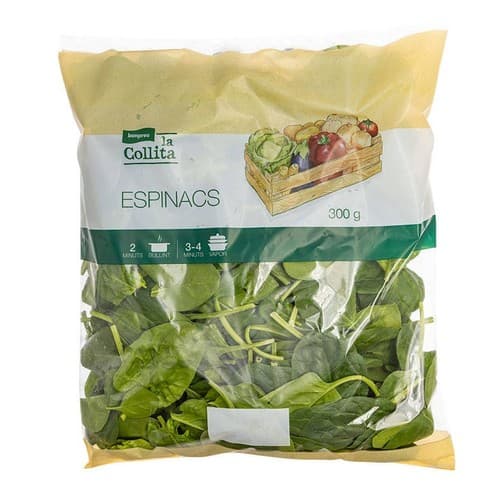 €1.29
€1.29Spinach
LA COLLITA · kg · Bonpreu
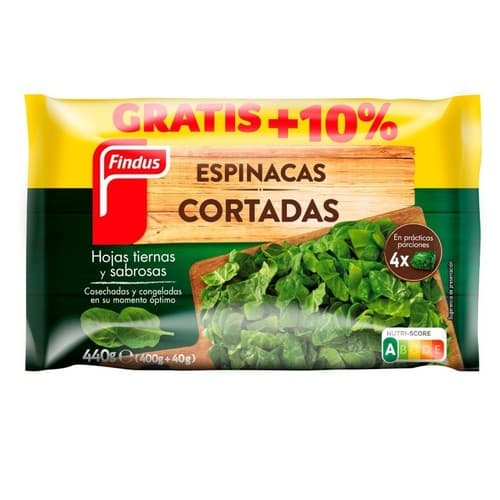 €2.89
€2.89Cut Spinach
FINDUS · kg · Bonpreu
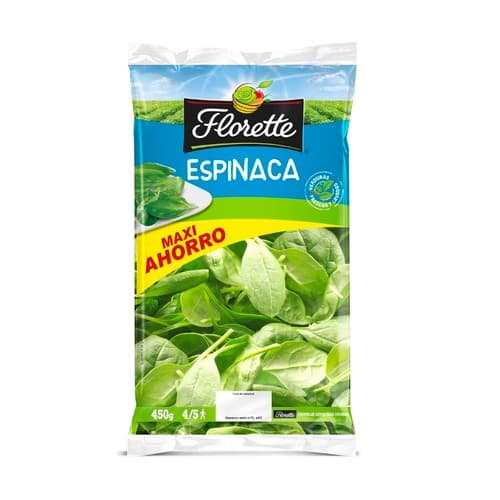 €2.59
€2.59Maxi Spinach
FLORETTE · kg · Bonpreu
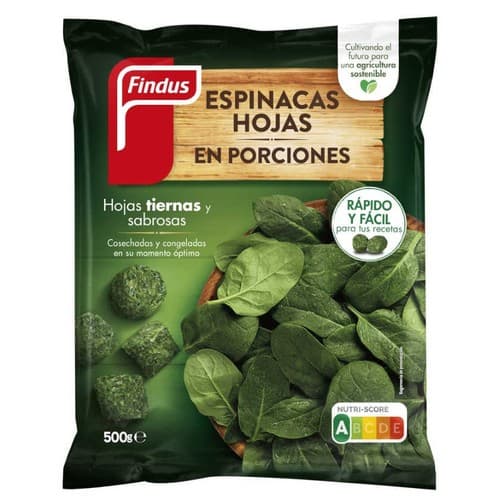 €2.99
€2.99Leaf Spinach
FINDUS · kg · Bonpreu
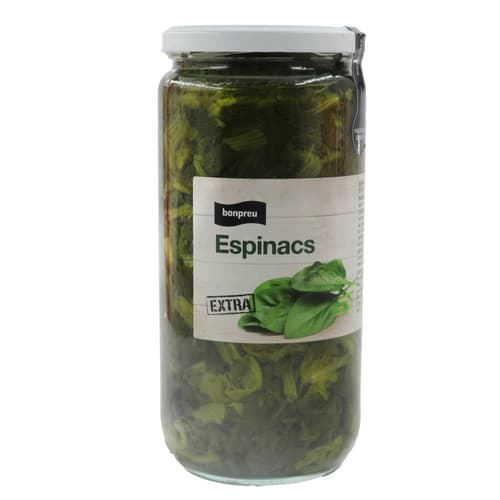 €1.55
€1.55Extra Spinach
BONPREU · kg · Bonpreu
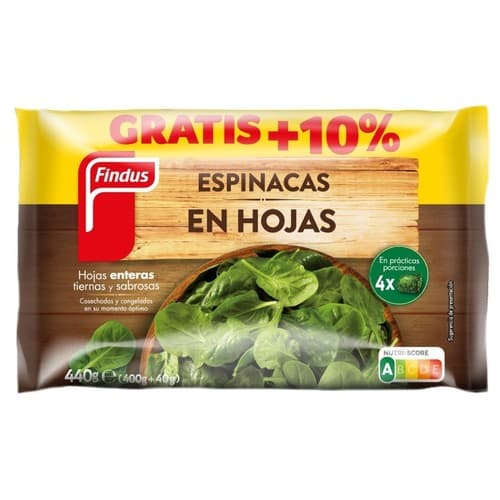 €2.89
€2.89Spinach Leaves
FINDUS · kg · Bonpreu
Good to know
- Scientific name
- Ipomoea aquatica
- Origin
- Southeast Asia; now grown throughout tropical and subtropical regions worldwide
- Growing conditions
- Semi-aquatic; thrives in wetlands, ponds, and slow-moving water; can be cultivated in flooded fields or moist soil
- Plant parts used
- Tender shoots, stems, and leaves; stems are hollow
- Peak season
- Summer months in most regions; year-round in tropical climates
- Flavor profile
- Mild, slightly sweet, grassy; less mineral than land spinach
- Texture
- Tender leaves; crisp, juicy stems that retain some snap when cooked
- Storage
- Wrap in damp paper towel, store in a perforated bag in the refrigerator crisper; use within 1–2 days for best quality
- Freezing
- Blanch briefly (30 seconds), shock in ice water, drain, and freeze; best for cooked dishes rather than raw use
- Yield
- Virtually 100% edible; very little waste
Substitutes
- Regular spinach (Spinacia oleracea) — Cooks faster; omit stems; reduce cooking time significantly; flavor is more mineral and less grassy
- Baby bok choy — Comparable stem texture and mild flavor; slice stems thinly to match the cooking time of leaves
- Watercress — Acceptable in soups and salads; not ideal for stir-frying due to more delicate stems
Pairs with
Also called
Kalmi Shak · Kangkung · Trakuon · Morning Glory · Kangkong · Ong Choy
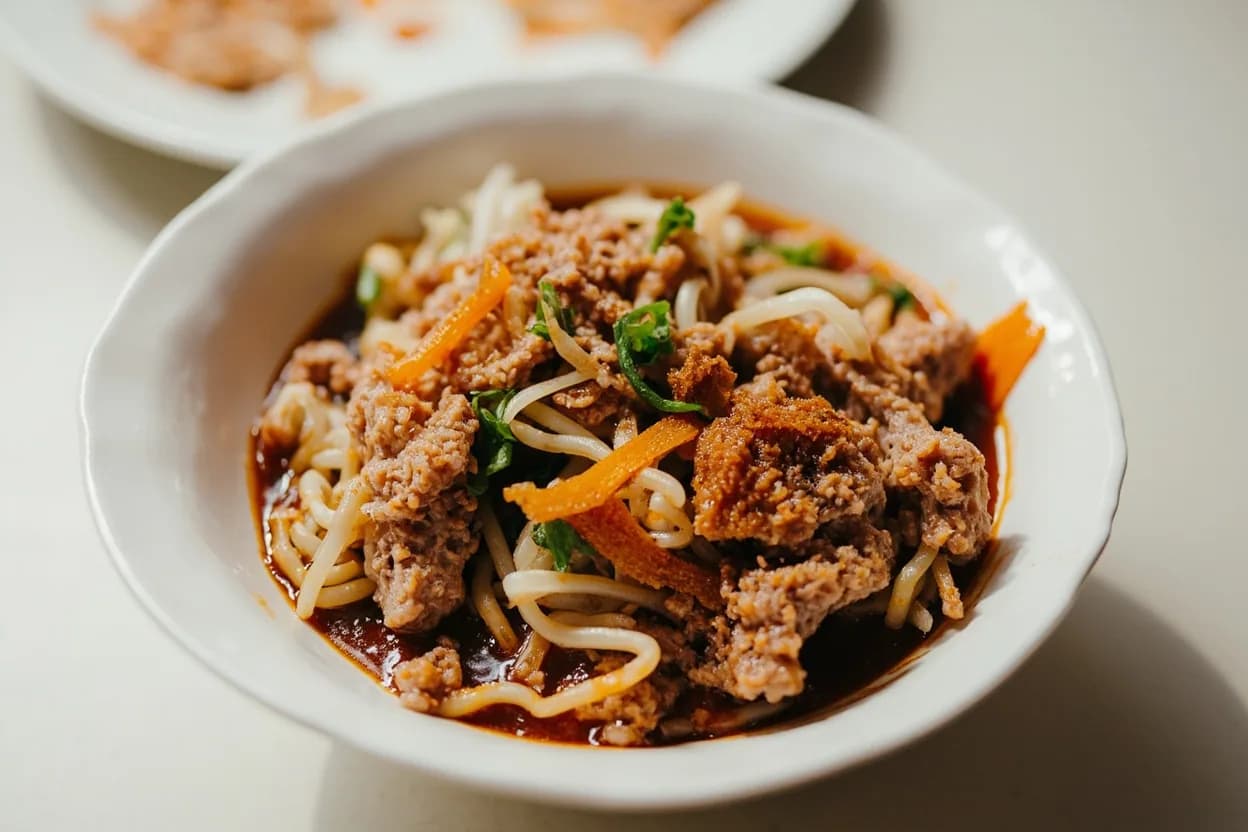
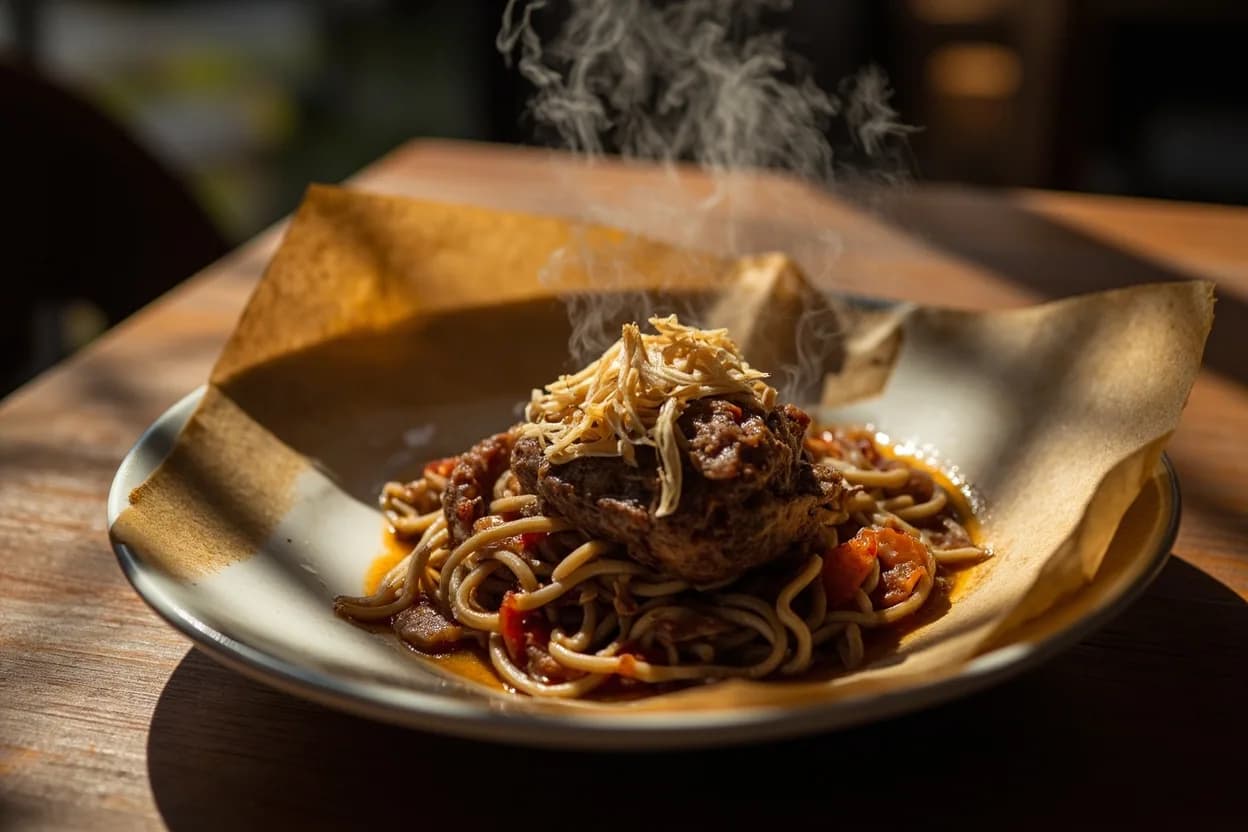
Appears in these dishes
Related
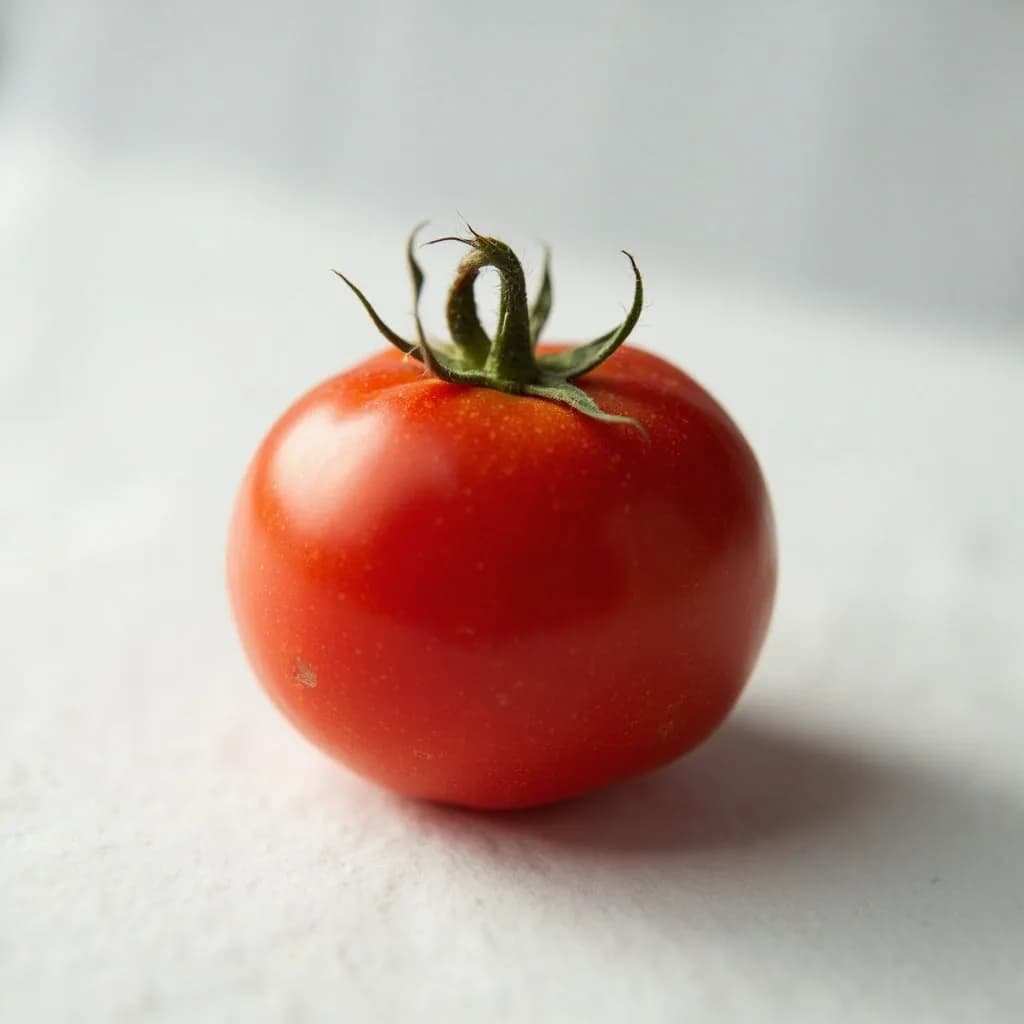
Tomato
Juicy, sun-sweet fruit for sauces, salads, and slow-cooked depth
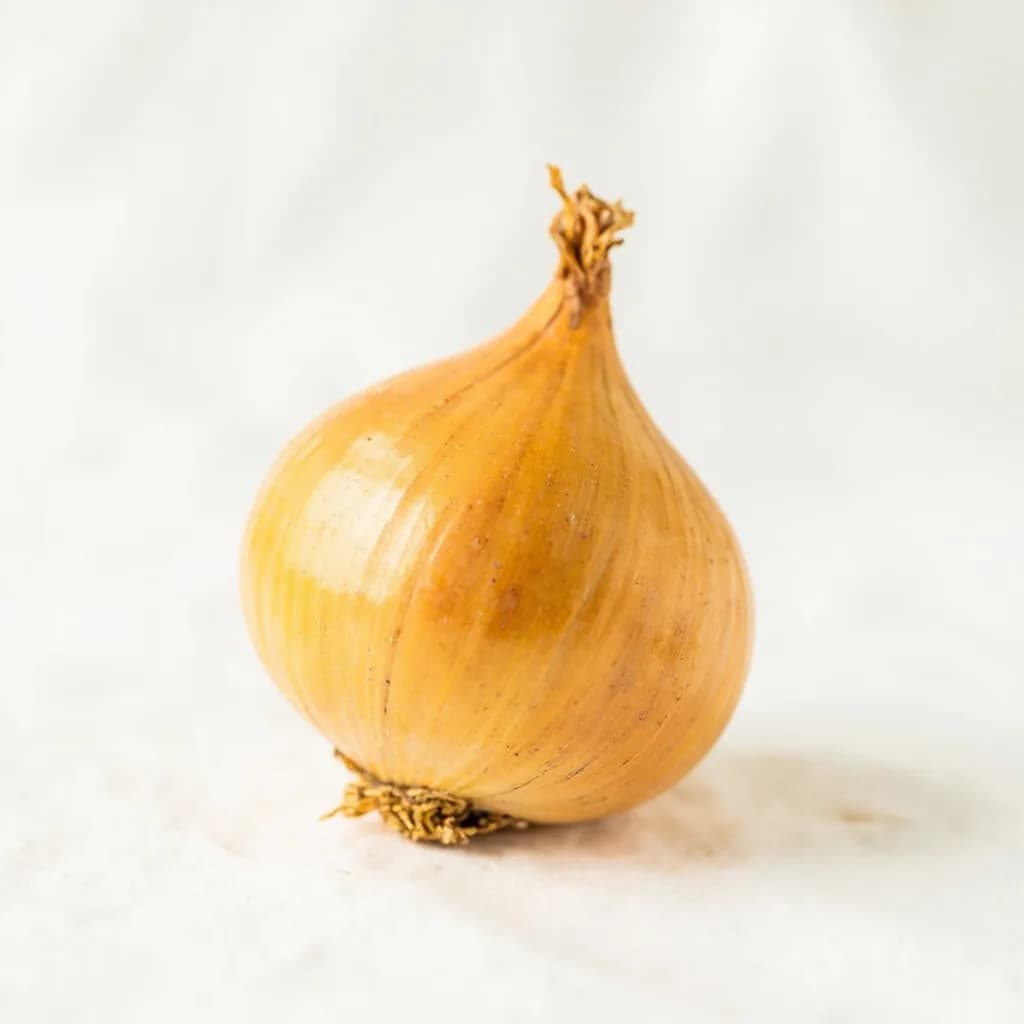
Yellow Onion
The aromatic backbone of soups, sofritos, and braises
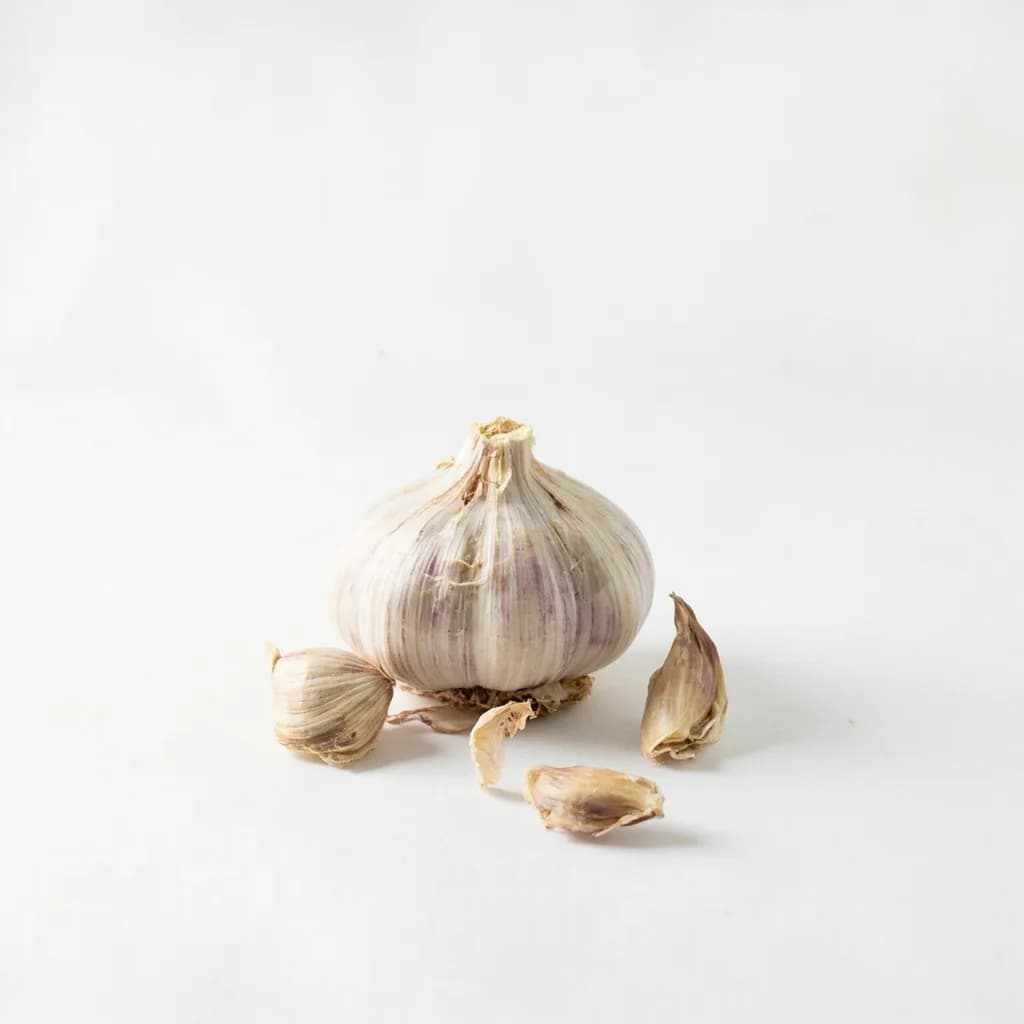
Garlic
Pungent cloves that perfume nearly every savory dish
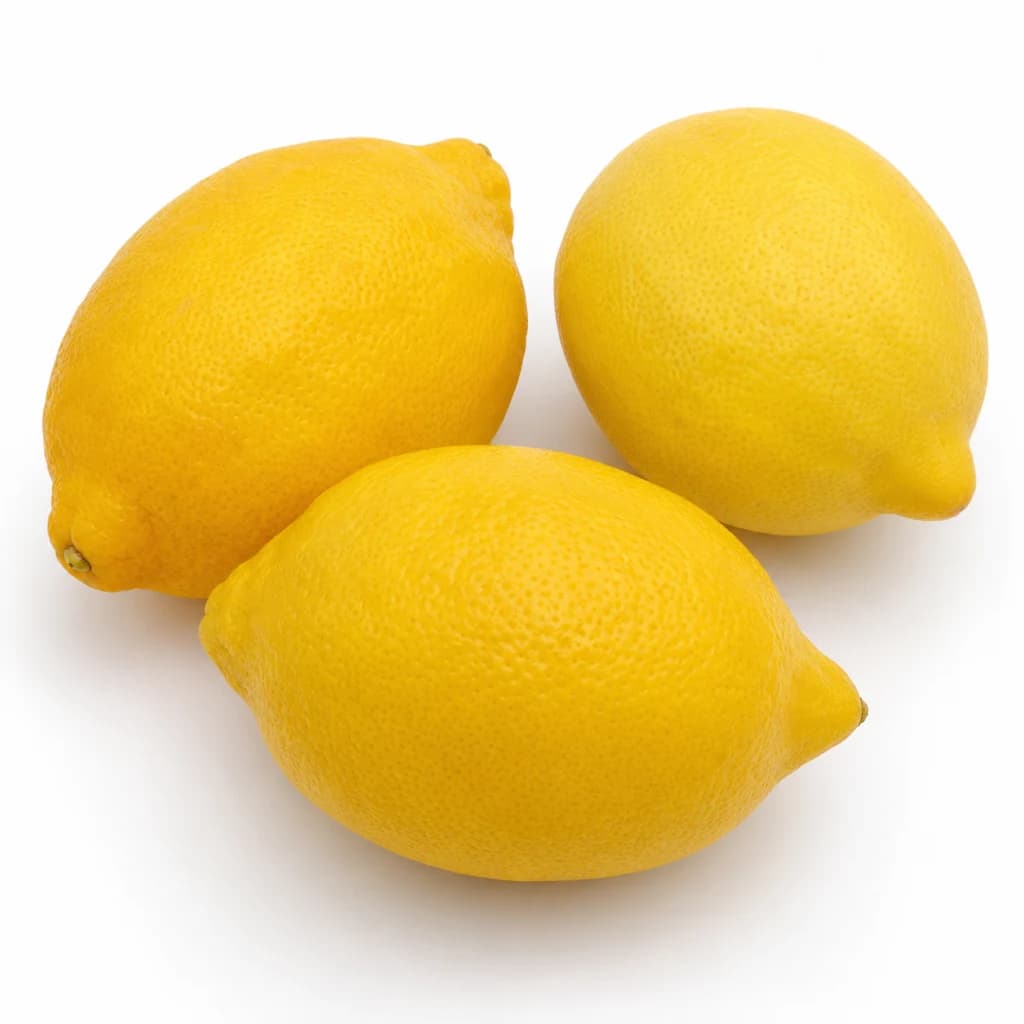
Lemon
Bright, acidic citrus that wakes up almost any dish
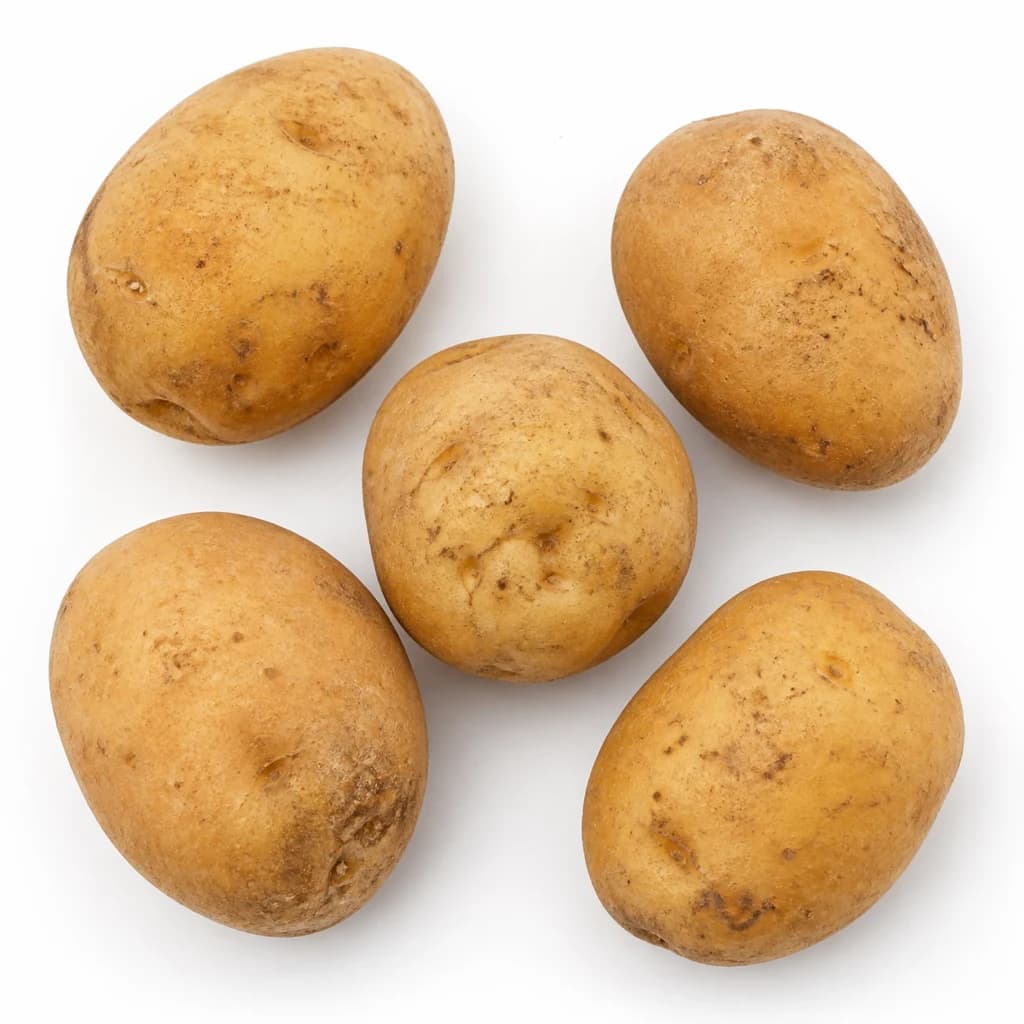
Potato
Humble, hearty staple — roast, mash, fry, or boil
Carrot
Sweet, crunchy root — raw, roasted, or the base of a sofrito
Cucumber
Cool, crisp, and watery — for salads, pickles, and tzatziki

Lettuce
Crisp leaves for salads, wraps, and a fresh crunch