Natural form
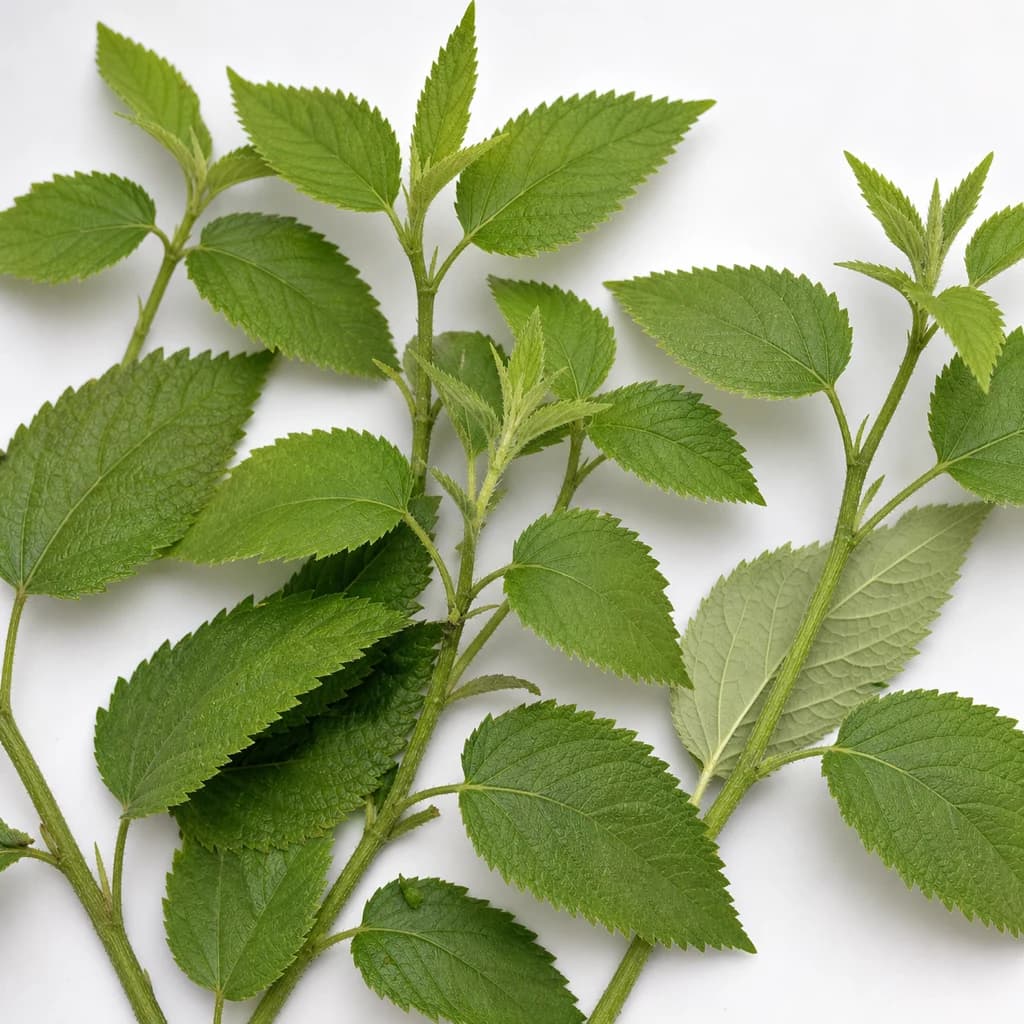
Fresh jute leaves on the stem: bright green, serrated edges, slightly pointed oval shape.
Shows the reader exactly what raw jute leaves look like before any preparation, including the distinctive leaf shape and color.
Produce
Jute Leaf (Molokhia)
Leafy green that turns silky and slightly mucilaginous when stewed into soups across Africa and the Middle East.
Jute leaves are the edible green leaves of the jute plant, which release a gelatinous, okra-like thickness when cooked. They are simmered into the iconic Egyptian and Levantine soup molokhia and into West African draw soups, often with garlic, coriander, and meat or fish. The leaves are sold fresh, frozen, or dried and ground.
Molokhia is a leafy green of extraordinary character: a plant that transforms dramatically under heat, turning from ordinary-looking leaves into a silky, slightly viscous solution that anchors soups across a vast cultural arc from the Nile Delta to the Philippines. The transformation is not accidental — that characteristic slipperiness, produced by natural mucopolysaccharides in the leaf, is precisely what cooks in Egypt, Sudan, Lebanon, and West Africa seek. It gives body to broths the way okra does, but with a more restrained earthiness and a finish that feels almost creamy on the tongue.
The plant traces deep roots in human civilization. Native to South Asia but cultivated along the Nile since at least the time of the pharaohs, molokhia appears in medieval Arabic cookbooks and has long been a staple in Egyptian home cooking. The same species, Corchorus olitorius, is grown across West Africa, the Levant, the Philippines, and South Asia under various names — Nalta jute, Saluyot, Krin-krin — reflecting its wide migration and local adaptation. In Sudan, the dish is so beloved that the country has been called "the land of molokhia." Commercially, the plant is also a major source of jute fiber, though culinary varieties are bred specifically for leaf quality rather than stem fiber.
Fresh molokhia resembles spinach or even basil in appearance — bright green, tender leaves on slender stems — but behaves quite differently in the pot. It collapses dramatically when cooked, reducing to roughly one-tenth of its raw volume, and releases that distinctive silky mucilage into the surrounding liquid. Dried molokhia, widely available in Middle Eastern markets, is equally legitimate and often preferred for its concentrated flavor; it reconstitutes in warm broth and behaves identically once rehydrated. The green's flavor is mild and grassy, never aggressive, which makes it an excellent canvas for bold companions: garlic, coriander, lemon, and the rich braising liquids of rabbit or chicken form the classic Egyptian profile.
- Measured in
- g
- Storage
- Fridge
Types & varieties
The most prized culinary variety; large, dark green leaves with intense flavor and strong mucilaginous quality. Sought after in markets throughout the Middle East.
West African and South Asian variety; slightly smaller, more delicate leaves than the Egyptian type. Similar culinary properties and widely interchangeable.
Philippine name for C. olitorius; commonly added to sinigang (sour soup) and other stews. Often used fresh or dried.
West African (Hausa) name; frequently used in groundnut soup. Smaller leaves, good thickening power.
Fresh vs. Dried: Choosing Your Form
Both fresh and dried molokhia are legitimate and widely used. Fresh leaves have a brighter, more vegetal quality and are preferred during warm months when the plant grows abundantly. They cook quickly and require little advance preparation beyond washing and stripping the leaves from stems. Dried molokhia, sold in loose bags or pressed into bricks in Middle Eastern markets, offers year-round availability and concentrated flavor. The dried form requires rehydrating in warm broth before use — simply crumble the dried leaves into warm liquid and let them steep for 10–15 minutes until softened, then proceed as you would with fresh. Some cooks prefer dried for the intensity of flavor; others insist fresh produces a silkier result. In practice, both are excellent and the choice often comes down to availability.
- Fresh: wash thoroughly, strip leaves from stems, use immediately
- Dried: crumble into warm broth, steep 10–15 minutes until softened before cooking
- Frozen blanched molokhia is a reliable year-round substitute when fresh is unavailable
The Mucilage: Asset, Not Problem
First-time cooks often panic when molokhia turns slippery. Resist the urge to rinse it excessively or add it to water hoping to wash away the viscosity. The mucilage is the point — it provides body to the broth, creating that characteristic silky, almost creamy mouthfeel that distinguishes molokhia from other cooked greens. The slipperiness is not a sign of overcooking or spoilage; it is the desired result. Think of it the way you would think of the gelatinous richness of slow-cooked beef broth — that body is a feature, not a flaw.
- Do not rinse cooked molokhia
- Do not add fresh leaves to boiling water and then drain them — this washes away the mucilage
- The soup should be spoonable and viscous, not thin
Common uses
Tips & pitfalls
- The mucilaginous texture is desirable and intentional — do not rinse excessively or the dish loses its body
- Fresh leaves cook down dramatically, roughly 10:1 by volume when raw to cooked — plan accordingly
- Tear fresh leaves rather than chopping them to minimize bruising and preserve color
- When using dried molokhia, crumble and steep in warm broth for 10–15 minutes before adding to soup
- Young, tender leaves near the top of the plant are most delicate; larger mature leaves can be fibrous and benefit from longer cooking
- Traditional Egyptian method: steep leaves in broth, squeeze through a sieve for a silkier result, then finish with garlic and coriander
- Common mistake: overcooking fresh leaves until they disintegrate completely — they should remain identifiable as green flecks in the broth
- Common mistake: serving molokhia too cold — it thickens as it cools and is best enjoyed immediately when the broth is still fluid
- Pair with generous garlic, fresh coriander, and lemon or lime juice for bright contrast to the earthy base
- Egyptian molokhia is traditionally made with rabbit or chicken, but the soup base can be any well-seasoned meat broth — even a vegetable broth works if you build enough flavor
Nutrition
Energy
96 kJ · per 100 g
Where the calories come from
Protein
2.5g
5% DV
Carbs
4g
1% DV
Fat
0.3g
0% DV
Sodium
20mg
1% DV
Source · USDA FoodData Central · approx. Amaranth leaves, raw
View on FDC →In the shops
Matched grocery products
No matched grocery products for Jute Leaf (Molokhia) yet.
Good to know
- Scientific name
- Corchorus olitorius
- Family
- Malvaceae
- Also called
- Molokhia, Jew's mallow, Nalta jute, Egyptian spinach, Saluyot, Krin-krin
- Origin
- Native to South Asia; ancient cultivation in Egypt and the Nile Valley
- Primary regions
- Egypt, Sudan, Levant, West Africa, South and Southeast Asia
- Flavor
- Mild, slightly earthy and grassy; less pronounced than spinach
- Texture when cooked
- Silky and mucilaginous; the mucilage acts as a natural thickener for soups and stews
- Fresh storage
- 1–2 days refrigerated, loosely wrapped; use as fresh as possible
- Part used
- Leaves and young tender stems
Substitutes
- Okra — The closest substitute; shares the mucilaginous quality and similar thickening behavior. Use in comparable proportions.
- Frozen molokhia — Blanched and frozen leaves maintain quality well and are an acceptable year-round substitute in most recipes.
- Spinach or Swiss chard — Similar volume and use as a cooked green but lacks the mucilaginous body — will not thicken soup the same way.
- Dried fenugreek leaves (methi) — Provides earthy depth and similar convenience of dried-leaf use. Flavor is distinctly different but works as a hearty green substitute.
- Collard greens — A distant substitute as a sturdy cooked green. Provides body and green volume but no mucilage.
Pairs with
Also called
Bulvaka · Corète · Jute Leaves · Pat Shak · Molokhia · Jute Mallow · Krain Krain · Ewedu
Appears in these dishes
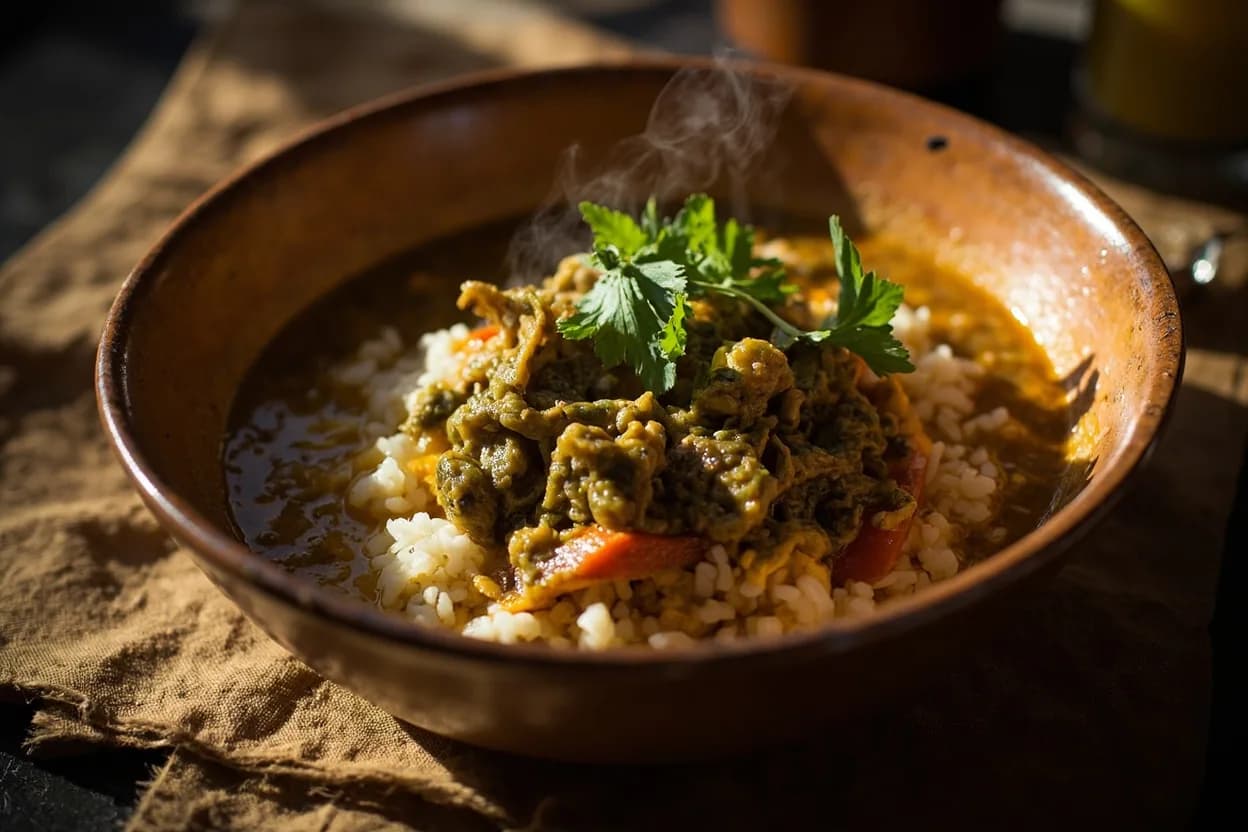
Related
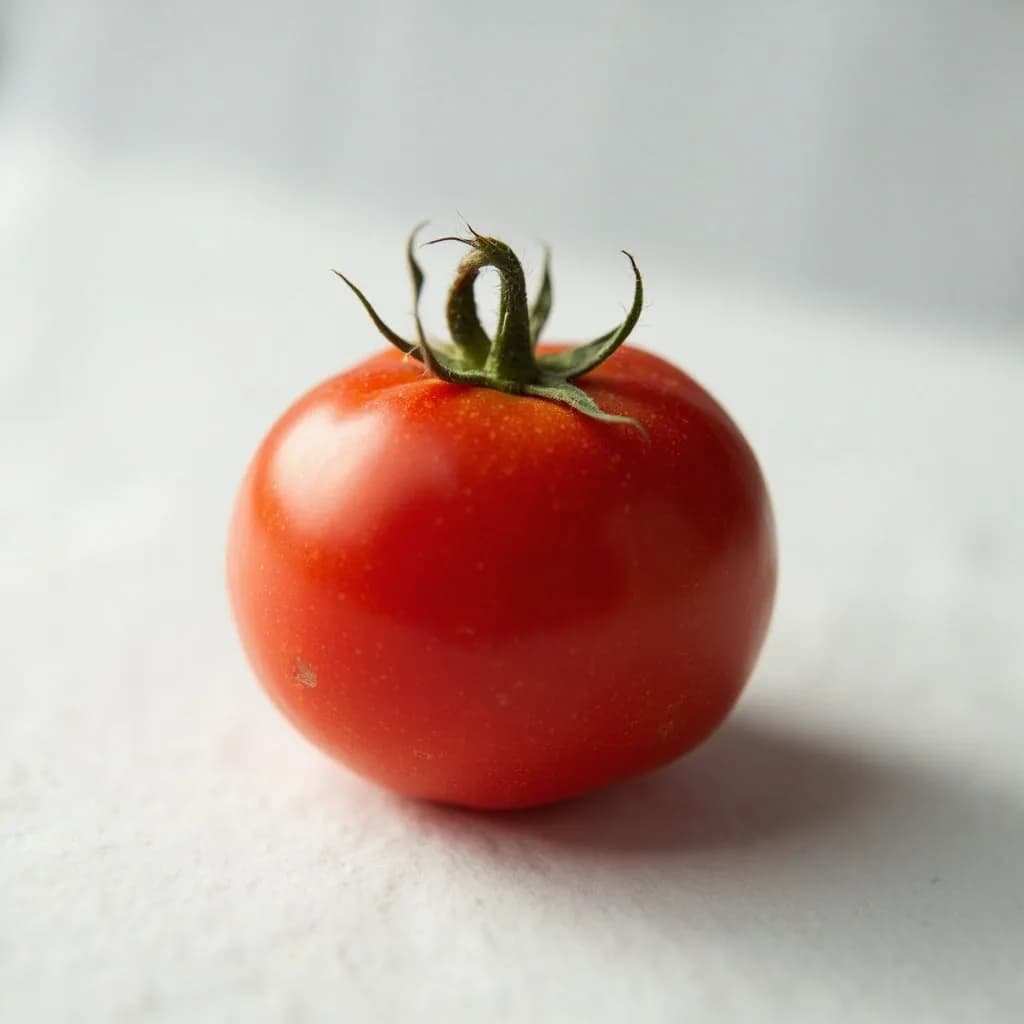
Tomato
Juicy, sun-sweet fruit for sauces, salads, and slow-cooked depth
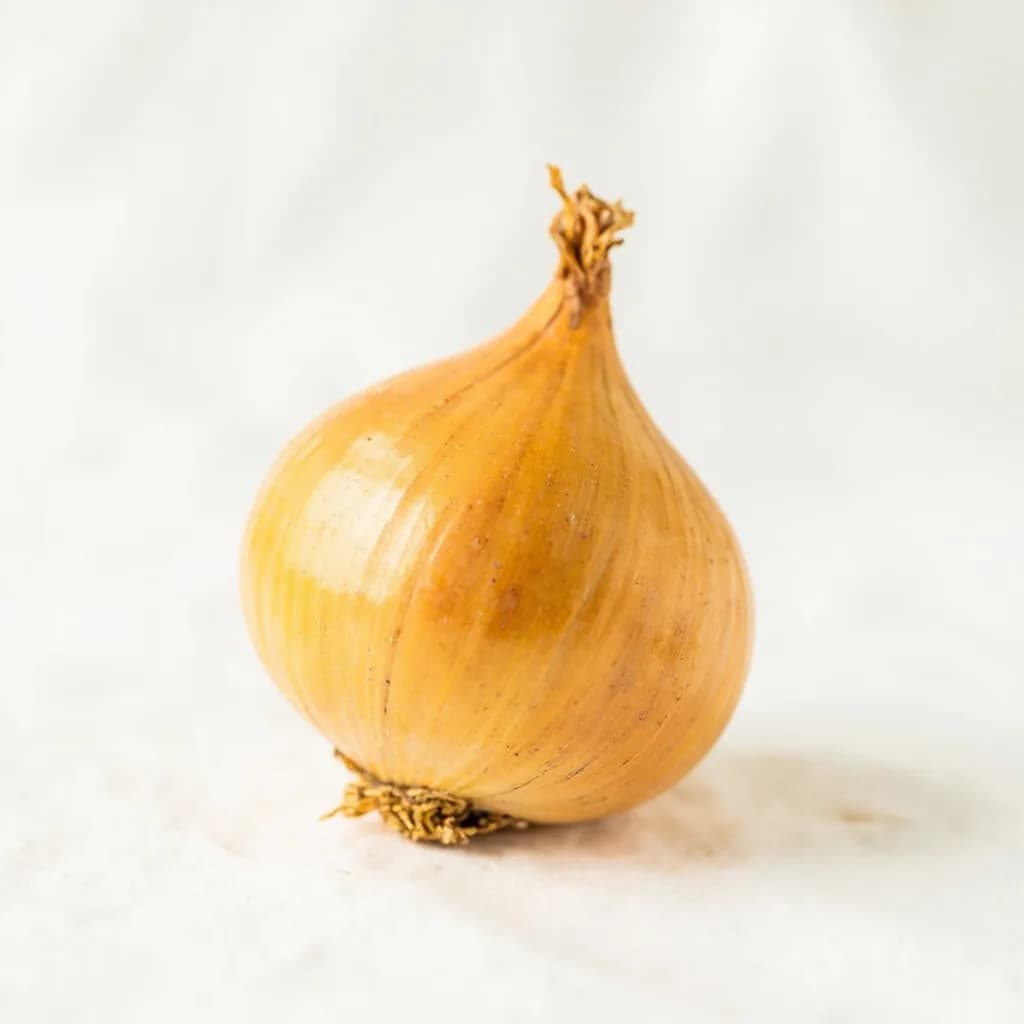
Yellow Onion
The aromatic backbone of soups, sofritos, and braises
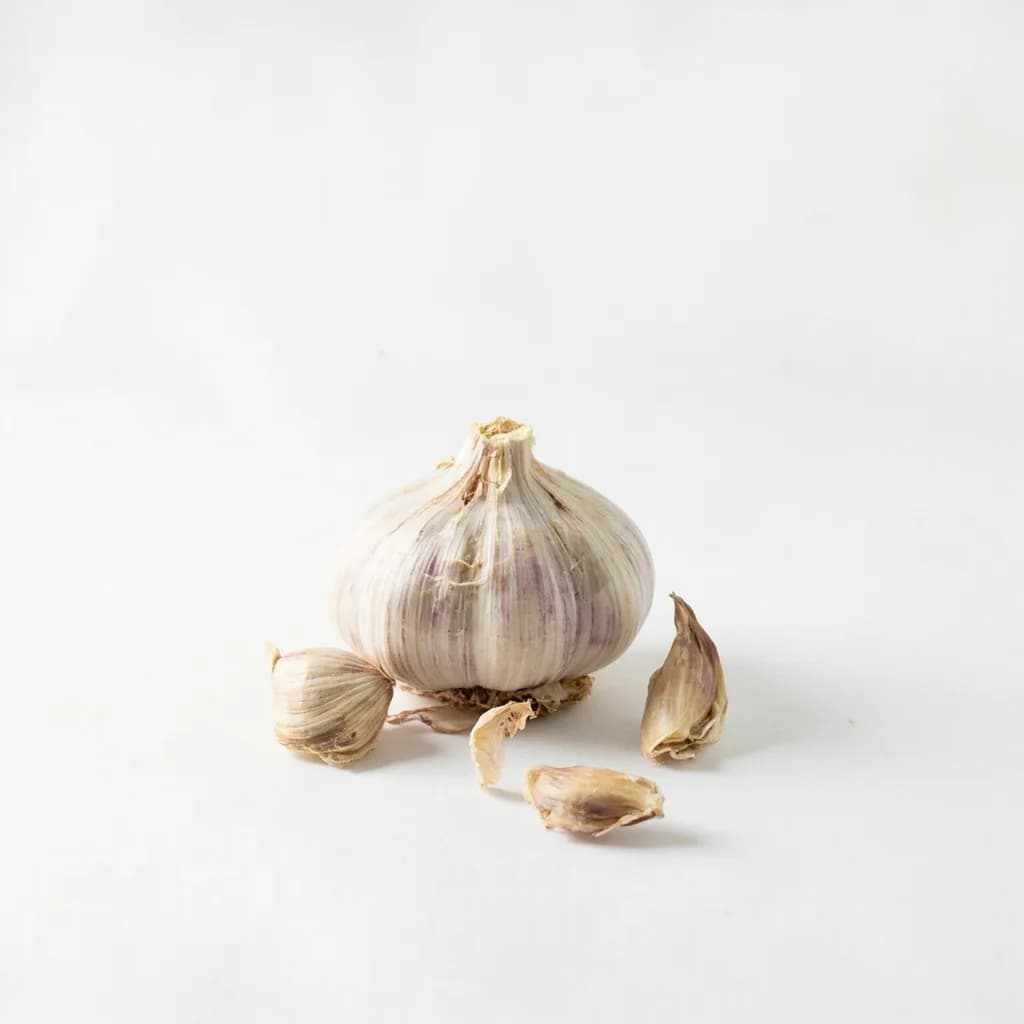
Garlic
Pungent cloves that perfume nearly every savory dish
Lemon
Bright, acidic citrus that wakes up almost any dish
Potato
Humble, hearty staple — roast, mash, fry, or boil
Carrot
Sweet, crunchy root — raw, roasted, or the base of a sofrito
Cucumber
Cool, crisp, and watery — for salads, pickles, and tzatziki

Lettuce
Crisp leaves for salads, wraps, and a fresh crunch