
Natural form
Fresh palm nuts in a cluster: reddish-orange fibrous fruits surrounding a hard dark kernel.
Shows the raw fruit's distinctive color, size, fibrous exterior, and how they grow in dense bunches, making the ingredient immediately recognizable.
Produce
Palm Nut
Reddish fruit of the oil palm, boiled and pounded into rich palm-nut soups and sauces.
Palm nuts are the fibrous, reddish-orange fruits of the oil palm, with an oily pulp surrounding a hard kernel. They are boiled and pounded to extract a thick, flavorful pulp that forms the base of West and Central African palm-nut soups and sauces such as banga and moambe. The extract is rich, earthy, and deeply colored, and is also sold canned as palm-nut concentrate.
Palm nut is the reddish-orange fibrous pulp of the African oil palm (Elaeis guineensis), prized throughout West and Central Africa as the foundation of deeply flavored, rust-colored soups and stews. The fruit itself is small — roughly the size of a large grape — with a thin, oily mesocarp surrounding a hard inner kernel. For cooking, it is the fleshy outer pulp that is extracted, never the kernel, which yields a different oil entirely. The traditional process is labor-intensive: fresh fruits are boiled until soft, then pounded and squeezed to release a rich, cloudy orange liquid with a distinctive smoky, earthy, vegetable-like flavor quite unlike coconut. This extracted pulp — not palm oil alone — is what gives dishes like Ghanaian nkatenkwan its characteristic body, depth, and color. The flavor is savory and slightly bitter in a way that palm oil cannot replicate, and the pulp adds a natural thickening quality that makes it a kitchen workhorse across a wide stretch of the African coast.
Palm nut occupies a unique position in West African cooking because it behaves differently than most other cooking bases. Unlike coconut milk, which is relatively neutral, palm nut pulp carries its own assertive personality: it darkens with cooking, it holds up to long braises without breaking, and it absorbs bold aromatics like chili and garden eggs without being overwhelmed. The color alone — a deep, vibrant orange-red from beta-carotene — signals richness and warmth on the plate. In regions where palm trees grow abundantly, fresh palm nut is the default base; elsewhere, frozen pulp or canned paste have become reliable stand-ins that preserve most of the characteristic flavor and texture.
Despite its importance in West African cuisine, palm nut remains genuinely unfamiliar to most cooks outside that region, which is a loss. Once you understand how to extract and use the pulp, it opens up a whole dimension of flavor that has no real equivalent elsewhere. It is worth seeking out at African grocers or specialty food shops, and worth learning the basic technique of boiling and straining — because the difference between a fresh extraction and a shortcut is immediately noticeable in the final dish.
- Measured in
- g
- Storage
- Pantry
Types & varieties
Common wild type; smaller fruits with thinner pulp layer and more fiber, traditional in rural cooking
Hybrid variety developed for commercial oil production; higher yield, thinner shell, consistent pulp quality
Local varieties with deeper red color and richer, more concentrated flavor than commercial types
Often prepared with added groundnut paste for extra body; the variety most familiar outside West Africa
Palm Nut Pulp vs. Palm Oil
These are often confused but are not interchangeable. Palm oil is the cleanly extracted, concentrated fat from the fruit's mesocarp — it is a finishing oil and condiment, drizzled for color and aroma. Palm nut pulp is the whole extracted flesh, including fiber, starches, and oils together, producing a cloudy, thick liquid that functions as a cooking base, much like coconut milk. Using palm oil alone in a soup recipe will yield a greasy, one-dimensional result. If only palm oil is available, combine it with a starchy liquid (stock or coconut milk) and understand the dish will lack the body and complexity of true palm nut pulp.
- Palm oil = extracted fat, used as condiment
- Palm nut pulp = whole extracted flesh, used as cooking base
- Palm kernel oil = from the inner hard nut, different fatty acid profile and neutral flavor
- Red palm oil drizzled at the end adds color but does not replace pulp in soups and stews
The Extraction Process
Getting the pulp right is the key skill in any palm nut dish. The goal is to extract the oily, starchy liquid while removing fibrous material that would make the soup gritty and unpleasant. Traditional West African cooks achieve this through boiling and pounding, but the principle is straightforward: soften the fruit, break it down, and press out the liquid through fine strainage.
- Boil fresh fruits 1–2 hours until very soft throughout — they should easily yield to pressure
- Pound while hot — cold fruit is much harder to break down and extract
- Work the pulp through a coarse sieve first, then a fine mesh strainer or cheesecloth
- Press firmly with a spoon or use your hands wrapped in cloth — the pulp should be almost dry before discarding
- The extracted liquid should be cloudy, deep orange, and smell faintly smoky
Common uses
Tips & pitfalls
- Always boil fresh fruits thoroughly before pounding — undercooked fruit is nearly impossible to extract properly and yields thin, watery pulp
- Press the pulp through a fine sieve or cheesecloth in stages to remove all fiber and achieve a smooth, rich consistency
- The quality of the pulp directly determines color and flavor; fresh or properly frozen pulp gives a deep orange-red result, while old or improperly stored pulp turns brown and flat
- Do not confuse palm nut soup with palm wine (fermented sap) or palm oil alone — they are distinct products with entirely different roles
- If using canned pulp, reduce the liquid in your recipe as canned varieties are often more concentrated than fresh
- Ghanaian palm nut soup is traditionally served with fufu, banku, or boiled plantain — these starchy accompaniments are essential for the complete experience
- The hard inner kernel is not used in cooking; it is processed separately for palm kernel oil, which has a different fatty acid profile and neutral flavor
- When adding groundnut paste to Ghanaian-style soup, toast the peanuts lightly before grinding to deepen the nutty flavor and help it integrate with the palm pulp
Nutrition
Energy
1619 kJ · per 100 g
Where the calories come from
Protein
6.2g
12% DV
Carbs
40.8g
15% DV
Fat
23.9g
31% DV
Sodium
0mg
0% DV
Source · USDA FoodData Central · approx. Nuts, acorns, raw
View on FDC →In the shops
Matched grocery products
No matched grocery products for Palm Nut yet.
Good to know
- Source
- Fruit of the African oil palm (Elaeis guineensis); outer fibrous pulp is processed for cooking, the hard inner nut yields palm kernel oil separately
- Origin
- West Africa (Guinea coast); spread during the slave trade to the Americas, now grown in tropical regions worldwide
- Form
- Fresh fruits boiled and pounded for extraction; or pulp sold frozen, canned, or as concentrate
- Color
- Rich orange-red pulp from beta-carotene in the fleshy mesocarp; deepens further with cooking
- Flavor
- Smoky, earthy, savory, distinctly vegetable-like; less sweet than coconut, more complex than palm oil alone
- Traditional preparation time
- 2–4 hours from fresh fruit for boiling, pounding, and straining
- Yield
- Approximately 1 cup extracted pulp per 2–3 pounds of fresh fruit bunches
- Storage
- Fresh pulp: 1–2 days refrigerated; frozen pulp: up to 6 months; canned paste: 1 year unopened
Substitutes
- Canned palm nut paste — Most reliable substitute in the US; dilute with water or stock as needed to match fresh pulp consistency
- Frozen palm nut pulp — Available at African grocers; closest to fresh in flavor and texture; thaw completely and strain before using
- Coconut milk + red palm oil — Distant substitute for body and color; lacks the smoky, earthy depth; add red palm oil for color and a few drops of liquid smoke for depth if using
- Red palm oil + starchy stock — Provides color and some fat content but misses the pulpy body and complexity of true palm nut pulp
Pairs with
Also called
Noix de Palme · Palm Nut Pulp · Maboque · Ginguba de Palma · Banga
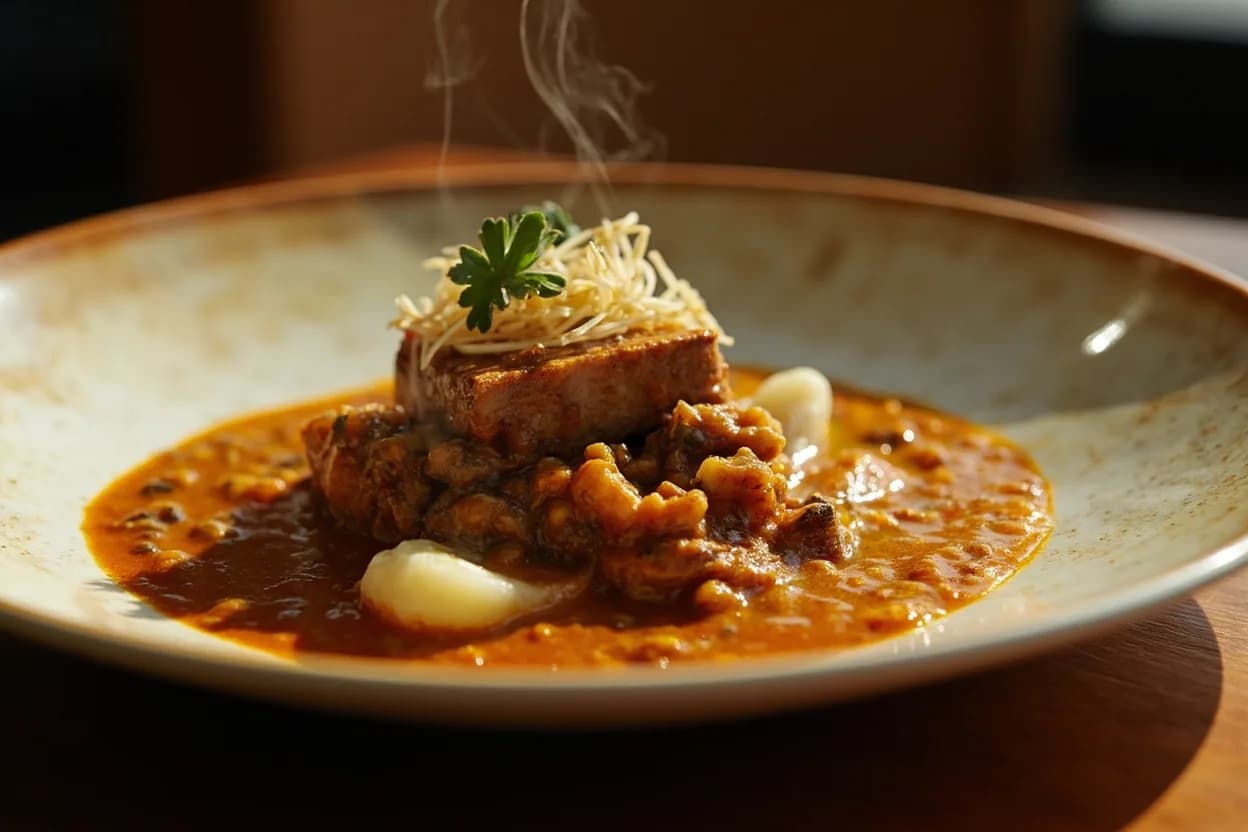
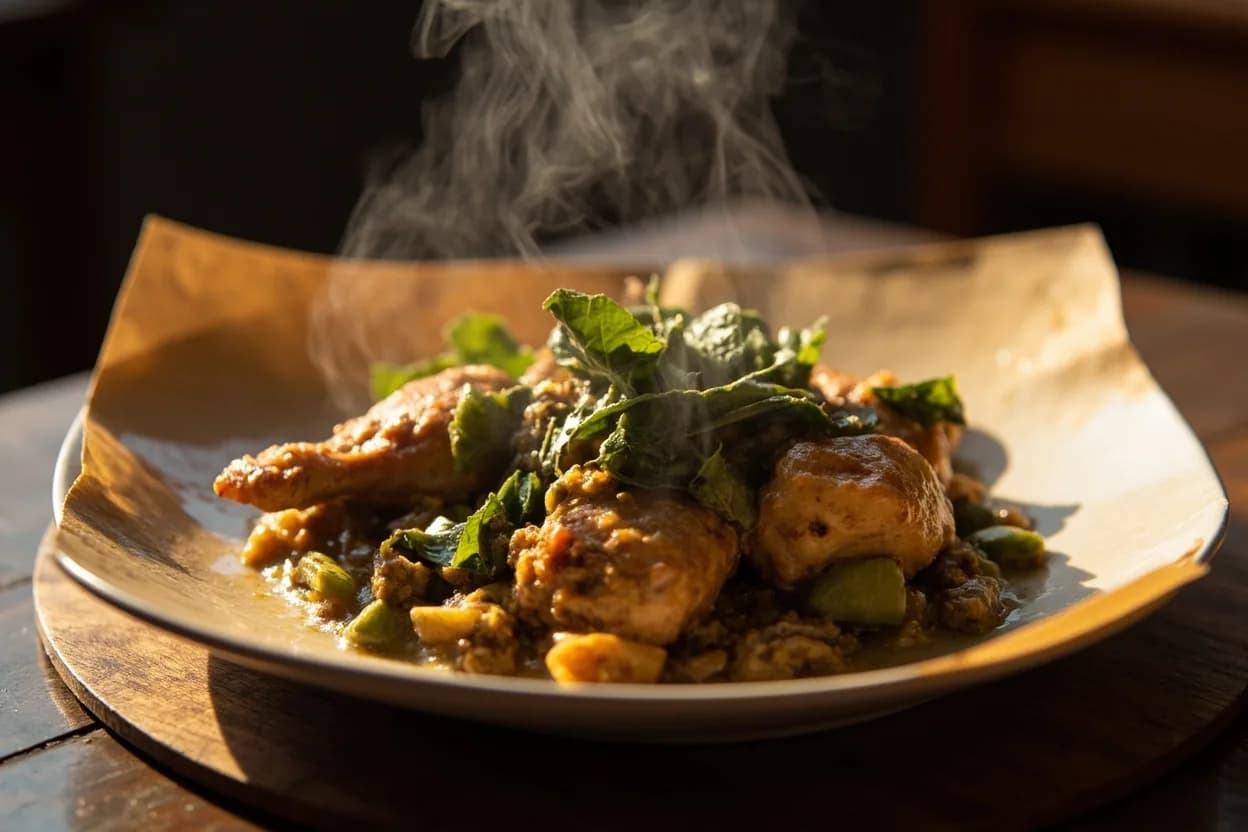
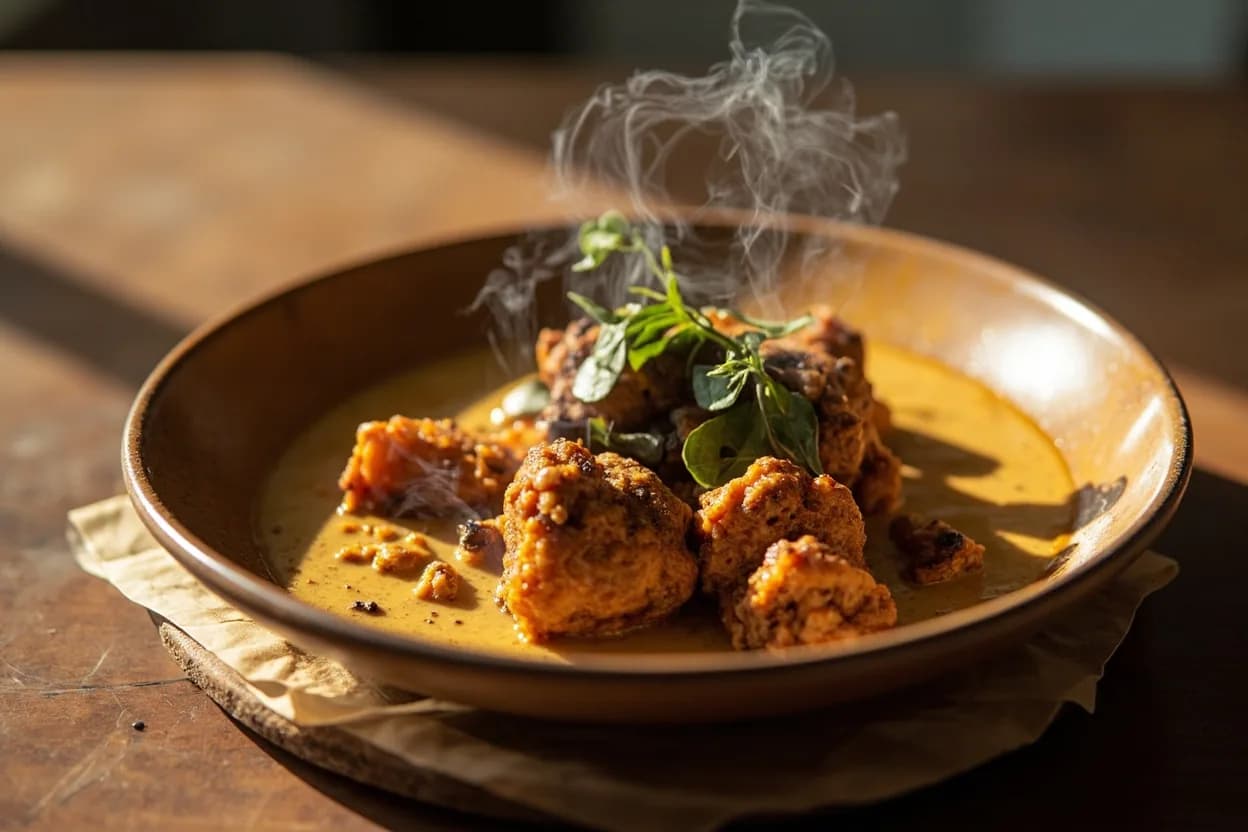
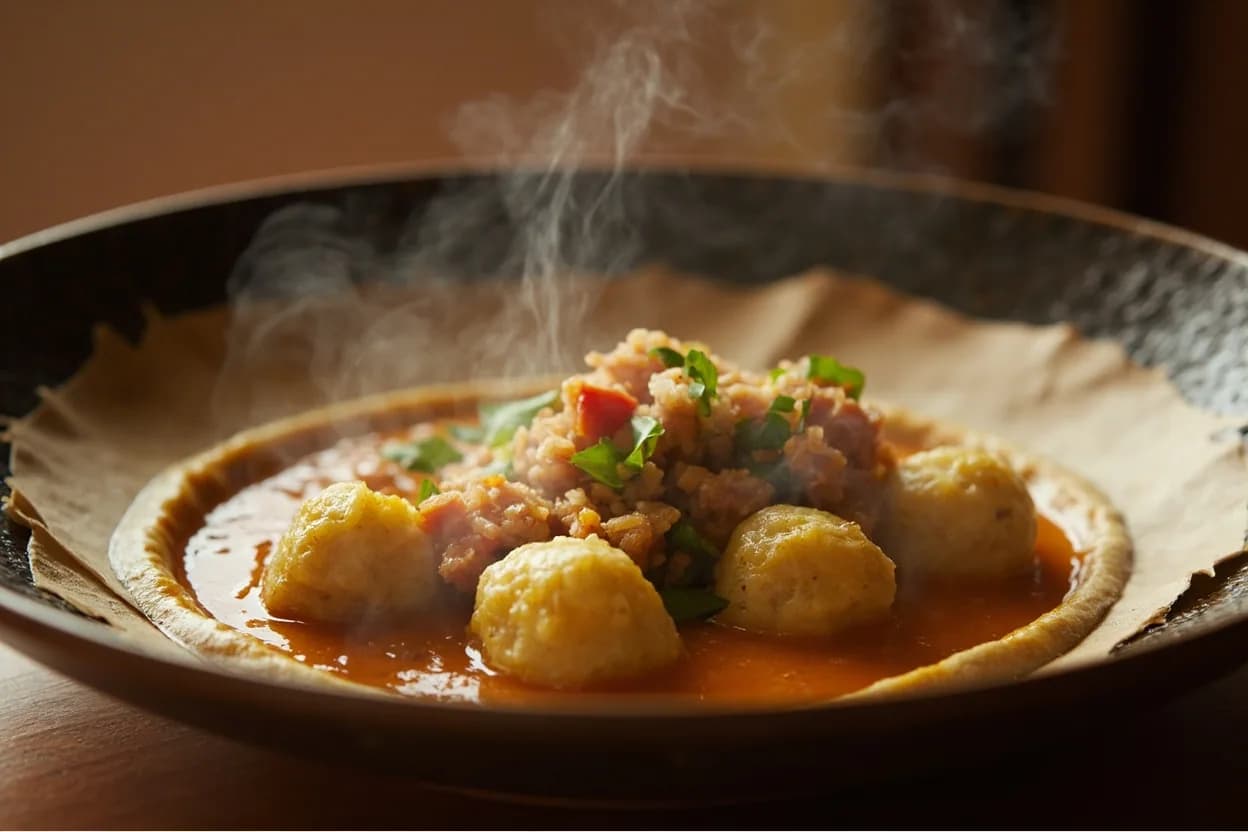
Appears in these dishes
Related
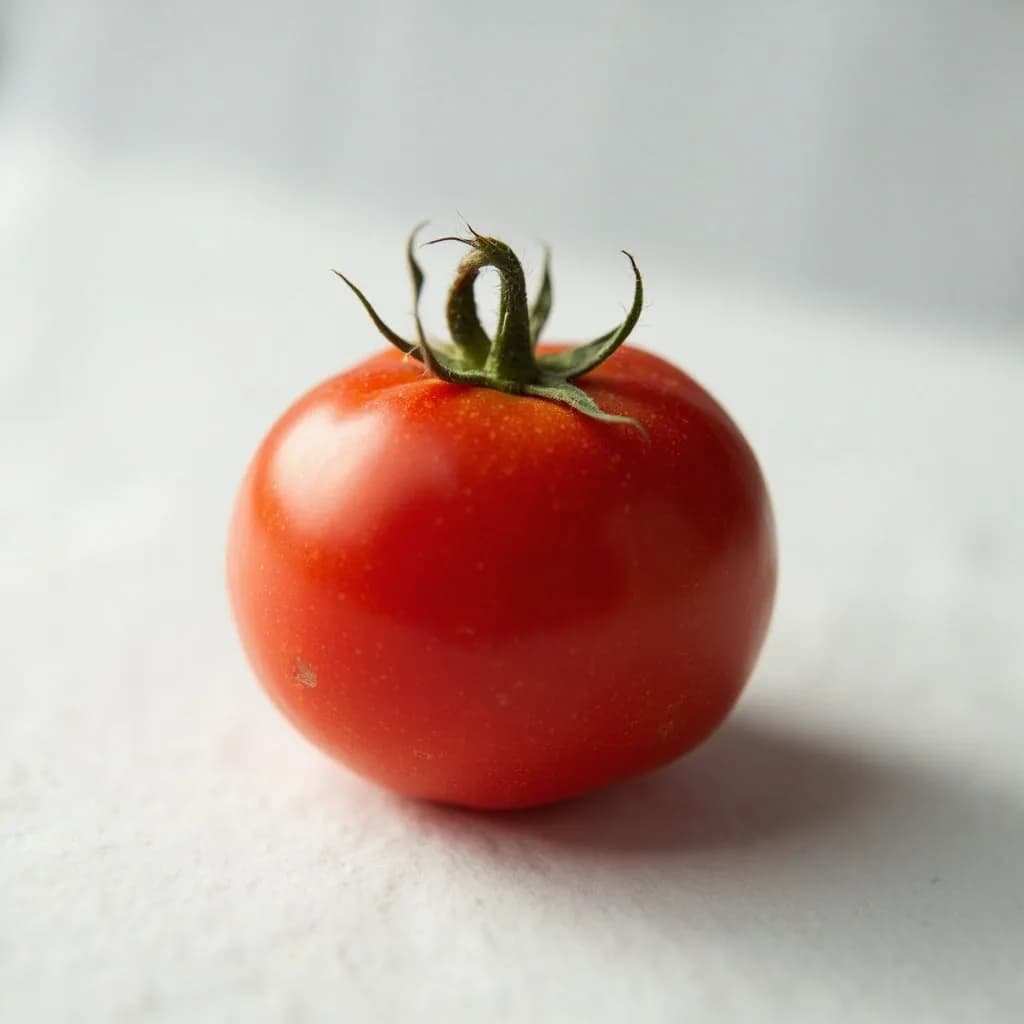
Tomato
Juicy, sun-sweet fruit for sauces, salads, and slow-cooked depth
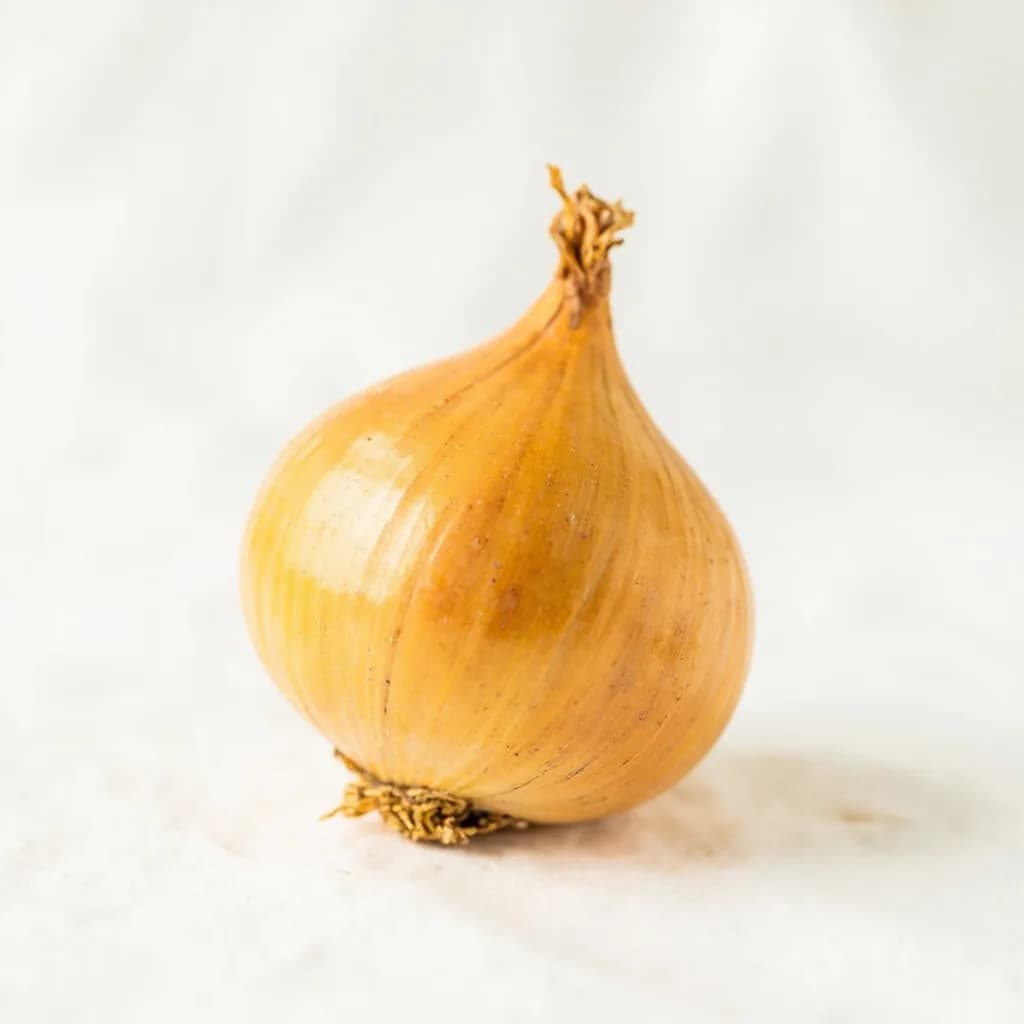
Yellow Onion
The aromatic backbone of soups, sofritos, and braises
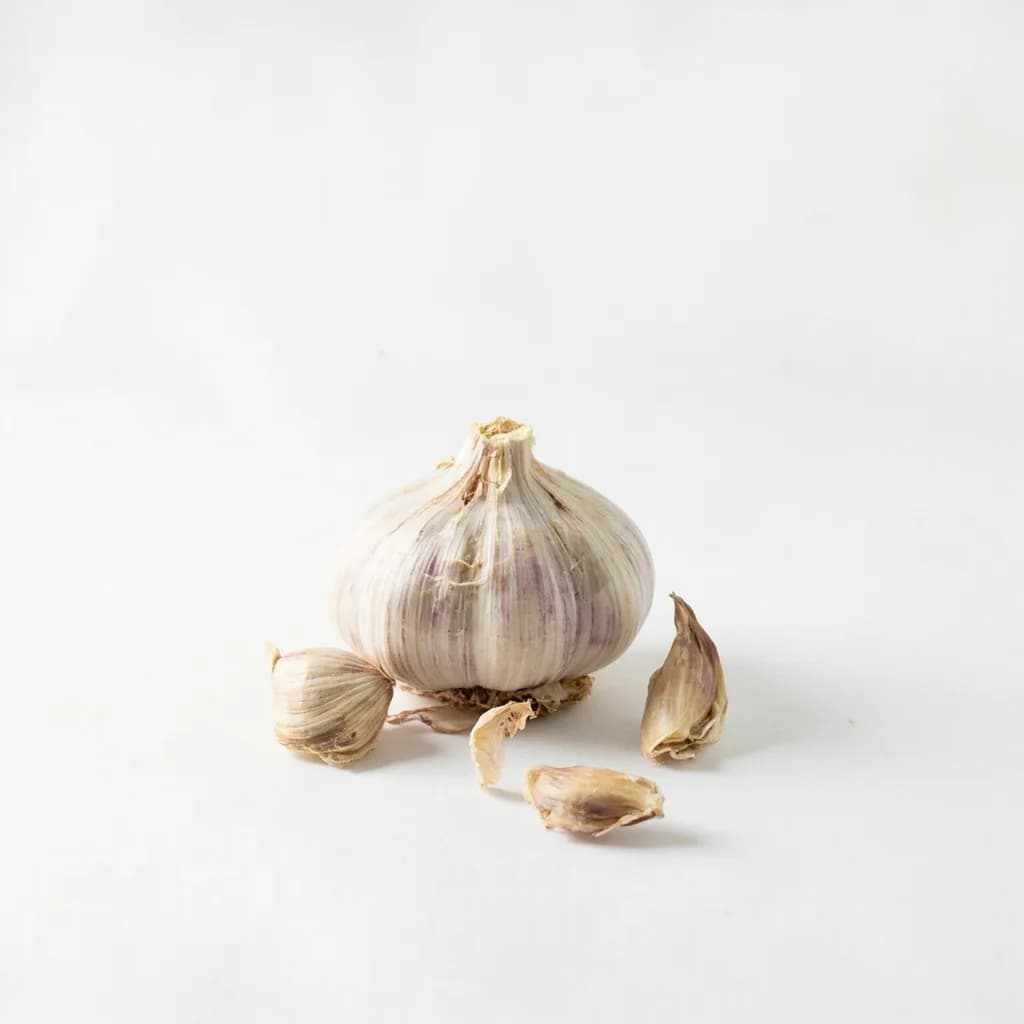
Garlic
Pungent cloves that perfume nearly every savory dish
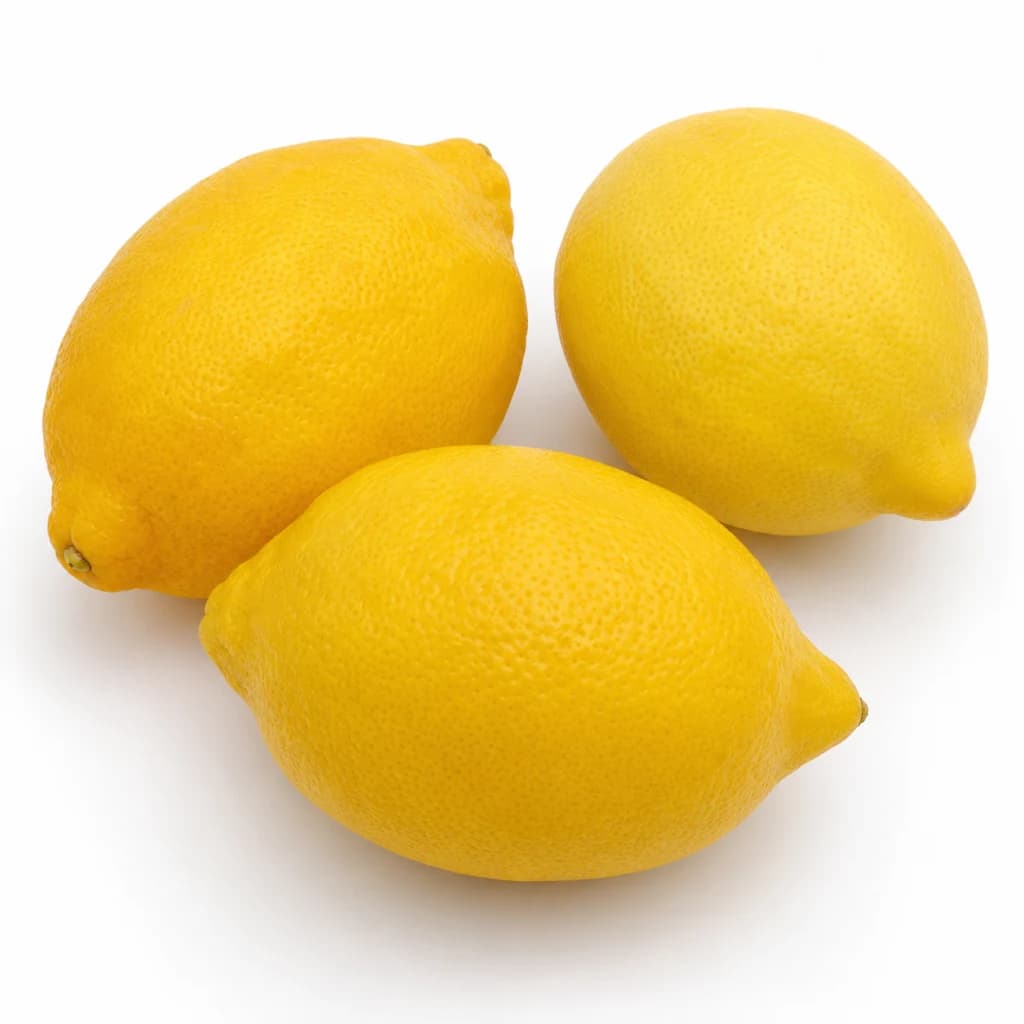
Lemon
Bright, acidic citrus that wakes up almost any dish
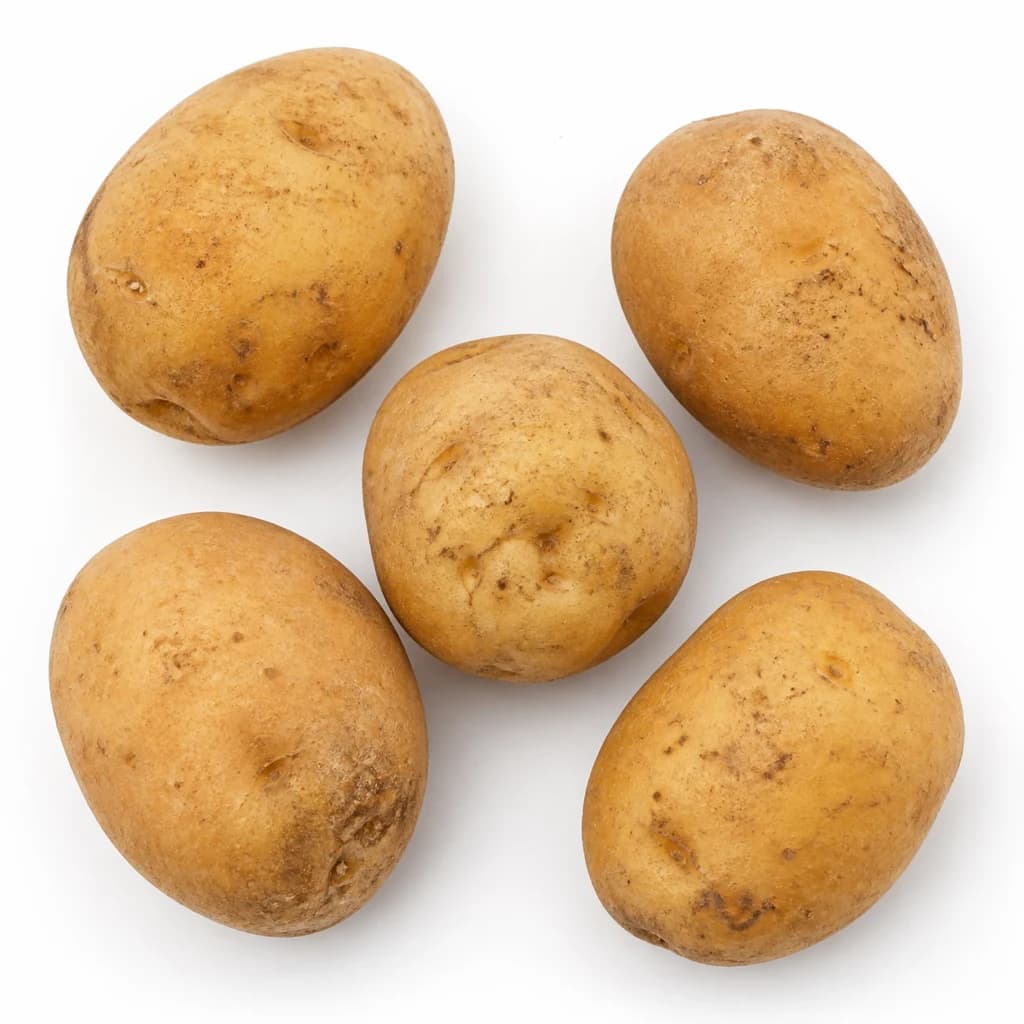
Potato
Humble, hearty staple — roast, mash, fry, or boil
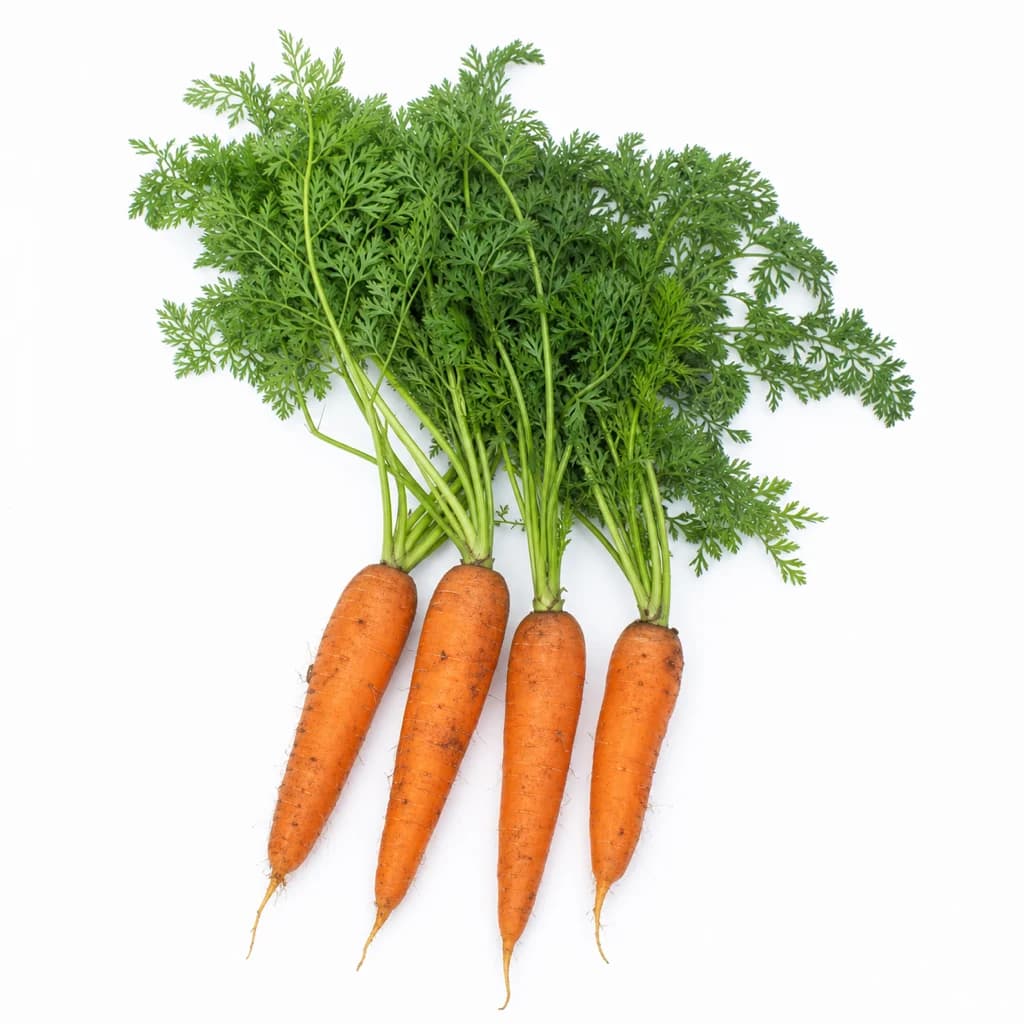
Carrot
Sweet, crunchy root — raw, roasted, or the base of a sofrito
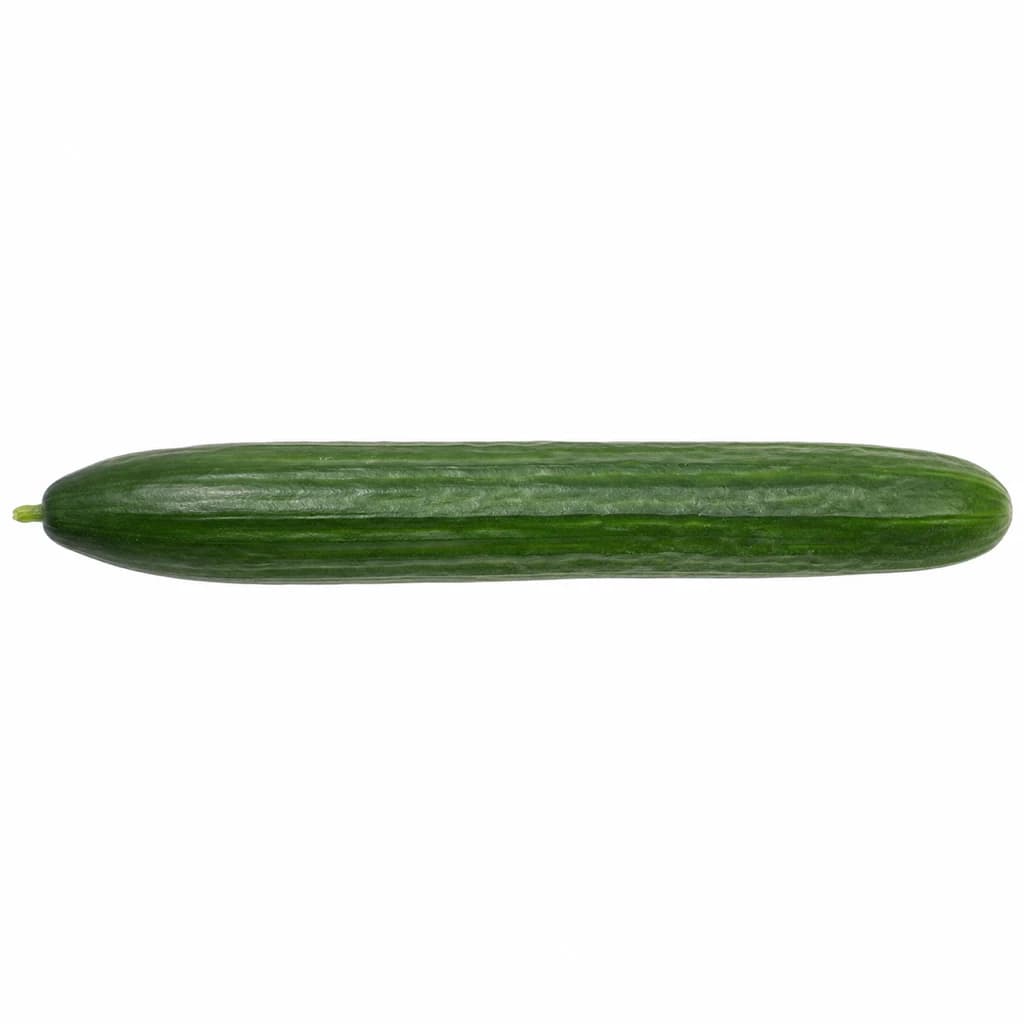
Cucumber
Cool, crisp, and watery — for salads, pickles, and tzatziki

Lettuce
Crisp leaves for salads, wraps, and a fresh crunch