West Africa
Igbo (Southeast Nigerian)
Also: Igbo cuisine, Southeast Nigerian, Biafran cuisine
A yam-revering, palm-oil-based cuisine from the forested southeast of Nigeria, defined by bitter-leaf soups, the sacred centrality of ji (yam), and a flavor vocabulary built on palm nut, ukpaka oil bean, and dried fish.
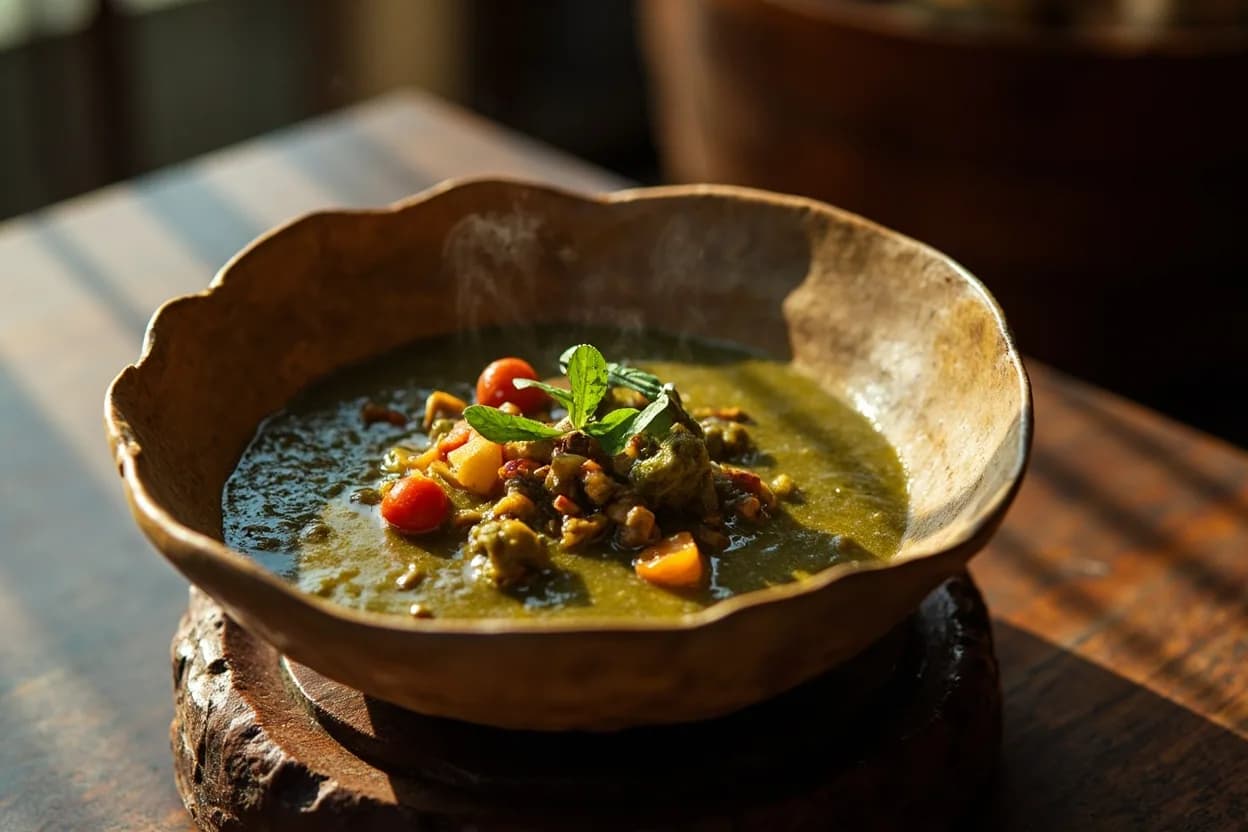
Igbo cuisine is the cooking tradition of the Igbo people — one of Nigeria's three major ethnic groups, centered in the southeastern states of Anambra, Enugu, Imo, Abia, and Ebonyi — and is inseparable from the forest ecology of the Niger Delta hinterland. Yam (ji) occupies a near-sacred role in Igbo culture: the Igbo New Yam Festival (Iri Ji) marks the year's turn, and a man's wealth was historically measured in yam barns. The cuisine is soup-centered, eaten with starchy bases, and defined by a more indigenous, less imported flavor vocabulary than coastal Nigerian cooking: palm nut (ofe akwu), fermented oil bean seed (ukpaka), and the distinctive bitter or slimy greens — bitter leaf (onugbu), oha leaves, and cocoyam leaves — that give Igbo soups their herbal character. Igbo cooking tends toward the less heavily spiced compared to Yoruba; the flavors are more subtle, with bitterness and fermented funk as primary dimensions.
The flavour base
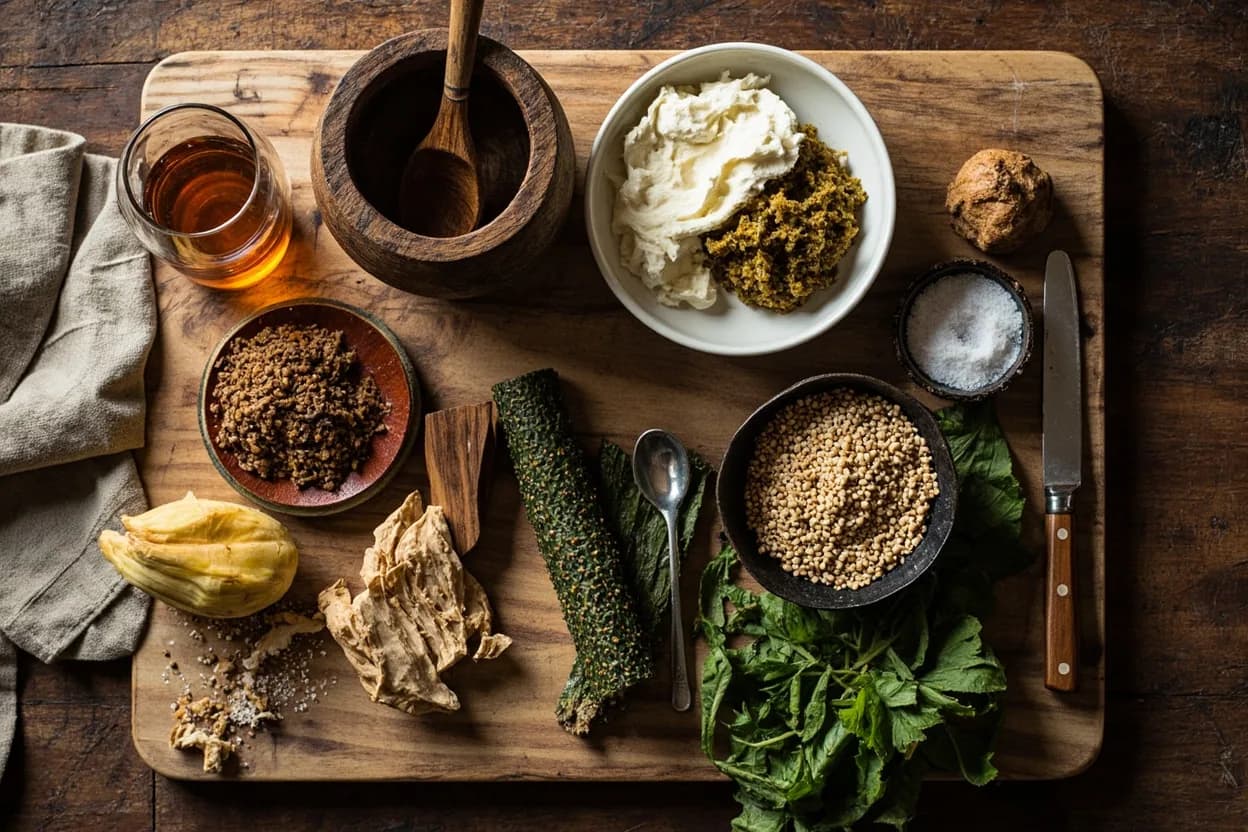
Palm nut cream (ofe akwu) or red palm oil base enriched with ground crayfish and dried fish; fermented ukpaka oil bean seeds adding bitter funk; cocoyam (ede) used as a thickener
Pantry staples
Key ingredients
Signature techniques
Signature dishes
Igbo (Southeast Nigerian) on the table
At the table
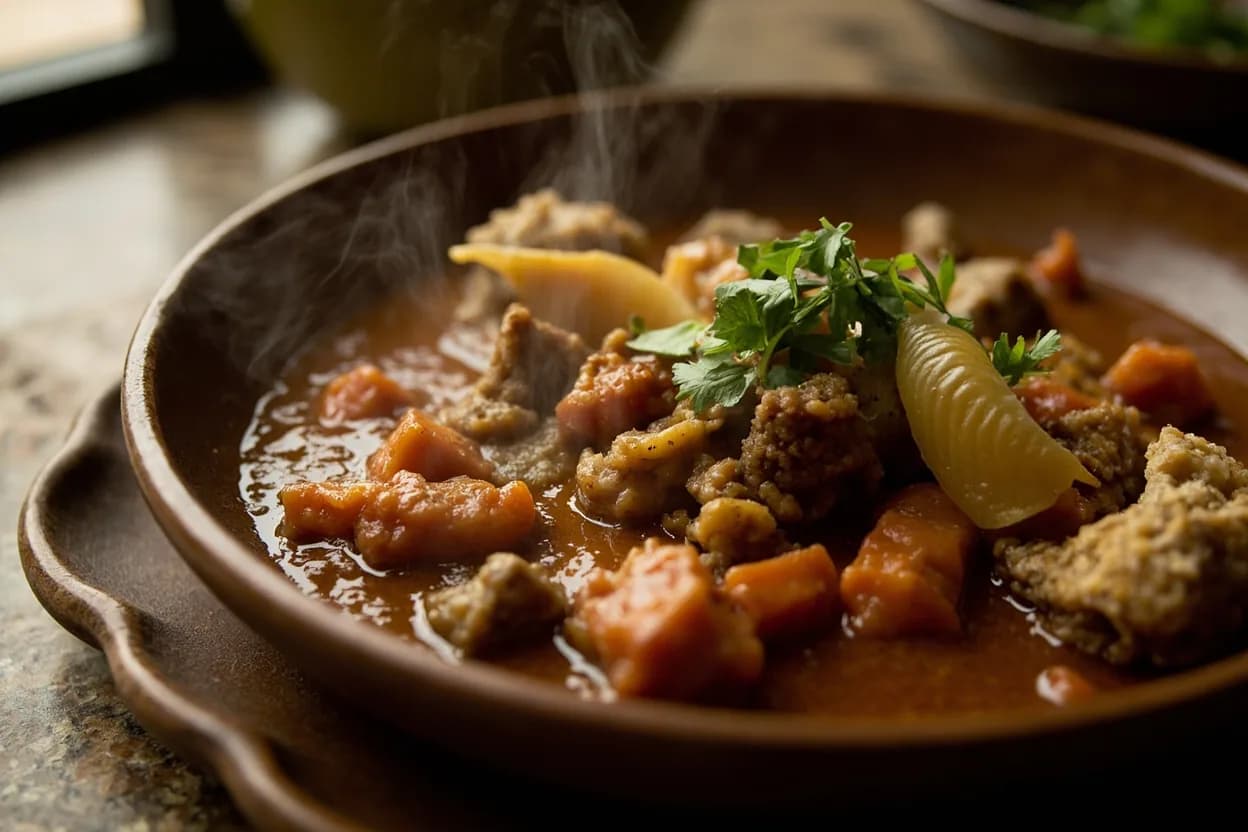
Igbo meals follow the soup-and-swallow structure: a base of pounded yam, akpu (fermented cassava fufu), or eba alongside a rich soup. Pounded yam is the prestige swallow for yam-growing areas; fufu (akpu) is more associated with delta and riverine zones. Pepper soup (ji mmiri oku, goat meat pepper soup, or catfish pepper soup) is served as a separate course, often ceremonially — at marriages, funerals, and title-taking ceremonies. Abacha (shredded cassava salad with garden egg, ukpaka, and palm oil dressing) is a distinctive cold dish unique to Igbo food culture.
History & context
The Igbo occupy one of the most densely populated regions in Africa; their decentralized, village-level social structure (no pre-colonial kingdom comparable to Oyo or Benin) shaped a food culture that is intensely local and forested in its orientation rather than court-cuisine focused. The Transatlantic slave trade devastated the Igbo-speaking hinterland (the Bight of Biafra was a major embarkation point), while British colonial rule and Christian mission influence opened the region to cassava, introduced via the Atlantic trade, which became a secondary staple alongside yam. The Biafran War (1967–1970), in which Igbo-majority eastern Nigeria declared independence as the Republic of Biafra, created acute famine conditions (Kwashiorkor protein deficiency became a globally known word from this conflict) and deeply marked Igbo cultural memory. Post-war Igbo food culture has been defined by a determined preservation of indigenous ingredients and techniques alongside the commercial dynamism of Onitsha and Port Harcourt.
Regional variations
- Delta Igbo / Rivers State
Heavier seafood and freshwater fish influence from the Niger Delta; banga (palm nut soup) here takes a richer, spicier form with aromatic oburunbebe sticks and atarodo peppers
- Anambra / Enugu highlands
Strongest yam culture; ofe akwu and oha soup as prestige dishes; pounded yam is the preferred swallow
- Cross River border zone
Some cultural overlap with Efik/Ibibio cooking; afang soup (Igbo-style) appears here alongside Efik's own afang preparation
Related cuisines
Shares palm oil and stockfish base and soup-and-swallow meal structure; egusi soup appears in both but Igbo versions often use cocoyam thickener and less tomato
- Efik/Ibibio
Neighboring Cross River and Akwa Ibom traditions sharing palm nut culture; Efik edikang ikong (vegetable and periwinkle soup) parallels Igbo vegetable soups
Eastern border overlap; shared palm nut and plantain culture, fermented seed condiments (ogiri/dawadawa), and smoked fish traditions
Canonical recipes
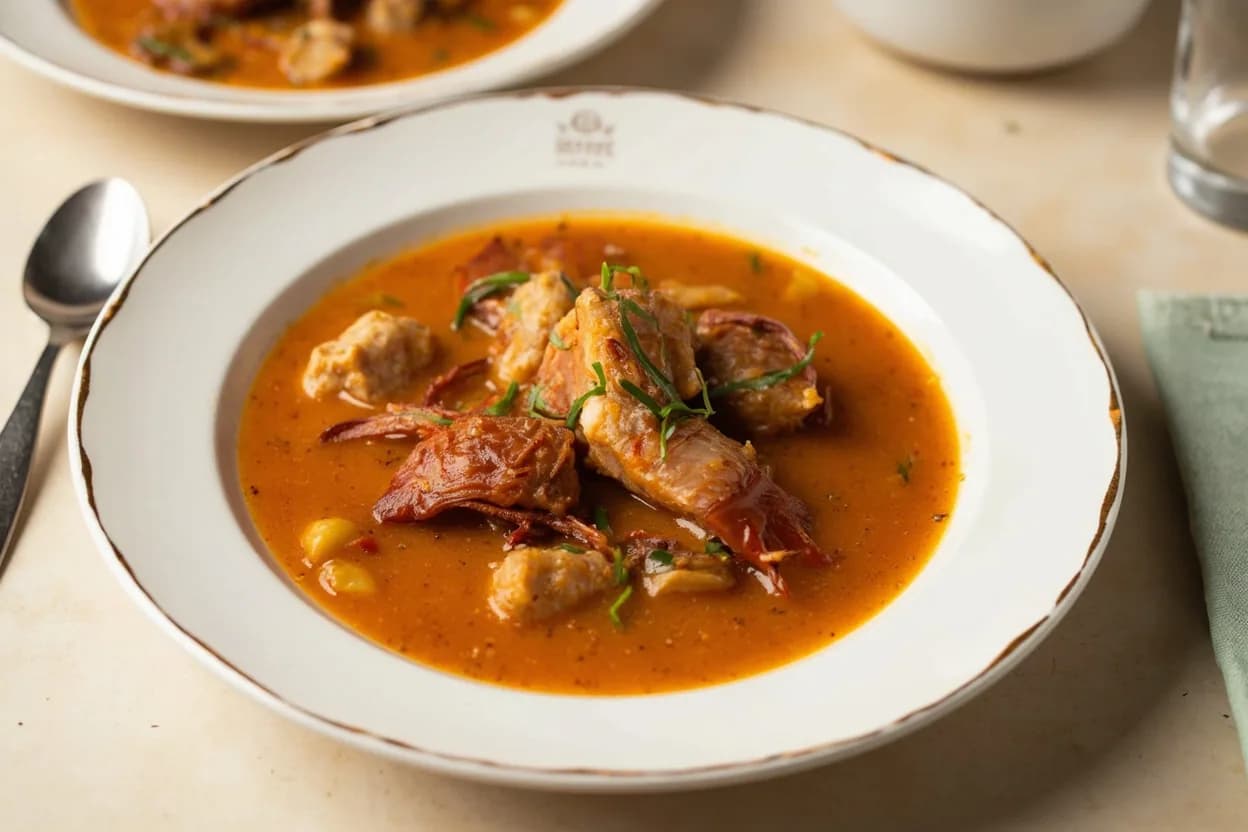
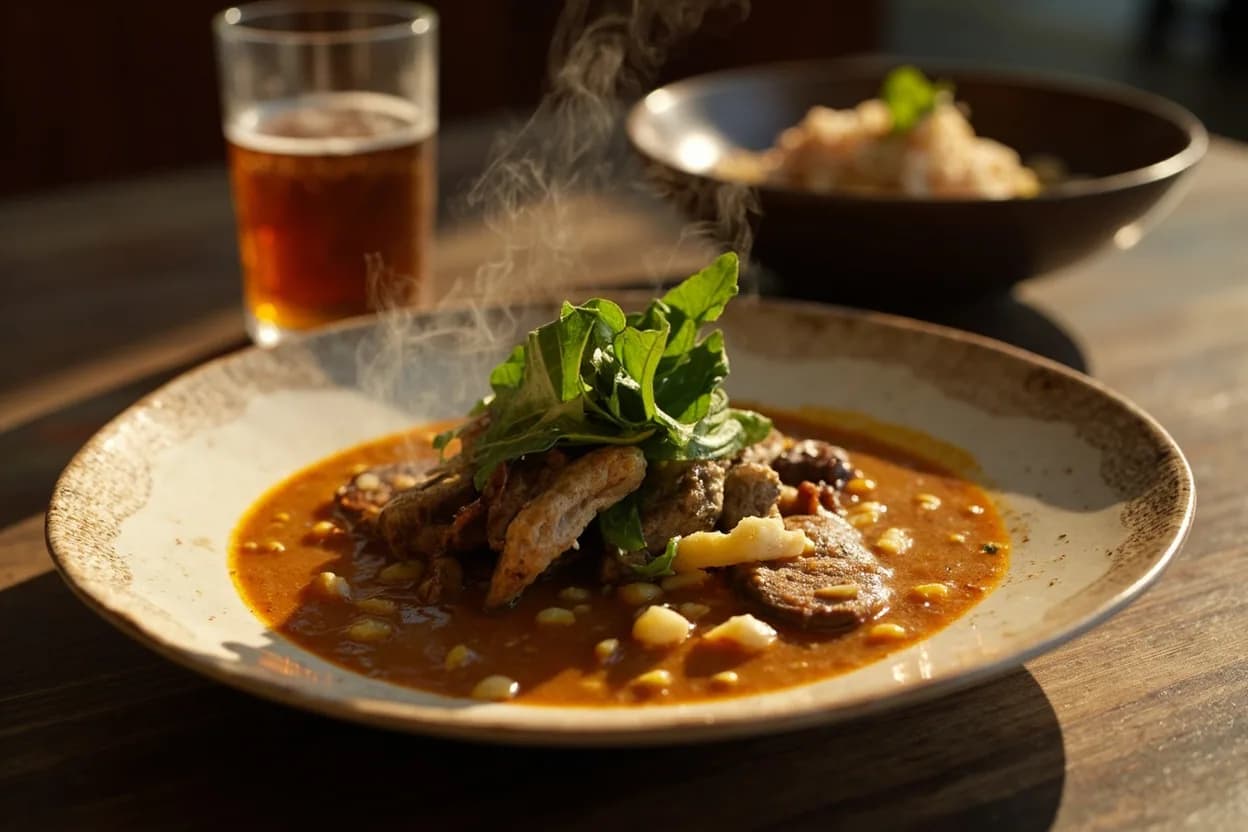
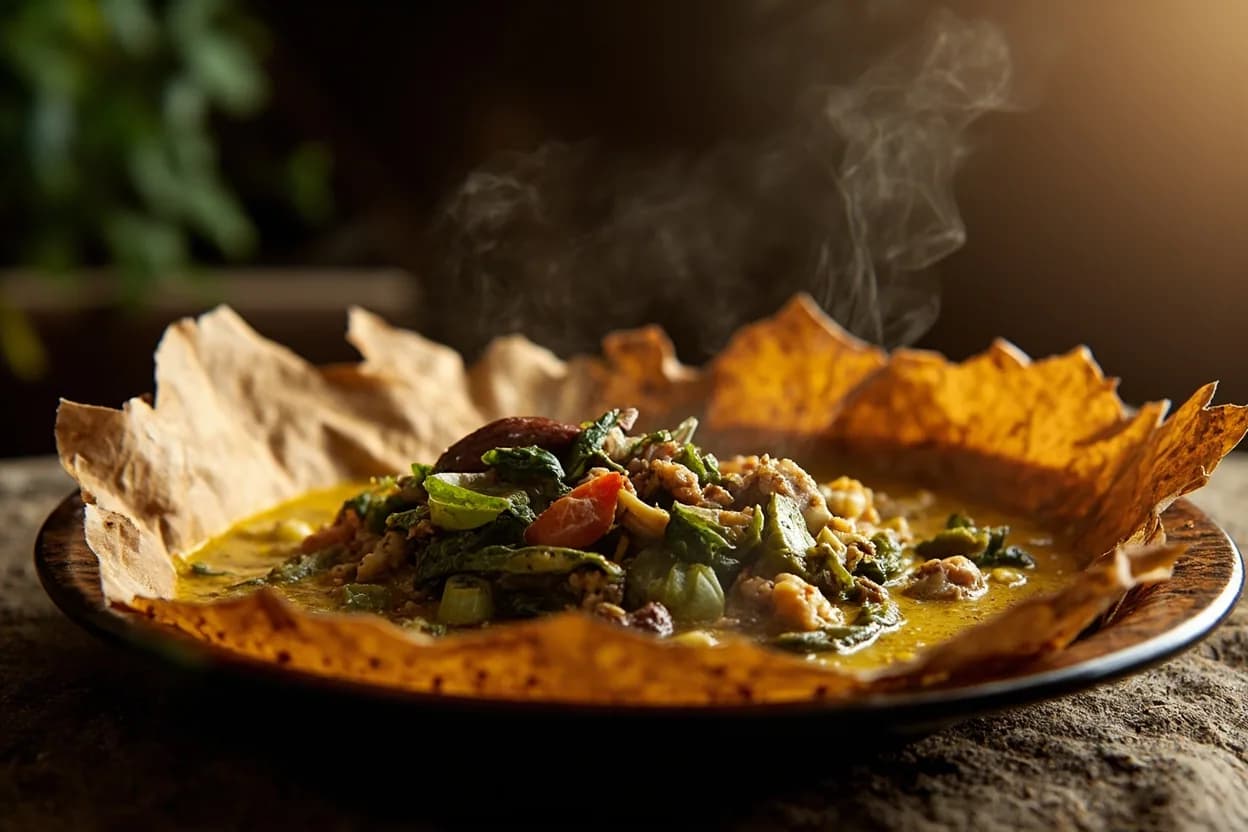
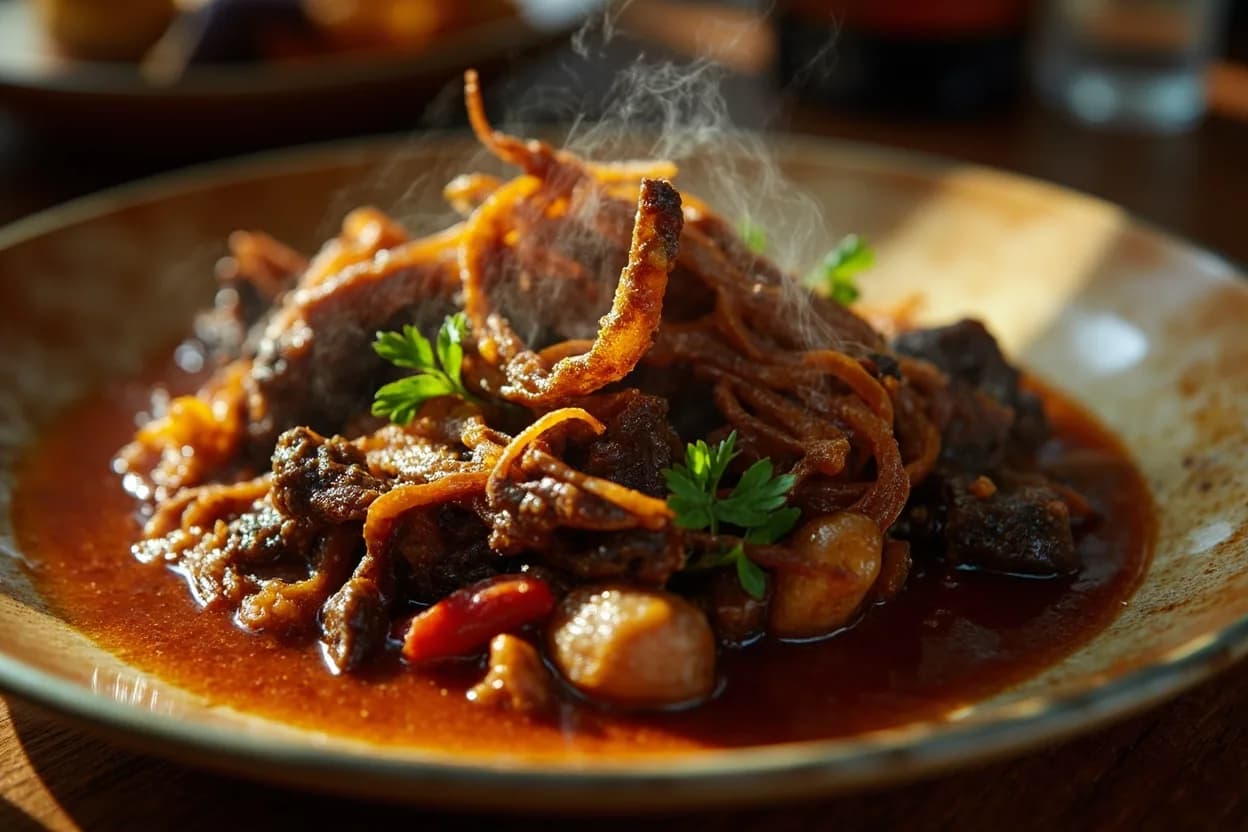
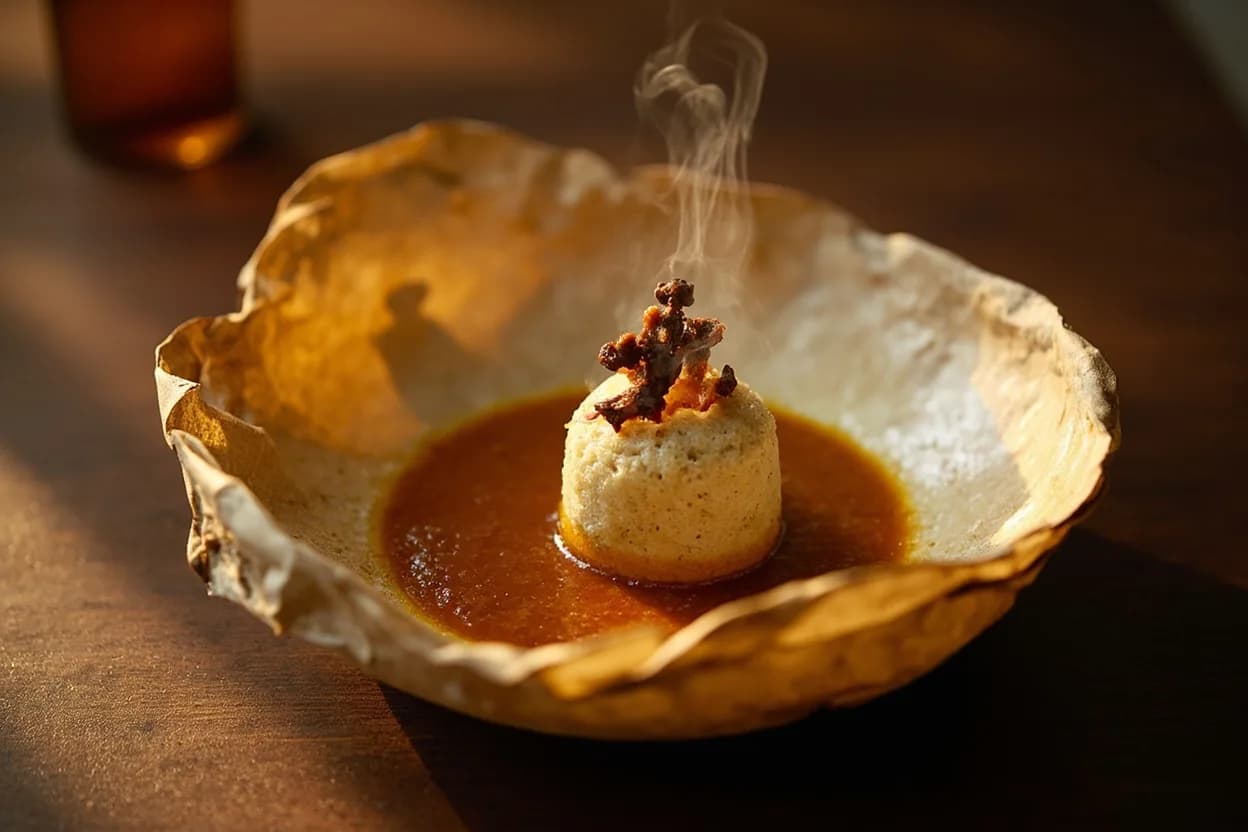
The dishes that define Igbo (Southeast Nigerian), documented in the Canon.
References
- 1.Ngozi Gogo-Abite, 'Cooking the Nigerian Way' (2004)
- 2.Jessica B. Harris, 'The Africa Cookbook' (1998)
- 3.Fran Osseo-Asare, 'Food Culture in Sub-Saharan Africa' (2005)
- 4.Chinua Achebe, 'Things Fall Apart' (1958) — cultural context for yam centrality
Confidence: high
Notes
Ji (Yam) Culture
In Igbo cosmology, the yam is not merely a food — it is a symbol of masculinity, prosperity, and lineage continuity. Only the Diokpa (male head of household) may cut the first yam at New Yam Festival (Iri Ji Ohuru), and a man's social status was measured by the size of his yam barn. Dozens of yam varieties are cultivated across Igboland; white yam (Dioscorea rotundata) is the prestige variety used for pounding, while water yam and yellow yam have different culinary applications. Cassava (introduced via the Atlantic trade) is accepted as a practical staple but never occupies yam's symbolic register.
Abacha
Abacha (African salad) is one of the most distinctive Igbo dishes with no close parallel elsewhere in Nigerian cooking. It is made by soaking dried shredded cassava overnight, then dressing it with palm oil, potash (kaun/akanwu, which causes the oil to bind and turn orange), crayfish, ukpaka (fermented oil bean), sliced onion, garden eggs, and garden egg leaves. It is served cold or at room temperature as a snack or light meal — a rare non-soup, non-swallow format in a cuisine otherwise dominated by hot preparations.