Natural form
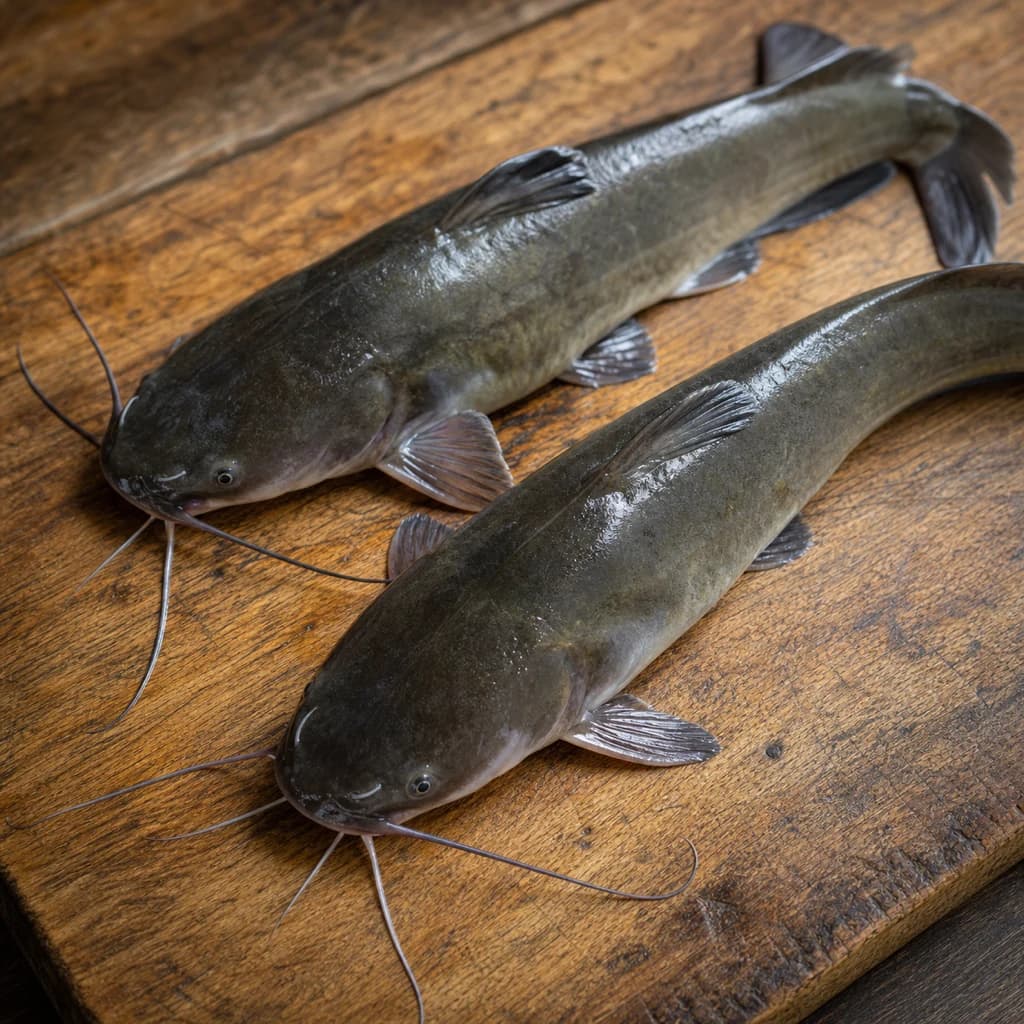
Whole fresh catfish showing its characteristic barbels, smooth skin, and elongated body.
Shows readers the defining physical features — barbels, scaleless skin, body shape — that make catfish unmistakable.
Proteins
Catfish
Mild freshwater fish with firm flesh, popular fried, smoked, or stewed.
Catfish is a freshwater fish with firm, moist flesh and a mild, slightly sweet flavor. It is widely cornmeal-breaded and fried in the American South, smoked in West African dishes, and stewed in pepper soups and Caribbean dishes such as Guyanese hassar. Smoked catfish adds deep umami to soups and stews.
Catfish is a scaleless freshwater fish identified by its distinctive barbels (whiskers) and cartilaginous skeleton. Native to the rivers and lakes of North America, it has become one of the most important aquaculture species in the US, with the bulk of farm-raised production centered in the Mississippi Delta region. The firm, dense, low-fat white flesh cooks evenly and holds together better than many other white fish, making it exceptionally versatile—from classic Southern fried preparations to blackening, smoking, and slow-simmered stews. Its mild, slightly sweet flavor absorbs bold seasonings readily, which is why it anchors dishes in cuisines ranging from Cajun to Vietnamese. The one characteristic that separates a well-handled catfish from a poor one is muddy flavor, caused by 2-methylisoborneol (MIB) absorbed from pond sediments; farm-raised catfish from clean-water operations taste clean and mildly sweet, while wild catfish from murky, vegetation-choked waters can taste considerably stronger.
Farm-raised channel catfish dominates the US market, typically harvested at 1–2 lbs, though wild blue and flathead catfish can exceed 50 lbs. The cooking yield is approximately 50% after heading, gutting, and skinning, rising to roughly 75% for skinless fillets. Catfish spoils quickly—1–2 days refrigerated—so buy from a reliable source and use promptly, or freeze at 0°F for up to 4 months. Vacuum-sealed frozen catfish often outperforms "fresh" retail fish, which may have been previously frozen and thawed multiple times. For the cook, understanding purgering, proper blood-line removal, and precise temperature control are the three skills that separate excellent catfish from disappointing catfish.
Catfish holds a unique place in American food culture. The industry began commercially in the Mississippi Delta in the 1960s and is now one of the most efficient forms of aquaculture in the country. In Asian cuisines—particularly Vietnamese and Thai—different catfish species (swai, basa, pangasius) are staples and represent major US imports. These are not the same species as American catfish but share a similar firm texture and mild flavor, making them interchangeable in many preparations.
- Measured in
- g
- Storage
- Fridge
Allergens
Types & varieties
Most widely farmed species in the US; mildest flavor, firm white flesh; typical farm size 1–2 lbs
Larger than channel; cleaner, less muddy taste; preferred by many chefs for its firmer texture; common in the Chesapeake Bay region
Native to Atlantic slope states; mild flavor; shorter barbels than channel; popular on the East Coast
Smaller species (rarely over 2 lbs); darker, slightly stronger flavor; good for frying whole
Large predatory catfish; yellow to orange flesh when cooked; prized by sport fishermen; requires longer cooking time
Purgering: Eliminating Muddy Flavor
The muddy taste in catfish comes from 2-methylisoborneol (MIB), a compound absorbed from pond sediments and food. Purgering—placing live catfish in clean, flowing water for 1–3 days before cooking—is the standard practice in the American South to produce a clean-tasting fish. During this time the catfish expel accumulated compounds. Farm-raised catfish from well-managed operations with clean-water ponds require little or no purgering, which is why commercially farmed catfish almost always taste clean. Wild-caught catfish from murky, vegetation-choked waters are far more likely to taste muddy and benefit most from purgering. If you cannot purge, you can reduce muddy flavor by soaking the fillets in well-salted water (1 tablespoon salt per quart water) for 30–60 minutes, then rinsing thoroughly before cooking.
The US Catfish Industry
The domestic catfish industry is concentrated in a four-state region: Mississippi, Alabama, Arkansas, and Louisiana. Mississippi alone accounts for the majority of production. The industry developed rapidly after commercial feed-based aquaculture succeeded in the Delta in the 1960s, and channel catfish remains the dominant species. The efficiency of catfish farming—high feed conversion ratios and controlled growing conditions—makes it one of the most economical aquaculture systems in the world. When purchasing at retail, look for product from these states; "US Farm-Raised Catfish" is a regulated labeling term that verifies origin and species.
- Buy from reputable sources that specify origin and species
- Farm-raised channel catfish is the most consistently clean-tasting option
- Avoid wild catfish from unknown or murky-water sources if you cannot purge
Common uses
Tips & pitfalls
- Purgering: Place wild-caught catfish in clean, flowing water for 1–3 days before cooking to reduce muddy flavor—this is standard practice in the American South
- Cleaning: Remove the dark lateral blood line running along the fillet; it imparts a strong, gamey flavor if left in and should be scraped out with a spoon or the back of a knife before cooking
- Overcooking: The flesh turns dry and mushy quickly; cook to 145°F internal temperature and remove immediately; it will continue cooking from residual heat
- Starting temperature: Begin searing catfish in a cold, oiled pan to prevent breading from sticking—low heat gives the crust time to set before the fish releases moisture
- Frozen quality: Commercially frozen catfish is often superior to "fresh" at retail, which may have been previously frozen; vacuum-sealed frozen catfish maintains quality for months
- Skin removal: Slip the skin off like a sock from tail to head while the fish is still cold for easiest removal; scoring the skin at the tail end helps a fillet knife get started
- Asian-market catfish (swai, basa, pangasius) are different species but cook similarly and are interchangeable in most recipes
Nutrition
Energy
397 kJ · per 100 g
Where the calories come from
Protein
16.4g
33% DV
Carbs
0g
0% DV
Fat
2.8g
4% DV
Fiber
0g
0% DV
Sodium
43mg
2% DV
Source · USDA FoodData Central · approx. Fish, catfish, channel, wild, raw
View on FDC →In the shops
Matched grocery products
No matched grocery products for Catfish yet.
Good to know
- Scientific Name
- Ictalurus punctatus (channel catfish); Ictalurus furcatus (blue catfish)
- Origin
- Native to freshwater rivers and lakes of North America; major aquaculture in Mississippi Delta since 1960s
- Flavor
- Mild, slightly sweet; clean or mildly muddy depending on water quality and handling; white flesh
- Texture
- Firm, dense, white flesh; holds together well during cooking; low in fat
- Typical Size
- Farm-raised: 1–2 lbs; wild-caught blue and flathead: can exceed 50 lbs
- Cooking Yield
- ~50% after heading, gutting, and skinning; ~75% for skinless fillets
- Shelf Life
- 1–2 days refrigerated; up to 4 months frozen at 0°F
- Key Identifying Feature
- Scaleless skin; distinctive barbels (whiskers); cartilaginous skeleton
- Primary Producing States
- Mississippi, Alabama, Arkansas, Louisiana
Substitutes
- Tilapia — Milder flavor, slightly softer texture; readily available; best for blackening, baking, or grilling
- Swai (Pangasius/Basa) — Comparable firm texture; mild flavor; cost-effective; cook identically to catfish and widely available frozen
- Cod — Firm white flesh; milder than catfish; works for baked or stewed preparations but lacks the richness and holds less seasoning
- Flounder — Delicate texture; not a direct substitute for fried catfish but suitable for light baking or pan-roasting
- Mullet — Mild, slightly oily fish; traditional in Southern coastal cooking; acceptable substitute in a pinch
Pairs with
Also called
Silure · Smoked Catfish · Hassar · Armoured Catfish
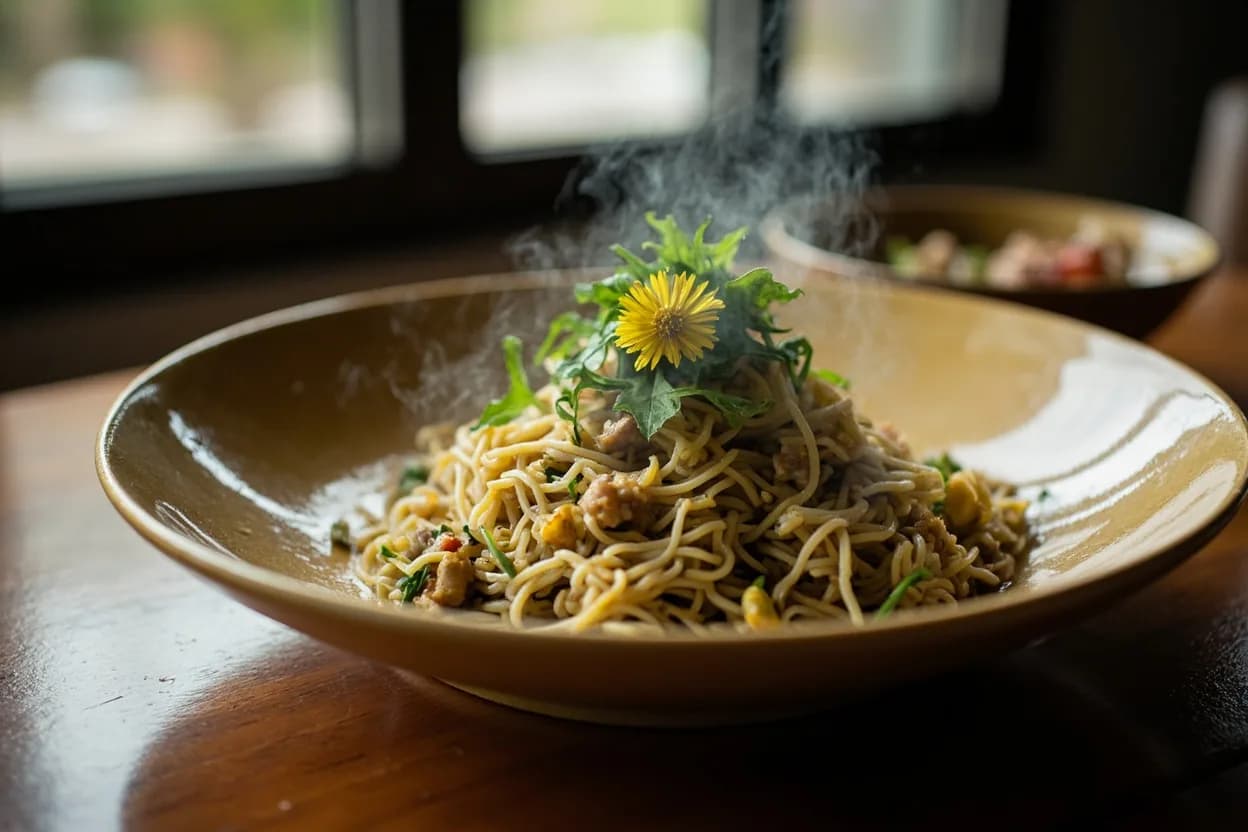
Appears in these dishes
Related
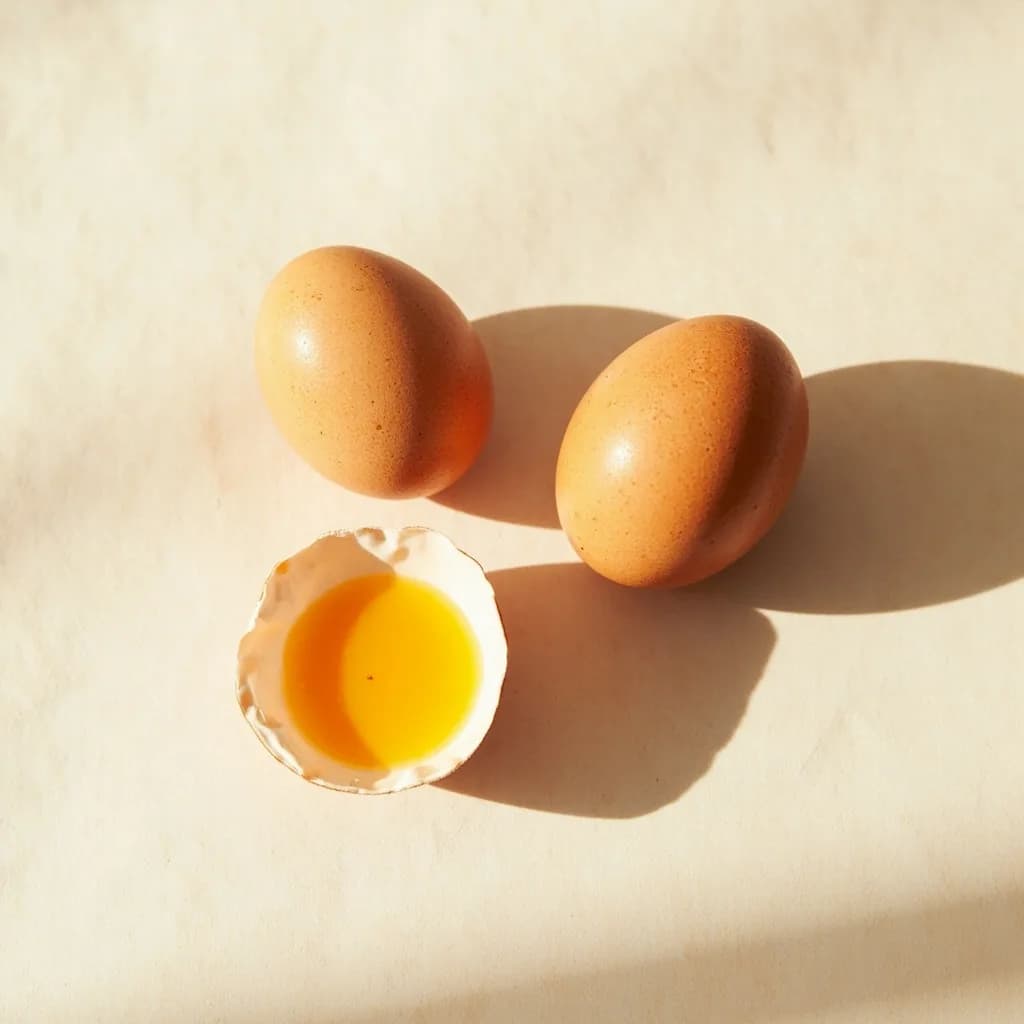
Egg
The kitchen's everything ingredient — bind, leaven, enrich, or fry
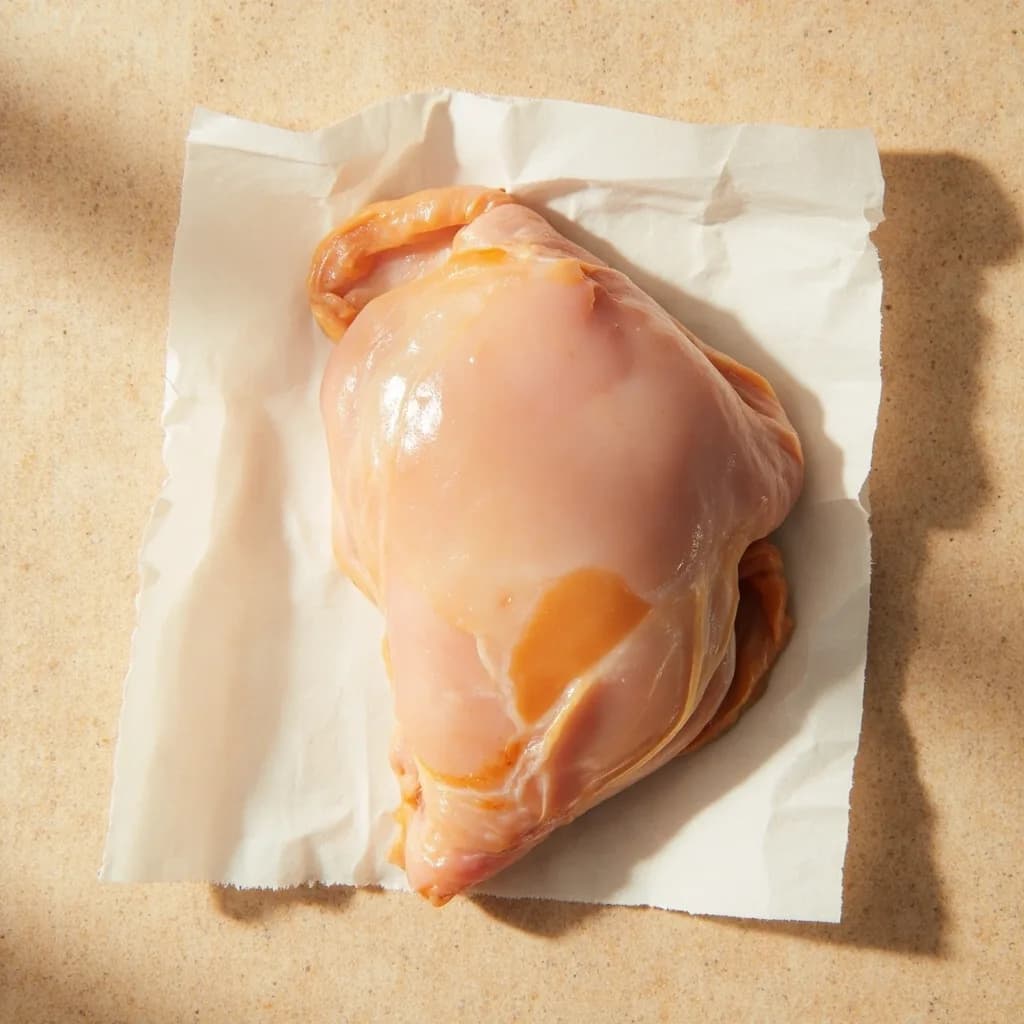
Chicken Breast
Lean, quick-cooking white meat for everyday dinners

Ground Beef
Versatile minced beef for burgers, ragù, tacos, and meatballs
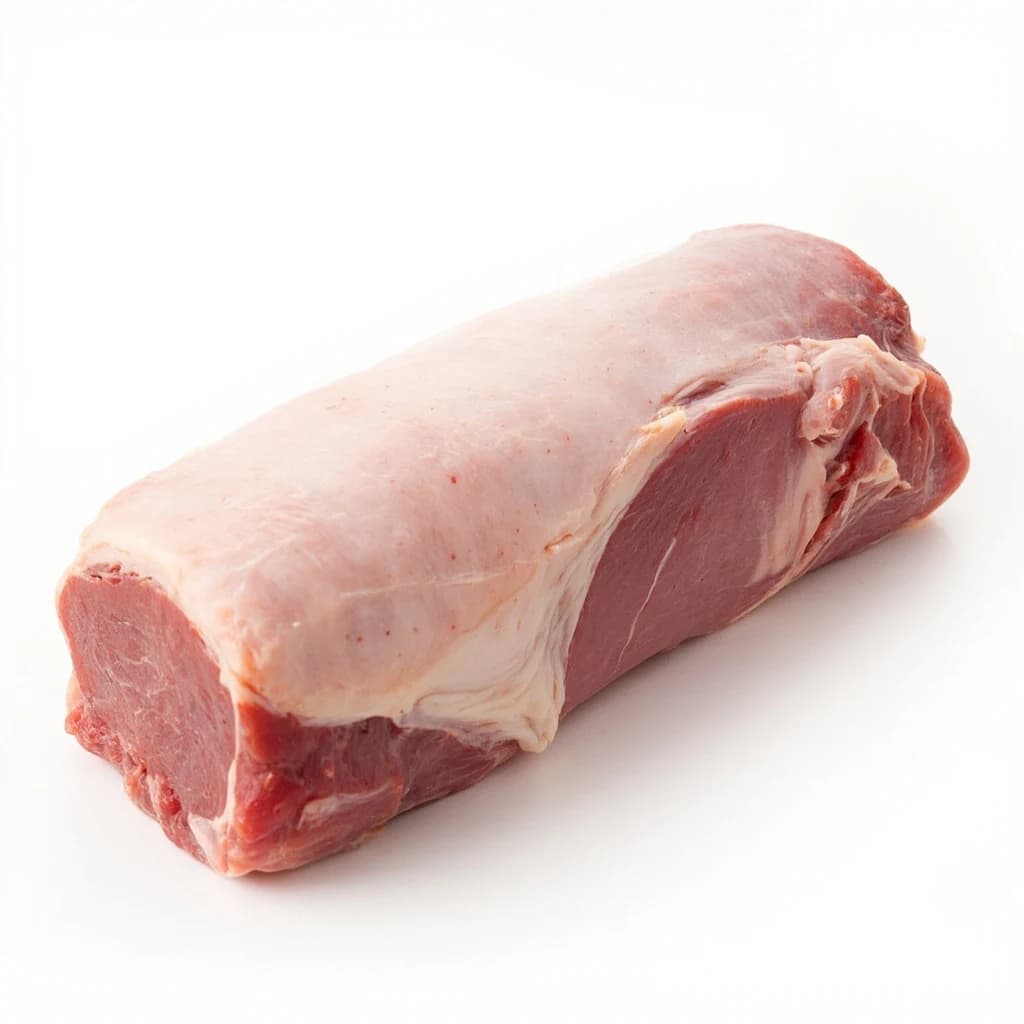
Pork Loin
Lean, tender roasting cut that stays juicy with care
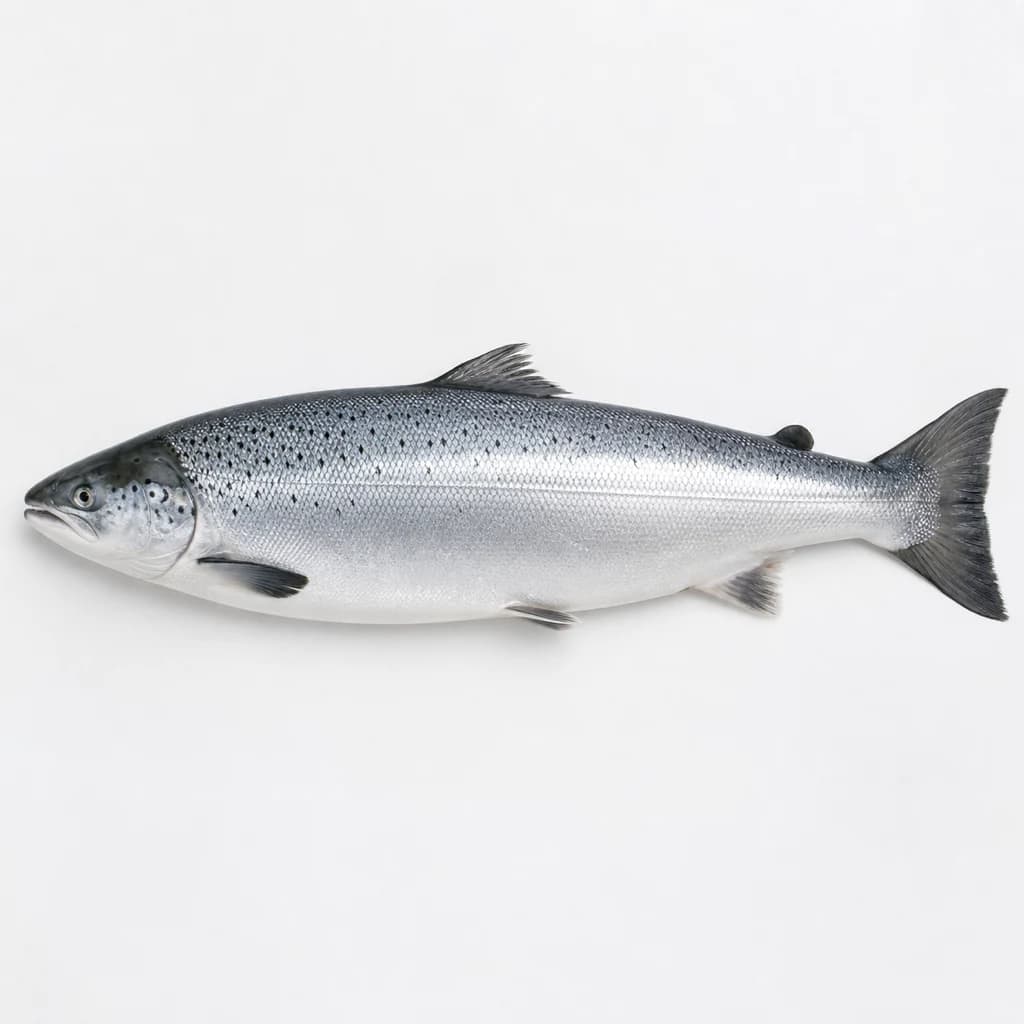
Salmon
Rich, rosy fish that roasts, grills, or cures beautifully

Egg White
Pure protein that whips to airy peaks for meringue and more
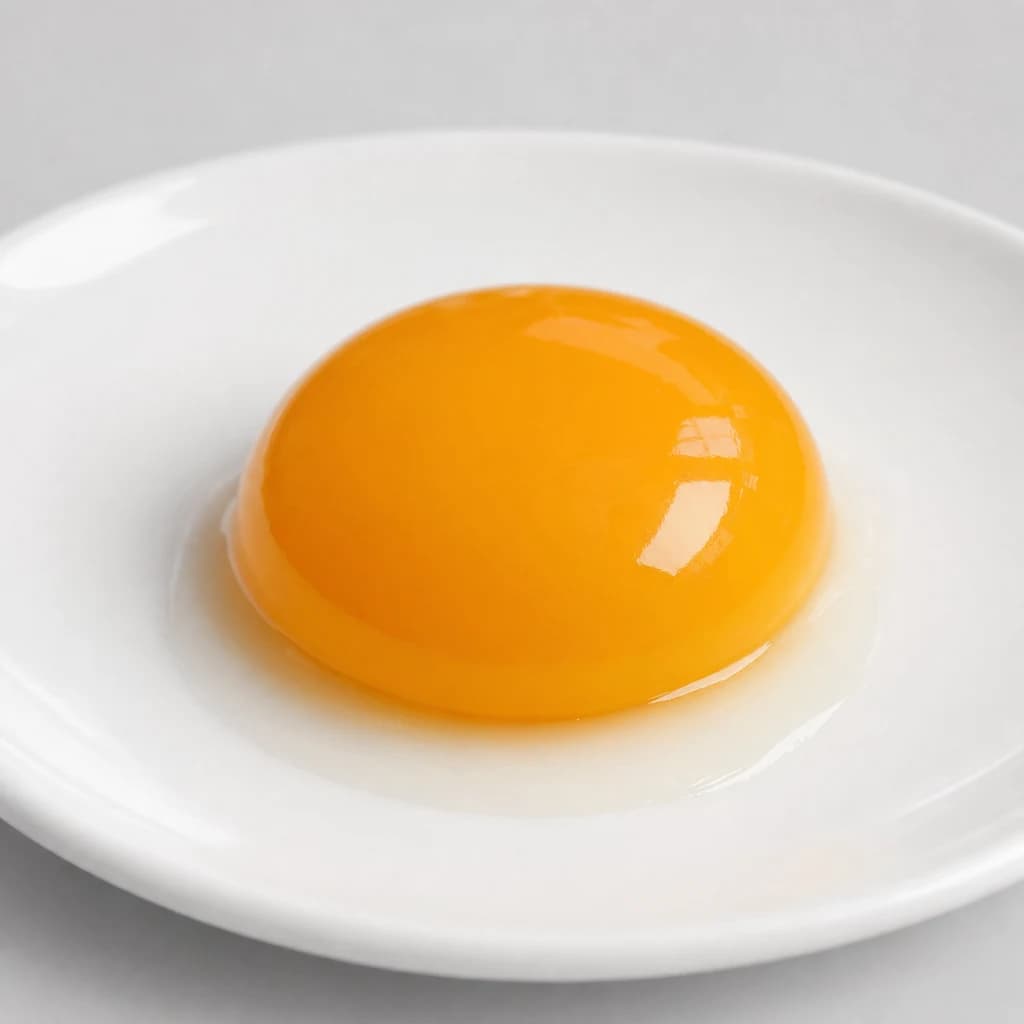
Egg Yolk
Rich, golden yolk for custards, mayonnaise, and pasta

Quail Egg
Tiny, speckled eggs for garnishing and elegant bites