Proteins
Flounder (Hirame)
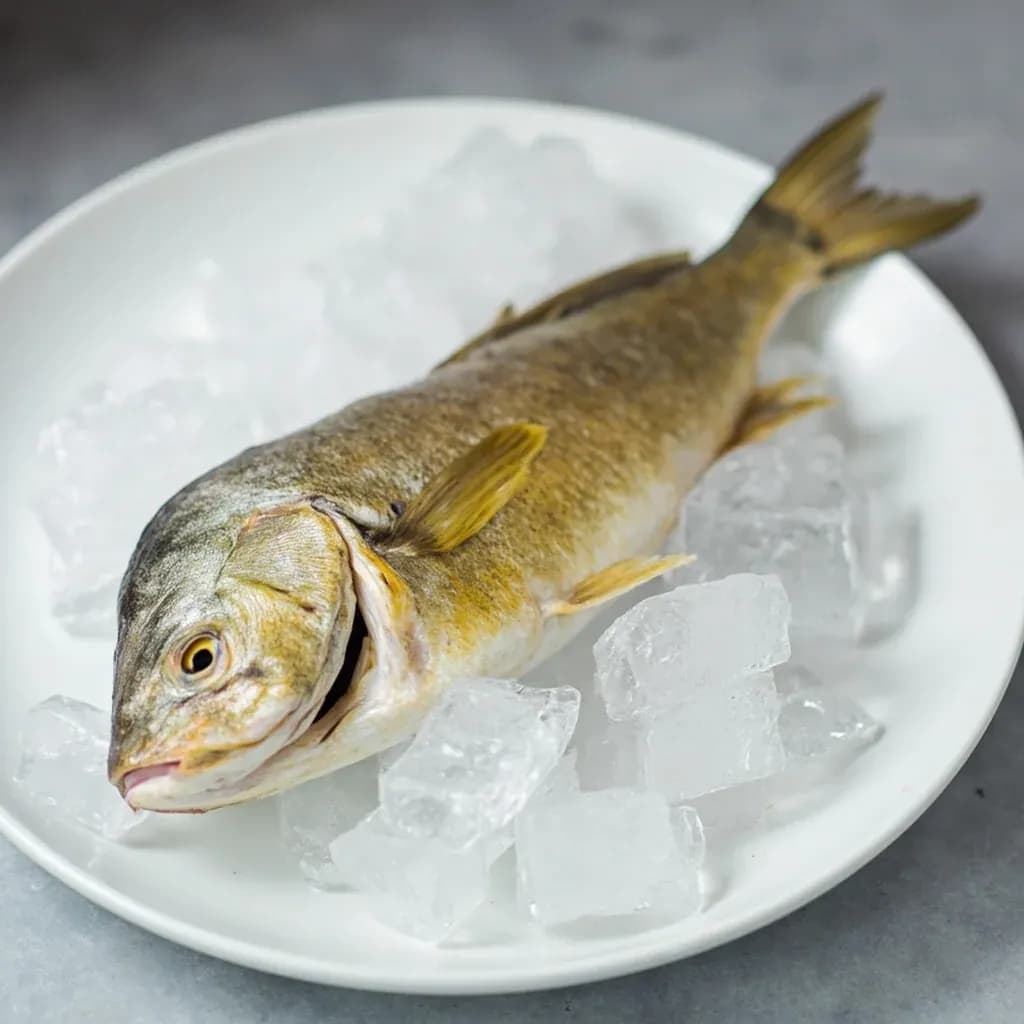
Mild lean flatfish, sliced thin as hirame sashimi or pan-fried whole.
Flounder is a lean, mild-flavored flatfish with delicate white flesh. In Japan, hirame is sliced thin for sashimi and prized for its subtle sweetness and firm bite, while in the West it is pan-fried, baked, or stuffed. Its thinness makes it cook quickly and pair well with light sauces.
Flounder refers to several species of flatfish prized for their exceptionally mild, clean-flavored flesh. In Japanese cuisine, the fish is called hirame (Paralichthys olivaceus), while North American varieties include summer flounder, also known as fluke (Paralichthys dentatus), and winter flounder or blackback (Pseudopleuronectes americanus). The fish has a distinct flat body, with both eyes on one side, and is caught wild or farmed across the North Pacific and Atlantic coasts.
What makes flounder remarkable in the kitchen is its combination of delicacy and versatility. The flesh is snow-white, firm yet tender, and flakes easily with the gentlest pressure. Its extremely low fat content (1–2%) means the flavor is clean and subtle—no fishy edge when fresh—but also that the fish demands respect: overcooking turns it dry and mushy almost instantly. This is a fish that rewards attentive cooking and restraint in seasoning, making it a canvas for technique rather than a vehicle for bold flavors.
In Japanese kitchens, hirame is considered a premium sashimi fish, prized alongside tai (sea bream) for its natural sweetness and silky texture when sliced paper-thin. In European and American traditions, flounder excels in classic preparations like meunière, pan-frying whole, or in delicate poached preparations. The challenge for home cooks is accessing truly fresh fish and understanding its narrow window of optimal doneness—less than a minute for most cooking methods.
- Measured in
- g
- Storage
- Fridge
Allergens
Types & varieties
The premium variety; farmed and wild; prized for sashimi in Japanese cuisine; sweeter and more delicately flavored than Atlantic varieties
Paralichthys dentatus; US East Coast; lean, mild; slightly sweeter than winter flounder; excellent raw or pan-fried
Pseudopleuronectes americanus; Atlantic coast; firmer texture; mild flavor; traditionally used in New England chowders and fried preparations
Microstomus kitt; a true sole from Eastern Atlantic waters; mild, fine-textured; excellent for meunière preparation
North Atlantic flatfish; similar mild flavor; often sold skin-on; good for pan-frying whole
Selecting and Assessing Freshness
Because flounder's flavor is so restrained, any decline in freshness becomes immediately apparent. Smell alone is not reliable for this mild fish—the signs of quality are found elsewhere. Fresh flounder should have clear, convex eyes that bulge slightly; dull or sunken eyes indicate age. The gills should be bright red or pink, not brown or gray. The flesh should spring back when pressed and should not have a slimy or mushy texture. For sashimi use, buy whole fish when possible and request the fishmonger kill it by ikejime (spiking the brain), which dramatically improves texture and extends the usable window by preserving cellular integrity. Never buy flounder for raw service that has been sitting on ice for more than a few hours after death.
- Clear, bulging eyes indicate freshness
- Bright red or pink gills—not brown or gray
- Flesh springs back when pressed gently
- Request ikejime killing for sashimi-grade fish
- Avoid fish with any sour or ammonia-like odor
Filleting Flounder
Flounder filleting requires a sharp, flexible knife and patience. The skin adheres tightly to the flesh, particularly on farmed hirame, and the bones run along the centerline. Work from tail toward head, keeping the blade nearly parallel to the backbone to maximize yield. For the skin-side down fillet (the cleaner of the two), slide the blade between skin and flesh at the tail end, then grip the skin with a cloth and draw the knife forward at a slight angle while maintaining downward pressure on the blade. If the skin resists, salt it lightly and let it rest for 5 minutes—the flesh will release cleanly. Remove pin bones with fish tweezers before cooking. With practice, expect 35–45% yield to skin-on fillet from a whole fish.
- Use a sharp, flexible filleting knife
- Work tail-to-head with blade nearly parallel to bones
- Salt the skin 5 minutes before peeling for easier removal
- Remove pin bones with fish tweezers before cooking
- Expect 35–45% yield from whole to skin-on fillet
Common uses
Tips & pitfalls
- Buy from a trusted fishmonger; flounder's mild flavor means any lack of freshness is immediately obvious
- For sashimi, request ikejime killing—this dramatically improves texture and shelf life
- When filleting, work from the tail toward the head with the blade nearly parallel to the bones to maximize yield
- Salt the skin lightly and let it sit 5 minutes before peeling—the flesh will release cleanly
- Do not overcook: flounder turns dry and mushy in under a minute at high heat; pull it from the pan the moment it turns opaque
- If pan-frying whole, score the flesh 3–4 times to the bone to prevent curling and ensure even cooking
- For a crispier crust when pan-frying fillets, pat them completely dry and let them rest uncovered in the refrigerator for 30 minutes before cooking
- Use flounder the day of purchase if serving raw; smell is not always a reliable indicator of freshness for mild fish—check the gills and eyes instead
Nutrition
Energy
293 kJ · per 100 g
Where the calories come from
Protein
12.4g
25% DV
Carbs
0g
0% DV
Fat
1.9g
2% DV
Fiber
0g
0% DV
Sugars
0g
of which
Sodium
296mg
13% DV
Source · USDA FoodData Central · Fish, flatfish (flounder and sole species), raw
View on FDC →In the shops
Matched grocery products
No matched grocery products for Flounder (Hirame) yet.
Good to know
- Scientific Name
- Paralichthys olivaceus (Japanese hirame); P. dentatus (summer flounder); Pseudopleuronectes americanus (winter flounder)
- Origin
- North Pacific (Japan, Korea, China) and Atlantic coasts of North America
- Peak Season
- December–February (winter; hirame is considered a cold-season fish in Japan)
- Flavor
- Mild, subtly sweet, clean briny taste with no fishy edge when fresh
- Texture
- Firm but delicate; flesh flakes easily; snow-white when cooked
- Fat Content
- Very low (1–2%); classified as a lean fish
- Yield
- 35–45% from whole to skin-on fillet; 30–35% to skinless
- Shelf Life
- 1–2 days raw; cook same day for sashimi use
Substitutes
- Dover Sole — Nearly identical texture and mildness; slightly nuttier flavor; best substitute for European preparations
- Brancacio (Sea Bass) — Firm, mild white fish; holds up better to grilling; less delicate than flounder but a valid substitute
- Halibut — Lean and mild but denser; requires slightly longer cooking; works for pan-frying and grilling
- Red Snapper — Slightly firmer and mildly sweet; works in most applications but not ideal for raw preparations
- Plaice — Very similar mild flavor and texture; can be used interchangeably in most cooked applications
- Turbot — Premium substitute; firm but delicate; excellent for pan-frying whole or as a refined sashimi fish
Pairs with
Also called
Hirame · Fluke · Flatfish
Appears in these dishes
Related
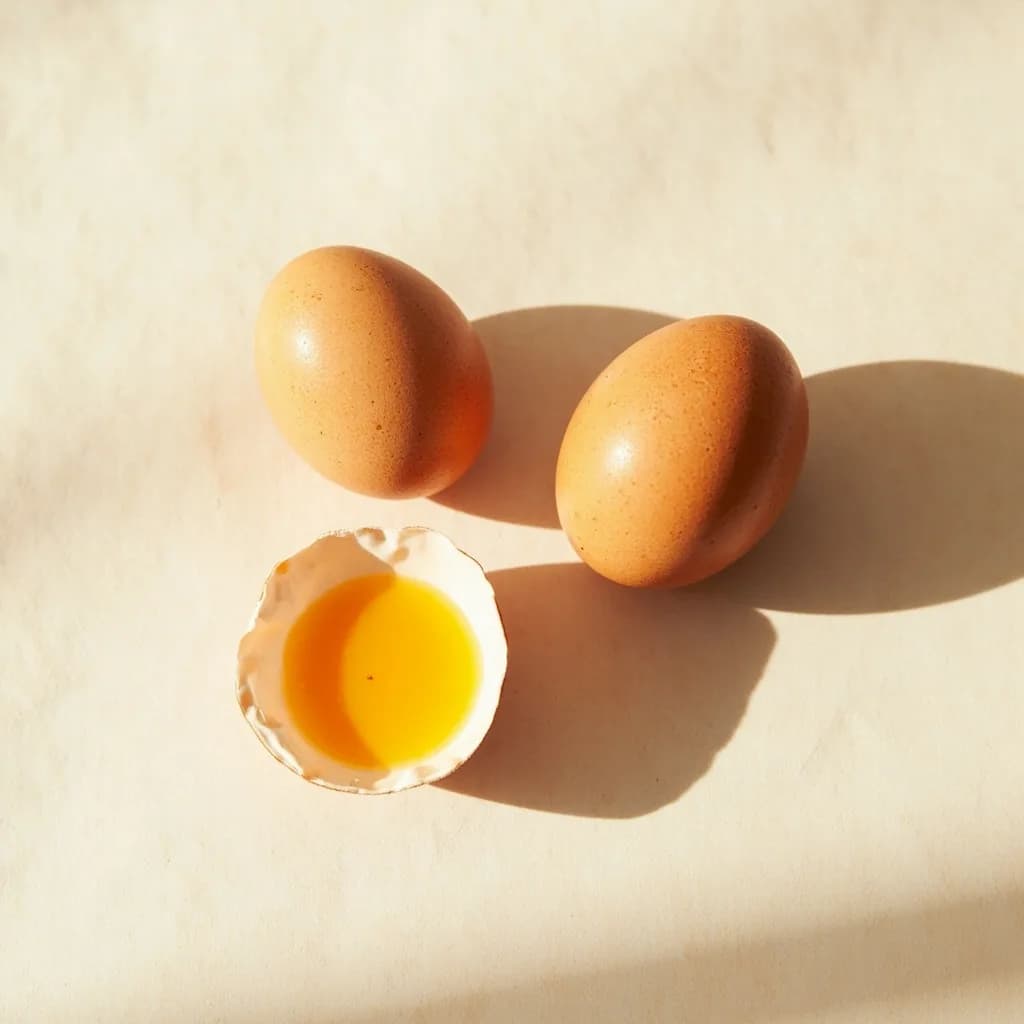
Egg
The kitchen's everything ingredient — bind, leaven, enrich, or fry
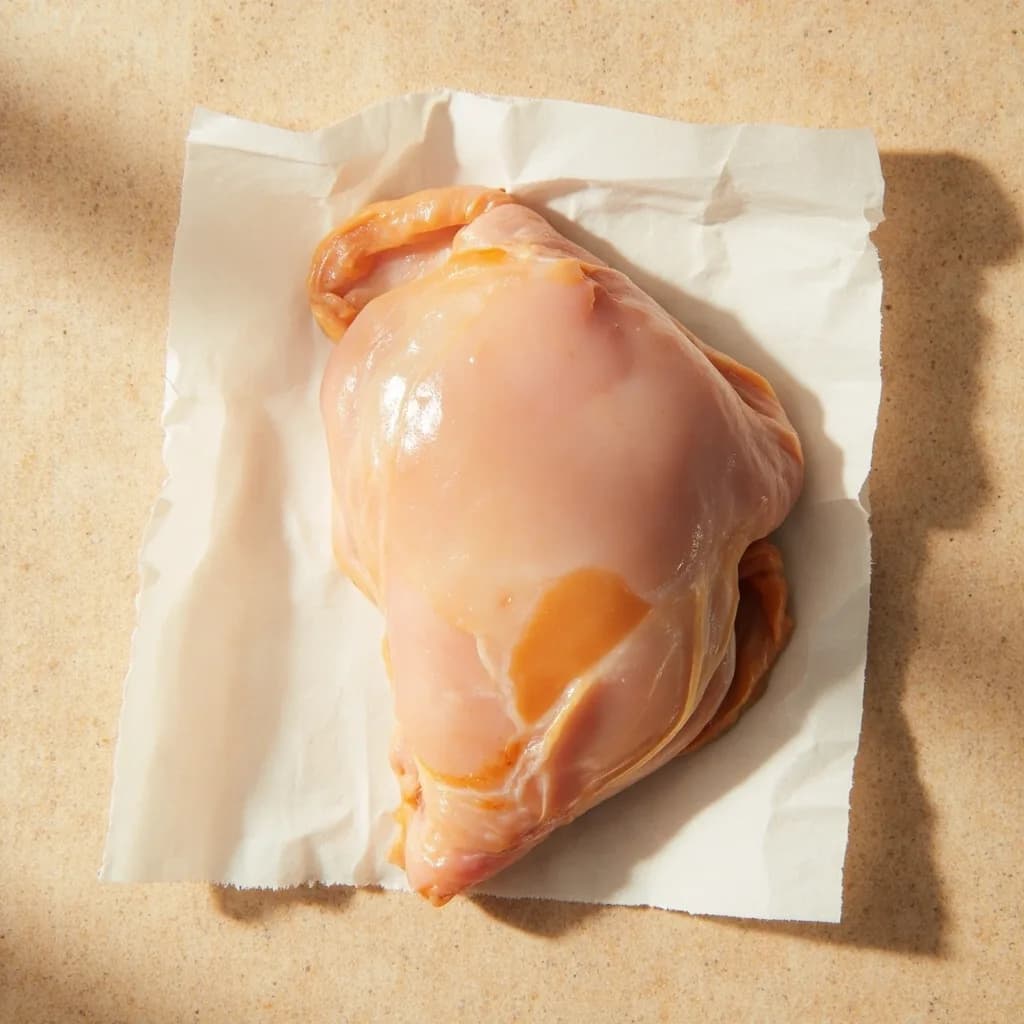
Chicken Breast
Lean, quick-cooking white meat for everyday dinners

Ground Beef
Versatile minced beef for burgers, ragù, tacos, and meatballs
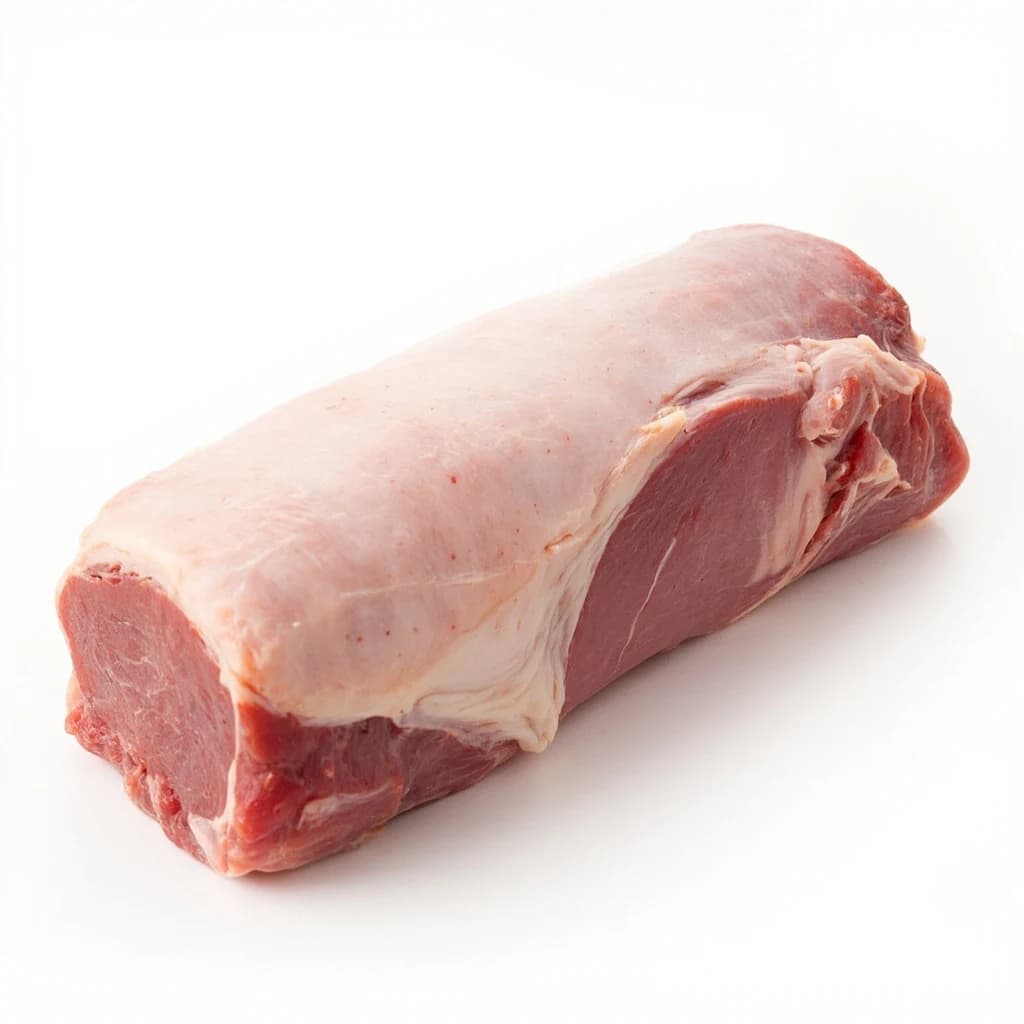
Pork Loin
Lean, tender roasting cut that stays juicy with care
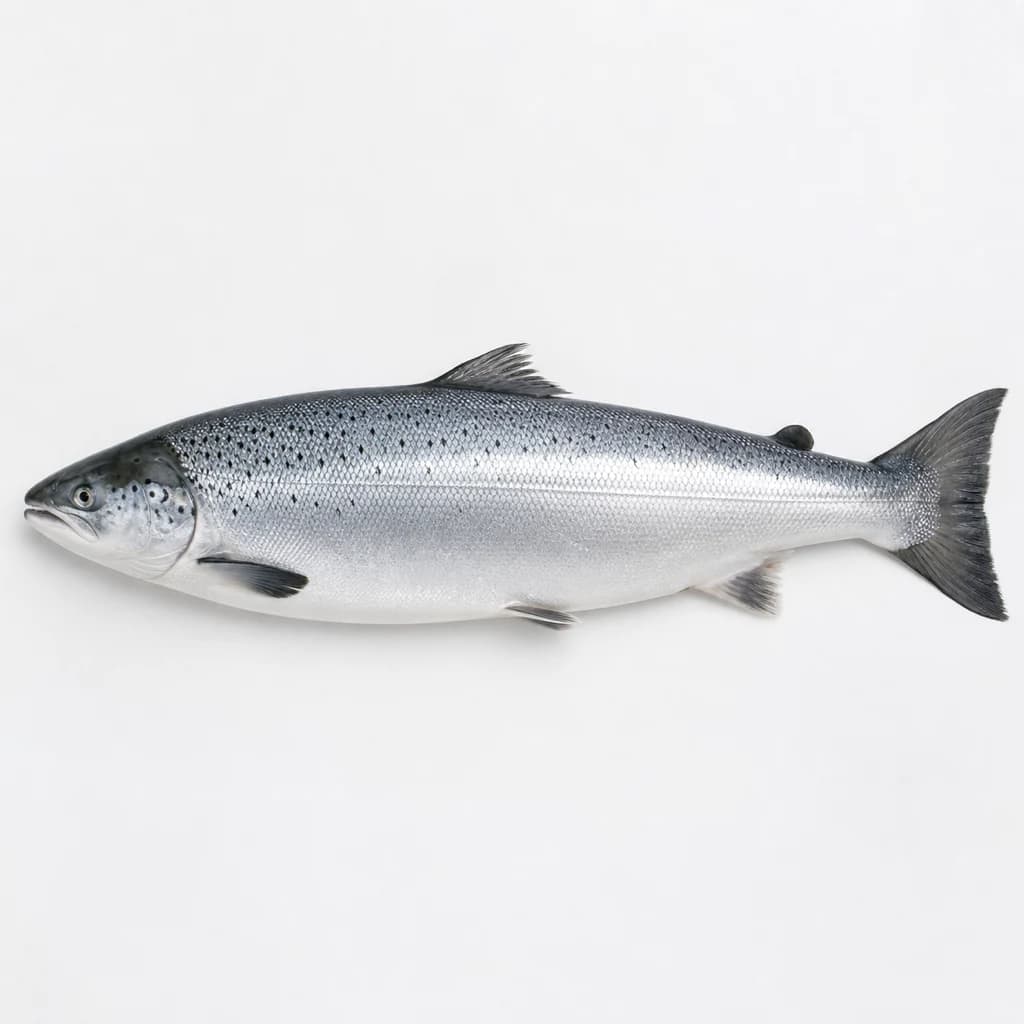
Salmon
Rich, rosy fish that roasts, grills, or cures beautifully

Egg White
Pure protein that whips to airy peaks for meringue and more
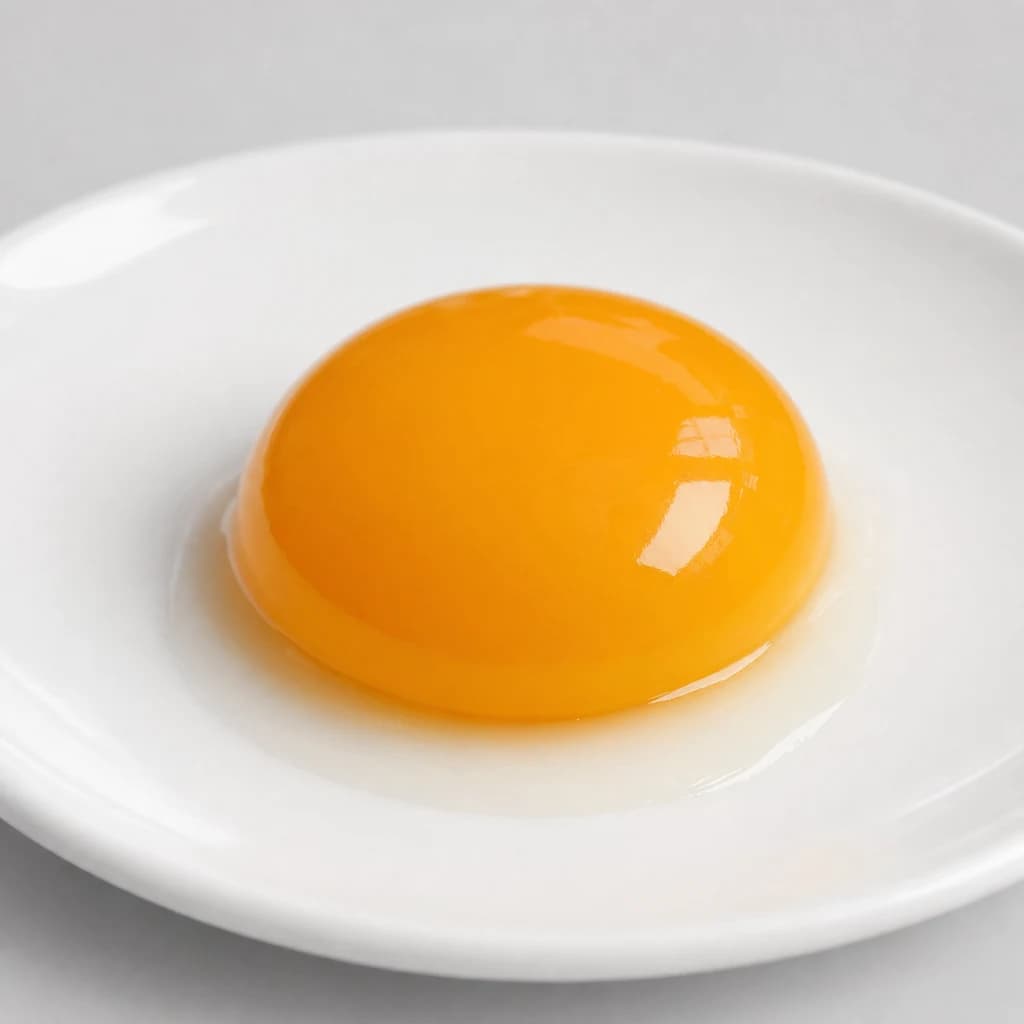
Egg Yolk
Rich, golden yolk for custards, mayonnaise, and pasta

Quail Egg
Tiny, speckled eggs for garnishing and elegant bites