Proteins
Dover Sole
Prized flatfish with delicate, firm white flesh, classically pan-fried whole.
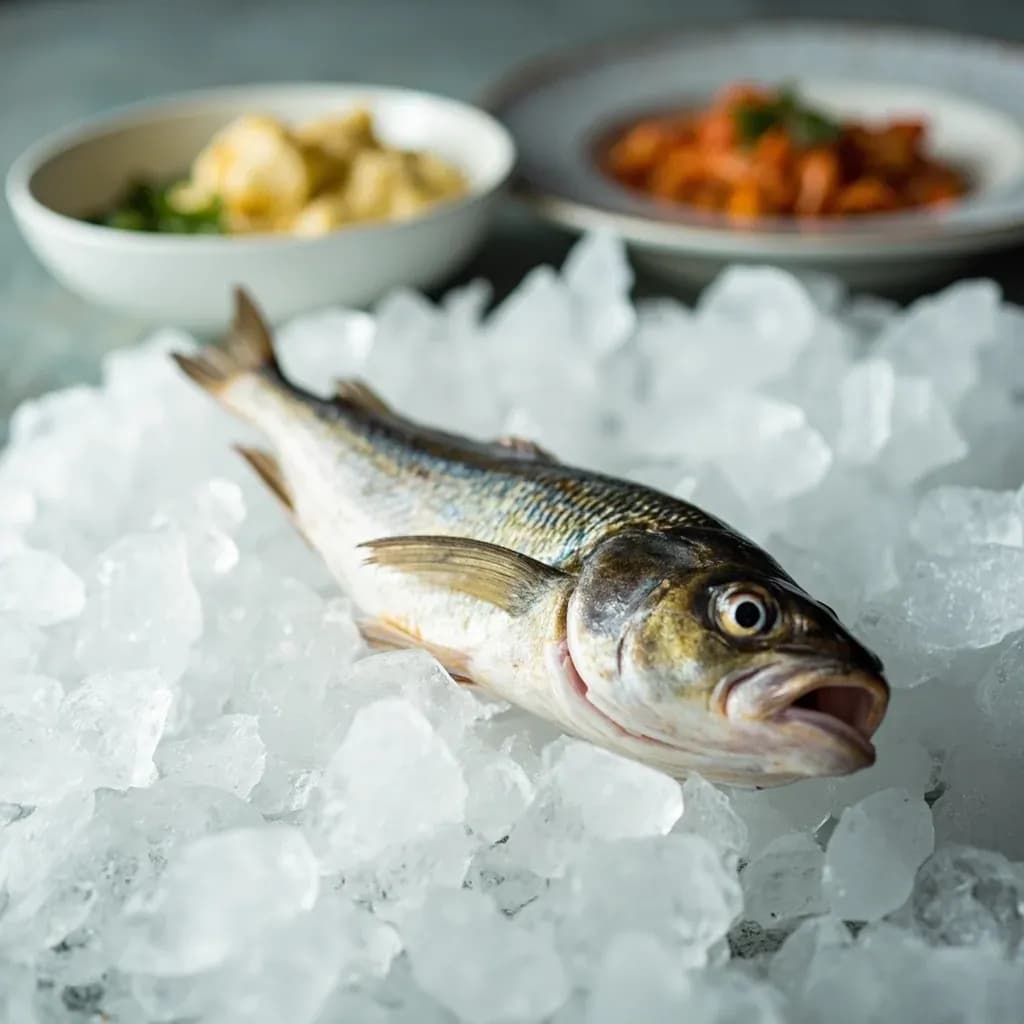
Dover sole is a flatfish esteemed for its fine, firm white flesh and subtle sweet flavor. It is a fixture of European fine dining, classically pan-fried meunière in butter or grilled whole and filleted tableside. Its firm texture holds up better than most flatfish, making it forgiving to cook.
Dover sole is the gold standard of European flatfish, prized for flesh that is simultaneously delicate and firm—a rare combination that holds its shape during cooking yet yields with the lightest touch of a fork. This left-eyed flatfish (both eyes sit on the left side when viewed from above) inhabits sandy and muddy bottoms from the British Isles through the North Sea to the Mediterranean. Its mild, slightly sweet flavor with subtle oceanic notes makes it one of the few fish that can carry a simple brown butter sauce without being overpowered, which is why it has anchored French and British fine dining menus for centuries. The dense, fine-textured white flesh flakes easily when properly cooked but becomes dry and tough if overdone—a margin of error that demands respect and attention.
The fish's structure creates both opportunity and challenge in the kitchen. The dark brown dorsal skin, which is removed before serving, adheres more firmly than most flatfish and turns papery when cooked. The underside skin is edible but extremely delicate and is typically removed for most preparations. The yield after filleting and skinning is modest—approximately 50–55%—which contributes to the premium price. Whole pan-frying is the classic preparation: scoring the dark skin prevents curling, and starting in a hot pan with butter allows the skin to crisp quickly before the flesh overcooks, creating a golden crust while the flesh remains moist and tender within. This technique, refined in French culinary tradition, showcases why Dover sole commands its reputation.
Sourcing matters enormously with this fish. It is heavily fished and slow-growing, making sustainability a genuine concern—look for line-caught or sustainably certified options. The fish is also frequently mislabeled; true Dover sole (Solea solea) has a distinct left-sided eye placement that distinguishes it from similar-looking imposters. When purchasing whole, clear bright eyes, reddish gills, and a clean sea-breeze smell (never fishy) indicate freshness. Transport on ice and use within 24–48 hours; the flesh deteriorates rapidly once past its prime, losing the subtle sweetness that defines it.
- Measured in
- g
- Storage
- Fridge
Allergens
Types & varieties
The standard market fish; dark brown/grey skin on dorsal side, creamy white on underside; left-eyed flatfish with both eyes on the left side when viewed from above
Smaller specimens sometimes sold as 'petite sole'; same species, younger fish, excellent quality but cook more quickly
Different family (Scophthalmidae) but often sold alongside Dover sole in some markets; slightly softer texture and more diamond-shaped body; not a true sole
Buying and Assessing Freshness
The eyes and gills tell the story. Eyes should be clear and bulging, not sunken or clouded. Gills must be bright reddish-pink, never brown or slimy. Press the flesh—it should spring back immediately, leaving no indentation. The smell should be clean and oceanic, like fresh seawater, never sour or ammonia-like. If buying fillets, look for moist, glistening flesh with no darkening or drying at the edges. Avoid any fillets that appear dull or have a strong fishy odor. Given the premium price and frequent mislabeling, buy from a fishmonger you trust who can confirm the left-sided eye placement on whole fish.
- Clear, bulging eyes indicate freshness; sunken or cloudy eyes mean the fish is past its best
- Bright reddish gills, not brown or slimy, are a reliable freshness indicator
- Flesh should spring back when pressed—dented flesh means the fish is losing moisture and quality
- Clean sea-breeze smell, never sour or ammonia-like
Filleting Dover Sole at Home
If filleting whole Dover sole yourself, begin by removing the head with a sharp knife, cutting just behind the gill plate. With the fish flat and skin-side down, make a shallow cut behind the head cavity. Working from tail toward head, slide your flexible filleting knife along the backbone with short, controlled strokes, keeping the blade as flat as possible against the bones. The skin adheres more firmly than most flatfish, so use a cloth to grip the tail end if needed. After removing both fillets, remove the dark dorsal skin by sliding the knife between skin and flesh at an angle—this skin is inedible and must come off. Always remove the black membrane (peritoneum) on the interior of the fillet after skinning; this bitter membrane will taint the mild flesh if left behind. The yield is low—expect roughly 50–55% usable meat—so factor this into portion planning.
- Work from tail toward head with short, controlled strokes of a flexible knife
- The dark dorsal skin adheres firmly—use a cloth for grip and work at a shallow angle
- Always remove the black peritoneum membrane after skinning; it is bitter
- If this seems daunting, ask your fishmonger to fillet the fish; most will do this cleanly
Common uses
Tips & pitfalls
- Always remove the black membrane (peritoneum) from the fillet after skinning—it's bitter and will taint the mild flesh
- Score the dark skin deeply before pan-frying to prevent curling and ensure even cooking; the skin is inedible and must be removed before serving
- Use a non-stick or well-seasoned cast iron pan for whole-fish frying; the delicate skin sticks easily
- Rest cooked fish 2–3 minutes before serving—this allows the flesh to firm slightly and finish cooking evenly
- When filleting, work from the tail toward the head using short, controlled strokes of a flexible knife; Dover sole skin adheres more firmly than most flatfish
- Never overcook—Dover sole is done when the flesh turns opaque throughout and registers 135°F (57°C); it will continue cooking from residual heat
- For pan-frying whole, start skin-side down in a hot pan with butter to crisp the skin quickly before the flesh overcooks
- Buy from a trusted fishmonger; Dover sole is expensive and frequently mislabeled—true Dover sole has a distinct left-sided eye placement
- If filleting at home, ask your fishmonger to remove the head and guts; scoring through the gill plate is the cleanest way to gut whole flatfish
Nutrition
Nutrition
No USDA FoodData Central match for Dover Sole yet. We surface a per-100 g profile once a generic whole-food entry is matched and verified.
In the shops
Matched grocery products
No matched grocery products for Dover Sole yet.
Good to know
- Scientific Name
- Solea solea
- Origin
- Northeast Atlantic, North Sea, and Mediterranean Sea; named for the historic fishing port of Dover, England
- Family
- Soleidae (true soles)
- Average Size
- 25–50 cm (10–20 in); market size typically 300–600 g whole
- Peak Season
- Late spring through early autumn (May–September)
- Flavor Profile
- Mild, sweet, clean; subtle oceanic notes with a hint of sweetness
- Yield
- Approximately 50–55% after filleting and skinning
- Shelf Life
- Use within 1–2 days when refrigerated on ice; highly perishable
- Difficulty
- Moderate—filleting requires skill due to delicate flesh and firmly attached skin
Substitutes
- Lemon Sole — Milder flavor and slightly softer texture; readily available and about 30% less expensive; acceptable in most preparations
- Brill — Firmer flesh with a slightly sweeter flavor; excellent substitute for pan-frying; closely related flatfish with similar cooking behavior
- Turbot — Premium substitute with richer flavor and denser flesh; excellent but significantly more expensive; cut into portions if substituting for fillets
- Dover Sole Fillets (frozen) — Flash-frozen at sea, often superior quality to 'fresh' fish that has sat on ice for days; IQF fillets are convenient and widely available
- Flounder — More readily available and less expensive; slightly sweeter but less firm; reduce cooking time accordingly
Pairs with
Also called
Sole
Related
Egg
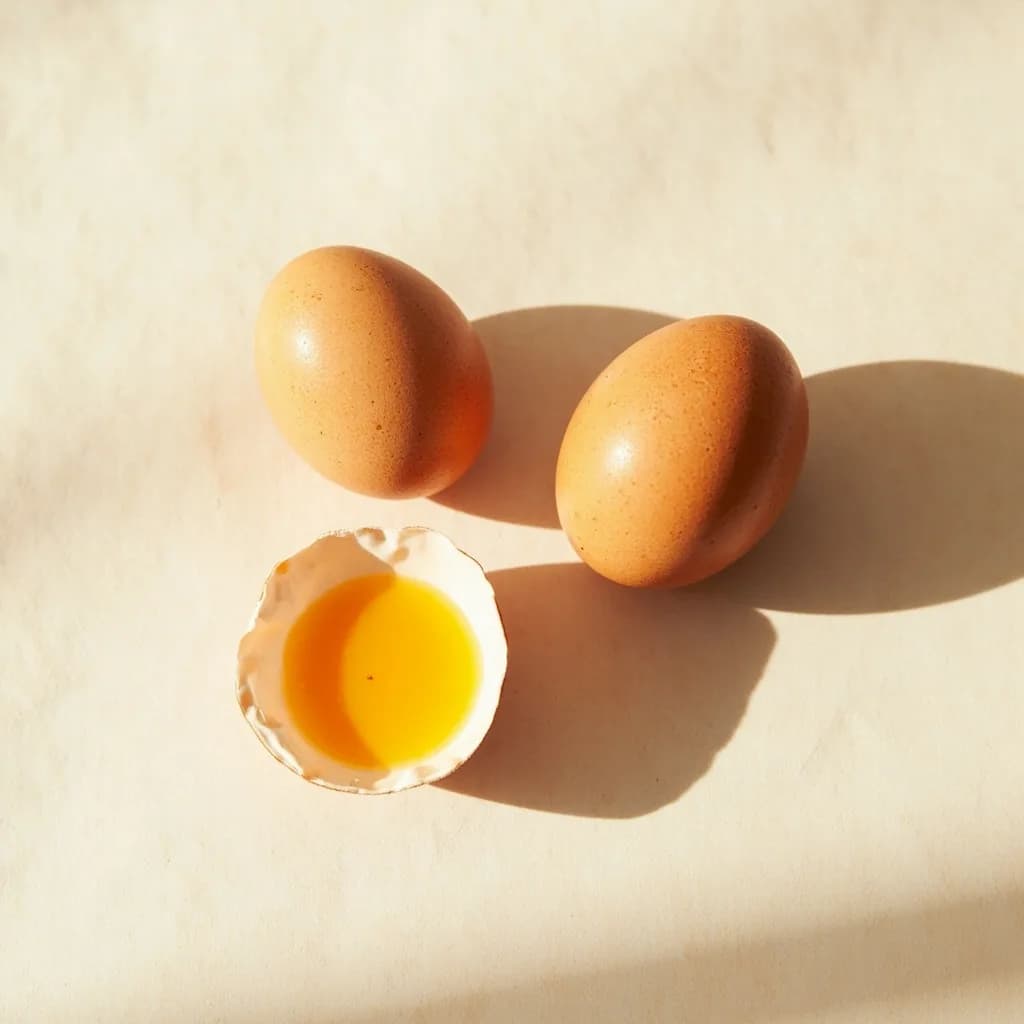
The kitchen's everything ingredient — bind, leaven, enrich, or fry
Chicken Breast
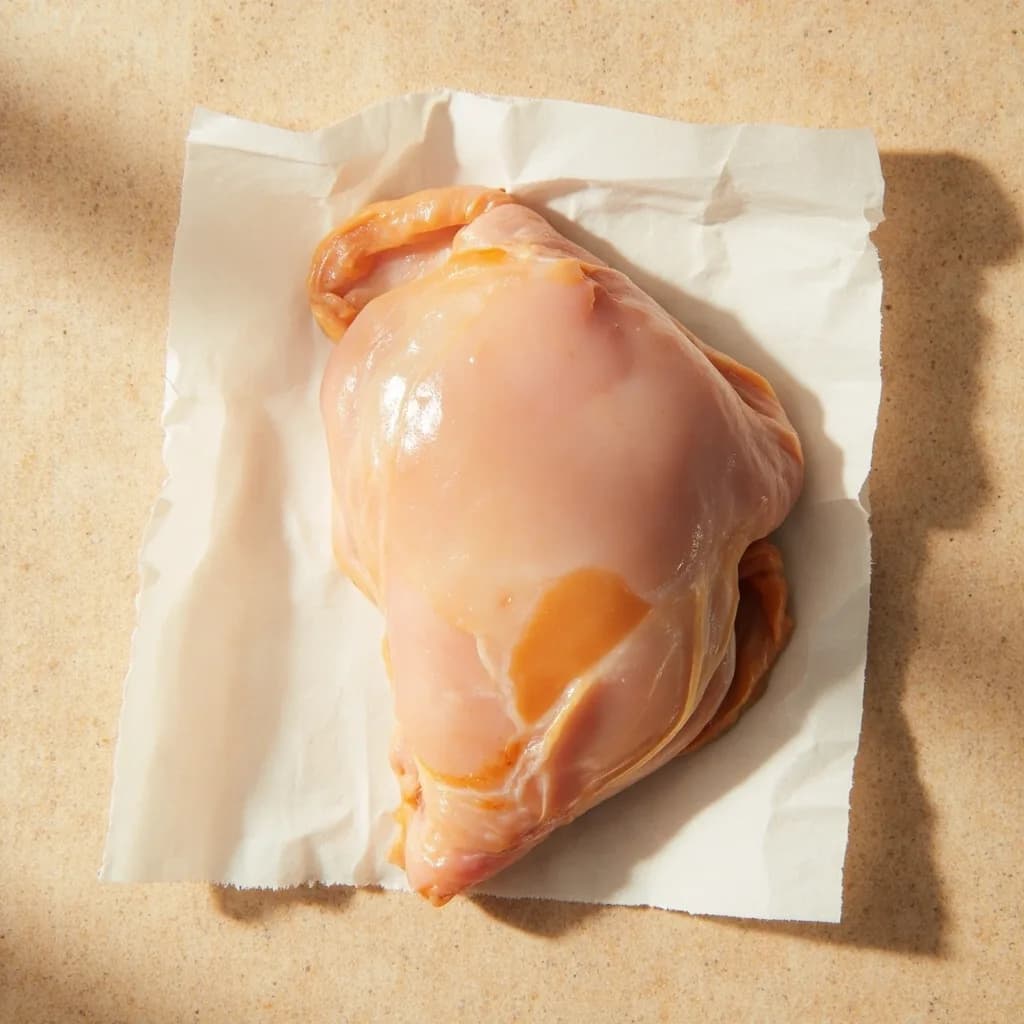
Lean, quick-cooking white meat for everyday dinners

Ground Beef
Versatile minced beef for burgers, ragù, tacos, and meatballs
Pork Loin
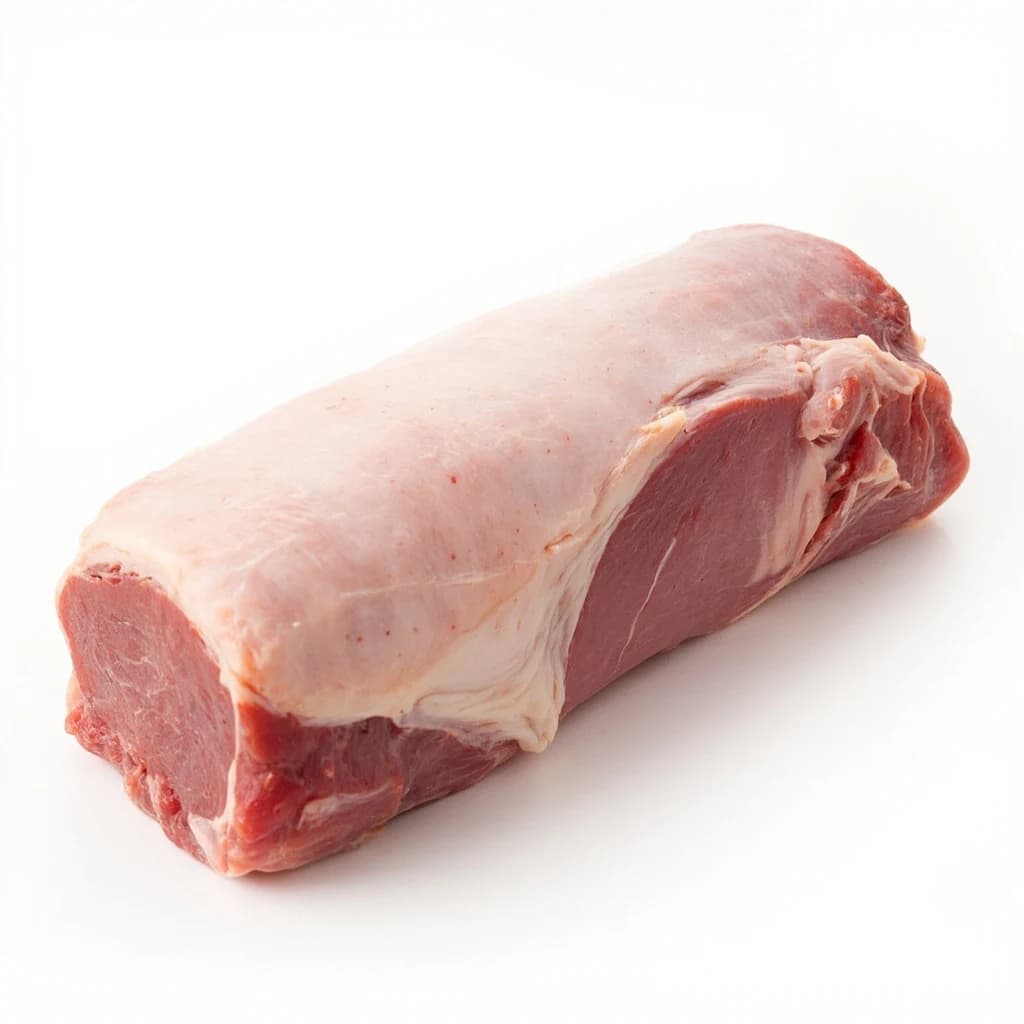
Lean, tender roasting cut that stays juicy with care
Salmon
Rich, rosy fish that roasts, grills, or cures beautifully

Egg White
Pure protein that whips to airy peaks for meringue and more

Egg Yolk
Rich, golden yolk for custards, mayonnaise, and pasta

Quail Egg
Tiny, speckled eggs for garnishing and elegant bites