Proteins
Grey Mullet (Bouri)
Mild estuary fish grilled or baked whole across the Mediterranean and Middle East.
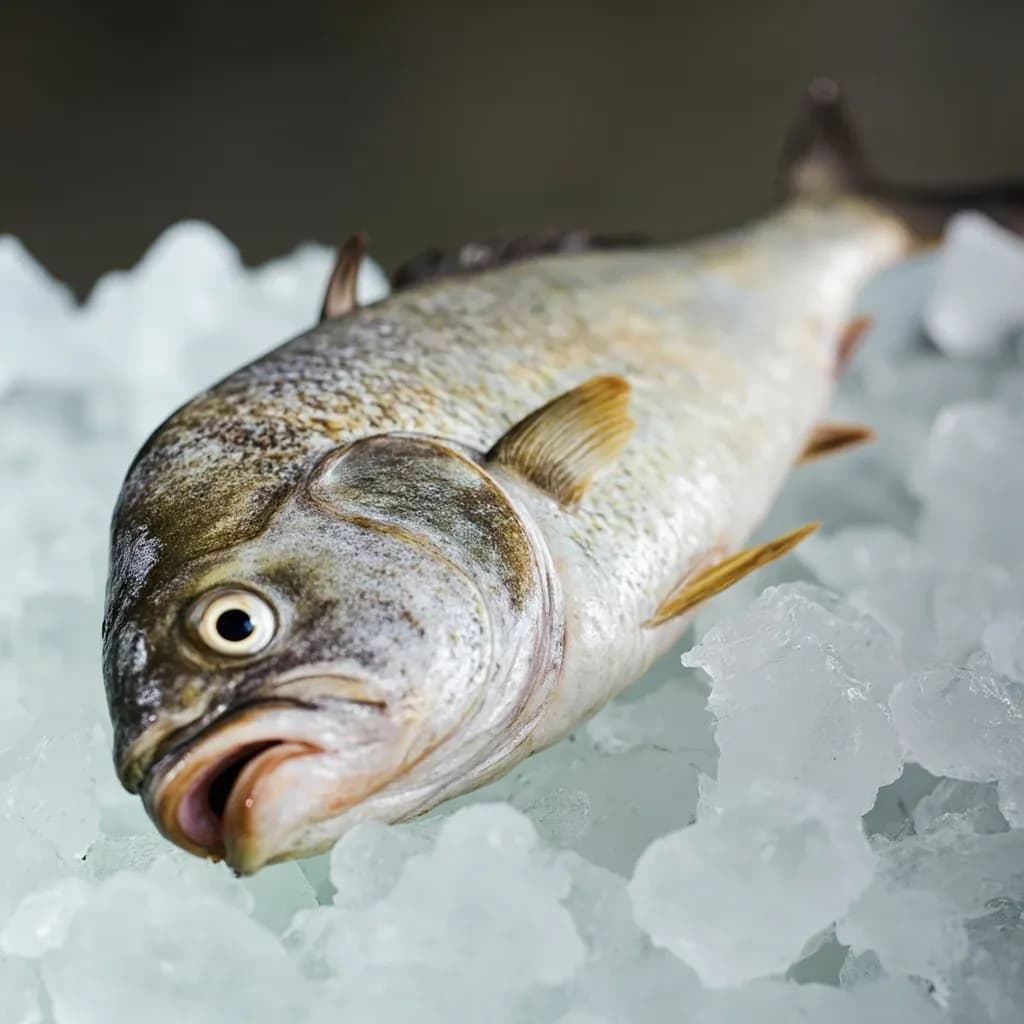
Grey mullet is a silvery coastal and estuary fish with firm, mildly flavored white flesh. Known as bouri in the Levant and North Africa, it is grilled, baked whole, or salted; its roe is also cured into bottarga. It pairs well with lemon, garlic and olive oil.
Grey Mullet (Mugil cephalus), known as bouri throughout the Eastern Mediterranean and Israel, is one of the oldest fish in human cultivation—the Romans practiced mullet aquaculture as early as the first century, valuing both the flesh and the prized roe they called ova tauri, or 'bull's eggs.' Today, most commercial supply comes from Mediterranean and Black Sea fisheries, with significant aquaculture production in Israel, Turkey, Egypt, and Taiwan, where the fish's remarkable tolerance for varying salinity makes estuarine farming practical. The flesh is often dismissed as humble compared to more celebrated Mediterranean fish, but this assessment misses the point: properly prepared—grilled whole over charcoal with nothing more than olive oil, lemon, and sea salt—grey mullet holds its own against any fish in the sea. Its moderate fat content keeps the flesh moist through cooking, delivering a mild, slightly sweet flavor with fine flakes and medium-firm texture. Most importantly, the roe sac is not a byproduct to discard: when cured into bottarga (or boutargue), it becomes one of the Mediterranean coast's most treasured ingredients, particularly the Sardinian and Sicilian varieties of bottarga di muggine.
- Measured in
- g
- Storage
- Fridge
Allergens
Types & varieties
Most common species; silvery body with distinctive dark horizontal stripes; the primary source of bottarga
Smaller, more tropical; common in the Americas and West Africa
Distinguished by notably thick upper lip; common in Eastern Atlantic and Mediterranean
Smaller species; occasional bycatch; less commercially significant
The Roe: Bottarga
Do not discard the roe. In many markets, particularly in Italy, Greece, and North Africa, the cured roe sac commands a higher price than the fish itself. Italian bottarga di muggine from Sardinia and Sicily are the benchmarks—firm, orange-gold lobes wrapped in beeswax or vacuum-sealed. The Romans called it ova tauri (bull's eggs) and considered it a delicacy fit for emperors. To use bottarga, shave paper-thin slices over pasta, salads, or simply over bread and butter. For a more pronounced flavor, toast shavings briefly in a dry pan until fragrant. In Tunisia and Libya, a similar product called poutargue is pressed into rounds rather than lobes.
Common uses
Tips & pitfalls
- Select fish with clear, bulging eyes and bright red or pink gills—avoid fish with sunken eyes or a strong fishy odor
- Scale thoroughly before cooking, especially for whole preparations—a spoon or specialized scaler works efficiently against the grain
- Score the fish on both sides before grilling to allow fat and seasonings to penetrate and prevent curling
- Leave the skin on during cooking—it protects the flesh and becomes pleasantly crisp when grilled
- The pin bones are numerous but small—use tweezers or a dedicated boning technique for filleted preparations
- Do not overcook—mullet turns dry and tough past medium doneness, approximately 10 minutes per inch of thickness at medium-high heat
- Bottarga should be shaved or grated over dishes—toast it briefly in a dry pan to intensify the flavor before serving
- Common mistake: over-marinating—the fish's natural oiliness causes it to absorb strong flavors too readily; 30 minutes maximum in acidic marinades
- For grilling whole, stuff the cavity with lemon slices and fresh herbs rather than heavy bread stuffings
- When purchasing for bottarga, seek firm, orange-gold roe sacs; pale or soft roe indicates poor quality or improper handling
Nutrition
Energy
490 kJ · per 100 g
Where the calories come from
Protein
19.4g
39% DV
Carbs
0g
0% DV
Fat
3.8g
5% DV
Fiber
0g
0% DV
Sugars
0g
of which
Sodium
65mg
3% DV
Source · USDA FoodData Central · approx. Fish, mullet, striped, raw
View on FDC →In the shops
Matched grocery products
No matched grocery products for Grey Mullet (Bouri) yet.
Good to know
- Scientific Name
- Mugil cephalus (Striped Mullet); Mugil curema (White Mullet)
- Origin
- Mediterranean Sea, Black Sea, Atlantic coast; widely naturalized
- Habitat
- Coastal waters, estuaries; enters freshwater; highly adaptable
- Season
- Peak October–February; year-round from aquaculture
- Typical Size
- 30–60 cm (12–24 in); 0.5–2 kg (1–4 lbs)
- Flavor Profile
- Mild, slightly sweet; medium-firm flesh with fine flakes; not dry
- Fat Content
- Moderate; 3–8% depending on season and source
- Texture
- Medium-firm; pin bones present; scales typically removed before cooking
- Yield
- Approximately 45–50% edible flesh when filleted
- Storage
- Refrigerate on ice; use within 1–2 days. Freeze at 0°F (-18°C) for up to 3 months
- Key Product
- Bottarga (boutargue) — cured, pressed roe; prized throughout the Mediterranean
Substitutes
- Sea Bream (Daurade/Orata) — Similar mild flavor and texture; slightly higher fat content; best for grilling and baking
- Sea Bass (Branzino/Loup de Mer) — Comparable mildness and flaky texture; firmer flesh; ideal for whole preparations
- Red Mullet (Surmullet) — More flavorful and prized; use 1:1 but expect a stronger fish taste
- Red Snapper — Firm, mild white fish; excellent for baking and pan-roasting
- Cod — Milder flavor; better for soups and stews where it benefits from cooking liquid
Pairs with
Also called
Bouri · Flathead Mullet
Appears in these dishes
Related

Egg
The kitchen's everything ingredient — bind, leaven, enrich, or fry

Chicken Breast
Lean, quick-cooking white meat for everyday dinners

Ground Beef
Versatile minced beef for burgers, ragù, tacos, and meatballs

Pork Loin
Lean, tender roasting cut that stays juicy with care

Salmon
Rich, rosy fish that roasts, grills, or cures beautifully

Egg White
Pure protein that whips to airy peaks for meringue and more

Egg Yolk
Rich, golden yolk for custards, mayonnaise, and pasta

Quail Egg
Tiny, speckled eggs for garnishing and elegant bites