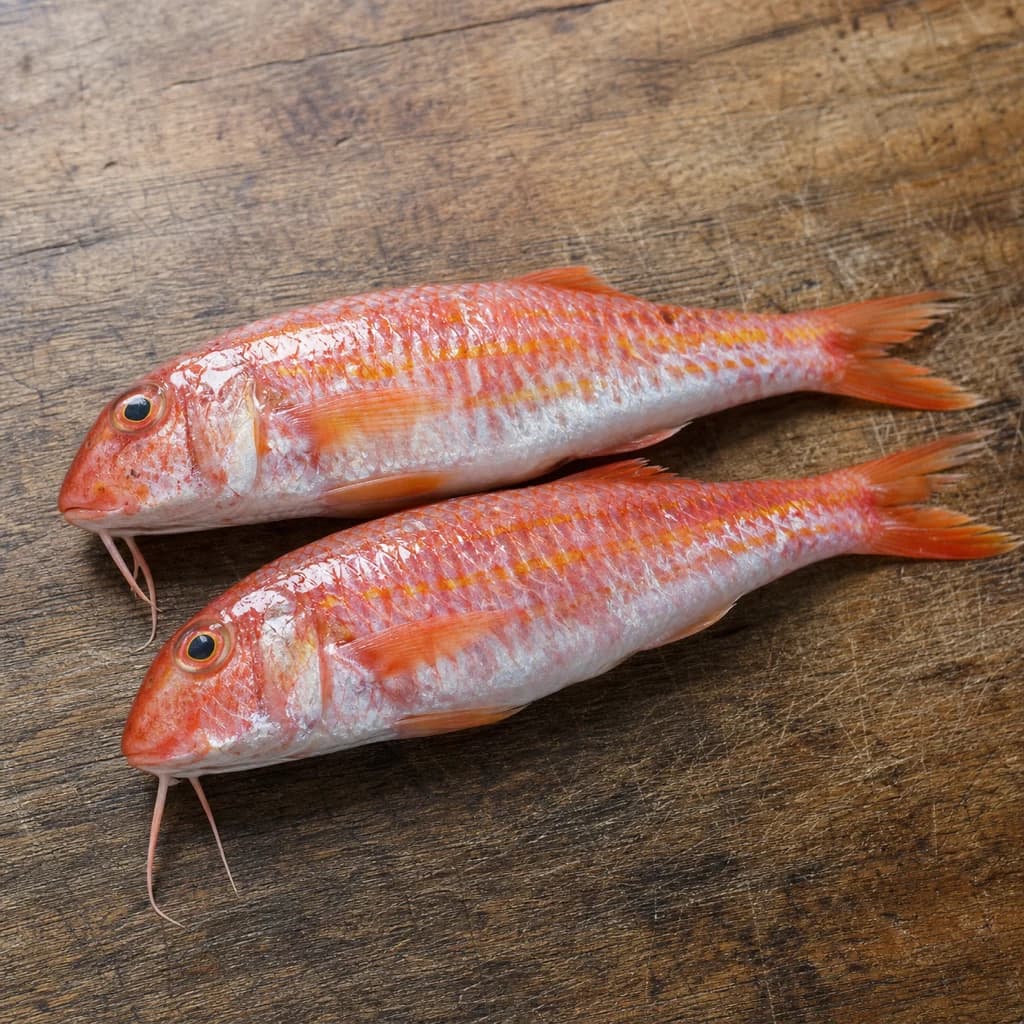
Natural form
Whole fresh red mullet showing its distinctive rosy skin and slender body.
Establishes the fish's unmistakable reddish coloration, size, and body shape so readers can recognize it at market.
Proteins
Red Mullet (Triglia)
Small, rosy Mediterranean fish with sweet, delicate flesh, often grilled or fried.
Red mullet is a small saltwater fish with reddish skin and tender, sweet, slightly nutty flesh. A Mediterranean favorite known in Italy as triglia, it is grilled, pan-fried, or roasted whole, often with its flavorful liver left in. Its delicate meat is best cooked simply with olive oil, lemon, and herbs.
Red mullet (Triglia) is a small, rosy fish native to the Mediterranean and Eastern Atlantic, belonging to the Mullidae family—commonly called the goatfish family, a reference to the paired barbels (whiskers) beneath its chin that were once believed to function as taste organs. Two species share culinary relevance: Mullus surmuletus, marked by horizontal amber stripes and found near rocky coasts, and Mullus barbatus, with uniform rosy-red coloration, dwelling over sandy and muddy bottoms. The Romans prized red mullet so highly that Livy records market prices exceeding those of lamb at certain periods, and the fish remained a cornerstone of Mediterranean haute cuisine through the Renaissance.
The flesh is sweet, delicate, and briny with a faint shellfish quality—firm yet yielding, with a fine flake. The skin crisps beautifully when seared, and the barbels, while unusual in presentation, are entirely edible and add textural interest. In Italian markets, triglie are traditionally displayed whole with heads intact and bright red gills as the primary freshness signal. The fish is primarily wild-caught, with limited aquaculture in Turkey, Greece, and Italy; its short shelf life of one to two days on ice makes it best purchased from sources with rapid turnover.
- Measured in
- g
- Storage
- Fridge
Allergens
Types & varieties
Distinguished by horizontal amber stripes along the body; preferred for the table. Found near rocky coasts and in Atlantic waters. Slightly firmer flesh and more intense flavor make it ideal for grilling.
Uniform rosy-red coloration without stripes; inhabits sandy and muddy bottoms. More common in commercial catches; slightly softer flesh with a subtler sweetness, often preferred for frying.
The Two Varieties in the Kitchen
In practice, the two species are frequently sold interchangeably, and many consumers never distinguish between them. However, experienced cooks note meaningful differences: triglia di scoglio (M. surmuletus) holds its shape better on high heat and develops a more pronounced sear, making it the choice for grilling and pan-roasting. Triglia di fango (M. barbatus) benefits from quick cooking methods like fritto misto, where its softer flesh is an asset rather than a liability. In French markets, these correspond to rouget-barbet de roche and rouget-barbet de vase respectively.
- Triglia di scoglio: superior for direct high-heat methods (grilling, broiling, pan-searing)
- Triglia di fango: superior for quick-frying and light batters
- When uncertain, ask your fishmonger which variety and catch location
Buying and Storing
Because red mullet deteriorates rapidly, purchasing from a vendor with high turnover is essential. The fish should be sold whole and head-on; fillets lose both freshness indicators and flavor. The gills are your single most reliable freshness test—bright red or pink rather than brown or gray. Eyes should be convex and glossy, not sunken. Press the flesh: it should spring back immediately and feel firm, never leaving an indentation. Once purchased, use within 24 hours; do not freeze unless absolutely necessary, and then only if frozen immediately at -18°C or below, consuming within three months.
Common uses
Tips & pitfalls
- Scale the fish just before cooking—small, firmly attached scales are easier to remove when wet
- Leave the skin on; it crisps beautifully during cooking and protects the delicate flesh
- Cook on the bone whenever possible; it insulates the flesh and deepens flavor
- Do not pierce the stomach cavity when cleaning; puncturing it imparts bitterness to the flesh
- Score the flesh at the thickest part before grilling to ensure even cooking throughout
- Bring the fish to room temperature for 20 minutes before cooking to avoid a raw center
- A heavy cast-iron or steel griddle gets hot enough to sear without sticking—do not use nonstick for high-heat searing
- Rest briefly after cooking; the flesh continues to cook and firms slightly off heat
- The barbels are edible and add textural interest; leave them on for both flavor and presentation
- Common mistake: overcooking. Red mullet is done when the flesh turns from translucent to opaque and just begins to flake; it will continue cooking off heat.
Nutrition
Nutrition
No USDA FoodData Central match for Red Mullet (Triglia) yet. We surface a per-100 g profile once a generic whole-food entry is matched and verified.
In the shops
Matched grocery products
No matched grocery products for Red Mullet (Triglia) yet.
Good to know
- Scientific Names
- Mullus barbatus (red mullet); Mullus surmuletus (striped red mullet)
- Family
- Mullidae (goatfish)
- Typical Size & Weight
- 15–30 cm; market weight 100–300 g
- Edible Yield
- 50–55% as fillets; 65–70% pan-dressed
- Peak Season
- Late summer through winter in Mediterranean; spring and autumn in Atlantic
- Flavor Profile
- Sweet, delicate, briny; faint shellfish quality; firm, tender flesh
- Freshness Indicators
- Bright, convex eyes; bright red or pink gills; firm, resilient flesh; clean, sea-breeze smell (never fishy)
- Price Point
- Moderate to high; M. surmuletus commands a premium over M. barbatus
Substitutes
- Snapper (red or pink) — Comparable sweetness and delicate texture; slightly larger so extend cooking time accordingly. Closest all-around substitute in both flavor and behavior.
- Sea Bream (Dorade) — Similar delicate flavor and flaky texture; available at similar price points. Flesh is slightly firmer, making it more forgiving for novice cooks.
- John Dory — Sweet, delicate flavor; firmer texture. Good substitute for pan-roasting. Less traditional visually but reliable.
- Grey Mullet (Muggine) — More robust, earthy flavor; firmer flesh. Significantly lower price point. Not ideal when subtlety is required.
Pairs with
Also called
Triglia · Rouget
Related
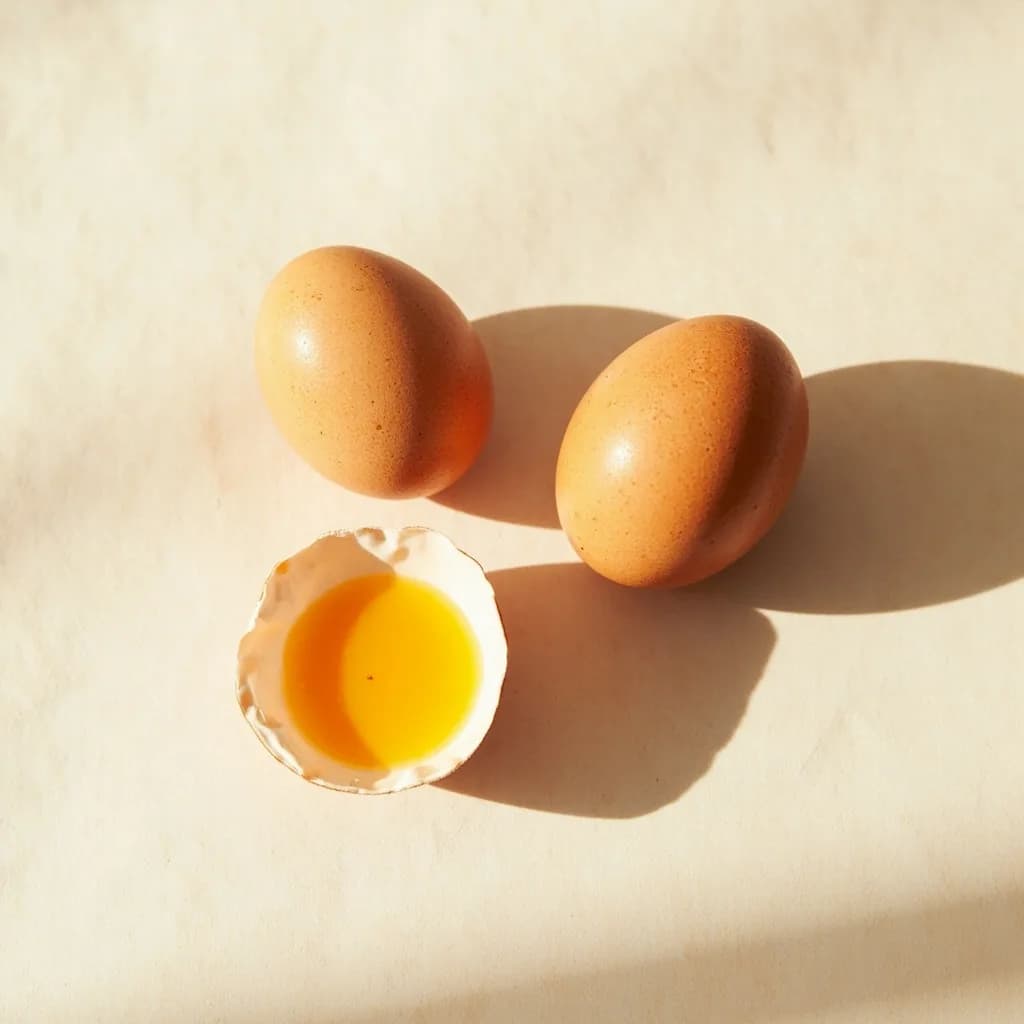
Egg
The kitchen's everything ingredient — bind, leaven, enrich, or fry
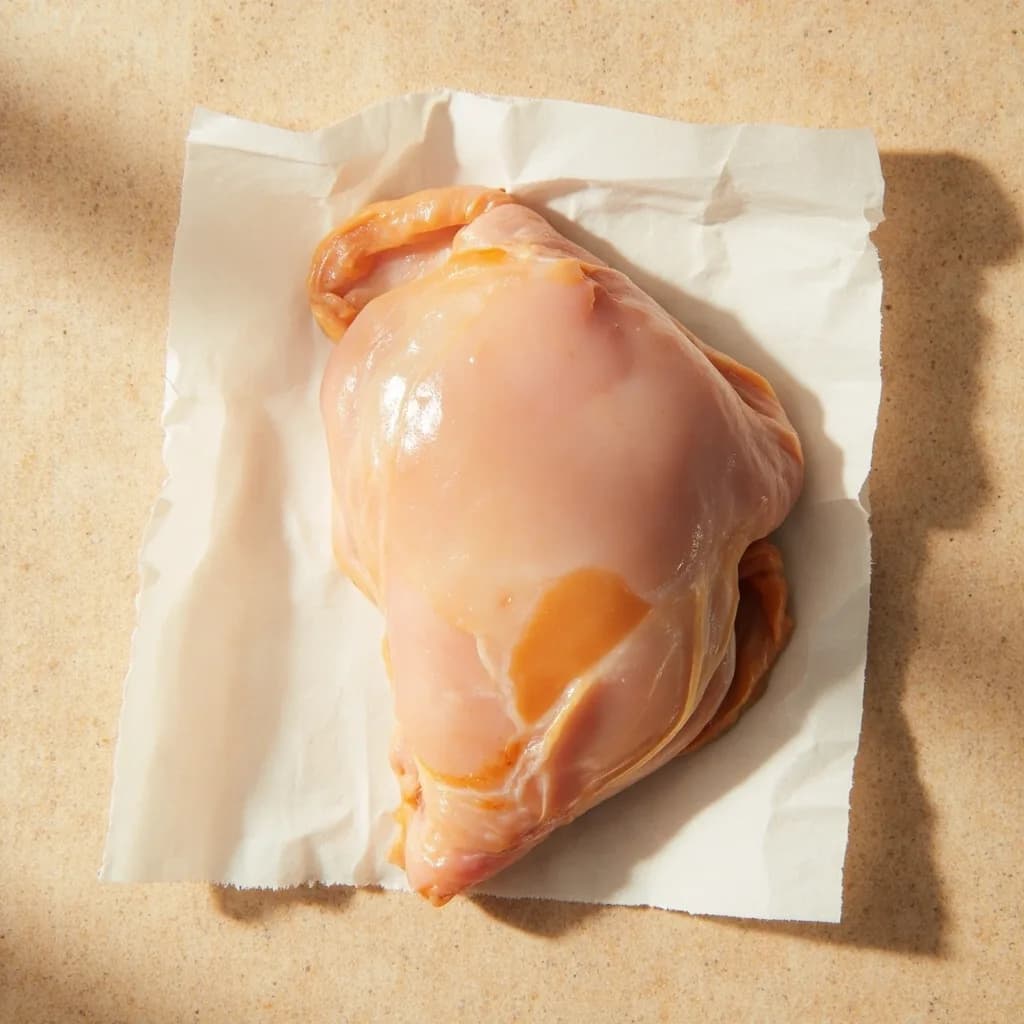
Chicken Breast
Lean, quick-cooking white meat for everyday dinners

Ground Beef
Versatile minced beef for burgers, ragù, tacos, and meatballs
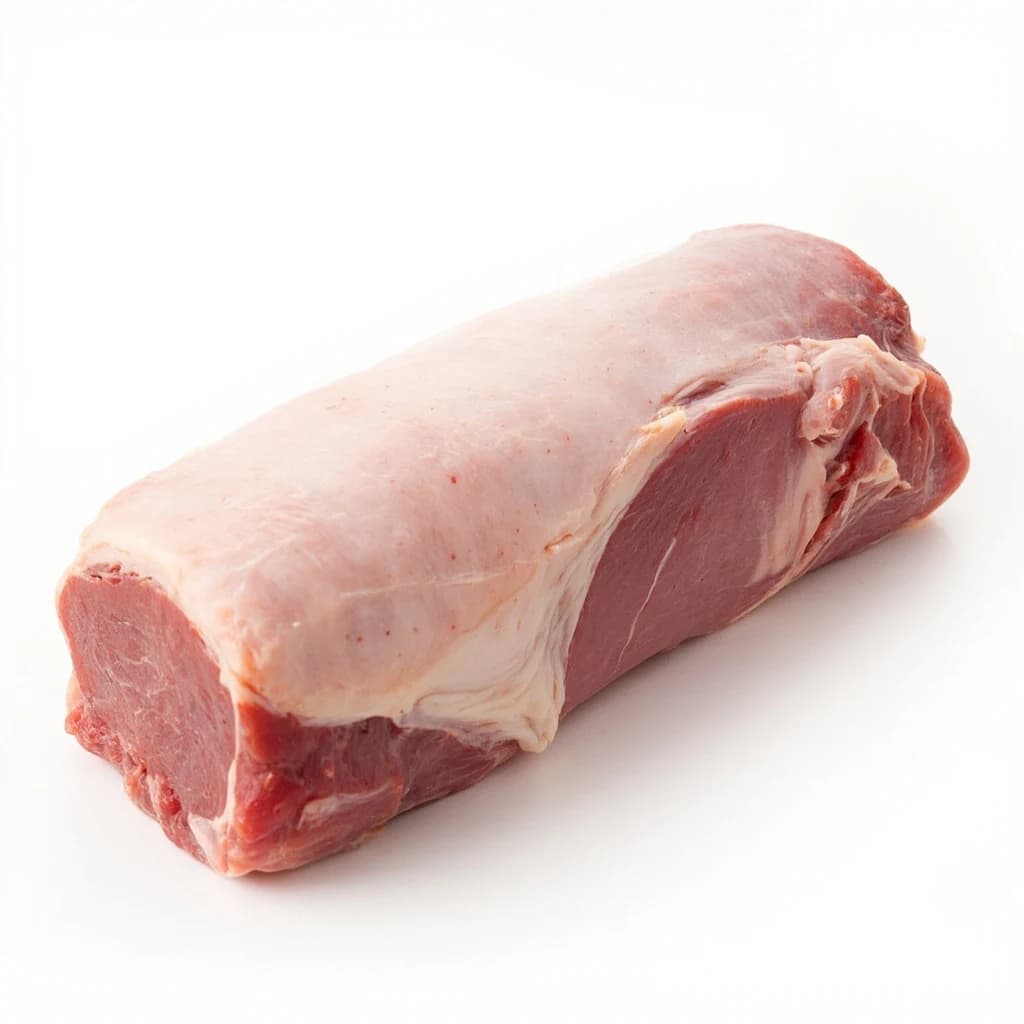
Pork Loin
Lean, tender roasting cut that stays juicy with care
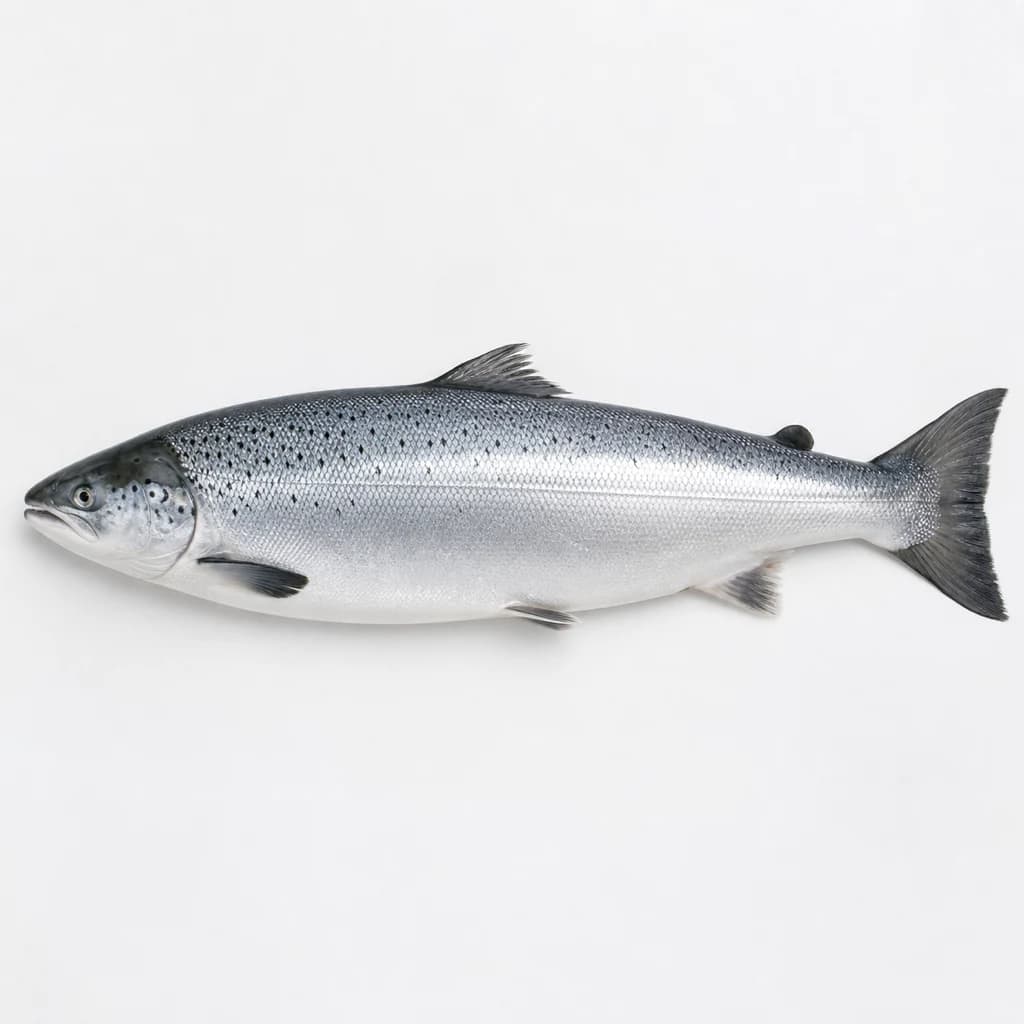
Salmon
Rich, rosy fish that roasts, grills, or cures beautifully

Egg White
Pure protein that whips to airy peaks for meringue and more
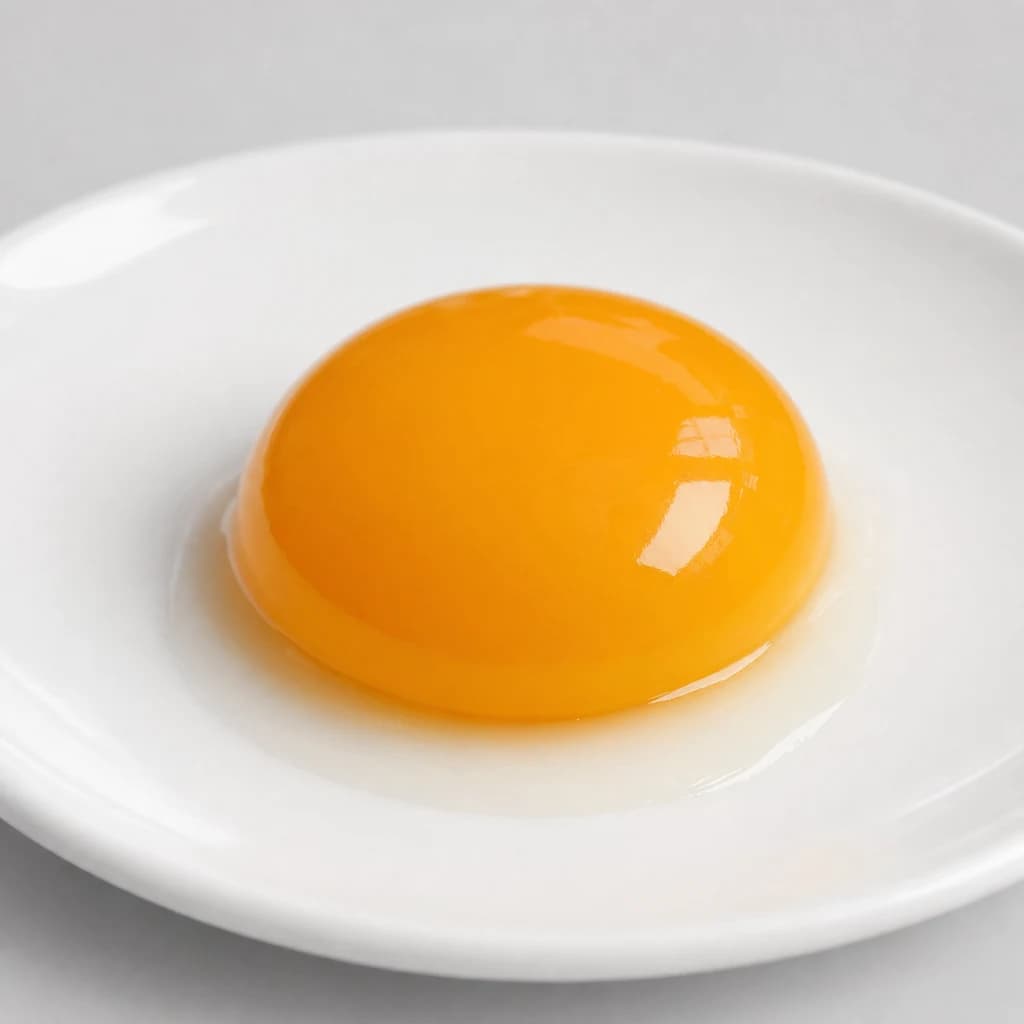
Egg Yolk
Rich, golden yolk for custards, mayonnaise, and pasta

Quail Egg
Tiny, speckled eggs for garnishing and elegant bites