Proteins
John Dory (Saint-Pierre)
A flat, mild-flavored white fish with firm flesh, prized in French and Mediterranean cooking.
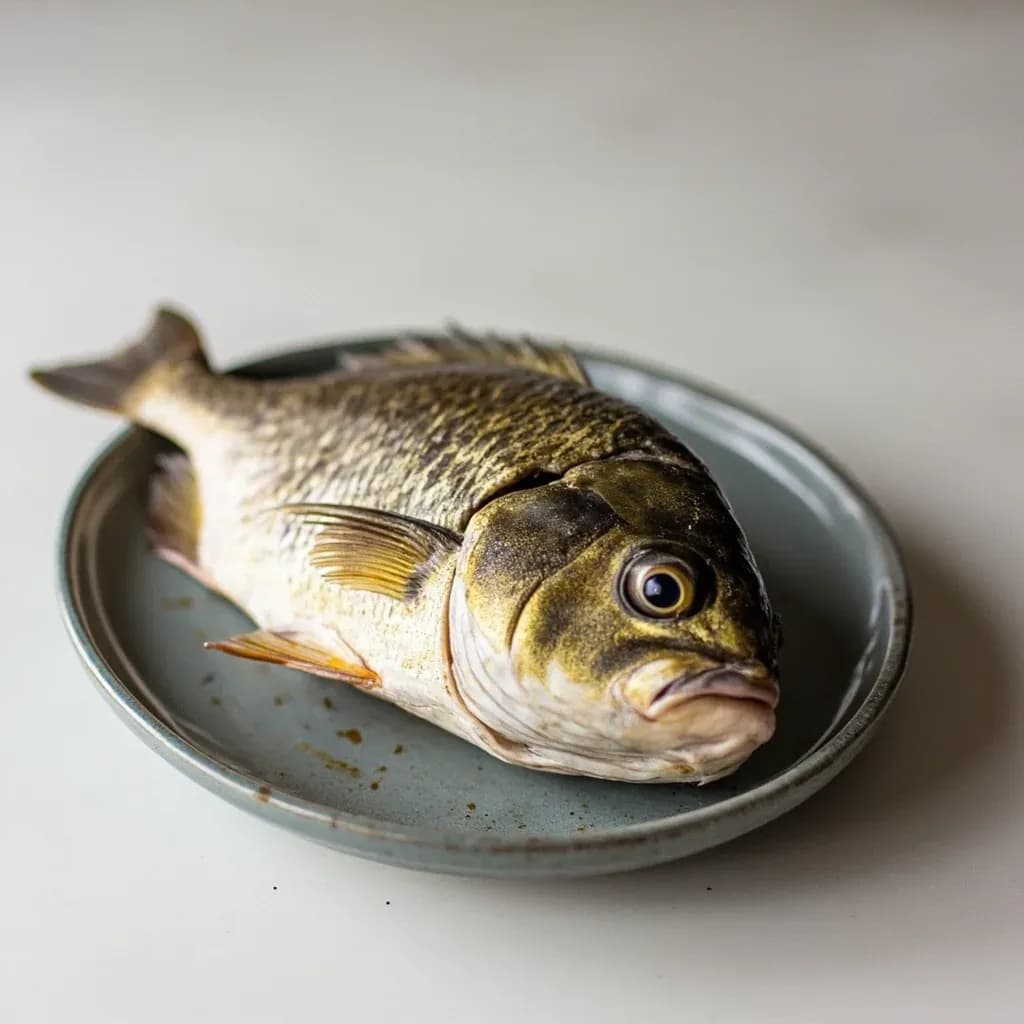
John Dory, called Saint-Pierre in French, is a distinctive flat-bodied fish recognizable by the dark spot on each side. Its lean white flesh is firm, sweet, and delicately flavored, making it a favorite for pan-frying, roasting, and elegant fish courses. Though it has a high waste ratio due to its large head and thin body, the fillets are considered a prized catch.
John Dory (Zeus faber) is a laterally compressed, oval-bodied fish found throughout the Eastern Atlantic from Norway to South Africa, the Mediterranean, and into the Indo-Pacific. Its most recognizable feature is a prominent black spot on each flank — the "thumbprint of St. Peter" — that has given the fish its French name, Saint-Pierre, and a place in Christian legend. The flesh is firm and dense with large, clean flakes; the skin is tough and usually removed before cooking. Yield is modest — roughly 35–40% edible meat from a whole fish — which partly explains its premium price tier.
The flavor is mild, delicately sweet, and clean, tasting unmistakably of the sea without any oiliness or heaviness. This subtlety makes John Dory a fish that rewards restraint in the kitchen: it takes well to gentle aromatics and classic French finishes like brown butter, yet is easily overwhelmed by aggressive seasoning or heavy sauces. In Mediterranean and French restaurant cooking, it is considered a special-occasion fish precisely because its character is so refined — a vehicle for technique and quality ingredients rather than bold flavor in its own right.
The fish presents real challenges at the butchery stage. A Y-shaped bone runs through the fillet at an unusual angle, making it difficult for home cooks to produce clean portions. The skin, while edible raw, turns rubbery when cooked and is almost always removed before service. These are reasons to rely on a skilled fishmonger rather than attempt whole-fish breakdown at home. In the pan or oven, however, the flesh behaves predictably: it holds its shape well, resists falling apart under heat, and responds best to quick, high-temperature cooking or gentle steaming.
- Measured in
- g
- Storage
- Fridge
Allergens
Types & varieties
Zeus faber — the European and Mediterranean species; most common in French and British markets.
Zeus japonicus — Pacific cousin found from Japan to New Zealand; virtually identical in flavor and texture.
The Saint-Pierre Legend
The black spot that gives John Dory its saintly French name carries a specific folk tradition: it is said to be the mark left by the thumb of the apostle Peter when he pulled the fish from the Sea of Galilee. In Mediterranean Catholic cultures, this association made the fish historically controversial — some traditions held it unfit to eat on Fridays, a prohibition that paradoxically helped preserve stocks of this slow-growing species. The spot itself is a true identifying feature, present on both sides of the body and created by a concentration of dark pigment in the skin.
- The spot is edible raw but turns rubbery when cooked — most preparations skin the fish first
- The Saint Peter association gave the fish a curious protected status in Catholic coastal communities
- Slow growth and relatively low abundance make it a specialty rather than a commodity
Common uses
Tips & pitfalls
- Ask your fishmonger to scale, clean, and fillet the fish — the Y-shaped bone makes home butchery frustrating and wasteful
- Bring fillets to room temperature 15–20 minutes before cooking: cold fish sears unevenly and the exterior overcooks before the center comes up to temperature
- Score the skin before cooking to prevent curling, especially when pan-searing skin-side down
- Do not overcook: pull the fish from heat the moment the flesh turns opaque and begins to flake — residual cooking will finish the job
- Season with restraint: a pinch of fleur de sel and a turn of white pepper are sufficient; the fish's delicacy is its asset
- For pan-searing, start flesh-side down in a hot pan with a thin film of clarified butter or olive oil; flip only once when a golden crust has formed
- The black spot skin is edible raw but becomes unpleasantly rubbery when heated — remove it before cooking
- When roasting whole, tent loosely with foil if the surface browns too quickly: the flesh cooks faster than it appears
Nutrition
Energy
519 kJ · per 100 g
Where the calories come from
Protein
20g
40% DV
Carbs
0g
0% DV
Fat
4.2g
5% DV
Fiber
0g
0% DV
Sodium
60mg
3% DV
Source · USDA FoodData Central · approx. Fish, bluefish, raw
View on FDC →In the shops
Matched grocery products
No matched grocery products for John Dory (Saint-Pierre) yet.
Good to know
- Scientific Name
- Zeus faber
- Origin
- Eastern Atlantic (Norway to South Africa), Mediterranean Sea, and Indo-Pacific Ocean
- Season
- Best November–March in European waters; year-round in some markets
- Flavor
- Mild, delicate, slightly sweet; clean ocean taste
- Texture
- Firm, dense white flesh with large flakes; skin is tough and often removed
- Yield
- Approximately 35–40% edible meat from whole fish
- Storage
- Use within 1–2 days when fresh; freeze at -18°C for up to 3 months
- Identifying Features
- Oval, laterally compressed body; distinctive black spot on each side (the "thumbprint of St. Peter")
- Bone Structure
- Unusual Y-shaped bone in the fillet; makes butchery challenging for novices
- Price Tier
- Premium; significantly more expensive than commoditized white fish
Substitutes
- Sea Bass (Bar) — Very similar mild flavor and firm texture; slightly easier to source and often less expensive.
- Sea Bream (Dorade) — Comparable delicate sweetness and flesh density; widely available in Mediterranean markets.
- Turbot — Premium flatfish with similar flesh quality and cooking behavior; the most expensive of the substitutes.
- Halibut — Firm, mild white fish with comparable cooking properties; readily available in North American markets.
Pairs with
Also called
Saint-Pierre · St Peter's Fish
Appears in these dishes
Related
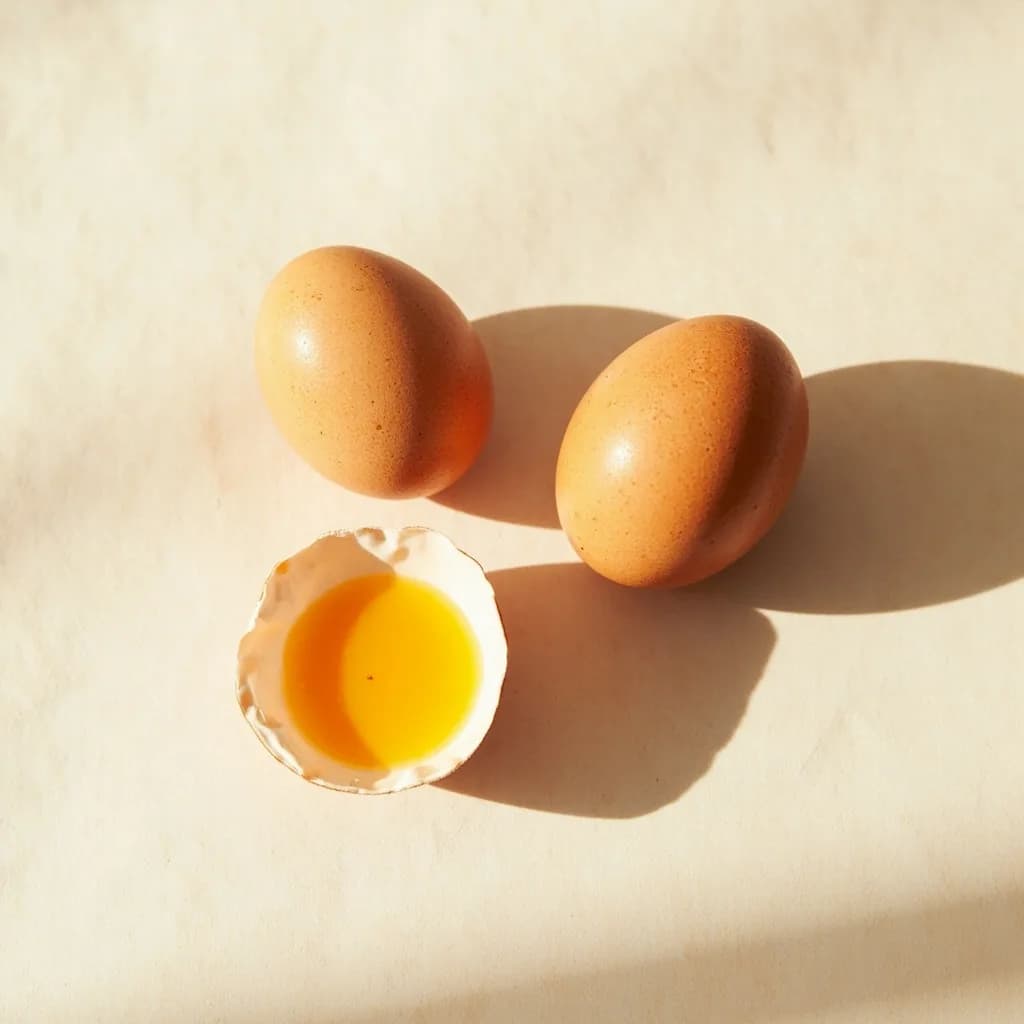
Egg
The kitchen's everything ingredient — bind, leaven, enrich, or fry
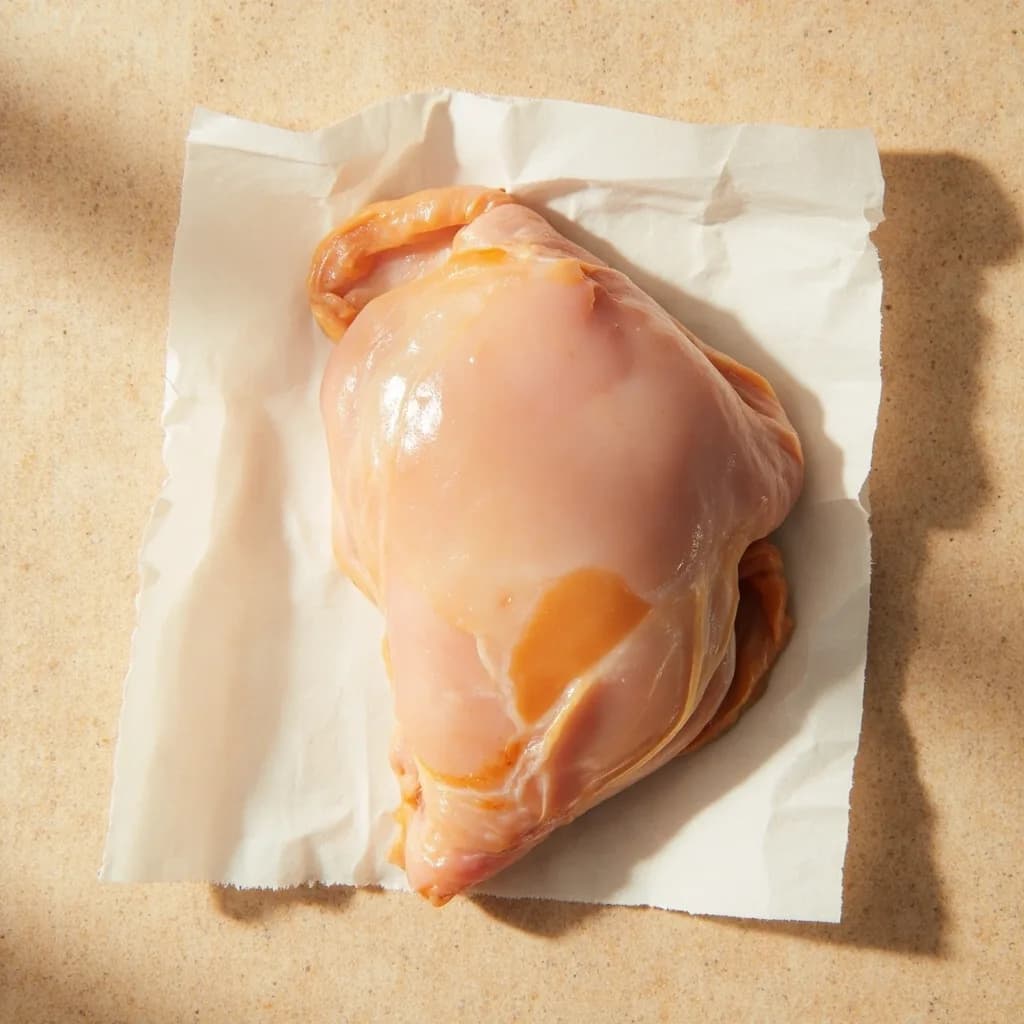
Chicken Breast
Lean, quick-cooking white meat for everyday dinners

Ground Beef
Versatile minced beef for burgers, ragù, tacos, and meatballs
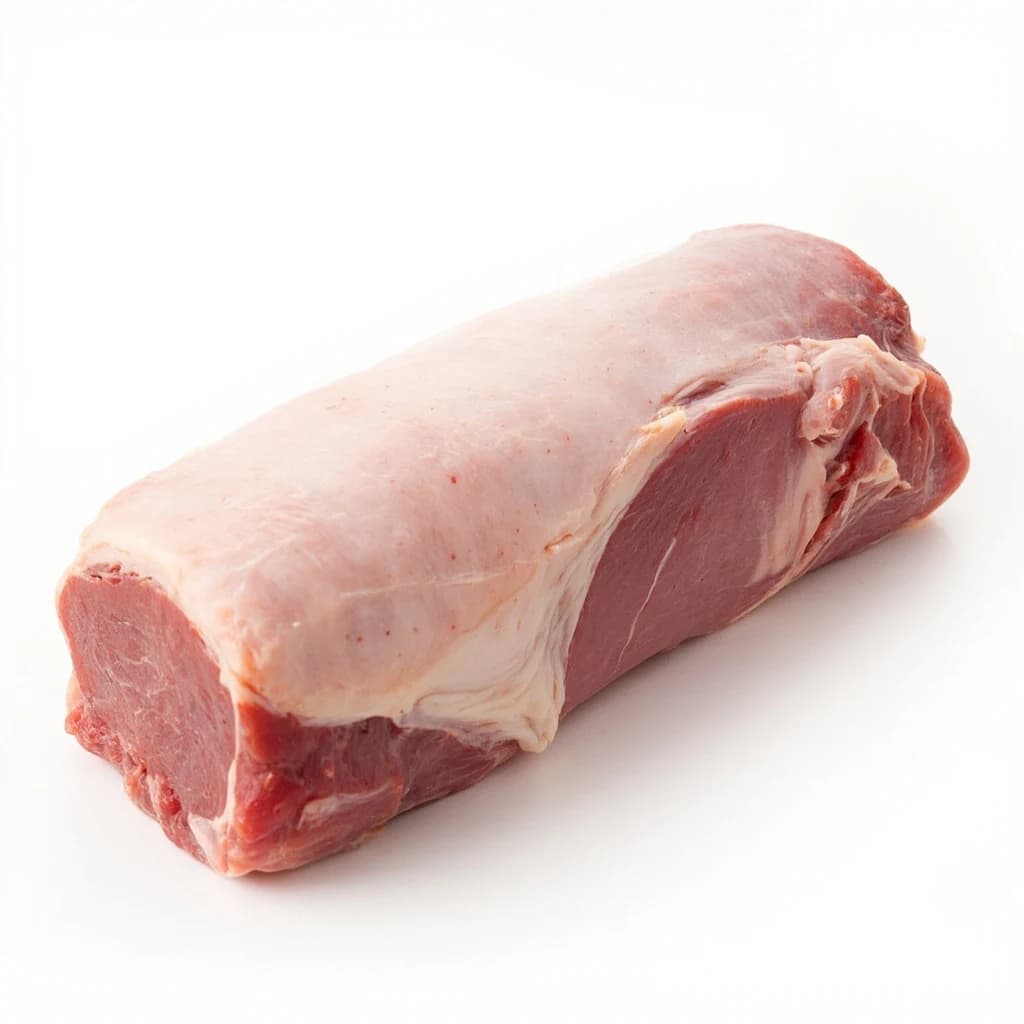
Pork Loin
Lean, tender roasting cut that stays juicy with care
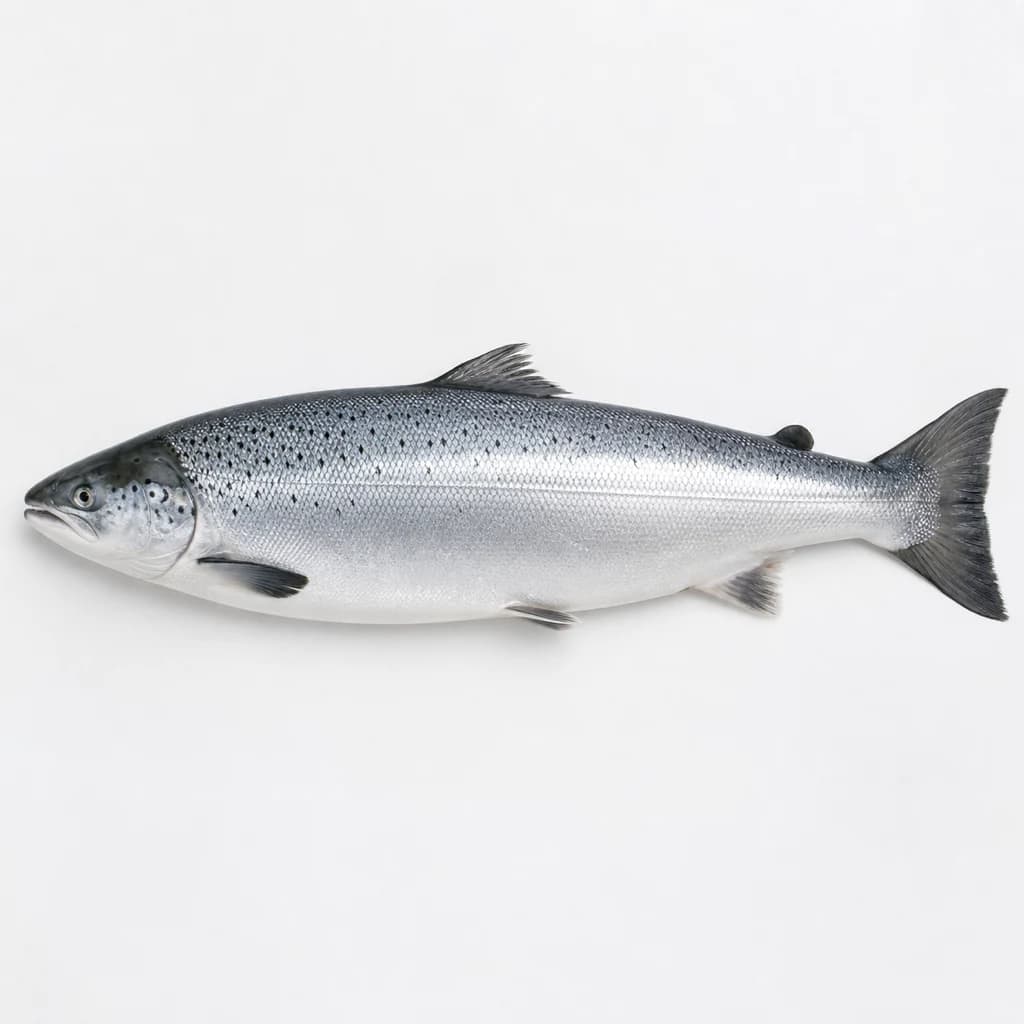
Salmon
Rich, rosy fish that roasts, grills, or cures beautifully

Egg White
Pure protein that whips to airy peaks for meringue and more
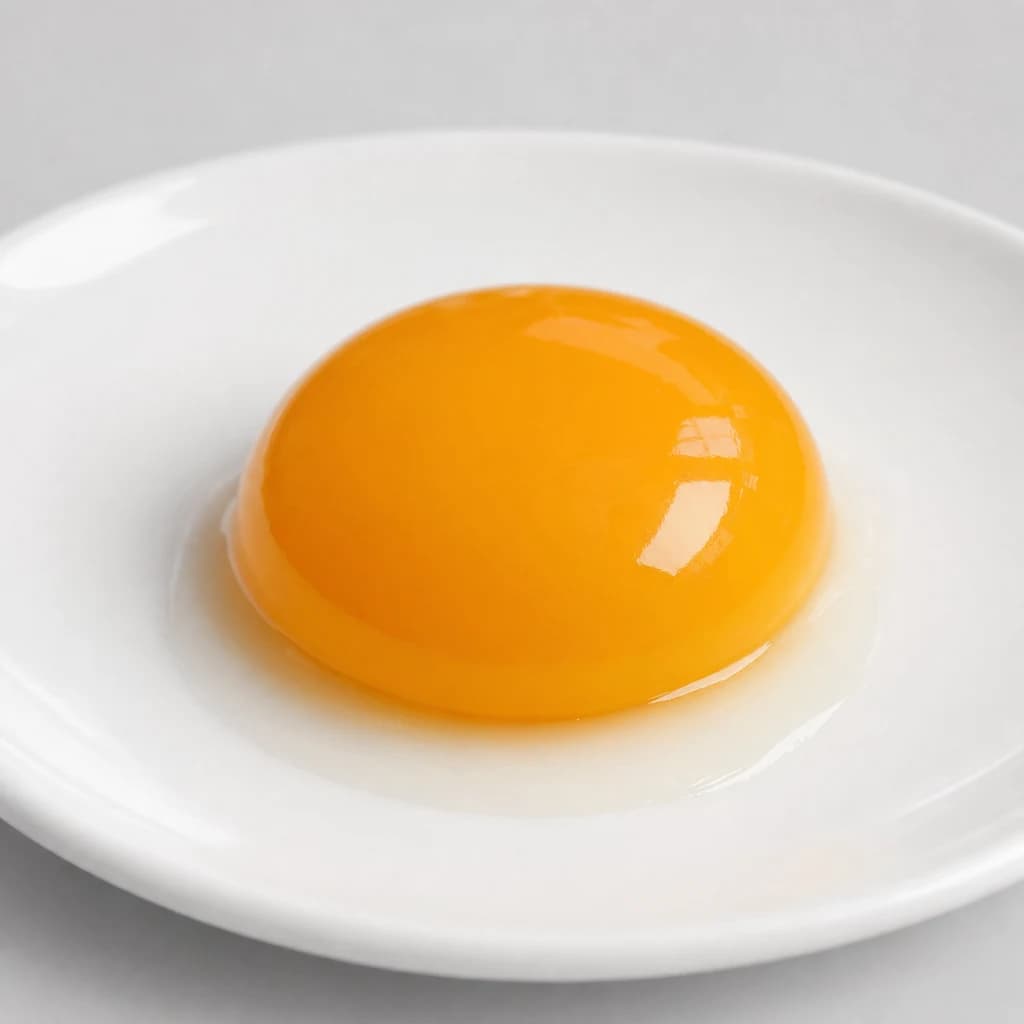
Egg Yolk
Rich, golden yolk for custards, mayonnaise, and pasta

Quail Egg
Tiny, speckled eggs for garnishing and elegant bites