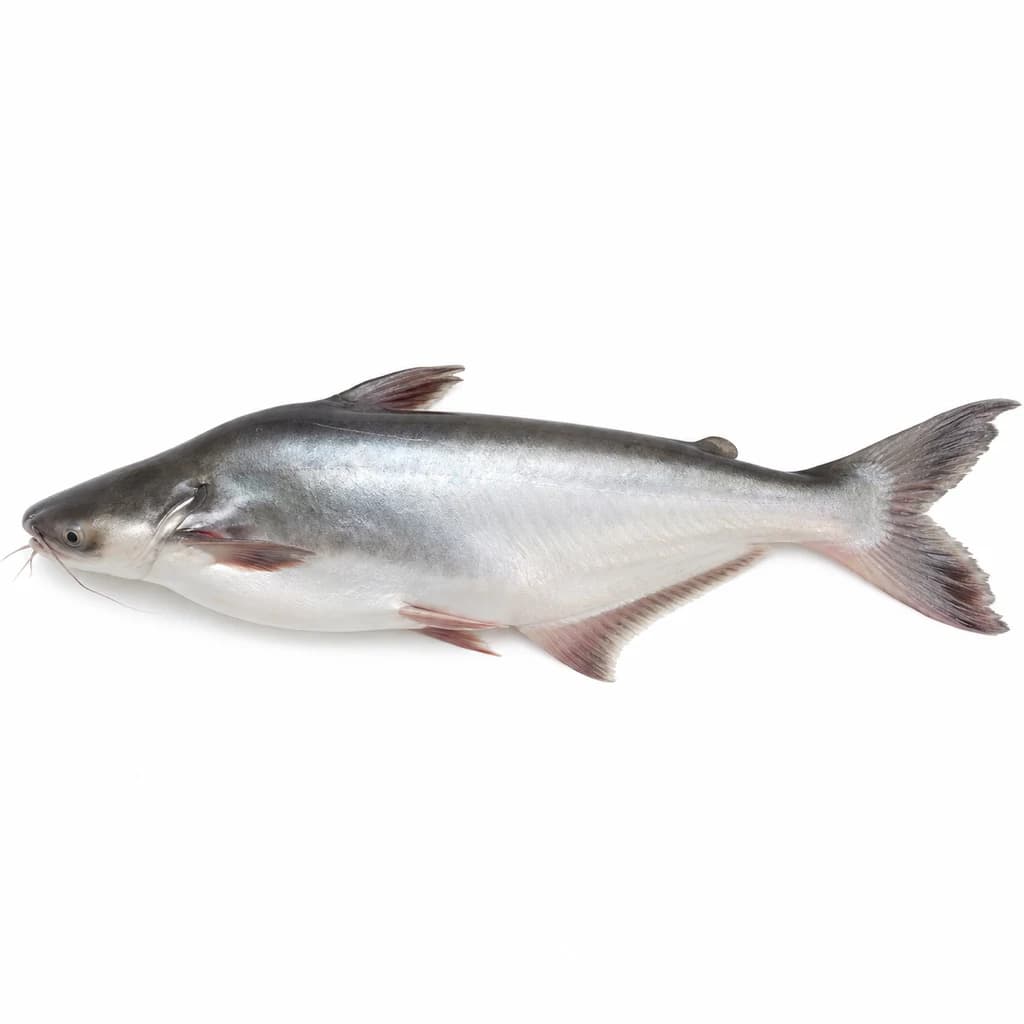
Natural form
Whole fresh pangasius catfish showing its elongated silver-grey body and forked tail.
Establishes the reader's ability to identify the fish in its whole, unprocessed state at a market or fishmonger.
Proteins
Pangasius (Pangash)
Farmed freshwater catfish sold as mild, boneless white fillets.
Pangasius is a farmed freshwater catfish from the Mekong region, widely exported as inexpensive boneless white fillets. Its mild flavor and firm texture suit frying, baking and curries, including Bengali pangash dishes. It is a versatile, affordable everyday fish.
Pangasius is a farmed freshwater catfish native to the Mekong River delta, now produced on a massive industrial scale across Vietnam, India, Bangladesh, and other Southeast Asian countries. It arrives in most markets as boneless, skinless frozen fillets under names that vary by region—Swai, Basa, Tra, or Striped Catfish—creating persistent confusion in the supply chain. What unifies these products is a pale ivory-white flesh with a firm, dense texture and a mild, slightly sweet flavor that lacks strong "fishy" character when fresh and properly handled. This neutral profile is precisely what makes Pangasius both versatile and polarizing: it accepts bold seasoning gracefully but offers little intrinsic flavor of its own.
The fish grows to harvestable size in eight to ten months, making it one of the most efficient protein sources in aquaculture. Its firm, meaty texture holds together through high-heat cooking better than flakier white fish, and its yield is reasonable—about 45–50% as skin-on fillets. For the home cook, Pangasius is forgiving: it resists overcooking more gracefully than tilapia and doesn't demand the precision of monkfish or sea bass. The trade-off is that without proper seasoning and attention to moisture, it can turn dry and bland. The quality signal to trust is smell—a clean, neutral scent means freshness; any muddy or ammonia notes indicate poor handling.
Pangasius occupies an unusual position in the global fish hierarchy: beloved for affordability and utility, scrutinized for the environmental and ethical conditions of its farming. The Mekong Delta operations that dominate production have faced legitimate criticism for high stocking density, antibiotic use, and water-quality management. Responsibly sourced product carries ASC (Aquaculture Stewardship Council) certification, and seeking that label is the single most effective purchasing decision a cook can make for this species.
- Measured in
- g
- Storage
- Fridge
Allergens
Types & varieties
The primary commercial species; dominates global exports as frozen fillets and represents the bulk of what is sold as Pangasius, Swai, or Striped Catfish.
Distinct species often marketed as a premium tier; the flavor and texture are nearly identical to Tra, and the distinction matters more at the regulatory level than at the stove.
Sourcing and Sustainability
Pangasius farming is intensive by design. The Mekong Delta supports enormous production volumes—Vietnam exports over $1 billion annually, primarily to the EU, US, and China—but the environmental practices vary widely between operations. High-density stocking can degrade water quality and promote disease, leading to antibiotic use that raises concerns about resistance and residue. Before purchasing, look for ASC certification, which audits stocking density, feed quality, and chemical use. If ASC product isn't available, ask your fishmonger about the supplier's sourcing practices. Buying from reputable distributors who maintain cold-chain integrity from harvest to sale also reduces the risk of spoilage-related off-flavors in the flesh.
- Seek ASC-certified product as the baseline for responsible sourcing.
- Avoid frozen fillets with ice crystals or freezer burn, which indicate multiple freeze-thaw cycles and degraded quality.
- Buy from suppliers who can confirm cold-chain integrity; temperature abuse is a major quality and safety risk.
How Pangasius Behaves Under Heat
The firm texture of Pangasius is its defining cooking characteristic—and the key to using it well. Unlike flakier fish such as sole or cod, Pangasius retains its structure through aggressive cooking methods that would cause those fish to fall apart. This resilience makes it suitable for grilling, stir-frying, and preparations where the fish sits in a sauce for an extended time. It also means the flesh doesn't shatter into pleasant flakes; the eating experience is more analogous to a firm white meat than a traditional fish. The flesh turns from translucent to opaque around 140°F (60°C), and carryover cooking can push it past the target temperature into a dry, mushy zone. Remove the fish from heat the moment it reaches 145°F (63°C), and rely on visual cues—the flesh should be entirely opaque and yield slightly when pressed.
- The firm texture forgives bold seasoning and long cooking times; it does not forgive being left on the heat after reaching 145°F (63°C).
- Score the skin side lightly before high-heat cooking to prevent tight curling that warps the fillet.
- Thin fillets (< ½ inch) overcook before they brown; choose thicker cuts for pan-searing and deep-frying.
Common uses
Tips & pitfalls
- Pat fillets thoroughly dry with paper towels before any cooking method—this is not optional. Wet fish steams, producing a rubbery texture and preventing any browning or crust formation.
- Season aggressively. Because Pangasius has a neutral flavor, under-seasoning is the most common mistake. Salt the flesh generously and add acid—lemon zest, lime juice, or a short buttermilk marinade (15–30 minutes)—to build a flavor foundation.
- Score the skin side with shallow crosshatch cuts before pan-searing or grilling to anchor the fillet flat against the heat and prevent the characteristic tight curl.
- Cook to 145°F (63°C) and pull immediately from the heat. Carryover cooking will push the interior past 150°F (66°C), at which point the texture shifts from firm to mealy.
- Thaw frozen fillets overnight on a rack set over a sheet pan in the refrigerator—elevating the fish prevents pooling water that dilutes seasoning and creates steam.
- For deep-frying, use fillets at least ½ inch thick. Thinner pieces reach the interior doneness temperature before the breading achieves color, resulting in greasiness and a pale, soft crust.
- Verify certification labels when purchasing. ASC certification is the most widely recognized standard for responsibly farmed Pangasius, addressing water quality, antibiotic use, and farming density.
- When buying frozen, avoid packages with ice crystals or freezer burn indicating multiple freeze-thaw cycles.
Nutrition
Nutrition
No USDA FoodData Central match for Pangasius (Pangash) yet. We surface a per-100 g profile once a generic whole-food entry is matched and verified.
In the shops
Matched grocery products
No matched grocery products for Pangasius (Pangash) yet.
Good to know
- Scientific Name
- Pangasianodon hypophthalmus (Tra); Pangasius bocourti (Basa)
- Origin
- Mekong River delta, Vietnam; now farmed across Southeast Asia, India, and Bangladesh
- Appearance
- Pale ivory-white flesh with a thin grayish membrane; firm, dense texture
- Flavor
- Mild, neutral, slightly sweet; minimal fishiness when fresh and properly handled
- Texture
- Firm and meaty, holds shape well; less flaky than cod or sole
- Internal Doneness Temp
- 145°F (63°C)
- Storage (Fresh)
- Refrigerated at 32–34°F (0–1°C), use within 1–2 days
- Storage (Frozen)
- Well-wrapped, up to 6 months at 0°F (−18°C)
- Yield
- Approximately 45–50% skin-on fillet recovery; 35–40% skinless
- Typical Portion
- 4–8 oz (115–225 g) individual fillets
Substitutes
- Tilapia — Similar mild flavor and firm-but-light texture; cooks slightly faster and is more delicate, so reduce heat and monitor closely.
- Cod (Pacific or Atlantic) — Milder flavor and flakier texture; reduce cooking time slightly and handle more gently when flipping or moving.
- Swai — Often relabeled Pangasius in US retail; functionally identical—use without adjustment.
- Sea Bass (Chilean) — Slightly firmer with a mild, clean flavor; comparable cooking times and compatible with the same preparation methods.
- Catfish (US farmed) — Very similar texture with a slightly stronger, earthier flavor; more forgiving of overcooking than Pangasius.
- Pollock — Leaner and more delicate, prone to drying; better suited to breading and frying applications than dry-heat methods.
Pairs with
Also called
Pangash · Basa · Swai
Appears in these dishes
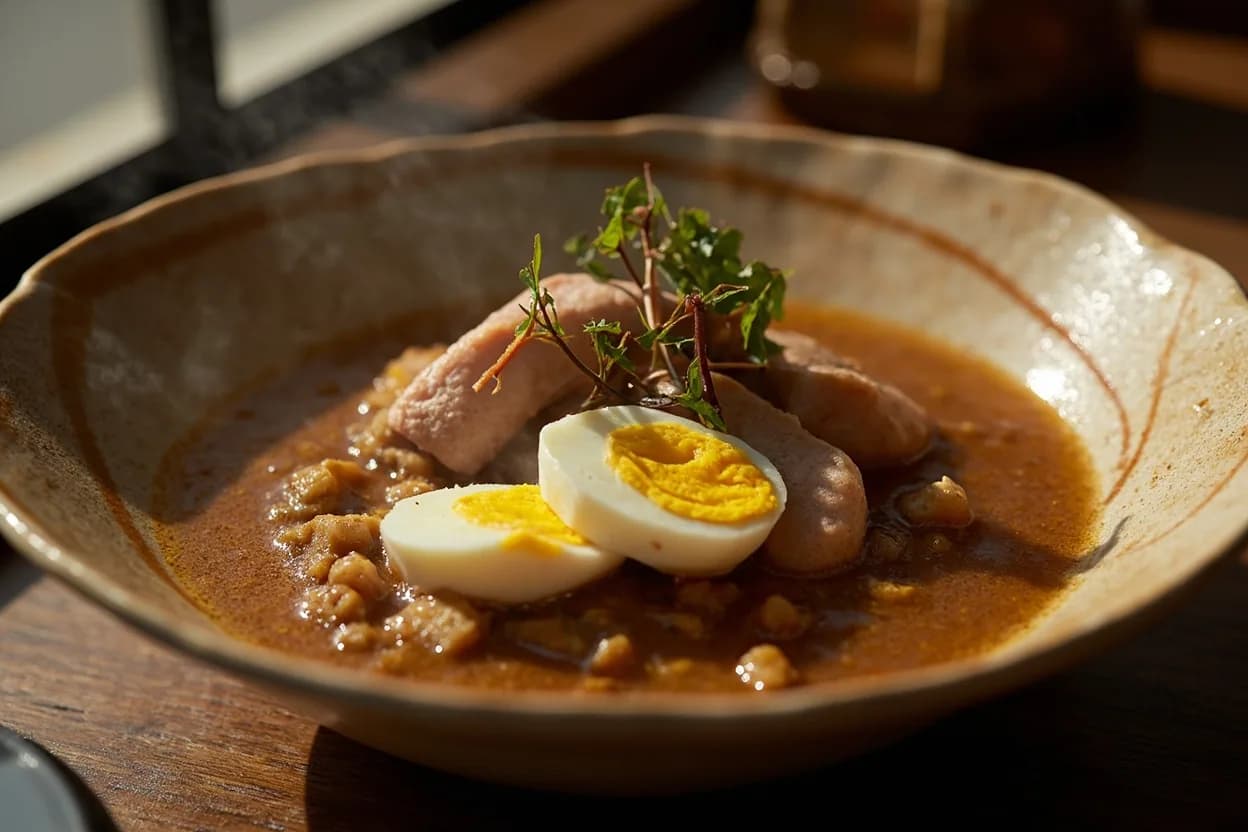
Related
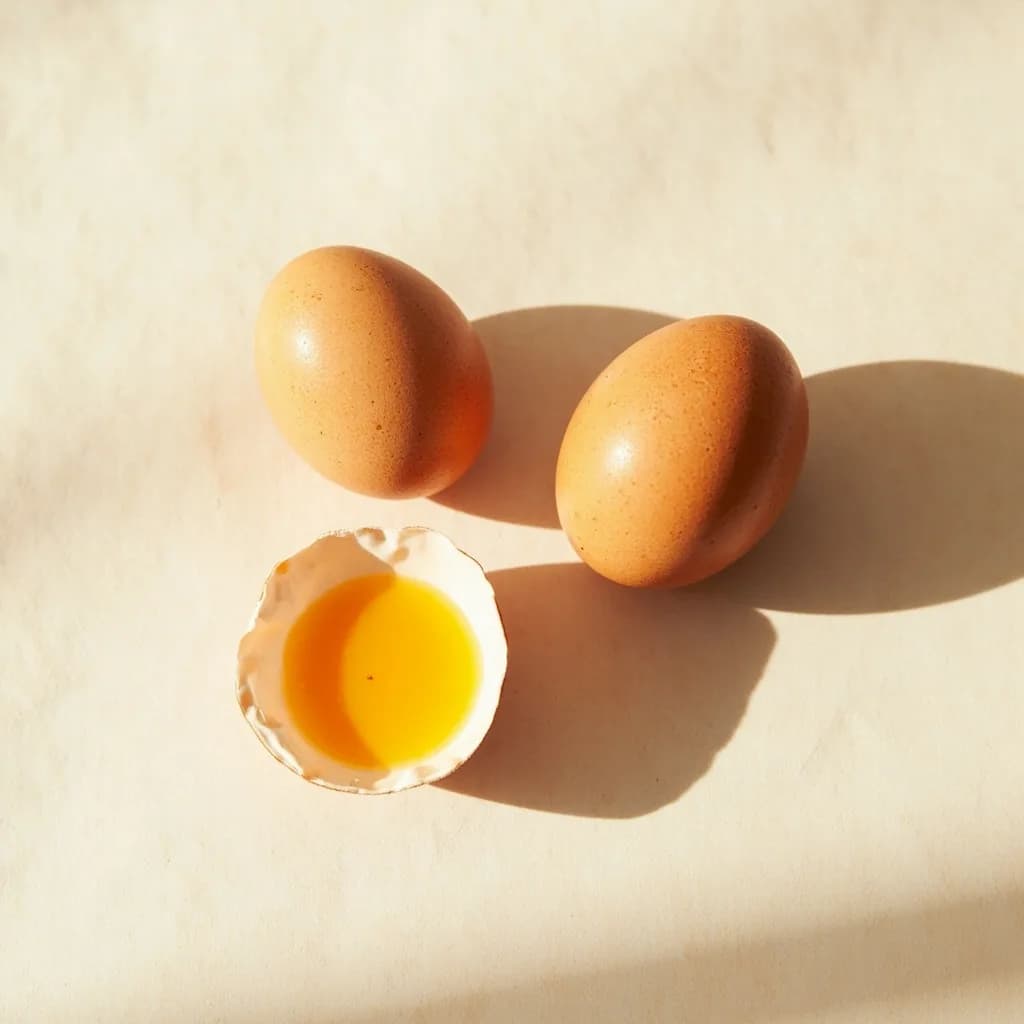
Egg
The kitchen's everything ingredient — bind, leaven, enrich, or fry
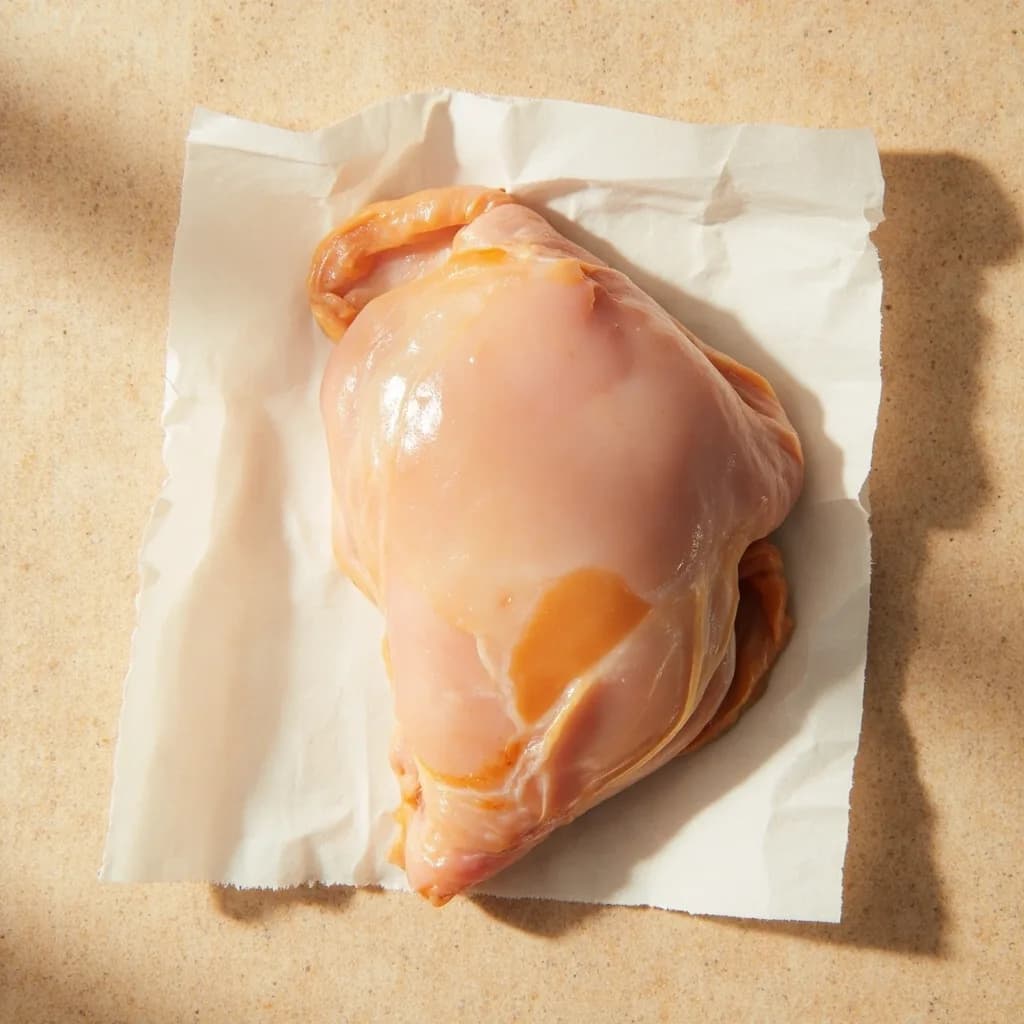
Chicken Breast
Lean, quick-cooking white meat for everyday dinners

Ground Beef
Versatile minced beef for burgers, ragù, tacos, and meatballs
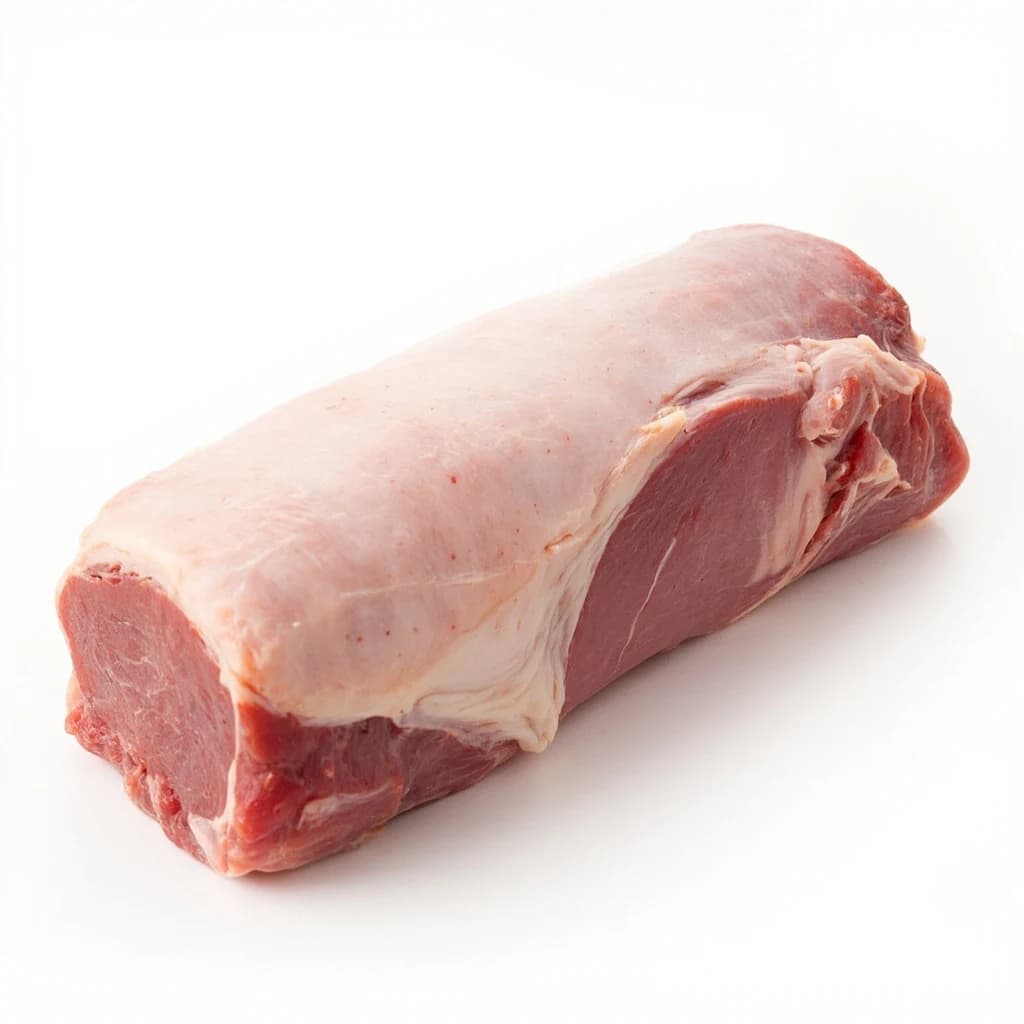
Pork Loin
Lean, tender roasting cut that stays juicy with care
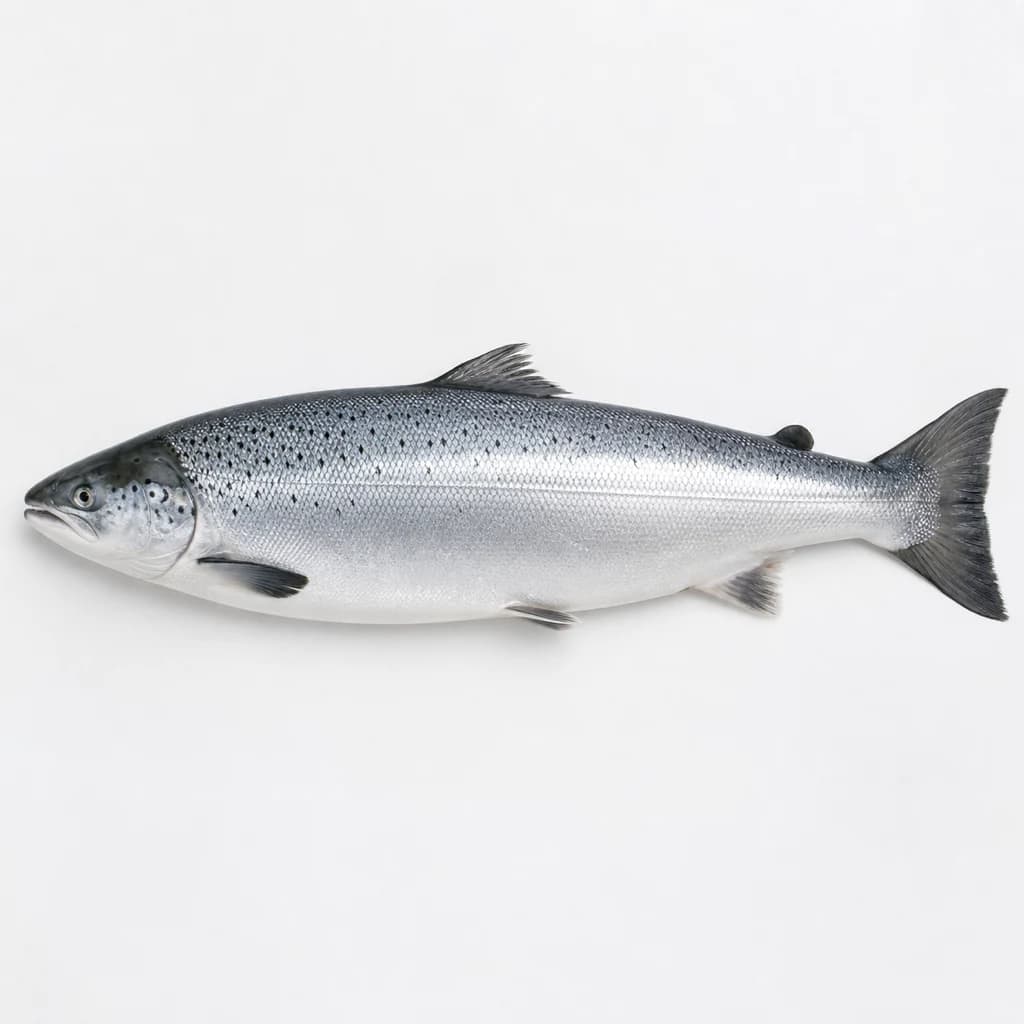
Salmon
Rich, rosy fish that roasts, grills, or cures beautifully

Egg White
Pure protein that whips to airy peaks for meringue and more
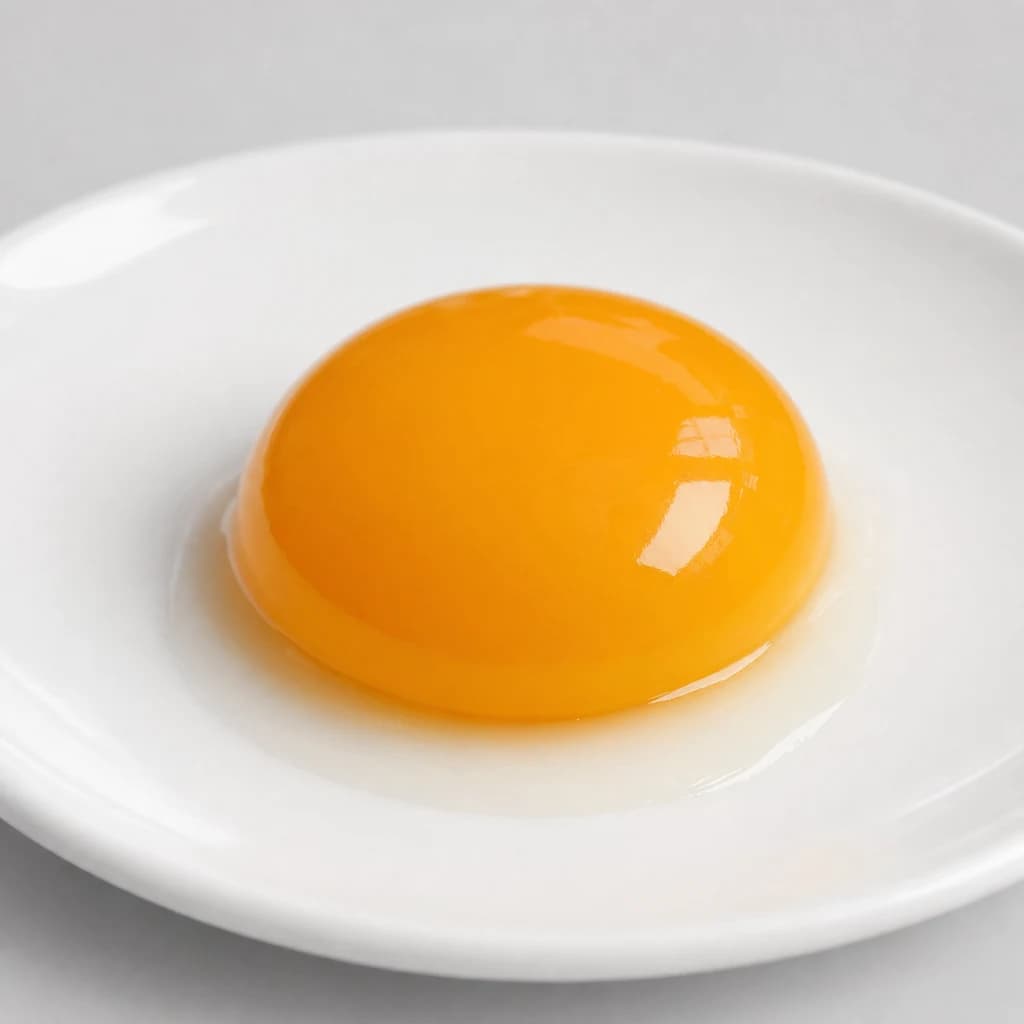
Egg Yolk
Rich, golden yolk for custards, mayonnaise, and pasta

Quail Egg
Tiny, speckled eggs for garnishing and elegant bites