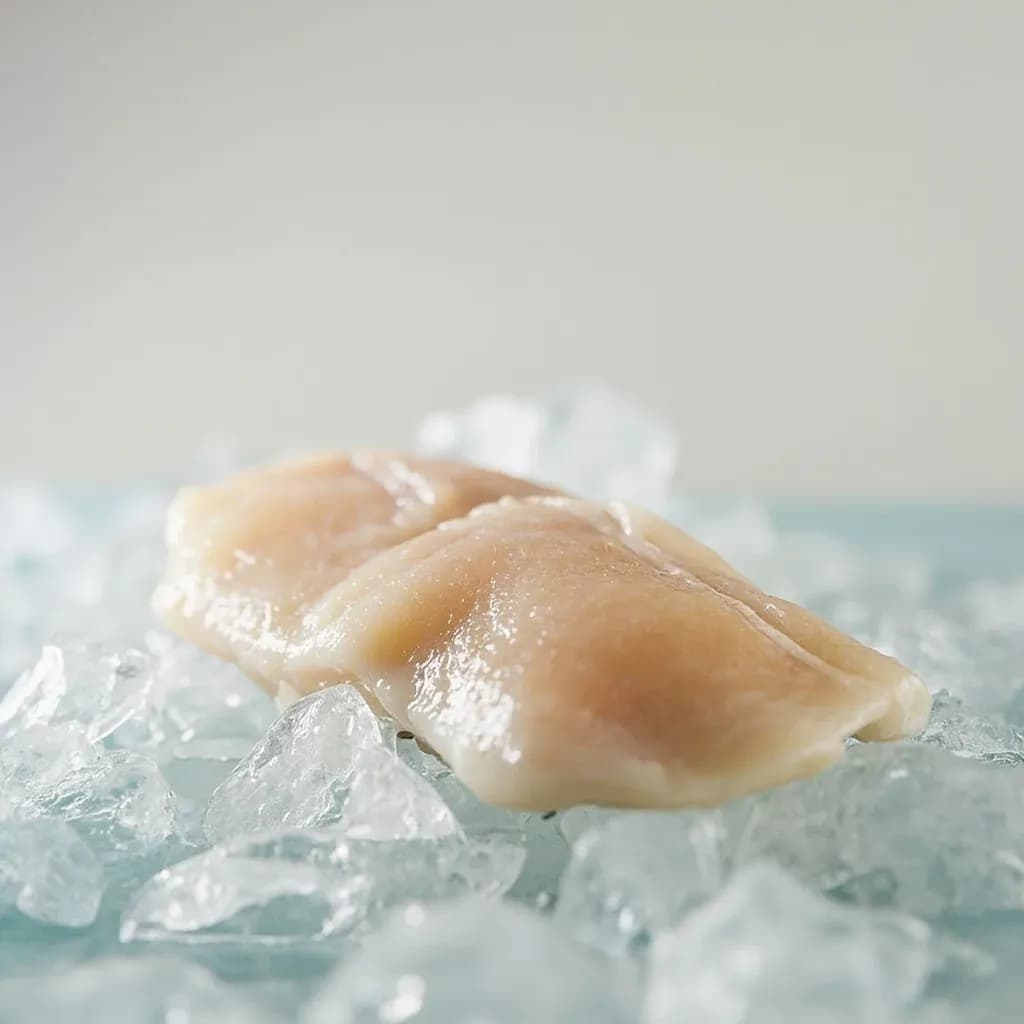
Proteins
Pollock
Mild, flaky white fish used for fillets, fish sticks and Korean dried myeongtae dishes.
Pollock is an affordable North Pacific and Atlantic whitefish with lean, mild flesh that flakes easily when cooked. It is widely used for breaded fish fillets, fish sticks and surimi, and in Korean cooking the dried form (myeongtae) is rehydrated for soups and stews. Its clean flavor makes it a versatile substitute for cod.
Pollock is the quiet workhorse of the global white-fish trade — most North Americans have eaten it far more often than they realize, usually as the breaded fillet in a fast-food sandwich, the surimi in a California roll, or the fish stick in a kid's lunchbox. Belonging to the cod family (Gadidae), it shares the same family tree as cod and haddock but tends to be milder, more delicately textured, and far cheaper. Alaska pollock (Gadus chalcogrammus) drives the bulk of world production and is the largest U.S. fishery by volume, second only to Peruvian anchoveta globally; the Atlantic species, known in Europe as saithe or coley, is the same kind of fish European cooks have long treated as a fresh-table fish in its own right.
In the kitchen, pollock behaves like a blank canvas. The flesh is pearl-white, very lean (around 1% fat), and flakes apart more readily than cod — ideal for breaded, battered, and surimi applications but unforgiving when overcooked. Pull it from heat at 140°F (60°C) and let carryover finish the job; past 145°F (63°C) the flesh turns chalky and dry. The lean profile also means it takes beautifully to smoking, drying, and canning, which is why so much of the catch ends up preserved rather than sold as fresh fillets.
Where pollock most clearly justifies its own pantry shelf is in its dried Korean forms — myeongtae and hwangtae — where salt-curing and air-drying concentrate the flesh into a savory, almost meaty ingredient that drives some of Korea's most beloved winter soups and banchan. In Northern Europe, smoked saithe plays a similar role as an everyday preserved protein. The fish's mildness is a feature, not a limitation: dress it up with bold sauces, dry it into pantry gold, or leave it simply seared with butter and lemon.
- Measured in
- g
- Storage
- Fridge
Allergens
Types & varieties
The most commercially important of the three; mildest flavor; the workhorse for surimi, fish sticks, fast-food fillets, and frozen portions.
Called coley in the UK and saithe across Northern Europe. Larger, slightly firmer and more flavorful than Alaska pollock; popular fresh or smoked.
Less common, found from Norway to the Bay of Biscay; finer flake than saithe, often sold as a fresh fillet.
Korean fully-dried Alaska pollock, traditionally freeze-thawed then air-dried until rock-hard; used for broths and braises with intensely savory depth.
Korean semi-dried Alaska pollock, salt-cured and air-dried to a pliable texture; a winter pantry staple eaten as banchan or simmered in stews.
Korean dried pollock specialties: kodari is pressed, partially dried young pollock that crisps beautifully when pan-fried; bukeo is the umbrella term for fully dried pollock, rehydrated for soups and braises.
Korean dried pollock: myeongtae and hwangtae
Drying transforms Alaska pollock into a category of ingredient that has almost no equivalent in Western pantries. The Korean styles sit at different points on the dryness spectrum, and which one you reach for changes the dish.
Myeongtae is salt-cured and air-dried for a shorter period, leaving the flesh pliable, slightly translucent at the edges, and tender enough to tear by hand. It is typically eaten in chunks as a banchan with beer or soju, or simmered in stews like bugeo-jjigae, where the salt and savory depth season the entire pot. A brief rinse or 10–15 minute soak is usually enough for stews.
Hwangtae is the harder, older sibling — fully dried, often freeze-thawed first to break the cell walls, then hung through cold winter wind for weeks until the fish is rigid and the flesh has turned a deep honey-brown. The flavor is concentrated umami, somewhere between dried scallop and country ham. Hwangtae is the foundation of the classic winter soup myeongtae-guk (also called hwangtae-guk), served to mark New Year's in Korea, where the rehydrated fish is simmered with daikon, soybean paste, and aromatics into a clear, restorative broth. Soak it in cold water for 4–6 hours, or overnight for older pieces, and reserve the soaking liquid as a secondary stock.
Working with fresh fillets
Fresh pollock is more fragile than its cod cousins. The flakes separate readily, which is a virtue in chowders and a hazard at the pan. A few habits keep it intact and moist.
- Pat fillets bone-dry before searing; surface moisture is the enemy of a golden crust on lean flesh.
- Score thick Atlantic pollock steaks 1/4 inch deep in a crosshatch so heat penetrates evenly.
- Use a wide, thin fish spatula and flip once — or not at all when pan-searing fillets.
- Build a three-stage flour, egg, and panko dredge for breaded preparations, then rest the breaded pieces 10 minutes before frying so the coating sets.
- Reserve trim, frames, and bones for a quick, light fish stock — they yield more than you'd expect.
- If your fishmonger only stocks thawed-at-counter fillets, choose properly frozen-at-sea blocks instead; they were often fresher at the moment of freezing.
Common uses
Tips & pitfalls
- Don't overcook — its lean flesh toughens and turns chalky past 145°F (63°C); pull at 140°F (60°C) and let carryover finish the job.
- Skin-on fillets hold together better during flipping and pan-searing than skinless ones.
- Add pollock to chowders and stews in the final 5 minutes of cooking — its delicate flakes break down quickly once stirred.
- Korean dried pollock is intensely salty — taste the soaking water and hold back on added salt in the dish.
- If the fish smells overtly sour or ammoniacal, it's past prime; fresh pollock should smell like clean seawater, nothing more.
Nutrition
Energy
318 kJ · per 100 g
Where the calories come from
Protein
17.2g
34% DV
Carbs
0g
0% DV
Fat
0.8g
1% DV
Sodium
159mg
7% DV
Source · USDA FoodData Central · Fish, pollock, Alaska, raw
View on FDC →In the shops
Matched grocery products
No matched grocery products for Pollock yet.
Good to know
- Scientific name
- Pollachius virens (Atlantic pollock/saithe), Pollachius pollachius (European pollock), and Gadus chalcogrammus (Alaska/walleye pollock)
- Family
- Gadidae (cod family)
- Other names
- Saithe, coley, lythe, Boston blue (Atlantic); walleye pollock (Alaska); myeongtae and hwangtae (Korean, when dried)
- Flavor profile
- Mild, clean, slightly sweet, less briny than cod
- Fat content
- Very lean (around 1%); dries faster than fattier white fish
- Yield
- Whole fish yields roughly 40% skinless fillet; pin bones lift cleanly in a V-cut
- World catch
- Alaska pollock is the largest U.S. fishery by volume and the world's second-largest single-species fishery after Peruvian anchoveta
- Mercury
- Low — listed as a 'best choice' by the FDA/EPA
- Sustainability
- Alaska pollock stocks are commonly MSC-certified and generally well-managed
- Storage
- Fresh 1–2 days on ice or 3–4 days refrigerated at 32–38°F (0–3°C); frozen fillets keep 6+ months
Substitutes
- Cod — Closest match for flaky texture; slightly firmer flesh and a touch sweeter.
- Haddock — Comparable flakiness, a bit more pronounced sweetness; works well in chowders and beer batters.
- Hake — Similar mild flavor and delicate flake; often the cheaper option in European markets.
- Whiting — Small, very mild, and budget-friendly; good for fillets, less ideal for thick steaks.
- Lingcod — Sturdier flesh but mild flavor; a good stand-in when you need thick, grillable pieces.
- Tilapia — Farm-raised and very mild; works in saucy or breaded applications, though the texture is softer and more prone to falling apart.
Pairs with
Also called
Myeongtae · Alaska Pollock · Walleye Pollock
Related
Egg
The kitchen's everything ingredient — bind, leaven, enrich, or fry
Chicken Breast
Lean, quick-cooking white meat for everyday dinners

Ground Beef
Versatile minced beef for burgers, ragù, tacos, and meatballs
Pork Loin
Lean, tender roasting cut that stays juicy with care
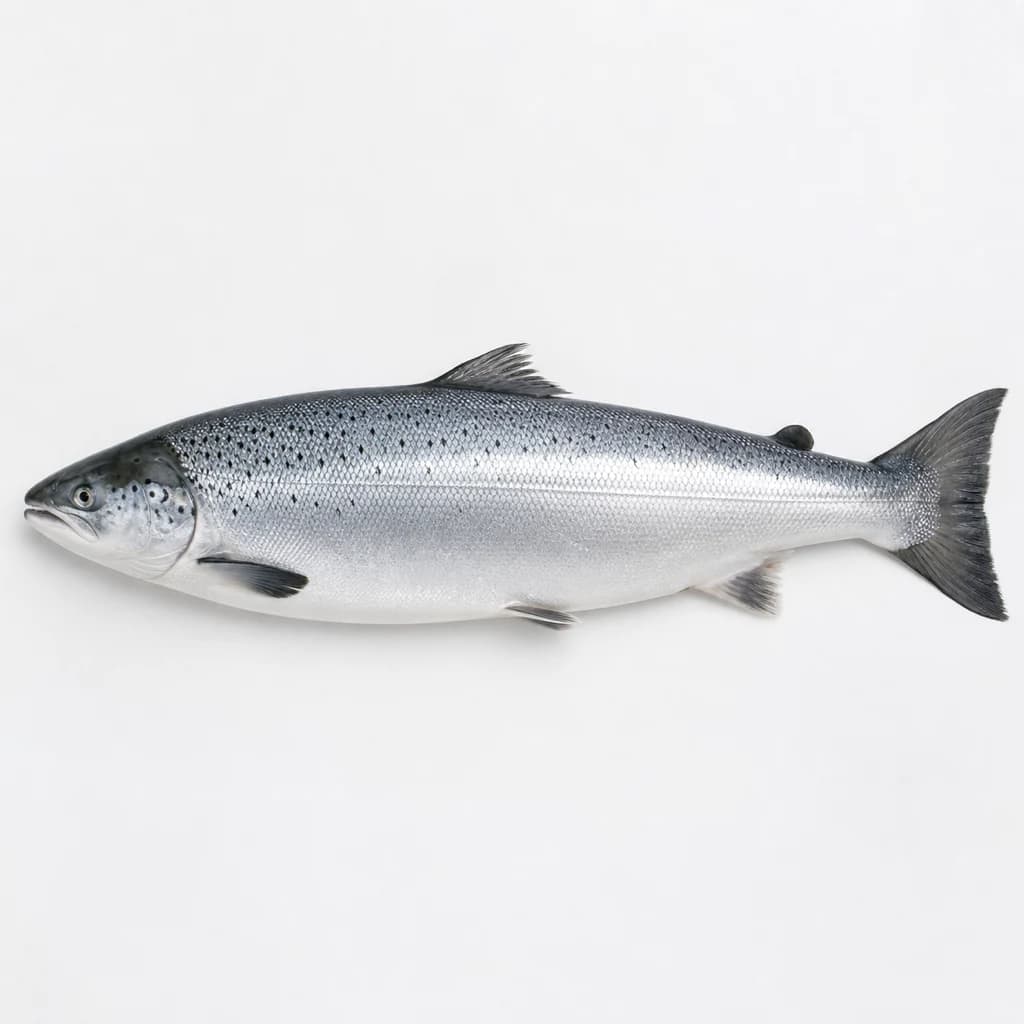
Salmon
Rich, rosy fish that roasts, grills, or cures beautifully

Egg White
Pure protein that whips to airy peaks for meringue and more
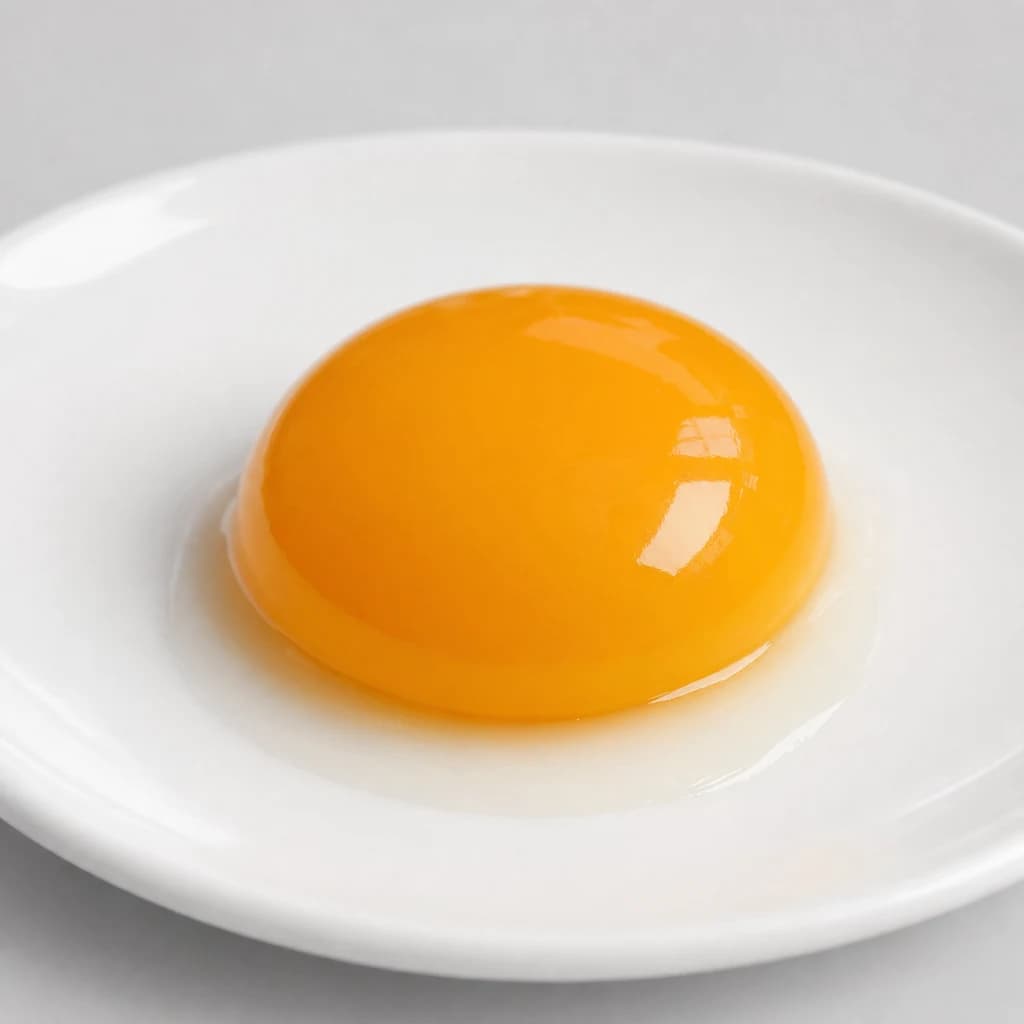
Egg Yolk
Rich, golden yolk for custards, mayonnaise, and pasta

Quail Egg
Tiny, speckled eggs for garnishing and elegant bites