Proteins
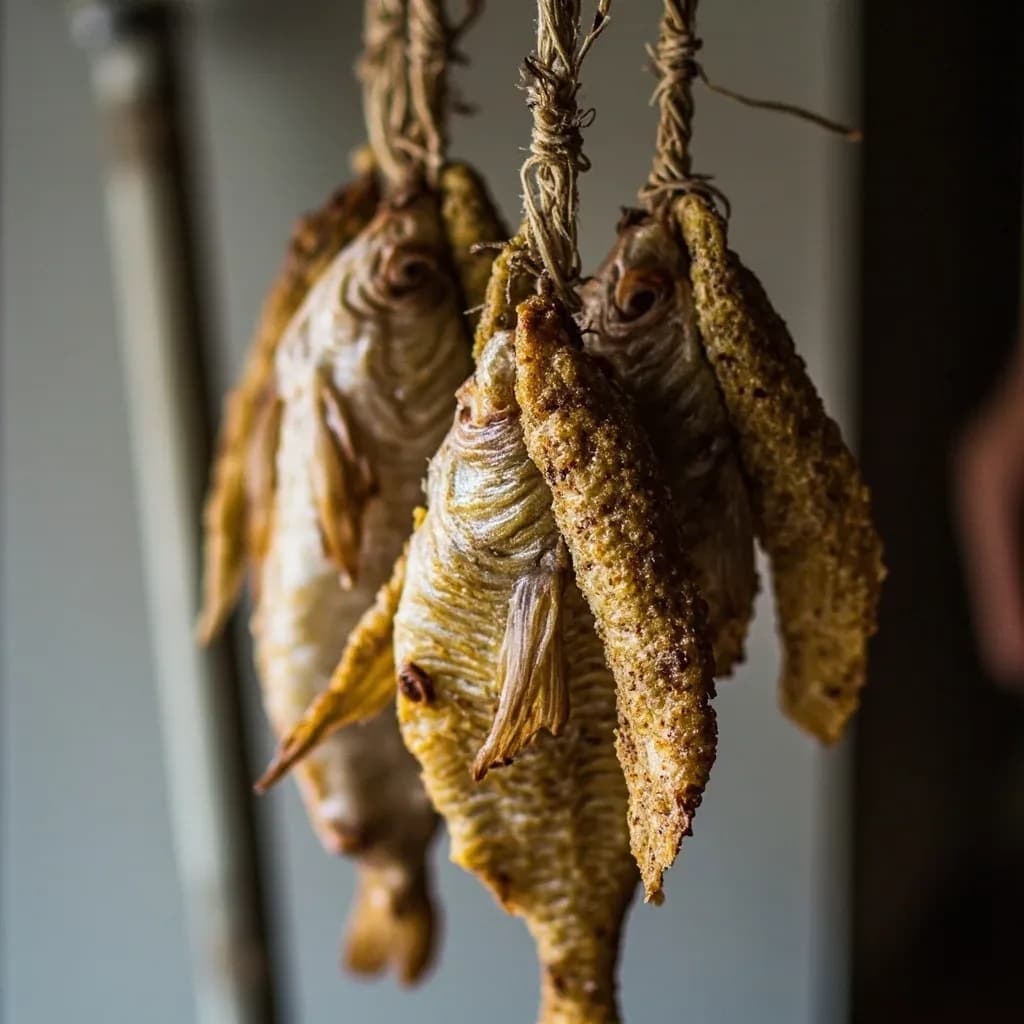
Dried Pollock
Korean wind-dried pollock used for hearty broths and seasoned side dishes.
Dried pollock is pollock cured by repeated freezing and wind-drying, producing the Korean staples hwangtae and bugeo. It is simmered into deeply savory broths, especially the hangover soup bugeoguk, or shredded and seasoned as a side. Drying concentrates its flavor and gives the flesh a fluffy, fibrous texture when rehydrated.
Dried pollock (gulbi, 굴비) is a cornerstone of Korean coastal cuisine — Atlantic pollock (Pollachius virens) gutted, split, and wind-dried during cold winter months along Korea's eastern shore. The process relies entirely on cold, dry air rather than salt; the fish hangs or lies flat for days to weeks until firm, dense, and leathery. This method concentrates the pollack's natural glutamates into an intensely savory, clean umami flavor with a subtle marine sweetness — notably less fishy than salt-cured alternatives. Gulbi has been a critical protein staple for Korean coastal communities, particularly in Gangwon-do and Gyeongsangbuk-do, where harsh winters made outdoor drying practical and the preserved fish carried farming families through months when fresh catch was unavailable. Today it remains embedded in ritual food culture, appearing at lunar New Year (Seollal) and ancestral memorial rites (jesa), but it is equally a year-round pantry workhorse for stock, braises, and grilled sides. Fully dried gulbi has a long shelf life when kept cool and dry, while half-dried specimens must be used more promptly and offer a softer, moister texture.
- Measured in
- g
- Storage
- Pantry
Allergens
Types & varieties
Young pollock, smaller and more tender; preferred for grilling and certain banchan side dishes
Larger adult pollock with meatier flesh; typically used for making stock and robust braised dishes
Dried only partially; moister texture, excellent for grilling; must be consumed more quickly than fully-dried
Traditional long-drying; stores longest, requires soaking before use, and yields the strongest-flavored stock
Selecting and Buying Gulbi
In Korean markets, gulbi is sold either vacuum-sealed in plastic or loose in the fish section. Quality varies considerably — examine pieces carefully before purchasing. Fully dried gulbi should be completely dry to the touch with an ivory to pale beige color, firm texture, and no discoloration, dark spots, or off-odor. If the surface feels tacky or shows any mold, pass. For grilling, small gulbi (소구이) is the better choice; for stock and braises, large gulbi (대구이) yields more meat and deeper flavor. Vacuum-sealed packages offer convenience and shelf stability but are often slightly more expensive. When buying loose gulbi, select from a busy vendor with high turnover to ensure freshness within the lot.
- Choose ivory to pale beige pieces with no dark spots or discoloration
- Fully dried pieces should feel firm and completely dry to the touch
- Small gulbi for grilling, large gulbi for stock and braising
- Vacuum-sealed packaging extends shelf life at room temperature
Historical and Cultural Significance
Gulbi was historically a survival food for coastal Korean farming families. Before widespread refrigeration, wind-drying during the brief autumn and winter window preserved precious protein for months. This practical preservation transformed pollock into a pantry staple that sustained households through spring planting season when fresh fish was scarce. The tradition persists not only as everyday cooking but in ceremonial contexts: gulbi appears on the ritual tables (meseju) at Seollal and jesa as a treasured ancestral offering, signifying continuity with pre-modern foodways and the resourcefulness of coastal ancestors.
- Essential protein staple through Korean winters before refrigeration
- Still served as ceremonial dish at Seollal and jesa ancestral rites
- Symbol of coastal community ingenuity and seasonal food preservation
Common uses
Tips & pitfalls
- Soak fully-dried gulbi in water for 30–60 minutes before cooking to rehydrate slightly and remove any surface dust; do not soak longer or the flavor leaches out
- For stock, simmer the soaked gulbi gently for 10–15 minutes — boiling vigorously clouds the broth and introduces bitterness
- When grilling, brush with sesame oil and broil on high heat 3–4 minutes per side until the surface caramelizes; watch closely because marinades with sugar burn fast
- Small gulbi grills better; large gulbi holds up to stock-making and braising where extended cooking is required
- Store gulbi away from strong-smelling foods — dried fish readily absorbs odors from its surroundings
- If any dried piece feels tacky or shows mold, discard it; proper wind-drying produces a bone-dry surface
- Do not use half-dried gulbi for stock — the higher moisture content produces a weaker, less aromatic broth
- For braised dishes (굴비 조림), score the flesh lightly before simmering so the sauce penetrates evenly
Nutrition
Nutrition
No USDA FoodData Central match for Dried Pollock yet. We surface a per-100 g profile once a generic whole-food entry is matched and verified.
In the shops
Matched grocery products
No matched grocery products for Dried Pollock yet.
Good to know
- Korean Name
- 굴비 (gulbi) — refers specifically to wind-dried pollock; not to be confused with salt-cured or other dried fish preparations
- Scientific Name
- Pollachius virens (Atlantic pollock, also called saithe in some markets)
- Drying Method
- Traditional cold-air wind-drying; gutted, split fish hung or laid flat for several days to weeks during dry autumn and winter months
- Salting
- Generally unsalted; preservation relies on cold, dry air, not salt cure
- Texture
- Firm and dense when fully dry; slightly chewy after rehydration; leathery when bone-dry; half-dried specimens are more pliable
- Flavor
- Intensely savory with clean umami and subtle marine sweetness; less fishy than salt-cured dried fish
- Shelf Life
- Months when stored dry and protected from humidity; half-dried varieties must be used within days
- Storage
- Wrap tightly in paper, store in a cool dry place; for longer storage, refrigerate sealed with a desiccant packet
- Origin
- Fishing communities along Korea's east coast, particularly Gangwon-do and Gyeongsangbuk-do provinces
- Season
- Caught and dried primarily in late autumn and winter when cold, dry winds prevail
Substitutes
- Dried cod (대구) — Closest substitute in texture and flavor intensity; slightly sweeter, but performs well in stock, braises, and grilling applications
- Dried sole or flounder — Milder flavor profile; works adequately for stock but less authentic in Korean preparations
- Anchovies (멸치) — Viable for stock only; much smaller and saltier, producing a different but still functional umami base — use fewer and remove after simmering
- Dried squid (오징어) — Not a direct substitute; useful for chewy stir-fried dishes but the flavor profile differs significantly and it cannot replicate gulbi in stock or braises
Pairs with
Also called
Hwangtae · Bugeo · Dried Pollack
Related
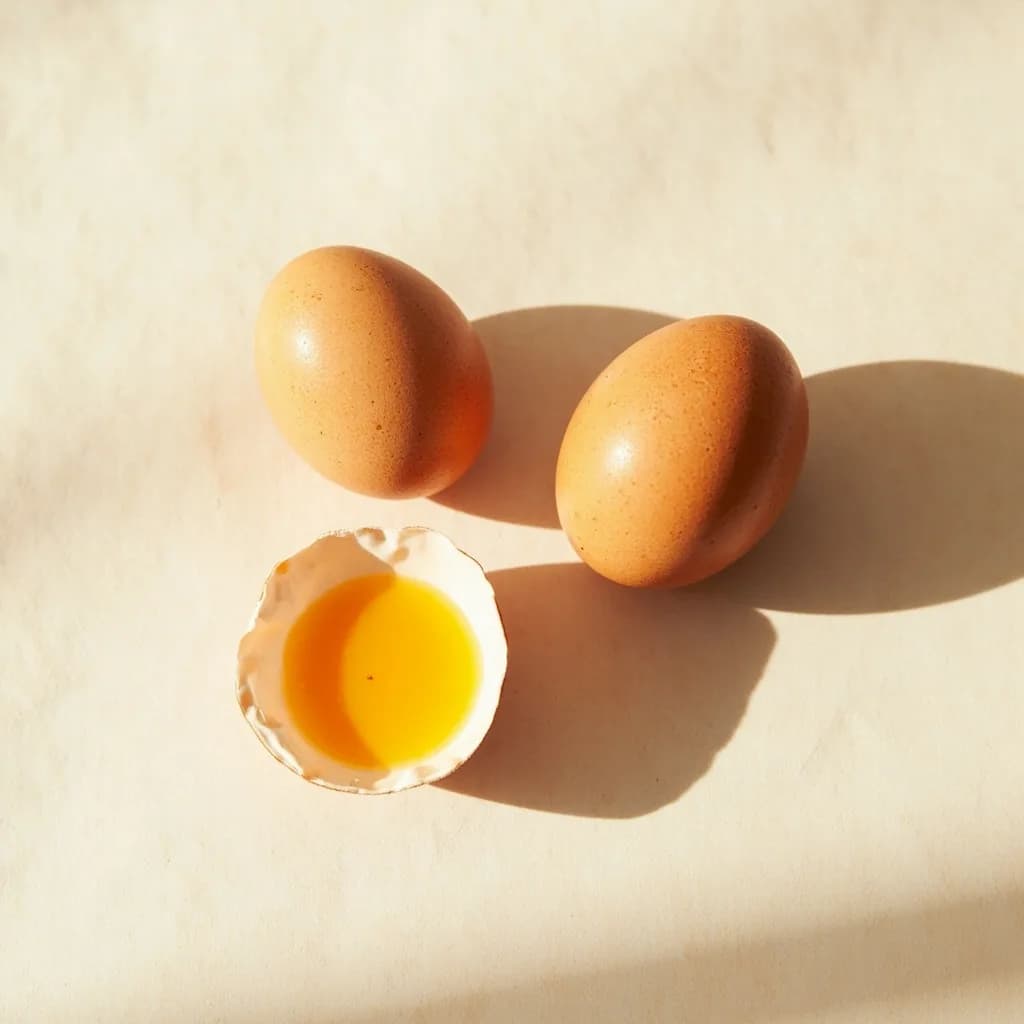
Egg
The kitchen's everything ingredient — bind, leaven, enrich, or fry
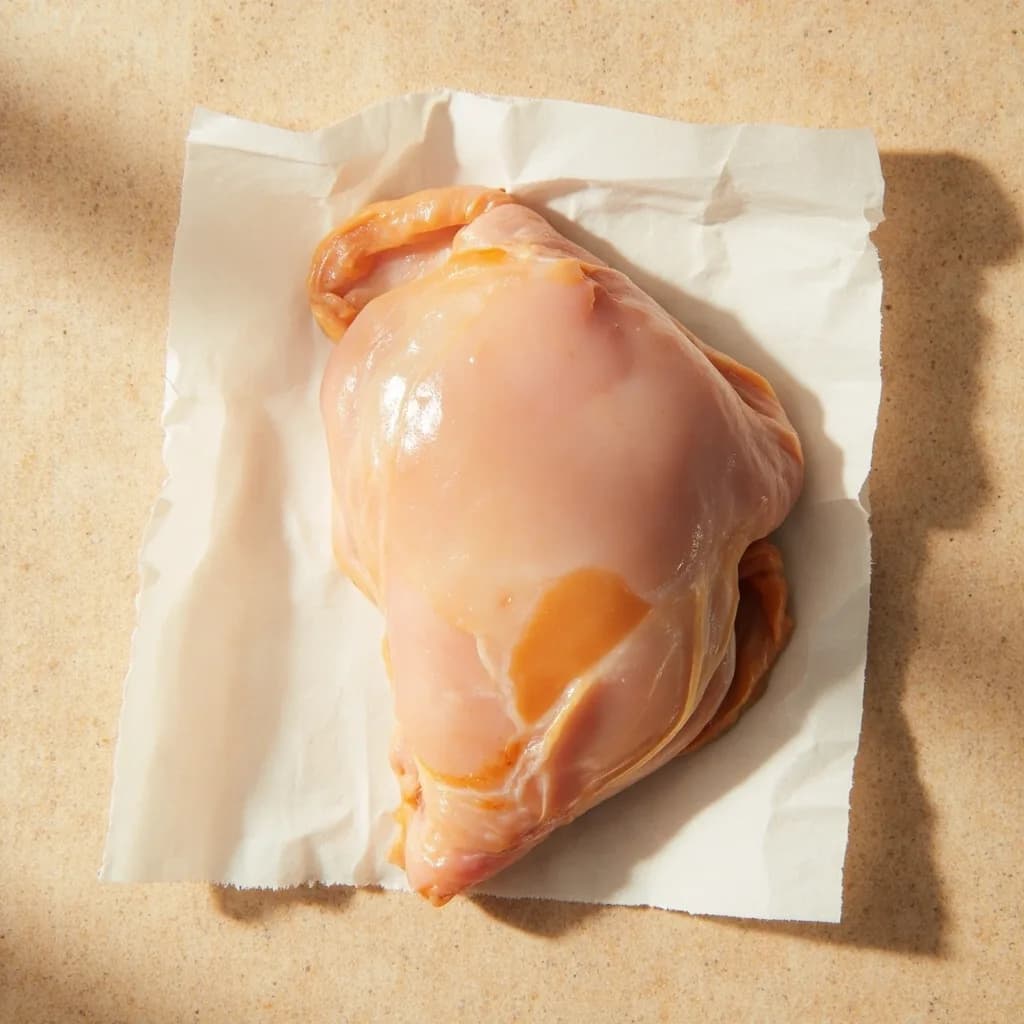
Chicken Breast
Lean, quick-cooking white meat for everyday dinners

Ground Beef
Versatile minced beef for burgers, ragù, tacos, and meatballs
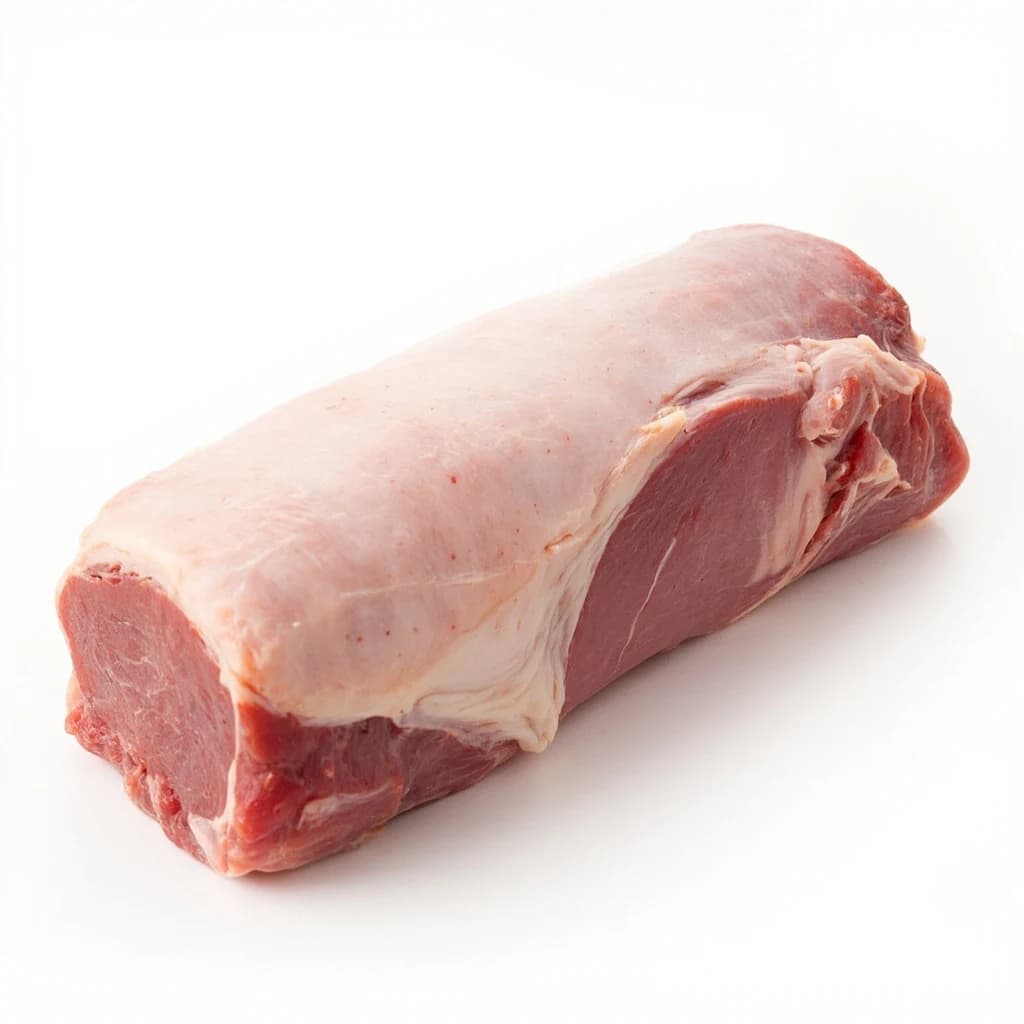
Pork Loin
Lean, tender roasting cut that stays juicy with care
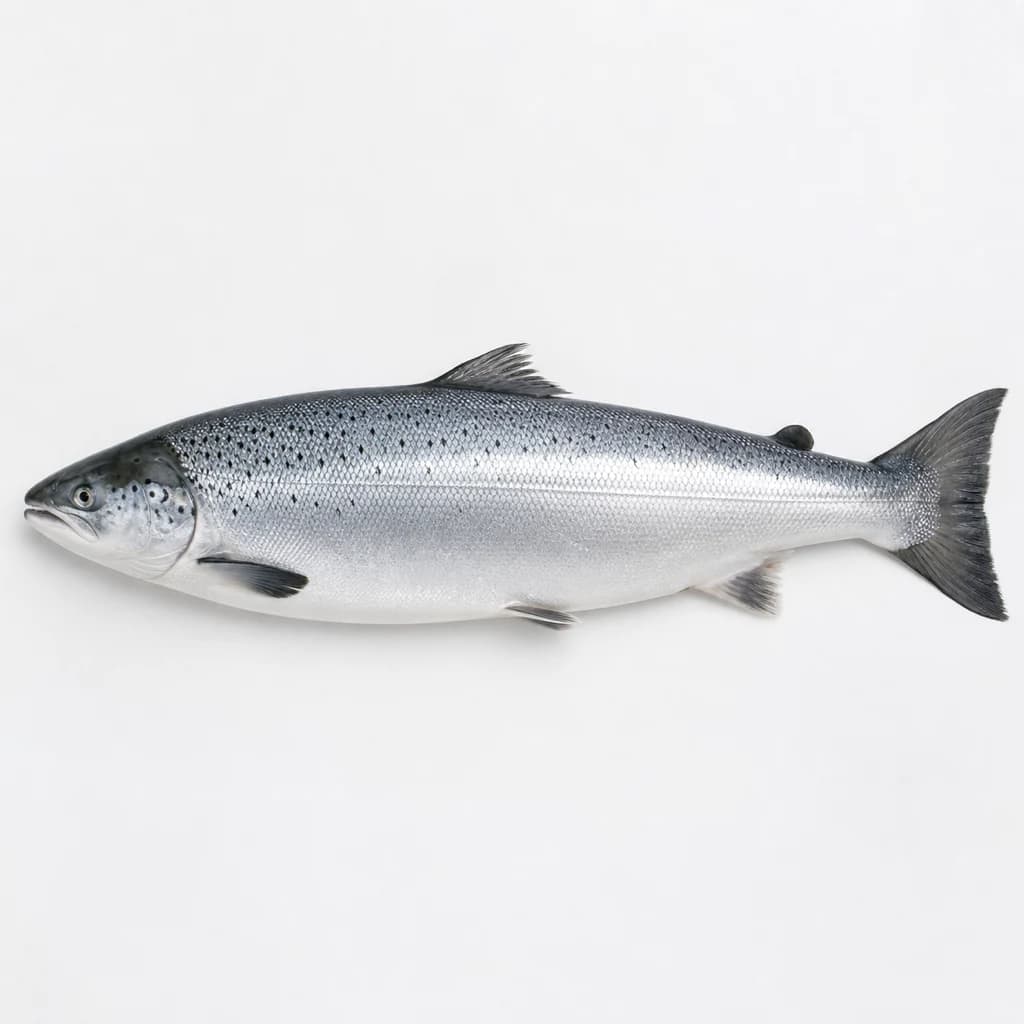
Salmon
Rich, rosy fish that roasts, grills, or cures beautifully

Egg White
Pure protein that whips to airy peaks for meringue and more
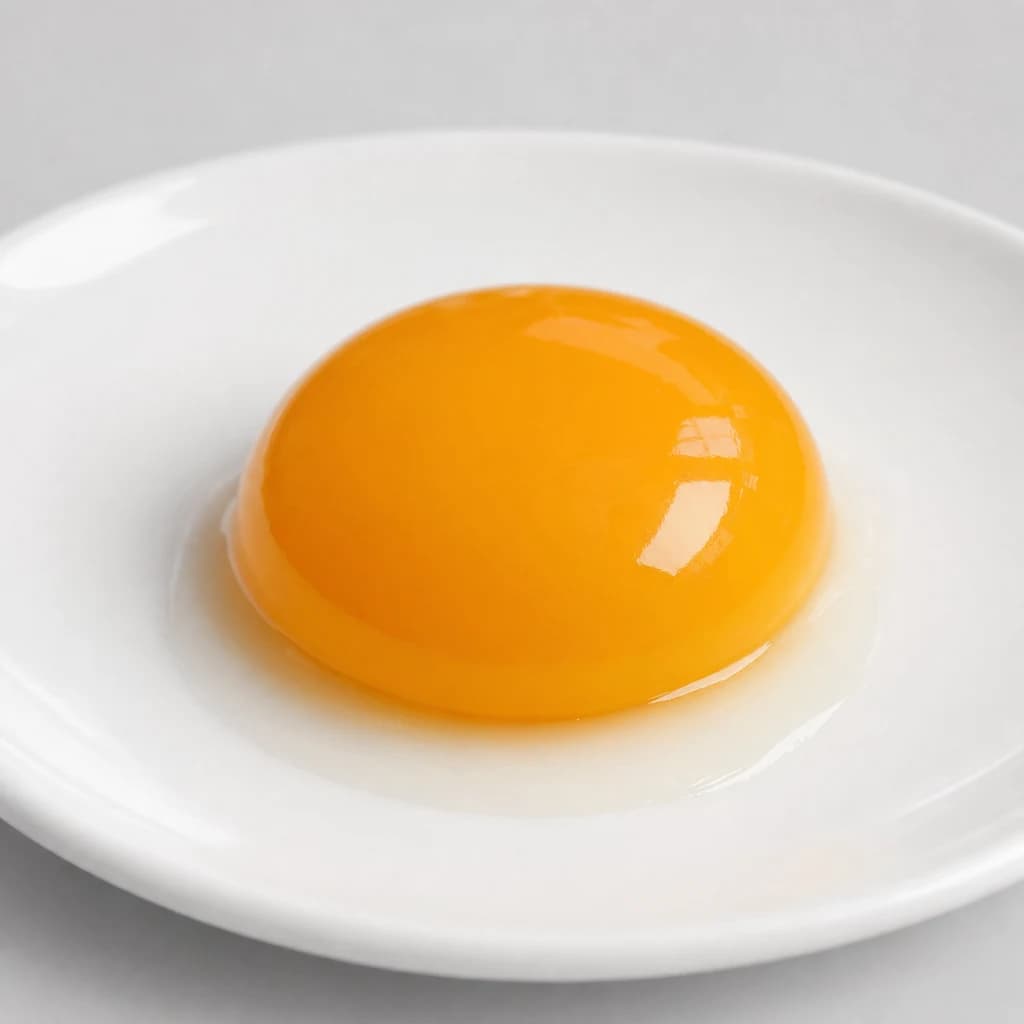
Egg Yolk
Rich, golden yolk for custards, mayonnaise, and pasta

Quail Egg
Tiny, speckled eggs for garnishing and elegant bites