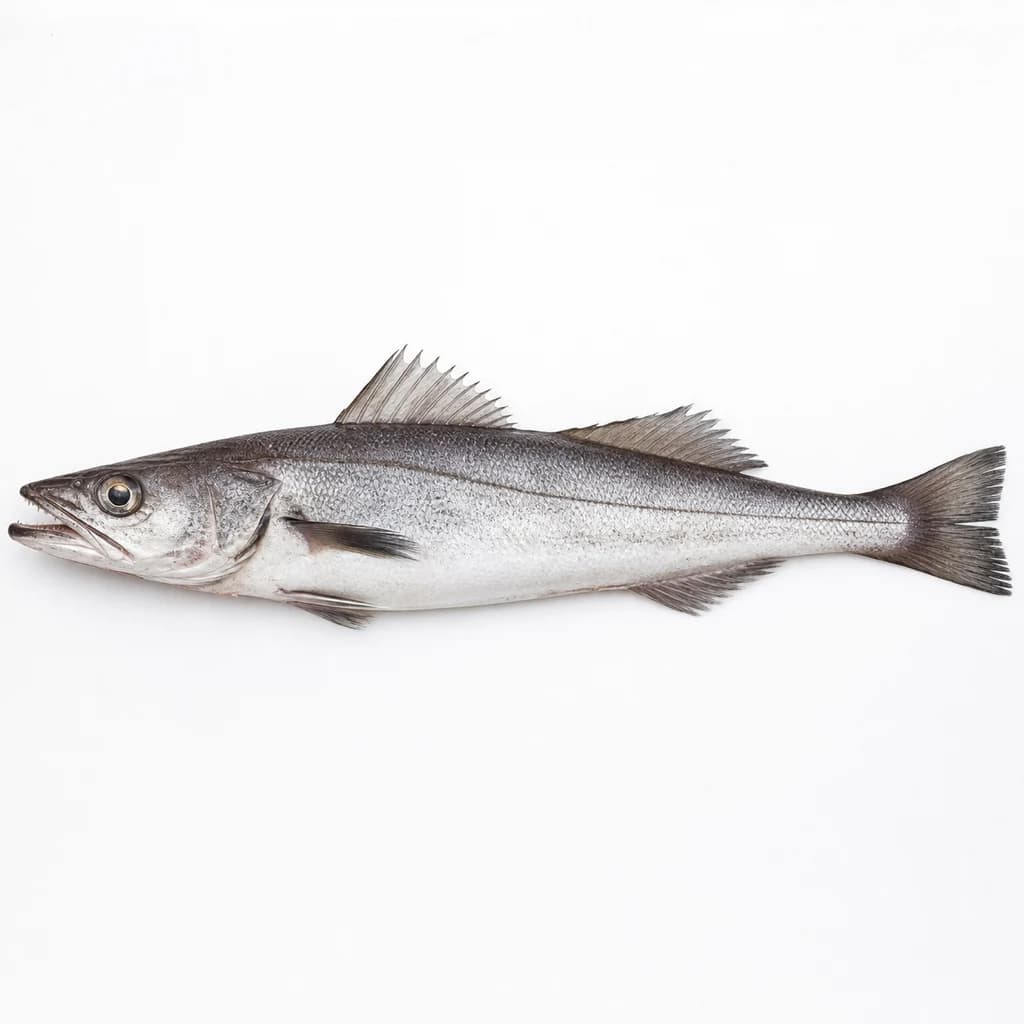
Natural form
Whole hake fish showing its distinctive elongated silver-grey body and large mouth.
Shows the reader what an intact hake looks like in the market or at the fishmonger, enabling recognition before purchase.
Proteins
Hake
Soft-fleshed white sea fish — fried, baked, or simmered in green sauce; a Spanish and South African favorite.
Hake is a white sea fish with soft, delicate flesh and a mild flavor, popular across Spain, Portugal, and Southern Africa. It is pan-fried, baked, or simmered in classic Basque salsa verde, and its fillets are a common fish-and-chips choice. The tender flesh cooks quickly and flakes easily.
Hake is a lean, soft-fleshed white fish belonging to the Merlucciidae family, prized throughout Spain, Portugal, and South Africa but underutilized elsewhere. Its flesh has a delicate, almost melting quality when properly cooked — ivory to pale gray in color, fine-flaked, and notably tender. The flavor is mild, faintly sweet, and clean, with a clean ocean taste that disappears quickly under heavy seasoning or overcooking. This combination of subtlety and fragility makes hake a fish that rewards confident, quick cooking and punishes neglect: a minute too long on high heat, and the flesh turns from silky to mushy.
The genus Merluccius includes several commercially important species. European hake (Merluccius merluccius) dominates Atlantic and Mediterranean markets, where it commands prices comparable to premium cod. Cape hake (M. capensis) powers South Africa's fish-and-chips culture and fish pie tradition. Argentine hake (M. hubbsi) is a major frozen export. In North America, the closely related silver hake (M. bilinearis) is often labeled simply as whiting — a source of persistent market confusion. The defining culinary characteristic across all species is the same: soft flesh with low fat content that needs protection from dryness and overcooking.
- Measured in
- g
- Storage
- Fridge
Allergens
Types & varieties
Merluccius merluccius — primary species for Spanish and Portuguese markets; found in the Northeast Atlantic and Mediterranean. The benchmark against which other hakes are often compared.
Merluccius capensis — dominant commercial species off South Africa and Namibia; also called shallow-water hake. The workhorse of South African fried fish cuisine.
Merluccius hubbsi — major species from the Southwest Atlantic; widely exported as frozen product. Often sold as skinless, boneless fillets in global markets.
Merluccius bilinearis — North American species found off New England and Atlantic Canada; also called whiting in some markets. Softer than European hake; best used the same day of purchase.
Merluccius paradoxus — closely related to Cape hake; found at greater depths off southern Africa. Slightly firmer flesh due to colder habitat.
Urophycis chuss — related hake species from the genus Urophycis; found off Northwest Atlantic. Noticeably softer flesh; excellent for poaching and stews.
Common uses
Tips & pitfalls
- Pat fillets absolutely dry before cooking — hake's low fat content means excess moisture steams the flesh rather than searing it, resulting in a flat, gray texture
- Cook hake gently and remove from heat slightly before done; carryover cooking turns already-soft flesh to mush within seconds
- For a seared crust, use the hottest pan possible for just 1–2 minutes per side, then finish in a moderate oven or reduce heat to finish cooking through
- When baking whole or bone-in fillets, tent loosely with foil for the first 10 minutes to retain steam and moisture, then uncover for coloring
- Season simply — hake's mildness vanishes under heavy seasoning; let the oceanic sweetness and clean flavor come through with minimal intervention
- Common mistake: buying stale hake, which develops a sharp ammonia smell. Fresh hake smells clean and briny, almost neutral. If it smells strong, walk away
- For green sauce preparations, use a good dry white wine and plenty of fresh flat-leaf parsley — these two ingredients carry the entire flavor of the dish
- For South African-style fried hake, double-dredge in seasoned flour and fry at 180°C until golden and crispy, about 4–5 minutes per side depending on thickness
Nutrition
Nutrition
No USDA FoodData Central match for Hake yet. We surface a per-100 g profile once a generic whole-food entry is matched and verified.
In the shops
Matched grocery products
No matched grocery products for Hake yet.
Good to know
- Scientific name
- Merluccius merluccius (European); M. capensis (Cape); M. hubbsi (Argentine)
- Flavor
- Mild, faintly sweet; clean ocean taste, easily overpowered
- Texture
- Soft, tender, fine-flaked; lean with low oil content
- Color (raw)
- Pearl-white to light gray flesh; silvery-gray skin
- Average yield
- 45–50% skinless, boneless fillet from whole fish
- Shelf life
- 2–3 days fresh on ice; up to 6 months frozen at −18°C or below
- Peak season
- European hake: autumn through early spring (varies by species)
- Sustainability
- Check regional advisories; MSC-certified options available for Cape and Argentine hake
Substitutes
- Cod (Atlantic or Pacific) — Similar mild flavor but firmer texture; increase cooking time slightly to account for density difference
- Haddock — Comparable mildness and flake; slightly sweeter; excellent 1:1 substitute in most preparations
- Pollock — Firm, lean, mild — works for most cooking methods; avoid for very delicate or raw preparations where softness is desired
- Monkfish — Firmer texture that holds up to stews and braises; not suited to quick-sear methods intended for hake
- Sea bass (European) — Similar delicate flavor; often firmer flesh; reduce cooking time to prevent overcooking the softer hake-style dishes
- John Dory — Delicate white fish with mild flavor; excellent substitute for poached or baked preparations calling for hake's softness
- Do not substitute with salmon, tuna, or other oily fish — The flavor profile and cooking behavior are fundamentally different — these fish need different techniques and pairings
Pairs with
Also called
Hake (Merluza) · Merluza
Related
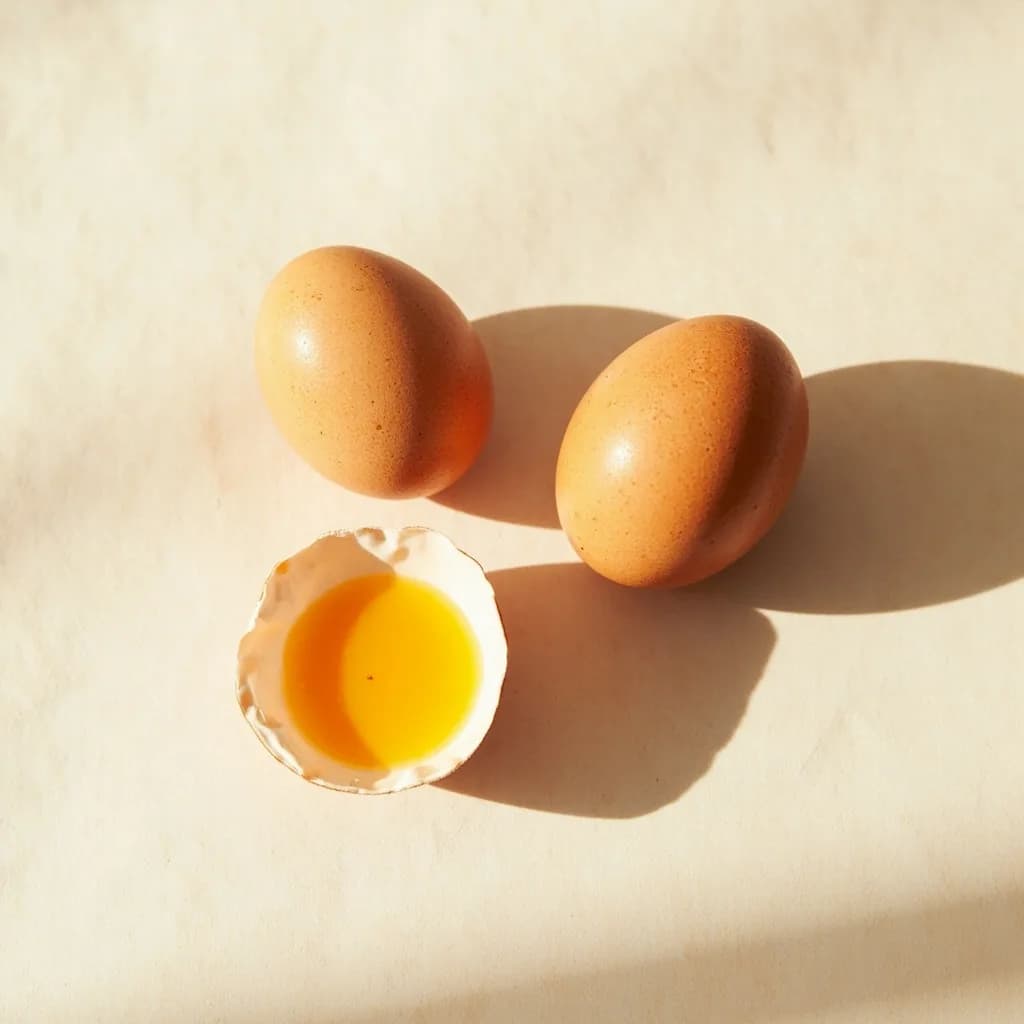
Egg
The kitchen's everything ingredient — bind, leaven, enrich, or fry
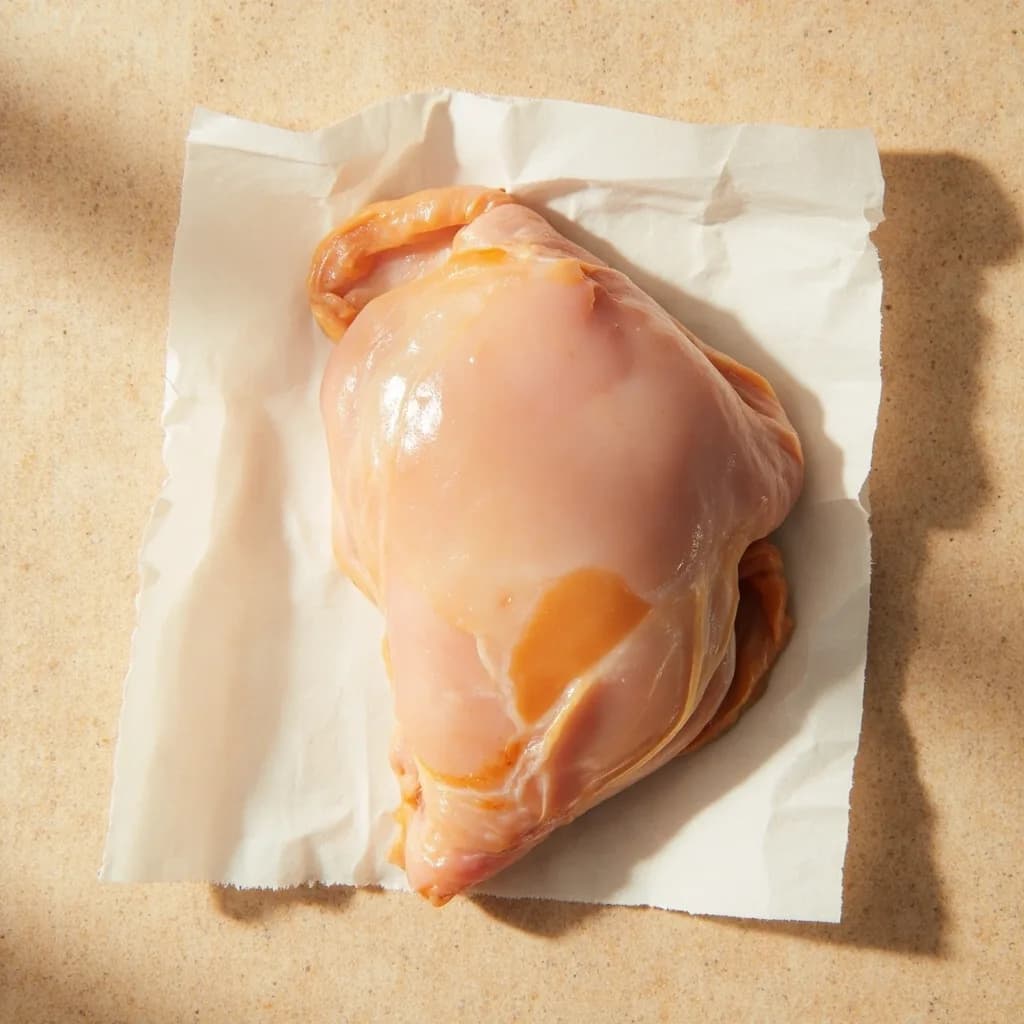
Chicken Breast
Lean, quick-cooking white meat for everyday dinners

Ground Beef
Versatile minced beef for burgers, ragù, tacos, and meatballs
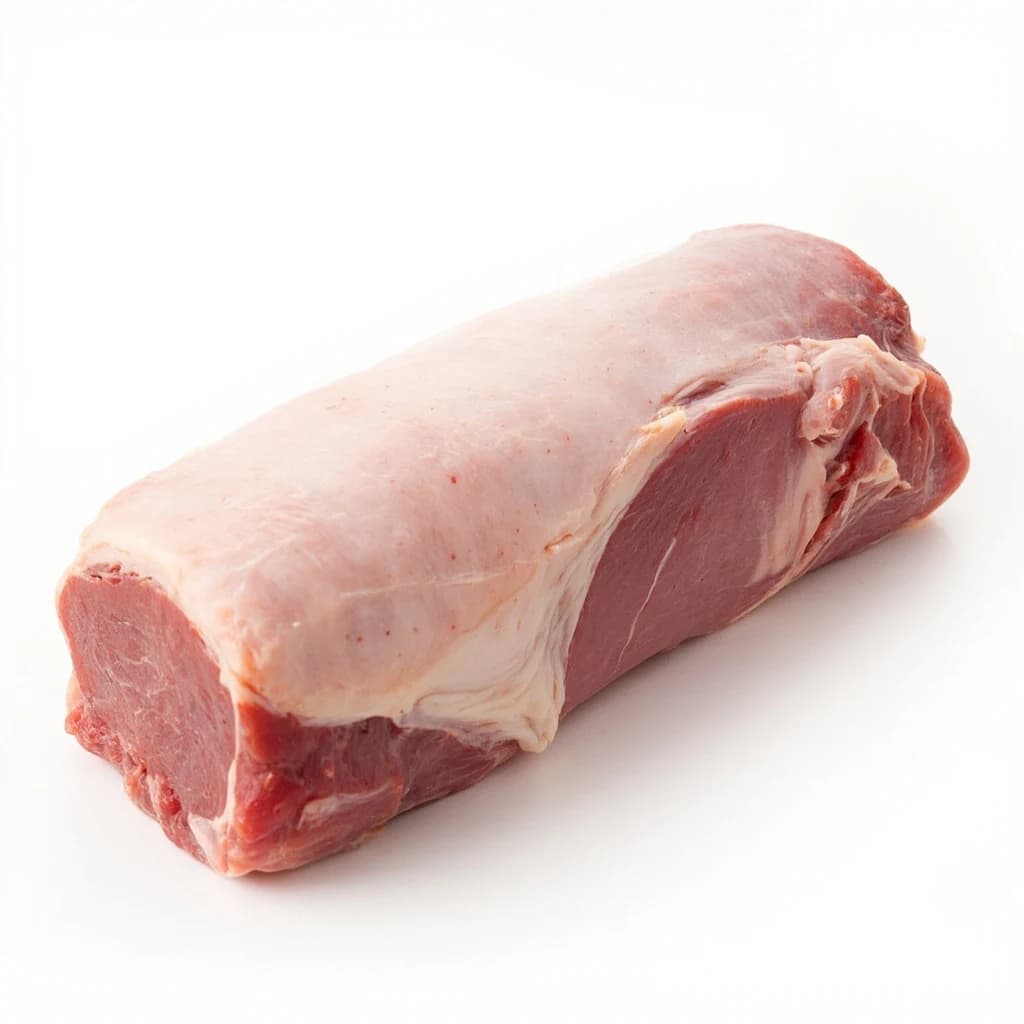
Pork Loin
Lean, tender roasting cut that stays juicy with care
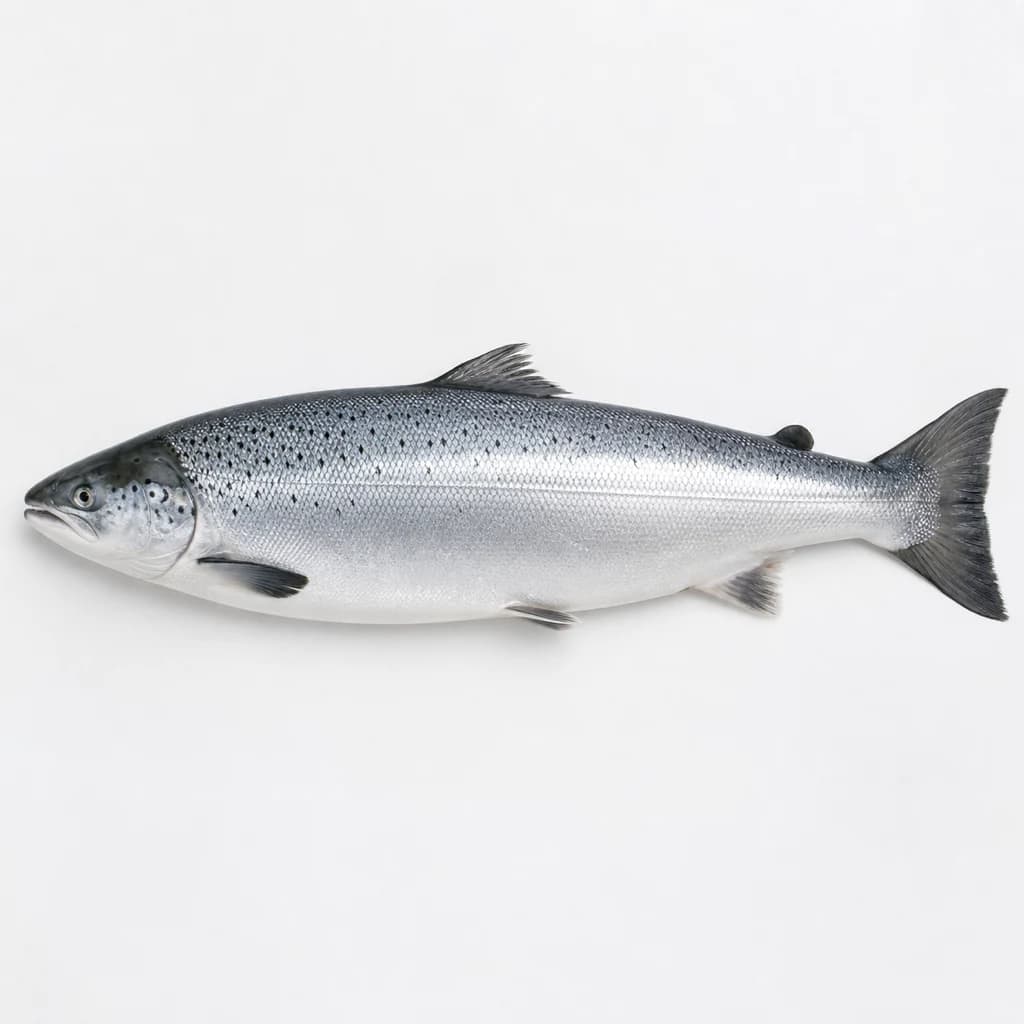
Salmon
Rich, rosy fish that roasts, grills, or cures beautifully

Egg White
Pure protein that whips to airy peaks for meringue and more
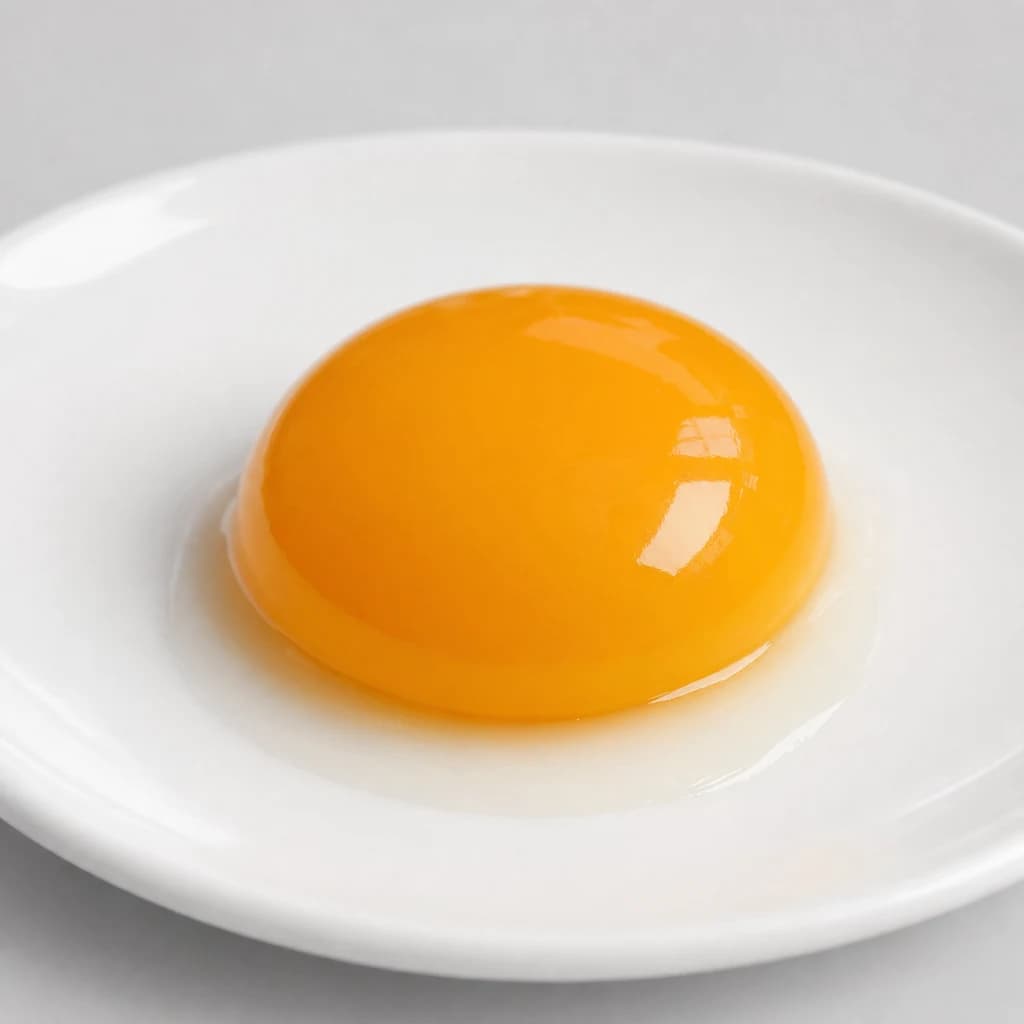
Egg Yolk
Rich, golden yolk for custards, mayonnaise, and pasta

Quail Egg
Tiny, speckled eggs for garnishing and elegant bites