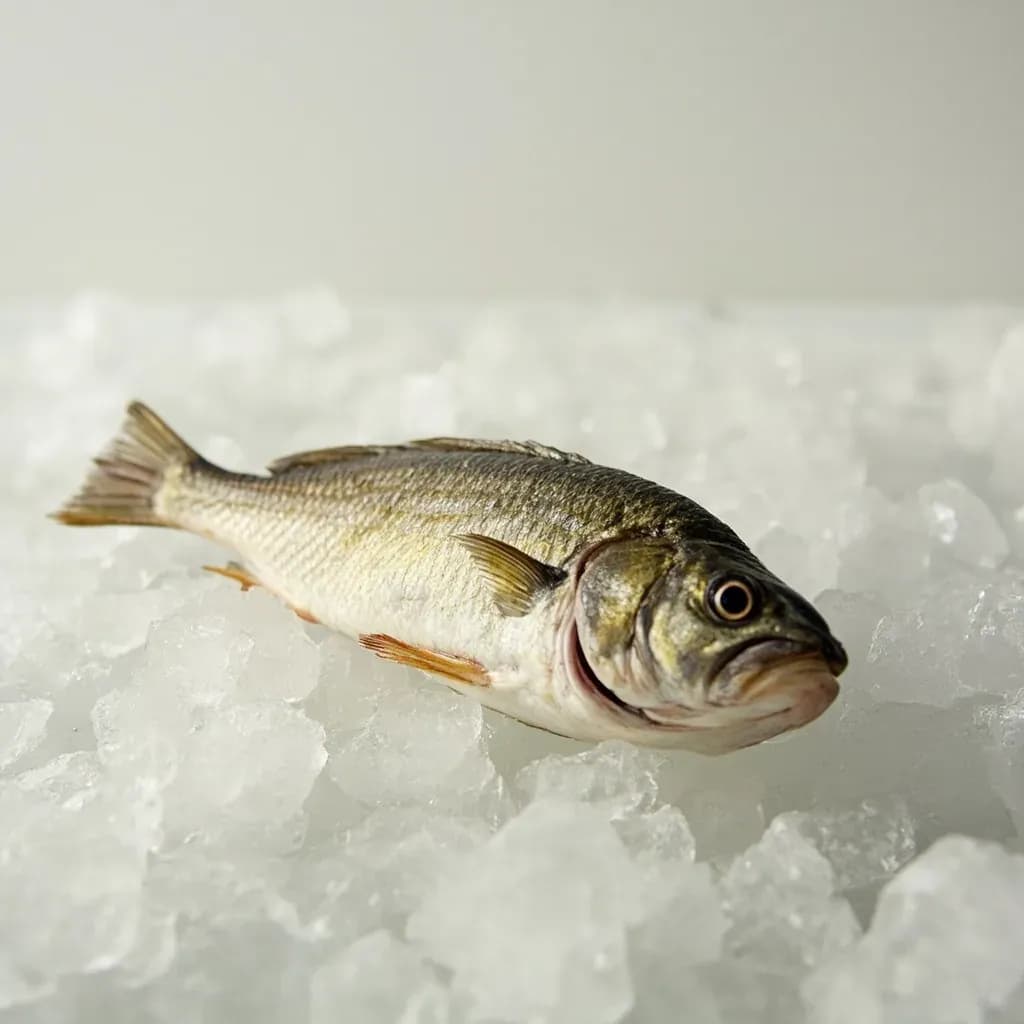
Proteins
Haddock
A lean, flaky North Atlantic white fish, popular fried, baked, or smoked.
Haddock is a lean white fish from the North Atlantic, closely related to cod but with a slightly sweeter, more delicate flavor and fine flake. It is a classic choice for fish and chips, fish pies, and chowders, and is also famously smoked (as in finnan haddie and kedgeree). Its firm yet tender flesh holds up well to frying, baking, and poaching.
Haddock (Melanogrammus aeglefinus) is a lean white fish from the Gadidae family, native to the cold waters of the North Atlantic from the Gulf of Maine to the Barents Sea. It holds a distinguished place in British and Scandinavian cooking, prized for its fine-grained, flaky texture and mild, slightly sweet flavor that is less pronounced than its close relative cod. The fish is identifiable by a distinctive black lateral line and a dark thumbprint mark behind the gill—characteristics that help distinguish it from similar species at the fish counter. Haddock's lean flesh (less than 1% fat) makes it versatile but unforgiving: it cooks quickly and dries out easily if overworked, yet when treated properly, it yields a tender, delicate result that forms the backbone of classics like fish and chips, kedgeree, and smoked fish pies.
- Measured in
- g
- Storage
- Fridge
Allergens
Types & varieties
Whole or filleted from fish counters; mildest and most delicate when very fresh; look for clear eyes and bright, adherent scales
IQF fillets maintain quality well; vacuum-sealed packaging preferred; thaw slowly in refrigerator overnight
Cold-smoked over green (damp) wood; pale yellow color; originated in Findon, Scotland; sold boneless, skin-on; the definitive smoked haddock for kedgeree
Hot-smoked haddock, heavily caramelized from oak or beech; from Arbroath, Scotland; fully cooked; serve flaked into salads, pasta, or as appetizers
Smoked haddock colored yellow with natural annatto; traditional for fish and chips in some regions; optional—undyed has a cleaner, more versatile flavor
Buying and Storing Haddock
Fresh haddock spoils quickly due to its lean character. At the fish counter, press the flesh: it should spring back immediately. The eyes should be clear and bulging, the gills bright red, and scales should adhere firmly. A fishy or ammonia smell indicates spoilage. Store fresh haddock at 32–34°F and use within 1–2 days. For longer storage, freeze at 0°F or below; properly stored, it maintains quality for 4–6 months. Never refreeze thawed fish.
- Whole haddock (1–3 lbs typical) yields 35–40% edible flesh after filleting and trimming
- Fillets should appear translucent when raw and turn opaque when properly cooked
- Frozen fillets are ideal for meal planning—look for vacuum-sealed, frost-free packaging
Sustainability
Haddock supports significant commercial fisheries across the North Atlantic. Sustainability varies by source: Iceland, Norway, and parts of the UK operate MSC-certified sustainable fisheries. Some North Sea stocks have experienced overfishing historically. Check current Monterey Bay Aquarium Seafood Watch ratings or look for MSC certification on packaging to make informed purchasing decisions.
- MSC-certified haddock is available from Icelandic and Norwegian fisheries
- North Sea stocks require careful sourcing—verify current status before purchasing
- Buying from sustainable sources helps maintain this species for future culinary traditions
Common uses
Tips & pitfalls
- Haddock overcooks rapidly: remove from heat when flesh turns just opaque throughout and flakes gently when pressed; carryover cooking will finish it
- For baking or roasting, keep the skin on to retain moisture, then strip it away before serving
- When pan-frying or grilling skinless fillets, brush oil directly onto the fish rather than just the pan
- Brine fillets in a 2% salt solution (20g salt per liter water) for 30 minutes before grilling or roasting to improve moisture retention
- Do not marinate raw haddock in acidic liquids for more than 30 minutes—the proteins will turn mushy
- Smoked haddock (Finnan haddie) is fully cooked; add it to dishes in the last 5 minutes and reheat gently
- Arbroath smokies are brittle when cold; flake carefully with a fork rather than cutting to preserve the texture
- For exceptionally crispy fish and chips, dust fillets lightly with cornstarch before battering for a shatter-crisp crust
- When using undyed Finnan haddie in chowders, reserve the soaking liquid as a flavorful base
Nutrition
Energy
310 kJ · per 100 g
Where the calories come from
Protein
16.3g
33% DV
Carbs
0g
0% DV
Fat
0.5g
1% DV
Fiber
0g
0% DV
Sugars
0g
of which
Sodium
213mg
9% DV
Source · USDA FoodData Central · Fish, haddock, raw
View on FDC →In the shops
Matched grocery products
No matched grocery products for Haddock yet.
Good to know
- Scientific Name
- Melanogrammus aeglefinus
- Family
- Gadidae (cod family)
- Flavor
- Mild, slightly sweet; clean oceanic taste, less pronounced than cod
- Texture
- Fine-grained, lean, and flaky; softer than cod
- Fat Content
- Very lean (<1%)
- Peak Season
- February through April (available year-round)
- Yield
- 35–40% from whole fish to filleted
- Fresh Shelf Life
- 1–2 days refrigerated at 32–34°F
Substitutes
- Cod (Atlantic or Pacific) — Similar mild flavor and flaky texture; slightly firmer; the best all-around substitute for most preparations
- Atlantic Pollock — Less expensive; slightly stronger flavor; holds together well in chowders, soups, and fish cakes
- Hake (European or Cape) — Comparable lean, flaky texture with mild flavor; excellent for baking, roasting, and light frying
- Whiting — Smaller and more delicate; best for poaching or light frying; falls apart easily in liquid dishes
- Tilapia — Milder flavor and firmer texture; works in baked or fried applications but lacks haddock's oceanic character
- Cusk (Brosme) — Closely related to haddock; similar flakiness and mild flavor; native to the same North Atlantic waters
Pairs with
Also called
Haddock (Ýsa) · Ýsa
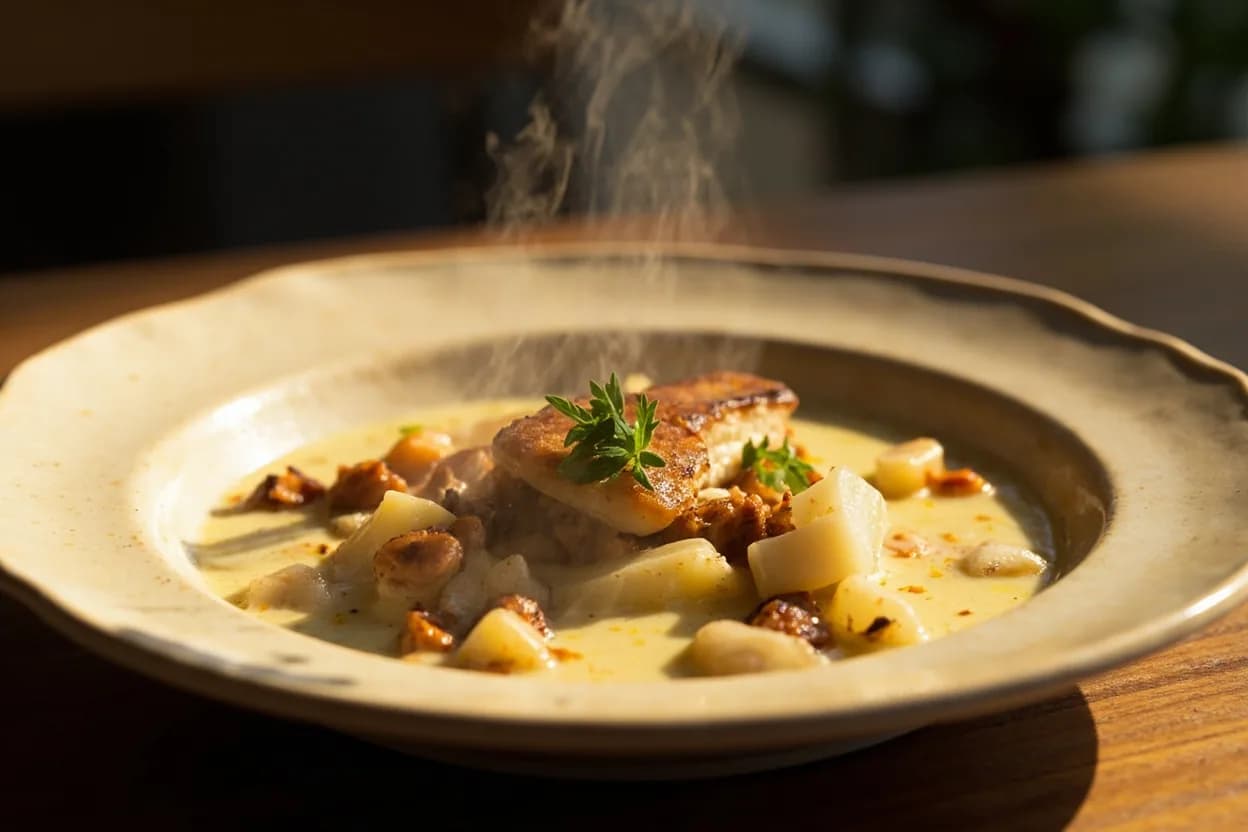
Appears in these dishes

Related
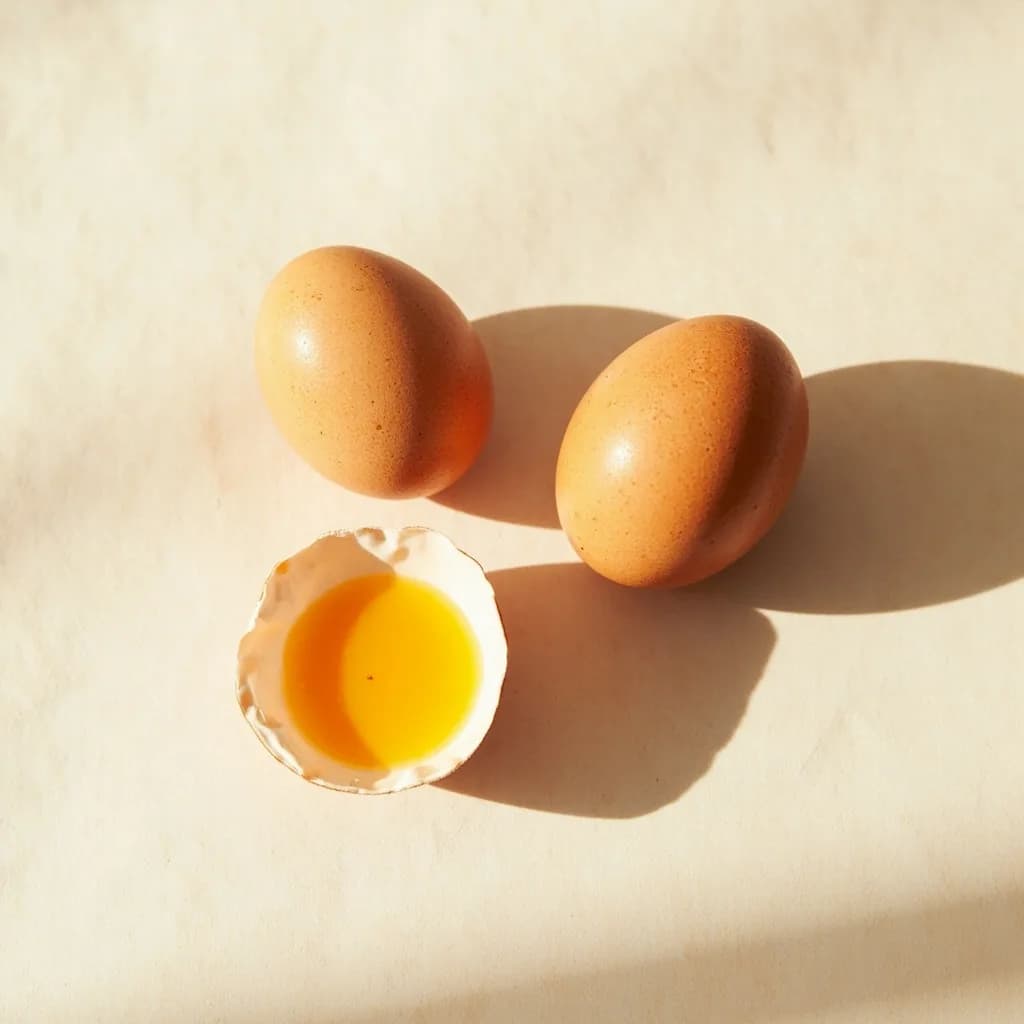
Egg
The kitchen's everything ingredient — bind, leaven, enrich, or fry
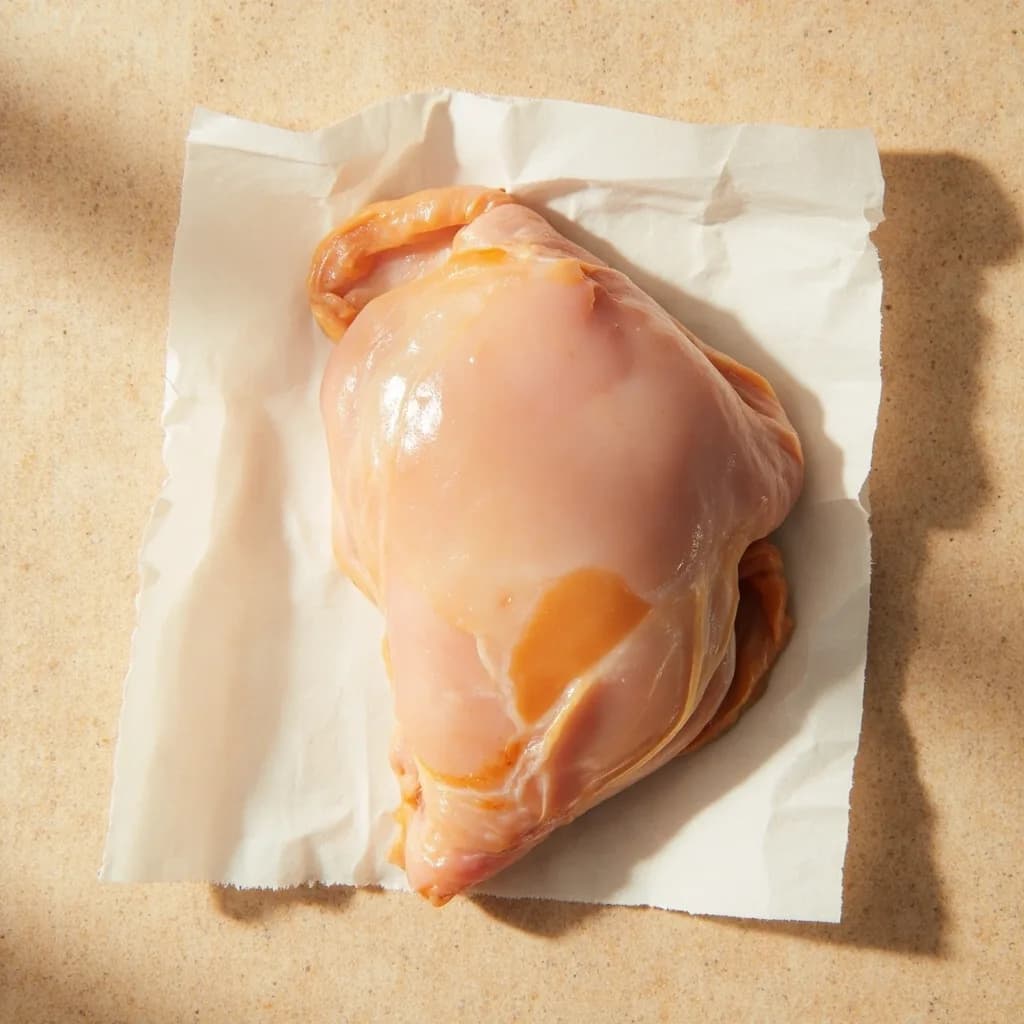
Chicken Breast
Lean, quick-cooking white meat for everyday dinners

Ground Beef
Versatile minced beef for burgers, ragù, tacos, and meatballs
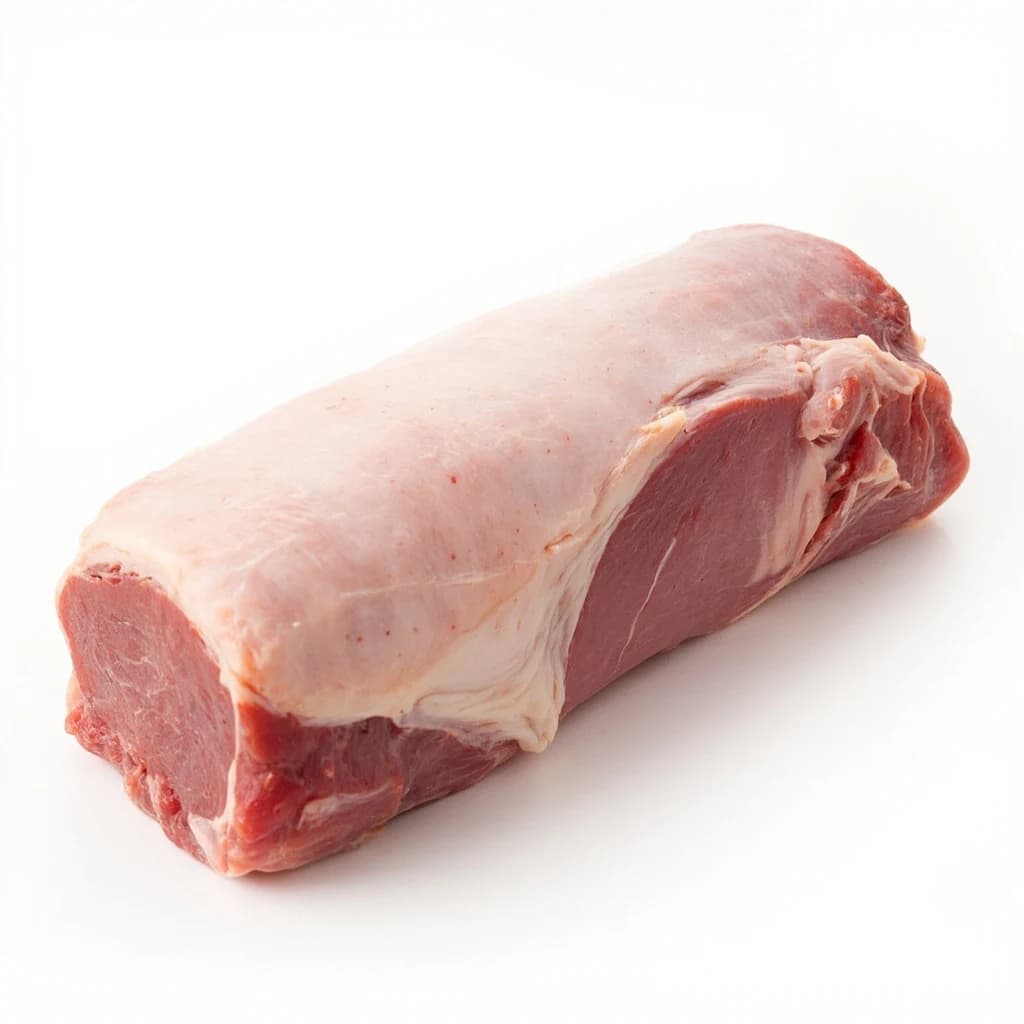
Pork Loin
Lean, tender roasting cut that stays juicy with care
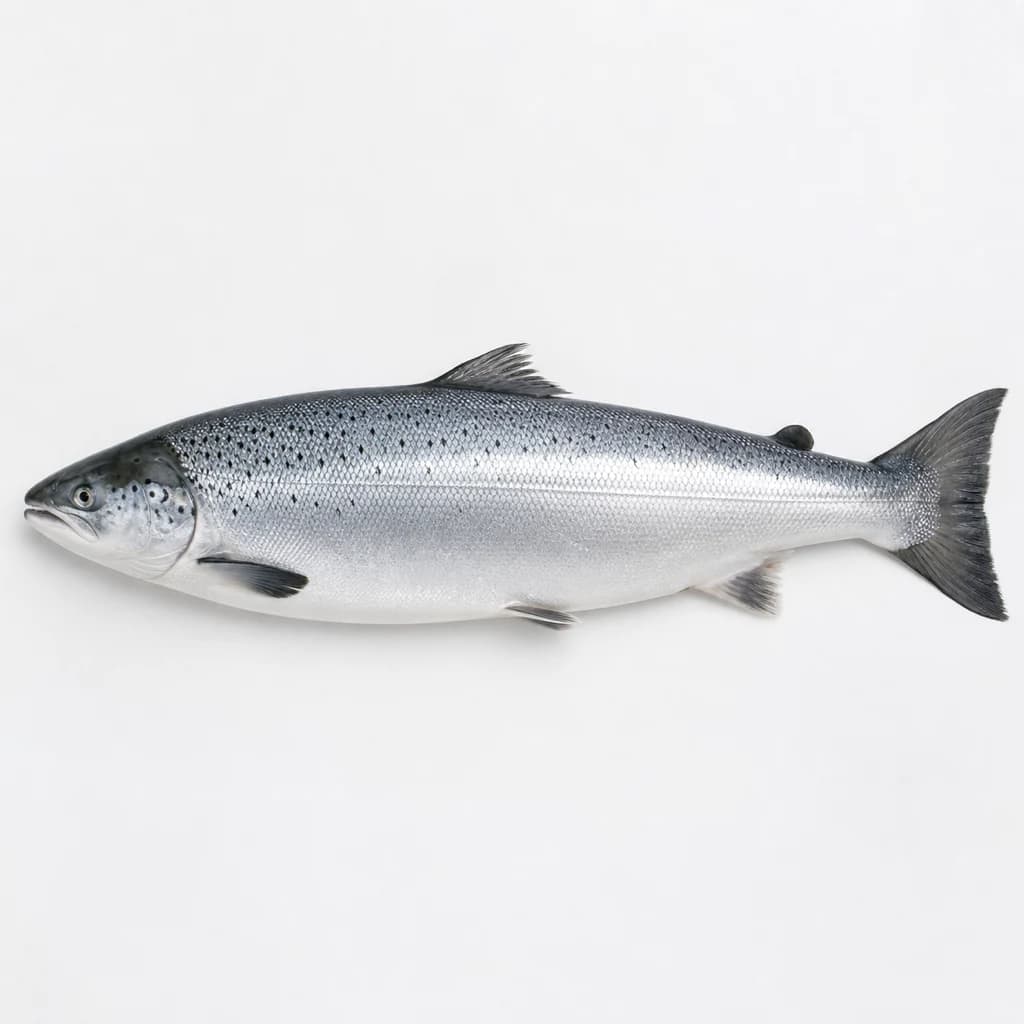
Salmon
Rich, rosy fish that roasts, grills, or cures beautifully

Egg White
Pure protein that whips to airy peaks for meringue and more
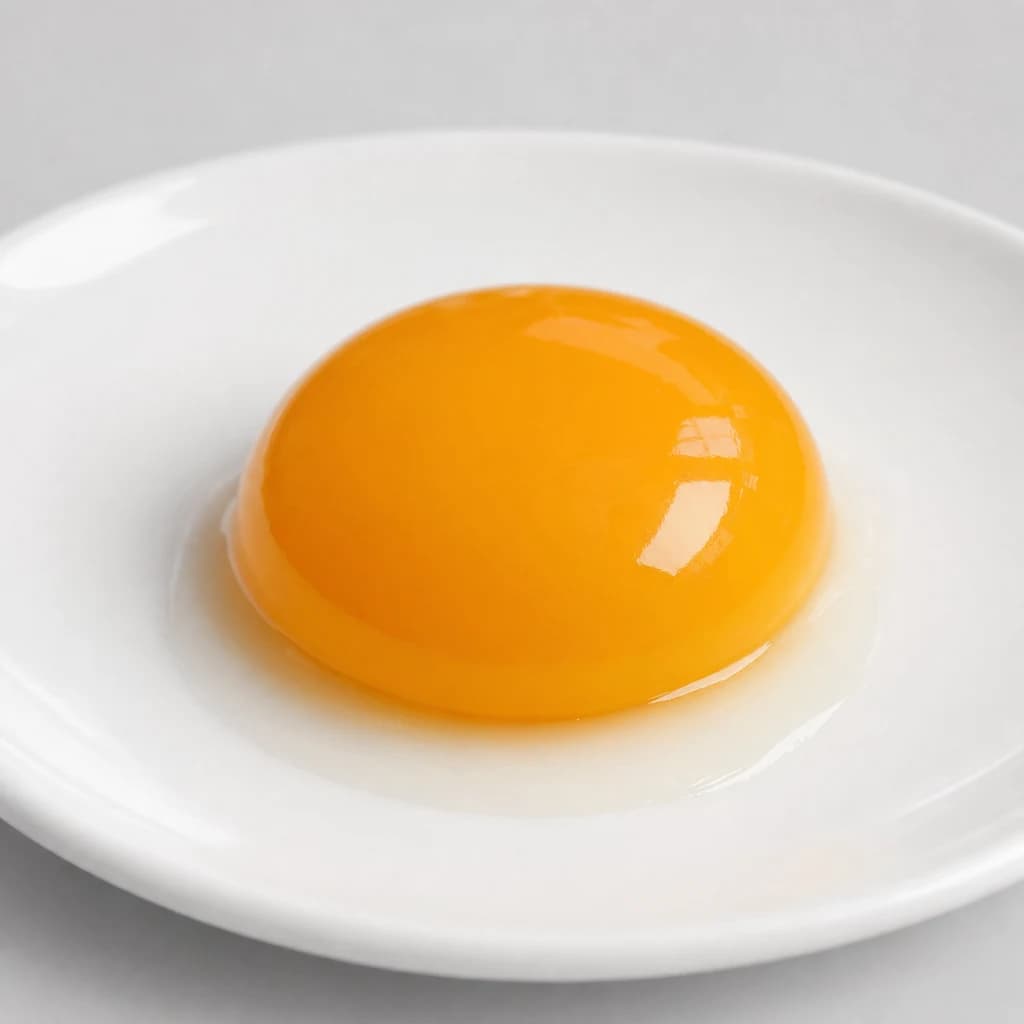
Egg Yolk
Rich, golden yolk for custards, mayonnaise, and pasta

Quail Egg
Tiny, speckled eggs for garnishing and elegant bites