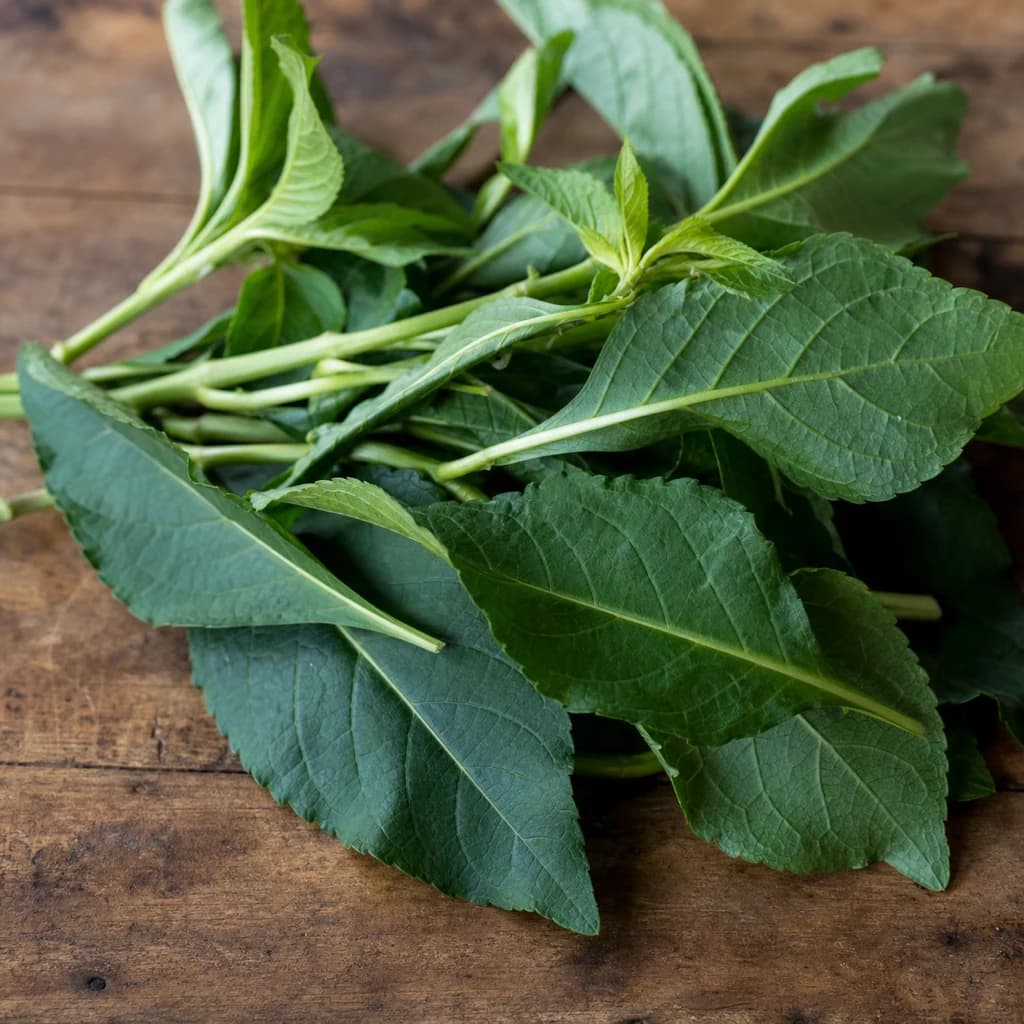
Natural form
Fresh bitter leaf stems and whole leaves as harvested from the plant.
Shows the reader exactly what to look for when buying or foraging bitter leaf in its unprocessed state.
Produce
Bitter Leaf
Distinctly bitter West African green washed and cooked into soups and stews.
Bitter leaf is a West African green known for its pronounced bitterness, central to Nigerian dishes like bitterleaf soup. The leaves are washed and squeezed repeatedly to reduce the bitterness before being cooked into rich soups and stews. Some bitterness is left deliberately, as it is the dish's defining character.
Bitter Leaf (Vernonia amygdalina) is a cornerstone green across West and Central African cooking, especially in Nigeria, Cameroon, Ghana, and the Democratic Republic of Congo. The name is literal—the raw leaves carry an assertive, quinine-like bitterness that demands respect. However, this bitterness is easily tamed through a simple washing technique: knead the leaves vigorously in several changes of cold water until the milky suds cease, then squeeze dry. Once prepared, the leaves lose their harsh edge while retaining a pleasant herbal backbone that stands up to rich palm oil, smoked proteins, and fermented condiments. In Nigerian cuisine it is indispensable for BBC soup, draw soup, and gbiro; in Cameroon it anchors ndolé. The fresh leaves are vastly superior, but dried and frozen versions serve adequately when fresh are unavailable.
- Measured in
- g
- Storage
- Fridge
Types & varieties
The standard commercial type; larger, darker leaves with robust bitterness
Often slightly milder; similar enough to interchange in recipes
Grown in coastal regions; comparable bitterness and texture
Crumbled or powdered; requires rehydration; bitterness concentrates
Common uses
Tips & pitfalls
- Wash thoroughly — knead leaves in three or four water changes until no white suds form; this step is non-negotiable.
- Don't overcook — 10 to 15 minutes in the soup is sufficient; extended boiling turns the leaves mushy and muddy.
- Add late if using in pepper soup — bitter leaf dropped in too early can make the broth harsh.
- Pair with fatty palm oil — the oil's sweetness and richness tame the bitterness elegantly.
- If substitution is necessary, add a small piece of raw potato to the dish to absorb excess bitterness while cooking, then discard.
Nutrition
Nutrition
No USDA FoodData Central match for Bitter Leaf yet. We surface a per-100 g profile once a generic whole-food entry is matched and verified.
In the shops
Matched grocery products
No matched grocery products for Bitter Leaf yet.
Good to know
- Scientific name
- Vernonia amygdalina
- Primary origin
- West and Central Africa
- Flavor profile
- Intensely bitter raw; mellowed and earthy when washed and cooked
- Peak season
- Year-round in tropical climates; dry season in some regions
- Common forms
- Fresh bunches, frozen chopped, dried crumbled
- Shelf life
- 2–3 days refrigerated (fresh); 6 months frozen
Substitutes
- Dandelion greens — Closest bitter profile among Western greens; use 1:1 and reduce washing time
- Collard greens — Milder; add a pinch of bitter leaf powder or a few raw dandelion leaves for authenticity
- Kale — Too mild; combine with a strong bitter herb like turmeric leaf or fenugreek leaves
- Gongronema latifolium (Bush buck) — Often sold alongside bitter leaf in West African markets; very similar in function and bitterness
Pairs with
Also called
Onugbu · Vernonia
Appears in these dishes
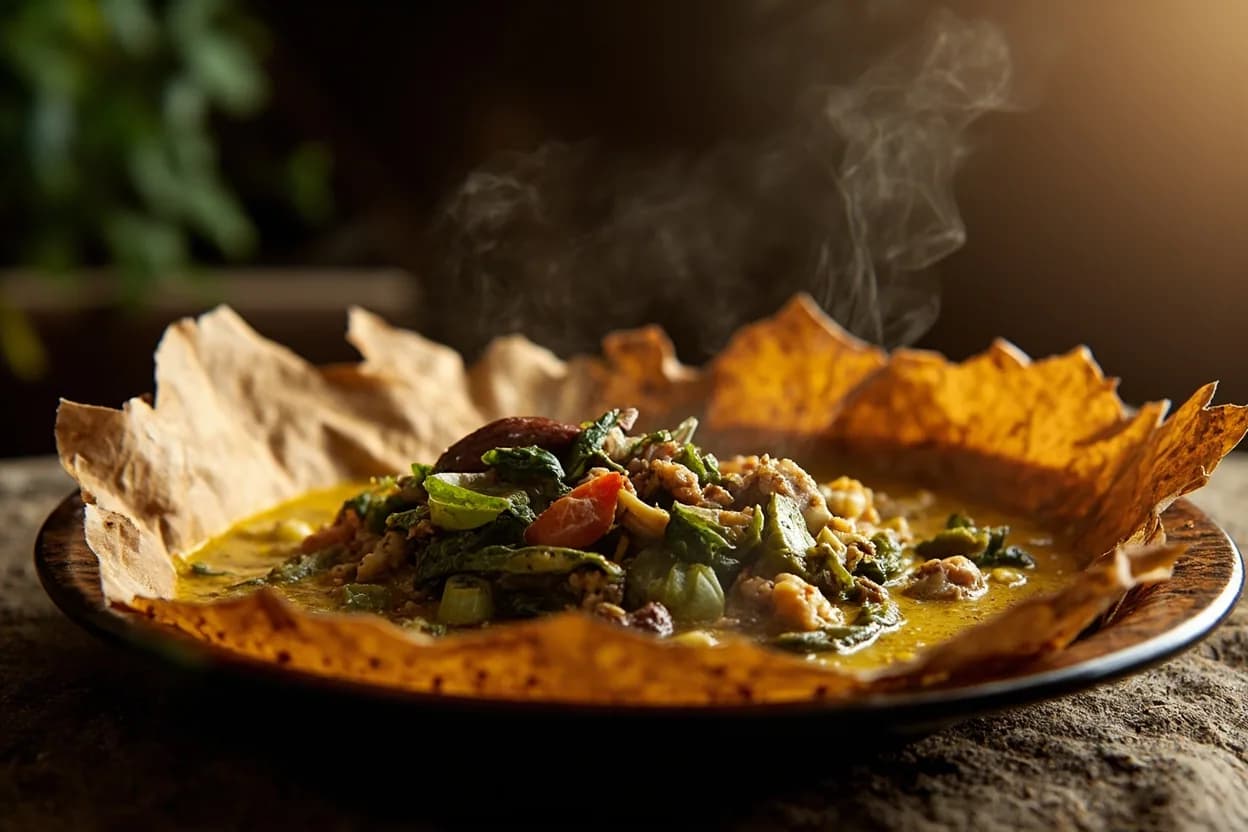
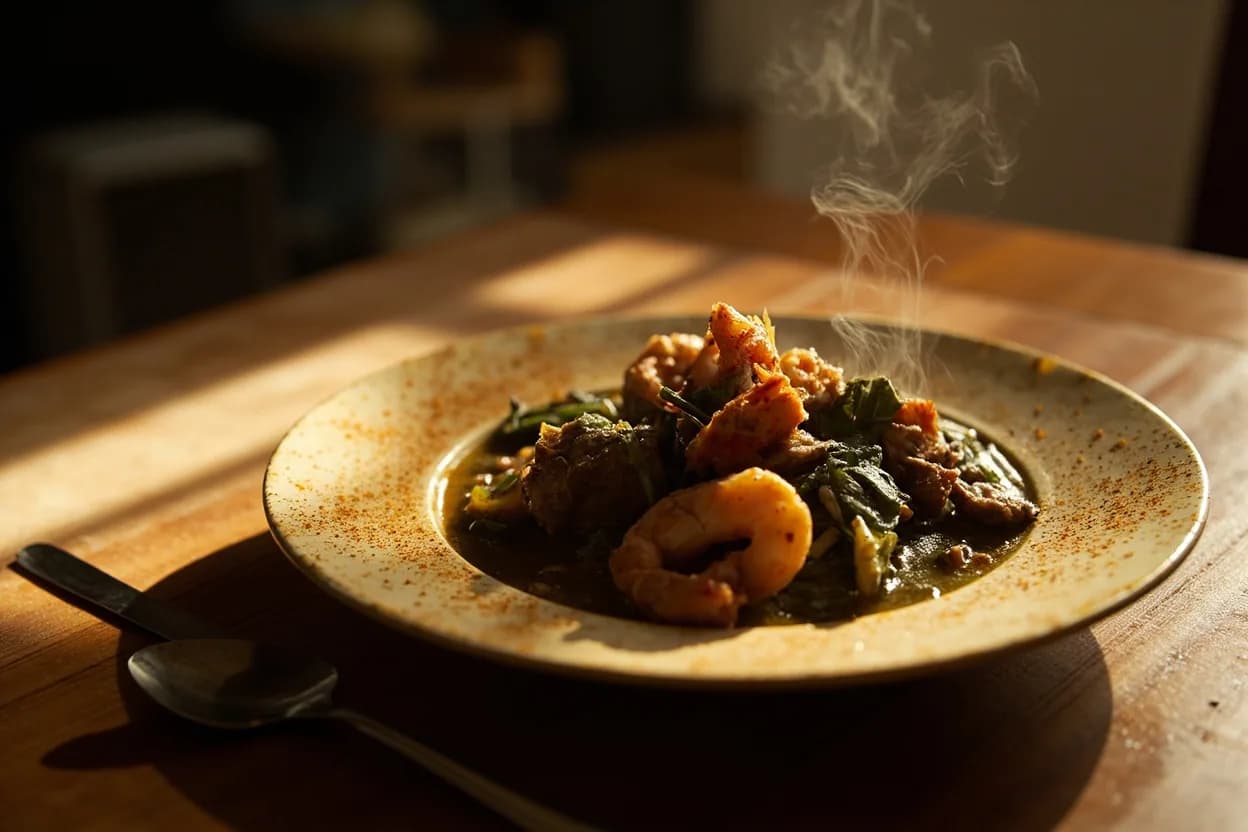
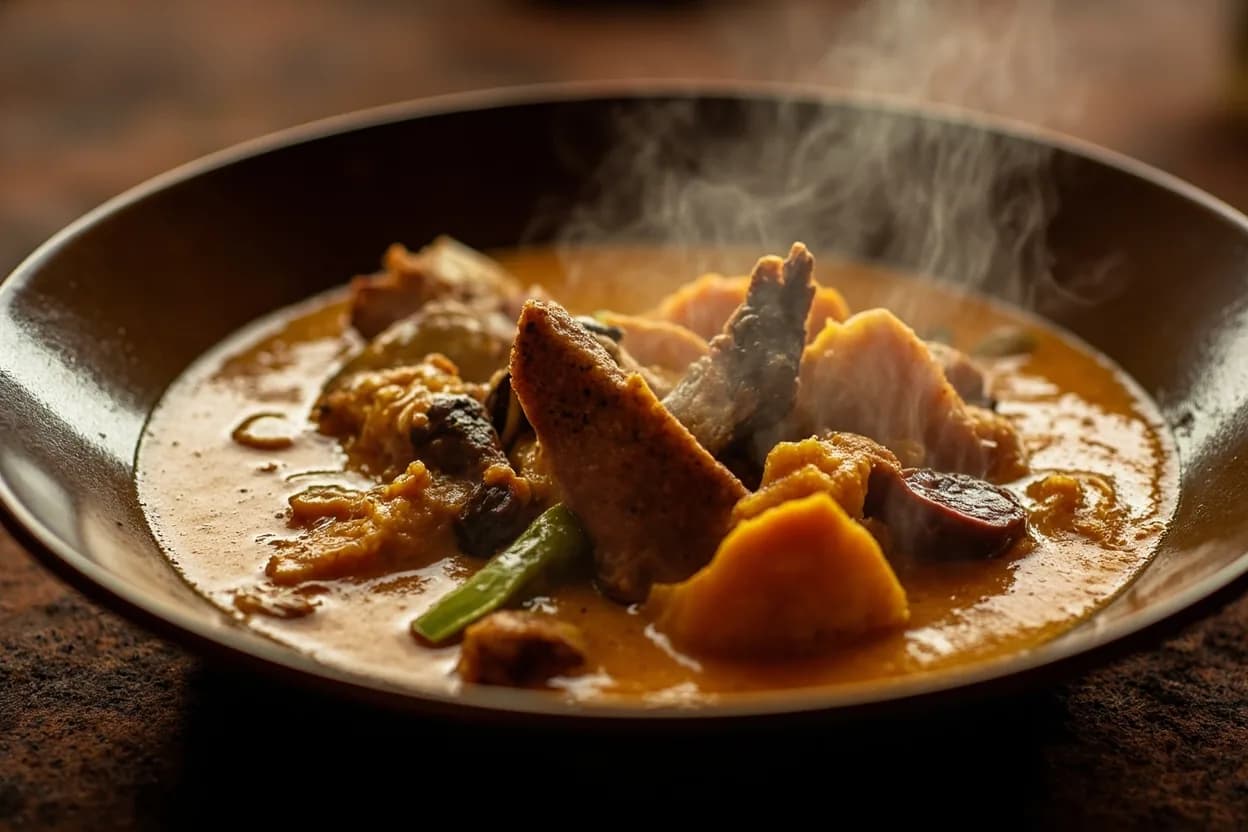
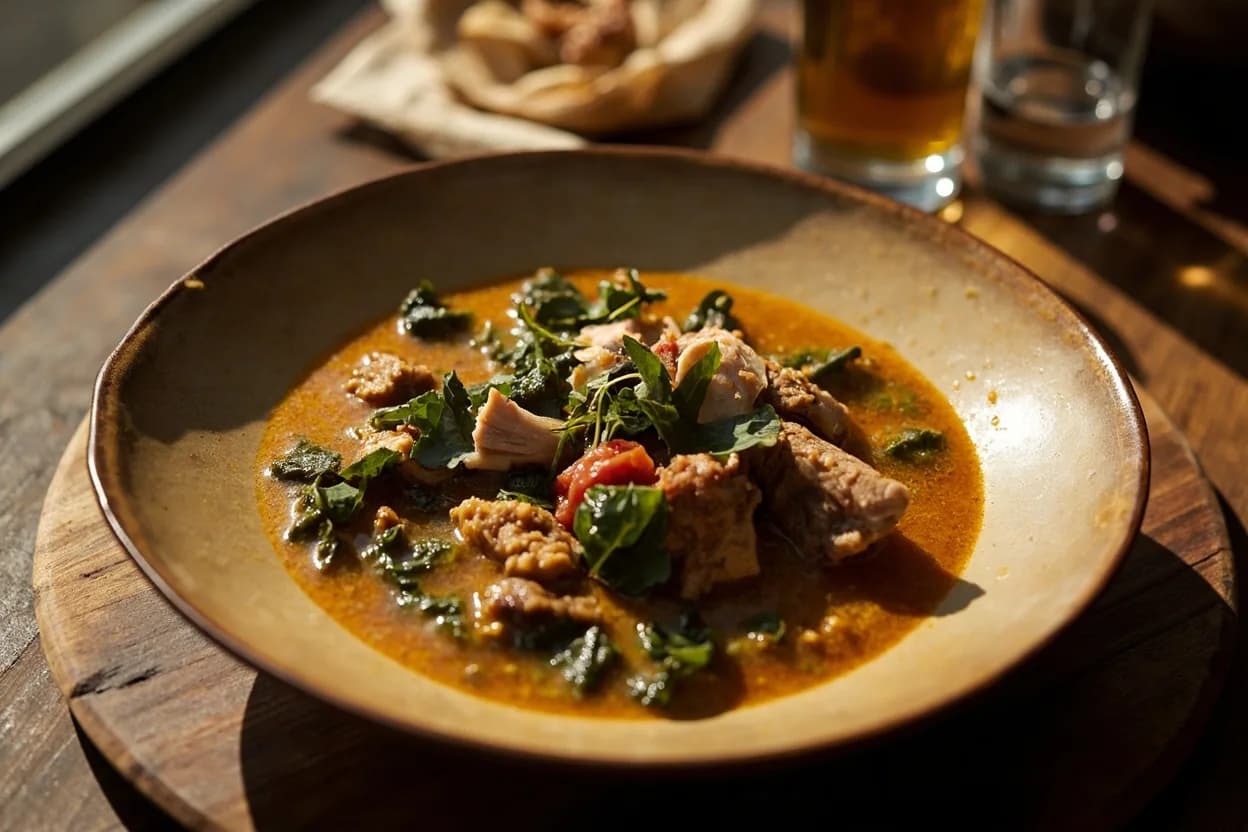
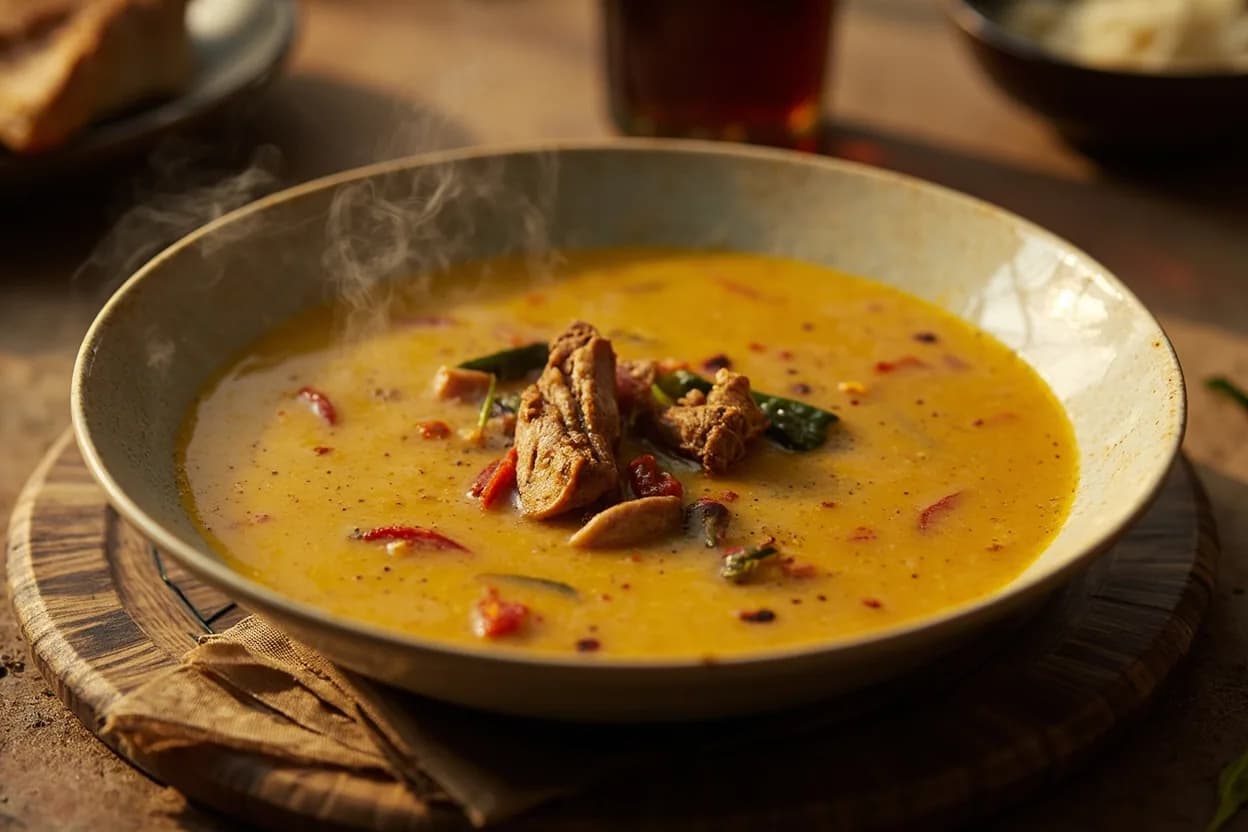
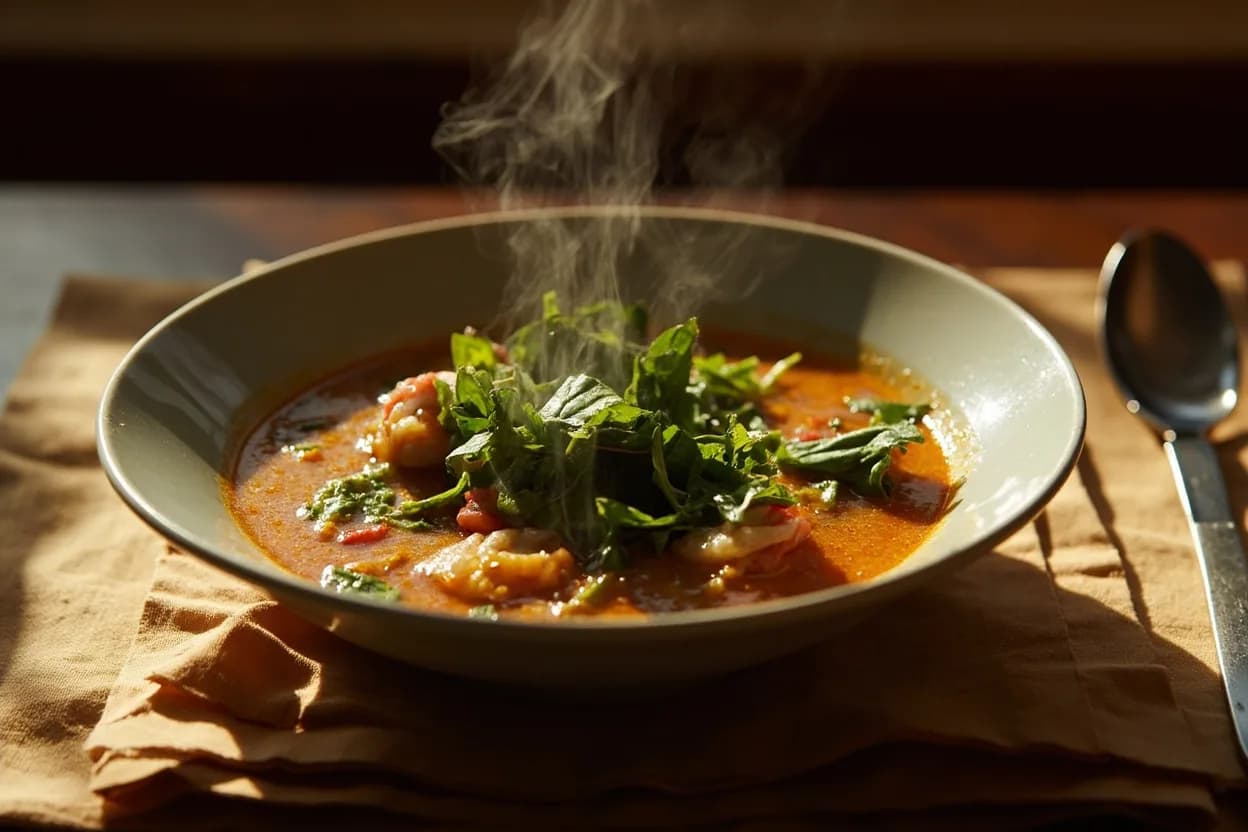
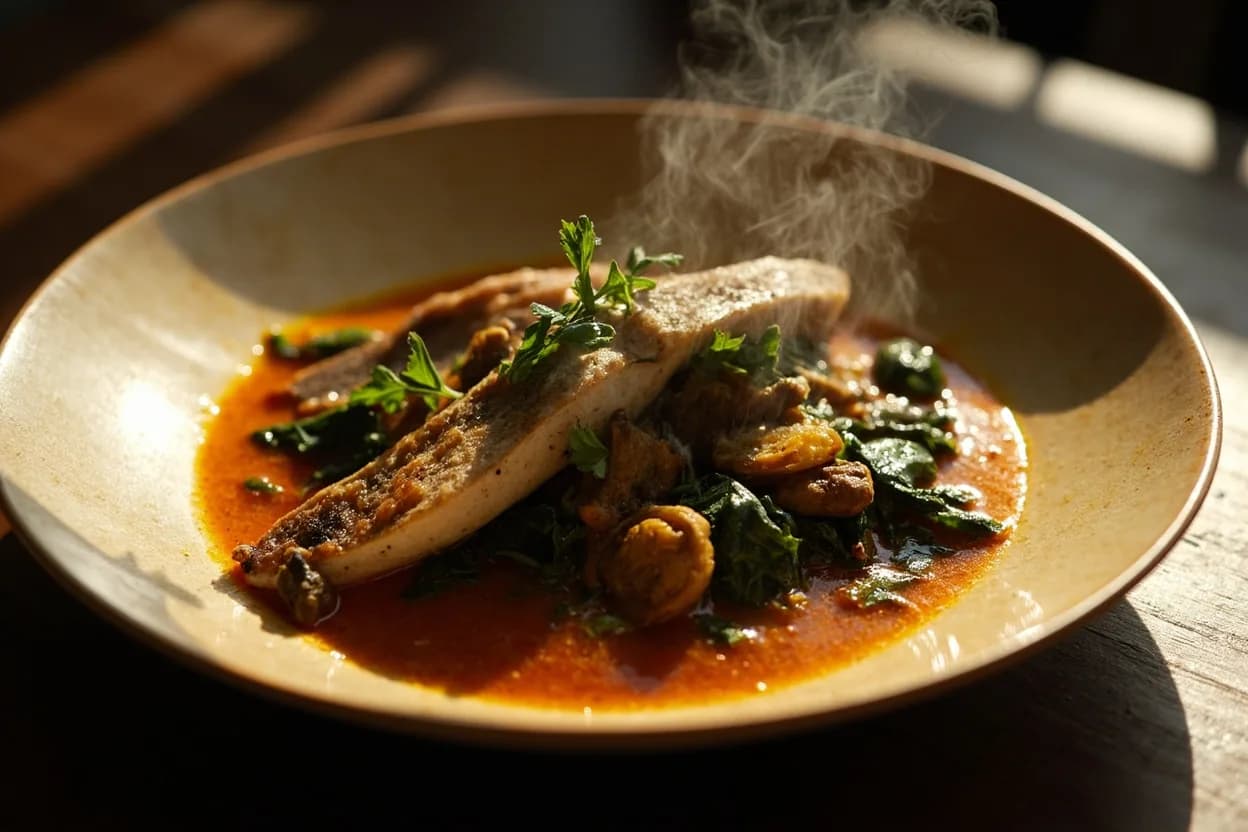

Related
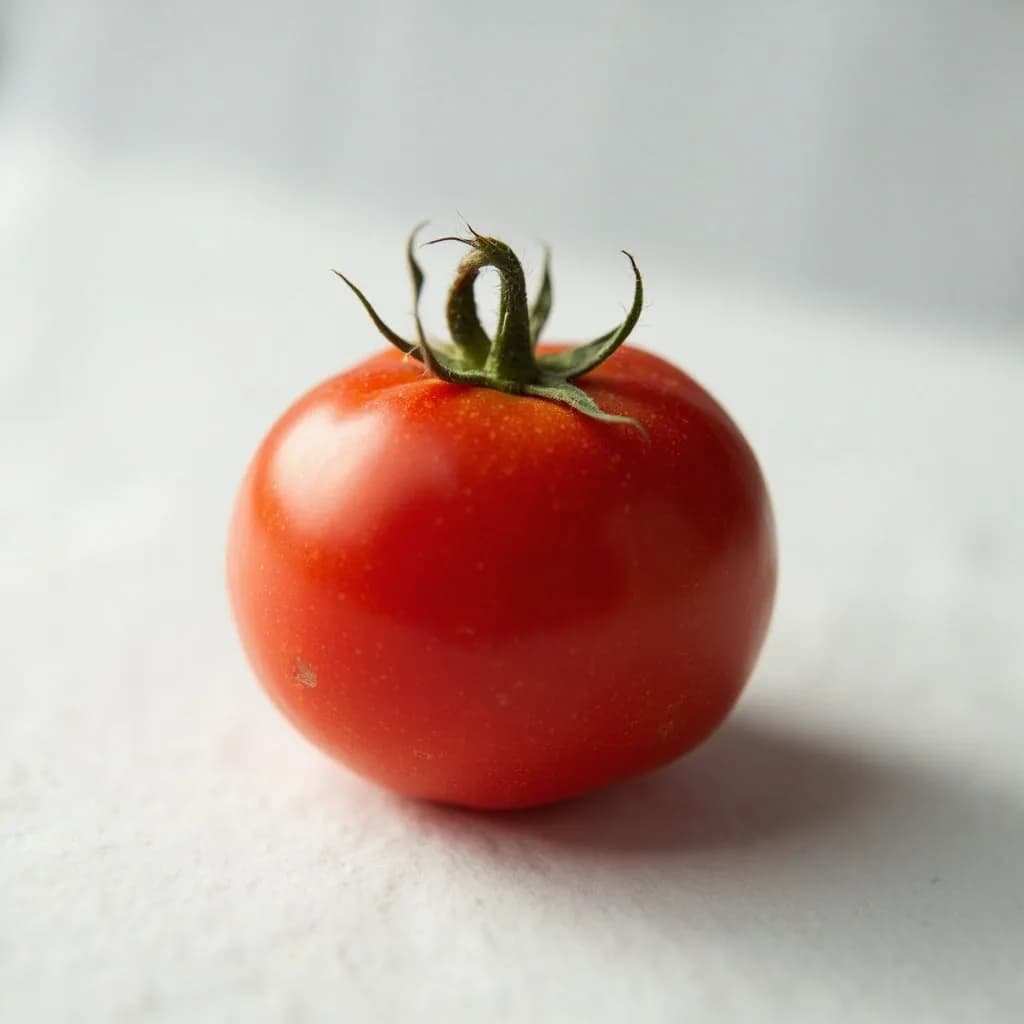
Tomato
Juicy, sun-sweet fruit for sauces, salads, and slow-cooked depth
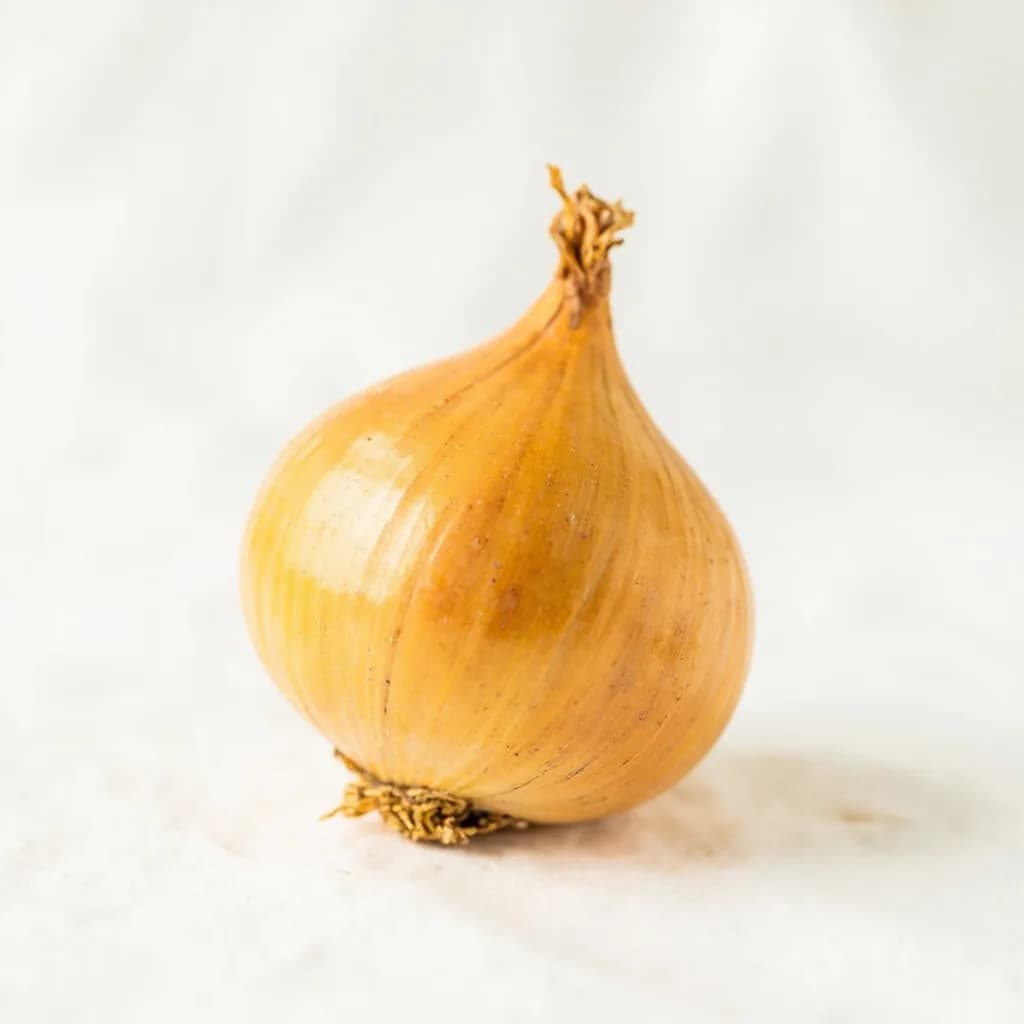
Yellow Onion
The aromatic backbone of soups, sofritos, and braises
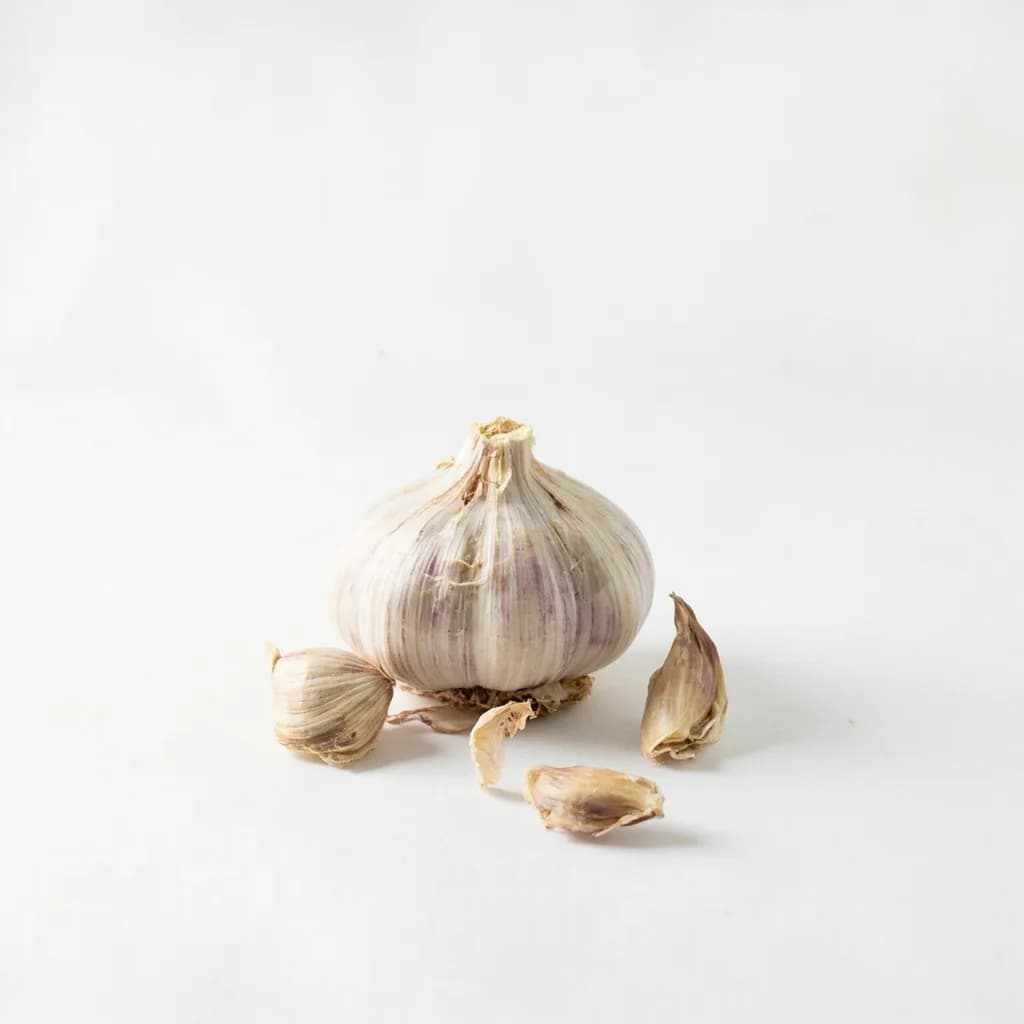
Garlic
Pungent cloves that perfume nearly every savory dish
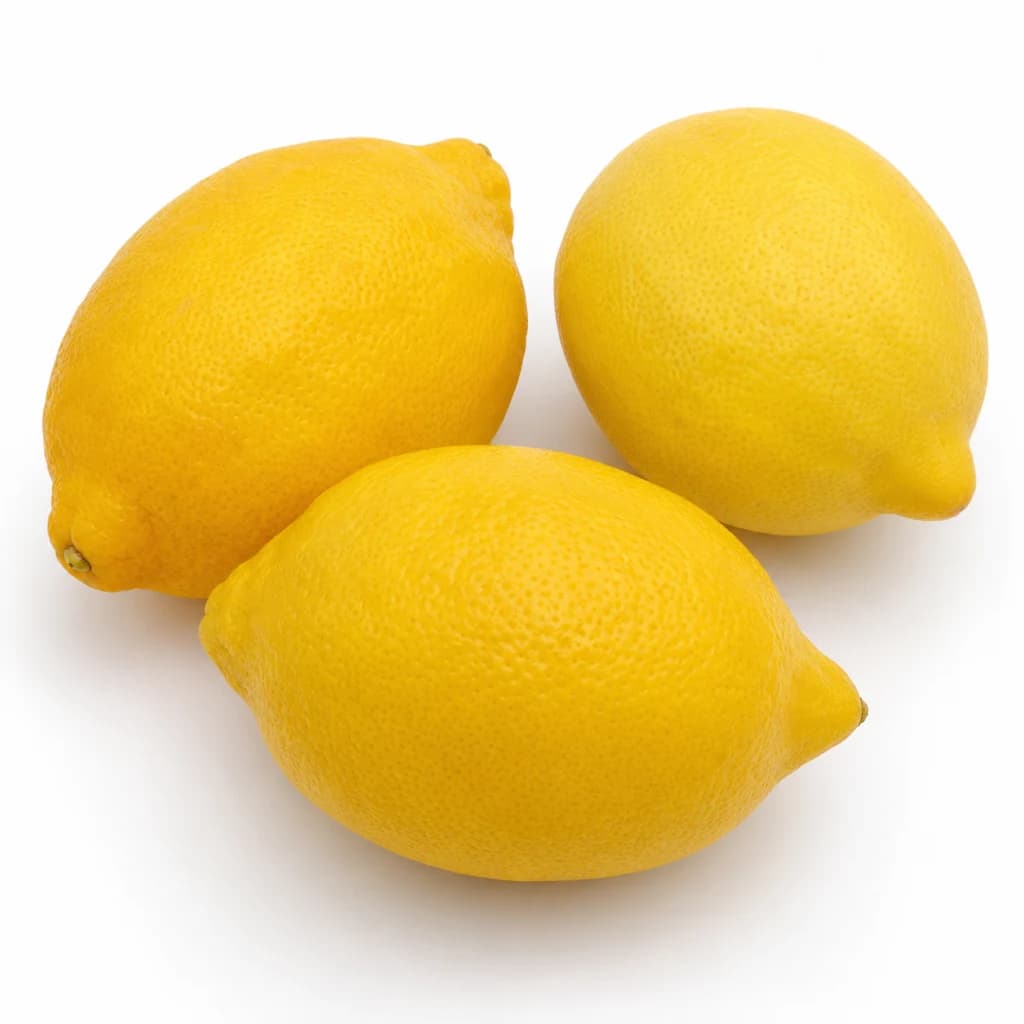
Lemon
Bright, acidic citrus that wakes up almost any dish
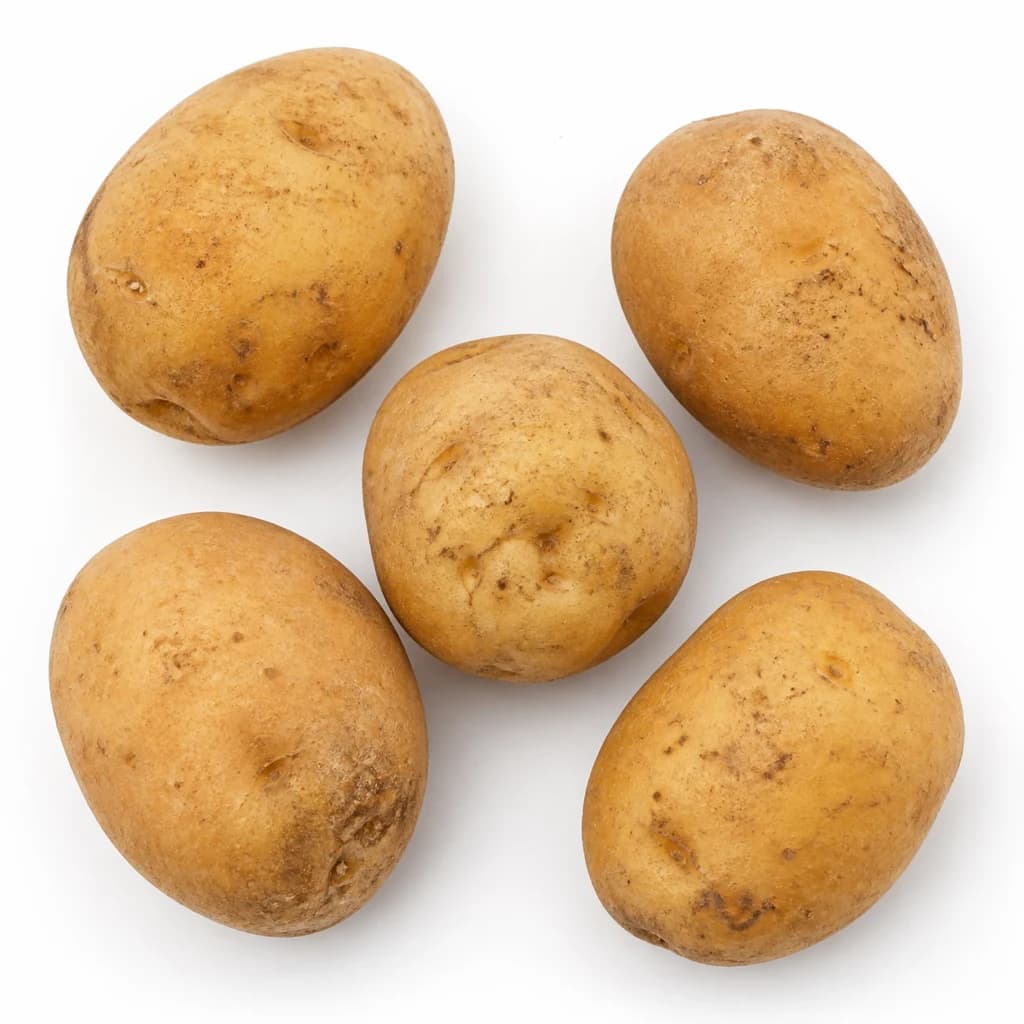
Potato
Humble, hearty staple — roast, mash, fry, or boil
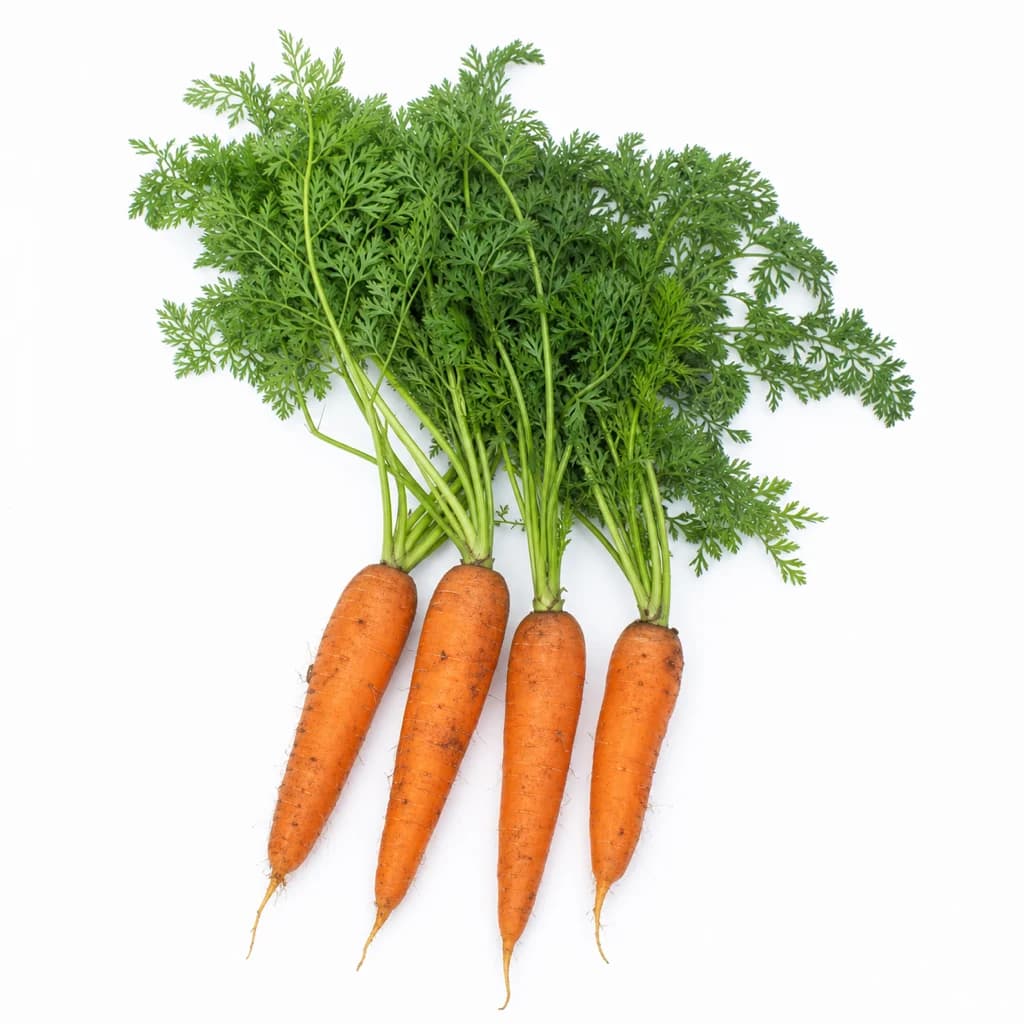
Carrot
Sweet, crunchy root — raw, roasted, or the base of a sofrito
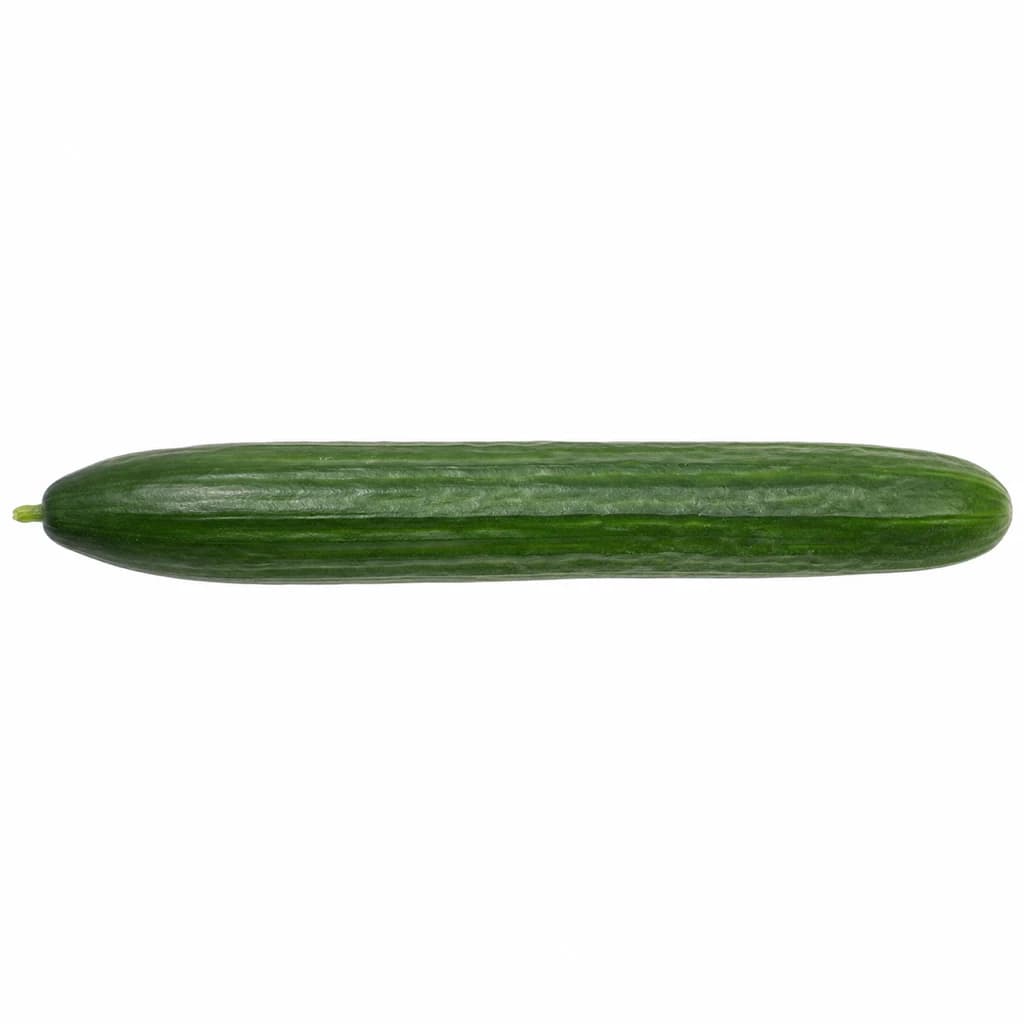
Cucumber
Cool, crisp, and watery — for salads, pickles, and tzatziki

Lettuce
Crisp leaves for salads, wraps, and a fresh crunch