Produce
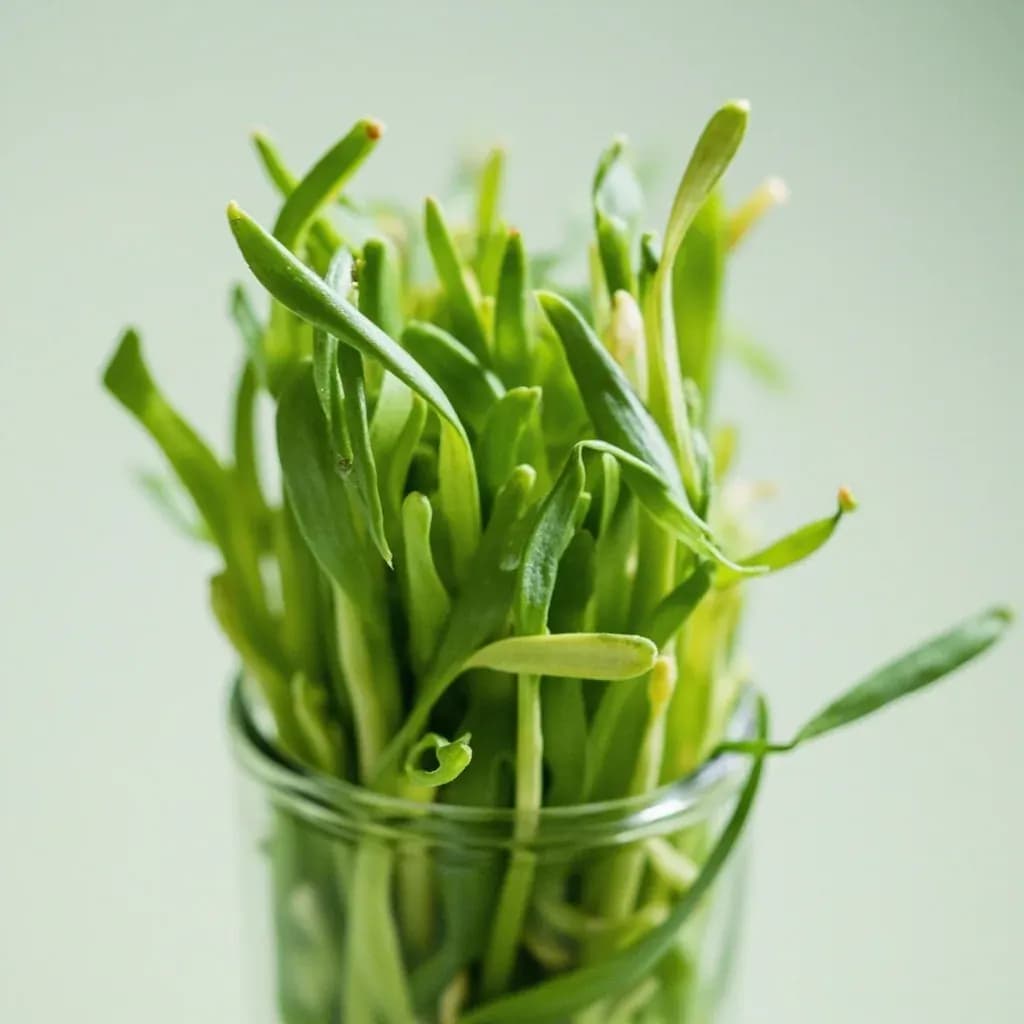
Dandelion Greens
Jagged, bitter leafy green eaten raw or sauteed, common in Italian and foraged cooking.
Dandelion greens are the toothed, slightly bitter leaves of the common dandelion, harvested young for tenderness. They are eaten in salads, wilted with garlic and oil in Italian and Greek cooking, or added to soups. The bitterness mellows with blanching or pairing with rich, salty ingredients like pancetta or anchovy.
Dandelion greens are one of the most widely available and nutritionally dense wild foods in the temperate world, yet they remain underutilized in home kitchens. The jagged, deeply lobed leaves carry a distinctive bitterness—caused by sesquiterpene lactones—that varies dramatically with the plant's maturity. Young spring leaves harvested before flowering are tender enough for raw salads, while mature summer leaves develop a tough, fibrous texture and assertively bitter flavor that demands cooking. This duality makes dandelion greens unusually versatile: they function as a peppery salad green when young and as a substantial cooked green when mature, similar to how you'd treat mustard or collard greens. Italian-American communities in the Northeast, particularly around Philadelphia and New York, have the deepest culinary tradition with this ingredient, preparing it simply with garlic, olive oil, and lemon. Beyond the leaves, every part of the plant is edible—flower buds fried, petals tossed into salads, stems braised, and roots roasted and ground as a coffee substitute—making dandelion one of the most complete wild foods available.
- Measured in
- g
- Storage
- Fridge
Types & varieties
Smaller leaves with more concentrated bitterness; the most common foraged type, available almost everywhere
French heirloom variety with larger, flatter leaves; slightly less bitter and more tender than wild types
Bred for larger leaves and easier harvest; still benefits from brief cooking to tame bitterness
Selected strain with notably reduced bitterness compared to wild types; sold by specialty seed suppliers
Foraging and Identification
Dandelion is the most reliable wild edible for beginners—no poisonous look-alikes exist in North America. The distinctive toothed leaves (the 'lion's tooth' that gives the plant its name), single yellow flower head on a hollow stem, and white latex sap that oozes when stems are broken are consistent identifying features. The plant grows in a basal rosette from a taproot that can extend 6–18 inches into the soil. Harvest the entire plant by slicing the taproot just below the soil surface with a sharp knife; wash thoroughly, as the leaves trap grit between their deeply lobed surfaces. Always obtain permission before foraging on private land, and never harvest from areas where you cannot confirm the absence of chemical treatments.
- Look for the basal rosette of deeply toothed leaves emerging directly from the center
- Break a stem—the sap should be white and milky, not clear or colored
- The hollow flower stalk is a key identification feature; common look-alikes have solid stems
- Harvest entire plants in spring for the most tender leaves and usable roots
- Wash leaves in several changes of cold water, agitating gently to remove trapped soil
Common uses
Tips & pitfalls
- Harvest in early morning when leaves are crispest and least wilted from sun exposure
- Pick before the plant bolts (sends up a flower stalk) for the mildest, most tender leaves
- Avoid harvesting from lawns or fields treated with herbicides, pesticides, or synthetic fertilizer
- Steer clear of roadsides—vehicle exhaust contaminates leaves with heavy metals
- For mature leaves: fold each leaf in half lengthwise and strip the tough center rib before cooking
- Blanching in generously salted boiling water for 1–2 minutes dramatically reduces bitterness; immediately plunge into ice water to preserve color
- Salt the greens lightly and let rest 10 minutes before cooking to draw out moisture and mellow bitterness
- Common mistake: undersalting the blanching water—use about 2 tablespoons salt per quart of water
- A splash of lemon juice or vinegar added while cooking brightens flavor without reducing bitterness
- The yellow petals of fully open flowers are edible; pick in mid-morning when they're fully expanded
- Frozen: blanch briefly, squeeze dry, and freeze in airtight containers for up to 3 months
Nutrition
Energy
188 kJ · per 100 g
Where the calories come from
Protein
2.7g
5% DV
Carbs
9.2g
3% DV
Fat
0.7g
1% DV
Fiber
3.5g
13% DV
Sugars
0.7g
of which
Sodium
76mg
3% DV
Source · USDA FoodData Central · Dandelion greens, raw
View on FDC →In the shops
Matched grocery products
No matched grocery products for Dandelion Greens yet.
Good to know
- Scientific name
- Taraxacum officinale
- Family
- Asteraceae (daisy family)
- Peak season
- Early spring before flowering; also late fall after frost
- Primary bitterness compound
- Sesquiterpene lactones (concentration increases with maturity)
- Shelf life
- 2–4 days refrigerated, wrapped in damp paper towels
- Yield
- Minimal trim when young; up to 30% trim on mature leaves (remove tough center ribs)
- Edible parts
- Leaves, flower buds, open flowers, stems, and roasted root
- Identification difficulty
- Low; one of the easiest and safest wild plants to identify reliably
Substitutes
- Arugula — Similar peppery bitterness but milder and more tender; best choice for raw applications when dandelion isn't available
- Belgian endive — Pleasantly bitter with a crisp texture; holds up well to hearty dressings and grilling
- Radicchio — Intense bitter flavor with striking magenta color; excellent grilled or used raw for visual contrast
- Escarole — Milder bitterness with broad, sturdy leaves that hold structure well when cooked
- Chicory — Very close bitterness profile with slightly more fiber; excellent for grilling applications
- Curly endive (frisée) — Bitter and tangy with a crisp texture; the classic green in French Salade Lyonnaise with lardons
Pairs with
Also called
Dandelion Leaves
Related
Tomato
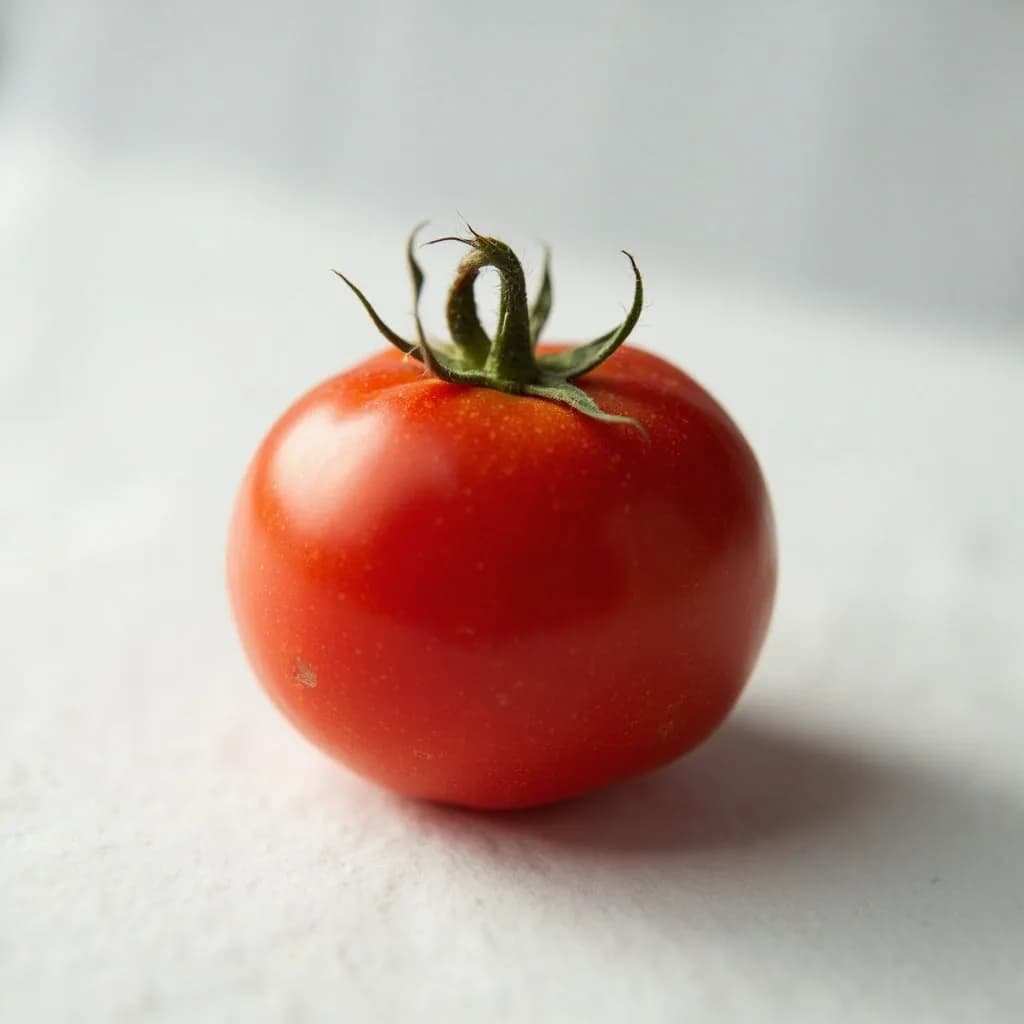
Juicy, sun-sweet fruit for sauces, salads, and slow-cooked depth
Yellow Onion
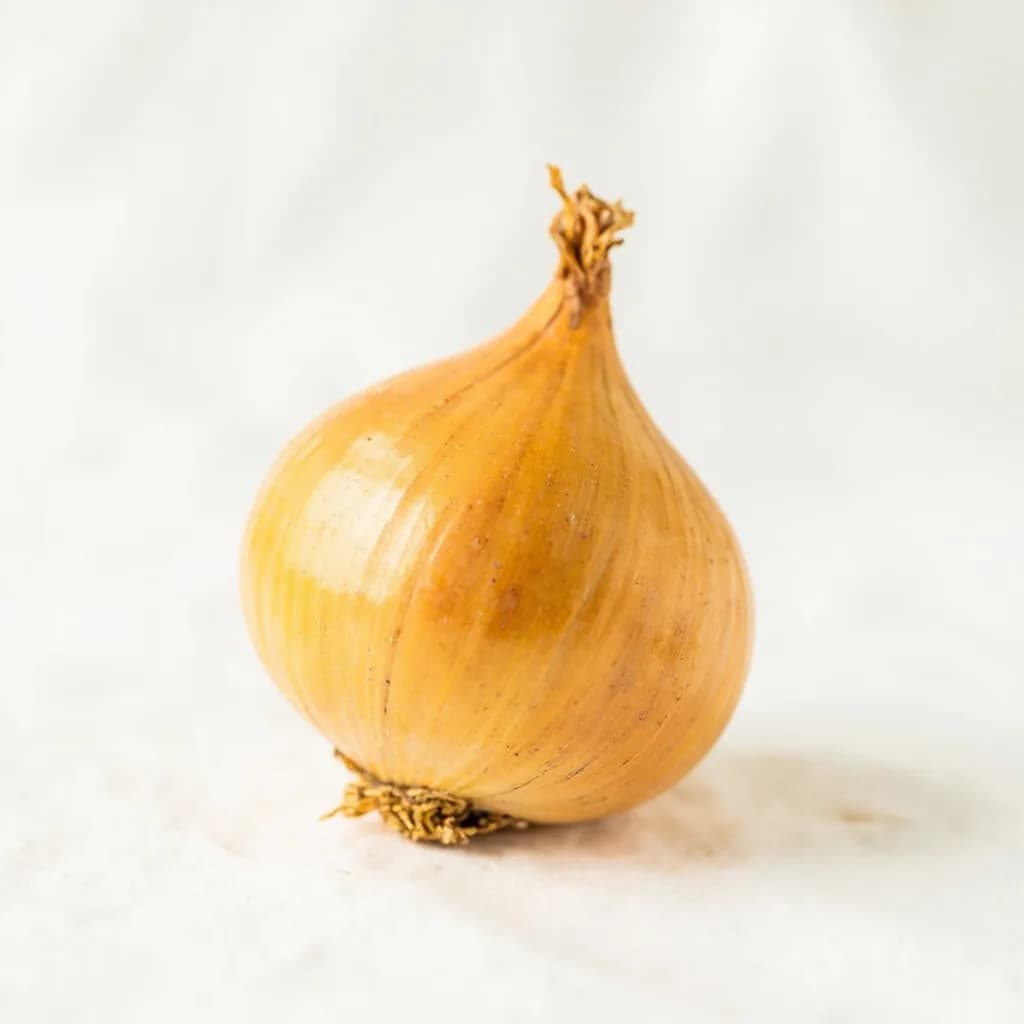
The aromatic backbone of soups, sofritos, and braises
Garlic
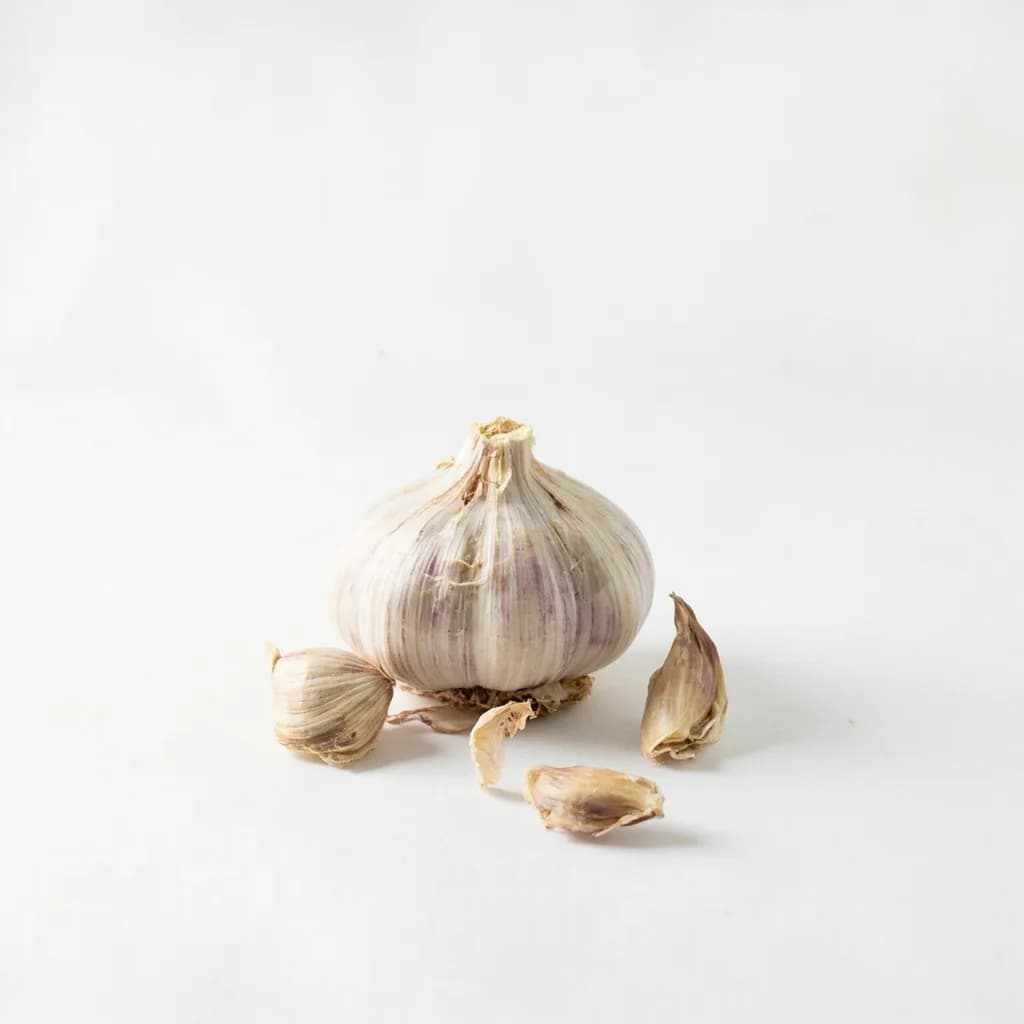
Pungent cloves that perfume nearly every savory dish

Lemon
Bright, acidic citrus that wakes up almost any dish
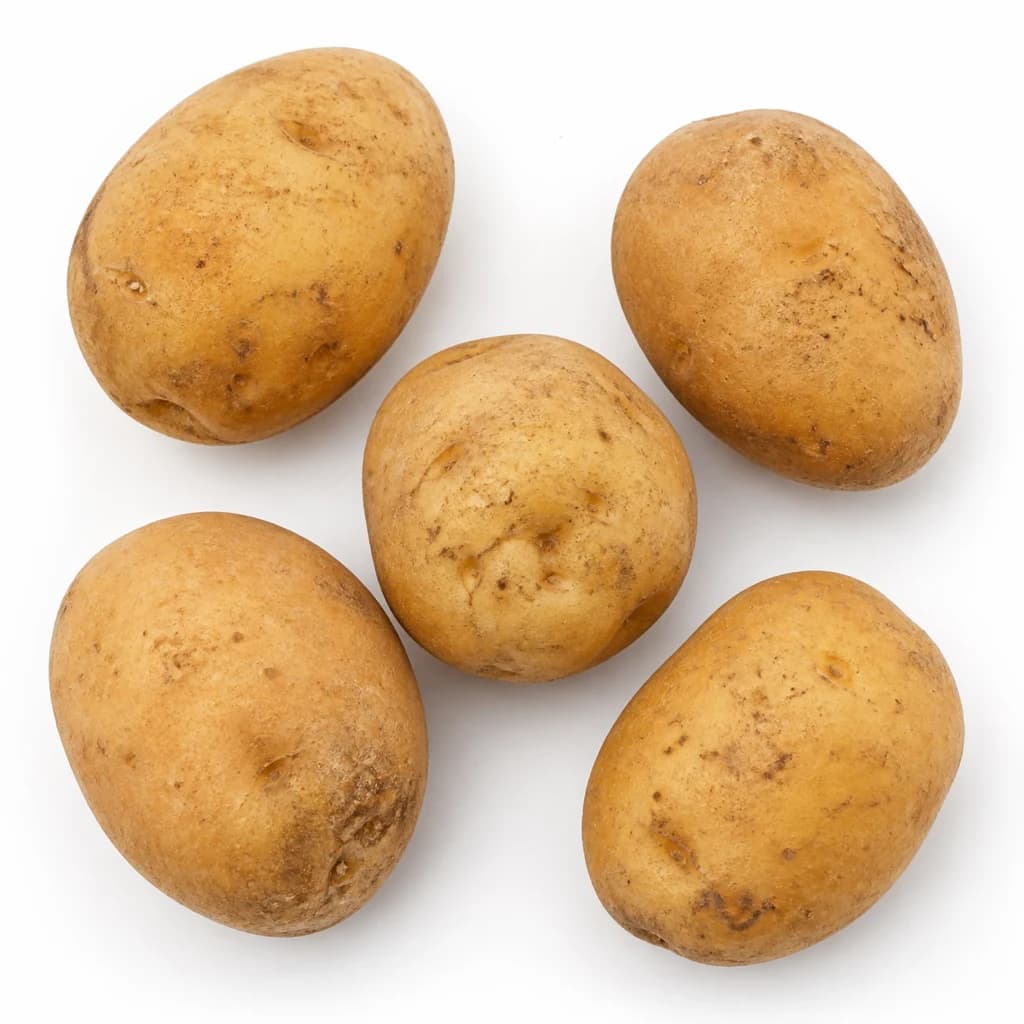
Potato
Humble, hearty staple — roast, mash, fry, or boil
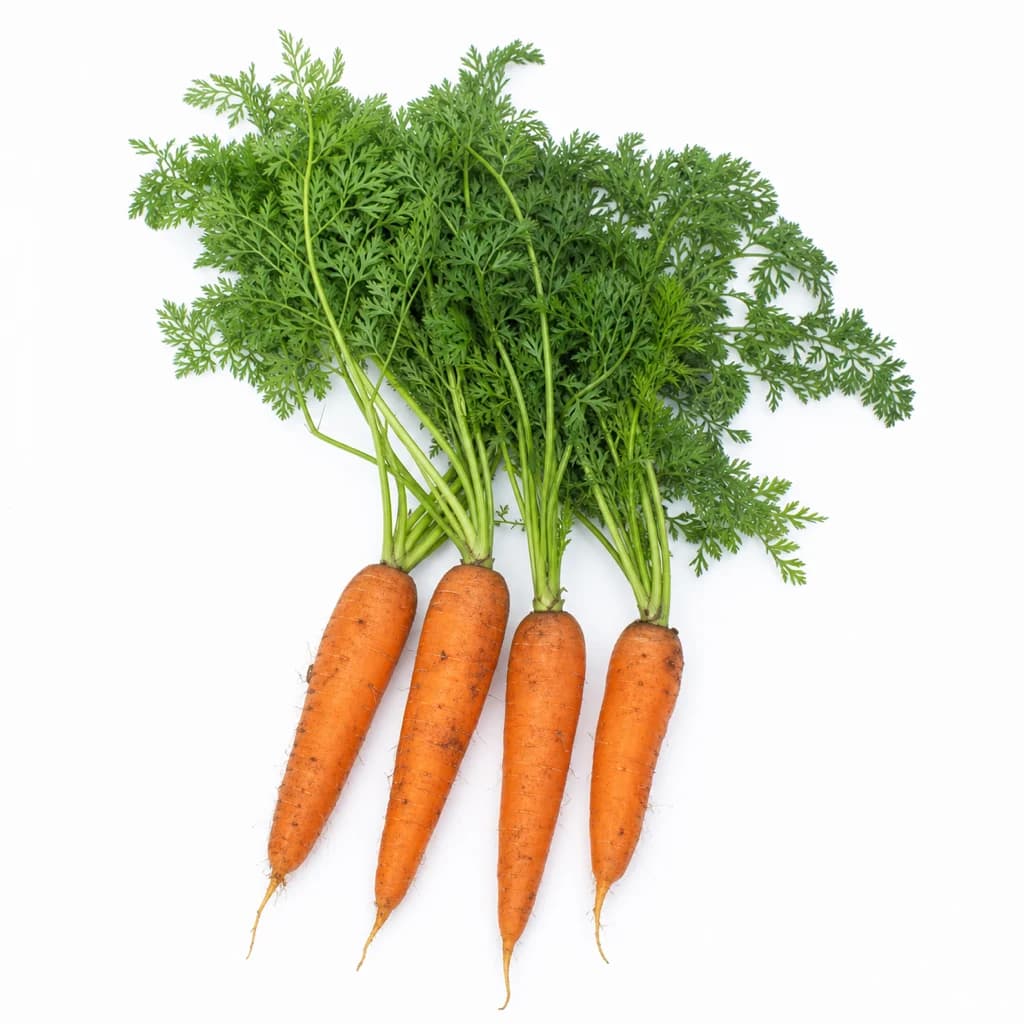
Carrot
Sweet, crunchy root — raw, roasted, or the base of a sofrito

Cucumber
Cool, crisp, and watery — for salads, pickles, and tzatziki

Lettuce
Crisp leaves for salads, wraps, and a fresh crunch